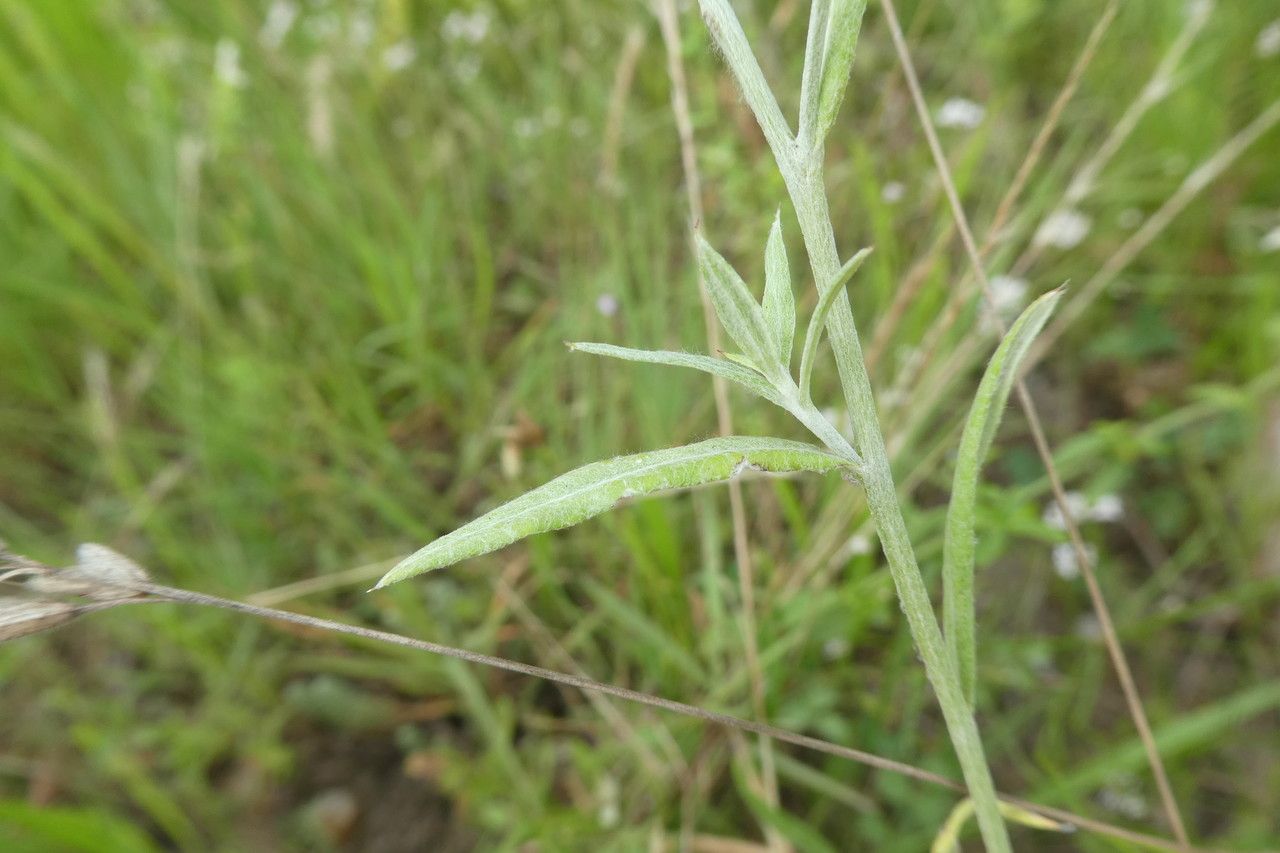
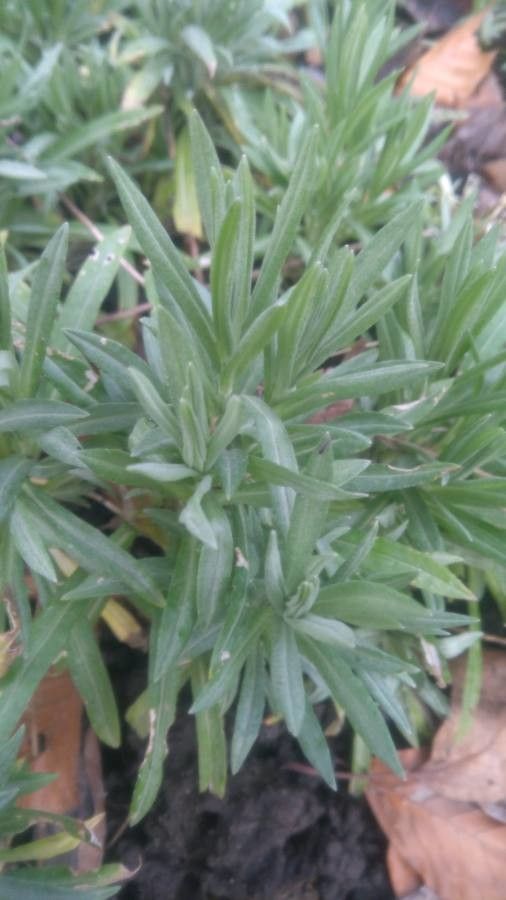
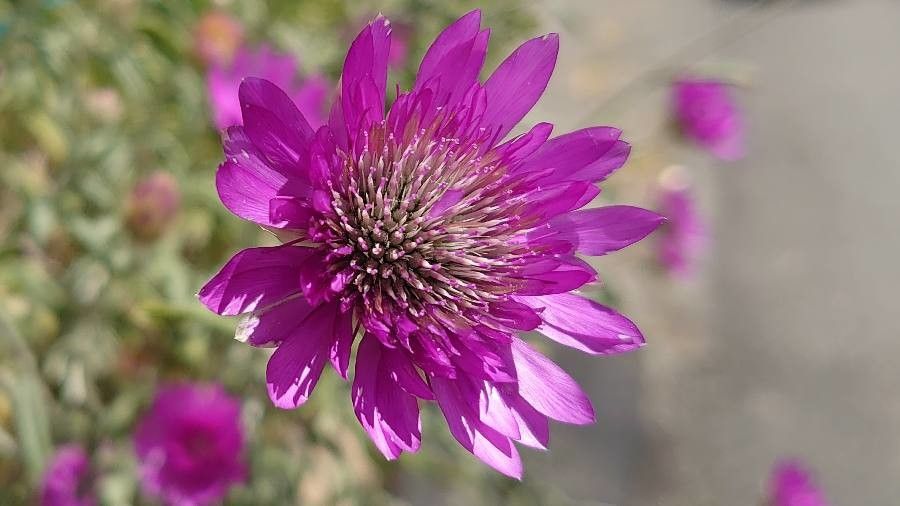
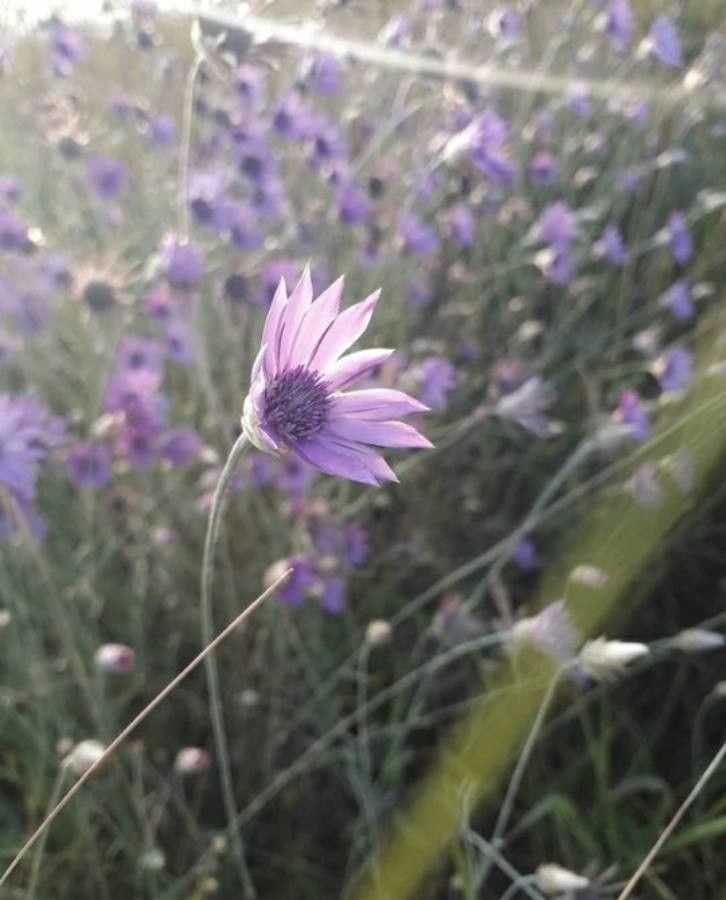
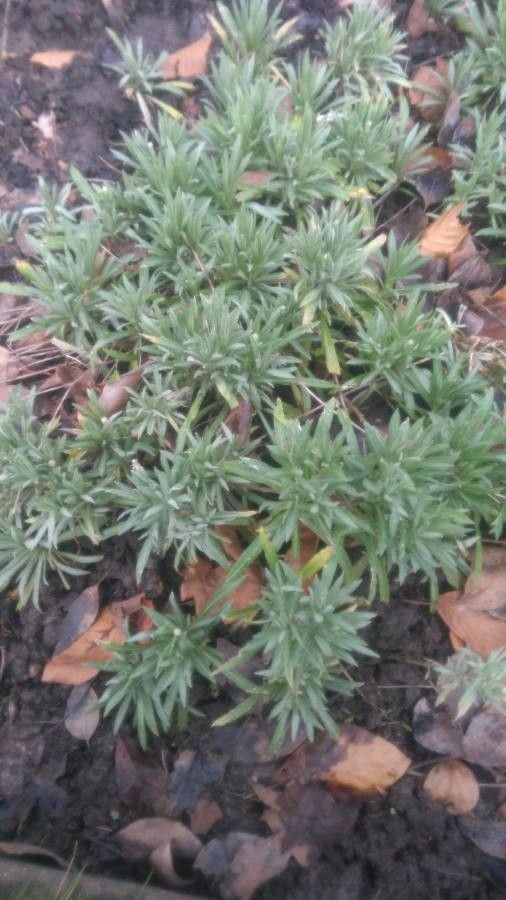
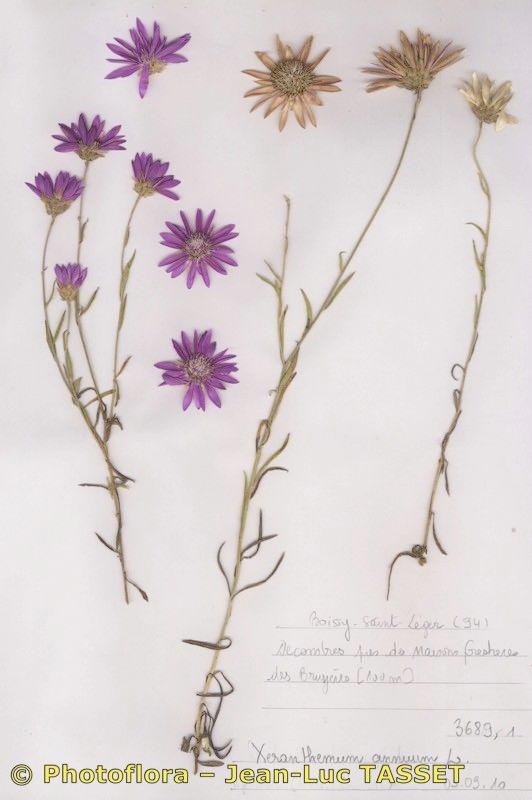
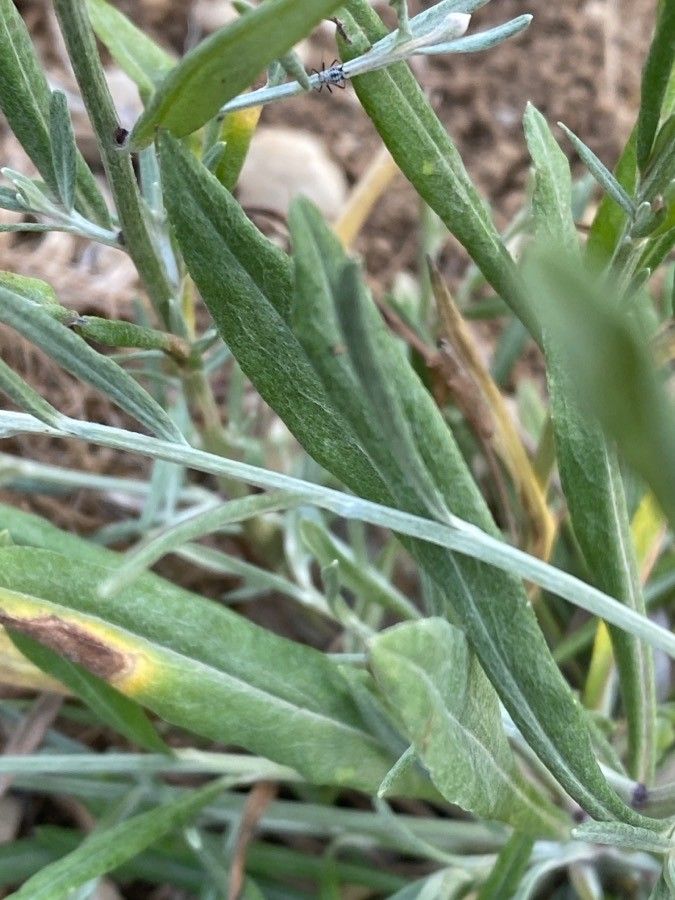
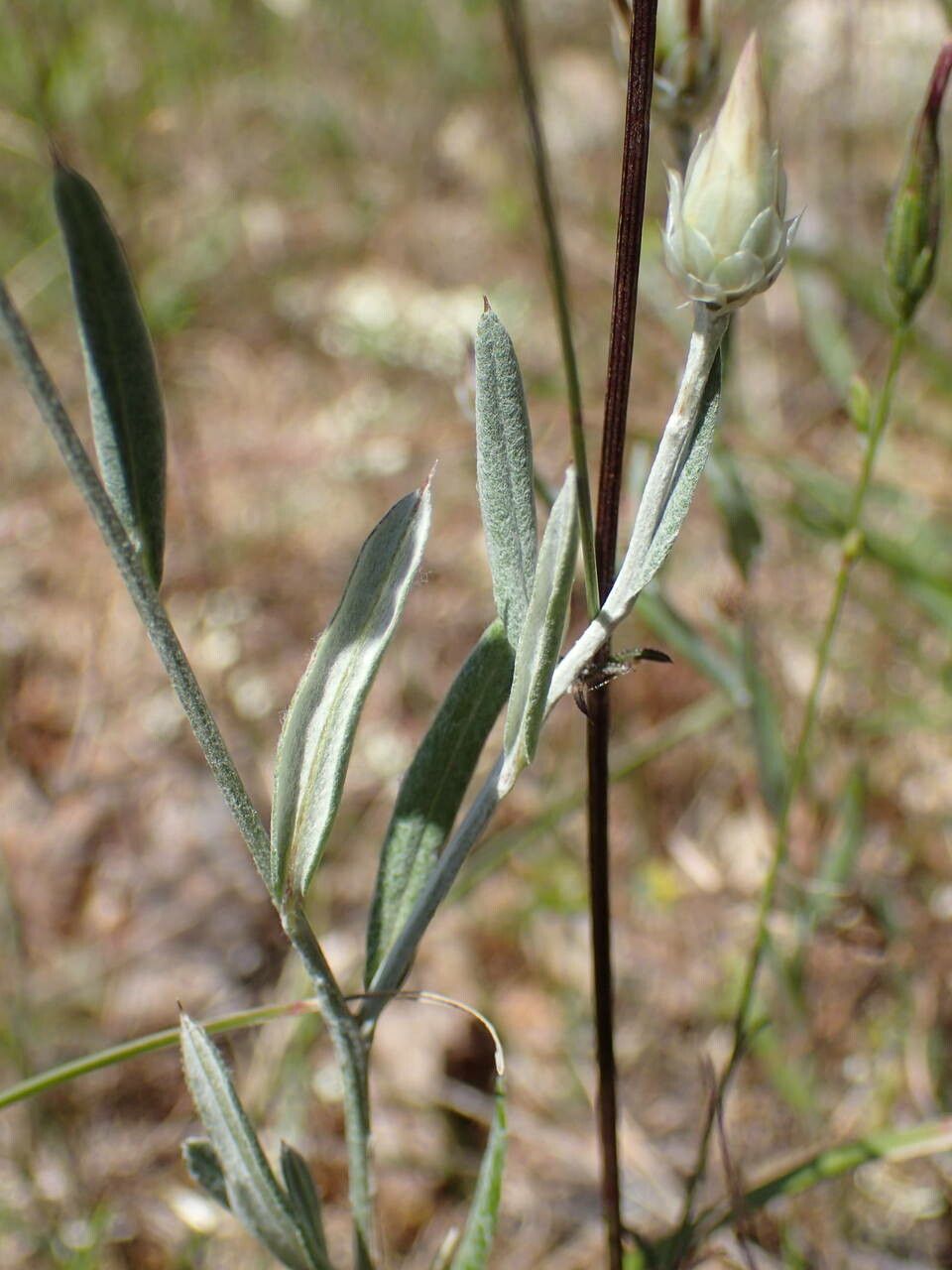
Xeranthemum annuum is a flowering plant species also known as annual everlasting or immortelle. It is native to eastern Europe and western Asia, is cultivated as a garden flower. It has become naturalised in other parts of Europe.The immortelle is a symbol of eternity and immortality. It is an annual plant of dry, sunny lawns, slopes, vines, loess farms and karst bushes. pecies. The leaves are typically elongated, spear-like with a silvery-gray color, and the leaves are downy. Immortelles bloom during the summer months, from June to September, when the populations are a delightful pink-lilac flower field. Immortelle is easy to hold because it feels comfortable in dry, sunny conditions.
Immortelle is fairly resistant to disease and generally not easily affected by illnesses. Nevertheless, it can still be vulnerable to pests and diseases present in its environment. These problems are typically mild. Regarding care, this plant needs moderate maintenance. It should be pruned regularly to preserve a neat appearance and healthy growth. Fertilizing can also encourage flowering. Immortelle is well suited to anyone with outdoor space, such as a garden or patio, and does not demand extensive care experience. It may need more attention if grown indoors.
How to keep Xeranthemum Annuum.
Light
Immortelle does best when it gets a generous amount of light during the day. Its native habitat, usually open areas, lets it absorb plenty of sunlight. Limited light can harm its growth and health, whereas too much light generally isn’t a problem.
Water
Originating from arid regions, the immortelle plant is known for its remarkable drought tolerance, thriving best with infrequent but deep watering. To remain healthy without becoming waterlogged, it should be watered once a week. As an annual plant, the growth of immortelle is influenced by rainfall patterns, requiring more care and attention during dry spells to successfully complete its life cycle.
Temperature
Immortelle can adjust to a broad range of temperatures, but its range may still be restricted by different combinations of water and heat conditions. It grows best in warm summers with sufficient rainfall or watering. Extended periods of cloudy, rainy weather, as well as prolonged high temperatures, can raise the risk of Immortelle dying. In winter, adequate protection from cold can increase the plant’s chances of survival.
Fertilizer
When most of Immortelle's blooms have opened to full size, resume fertilizing. At the time of peak bloom, apply fertilizer every three to four weeks, as the weather allows. Then, when Immortelle begins producing fewer new blooms, stop fertilizing; there's no need to fertilize if the plant cannot produce more blooms.
Pruning
To care for immortelle plants effectively, only minimal pruning is necessary. Focus on deadheading from early to late spring. Carefully trim dead stems using clean tools to improve airflow, reduce pests, and encourage healthy growth. This approach helps maintain the plant's overall health and promotes continuous blooming.
Botanical profile.
- Plant Type
- Herb
- Life Cycle
- Annual
- Genus
- Xeranthemum
- Family
- Asteraceae
- Hardiness Zone
- 3-11
- Mature Height
- 61 cm
- Mature Spread
- 46 cm
- Leaf Color
- Gray, Silver
- Leaf Type
- Deciduous
- Flower Color
- Pink, Purple, White
- Flower Size
- 3.81 cm
- Bloom Time
- Summer
- Planting Time
- Spring
- Harvest Time
- Late summer, Early fall, Mid fall
- Native Area
- Turkey, Czech Republic, Slovakia, Romania, Montenegro, Bulgaria, Greece, Croatia, Slovenia, Ukraine, Serbia, Russia, Italy, Albania, Hungary, Moldova, France
Other names.
Reader questions.
How should I water my Immortelle plant?
When watering Immortelle, you have several options for the tools you can use, such as a garden hose with a spray nozzle or a watering can. Immortelle is not too particular about the type of water it receives, whether it's rainwater, tap water, or filtered water. However, it's best to avoid watering this plant from above to prevent damage to the leaves and flowers and the possibility of disease. For optimal watering, consider setting up a drip irrigation system that evenly and directly applies water to the soil. If you have a container-grown Immortelle, you can still use similar watering methods but using a cup, watering can, or tap to directly water the soil.
What are the sunlight requirements for Immortelle?
Immortelle requires full sun, meaning it needs more than 6 hours of sunlight daily. Its natural habitat is typically in open spaces where it can absorb extensive sunlight, crucial for its growth and health. Limited light can compromise its growth, though it's generally resistant to overexposure. It's important to observe how sunlight moves through your garden to ensure your Immortelle gets the perfect balance of light and shade, guaranteeing its happiness.
What should I do if I give my Immortelle plant too much or too little water?
To avoid underwatering Immortelle, simply water it more frequently once you notice it lacking moisture. Overwatering, on the other hand, can be more problematic. It can cause diseases and even lead to the plant's decline and death. To prevent overwatering, choose a growing location with ample sunlight to dry the soil and good drainage to prevent water accumulation. If your potted Immortelle is overwatered, consider changing it to a new pot with better drainage and loose soil to help it drain efficiently.
How can artificial lighting be used for Immortelles?
Indoor Immortelle plants require adequate lighting for optimal growth, especially when natural sunlight is insufficient. Artificial lights, like LED, provide a vital solution, promoting healthier growth by offering the specific wavelengths of light that plants need. The right amount of artificial light varies: full sun plants need 30-50W/sq ft, partial sun 20-30W/sq ft, and full shade plants 10-20W/sq ft. The light source should be placed 12-36 inches above the plant for 8-12 hours per day to mimic natural daylight hours.
How often should I water my Immortelle plant?
To keep your Immortelle plant healthy, it's important to provide regular watering. During the growing season, which starts in spring, aim to water the plant once a week. As the weather gets warmer, you may need to increase watering to two or three times per week. However, going beyond this frequency can harm the Immortelle. It's crucial to keep the soil moist but not overly wet, regardless of how often you water. If your Immortelle is in a pot, watering needs differ slightly. The soil in a pot dries out faster, so increase the watering frequency. Usually, a few times per week should suffice for potted Immortelle, whereas in-ground plants only need watering once a week.
What are the symptoms of insufficient or excessive light in Immortelle?
When Immortelle receives inadequate light, it may show symptoms such as smaller leaves, leggy or sparse growth, faster leaf drop, slower or no new growth, lighter-colored new leaves, and symptoms of excessive sunlight include chlorosis, sunscald, leaf curling, wilting, and leaf scorching. These signs indicate the plant's struggle with the current light conditions, whether it's too little or too much.
How much water does my Immortelle plant need?
There are a few ways to determine how much water your Immortelle plant needs. Some gardeners prefer to check the moisture in the soil by feeling it with their hands. They suggest watering until the top six inches of soil feel moist. Another method is to use a specific measurement: typically, two gallons per week for the Immortelle plant, adjusting based on the temperature and drying rate of the soil. However, be careful not to overwater if your plant needs less than two gallons. When growing Immortelle in a container, a different approach is needed. You should water until all the layers of soil are moist, which can be checked by sticking your finger into the soil. Another indication is when you see a little water draining out of the pot's drainage holes.
How can I address light-related problems for my Immortelle indoors?
To address light-related issues indoors, gradually move your Immortelle to a spot where it can receive at least 6 hours of direct sunlight daily, using a south-facing window for best exposure. If the plant is large or not easily movable, consider using artificial light sources like desk or ceiling lamps, or investing in professional plant grow lights, keeping them on for at least 8 hours daily to ensure sufficient light.
How do I know if I am watering my Immortelle enough?
Avoiding overwatering your Immortelle can be somewhat difficult because these plants have deep roots that need to be moistened weekly. However, Immortelle are highly prone to root rot and can also experience browning due to overwatering. Underwatering is less likely since these plants can survive without additional watering for a while. However, if you go too long without watering, the Immortelle may wilt and develop dry leaves.
What steps should I take for my outdoor Immortelle to receive optimal sunlight?
For outdoor Immortelle plants, gradually moving them to a sunnier location each week will help them adapt to changes in light intensity without causing sunburn. Note that parts of the plant affected by insufficient sunlight may not recover, but new growth will be healthy once it receives adequate light exposure.
How do I water my Immortelle plant during different seasons?
As the seasons progress, your Immortelle's water needs will vary. During spring, you should water it once per week. With the onset of summer heat, you may need to increase watering to about three times per week, especially if it is grown in a container as the soil dries out faster in warm weather. In autumn, when the temperature and sun's intensity decrease, your Immortelle may require slightly less water, even though it is still in bloom.
How can I ensure my ground-planted Immortelles receive enough sunlight?
To ensure ground-planted Immortelles receive enough sunlight, start by identifying and reducing obstructions like overhanging branches. If necessary, prune trees to allow sunlight to reach the plants. For smaller plants, consider transplanting during their dormant period in late winter or early spring to a location with ample sunlight and good drainage, carefully moving the root ball and soil together.