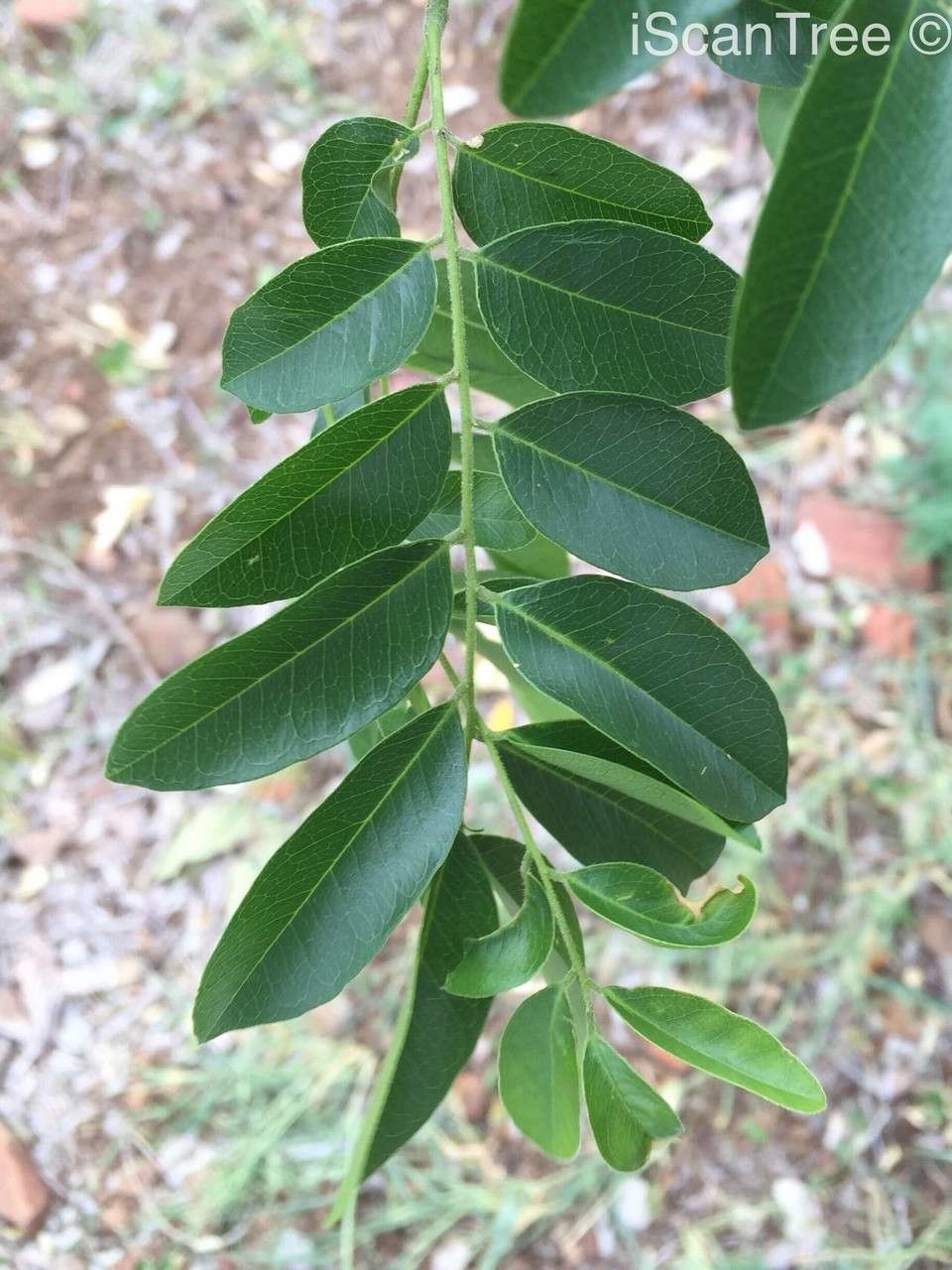
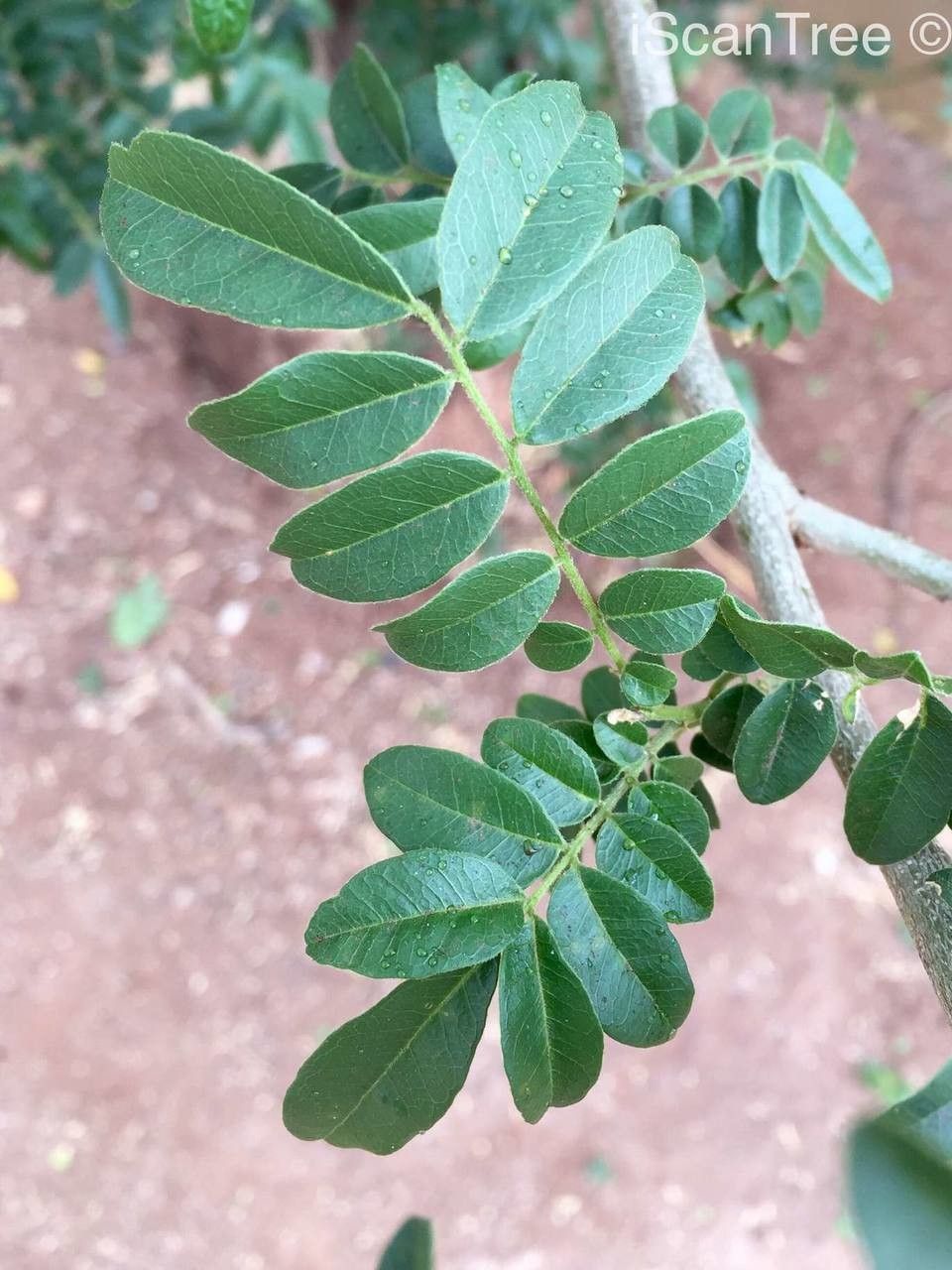
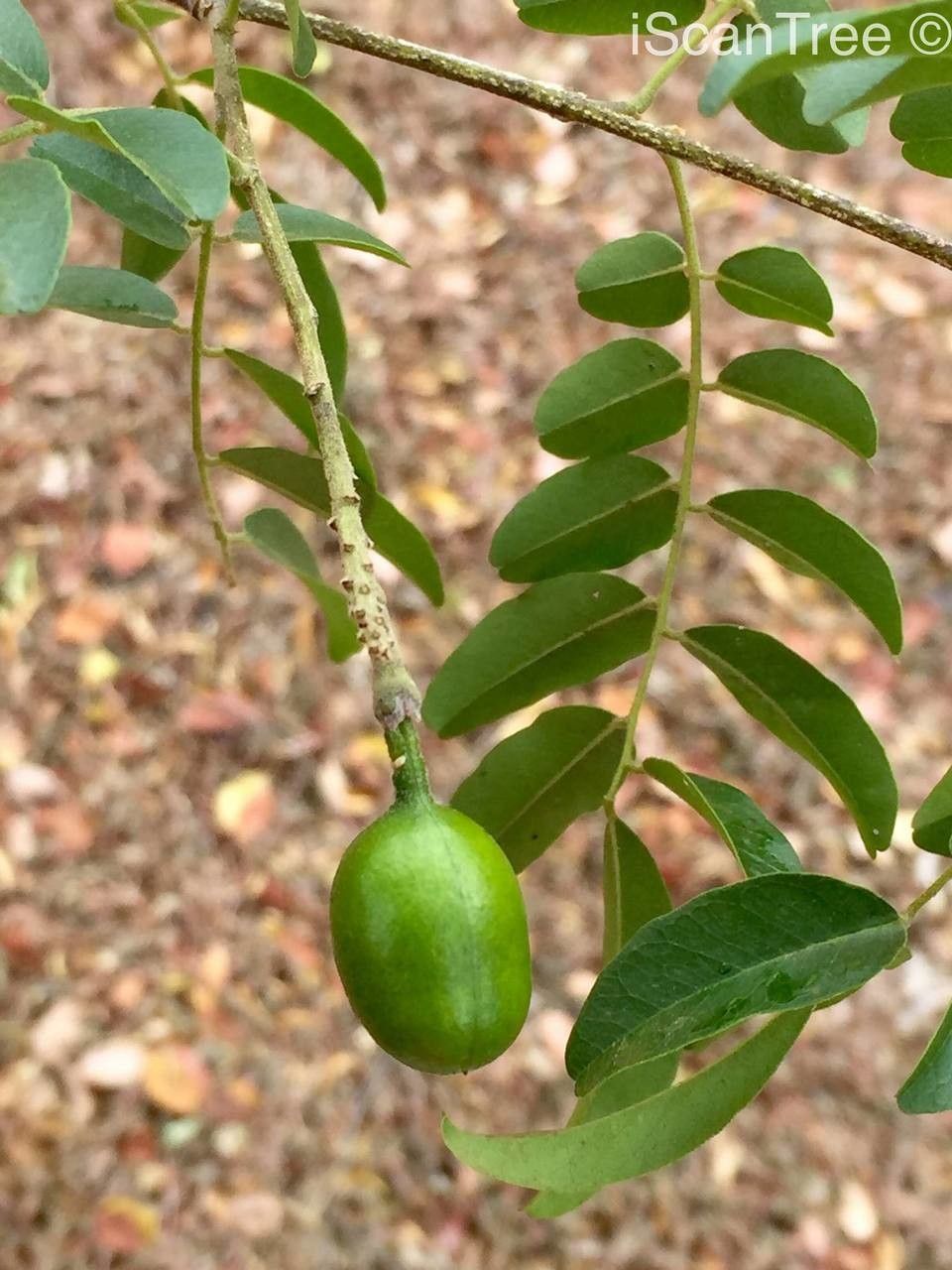
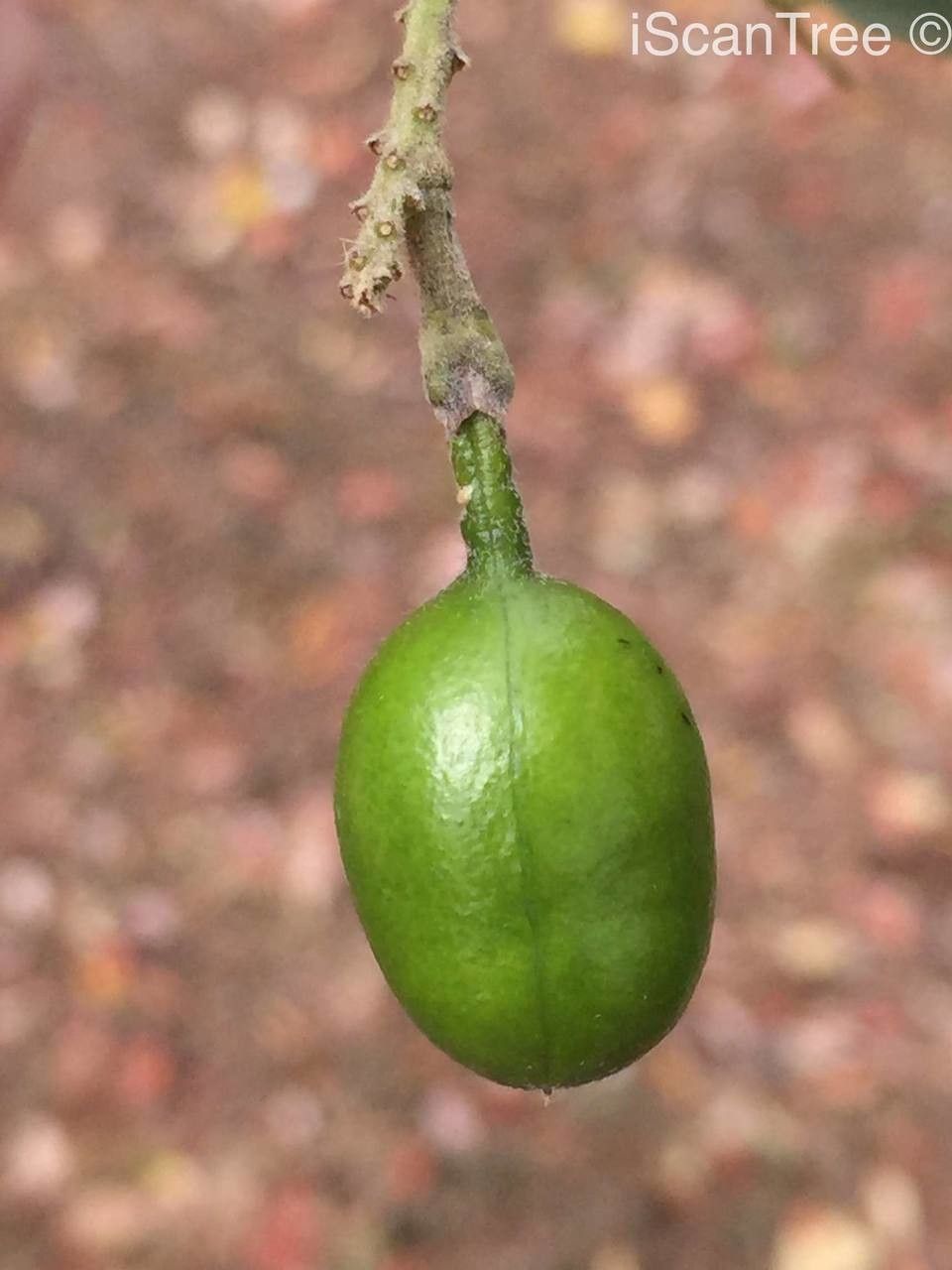
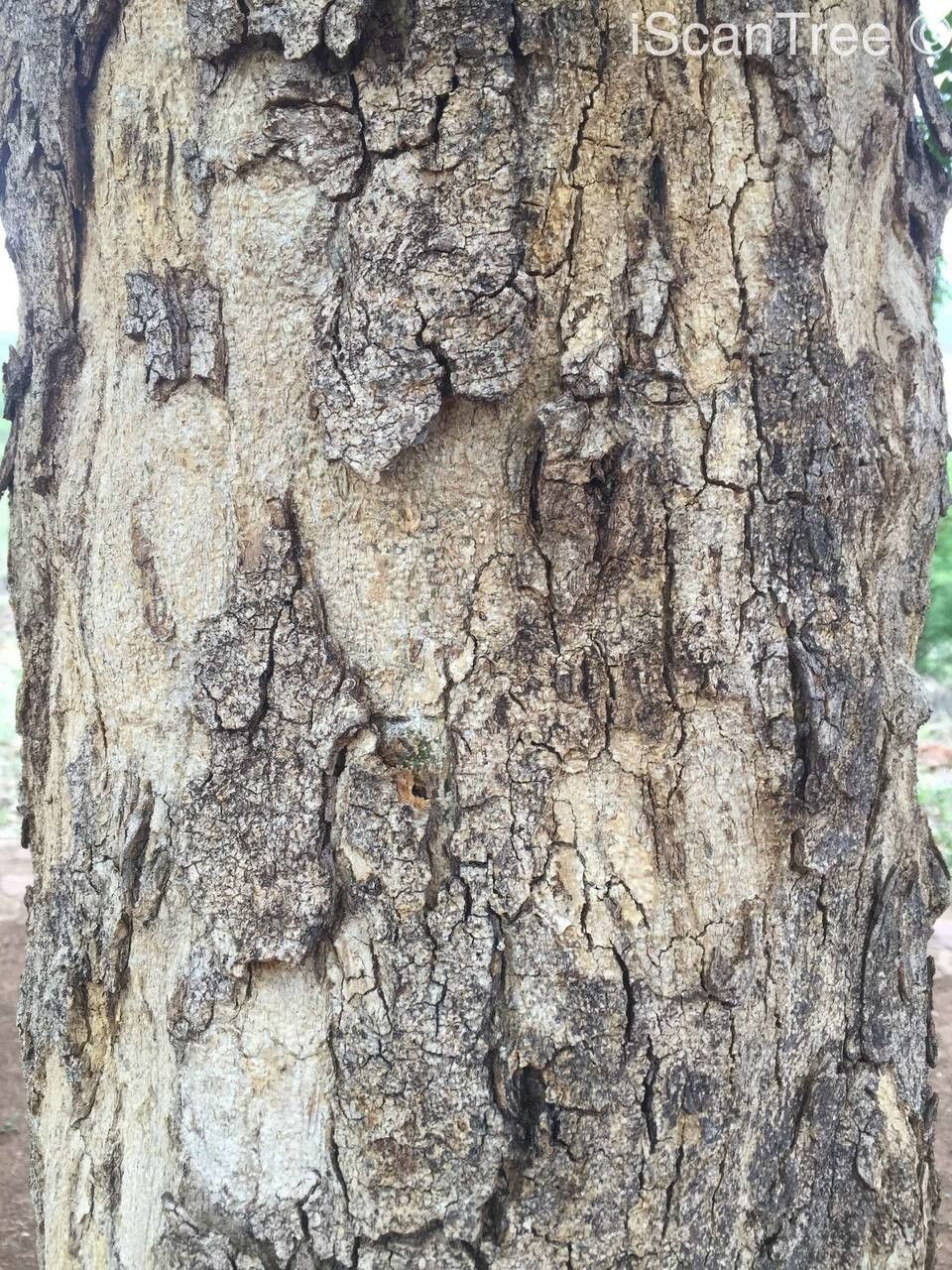
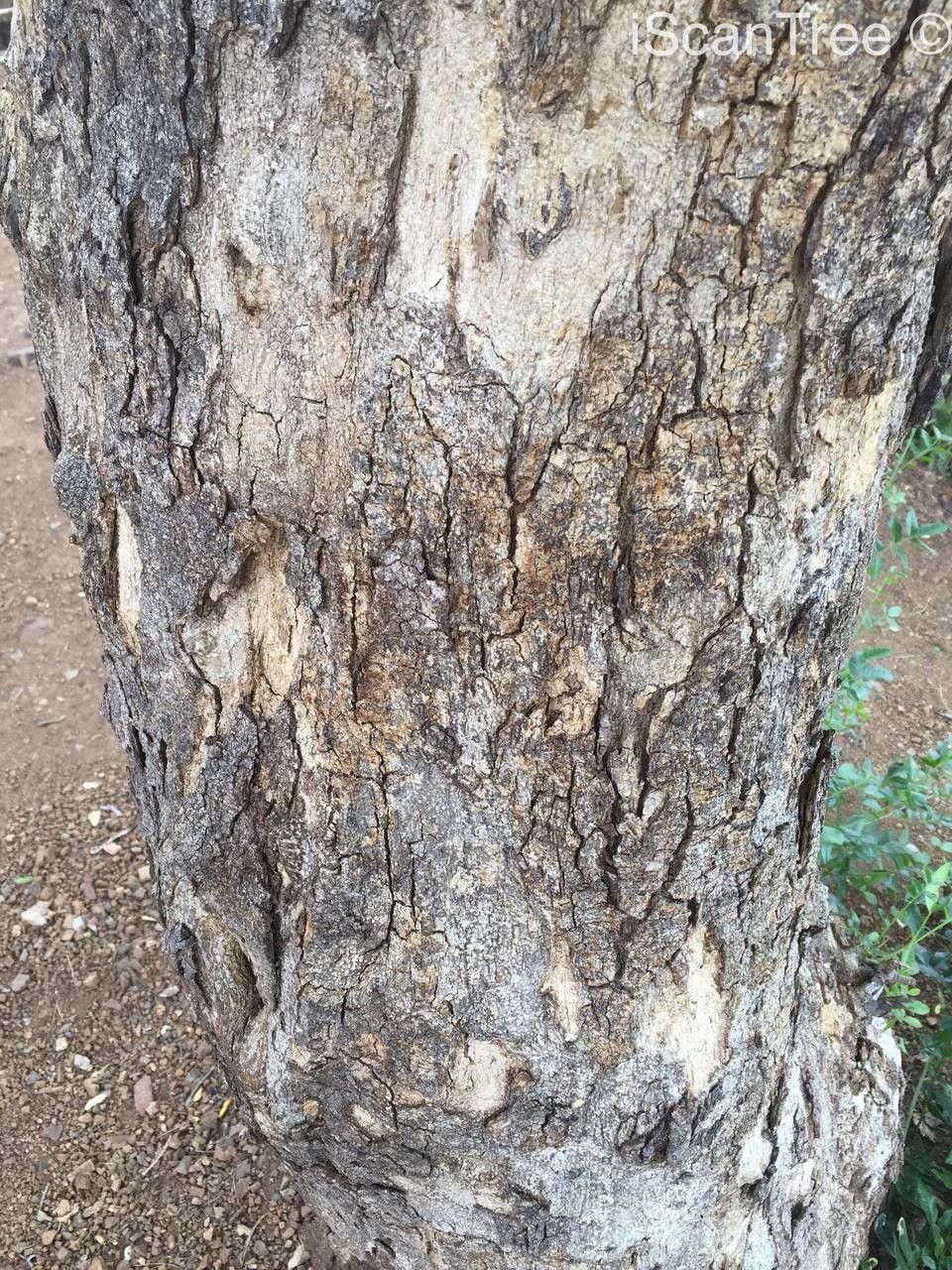
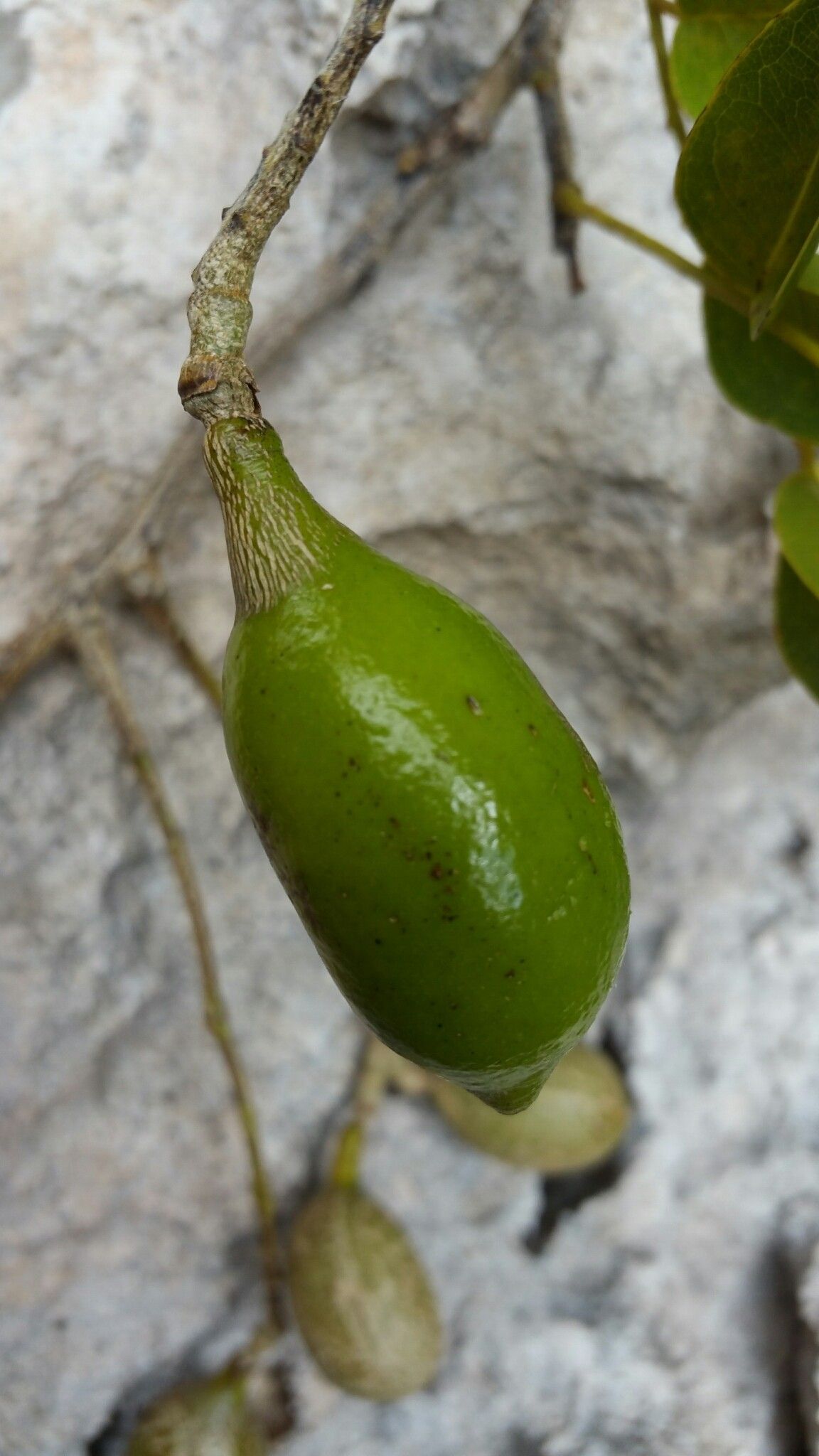
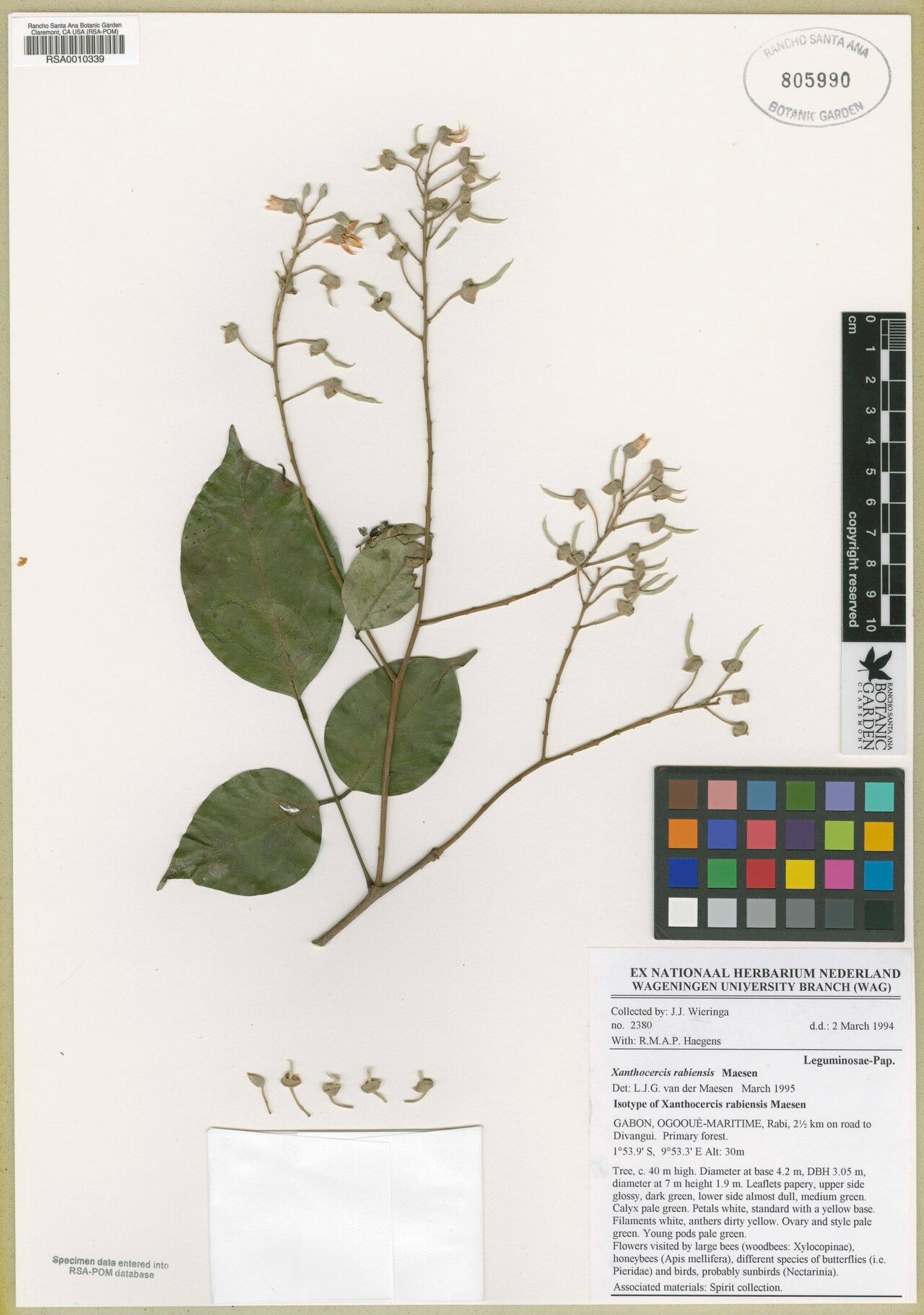
Xanthocercis zambesiaca, a species of flowering plant in the Fabaceae family, is native to southern Africa. This tree ranges from small to medium size, growing up to 15 meters tall, and features a dense crown of dark green foliage. Its compound, pinnate leaves consist of 4 to 8 pairs of elliptical leaflets, each up to 10 cm long. From September to November, the tree produces small yellow flowers in clusters, which are followed by long pods containing seeds.
The bark of Xanthocercis zambesiaca has been traditionally used by indigenous people for its medicinal properties, treating various ailments such as fever and stomach problems. Additionally, the tree's durable and attractive grain makes its timber valuable for furniture making.
Xanthocercis zambesiaca thrives in well-drained soils, preferring full sun or partial shade, and can withstand drought conditions once established. It plays a crucial role in savanna ecosystems, providing food and shelter for wildlife such as birds, monkeys, antelopes, and insects.
Overall, Xanthocercis zambesiaca holds significant ecological importance due to its medicinal properties and its role in supporting savanna ecosystems. As an essential component of African flora, it is crucial for biodiversity conservation efforts.
The Nyala tree is resistant to disease and is generally unlikely to suffer from illnesses. Regarding care, this plant is fairly low-maintenance. When grown outdoors it needs only light watering, and larger specimens typically do not require pruning. Smaller plants, however, should be pruned after they finish blooming. The Nyala tree is suitable for anyone who has outdoor space, such as a garden or deck, and does not demand extensive plant-care experience.
How to keep Xanthocercis Zambesiaca.
Light
The Nyala tree comes from open environments, such as sunny meadows and forest edges, which offer abundant light. It does best in Full Sun but can also tolerate Partial Sun, showing good adaptability to different light conditions.
Temperature
The Nyala tree comes from tropical areas, where the climate is generally warm and humid. Accordingly, it is well suited to high heat and humidity. It is intolerant of abrupt temperature shifts and prefers steady temperatures, so avoiding indoor temperature swings is important. It typically cannot withstand cold and needs warmer conditions to grow. If the surrounding temperature falls too low, growth may stop or the plant may die.
Fertilizer
Fertilizing is essential for the care of the Nyala tree. Consistent feeding during the active growing season maintains the energy needed for its showy foliage and aids overall development. If fertilization is neglected, leaves can become unhealthy, the tree's ornamental value may decline, and growth can be stunted or weak and prone to breakage.
Botanical profile.
- Plant Type
- Tree
- Life Cycle
- Perennial
- Genus
- Xanthocercis
- Family
- Fabaceae
- Hardiness Zone
- 9-11
- Mature Height
- 14.94 m to 20.12 m
- Mature Spread
- 10.06 m to 14.94 m
- Leaf Color
- Dark Green
- Leaf Type
- Deciduous
- Flower Color
- Yellow
- Flower Size
- 1.02 cm to 1.52 cm
- Bloom Time
- Mid spring, Late spring
- Planting Time
- Spring, Summer, Autumn
- Harvest Time
- Mid summer, Late summer, Early fall
- Native Area
- Malawi, Mozambique, South Africa, Zambia, Botswana, Zimbabwe
Other names.