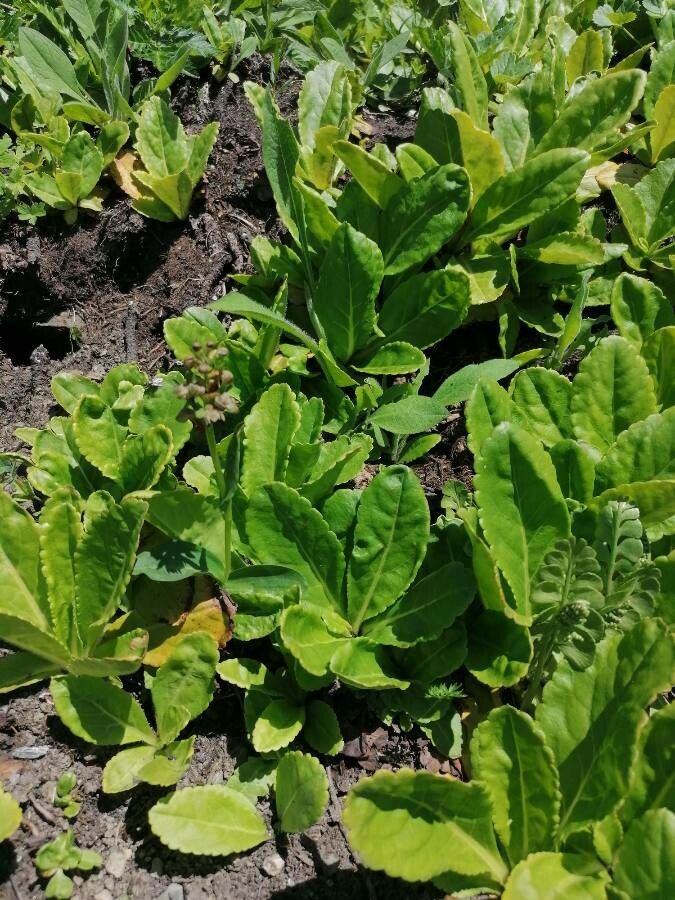
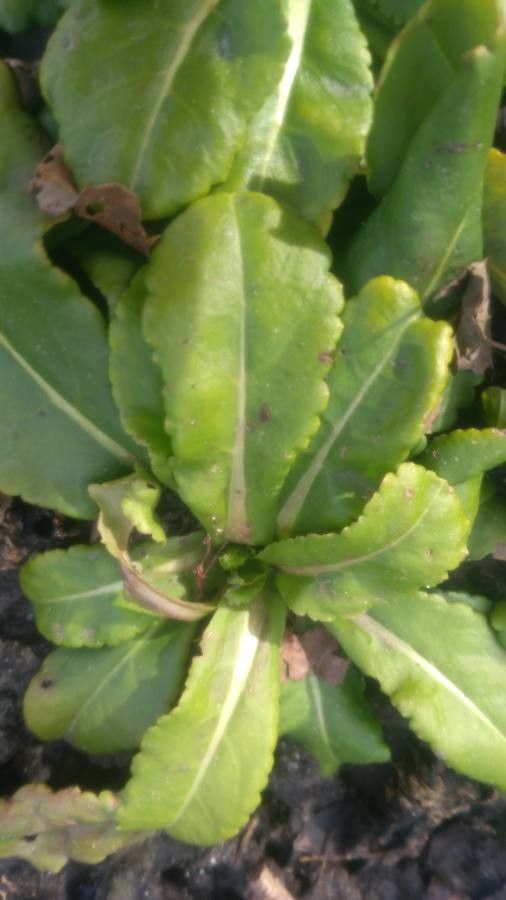
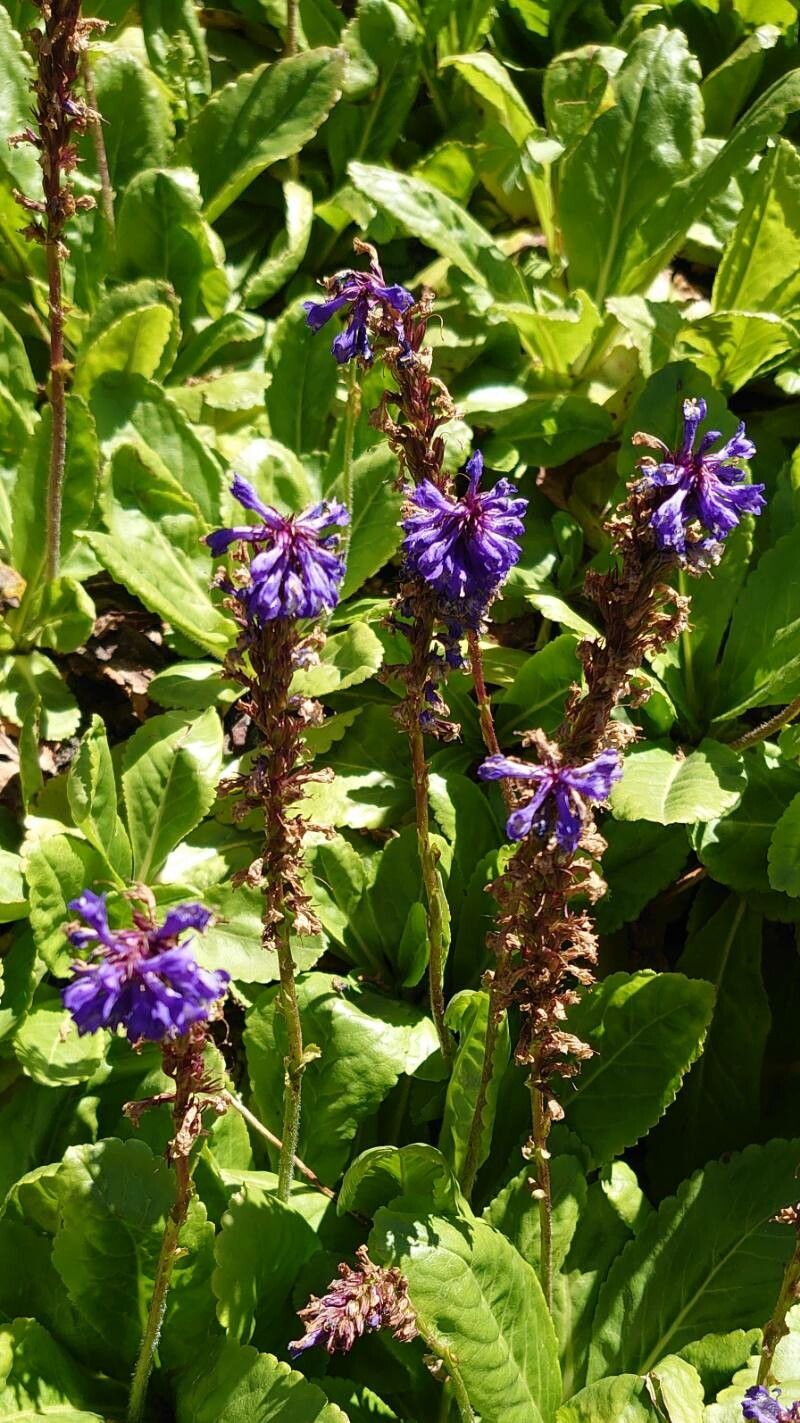
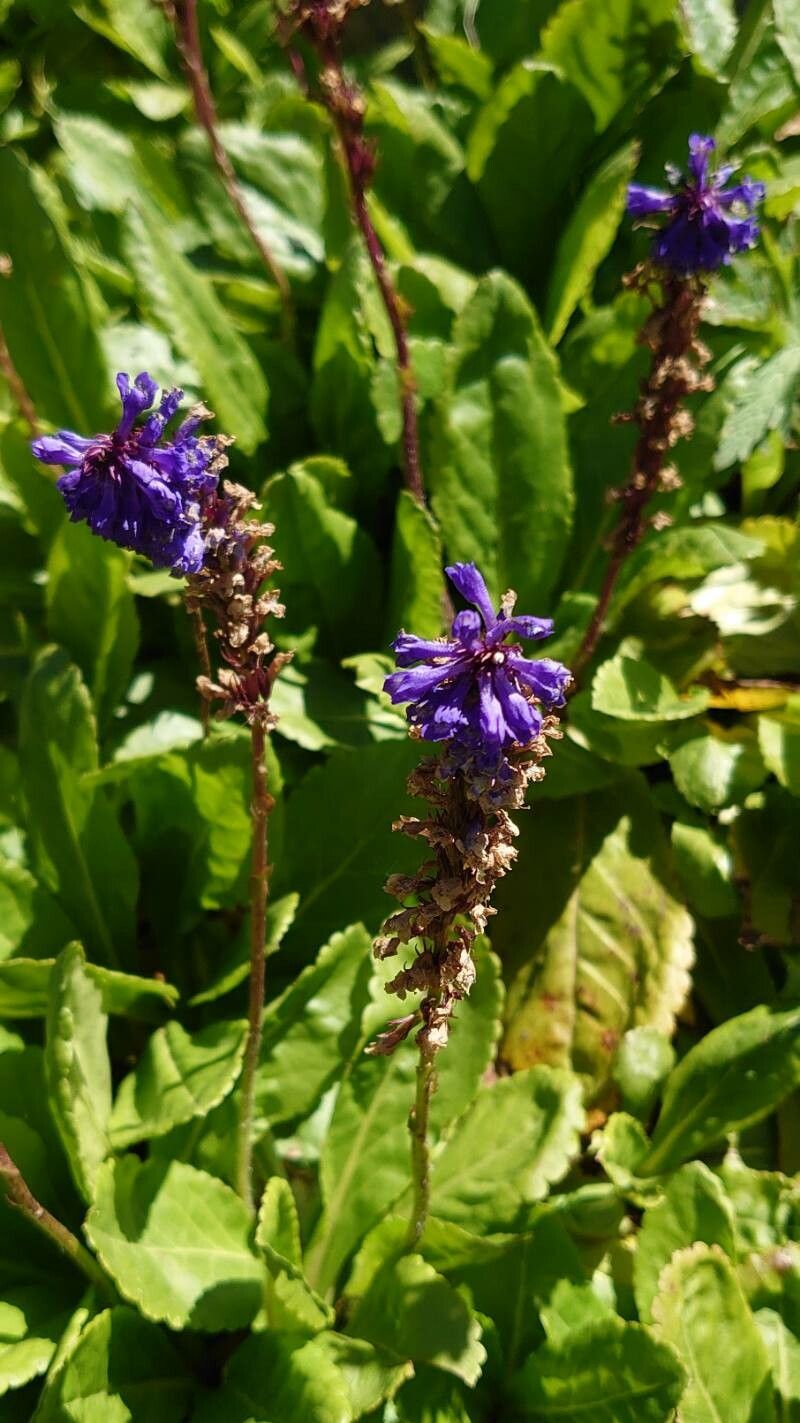
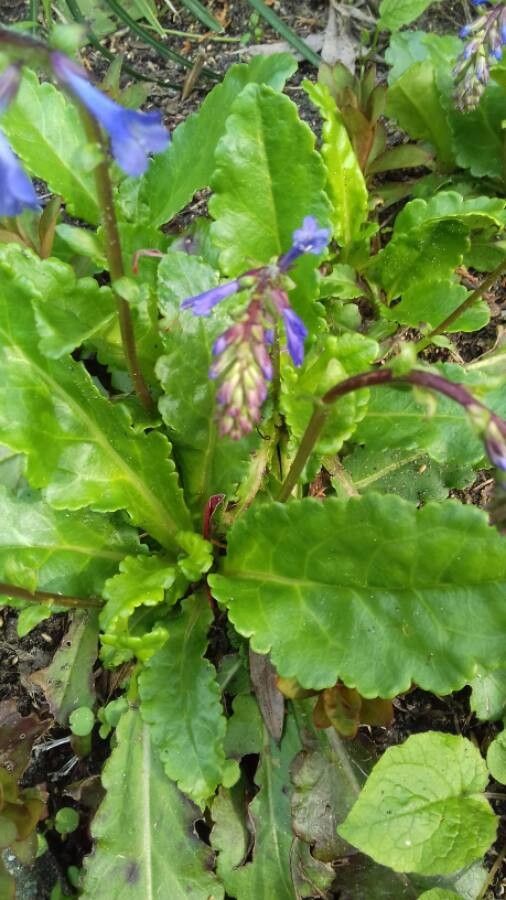
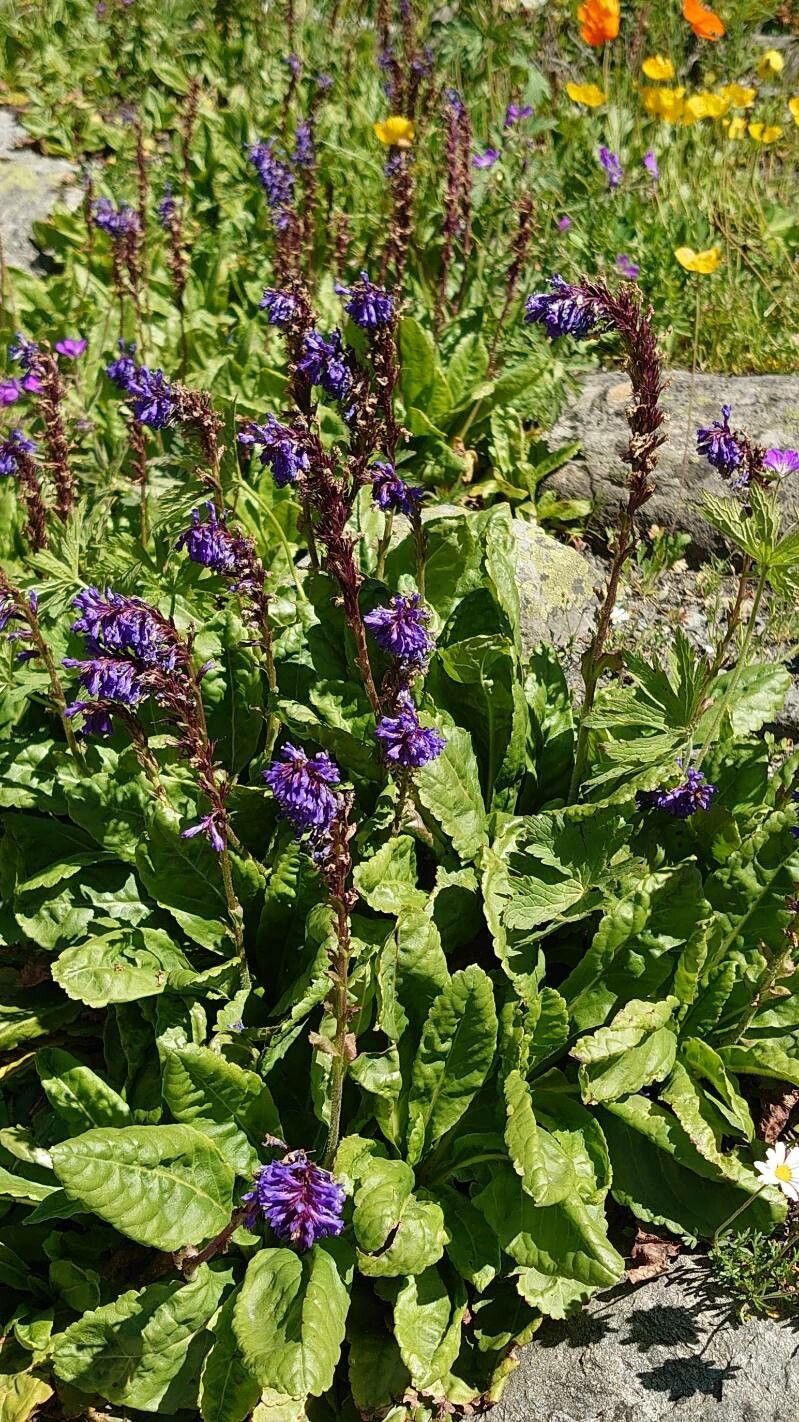
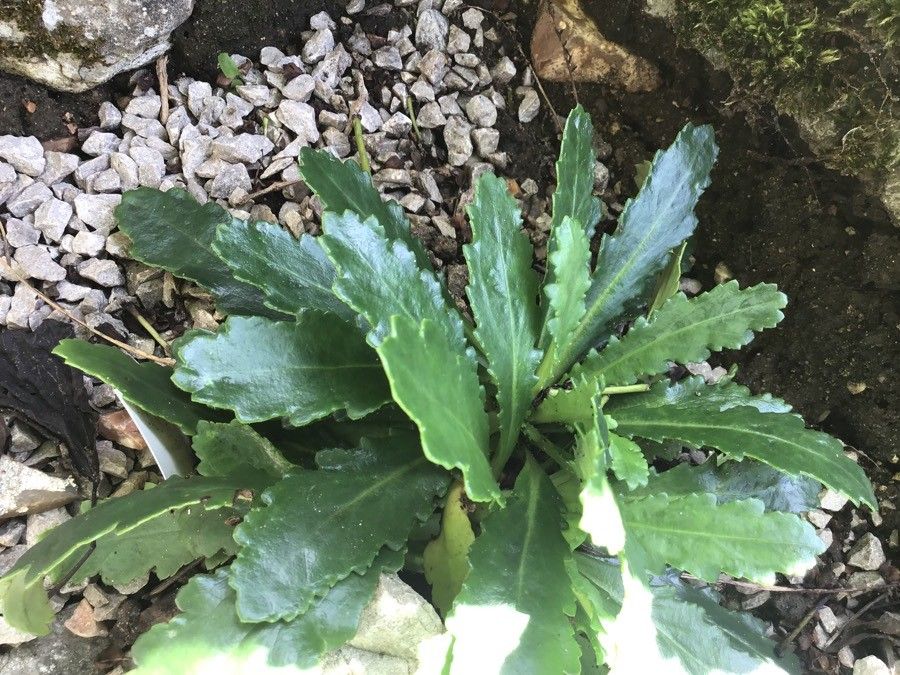
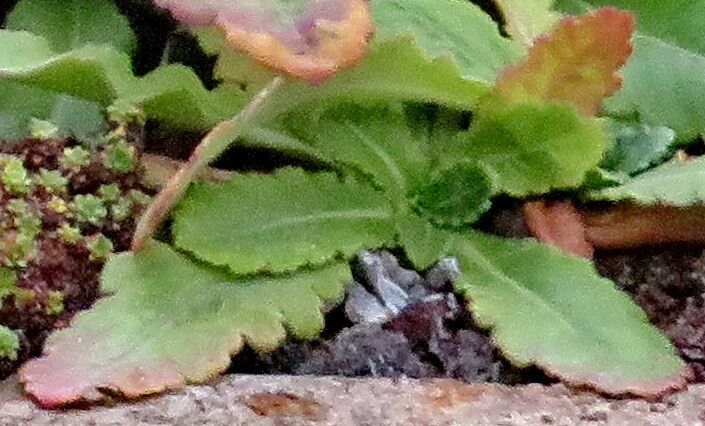
Wulfenia carinthiaca, commonly known as wulfenia, is a plant in the plantain family. It is endemic to the Gartnerkofel mountain of the Carnic Alps at the Austria|Austro-Italian border. It was discovered in 1779 by Franz Xaver von Wulfen, for whom it is named. It is cultivated as an ornamental plant.
Cows footprint has strong resistance to disease and is typically not prone to illnesses. Still, it can be vulnerable to pests and diseases present in its environment. Those infections are generally mild. For care, this plant needs moderate maintenance. It should be pruned regularly to preserve a neat appearance and support healthy growth. Fertilizing can also encourage flowering. Cows footprint is appropriate for anyone with outdoor space, like a garden or patio, and does not demand extensive care experience. It may need more attention when kept indoors.
How to keep Wulfenia Carinthiaca.
Light
Cows footprint does best in places with plentiful, direct sunlight. It grows well in open-air conditions and tolerates periods of partial shade. Native to environments that receive abundant sunshine, its growth is hindered by insufficient light and it can be scorched by excessive exposure.
Water
Cows footprint thrives in alpine habitats with consistent moisture and cool conditions. It prefers evenly moist soil and needs watering at least once a week. Typically grown outdoors, cows footprint benefits from natural rainfall and cooler temperatures, which makes it well-suited for temperate climates.
Temperature
Cows footprint is native to temperate regions, doing best in temperatures from 41 to 95 °F (5 to 35 ℃). Winter protection may be necessary if conditions become extreme. Summer warmth within its preferred range supports growth.
Fertilizer
The primary time to fertilize Cows footprint is in early spring when the flowers are forming. Using the appropriate fertilizer promotes better blooms and helps Cows footprint produce attractive flowers. Fertilizing in early spring ensures strong flowering throughout the season and supplies energy for dormant growth periods.
Pruning
To promote healthy growth, it's beneficial to prune cow's foot plants from late winter to early spring. This process removes dead stems and improves air circulation. Thinning the plants enhances their blooming and compactness, while regular deadheading helps extend the flowering season. Be sure to use clean, sharp tools to prevent infections.
Botanical profile.
- Plant Type
- Herb
- Life Cycle
- Perennial
- Genus
- Wulfenia
- Family
- Plantaginaceae
- Hardiness Zone
- 5-9
- Mature Height
- 15 cm to 20 cm
- Mature Spread
- 30 cm to 40 cm
- Leaf Color
- Dark Green
- Leaf Type
- Evergreen
- Flower Color
- Purple, Blue
- Flower Size
- 1.27 cm to 1.52 cm
- Bloom Time
- Early summer, Mid summer
- Planting Time
- Spring, Summer, Autumn
- Harvest Time
- Late summer, Early fall
Other names.
Reader questions.
What are the sunlight requirements for Cows Footprint?
Cows Footprint (Wulfenia carinthiaca) flourishes best in full sun conditions, which means it needs above 6 hours of sunlight daily. It can also grow in partial sun, receiving about 3-6 hours of sunlight. It's essential to observe your garden throughout the day to choose spots with the right balance of light and shade to ensure the plants' happiness and optimal growth.
What is the optimal temperature range for Cows footprint to thrive?
Cows footprint, also known as Wulfenia carinthiaca, is indigenous to temperate environments and thrives in temperatures between 41 to 95 °F (5 to 35 °C). It has strong cold resistance, making it well-suited for these conditions. During winter, the plant can typically handle cold without special frost protection, but if temperatures are expected to plummet below -25°C, measures such as covering the plant with soil or straw are recommended. It's also advised to water the plant abundantly before the first freeze in autumn to keep the soil moist, which helps prevent drought and water scarcity for the plant during winter and early spring.
How does inadequate sunlight affect the Cows Footprint plant?
Insufficient sunlight can cause various growth problems for Cows Footprint. New leaves might grow smaller, and the plant may exhibit leggy or sparse growth. It's common to see faster leaf drop and slower or halted new growth under low light conditions. Leaves may develop lighter colors or chlorosis, indicating a lack of chlorophyll. Excessive sunlight can also lead to sunscald, leaf curling, wilting, and leaf scorching, damaging the plant's health and appearance.
How does low temperature affect Cows footprint, and what are the solutions?
Cows footprint is cold-tolerant and performs best when temperatures stay above 5°C. During winter, keeping the temperature above -20°C is advisable; however, if the temperature drops below -25°C, you may not notice any immediate changes. There could be a decrease in sprouting or no sprouting during spring. To mitigate these effects, any parts that fail to sprout in spring should be removed. This helps in maintaining the health and aesthetic of the plant.
How can artificial lighting be used for Cows Footprint grown indoors?
When natural sunlight is insufficient for indoor-grown Cows Footprint, particularly in winter or less sunny spaces, artificial lighting can be a vital solution. LED lights are a popular choice because they can provide specific wavelengths needed by the plant. Full sun plants need 30-50W/sq ft, partial sun plants require 20-30W/sq ft, and full shade plants need 10-20W/sq ft of artificial light. The light source should be placed 12-36 inches above the plant, and most plants will benefit from 8-12 hours of light per day.
What should be done if Cows footprint is exposed to high temperatures?
During summer, it's important to ensure that Cows footprint doesn't get exposed to temperatures exceeding 35°C. If temperatures rise above 38°C, the leaves may become lighter, prone to curling, susceptible to sunburn, and in severe cases, the plant might wilt and dry out. Solutions include trimming away sunburned and dried parts and possibly moving the plant to a location that offers shade during the midday and afternoon sun. Using a shade cloth can also be beneficial. Watering the plant in the morning and evening will help keep the soil moist and mitigate the stress caused by high temperatures.
What are some solutions for dealing with inadequate sunlight exposure for Cows Footprint?
To combat inadequate sunlight, consider gradually moving indoor plants to sunnier locations until they receive at least 6 hours of direct sunlight. Use south-facing windows and keep curtains open during the day. For outdoor plants, transition them gradually to sunnier spots, avoiding sudden changes in light intensity to prevent sunburn. If trees or other obstructions limit sunlight, prune them if possible. For smaller plants, you might transplant them during their dormant period to a location with more sunlight and good drainage. New growth following increased light exposure should be healthy even though parts previously affected may not recover completely.