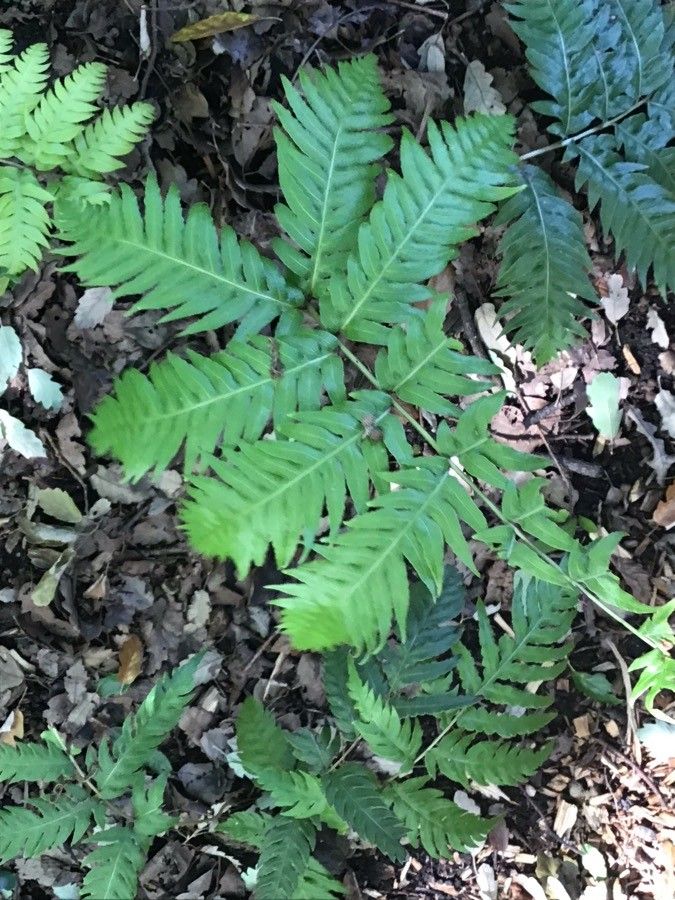
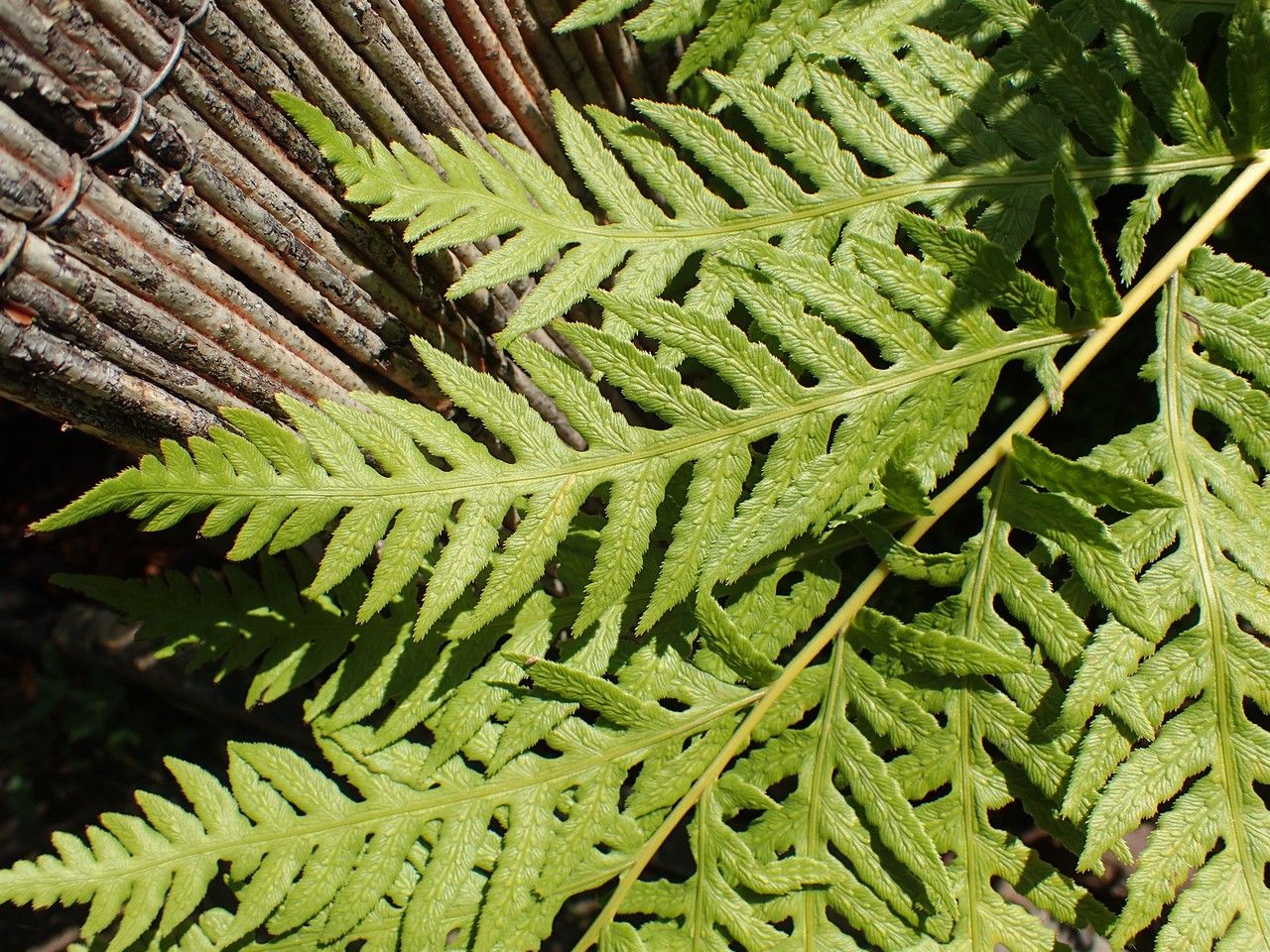
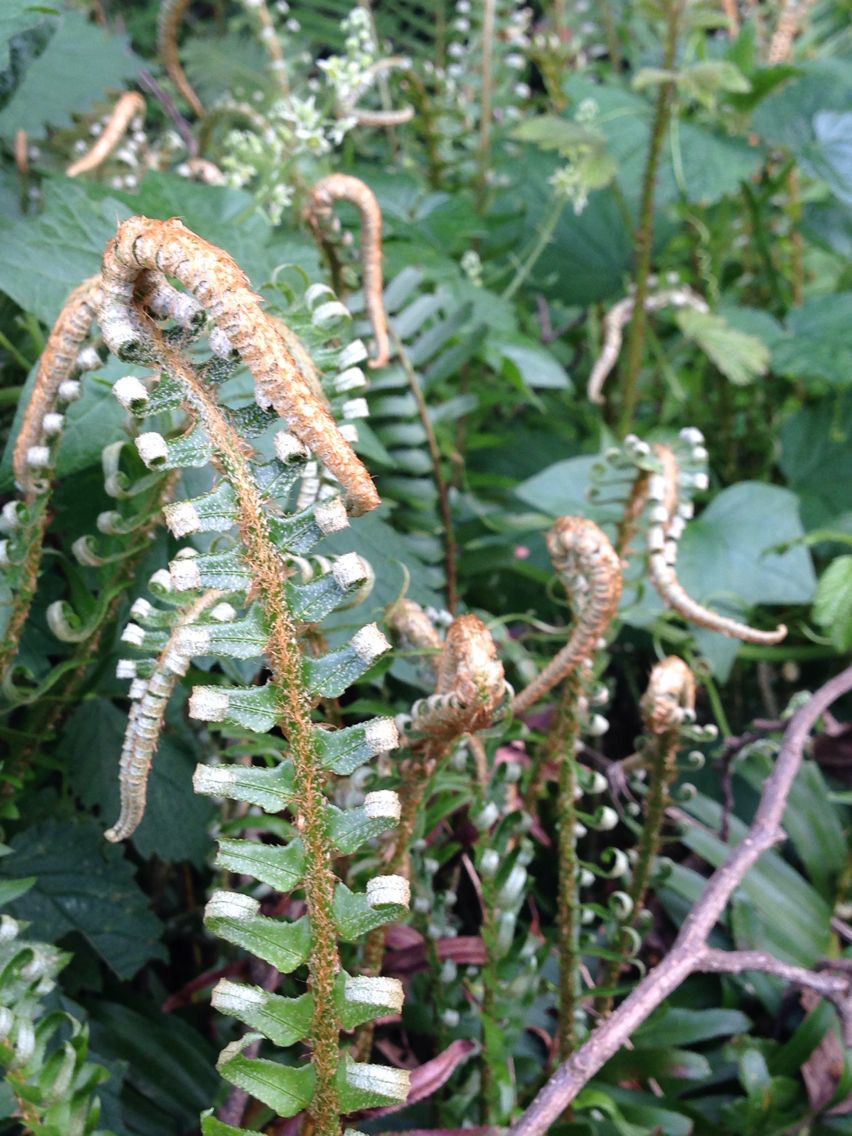
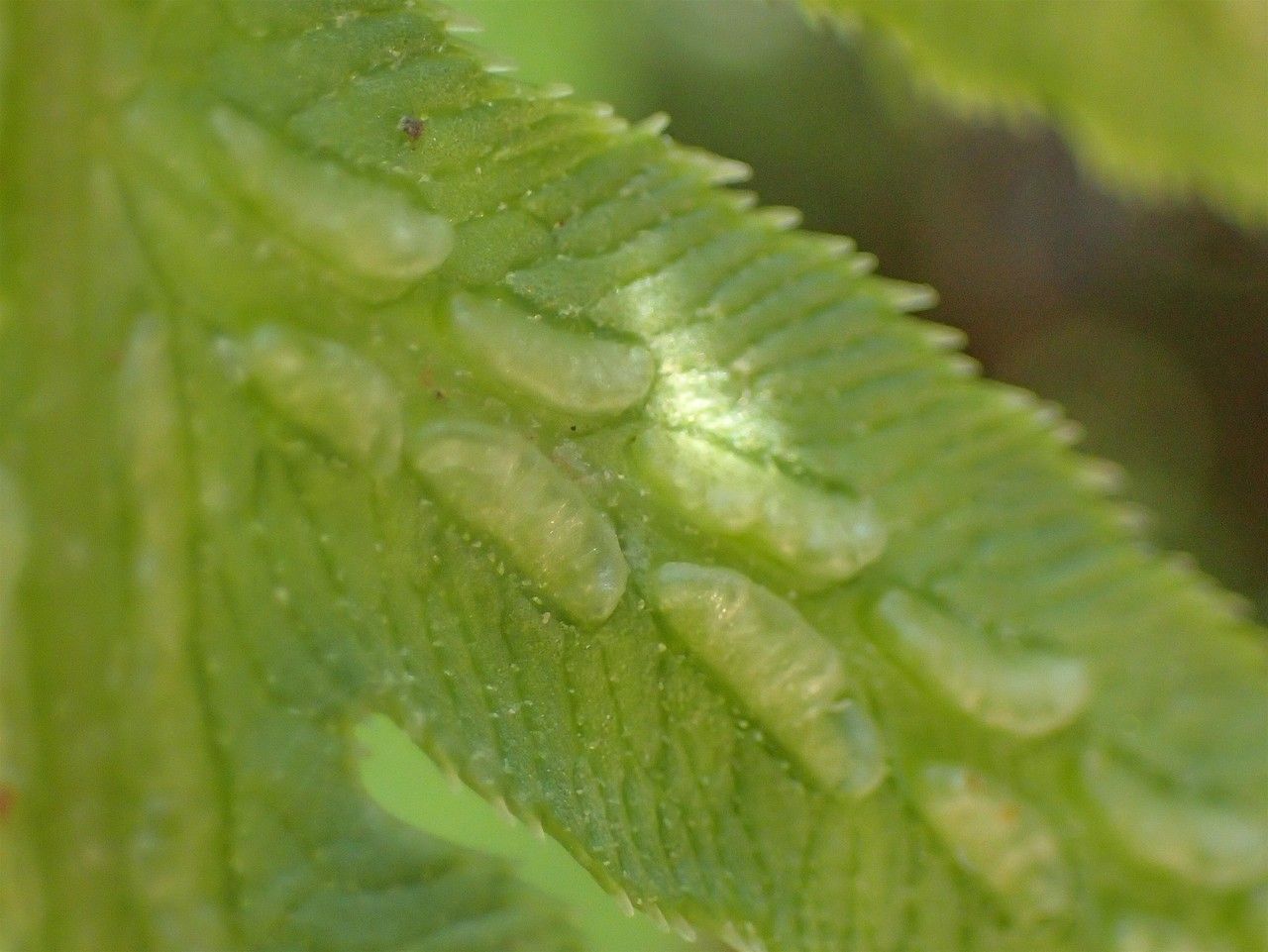
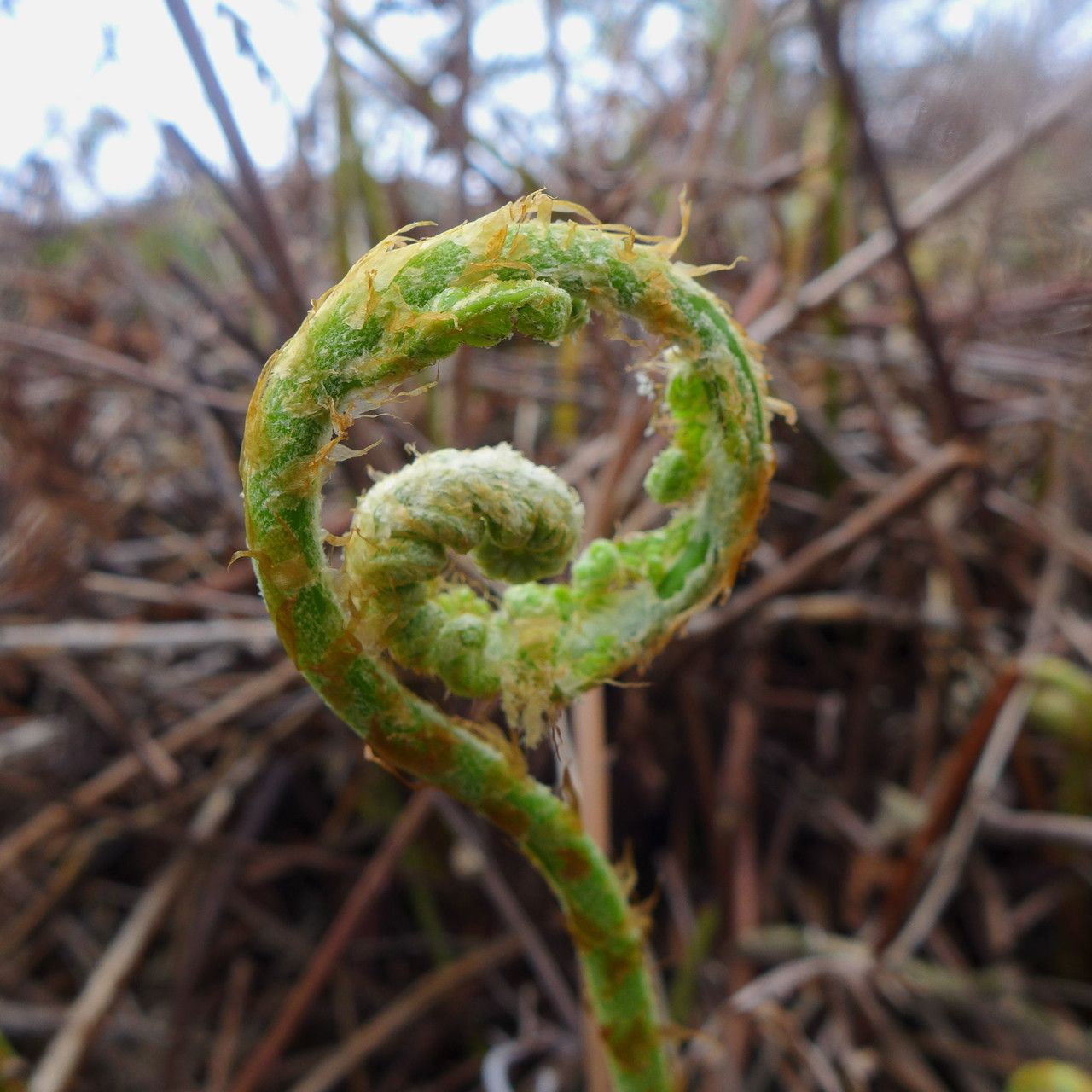
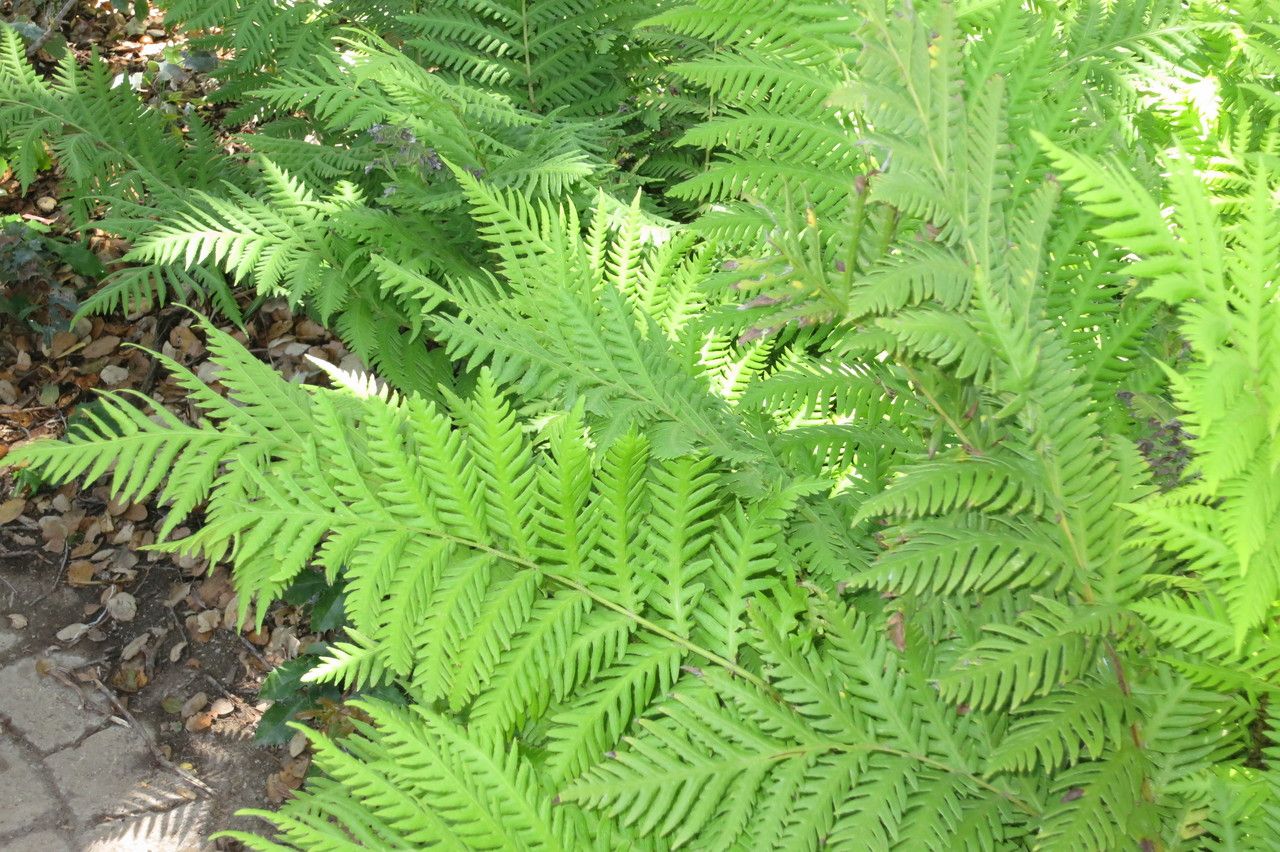
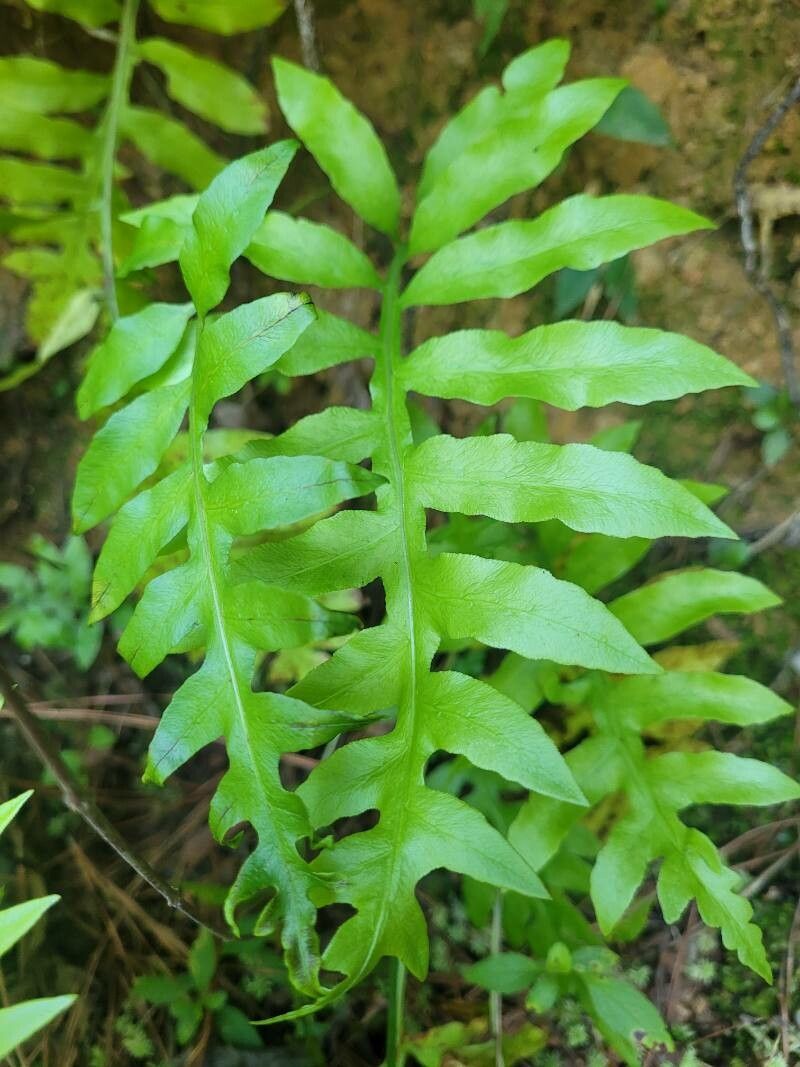
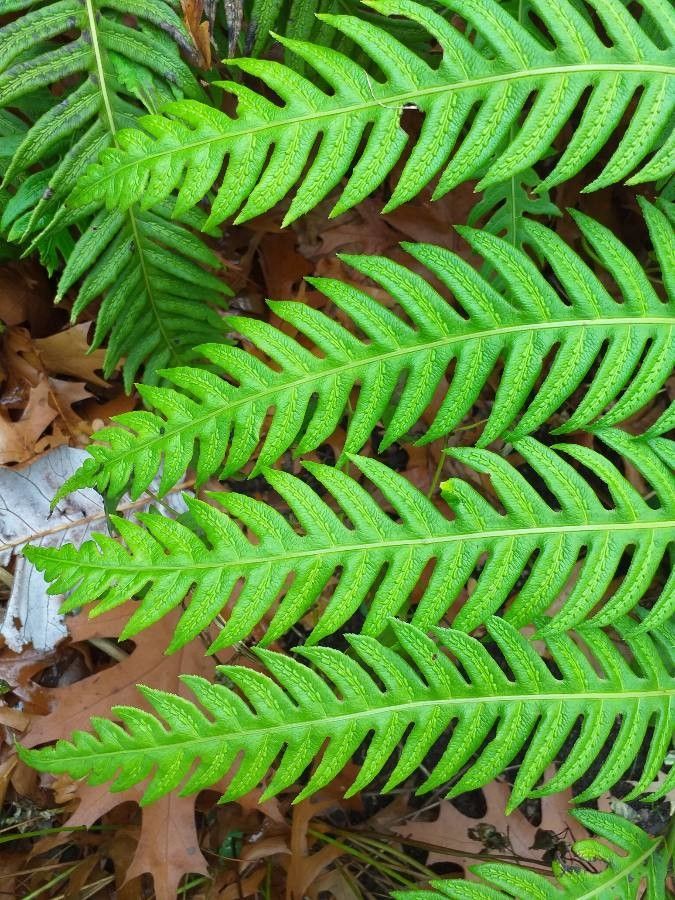
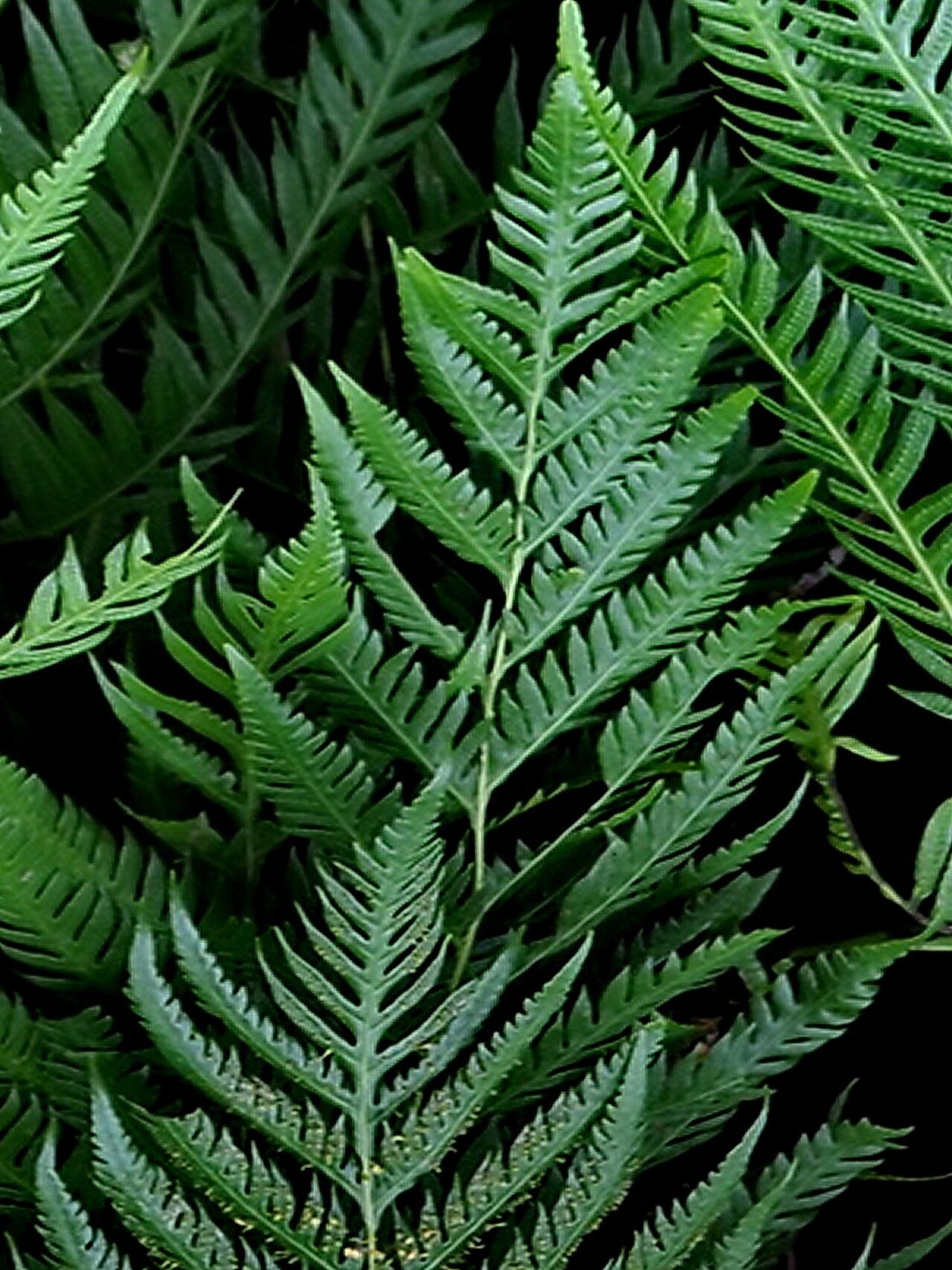
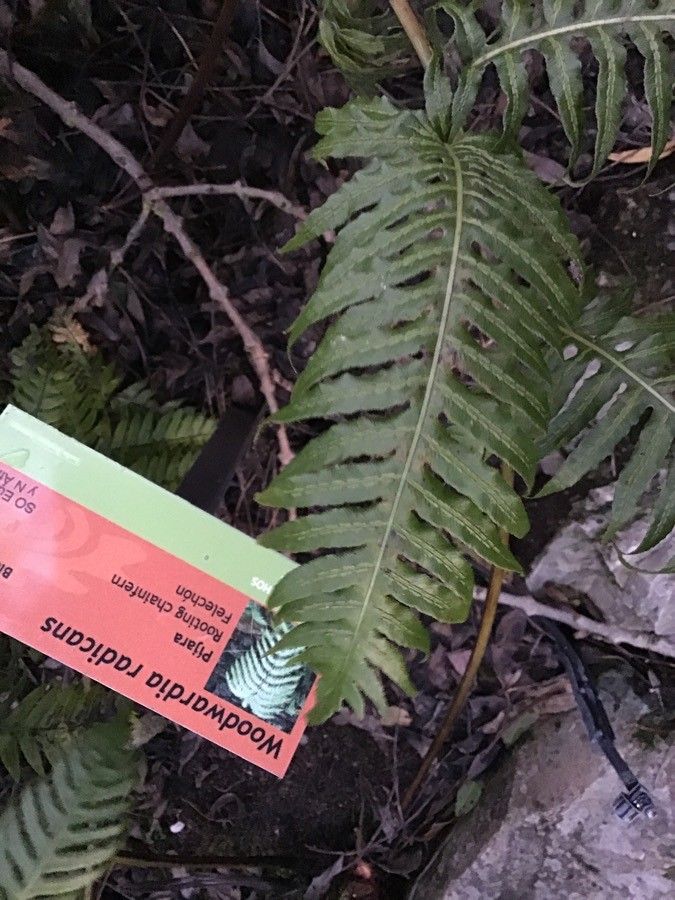
Woodwardia fimbriata, commonly known as the giant chain fern, is a native fern species found along the western coast of North America, stretching from Alaska to California. This fern can grow up to 6 feet tall, featuring long, narrow fronds that exhibit a dark green hue and are arranged in a distinctive chain-like pattern. It thrives in moist soil found in shaded areas such as forests or along streams.
The giant chain fern is often utilized in landscaping due to its unique appearance and its ability to add texture to gardens and natural spaces. Additionally, Woodwardia fimbriata holds cultural significance for some indigenous communities, who use it for medicinal purposes and as a material for basket weaving.
The giant chain fern has good disease resistance and is generally not prone to illnesses. However, it can be affected by pests and diseases found in its surroundings. These infections are usually mild. Regarding care, this plant needs moderate maintenance. It should be pruned regularly to preserve a tidy appearance and support healthy growth. Fertilizing can also encourage flowering. The giant chain fern is a good choice for anyone with outdoor space, such as a garden or patio, and does not demand extensive gardening experience. It may need more attention when grown indoors.
How to keep Woodwardia Fimbriata.
Light
Giant chain fern prefers places where light is not intense and instead receives moderate illumination. Its natural habitat is areas with some cover that shield it from excessively harsh light. Conversely, insufficient light can stunt its development and result in weak growth.
Water
The giant chain fern thrives in consistently damp soil, a reflection of its woodland origins. This plant prefers regular watering but can tolerate brief periods of dryness. Watering it once a week is ideal, and using rainwater can further enhance its lush, evergreen foliage. It is typically grown outdoors.
Temperature
The giant chain fern is native to temperate climates and does best in temperatures from 59 to 95 °F (15 to 35 ℃). It can adjust seasonally but prefers cooler conditions. It is advisable to maintain the appropriate temperature range for its growth.
Fertilizer
One fertilizer application in spring is generally enough for Giant chain fern, though repeated feedings can maximize growth. Feed it about once a month to once every month and a half. Fertilizing improves the leaves’ look and function, helping maintain even color and a healthy texture. It also promotes root development and nutrient uptake for the plant’s long-term health.
Pruning
To ensure the giant chain fern thrives, it’s best to prune it from early to late spring. Pruning involves removing dead or damaged fronds and trimming any excessively long ones. This promotes healthy growth, enhances the plant's appearance, and helps deter pests. Make sure to use clean, sharp tools to minimize stress and achieve optimal results during the plant's active growth period.
Botanical profile.
- Plant Type
- Herb
- Life Cycle
- Perennial
- Genus
- Woodwardia
- Family
- Aspleniaceae
- Hardiness Zone
- 8-10
- Mature Height
- 2.13 m
- Mature Spread
- 2.13 m
- Leaf Color
- Green
- Leaf Type
- Evergreen
- Planting Time
- Spring, Summer
- Native Area
- Mexico
Other names.
Reader questions.
How can I water my Giant chain fern properly?
When watering the Giant chain fern, it is best to use filtered water at room temperature. Tap water should be avoided as it may contain harmful particles. The plant prefers warm water because it is native to a warm environment, and cold water can be a shock to its system. It is also important to avoid overhead watering, as this can cause problems with the foliage. Instead, simply water the soil with the filtered room temperature water until it is completely soaked. This helps to moisten the roots and allows them to spread through the soil and absorb the necessary nutrients.
Why should I use fertilizer on my Giant chain fern?
Ensuring that the leaves of the Giant chain fern look great and function properly involves effective fertilization. By fertilizing the fern correctly, you can maintain its leaves' consistent color and healthy texture. Moreover, fertilization also benefits the fern's root system, encouraging the growth of new roots and maintaining the existing ones. This not only improves the plant's current health but also enhances its ability to absorb soil nutrients in the future.
What are the sunlight requirements for a Giant Chain Fern?
A Giant Chain Fern thrives in conditions that offer partial sun, about 3-6 hours of sunlight daily. It's important to observe the sunlight movement in your garden to find a spot that provides a healthy balance of light and shade, which is vital for the plant's growth and happiness. In its natural habitat, the Giant Chain Fern prefers locations with moderate light and some degree of cover to protect it from overly harsh conditions.
What is the native climate of the Giant chain fern?
The Giant chain fern, botanically known as Woodwardia fimbriata, is native to temperate climates. It thrives in a temperature range from 59 to 95 °F (15 to 35 °C). While it can adjust seasonally, it prefers cooler temperatures within this range for optimal growth.
What should I do if I give too much or too little water to my Giant chain fern?
Overwatering and underwatering can harm your Giant chain fern, but overwatering is more common. Too much water can cause wilting and yellowing of the stems and leaves. It can also lead to diseases like root rot, mold, and mildew, which can kill the plant. Underwatering is less common due to the plant's drought tolerance, but it can still happen, causing brittle and brown leaves. It's important to recognize signs of overwatering early to prevent irreversible damage. Reduce watering if you notice these signs and consider improving soil drainage. If your fern shows signs of not getting enough water, simply increase your watering frequency until the signs diminish.
When should I fertilize my Giant chain fern?
If you grow your Giant chain fern outdoors, it will start growing new leaves in early spring. This is when you should start fertilizing it. Typically, one round of fertilizer in the spring is enough for the fern to grow well. However, if you want to maximize its growth, you can fertilize it multiple times during the spring and early summer. In this case, you should feed it about once every month to a month and a half.
How can artificial lighting benefit indoor Giant Chain Ferns, and what are the recommendations?
For indoor Giant Chain Ferns lacking natural sunlight, especially in winter or less sunny areas, artificial lighting is crucial for promoting healthy growth. LED lights are recommended as they can be adjusted to provide specific light wavelengths needed by plants. The general guidelines suggest that full sun plants require 30-50W per square foot, partial sun plants need 20-30W per square foot, and full shade plants should have 10-20W per square foot. The light source should be placed 12-36 inches above the plant to best mimic natural sunlight, and the plants typically need 8-12 hours of light per day.
Does the Giant chain fern have any tolerance to low temperatures?
Yes, the Giant chain fern has some cold tolerance. Generally, it doesn't require additional protective measures when temperatures are above -5°C. However, if temperatures are expected to dip below this threshold, it is advisable to take temporary measures to protect the plant from the cold. This can involve wrapping the plant with materials like plastic film, fabric, or other insulating materials until the temperatures rise again.
How frequently should I water my Giant chain fern?
If your Giant chain fern is in a pot, the best way to determine if it needs water is to stick your finger in the soil. If the top two to three inches of soil are dry, then it's time to water it. The same method can be used if you have your Giant chain fern planted in the ground outside. When the first few inches of soil have dried out, it's time to water. Usually, during spring and early fall, you'll need to water this plant about once a week with this method. However, in extremely hot weather, watering may need to be increased to twice or more a week. Keep in mind that mature, well-established Giant chain ferns are quite drought-tolerant.
When is it not a good idea to add fertilizer to my Giant chain fern?
During the late fall and winter, the Giant chain fern goes into a dormant phase and stops producing new growth. It's important to avoid fertilizing the fern during this time. In the spring and summer, if you do choose to fertilize, start reducing the amount as summer approaches because the fern's growth rate slows down. It's not recommended to fertilize the fern during very hot weather or when the soil is extremely dry. Fertilizing in these conditions can stress the fern and cause it to die earlier.
What symptoms indicate insufficient light for a Giant Chain Fern?
When a Giant Chain Fern receives insufficient light, it may display several symptoms: smaller new leaves, leggy or sparse growth, accelerated leaf drop, stunted or halted growth, lighter-colored new leaves, and the onset of chlorosis. Excessive sunlight can cause symptoms like sunscald, leaf curling, wilting, leaf scorching, and chlorosis, highlighting the importance of balanced light exposure.
What should I do if the Giant chain fern experiences low temperatures?
If the Giant chain fern is exposed to temperatures below its moderate tolerance level of 15°C, especially during winter, and is kept from going below -5°C, you might notice the leaves drooping or wilting if it hits below -10°C. In mild cases, the plant can recover, but severe cases might lead to leaf fall. Trim off the frost-damaged parts and wrap the plant with non-woven fabric or cloth, and possibly construct a wind barrier to protect it from cold winds in anticipation of low temperatures.