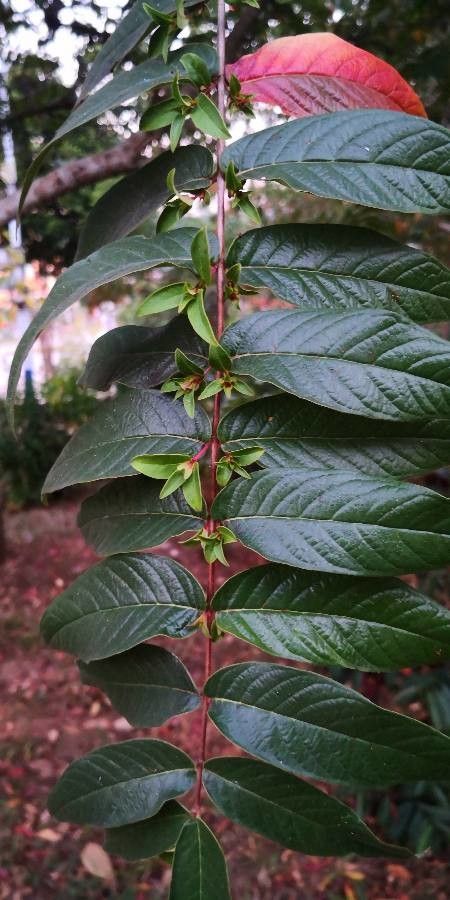
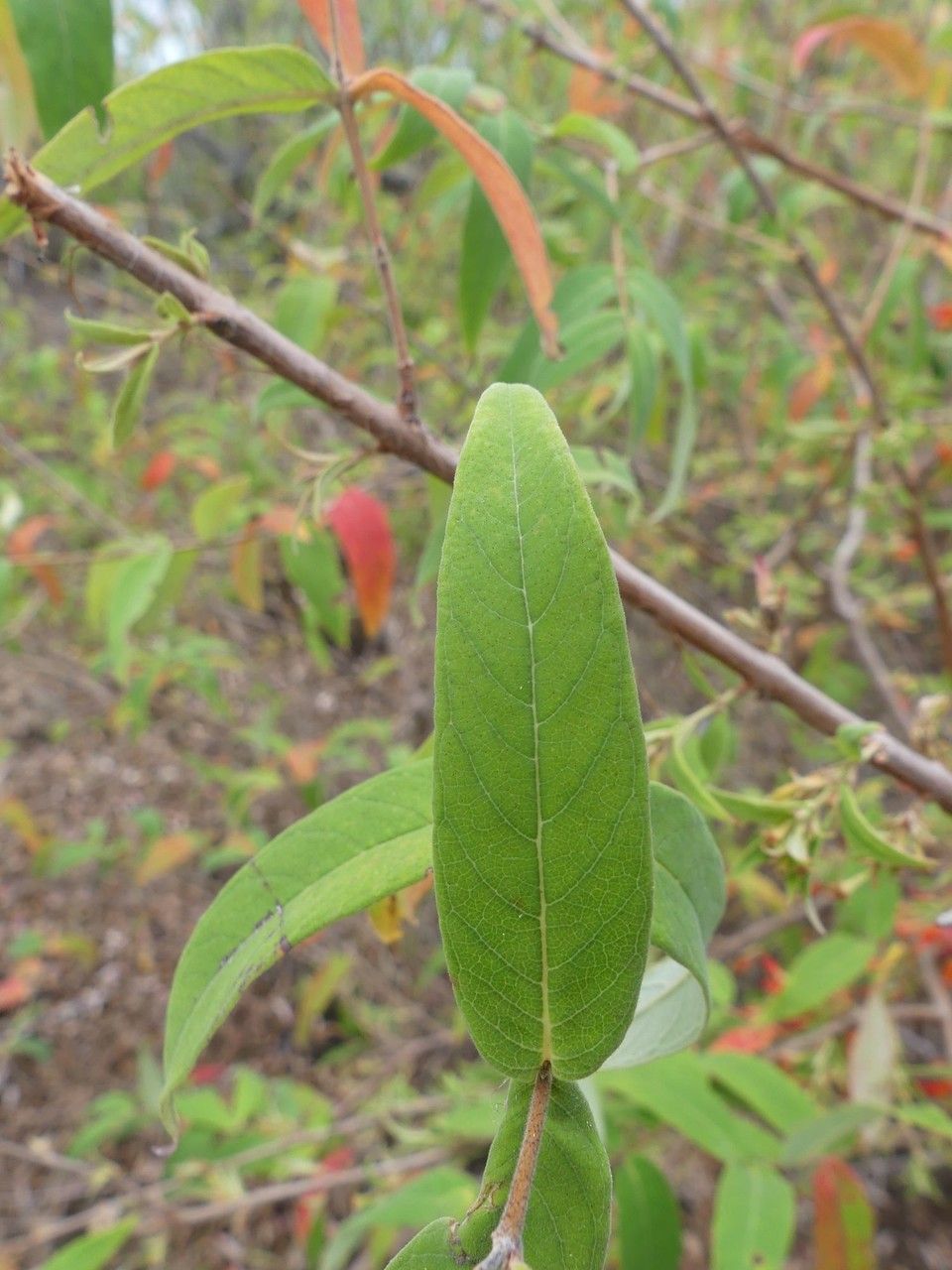
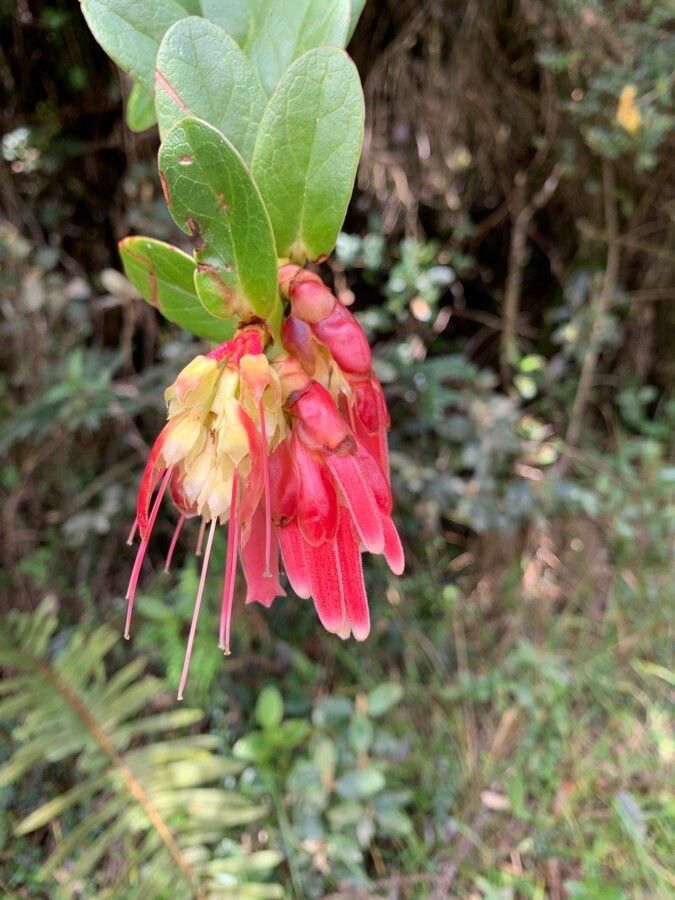
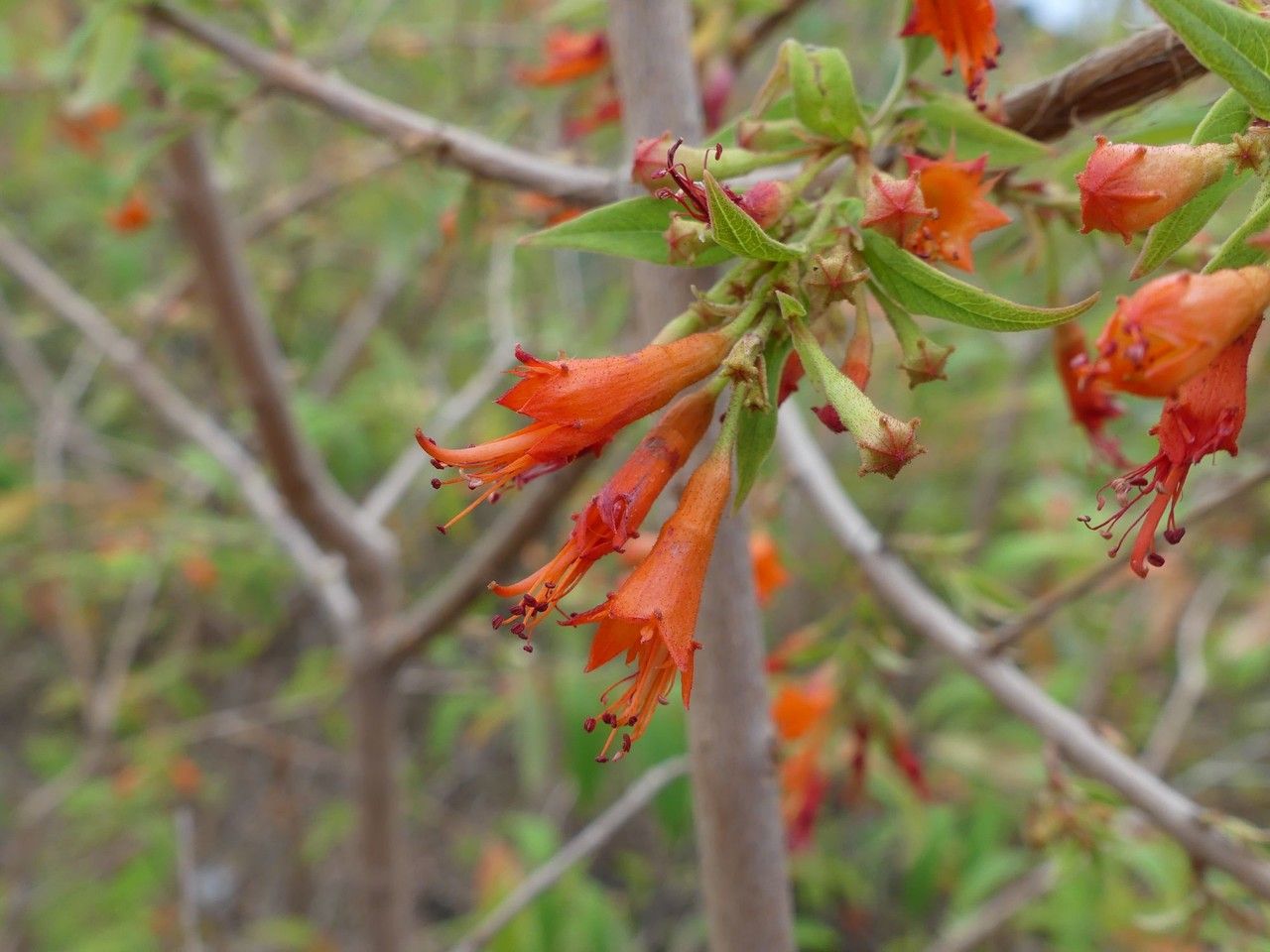
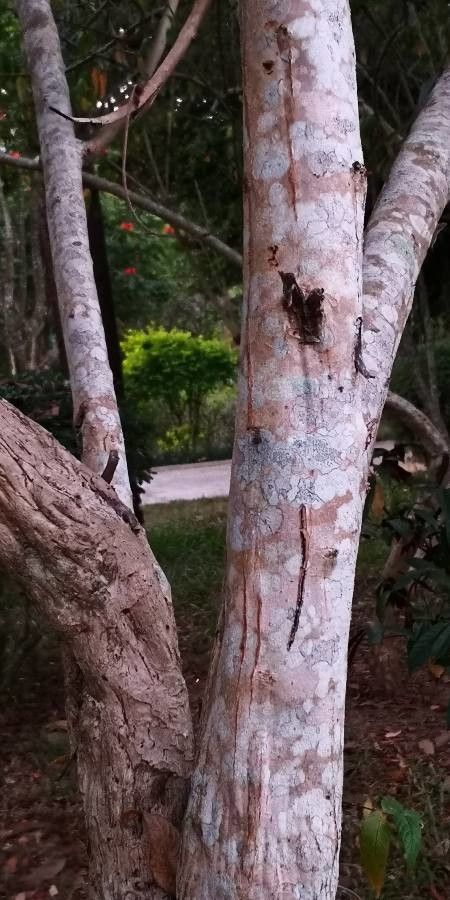
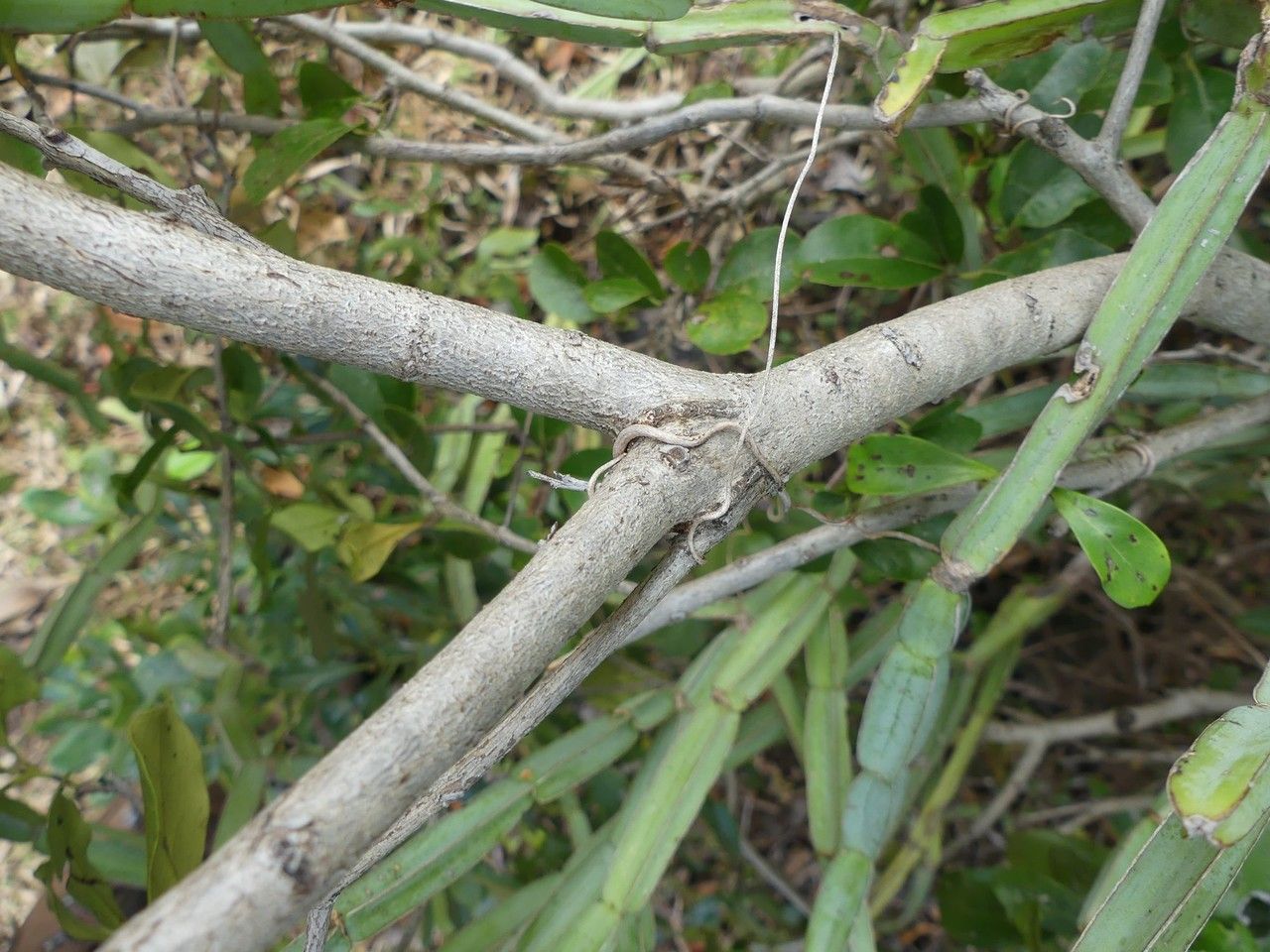
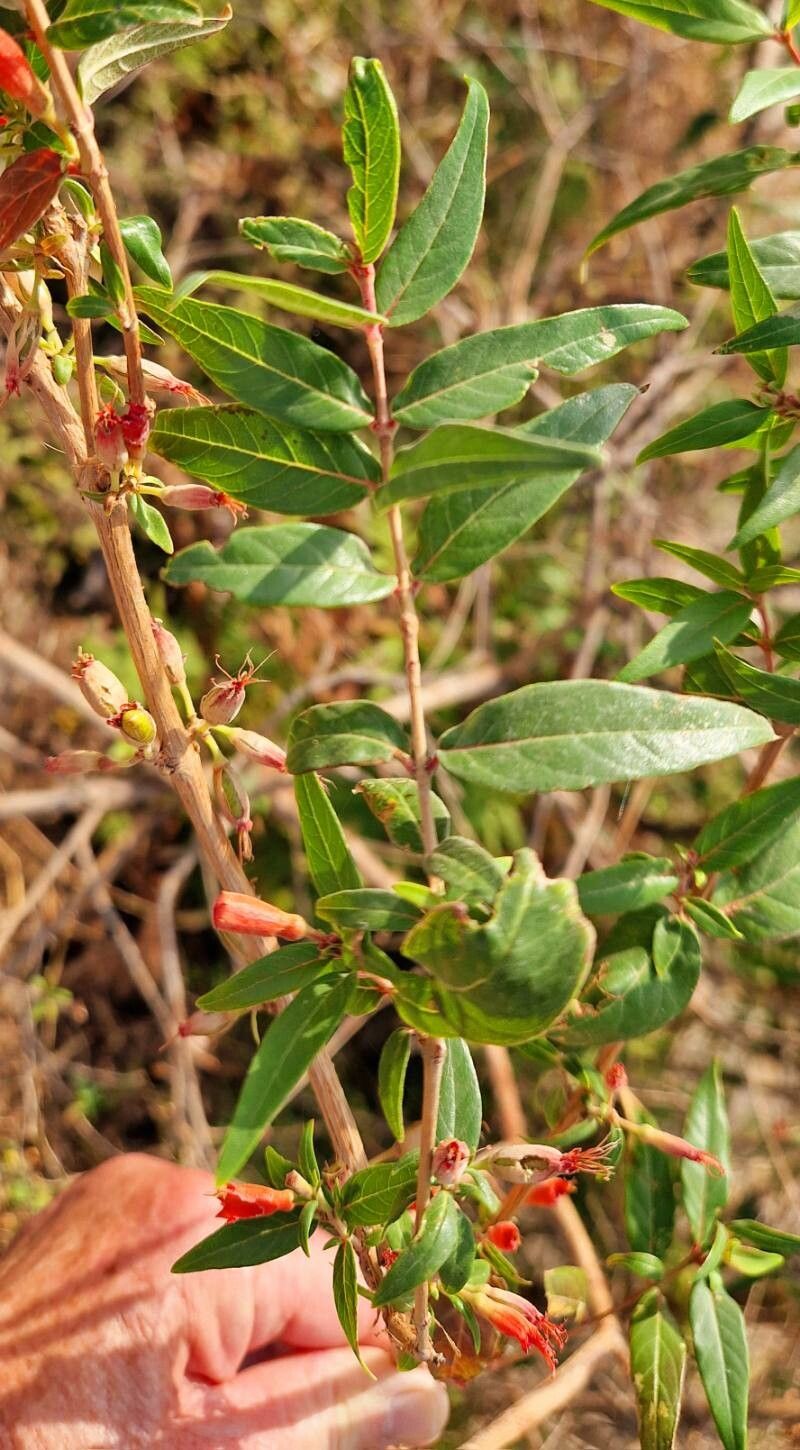
Woodfordia fruticosa is a species of plant in the family Lythraceae.
Shiranji-tea is resistant to diseases and, in general, does not tend to get sick. As for upkeep, the plant is fairly low-maintenance. When grown outdoors it needs only light watering, and larger plants typically do not need pruning. Smaller plants, however, should be trimmed after they bloom. Shiranji-teat is appropriate for anyone who has an outdoor area, like a garden or a deck, and it doesn't demand extensive gardening experience.
How to keep Woodfordia Fruticosa.
Light
Shiranji-tea needs plenty of sunlight to grow well. Native to areas with abundant sun, it performs best when exposed to sunlight continuously. Those conditions support the plant's different growth stages. Either too much sun or too little can result in poor development or even health problems for shiranji-tea.
Temperature
Shiranji-tea comes from a climate where temperatures range from 68 to 100 °F (20 to 38 ℃). It prefers that heat range and grows best in warmer weather. During cooler seasons, try to keep your shiranji-tea in a similarly warm environment to preserve its growth.
Fertilizer
The best time to fertilize a Shiranji-tea is in early spring as it comes out of dormancy. This supports overall growth and flower development. Fertilization improves the foliage, stems, and branches, while encouraging large, vibrant, and long-lasting flowers. It helps transport nutrients from the roots to the flowers and enhances the plant’s health and resistance to disease.
Pruning
Shiranji-tea is known for its vibrant red flowers and bushy growth. To maintain healthy blooms and an attractive shape, it is important to prune it annually in late spring, after it has finished flowering. During pruning, remove any dead wood, thin out crowded branches, and trim back overgrown areas. This improves air circulation, reduces the likelihood of pests, and encourages vigorous new growth, all of which contribute to the plant's robust health.
Botanical profile.
- Plant Type
- Shrub
- Life Cycle
- Perennial
- Genus
- Woodfordia
- Family
- Lythraceae
- Hardiness Zone
- 10-12
- Mature Height
- 3.05 m to 4.88 m
- Mature Spread
- 1.52 m to 2.44 m
- Leaf Color
- Green, Olive Drab
- Leaf Type
- Evergreen
- Flower Color
- Red
- Flower Size
- 3.05 cm
- Bloom Time
- Late winter, Early spring, Mid spring
- Planting Time
- Spring, Summer, Autumn
- Harvest Time
- Late spring, Early summer, Mid summer
- Native Area
- Nepal, Saudi Arabia, Sri Lanka, India, Indonesia, Vietnam, Myanmar, Bhutan, Oman, Madagascar, Pakistan, Tanzania, China
Other names.
Reader questions.
What is the ideal climate for Shiranji-tea?
Shiranji-tea, also known by its botanical name Woodfordia fruticosa, thrives in climates where temperatures range from 68 to 100 °F (20 to 38 °C). It is extremely heat-loving, performing best in warmer weather conditions. In cooler seasons, it's crucial to maintain a warm environment for the plant, resembling its native climate. During autumn, if grown outdoors, the Shiranji-tea should be moved indoors to continue its growth in a bright, warm spot, albeit away from direct heat sources to avoid damage. Keeping the indoor temperatures above 20°C during winter supports its health, as the plant is sensitive to cold, with temperatures nearing 5°C or lower being particularly harmful.
How does low temperature affect Shiranji-tea and what are the solutions?
Shiranji-tea favors warm environments and struggles in low temperatures, thriving best when the temperature is maintained above 20°C. Exposure to temperatures below 5°C, especially falling below 1°C, can cause significant stress to the plant, leading to symptoms such as leaves lightening in color, and after frost damage, turning brown or black, along with wilting and drooping. To mitigate frost damage, trim off the frost-damaged parts and immediately relocate your Shiranji-tea to a warm indoor setting. Placing it near a south-facing window ensures sufficient sunlight, whilst avoiding proximity to heaters or air conditioning vents helps prevent air dryness.
What should be done if a Shiranji-tea is exposed to high temperatures?
Shiranji-tea requires careful attention during summer, as temperatures should ideally stay below 38°C to prevent stress. Exposure to temperatures above 43°C can lighten the color of the leaves, increasing susceptibility to sunburn. To care for a Shiranji-tea affected by high temperatures, trim away the sunburned or dried parts of the plant. To reduce further stress, move the plant to a spot where it is shaded from the midday and afternoon sun. Ensuring the soil remains moist through watering in the morning and evening can also help manage the effects of high temperature on your Shiranji-tea.