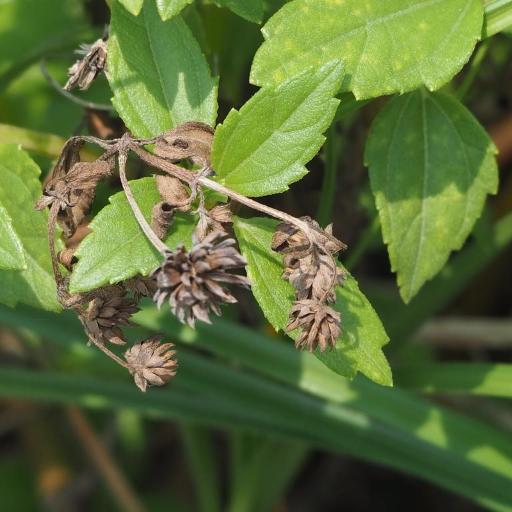
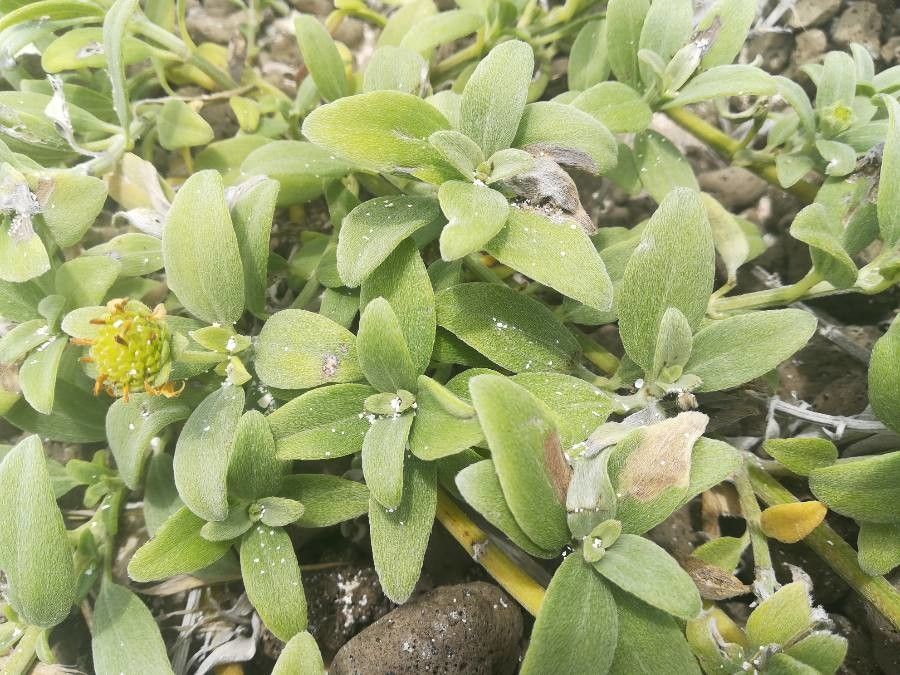
Melanthera biflora (sin. Wollastonia biflora) also known as sea daisy, beach daisy and sea ox-eye, is a species of flowering plant in the family Asteraceae. It is a scandent, rough-looking and fast-growing plant with a wide distribution.
Beach sunflower is largely disease-resistant and typically not vulnerable to illnesses. Still, it can be affected by pests and diseases found in its environment. Such infections are generally mild. Regarding care, the plant demands moderate upkeep. It should be pruned on a regular basis to preserve a tidy appearance and encourage healthy growth. Applying fertilizer can also encourage blooming. Beach sunflower is appropriate for anyone who has outdoor space, like a garden or patio, and does not need extensive gardening experience. It may require more attention if cultivated indoors.
How to keep Wollastonia Biflora.
Light
The beach sunflower is a perennial herb that thrives in open environments, typically in grasslands and meadows, and is fond of the sun. It thrives best in full sunlight but can also withstand partially sunny conditions.
Water
The beach sunflower flourishes in coastal environments, where it adapts well to sandy and salty soils. While it is highly drought-tolerant, it benefits from weekly watering during dry periods. It prefers full sunlight and requires well-draining soil to promote healthy growth and prevent waterlogging.
Temperature
Beach sunflower is native to tropical areas characterized by heat and humidity. It is well-suited to hot, humid conditions and doesn't do well with abrupt changes in temperature, preferring a consistent climate. Consequently, temperature shifts should be avoided indoors. Beach sunflower generally doesn't withstand cold weather and needs warmer temperatures to develop properly. The plant can stop growing or even perish if exposed to excessively low temperatures.
Fertilizer
Correct fertilization is essential for the health and visual appeal of the Beach sunflower. Supply the Beach sunflower with fertilizer during the summer, and continue doing so on a monthly basis throughout the season. Nutrients energize growth and sustain parts of the plant. Through fertilization, the floral display of the Beach sunflower is augmented, guaranteeing the most exquisite blooms.
Pruning
The beach sunflower, known for its vibrant yellow blooms, thrives in coastal areas. To maintain its shape and health, prune it from early to late spring. This involves removing dead stems to promote better airflow and encourage denser growth. Be sure to use clean, sharp tools to prevent disease and maintain a tidy appearance.
Botanical profile.
- Plant Type
- Herb, Shrub
- Life Cycle
- Perennial
- Genus
- Wollastonia
- Family
- Asteraceae
- Hardiness Zone
- 10-12
- Mature Height
- 0.91 m to 1.52 m
- Mature Spread
- 0.91 m to 1.52 m
- Leaf Color
- Green, Dark Green
- Leaf Type
- Semi-evergreen
- Flower Color
- Yellow, White
- Flower Size
- 2.03 cm
- Bloom Time
- All year round
- Planting Time
- Spring, Summer, Autumn
- Harvest Time
- All year round
- Native Area
- Sri Lanka, India, Malaysia, Philippines, South Africa, Bangladesh, Laos, Fiji, China, Indonesia, Cambodia, Vietnam, Mozambique, Myanmar, Japan, Singapore, Thailand
Other names.