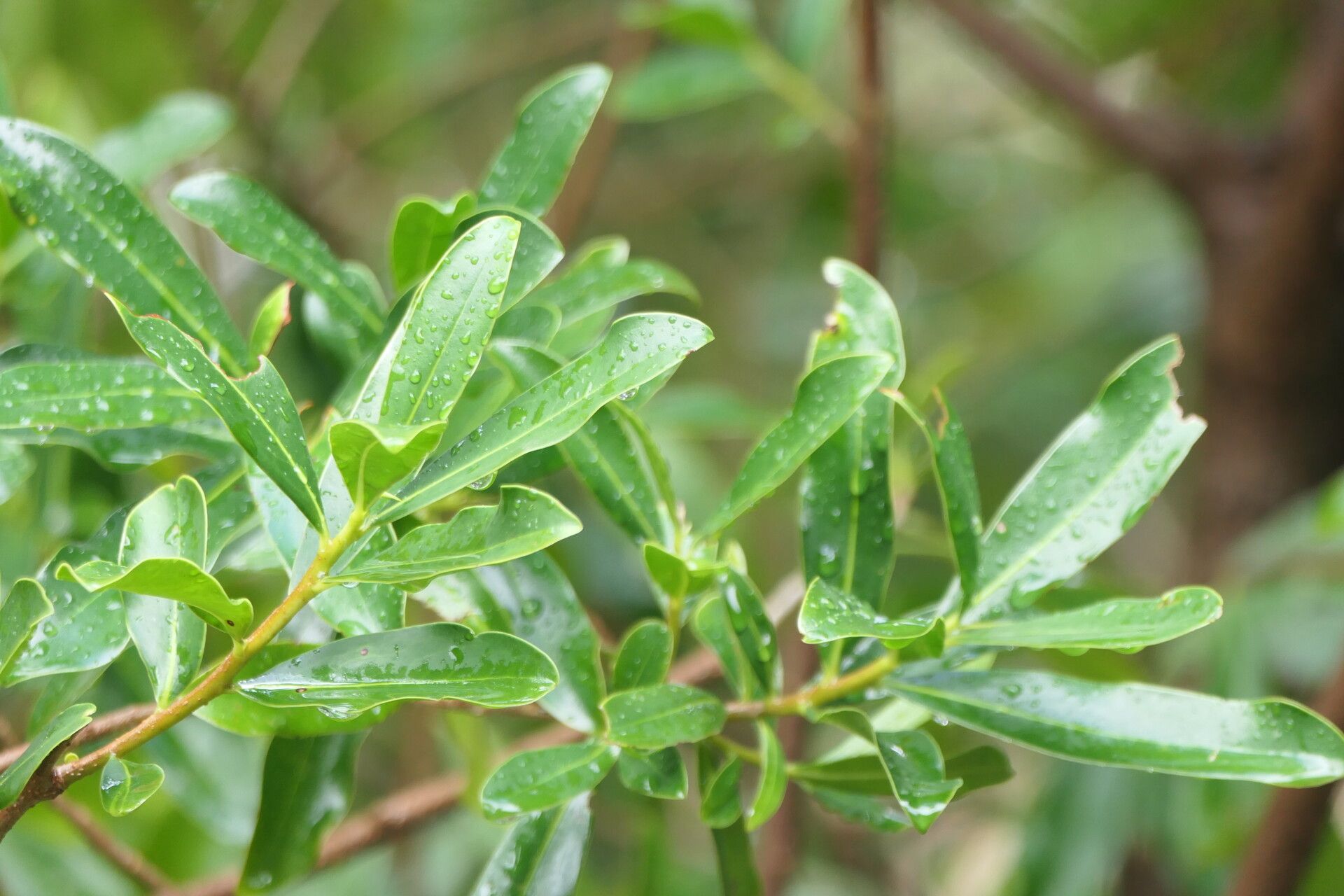
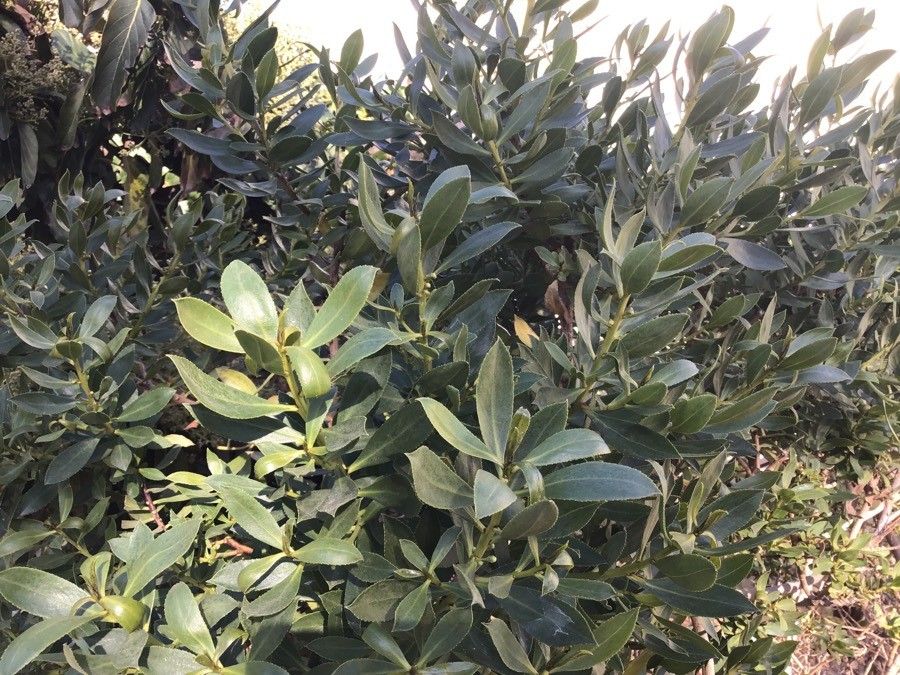
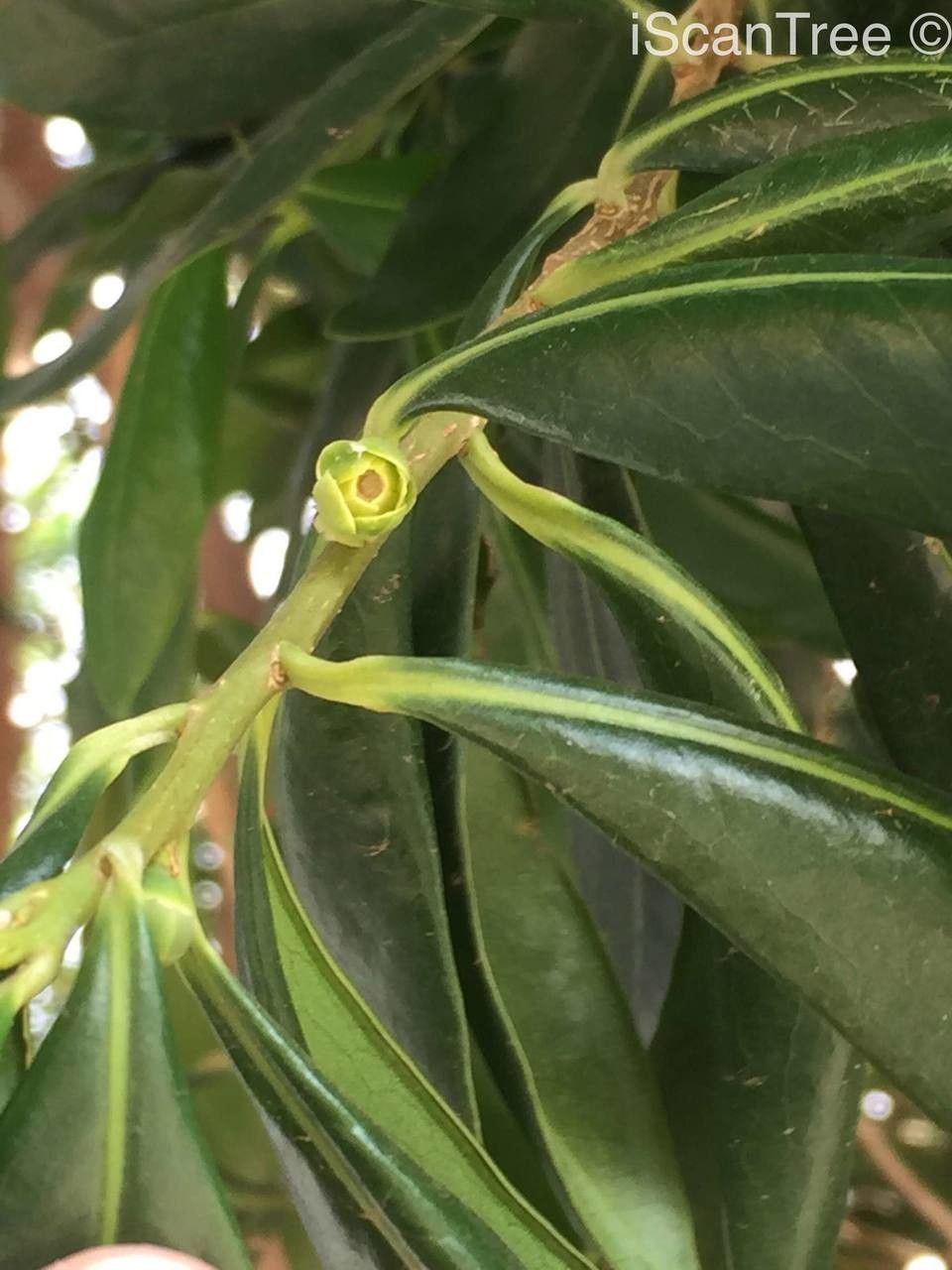
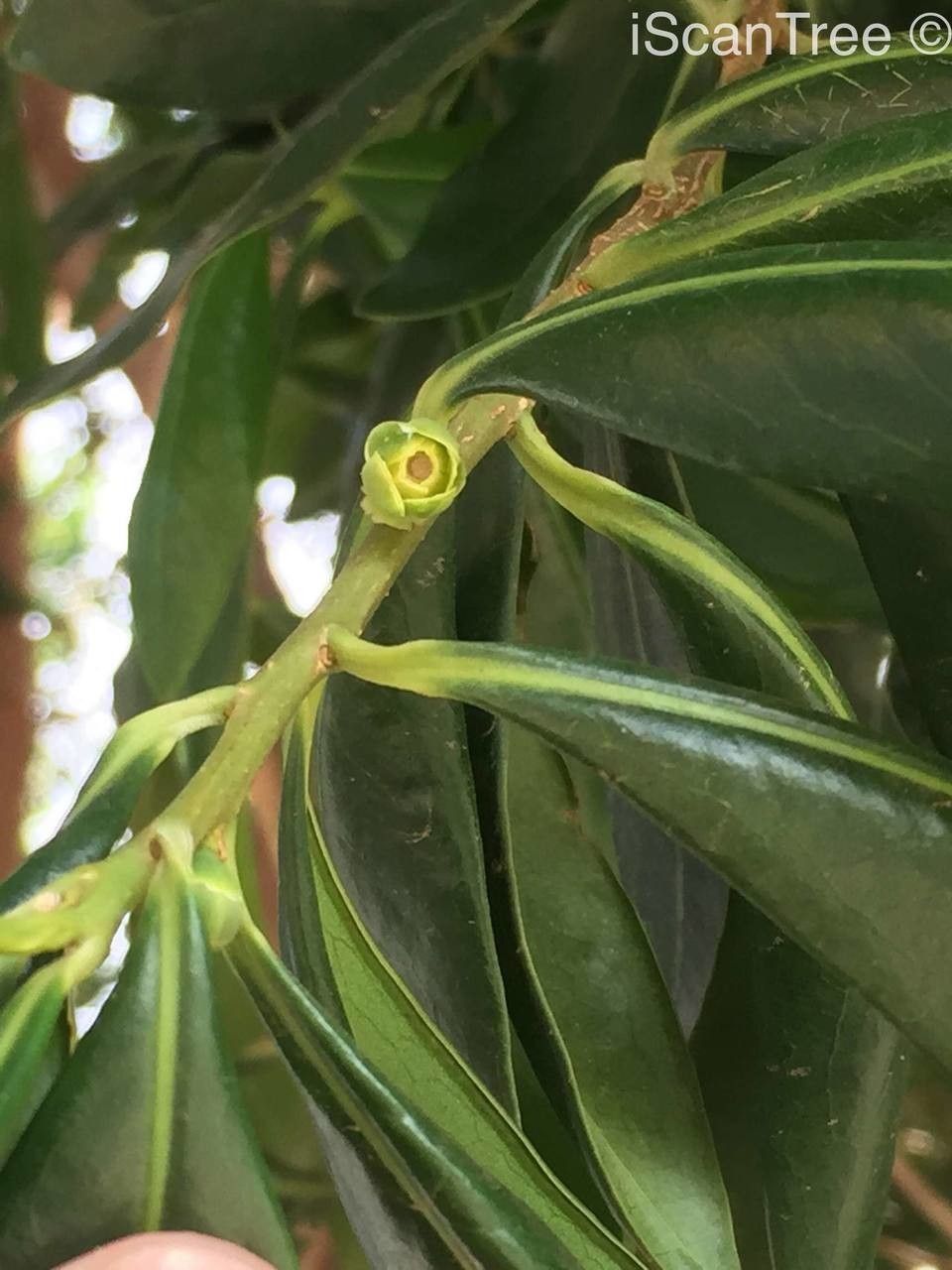
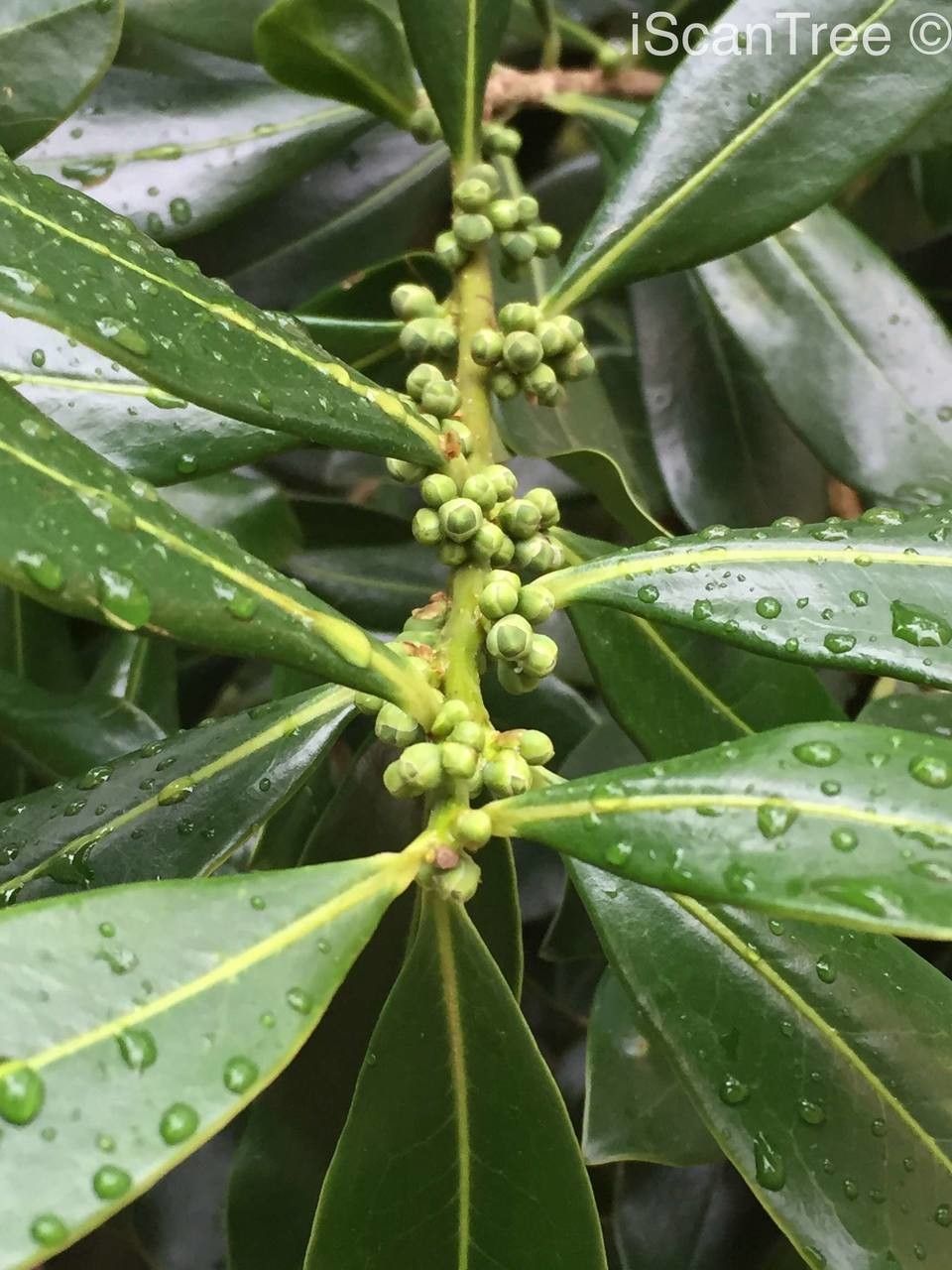
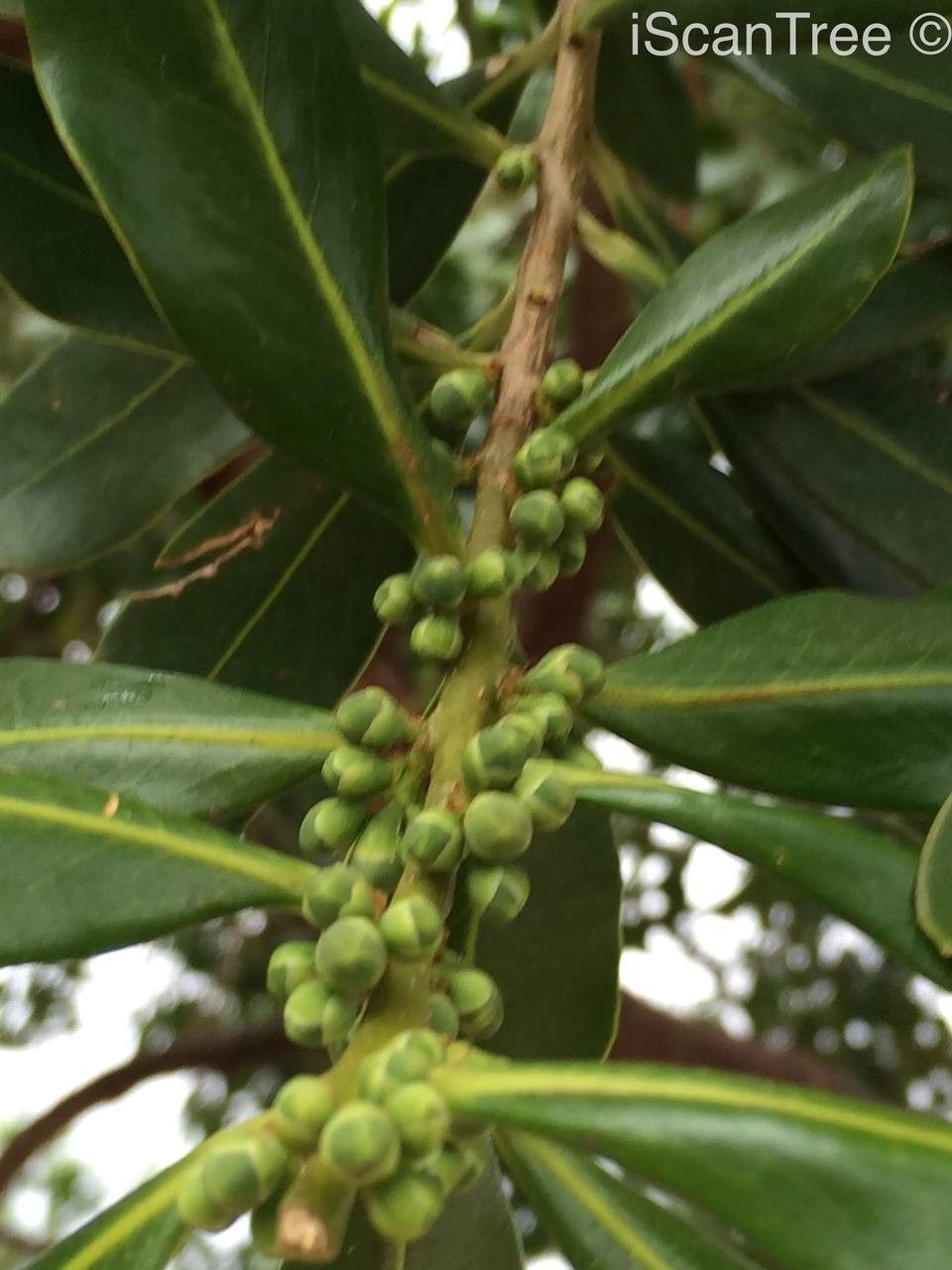
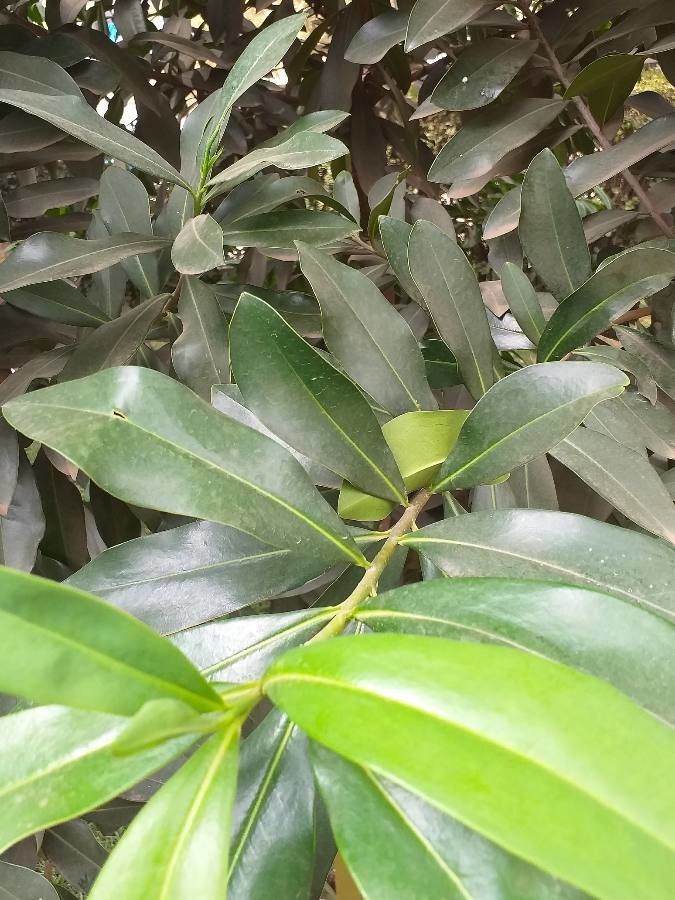
Warburgia salutaris, commonly known as the Pepper-bark tree, is an evergreen species native to Southern Africa. Belonging to the Canellaceae family, this tree can grow up to 20 meters tall. Its bark is highly prized for its medicinal properties and has been used for centuries by indigenous African communities to treat various ailments, including fevers, coughs, and stomach issues.
The bark contains several active compounds, such as alpha-pinene, beta-pinene, limonene, and eucalyptol, which exhibit anti-inflammatory properties. Additionally, it is rich in essential oils, giving it a distinctive spicy aroma.
Beyond its medicinal applications, Warburgia salutaris holds cultural significance in many African communities, where it is employed in traditional rituals. The wood from this tree is also valued for furniture making due to its durability.
Despite its importance both culturally and economically in Southern Africa, Warburgia salutaris is threatened by habitat loss from deforestation caused by human activities like logging and agriculture. Conservation efforts are underway to protect this valuable species from extinction and promote sustainable practices that benefit both people and the environment.
The pepper-bark tree has strong disease resistance and is generally not susceptible to diseases. Regarding care, this plant is fairly low-maintenance. When grown outdoors it needs only light watering, and larger specimens typically do not require pruning. Smaller plants, however, should be pruned after they finish blooming. The pepper-bark tree is suitable for anyone who has outdoor space, such as a garden or a deck, and does not demand much gardening experience.
How to keep Warburgia Salutaris.
Light
The pepper-bark tree naturally occurs in habitats like forest understories and rocky areas, where it grows in natural shade. It prefers partial sun but can tolerate full sun or full shade, showing that it is versatile and hardy.
Temperature
The pepper-bark tree comes from tropical areas, where the climate is generally warm and humid. As a result, it is well adapted to high temperatures and humidity. It does not tolerate sudden temperature shifts and prefers a stable temperature environment, so avoiding temperature fluctuations indoors is important. It typically cannot withstand cold temperatures and needs warmer conditions to grow. If the environmental temperature falls too low, the plant may stop growing or even die.
Fertilizer
Fertilizing is essential to the care of the pepper-bark tree. Regular applications during the growing season maintain the energy needed for its showy leaves and support overall growth. Neglecting fertilization can lead to unhealthy leaves, reduced ornamental appeal, and stunted or weak growth that is prone to breakage.
Botanical profile.
- Plant Type
- Tree
- Life Cycle
- Perennial
- Genus
- Warburgia
- Family
- Canellaceae
- Hardiness Zone
- 9-11
- Mature Height
- 10.06 m to 20.12 m
- Mature Spread
- 4.88 m to 7.92 m
- Leaf Color
- Dark Green
- Leaf Type
- Evergreen
- Flower Color
- White
- Flower Size
- 1.02 cm to 2.03 cm
- Bloom Time
- Fall
- Planting Time
- Spring, Summer
- Harvest Time
- Mid winter, Late winter, Early spring
- Native Area
- South Africa, Mozambique, Zimbabwe
Other names.