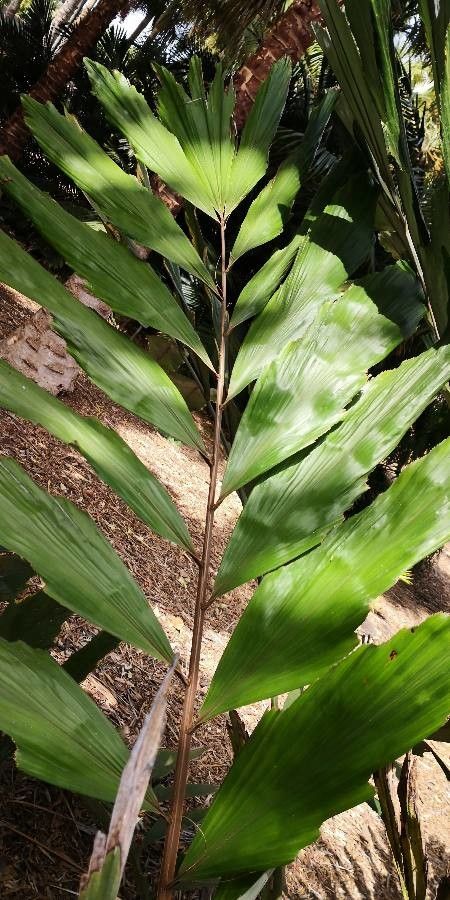
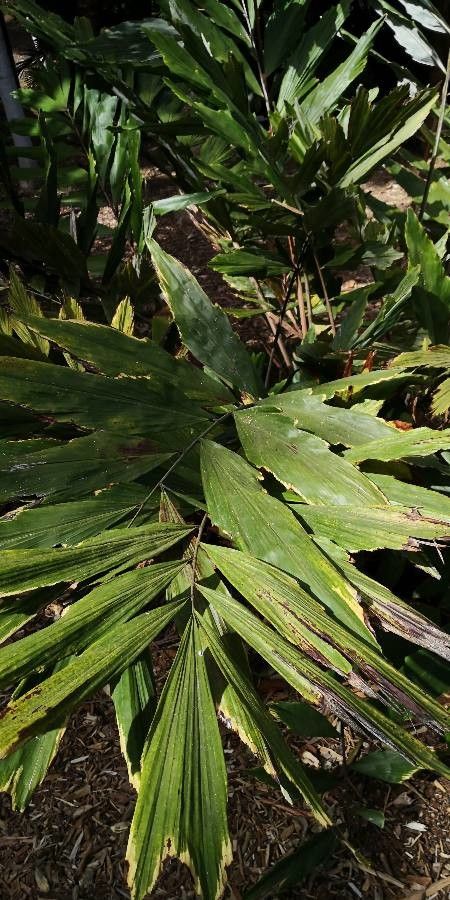
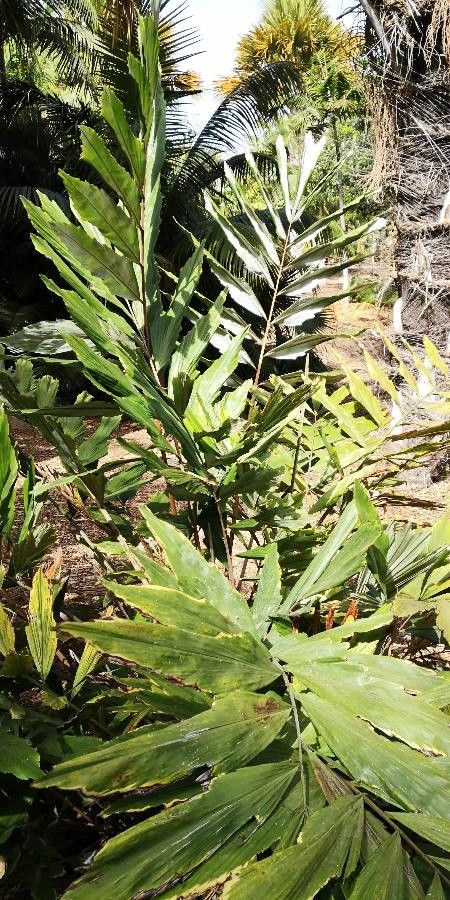
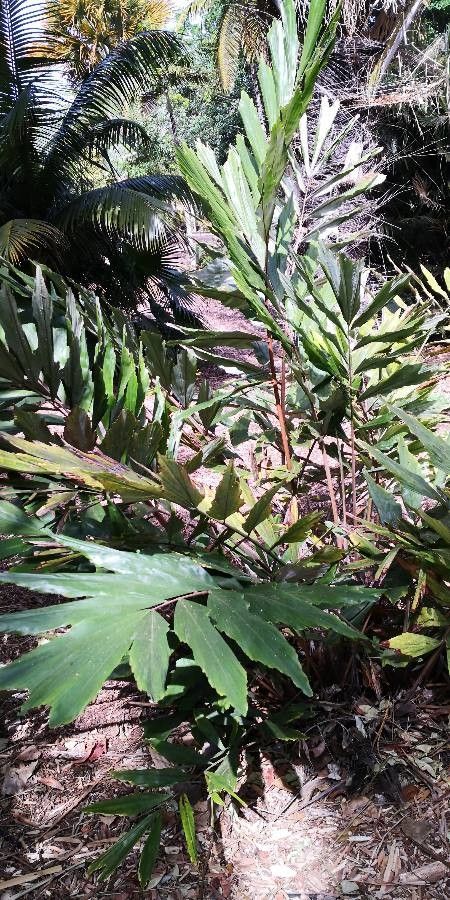
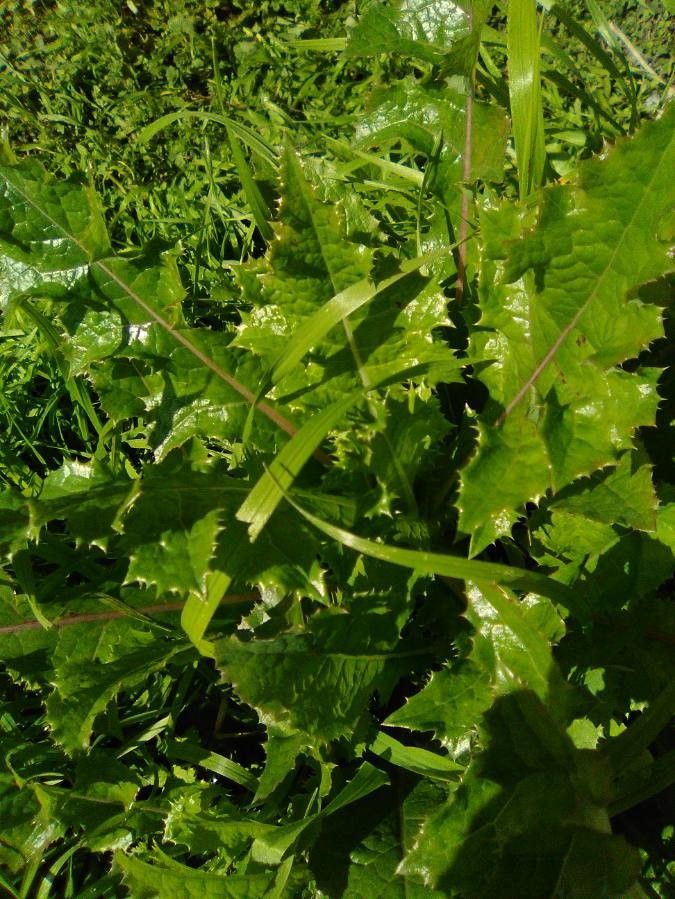
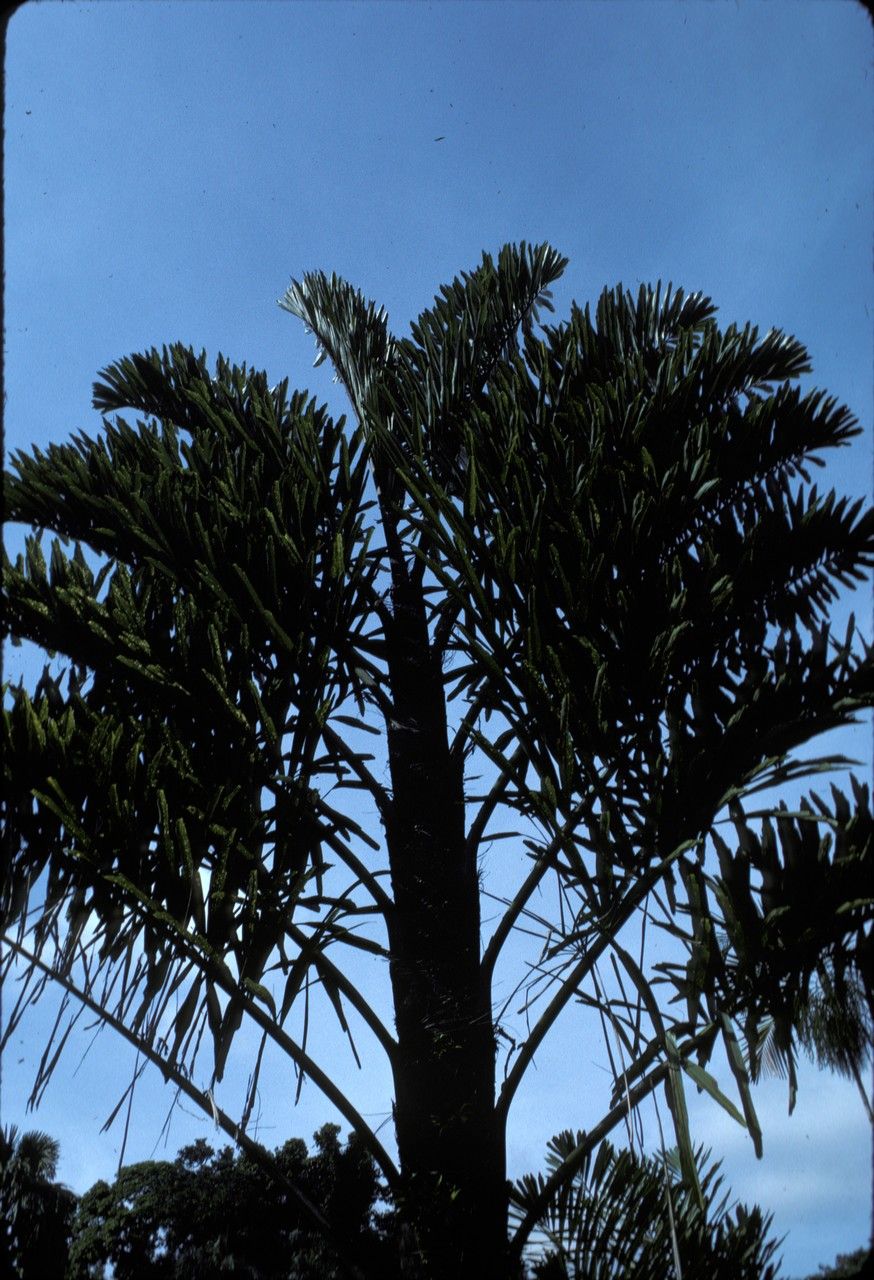
Himalayan dwarf fishtail palm has strong resistance to disease and is generally not susceptible to illnesses. Regarding care, this plant is fairly low-maintenance. Planted outdoors it needs minimal watering, and larger specimens typically do not require pruning; however, smaller plants should be pruned after they have finished blooming. The Himalayan dwarf fishtail palm is suitable for anyone with outdoor space, such as a garden or deck, and does not demand extensive experience in plant care.
How to keep Wallichia Oblongifolia.
Light
The himalayan dwarf fishtail palm prefers spots that get a moderate amount of sunlight, though it copes well in places with less sun. Sunlight supports its health and vigor, which are vital in its natural habitat. However, too much sun can injure the plant, and too little light can result in underwhelming growth.
Water
The Himalayan dwarf fishtail palm thrives best in moist environments with occasional dry periods, showing a moderate tolerance to drought. It should be watered every 2-3 weeks, ensuring the soil remains lightly moist but not waterlogged. This plant is typically grown outdoors and benefits from rainwater, which is similar to the soft, low-mineral water found in its natural habitat.
Temperature
The Himalayan dwarf fishtail palm comes from tropical areas where the climate is typically warm and humid. Consequently, it is adapted to high temperatures and moisture. It is sensitive to sudden temperature shifts and prefers a steady thermal environment, so keeping indoor temperature fluctuations to a minimum is important. It generally does not tolerate cold and needs warmer conditions to grow. If the surrounding temperature falls too low, the plant may stop growing or even die.
Fertilizer
The best time to fertilize a Himalayan dwarf fishtail palm is in early spring when it comes out of dormancy. Doing so supports overall growth and encourages flower development. Fertilizing improves the foliage, stems, and branches, and helps produce flowers that are larger, more vibrant, and longer-lasting. It also assists in moving nutrients from the roots to the flowers and enhances the plant’s health and resistance to disease.
Pruning
Prune the Himalayan dwarf fishtail palm in early spring to remove dead fronds and encourage new growth. Trim yellowing leaves and thin out overcrowded areas to improve air circulation. Regular pruning helps reduce the risk of disease and maintains the plant's appearance. Be careful not to over-trim, as it can stress the plant. Refer to guides for proper pruning techniques.
Botanical profile.
- Plant Type
- Shrub
- Life Cycle
- Perennial
- Genus
- Wallichia
- Family
- Arecaceae
- Hardiness Zone
- 10-11
- Mature Height
- 3.05 m to 4.88 m
- Mature Spread
- 2.13 m to 3.05 m
- Leaf Color
- Dark Green
- Leaf Type
- Evergreen
- Flower Color
- Yellow
- Flower Size
- 0.51 cm to 1.02 cm
- Bloom Time
- Late spring, Summer
- Planting Time
- Summer
- Harvest Time
- Late summer, Fall
Reader questions.
What are the sunlight requirements for the Himalayan dwarf fishtail palm?
The Himalayan dwarf fishtail palm prefers locations that receive moderate sunlight but can tolerate lesser sun exposure. Adequate sunlight is vital for its health and vigor in its natural habitat. It requires about 3-6 hours of sunlight daily for a balance termed 'Partial Sun,' but can survive in 'Full Shade' conditions, which is less than 3 hours of sunlight. Too much sun can harm the plant, while too little light might hinder its growth. Observing how sunlight moves through your garden to choose the ideal location can ensure your plant's happiness by providing the perfect balance of light and shade.
How can artificial lighting be used for indoor Himalayan dwarf fishtail palms?
When natural sunlight is insufficient, especially during winter or in less sunny spaces, artificial lighting becomes crucial for indoor plants like the Himalayan dwarf fishtail palm. LED lights are recommended due to their ability to provide specific wavelengths needed by plants. For optimal growth, full sun plants require 30-50W/sq ft of artificial light, partial sun plants need 20-30W/sq ft, and full shade plants should have 10-20W/sq ft. The light source should be placed 12-36 inches above the plant to mimic natural sunlight, and most plants benefit from 8-12 hours of light per day to imitate the length of natural daylight hours.
What are the signs of improper lighting for the Himalayan dwarf fishtail palm?
The Himalayan dwarf fishtail palm shows several symptoms when it experiences inadequate lighting. New leaves may appear smaller, and the plant might exhibit leggy or sparse growth due to elongated spaces between leaves or stems. Faster leaf drop can occur as the plant sheds older leaves to conserve resources, and the plant might experience slower or no new growth as it enters survival mode. Leaves developing in insufficient light can have irregular color patterns or appear pale, indicating a lack of chlorophyll. Overexposure to sunlight can lead to chlorosis, sunscald, leaf curling, wilting, and leaf scorching, each affecting the plant's health and appearance.
What solutions can help Himalayan dwarf fishtail palms with inadequate sunlight?
For indoor plants experiencing insufficient sunlight, gradually relocating them to sunnier spots each week until they achieve 3-6 hours of direct sunlight daily can help, as well as using artificial lighting like desk or ceiling lamps for at least 8 hours a day or professional plant grow lights. For outdoor plants, it's crucial to move them gradually to sunnier locations to avoid sunburn, making incremental adjustments each week. If there are obstructions like trees blocking the sunlight, consider pruning them. Additionally, for smaller plants that can be moved, transplanting during the dormant period (late winter or early spring) into areas with ample sunlight and good drainage can promote healthier growth. Note that parts of the plant previously affected by insufficient sunlight may not recover, but new growth can be healthy with improved light conditions.