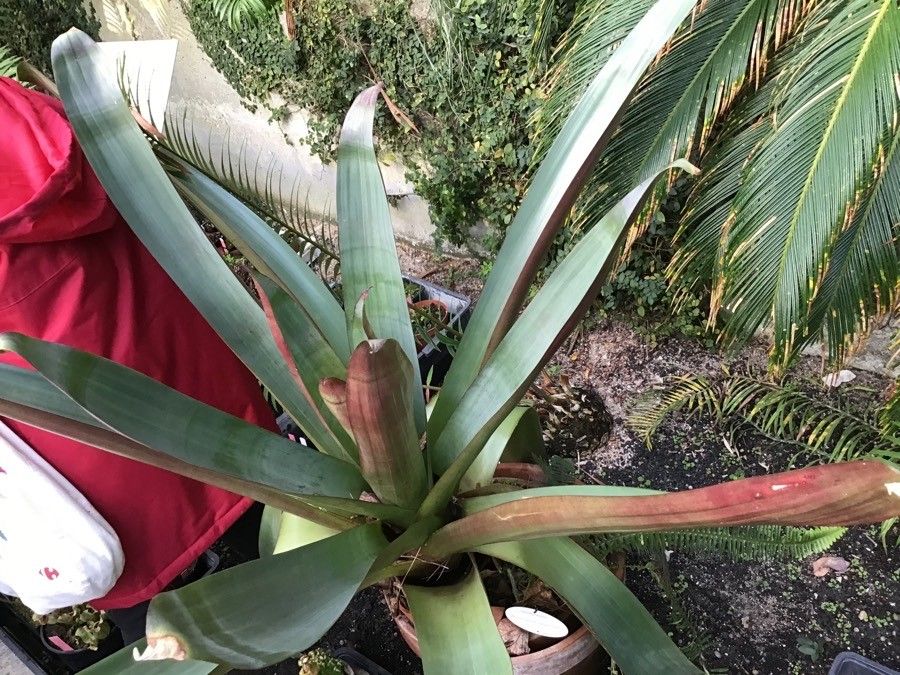
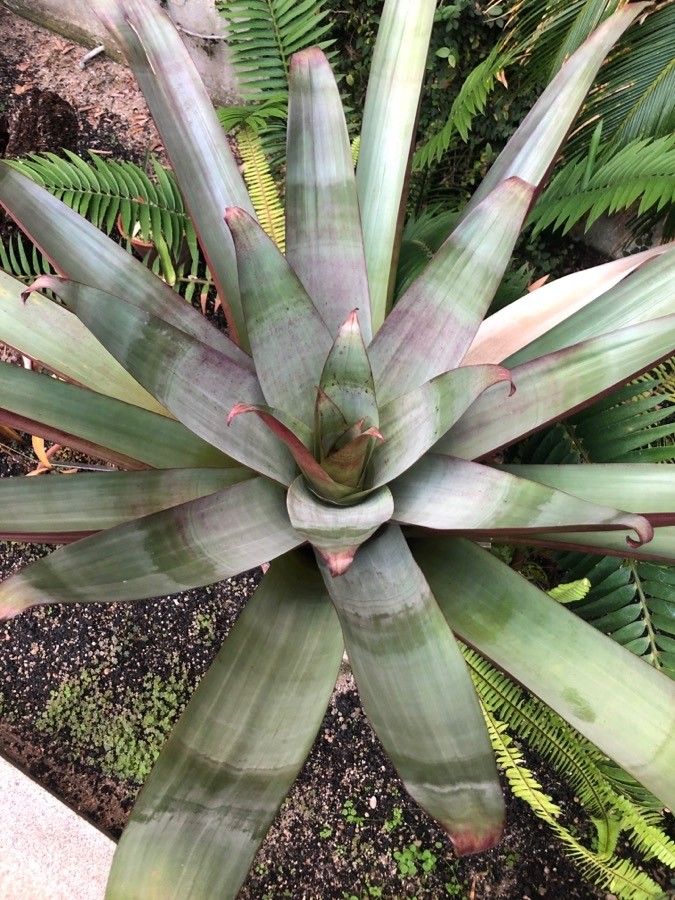
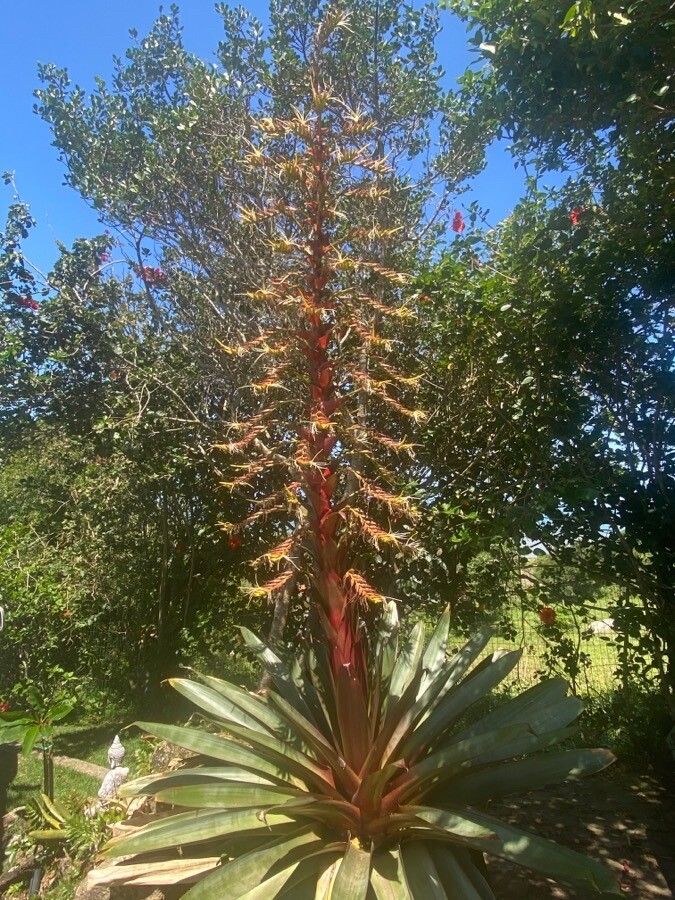
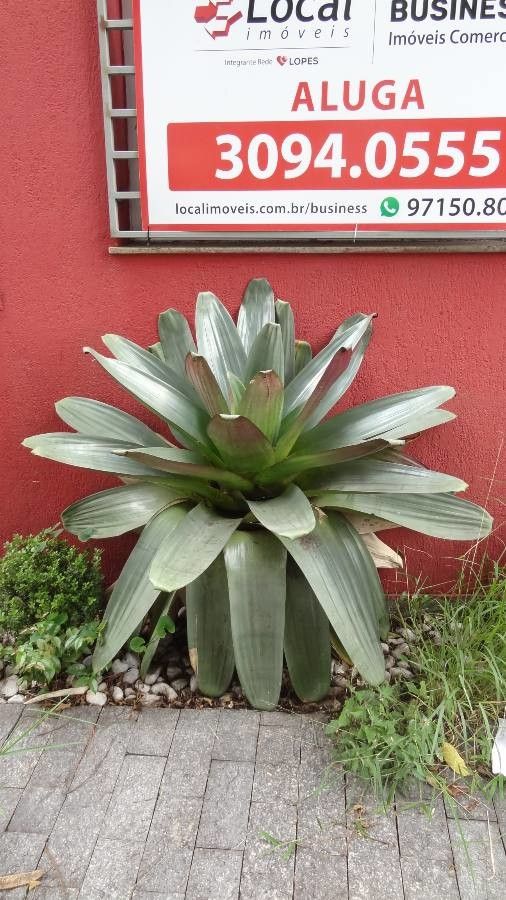
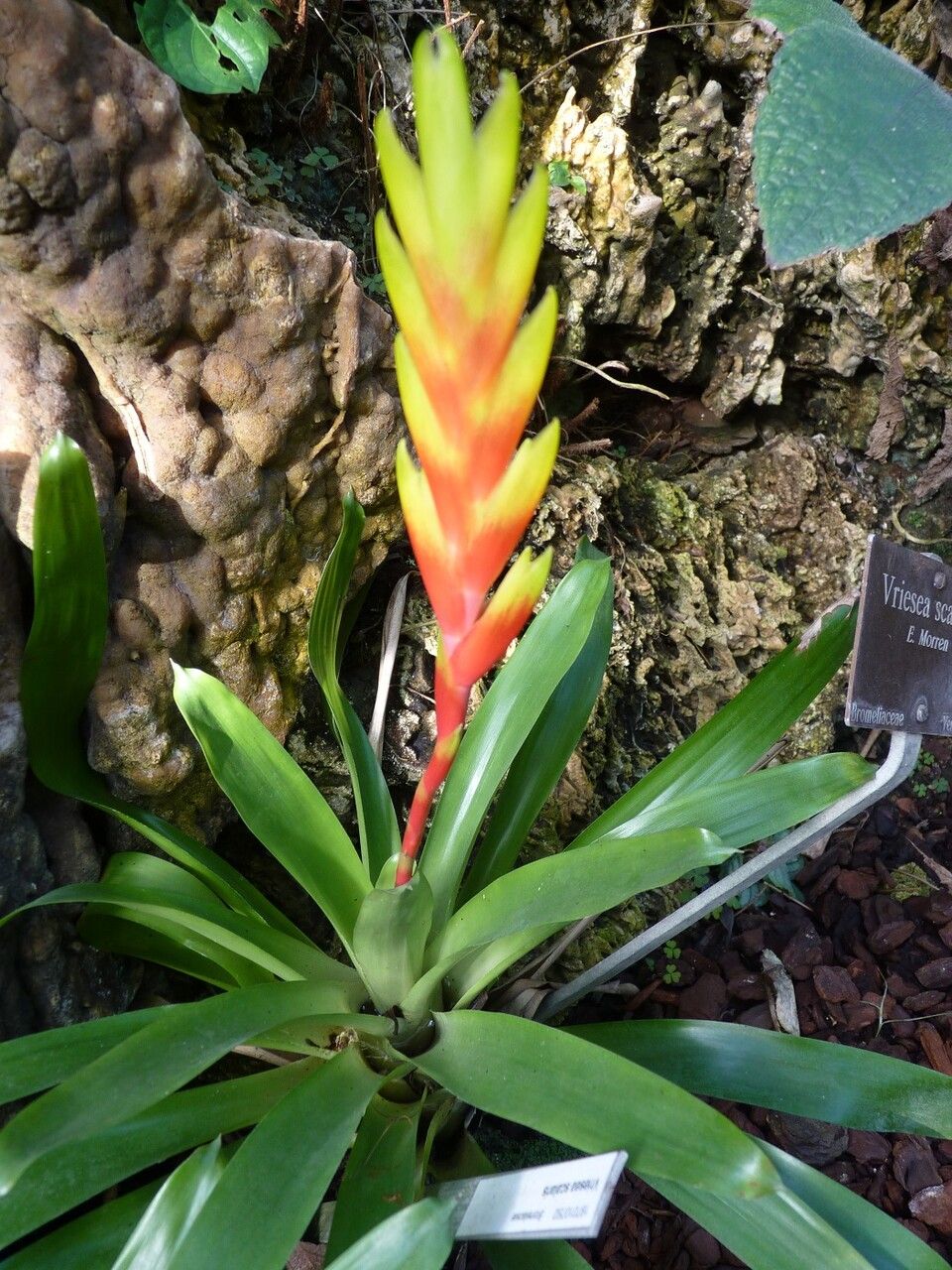
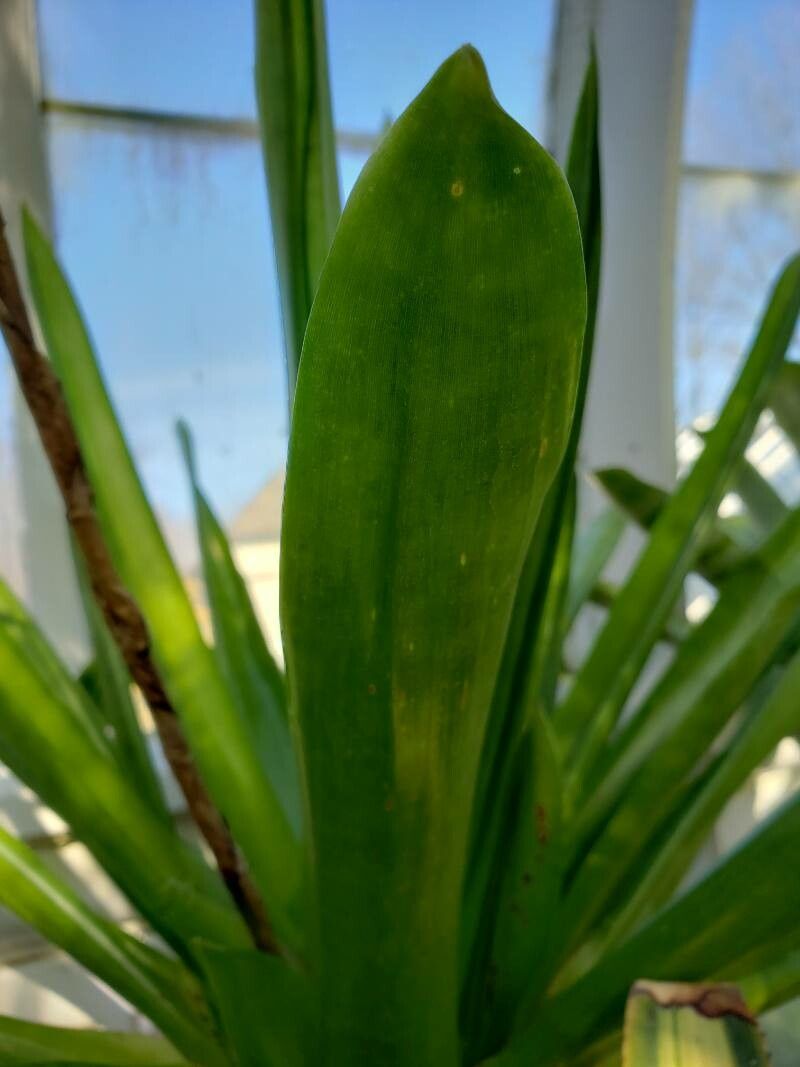
Imperial bromeliad is relatively resistant to disease and usually not highly susceptible to illnesses. However, it can be affected by pests and diseases present in its surroundings. These problems are typically not serious. Regarding care, this plant requires moderate maintenance. It should be pruned regularly to maintain a neat appearance and promote healthy growth. Applying fertilizer can also help encourage flowering. Imperial bromeliad is suitable for anyone with outdoor space, like a garden or patio, and does not require extensive care experience. It may need more attention when grown indoors.
How to keep Vriesea Imperialis.
Light
The imperial bromeliad prefers spots with moderate sunlight but can tolerate brighter light. Native to places with filtered sun, it does best under similar conditions. Too much light can damage its health, while too little light can impede its growth.
Humidity
This plant will thrive in moderate humidity, which is probably the level in your home. However, misting it a few times a week can be very beneficial. Make sure the room has good ventilation.
Temperature
The imperial bromeliad comes from areas with moderate temperatures and prefers roughly 68 to 100 °F (20 to 38 °C). As seasons change, temperature adjustments may be needed to replicate its natural habitat, particularly during extreme winter or summer.
Fertilizer
Proper fertilization is essential for the health and appearance of the Imperial bromeliad. Fertilize the Imperial bromeliad in summer, repeating the application monthly throughout summer. Nutrients fuel growth and maintain the plant's parts. Fertilization improves the Imperial bromeliad's flower display, ensuring the best blooms.
Botanical profile.
- Plant Type
- Herb
- Life Cycle
- Perennial, Annual
- Genus
- Vriesea
- Family
- Bromeliaceae
- Hardiness Zone
- 10-11
- Mature Height
- 61 cm to 91 cm
- Mature Spread
- 0.61 m to 1.22 m
- Leaf Color
- Green, Red
- Leaf Type
- Evergreen
- Flower Color
- White
- Flower Size
- 2.54 cm
- Bloom Time
- Summer
- Planting Time
- Spring, Autumn
- Harvest Time
- Late summer, Early fall, Mid fall
- Native Area
- Brazil
Other names.