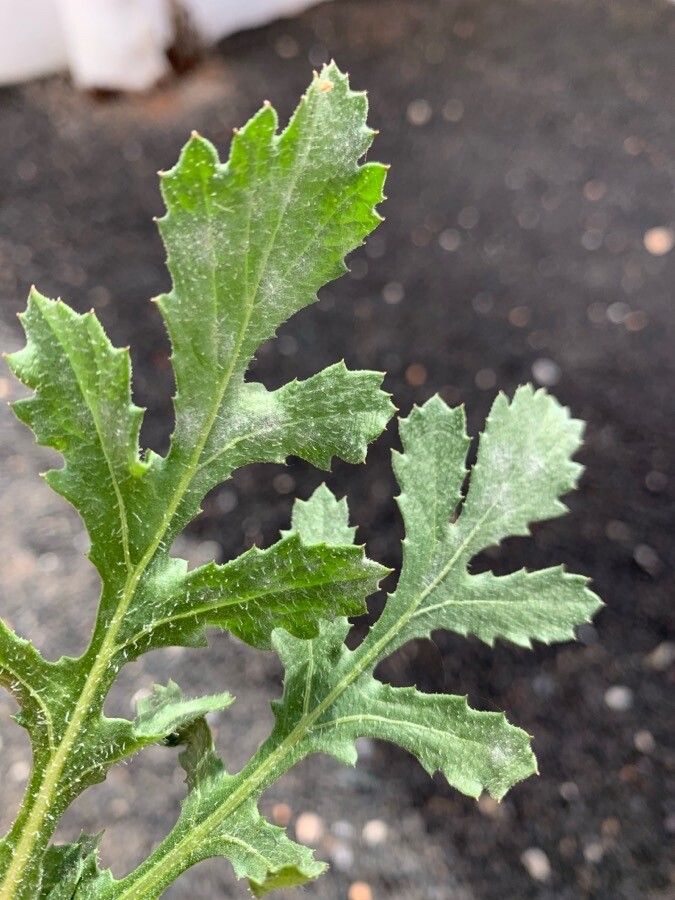
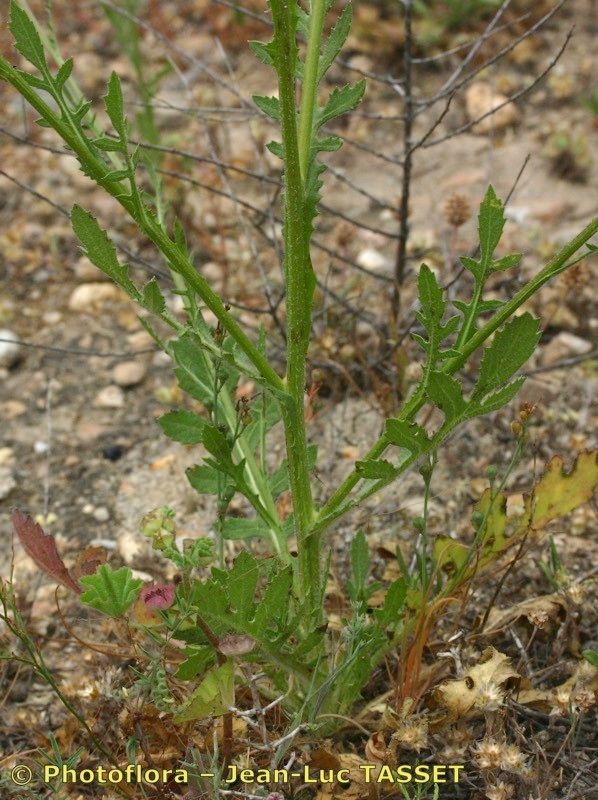
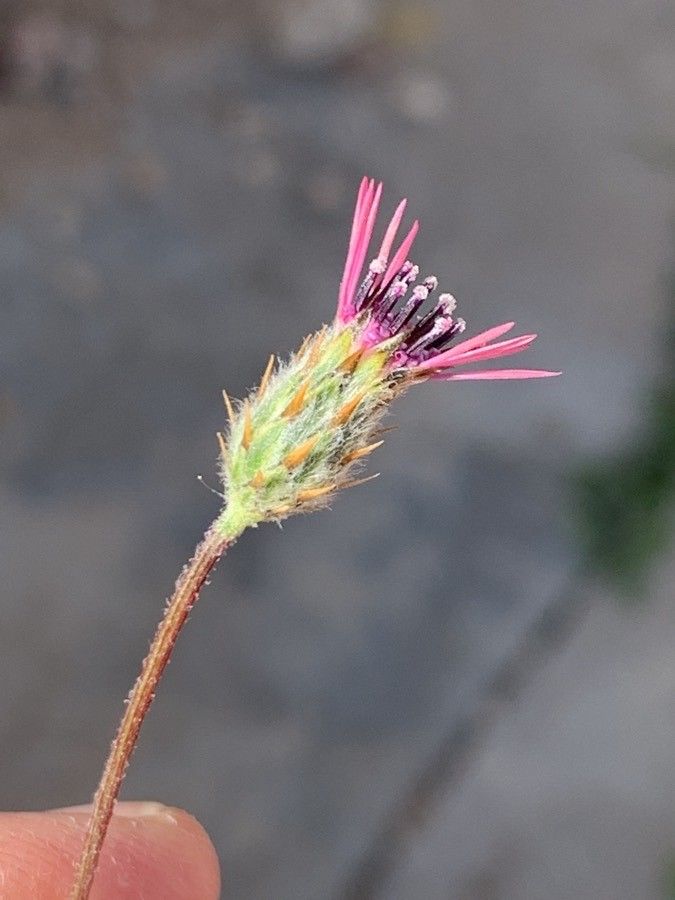
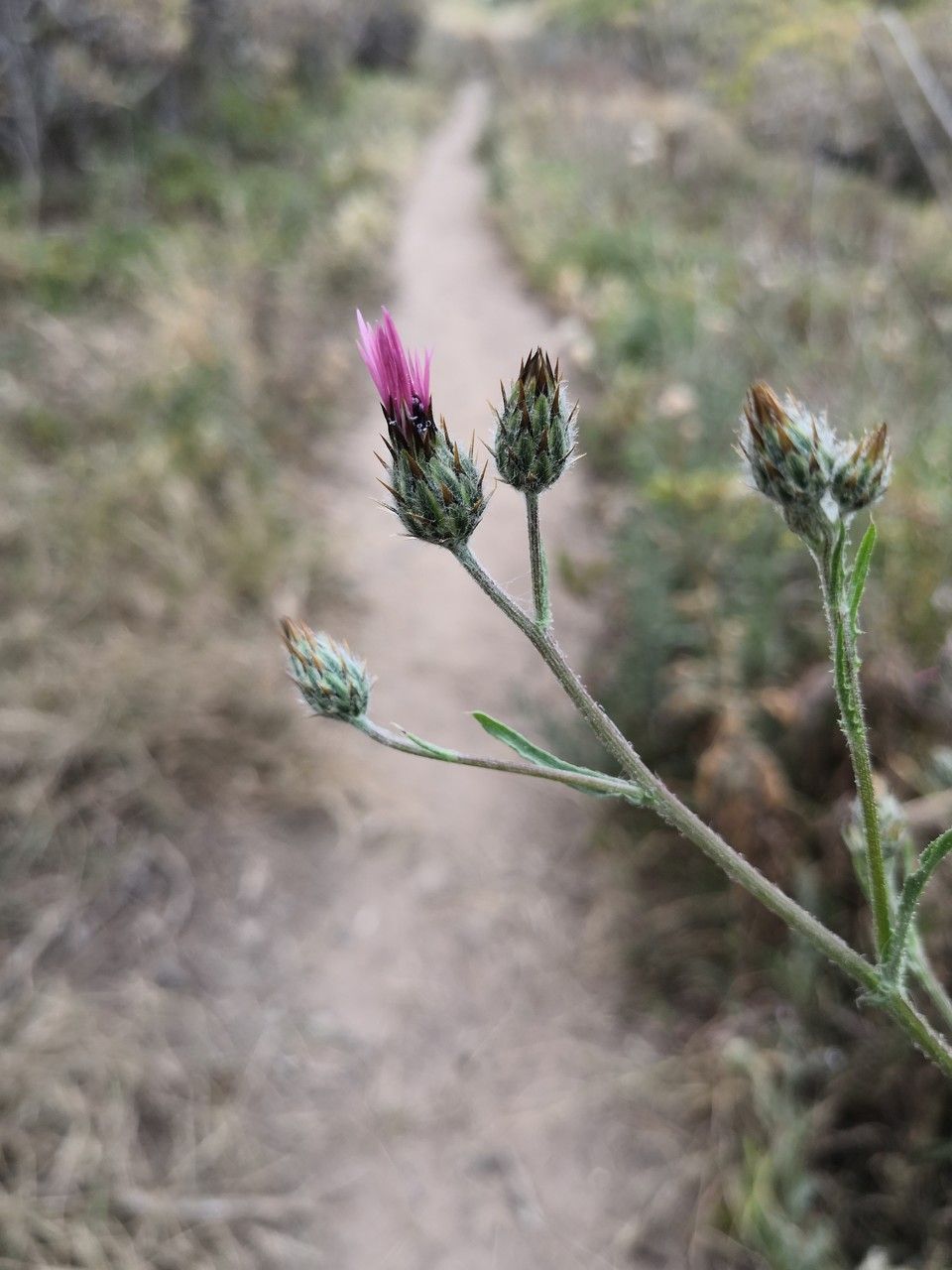
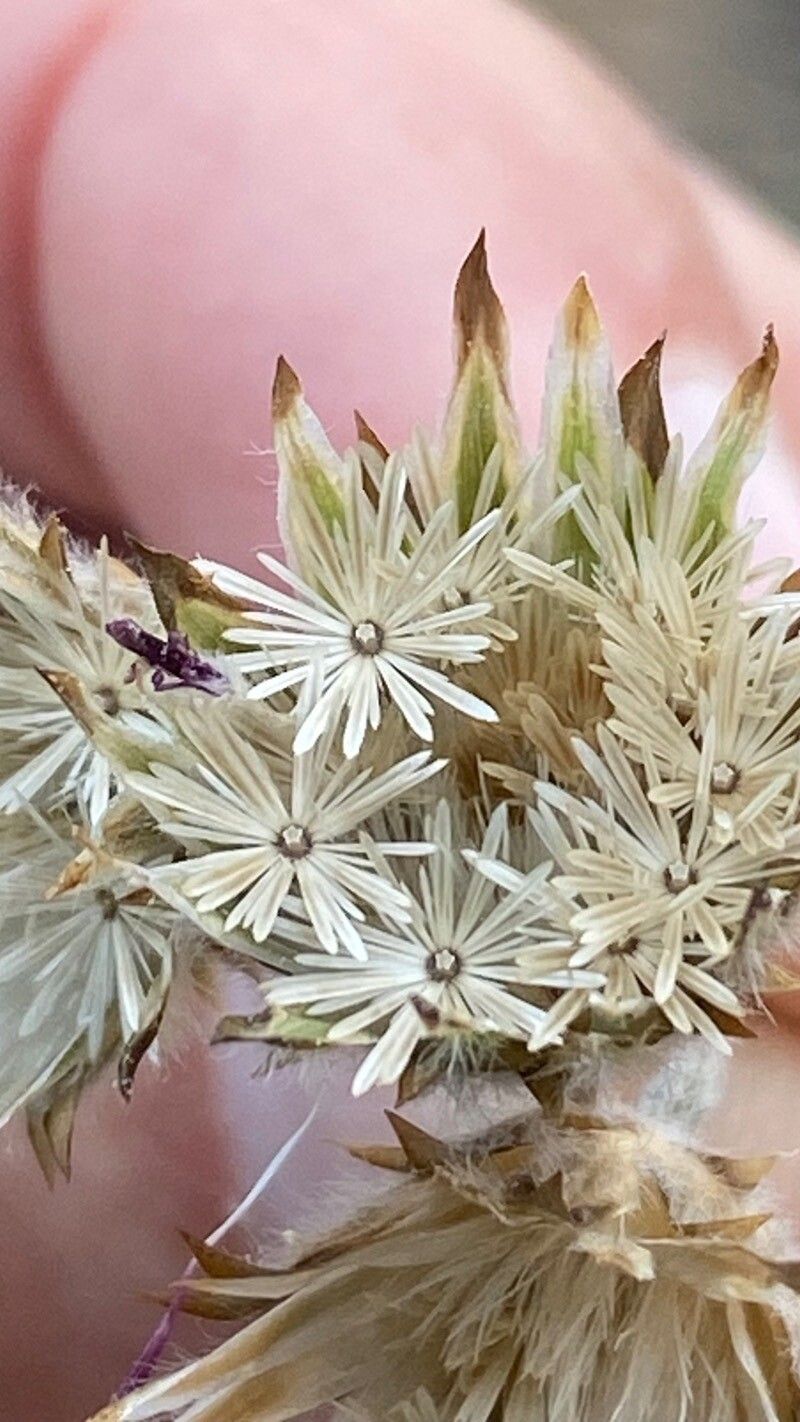
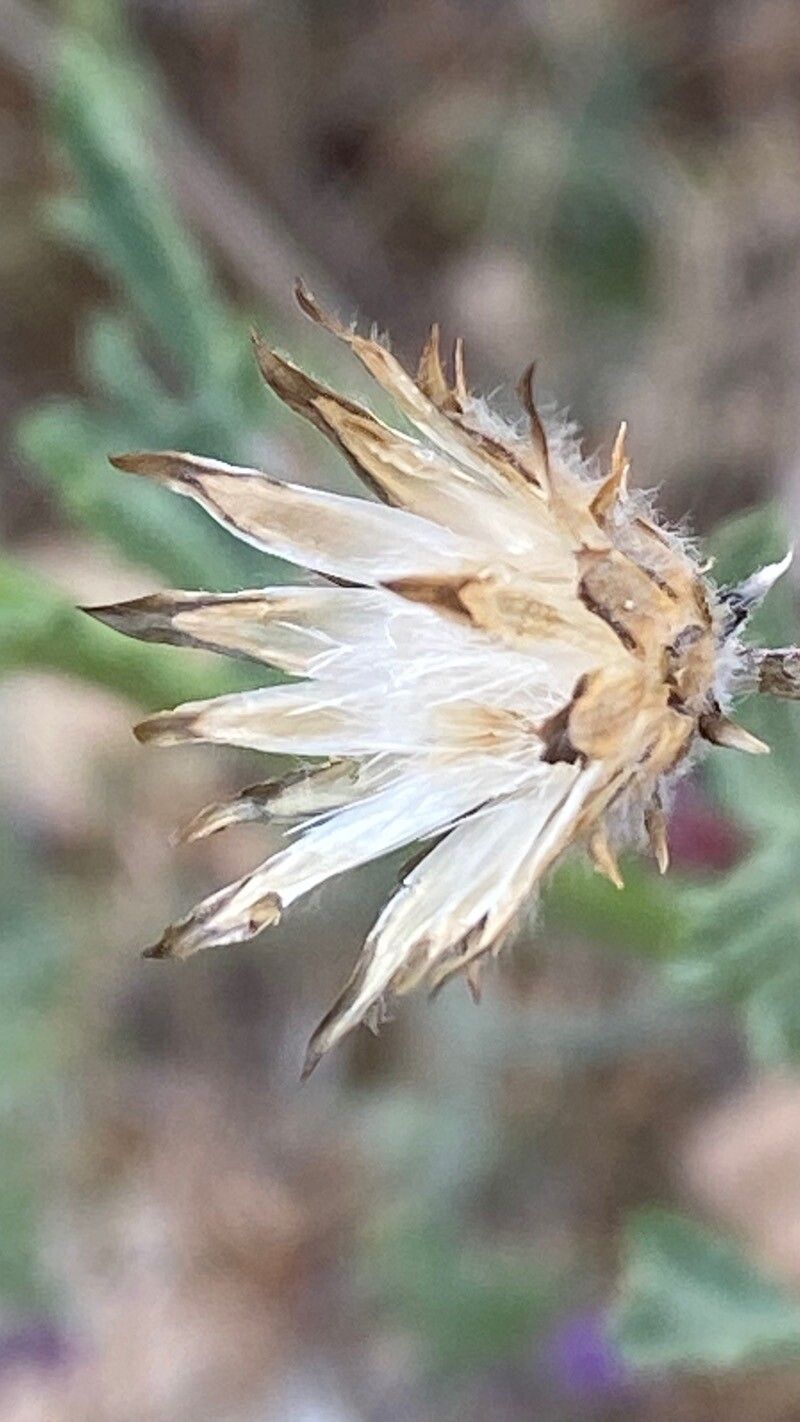
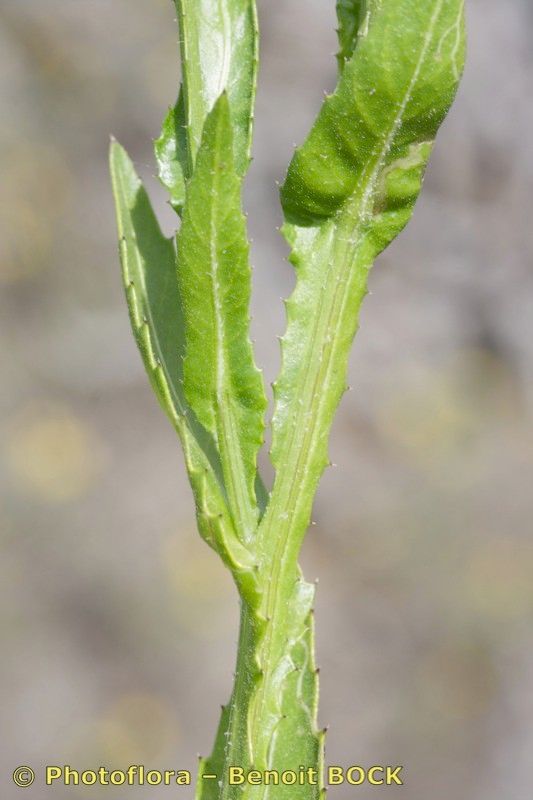
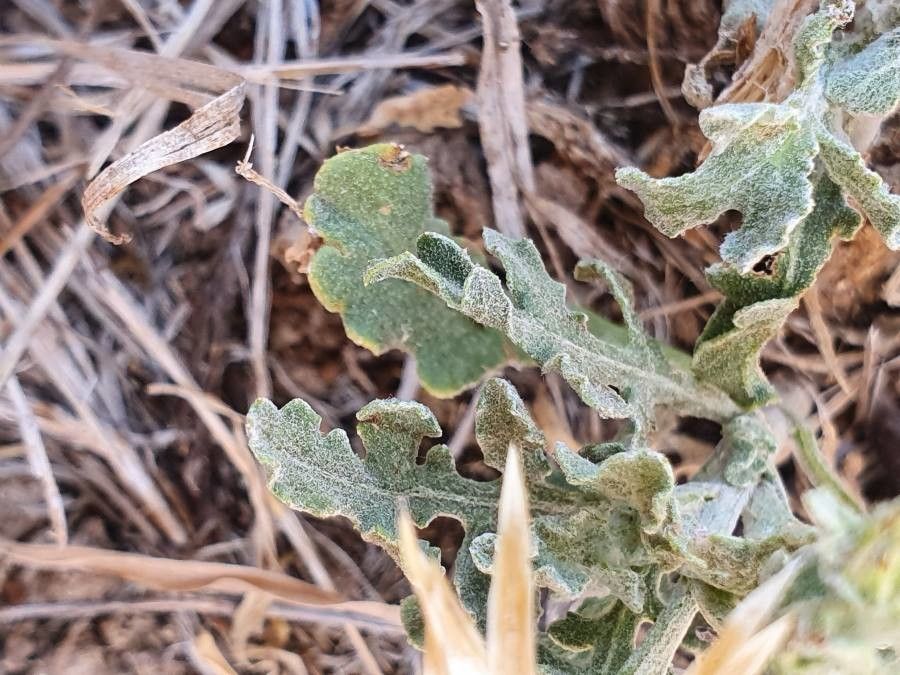
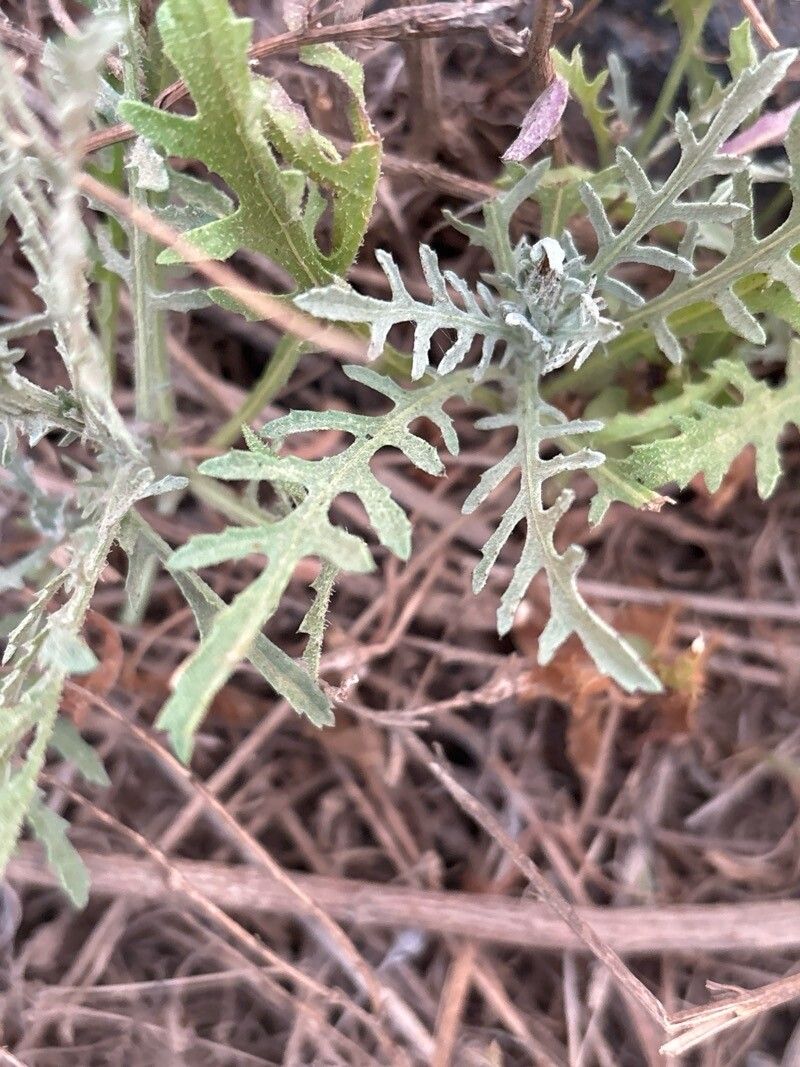
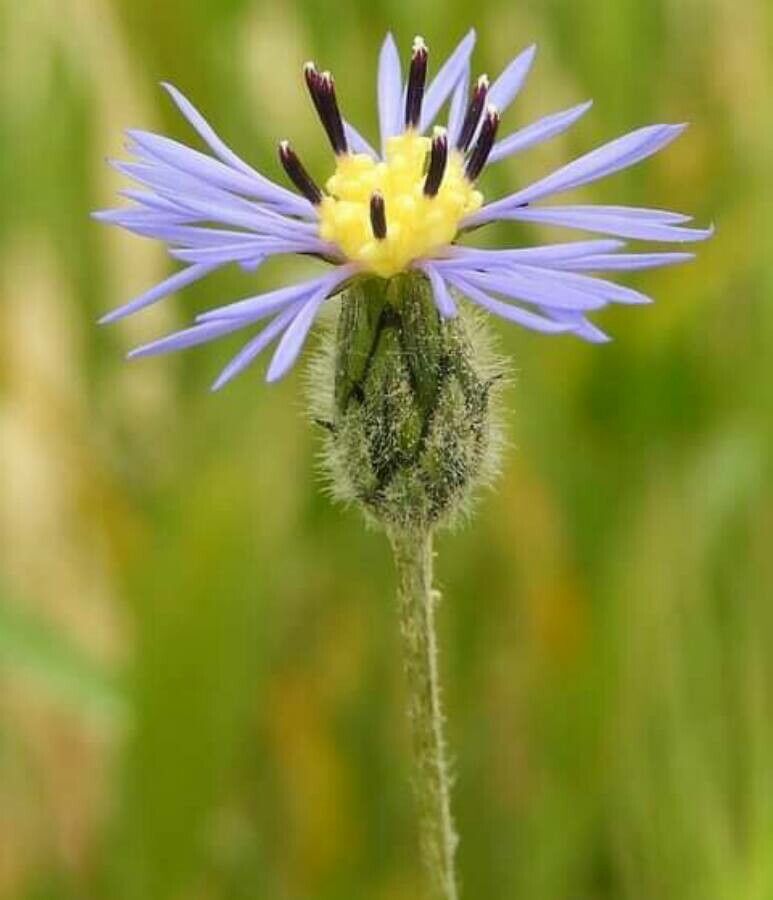
Volutaria tubuliflora, commonly known as the tube-flowered volutaria, is a species of flowering plant in the Asteraceae family. Native to North Africa and the Middle East, it has also been introduced to various other regions as an ornamental plant. This plant typically reaches a height of up to 60 cm and features narrow, finely haired leaves. Its small, tubular flowers are yellow and form dense clusters at the top of each stem. Volutaria tubuliflora is drought-tolerant and can thrive in a variety of soil types, making it an excellent choice for xeriscaping or low-maintenance gardens. However, it has the potential to become invasive if not properly managed, due to its prolific self-seeding capability.
Egyptian knapweed is fairly resistant to disease and typically does not suffer from many illnesses. Still, it can be vulnerable to pests and diseases found in its environment. When infections occur, they are generally mild. Regarding care, this plant needs a moderate level of maintenance. It should be pruned regularly to preserve an attractive appearance and encourage healthy growth. Applying fertilizer can also support better flowering. Egyptian knapweed is well suited for anyone with outdoor space, such as a garden or patio, and does not require extensive care experience. It may demand more attention if cultivated indoors.
How to keep Volutaria Tubuliflora.
Light
Egyptian knapweed originates in bright, open habitats and thrives in full sun. It can tolerate partial sun but prefers direct sunlight for optimal growth. This plant, which may be annual or biennial, is known for its sun-loving nature.
Water
Egyptian knapweed is well-suited to arid climates due to its high tolerance for drought. For optimal growth, it needs weekly watering. This plant thrives in full sunlight and prefers well-draining soil to avoid root rot, which replicates its native dry conditions.
Temperature
Egyptian knapweed can adapt to a wide range of temperatures, but its distribution may still be restricted by various combinations of moisture and heat. It grows best in warm summer climates with sufficient rainfall or irrigation. Extended periods of cloudy, rainy weather or prolonged high temperatures can raise the risk of Egyptian knapweed dying. In winter, adequate protection from cold can improve the plant’s survival.
Fertilizer
Egyptian knapweed responds well to regular, light fertilizer applications to encourage healthy leaf development. You should feed Egyptian knapweed about once a month during the summer. Nitrogen is essential for foliage, and providing nitrogen-rich sources helps Egyptian knapweed thrive.
Pruning
The resilient perennial Egyptian knapweed is characterized by its tubular flowers. Effective pruning involves several key steps: trim dead stems in early spring and shape the foliage later. The best time for these activities is from early to late spring. Regular pruning helps control the plant's size, encourages blooming, and prevents disease. Be sure to sanitize your tools to avoid spreading infections.
Botanical profile.
- Plant Type
- Herb
- Life Cycle
- Annual
- Genus
- Volutaria
- Family
- Asteraceae
- Hardiness Zone
- 9-11
- Mature Height
- 1.52 m
- Mature Spread
- 20 cm to 40 cm
- Leaf Color
- Green, Dark Green
- Leaf Type
- Evergreen
- Flower Color
- Purple, Lavender
- Flower Size
- 1.27 cm to 1.78 cm
- Bloom Time
- Spring
- Planting Time
- Spring, Summer
- Harvest Time
- Late spring, Early summer, Mid summer
- Native Area
- Libya, Egypt, Tunisia, Spain, Algeria, Morocco
Other names.
Reader questions.
What are the sunlight requirements for Egyptian knapweed?
Egyptian knapweed thrives in full sunlight, requiring above 6 hours of direct sunlight for optimal growth. It can also tolerate partial sun, defined as about 3-6 hours of sunlight. It's essential to observe the movement of sunlight through your garden to ensure your plants receive the right balance of light and shade, enhancing their overall health and growth.
What are the essential care tips for growing Egyptian knapweed?
Originally from bright, open environments, Egyptian knapweed flourishes in full sun, although it can manage in partial sun. If growing indoors or under conditions of insufficient natural sunlight, artificial lighting can be used to fulfill the plant's light requirements. LED lights are recommended, providing 30-50W/sq ft for full sun plants, 20-30W/sq ft for partial sun, and 10-20W/sq ft for full shade plants. Position the light source 12-36 inches above the plant to simulate natural sunlight conditions and ensure the plant receives 8-12 hours of light daily.
What are the signs of light deficiency in Egyptian knapweed?
When Egyptian knapweed isn't getting enough light, it may display several symptoms including smaller new leaves, leggy or sparse growth, premature leaf drop, and a halt in growth. The plant may develop lighter colored or chlorotic new leaves. Exposure to excessive sunlight can cause symptoms like sunscald, leaf curling to minimize water loss, wilting, and leaf scorching, indicating the need for adequate light management.
How can I address sunlight exposure issues with Egyptian knapweed?
To optimize Egyptian knapweed's growth, gradually introduce it to sunnier spots to achieve at least 6 hours of direct sunlight daily. For indoor plants, consider using artificial light sources, like desk or grow lights, to supplement sunlight, aiming for at least 8 hours of light per day. For outdoor plants, ensure a gradual transition to sunnier areas to prevent sunburn. If sunlight is obstructed, consider pruning or relocating smaller plants to sunnier locations with good drainage. Remember, while parts of the plant that suffered from light deficiency may not recover, new growth should be healthy with improved light conditions.