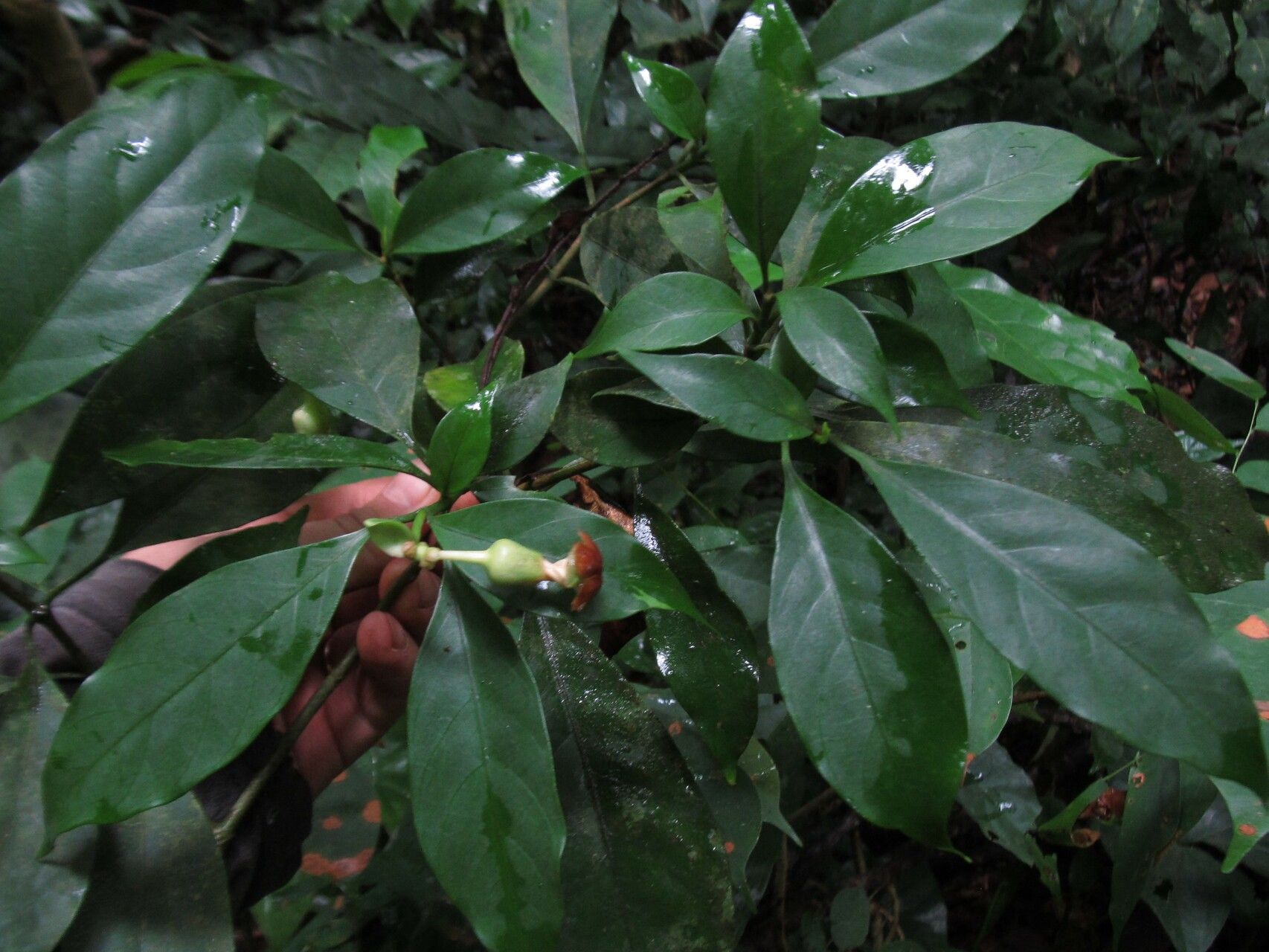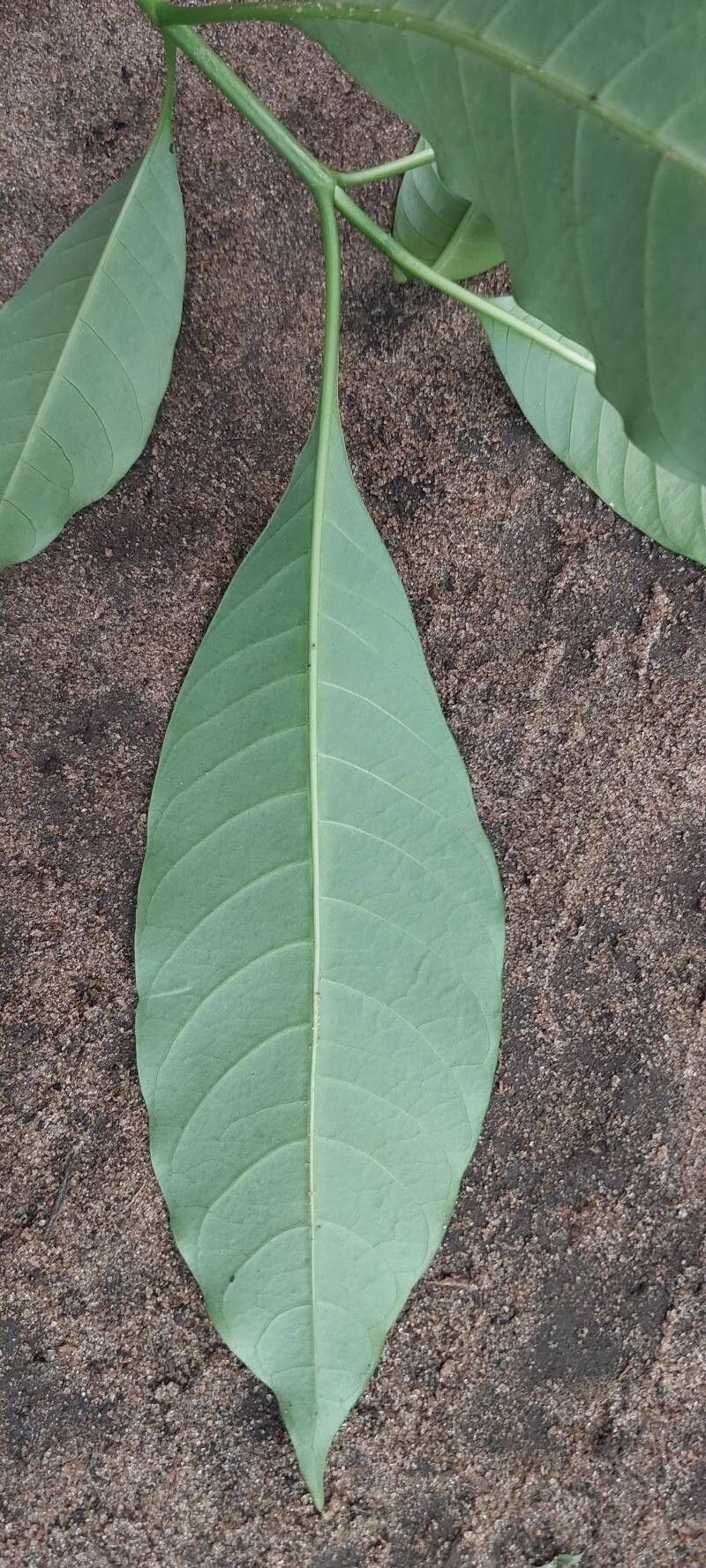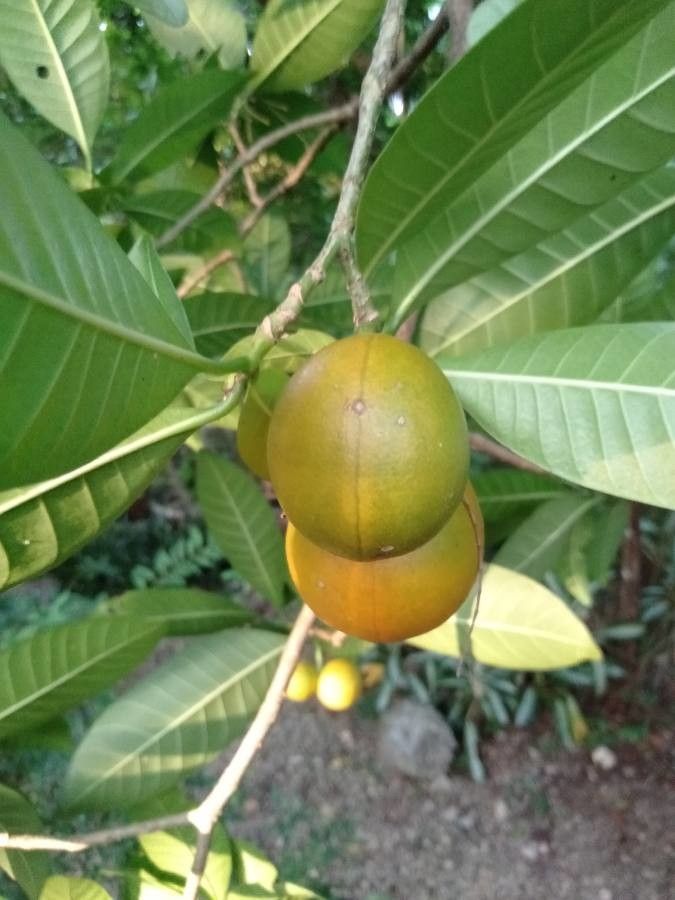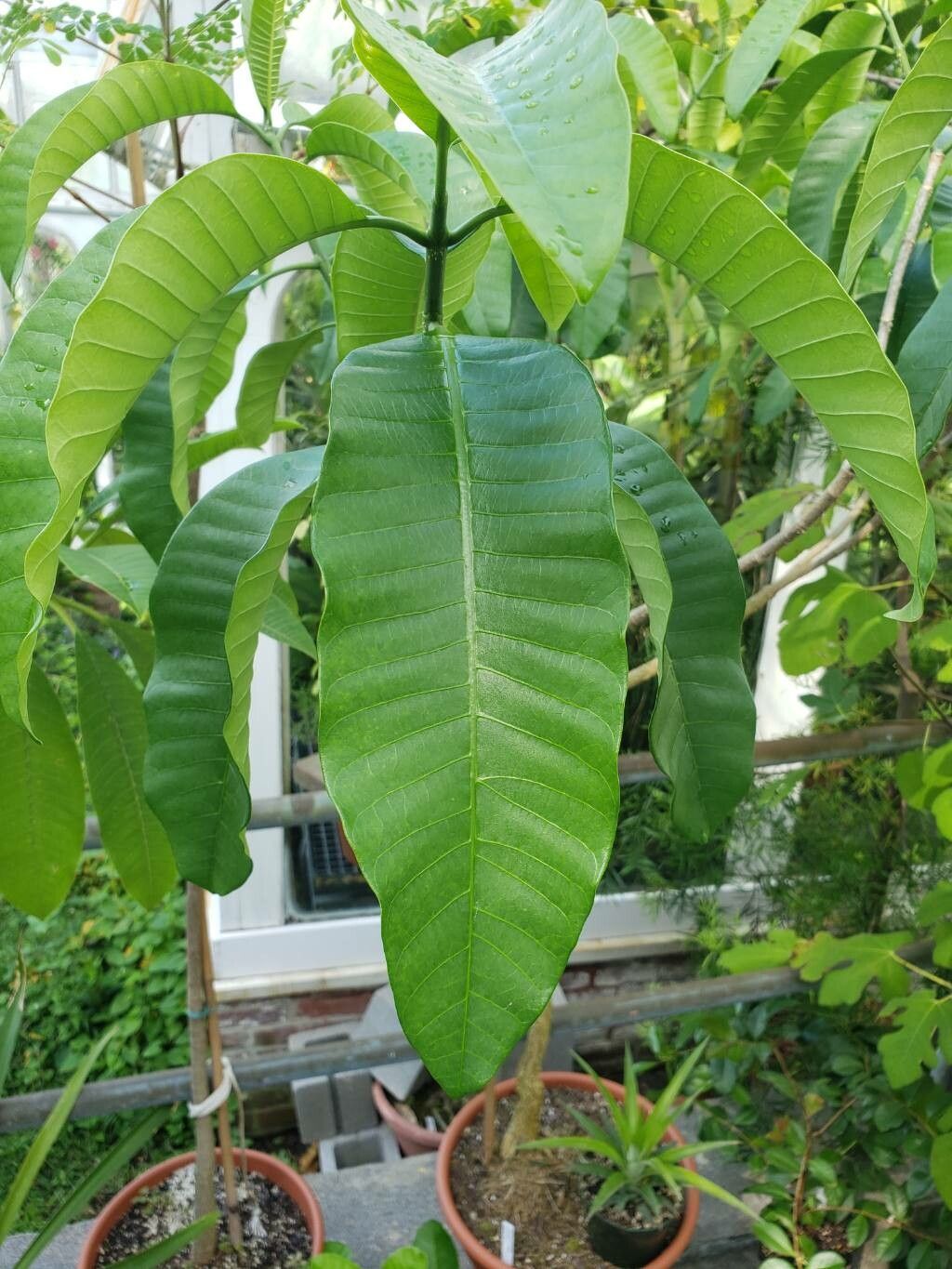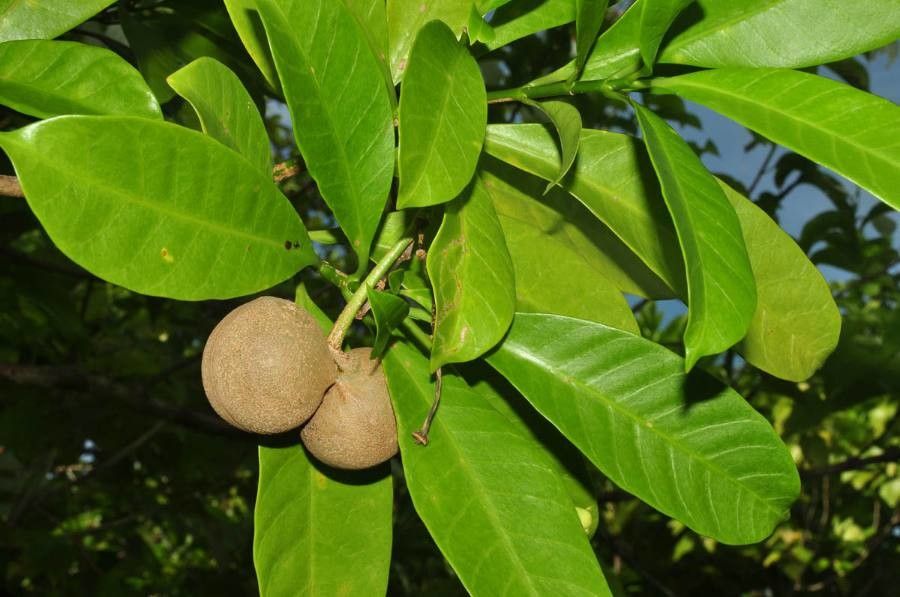
Voacanga africana is a small tree native to tropical Africa belonging to the family Apocynaceae that grows to 6 m (20 ft) in height and bears leaves that are up to 30 cm (12 in) in length. The yellow or white flowers are succeeded by paired, follicular, dehiscent fruit with a mottled green exocarp and a pulpy, yellow mesocarp surrounding the seeds. The plant contains alkaloids acting as CNS depressants and hypotensives
Voacanga shows strong resistance to disease and is usually not susceptible to illnesses. When it comes to care, this plant is fairly low-maintenance. Planted outdoors it needs little watering, and larger specimens typically do not require pruning. However, smaller specimens should be pruned after they have finished blooming. Voacangat is well suited to anyone with an outdoor area, like a garden or deck, and does not need extensive care experience.
How to keep Voacanga Africana.
Light
Voacanga prefers full sun for most of the day and thrives under those conditions. It can tolerate lower light levels, though its growth may be affected. Its natural habitat is largely sunny. Too much or too little exposure can cause growth abnormalities or discoloration.
Water
Voacanga is highly drought-tolerant, requiring watering only every 2-3 weeks. It thrives in well-draining soil, which mimics its native arid environment. This makes it an excellent choice for warm climates as an outdoor plant.
Temperature
Voacanga is a plant native to temperate regions and performs well when temperatures range from 68 to 95 °F (20 to 35 ℃). During hotter seasons, you may need to give it additional shade to help regulate its temperature.
Fertilizer
Fertilization is essential for caring for Voacanga. Consistent feeding during the growing season helps maintain the energy needed for attractive foliage and supports overall growth. Ignoring fertilization can lead to unhealthy leaves, reduced ornamental value, and stunted or weak growth that is prone to breakage.
Pruning
Voacanga plants have glossy leaves and fragrant flowers. To keep them healthy, prune in early spring by removing any dead branches and thinning out crowded areas to improve air circulation. Be careful not to prune too heavily, as this can stress the plant. It's important to clean your tools before pruning to prevent the spread of disease. This will help ensure a strong structure and vibrant blooms.
Botanical profile.
- Plant Type
- Tree
- Life Cycle
- Perennial
- Genus
- Voacanga
- Family
- Apocynaceae
- Hardiness Zone
- 10
- Mature Height
- 6.1 m
- Mature Spread
- 2.13 m
- Leaf Color
- Dark Green
- Leaf Type
- Deciduous
- Flower Color
- White
- Flower Size
- 6.35 cm to 25.40 cm
- Bloom Time
- Late spring, Summer, Early fall, Mid fall
- Planting Time
- Summer, Autumn
- Harvest Time
- Late summer, Fall, Early winter, Mid winter
- Native Area
- Burkina Faso, Malawi, Angola, Zambia, Sudan, Nigeria, Guinea, Gabon, Guinea-Bissau, Kenya, Uganda, Tanzania, Zimbabwe, Mali, Benin, Central African Republic, Sierra Leone, Cameroon, Liberia, Mozambique, Burundi, Togo, Ghana, Senegal, Côte d'Ivoire, Gambia, Congo (DRC), Congo
Other names.
Reader questions.
What amount of sunlight does Voacanga require?
Voacanga thrives best with complete exposure to the sun for the majority of the day, favoring environments that mimic its native, predominantly sunlit habitat. It can tolerate some variation in sunlight intensity, but optimal growth is seen with full sun conditions. The plant is tolerant of partial sun, receiving about 3-6 hours of sunlight, though it prefers conditions of full sun, which is defined as over 6 hours of sunlight.
What is Voacanga and where does it thrive best?
Voacanga is a plant native to temperate regions, best thriving within a temperature range of 68 to 95 °F (20 to 35 ℃). It grows harmoniously in these conditions, requiring seasonal adjustments like more shade during hotter periods to help regulate its temperature. Voacanga is extremely heat-loving, and exposure to cold temperatures can cause harm to the plant. In regions experiencing colder autumn and winter seasons, it's recommended to bring outdoor-grown Voacanga indoors, placing it near a bright window but at a safe distance from heaters to maintain beneficial temperatures above 20°C. Ensuring it doesn't get exposed to temperatures nearing 5°C is pivotal for its well-being.
What are the consequences of incorrect sunlight exposure for Voacanga?
Inadequate sunlight exposure can lead to various growth issues and symptoms for Voacanga. When grown indoors, particularly during winter with insufficient light, it might exhibit symptoms like smaller leaves, leggy or sparse growth, faster leaf drop, slower or no new growth, and lighter-colored or yellowing leaves due to chlorosis. Excessive sunlight can cause sunscald, leaf curling, wilting, and leaf scorching. It's crucial to monitor and adjust the plant's exposure to sunlight to prevent such symptoms.
How does Voacanga react to low temperatures, and what are the solutions?
Voacanga prefers warm temperatures and does not tolerate low temperatures well. It thrives best when the temperature is maintained above 20°C, particularly during winter, to prevent harm. Exposure to temperatures below 1°C can cause the leaves to lighten in color, and, following frost damage, they may turn brown or black. Symptoms such as wilting and drooping can occur under these conditions. To mitigate frost damage, trim off the damaged parts and move the plant to a warmer indoor environment. Placing it near a south-facing window ensures ample sunlight, and it's important to avoid placing the Voacanga too close to heaters or air conditioning vents, which can lead to excessive dryness.
How can I address sunlight-related issues in Voacanga plants?
For indoor Voacanga plants, gradually increasing sunlight exposure or using artificial lighting can address issues related to insufficient light. Move the plant towards a sunnier spot progressively each week and employ artificial lights if necessary, ensuring they receive at least 6 hours of direct sunlight. For outdoor plants, similar gradual adjustment to sunnier conditions can help, along with ensuring there are no obstructions blocking sunlight. In cases where sunlight obstruction is an issue, consider pruning or transplanting to a location with ample sunlight. Remember, parts of the plant damaged by insufficient light may not recover, but new growth can be healthy with improved light conditions.
How should Voacanga be cared for during high temperature conditions?
During the summer, Voacanga should be kept at temperatures below 35°C to avoid heat-related stress. Temperatures exceeding 41°C can cause the leaves to lighten, making the plant more susceptible to sunburn. To care for a Voacanga that has suffered from high temperatures, trim away any sunburned or dried parts. Then, relocate the plant to an area where it can receive shade during the midday and afternoon sun, which will help prevent further sunburn. It is also beneficial to water the plant in the morning and evening, which keeps the soil moist and helps the plant cope with the heat.
What specific care does Voacanga need regarding sunlight when grown indoors?
Indoor Voacanga plants require adequate lighting for optimal growth, especially when natural sunlight is insufficient. Utilizing artificial lighting such as LED lights, which can be customized to the needs of the plant, helps in promoting faster, healthier growth. Indoor plants generally need 8-12 hours of light per day with the light source placed 12-36 inches above the plant. For full sun plants, 30-50W/sq ft of artificial light is recommended, 20-30W/sq ft for partial sun plants, and 10-20W/sq ft for full shade plants.