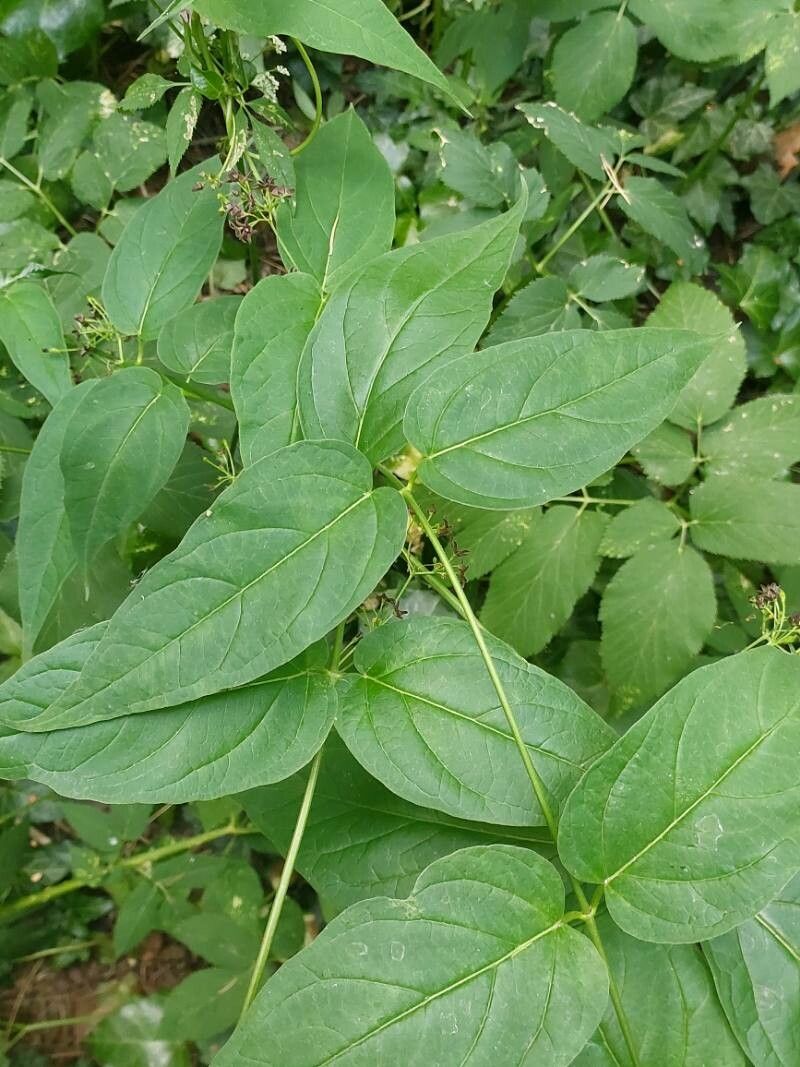
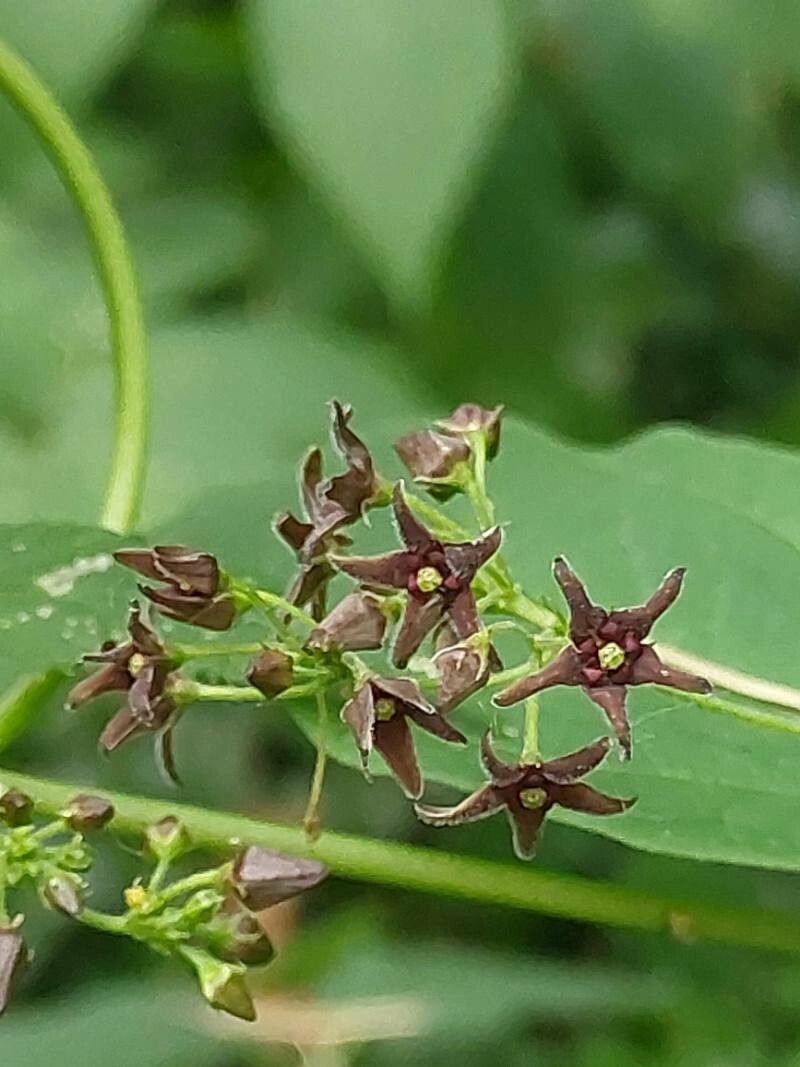
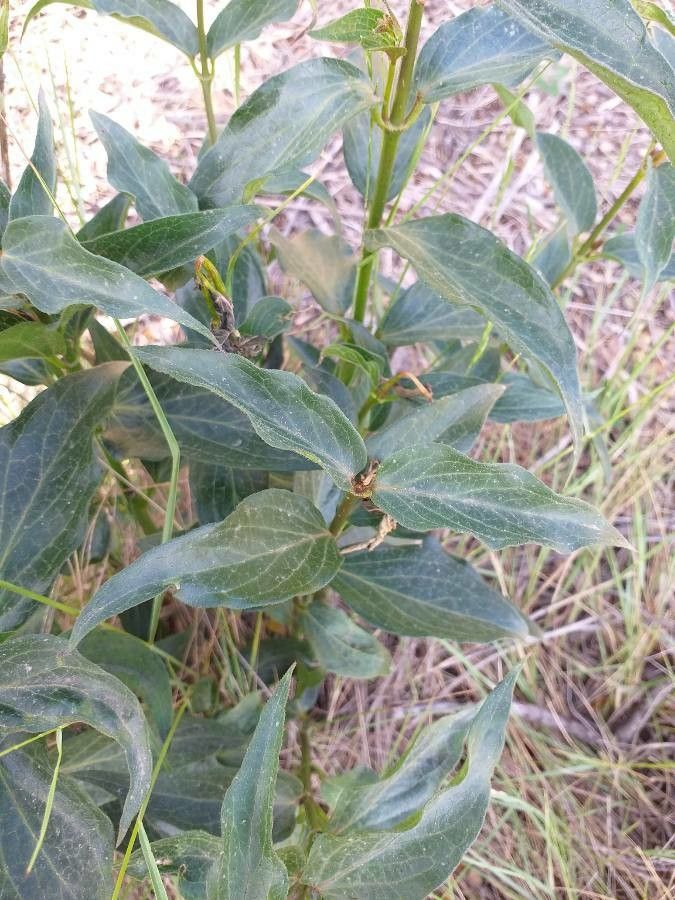
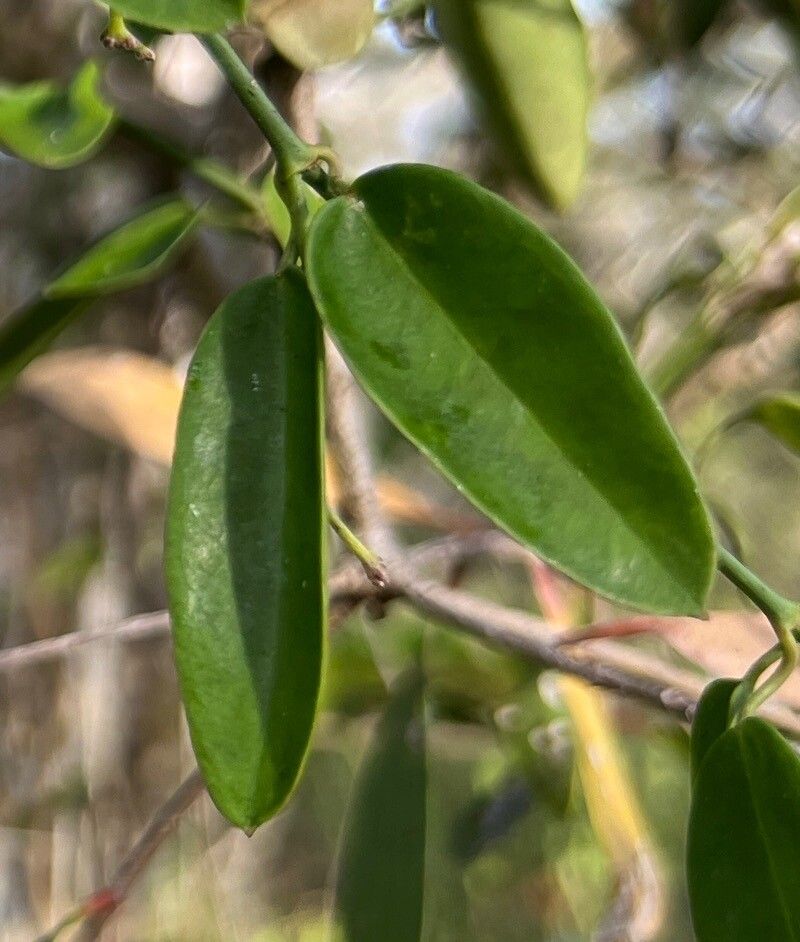
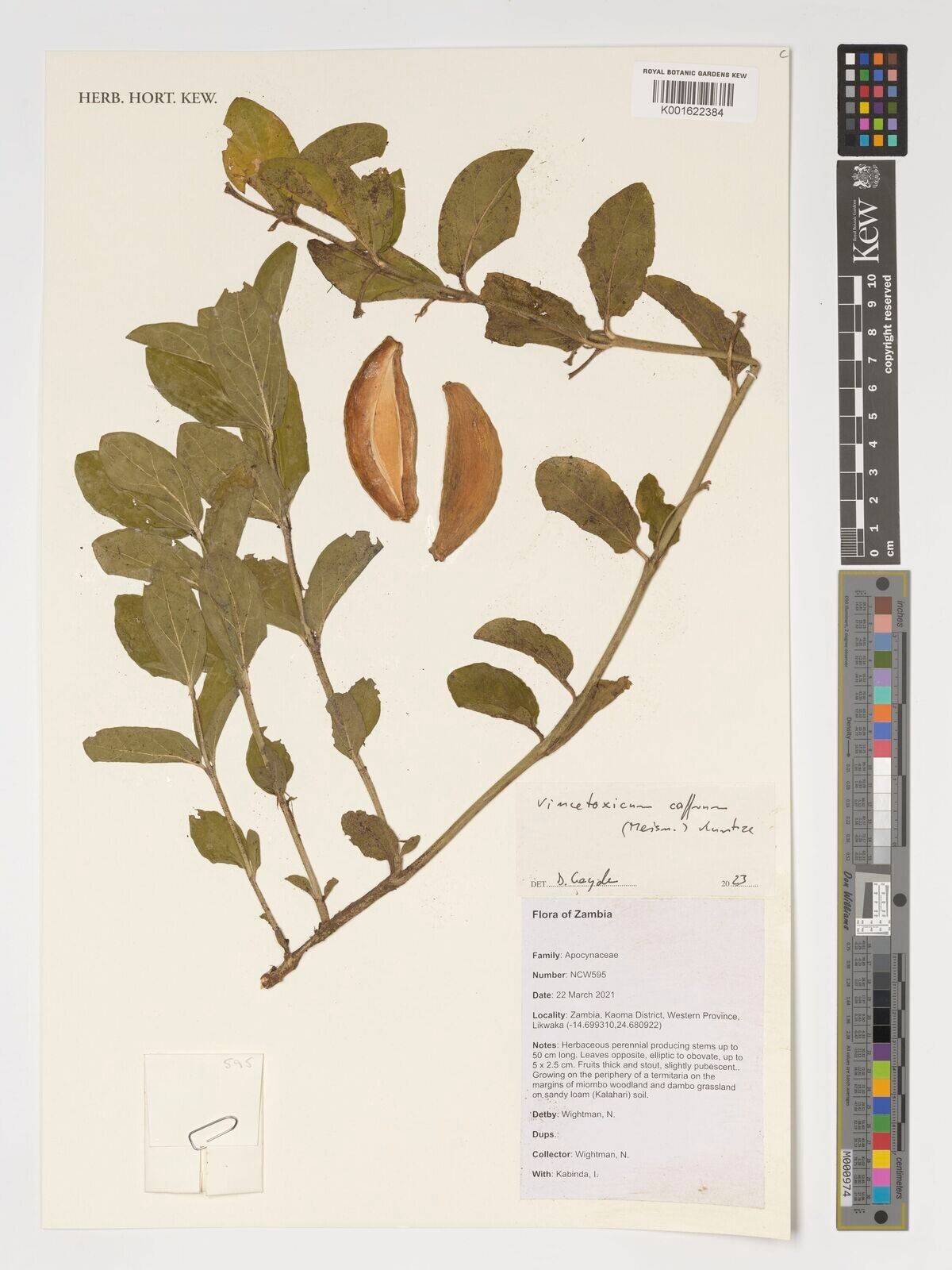
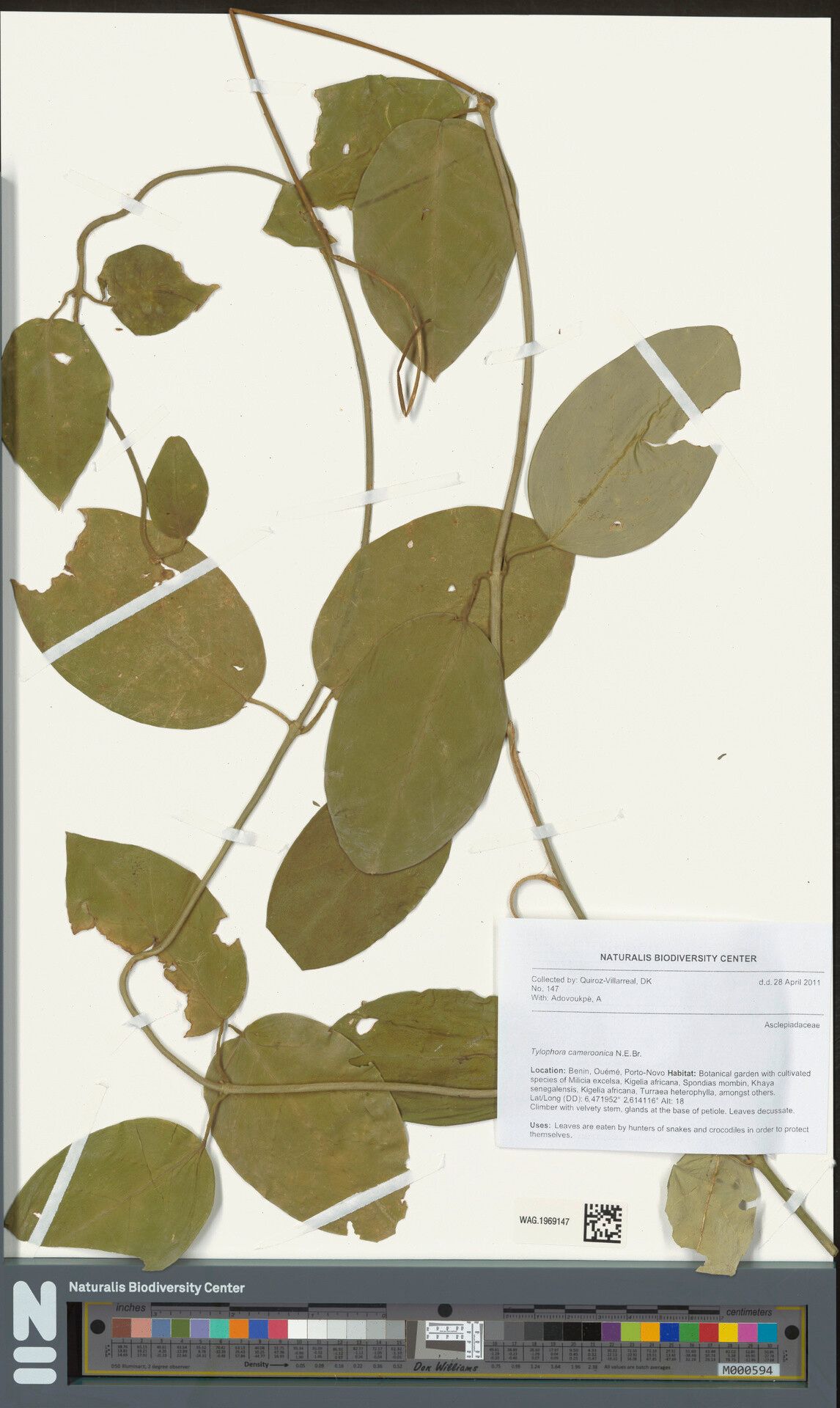
Vincetoxicum rossicum is a flowering plant in the family Apocynaceae. It is a perennial herb native to southern Europe and is a highly invasive plant growing in all of the Eastern United States, in the mid west, and southern Ontario and Quebec in Canada. It has several common names including swallowwort, pale swallowwort, and dog-strangling vine. There has historically been much confusion about the genus it belongs to, with authors placing it within Vincetoxicum and others within Cynanchum, but recent molecular and chemical analyses have shown it to belong in the genus Vincetoxicum.
Dog strangling vine is fairly disease-resistant and generally not prone to illness. However, it can be vulnerable to pests and diseases present in its environment. Such infections are usually mild. In terms of care, this plant needs moderate maintenance. It should be pruned regularly to maintain a neat appearance and healthy growth. Fertilizing can also help encourage flowering. Dog strangling vine is suitable for anyone with outdoor space, such as a garden or patio, and does not require much gardening experience. It may need more attention when grown indoors.
How to keep Vincetoxicum Rossicum.
Light
Dog-strangling vine is native to habitats like forest understories or rocky areas, where it grows in natural shade. It prefers partial sun but can tolerate full sun or full shade, showing its versatile, hardy nature.
Temperature
Dog strangling vine shows considerable adaptability to a range of climate conditions, whether in scorching summers or chilly winters. However, it does have an optimal temperature range for growth. When temperatures become excessively high, the plant is susceptible to heat and humidity stress, which can lead to its death. In regions where temperatures approach the lower limit of its cold tolerance, it is important to provide insulation to protect the plant.
Fertilizer
Typically, a single fertilizer application in spring is enough for Dog strangling vine, although repeated feedings will maximize growth. Fertilize every month to six weeks. Feeding improves the leaves' appearance and function, helping maintain even color and a healthy texture. It also encourages root development and nutrient uptake, supporting the plant's long-term health.
Pruning
Dog-strangling vine necessitates strategic pruning to control its invasive spread. The best time for pruning is from early to late spring, with a focus on targeting new shoots. Effective techniques involve cutting the plant back to its base, removing weak stems, and thinning out dense areas to improve airflow. Consistent maintenance is essential for successful management.
Botanical profile.
- Plant Type
- Vine, Herb
- Life Cycle
- Perennial
- Genus
- Vincetoxicum
- Family
- Apocynaceae
- Hardiness Zone
- 3-9
- Mature Height
- 0.91 m to 2.13 m
- Mature Spread
- 30 cm to 61 cm
- Leaf Color
- Dark Green
- Leaf Type
- Deciduous
- Flower Color
- Lavender
- Flower Size
- 0.51 cm to 1.02 cm
- Bloom Time
- Late spring, Early summer, Mid summer
- Planting Time
- Spring
- Harvest Time
- Late summer, Early fall, Mid fall
- Native Area
- Russia, Kazakhstan, Ukraine
Other names.