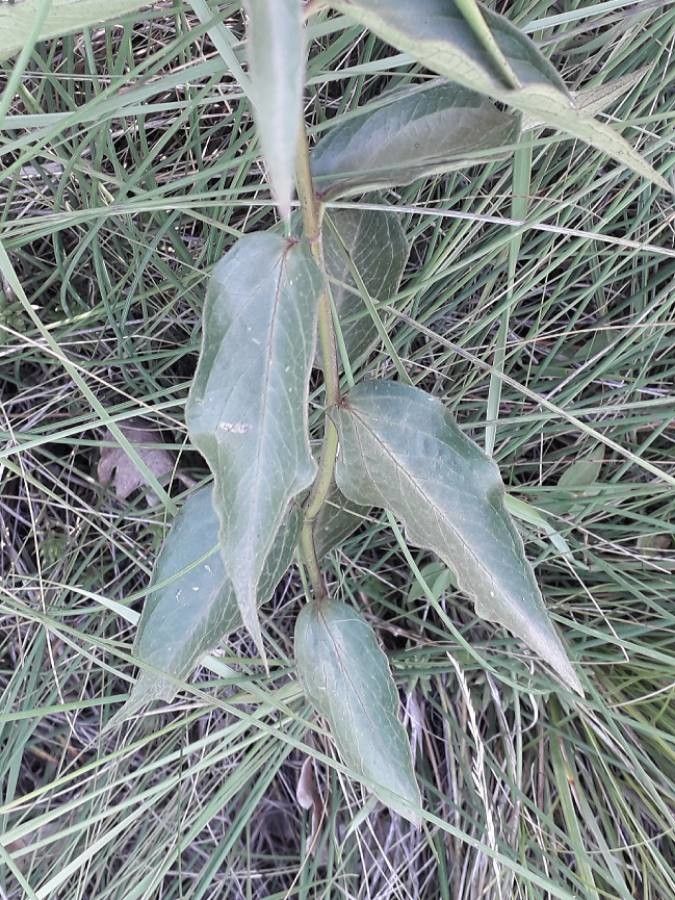
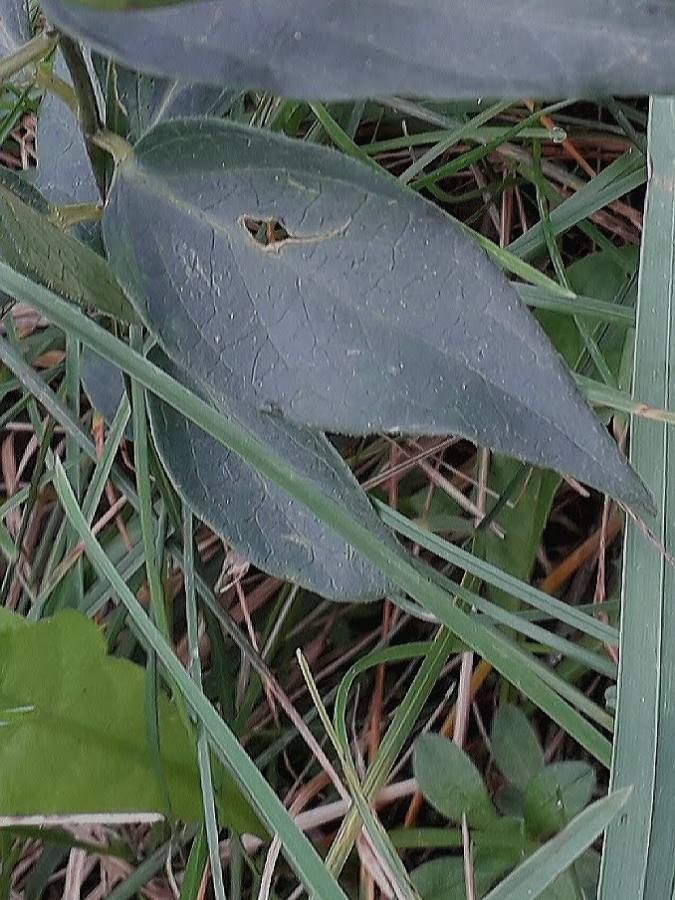
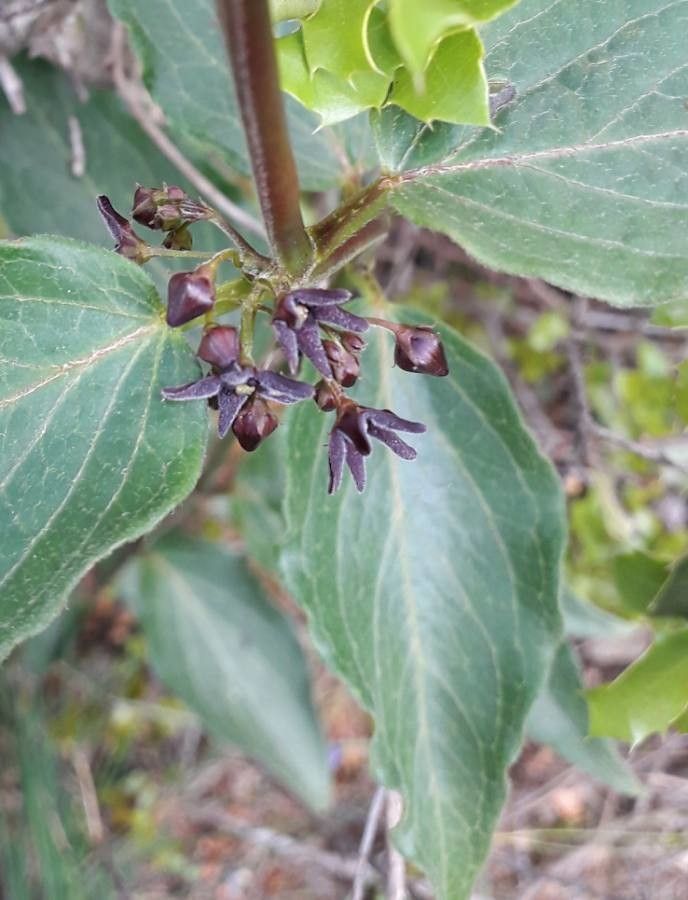
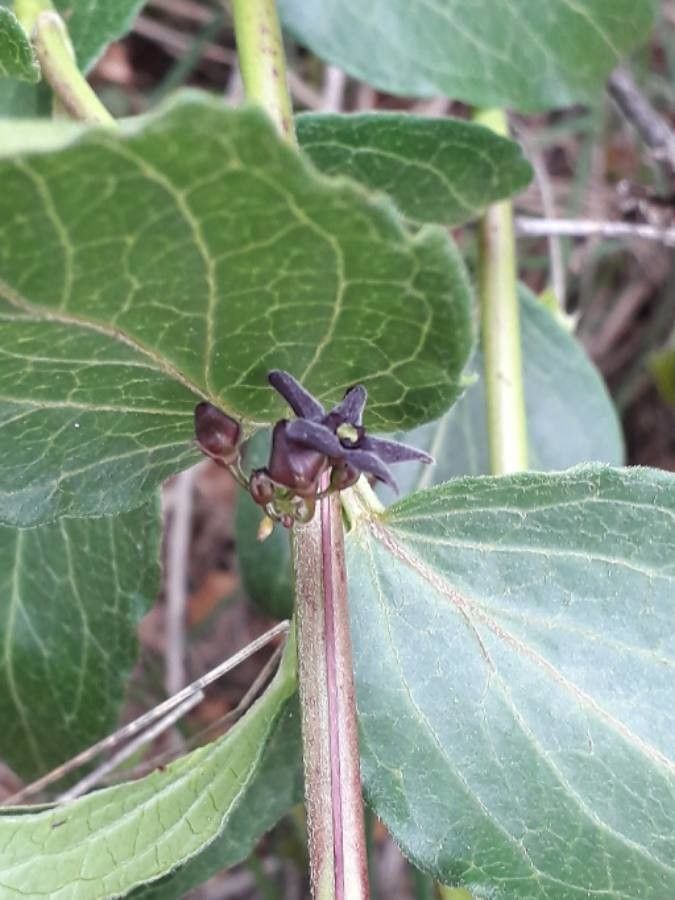
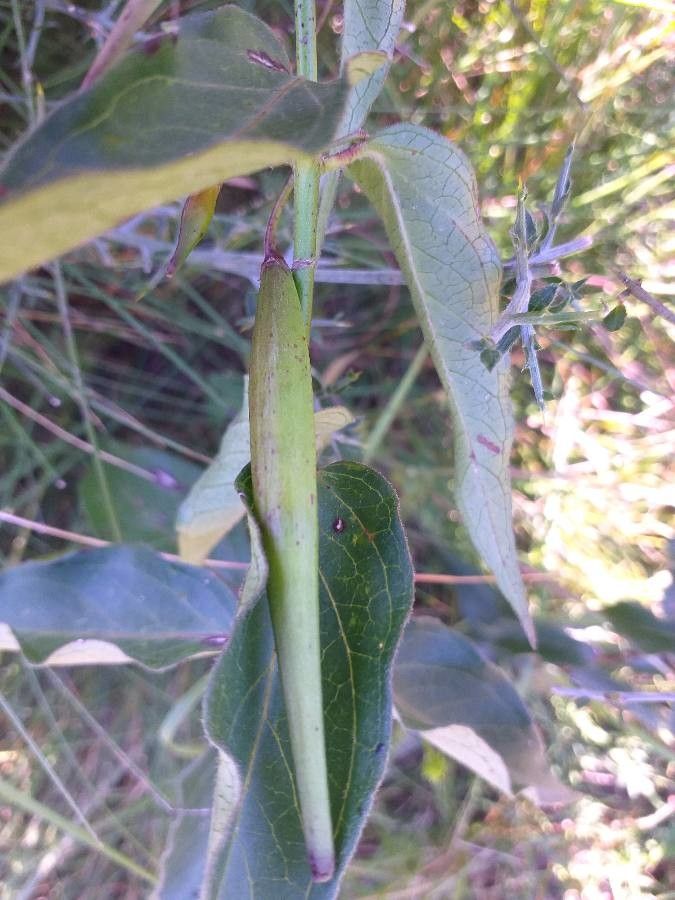
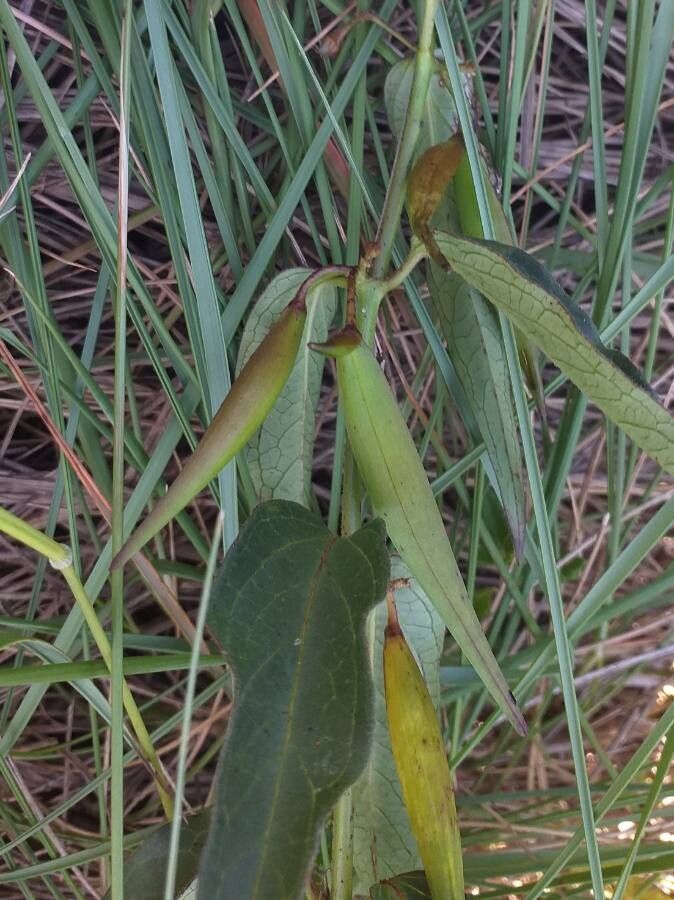
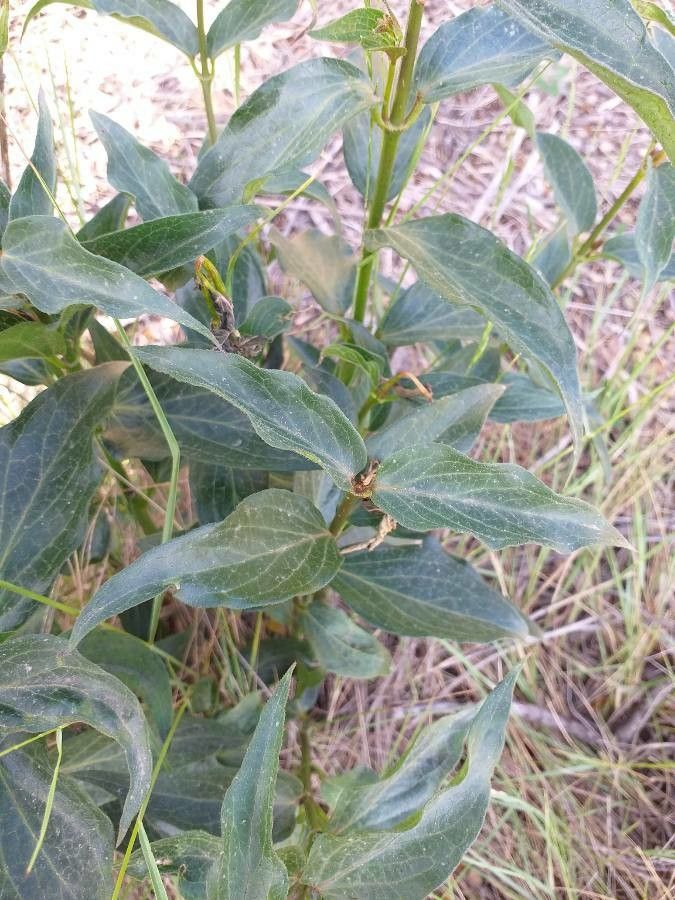
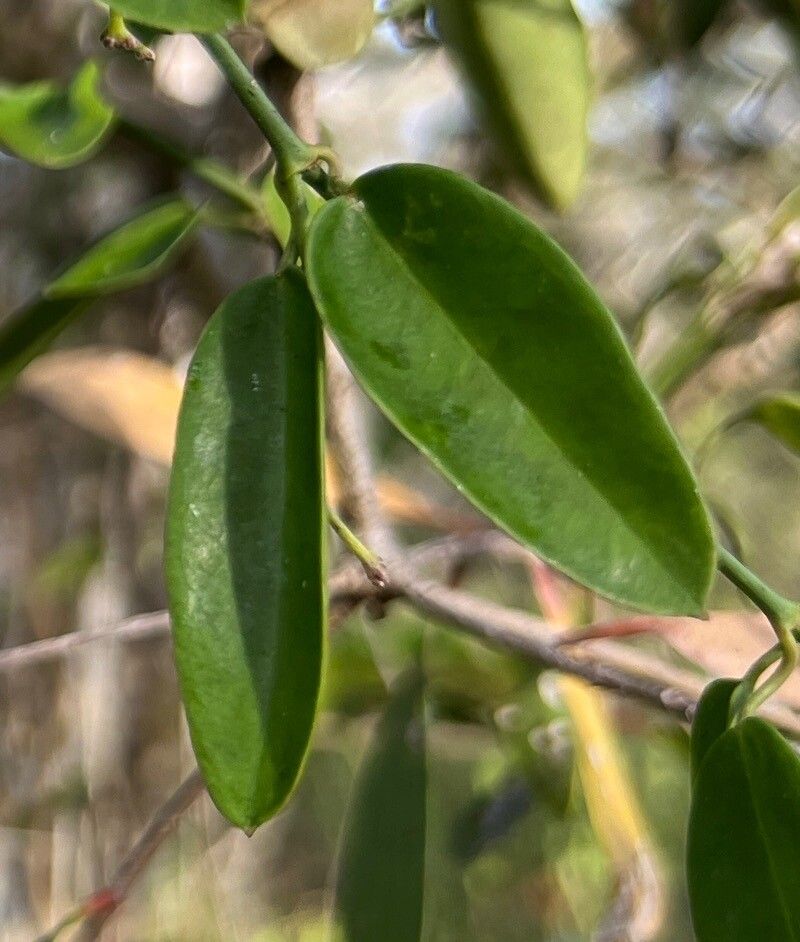
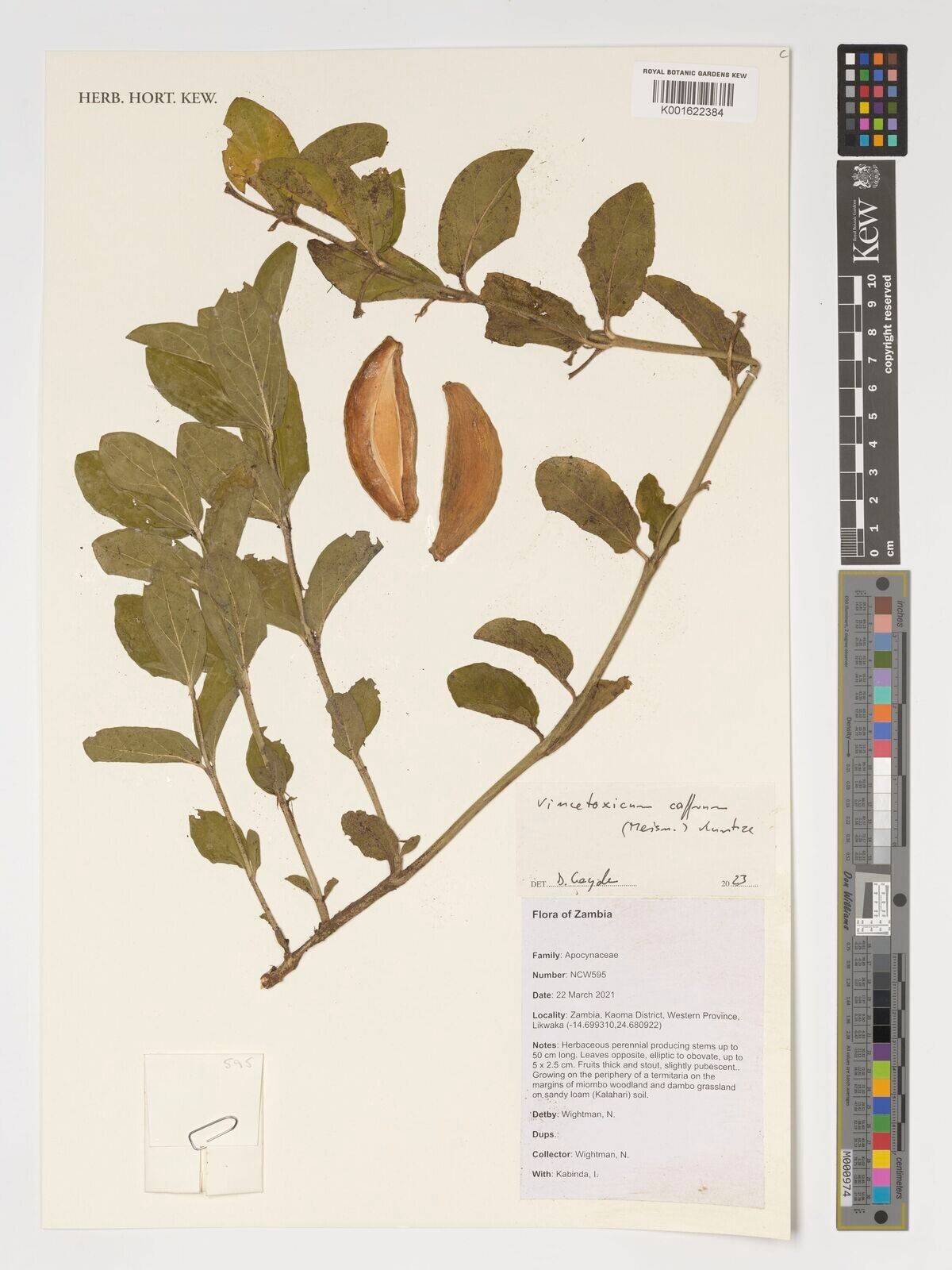
Vincetoxicum nigrum, a species in the family Apocynaceae, also known as black swallow-wort, Louise's swallow-wort, or black dog-strangling vine, is a species of plant that is native to Europe and is found primarily in Italy, France, Portugal, and Spain. It is an invasive plant species in the northeastern United States, parts of the Midwest, southeastern Canada, and California. In 2020, wild plants were found in Timaru, New Zealand.
Black swallow-wort has strong resistance to disease and is usually not susceptible to illnesses. However, it can be affected by pests and diseases present in its environment. These infections are generally mild. Regarding care, the plant requires moderate upkeep. It should be trimmed regularly to preserve a neat appearance and support healthy growth. Fertilizing can also aid in encouraging blooms. Black swallow-wort is suitable for anyone with outdoor space, such as a garden or patio, and does not demand extensive plant-care experience. It may need more attention if grown indoors.
How to keep Vincetoxicum Nigrum.
Light
Black swallow-wort flourishes in settings with abundant sunlight throughout the day; however, it can adjust to situations where the exposure to sunlight isn't as continuous. Its evolutionary history in sunlight-rich areas allows it to survive changes in luminosity. If overexposed, it may wilt, and if underexposed, it might experience stunted growth.
Water
Black swallow-wort prefers moderate moisture and needs regular watering to stay healthy, particularly during its active growth phase. It requires consistent hydration but should not be waterlogged. Weekly watering usually suffices. When grown outdoors, it is important to carefully manage soil moisture levels to ensure its strength and drought resistance.
Temperature
Black swallow-wort does well in temperate regions, preferring temperatures of 5 to 35 ℉ (-15 to 35 ℃). The plant can acclimate to temperature shifts by adjusting to seasonal patterns, for example being exposed to cooler conditions during winter dormancy.
Fertilizer
Typically, Black swallow-wort only needs one round of fertilizer application in the spring, yet multiple fertilization can bolster growth. It should be fed every one to one and a half months. Fertilization boosts the look and performance of its leaves, encouraging a uniform color and robust texture. Furthermore, it prompts the growth of roots and the absorption of nutrients, contributing to the sustained wellbeing of the plant.
Pruning
Black swallow-wort is an invasive plant characterized by its dark, shiny leaves. To manage its growth, it is important to prune the plant from early to late spring. Cutting all its growth back to ground level helps control its spread and promotes healthier development. Additionally, regularly inspecting for new shoots can help reduce competition with native species.
Botanical profile.
- Plant Type
- Vine, Herb
- Life Cycle
- Perennial
- Genus
- Vincetoxicum
- Family
- Apocynaceae
- Hardiness Zone
- 4-9
- Mature Height
- 0.61 m to 1.83 m
- Mature Spread
- 91 cm
- Leaf Color
- Green
- Leaf Type
- Deciduous
- Flower Color
- Black
- Flower Size
- 0.51 cm to 0.76 cm
- Bloom Time
- Late spring, Early summer, Mid summer
- Planting Time
- Spring
- Harvest Time
- Mid summer
- Native Area
- France, Portugal, Spain, Italy
Other names.
Reader questions.
How should I water my Black swallow-wort plant?
To properly care for the Black swallow-wort, it's best to use filtered water at room temperature. Tap water may contain harmful particles, so filtering it ensures the plant's health. Since the Black swallow-wort is accustomed to warm conditions, using cold water can be a shock. It's also important to avoid overhead watering, as it can lead to issues with the foliage. Instead, gently water the soil with your filtered room temperature water until it is completely soaked. This helps to moisten the roots and promotes the spread of nutrients through the soil, which is beneficial for the plant's growth.
Why should I put fertilizer on my Black swallow-wort?
The main structure of the Black swallow-wort is made up of its leaves. Fertilization is crucial for maintaining the appearance and functionality of these leaves. Proper fertilization ensures that the leaves remain uniformly colored and have a healthy texture. Moreover, fertilization also has positive effects below the soil's surface. It helps the plant develop new roots and maintain the existing ones, enhancing the plant's ability to absorb nutrients from the soil in the long run. In short, fertilization is key to the present and future health of your Black swallow-wort plant.
What are the sunlight requirements for Black swallow-wort?
Black swallow-wort thrives best with liberal exposure to sunlight throughout the day but can adapt to varying light conditions. Ideally, it requires full sun, which is above 6 hours of sunlight daily, but it can also grow under partial sun, about 3-6 hours of sunlight. It's important to observe how sunlight moves through your garden to find a spot that offers an optimal balance of light and shade, ensuring the plant's well-being.
What temperature is best for Black swallow-wort?
The ideal temperature range for Black swallow-wort to thrive is between 65 to 80℉ (18 to 27℃). During its primary growing phase, it can tolerate temperatures as high as 95℉ (35℃) but no lower than 15℉ (-10℃). This species is able to survive freezing winters and is tolerant of low temperatures. The recommended temperature ranges are as follows: Perfect range is 65 to 80℉ (18 to 27℃), highest range is 85 to 95℉ (30 to 35℃), and lowest range is -5 to 15℉ (-20 to -10℃) or below.
What should I do if I give my Black swallow-wort plant too much or too little water?
Caring for your Black swallow-wort involves avoiding both overwatering and underwatering. Overwatering is a more common problem and can cause wilting, yellowing leaves, and diseases like root rot, mold, and mildew. Underwatering is less common, but can cause brittle, brown leaves. It's important to notice signs of overwatering quickly to prevent irreversible damage. Reduce watering if you see early signs and check the soil drainage. Replace poorly draining soil with a well-draining mix. If your plant is not getting enough water, simply increase your watering schedule until the signs disappear.
When should I fertilize my Black swallow-wort?
When you grow your Black swallow-wort outdoors, it will start new growth in early spring. This is when you should begin fertilizing it for the year. Typically, a single application of fertilizer in the spring is sufficient for the plant. However, if you want to maximize its growth, you can feed it multiple times during the spring and early summer. In this case, you can fertilize your Black swallow-wort once every month to a month and a half.
How does artificial lighting benefit indoor plants, and how should it be used?
For indoor plants, especially in conditions where natural sunlight is limited, artificial lighting is crucial for promoting healthy growth. LED lights are recommended for their ability to provide specific wavelengths needed by plants. The intensity of light varies with the type of plant; full sun plants require 30-50W/sq ft, partial sun plants need 20-30W/sq ft, and full shade plants need 10-20W/sq ft of artificial light. The light source should be placed 12-36 inches above the plant, mimicking natural sunlight conditions, with a duration of 8-12 hours daily to ensure optimal growth.
Should I change the temperature for Black swallow-wort at different stages of growth?
Research indicates that Black swallow-wort experiences stunted growth when exposed to higher temperatures, particularly during the formation of axillary buds and the growth of main shoots. To promote healthy growth after germination or transplanting, it is recommended to maintain consistent and cooler temperatures at around 65℉ (18℃).
How frequently should I give water to my Black swallow-wort plant?
If your Black swallow-wort is in a pot, the most precise way to determine if it needs water is by checking the moisture level of the soil. Insert your finger into the soil and if you find the top couple of inches to be dry, it's time to water it. If you have your Black swallow-wort planted outdoors in the ground, you can use the same method to check the soil. Once the top few inches are dry, it's time to water it. In spring and early fall, you'll typically need to water this plant about once a week using this method. However, during extremely hot weather, you may need to increase watering to twice or more per week. It's worth noting that mature, well-established Black swallow-wort has a great ability to withstand drought.
When is the best time for me to not put fertilizer on my Black swallow-wort plant?
During the late fall and winter, your Black swallow-wort will go into a dormant phase and stop growing. So, it is best to avoid fertilizing it during this time. In the spring and summer, if you decide to fertilize, you should gradually decrease the amount as summer approaches because your Black swallow-wort's growth rate will slow down. It is generally not a good idea to fertilize your Black swallow-wort when the weather is very hot or the soil is extremely dry as this can stress the plant and cause it to die prematurely.
What are the common symptoms of inadequate lighting for Black swallow-wort?
Black swallow-wort can exhibit various symptoms due to inadequate lighting such as smaller new leaves, leggy or sparse growth, faster leaf drop, slower or halted new growth, lighter-colored new leaves, chlorosis, sunscald, leaf curling, wilting, and leaf scorching. These symptoms indicate either insufficient sunlight, leading to a lack of chlorophyll and essential nutrients, or overexposure to sunlight, causing damage to the plant's tissues.
How do I make sure Black swallow-wort stays warm during the cold seasons?
Black swallow-wort is able to tolerate freezing temperatures if it is planted directly in the ground in places where the temperature does not drop below 15℉ (-10℃) during winter. However, if it is planted in pots or containers, it is necessary to protect the roots from the cold. This can be done by wrapping the container in a blanket or bringing it indoors for full protection from the elements.