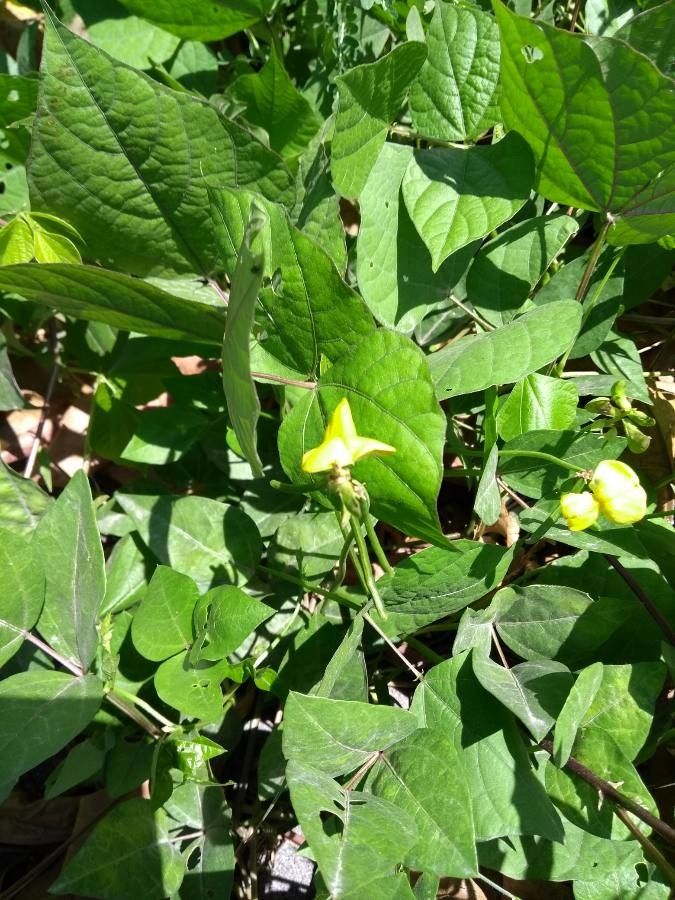
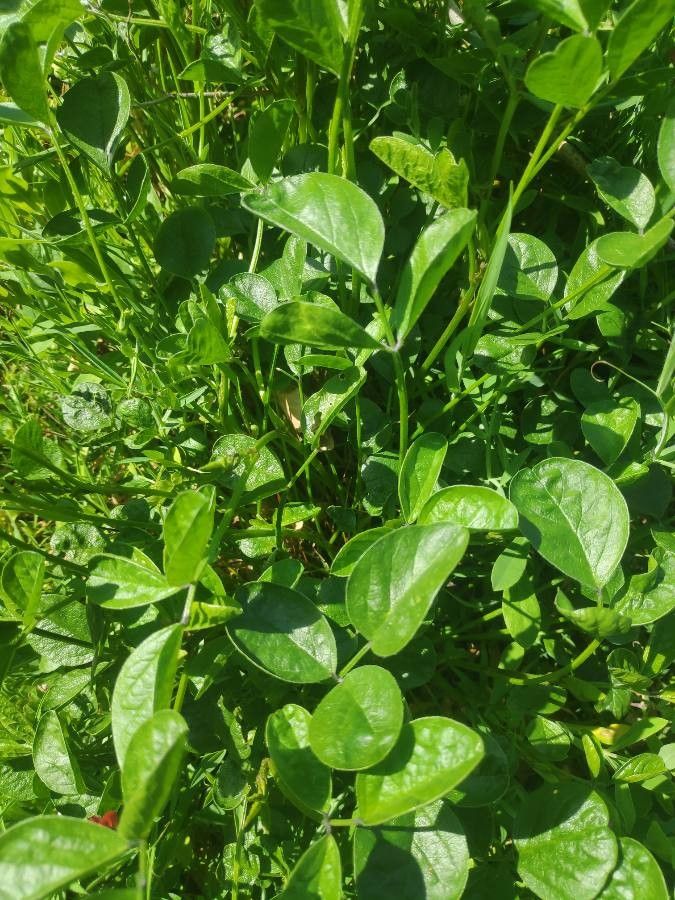
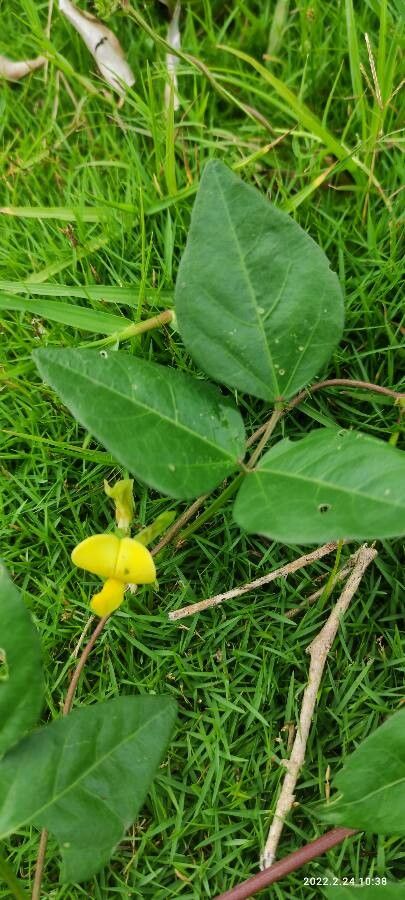
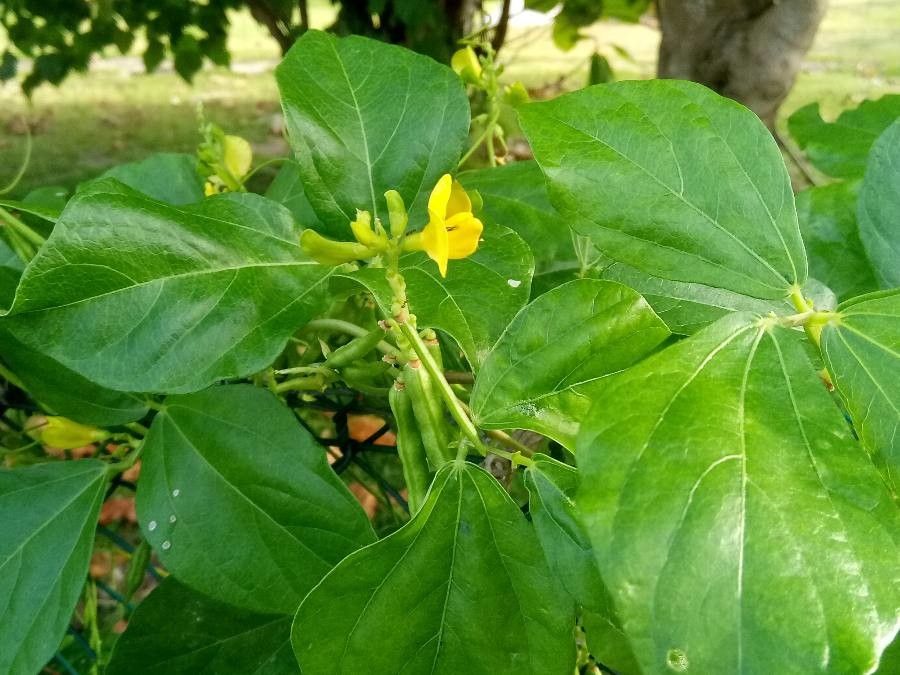
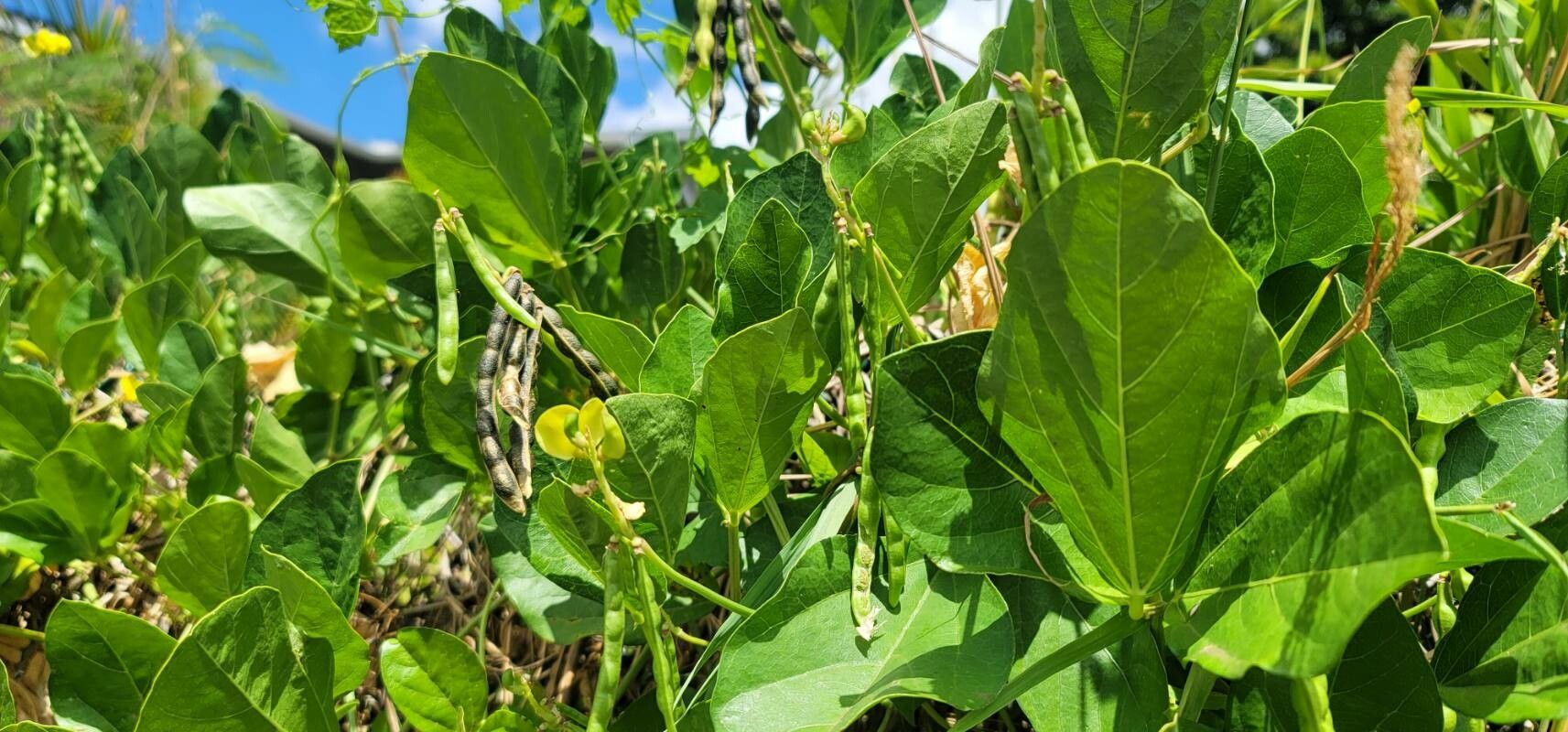
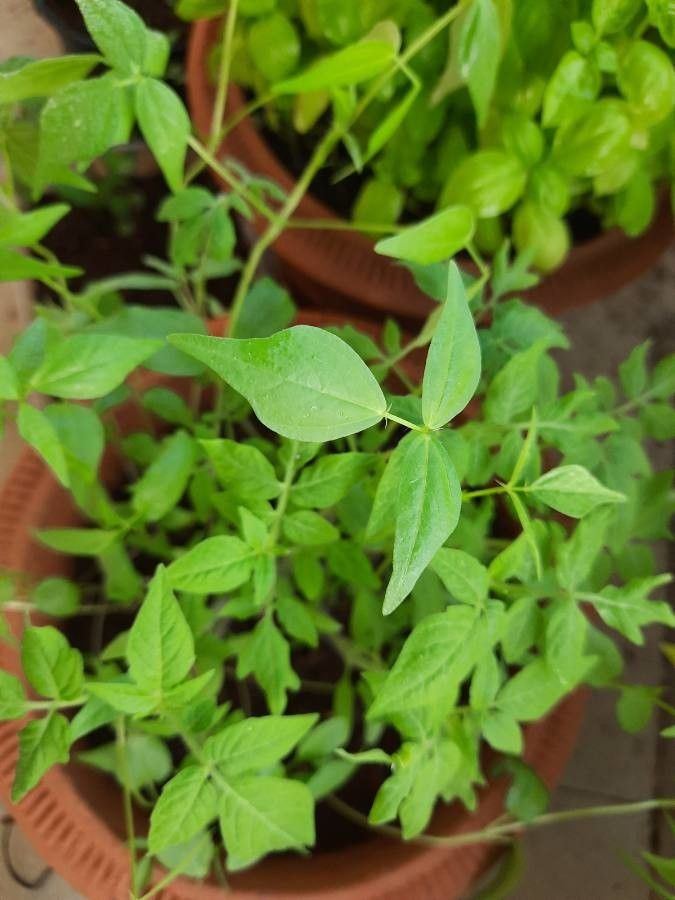
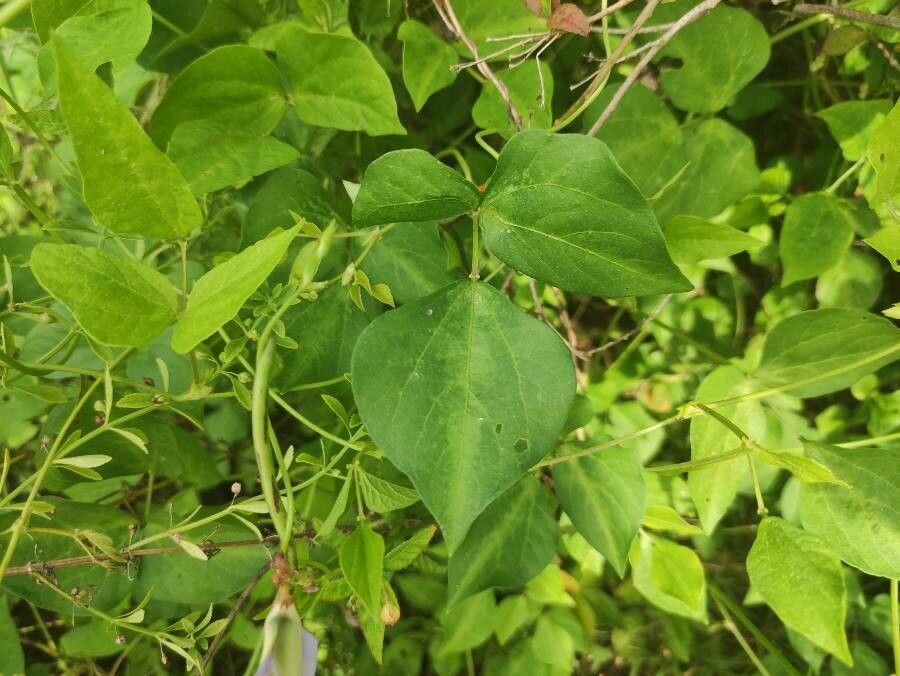
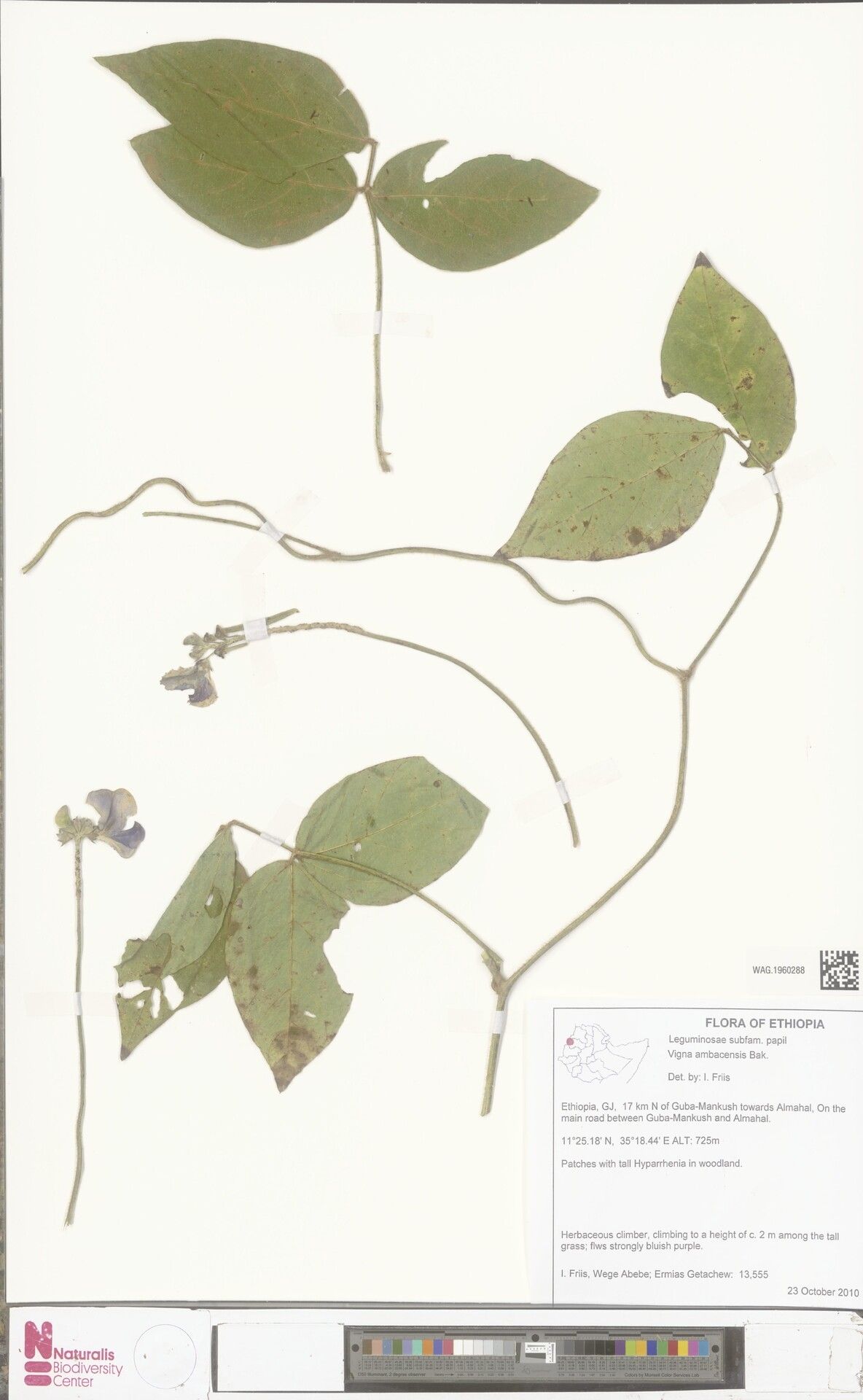
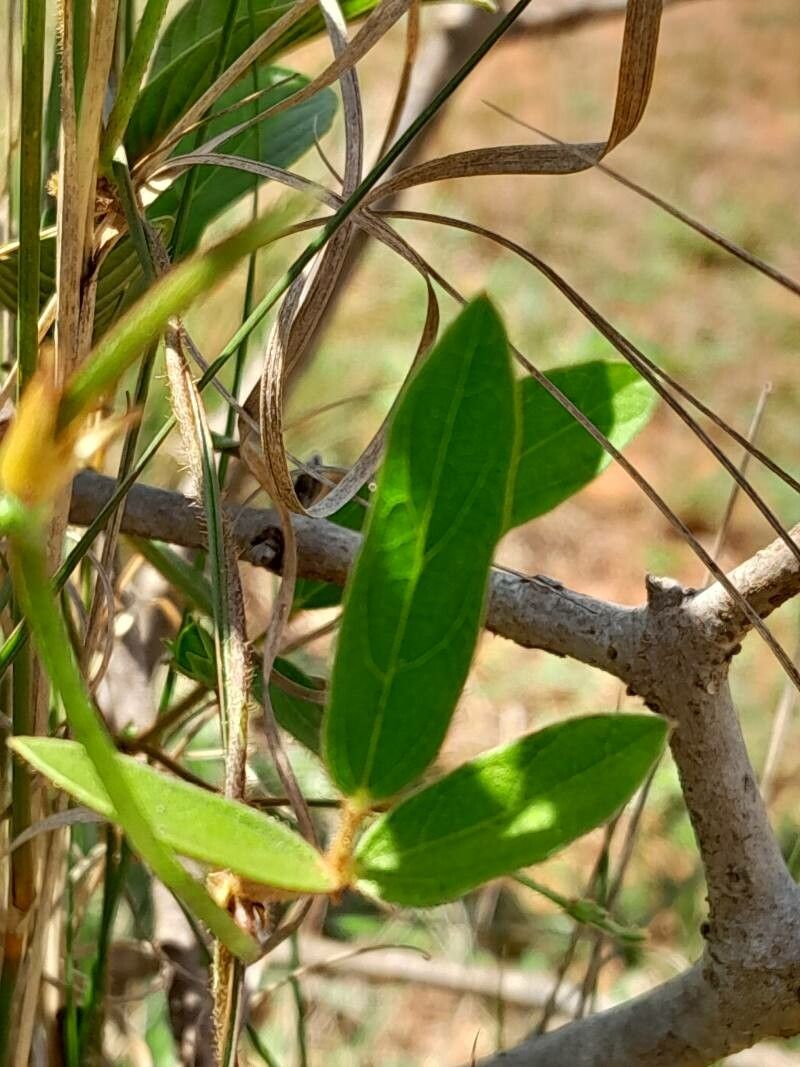
Vigna marina is a prostrate, creeping vine and a perennial plant. Also known as the beach pea, nanea, and notched cowpea, it is a species of legume in the family Fabaceae.
Dune bean has strong disease resistance and is generally not prone to illnesses. Still, it can be vulnerable to pests and diseases that exist in its environment, though these problems are typically mild. Regarding care, this plant is of medium maintenance. It should be pruned regularly to preserve a neat appearance and encourage healthy growth. Applying fertilizer can also help boost flowering. Dune bean is appropriate for anyone with outdoor space, such as a garden or patio, and does not demand extensive gardening experience. It can need more attention when kept indoors.
How to keep Vigna Marina.
Light
Dune bean grows best when given plenty of light. Its healthy growth depends entirely on abundant light. Its native habitats favor bright, light-filled conditions, although it can tolerate moderate shade. Excessive or insufficient light can impede its development.
Water
Dune bean flourishes in coastal habitats and demonstrates moderate drought tolerance. While it prefers consistent moisture, it can endure short periods of dryness, needing to be watered weekly. It is crucial to plant dune bean in well-draining soil to prevent waterlogging and to support its growth cycles effectively.
Temperature
The Dune bean comes from tropical regions, where the climate is generally warm and humid. Consequently, it is well suited to high temperatures and moisture. It does not tolerate sudden temperature shifts and prefers a stable thermal environment, so avoiding temperature fluctuations indoors is important. It typically cannot withstand cold and needs higher temperatures for growth. If the surrounding temperature falls too low, the plant may stop growing or even die.
Fertilizer
The dune bean needs the most fertilizer during its active growth phase, which takes place mainly in spring, summer, and early fall. Fertilization supplies essential nutrients that the soil may lack, encouraging healthy root and stem development and enhancing its attractive foliage, a key characteristic of this plant.
Pruning
The dune bean thrives in coastal areas, characterized by its sprawling growth and vibrant flowers. To maintain its size and health, it's best to prune it from early to late spring. During pruning, remove any dead or diseased branches and trim back long stems. Regular pruning enhances air circulation and reduces the risk of disease. For the best results, use clean, sharp tools.
Botanical profile.
- Plant Type
- Herb, Vine
- Life Cycle
- Perennial
- Genus
- Vigna
- Family
- Fabaceae
- Hardiness Zone
- 10-12
- Mature Height
- 3.05 m
- Mature Spread
- 1.83 m to 4.57 m
- Leaf Color
- Green, Dark Green
- Leaf Type
- Semi-evergreen
- Flower Color
- Yellow
- Flower Size
- 2.54 cm to 5.08 cm
- Bloom Time
- All year round
- Planting Time
- Spring, Summer
- Harvest Time
- All year round
- Native Area
- Sri Lanka, India, Malaysia, Guatemala, Vanuatu, Madagascar, Timor-Leste, Fiji, Jamaica, Tanzania, Benin, Cuba, Indonesia, Equatorial Guinea, Liberia, Brazil, Ghana, South Africa, Philippines, Bangladesh, Guinea, Panama, China, Colombia, Solomon Islands, Spain, Vietnam, Japan, Togo, Papua New Guinea, Singapore, Costa Rica, Congo (DRC), Thailand, Gabon
Other names.
Reader questions.
What are the sun requirements for Dune Bean?
Dune Bean thrives in environments that replicate its natural habitat, which means it needs ample sunlight to grow healthily. It requires full sun, which amounts to more than 6 hours of sunlight daily, but it can also survive in partial sun, receiving about 3 to 6 hours of sunlight. It's important to observe how sunlight moves through your garden throughout the day to find spots that offer a balance of light and shade, ensuring the plant's wellbeing.
What is the name of the plant?
The plant is known as Dune Bean.
Why is light essential for Dune Bean, and how can artificial lighting help?
Light is crucial for the Dune Bean's health and growth, as it relies on substantial light conditions mimicking its original, light-flooded habitats. While it can endure some shade, both too much and too little light can impede its development. In less sunny spaces or during winter when natural sunlight is insufficient, artificial lighting becomes essential. LED lights, which can be tailored to provide specific wavelengths needed by the plant, are popular for indoor cultivation. They help in promoting faster, healthier growth by offering a solution for plants requiring full sun (30-50W/sq ft), partial sun (20-30W/sq ft), or full shade (10-20W/sq ft). The light source should be placed 12-36 inches above the plant and kept on for 8-12 hours per day to mimic natural daylight hours.
What is the botanical name of the Dune Bean?
The botanical name of the Dune Bean is Vigna marina.
What are common symptoms of inadequate light for Dune Bean?
When Dune Bean is grown in environments with inadequate lighting, several symptoms might surface. These include smaller new leaves, leggy or sparse growth, faster leaf drop, slower or no new growth, and lighter-colored or yellowing leaves indicating insufficient chlorophyll. Excessive sunlight can also cause issues such as chlorosis, sunscald, leaf curling, wilting, and leaf scorching. These symptoms can significantly affect the plant's overall health and its ability to photosynthesize.
How can I address insufficient sunlight for Dune Bean?
To combat insufficient sunlight exposure for Dune Bean, introduce more light to the plant gradually. For indoor plants, move them closer to a south-facing window or use artificial grow lights for at least 8 hours daily to ensure at least 6 hours of direct sunlight. For outdoor plants, reposition them gradually to sunnier spots to prevent sunburn. Additionally, observing and reducing obstructions like tree branches that block sunlight can help. In some cases, especially for smaller plants, transplanting to a more sunlit location with good drainage might be necessary. Remember, parts of the plant that have suffered might not recover, but new growth should be healthy with improved light conditions.