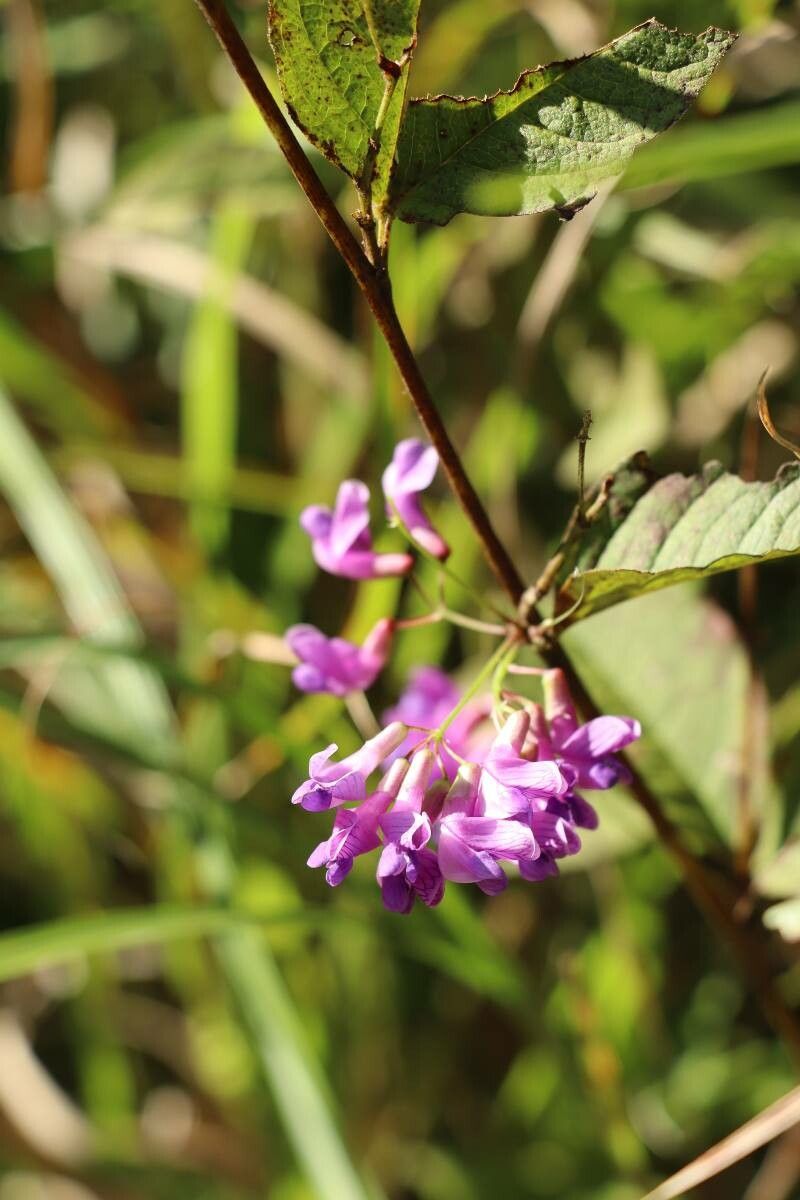
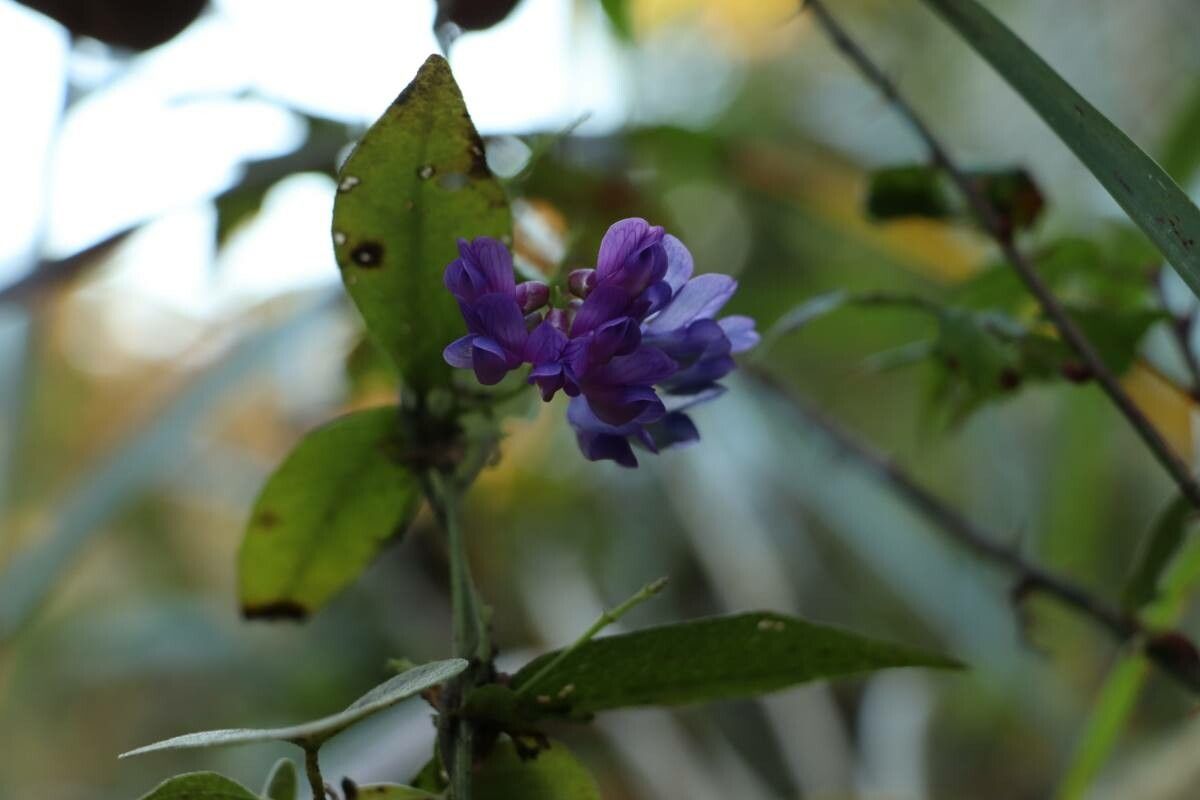
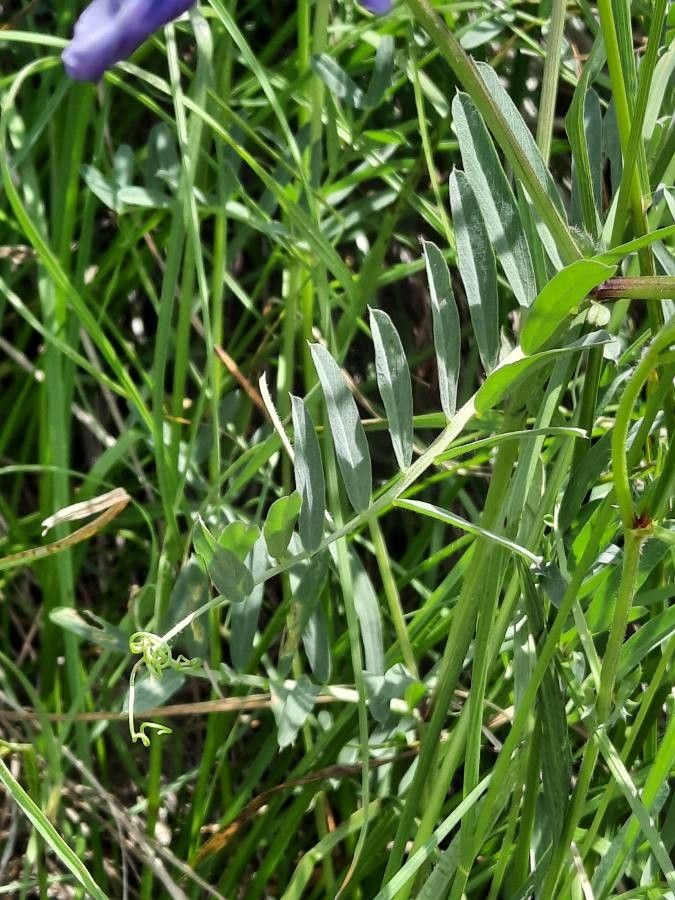
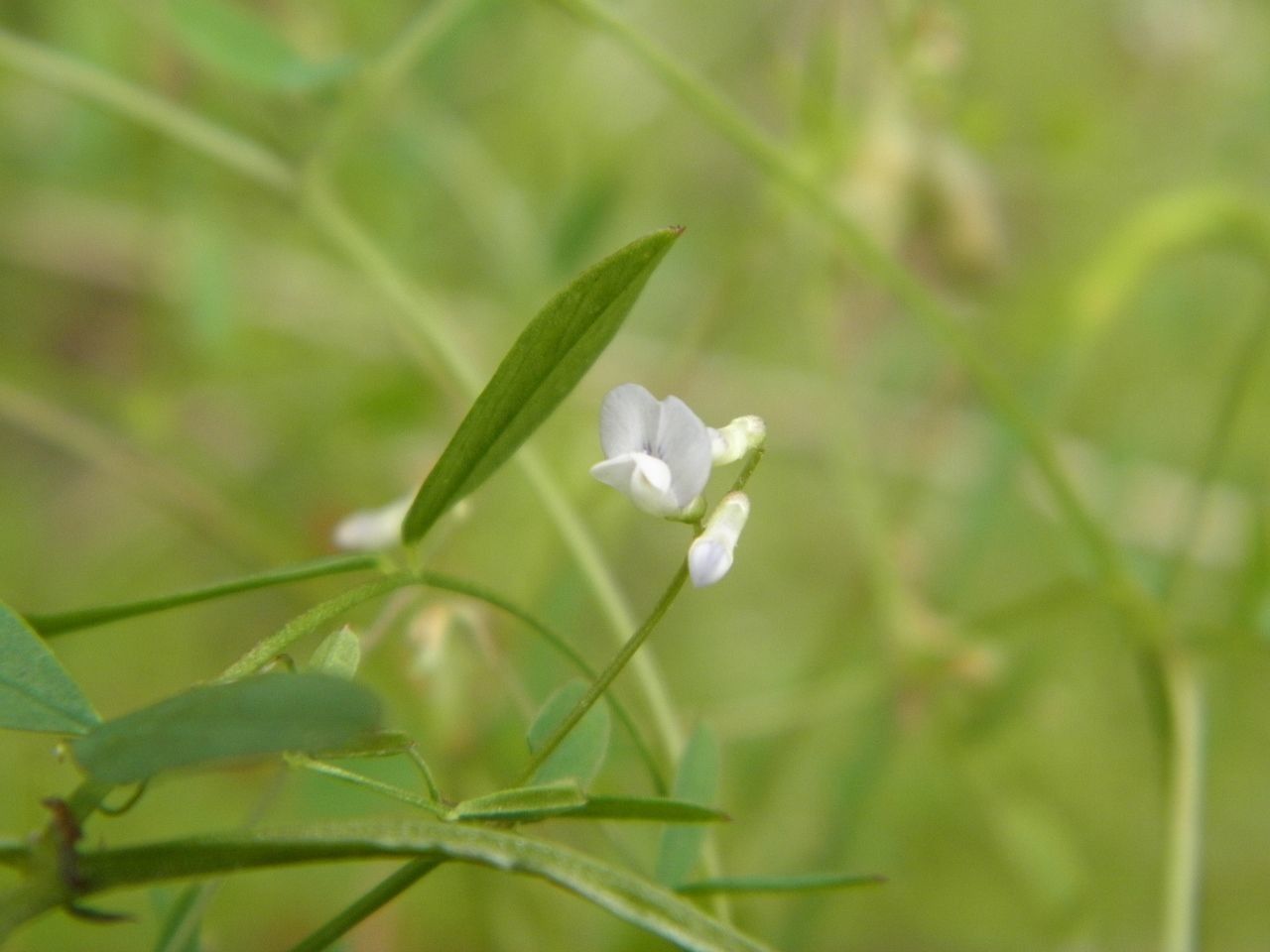
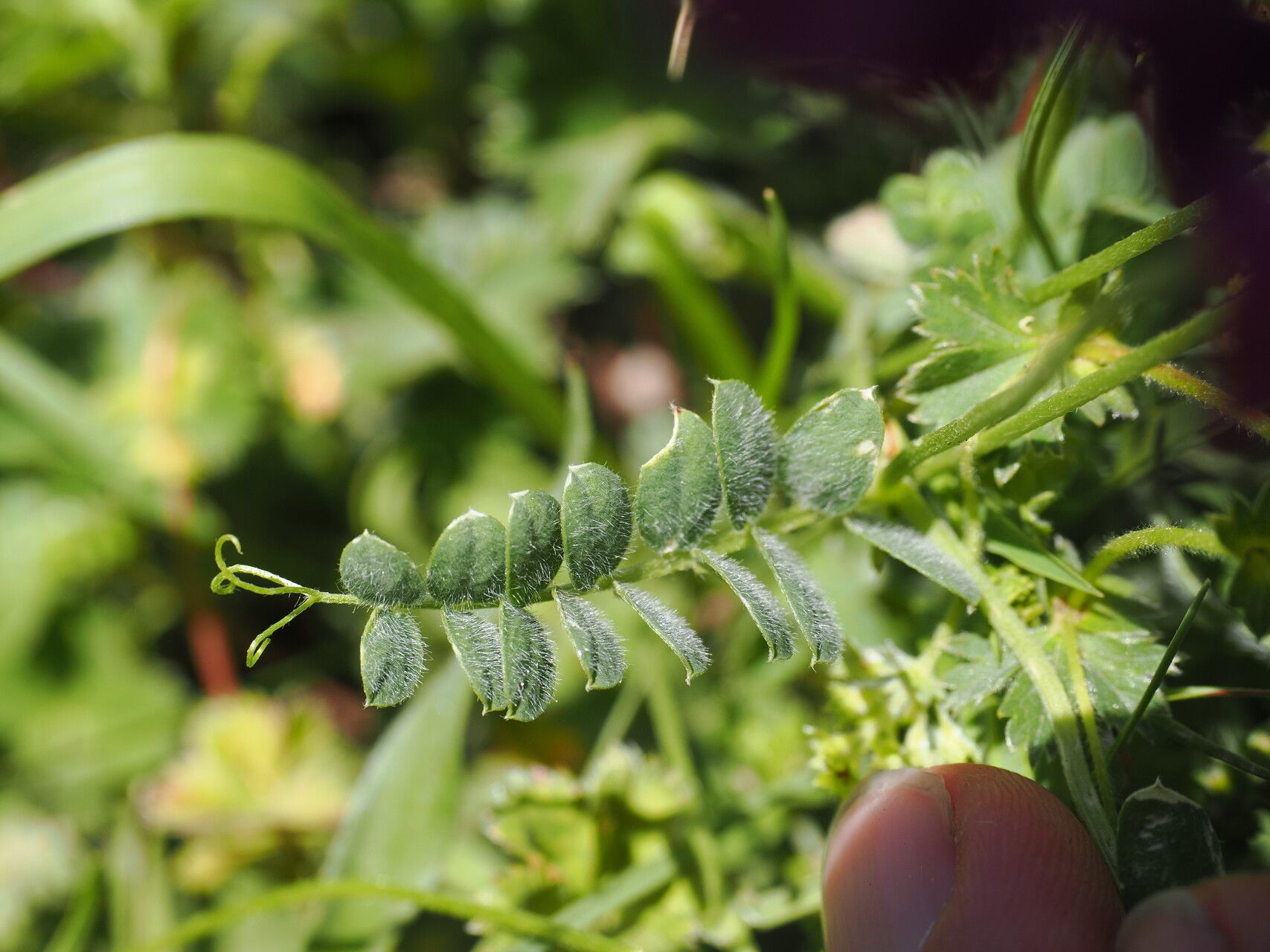
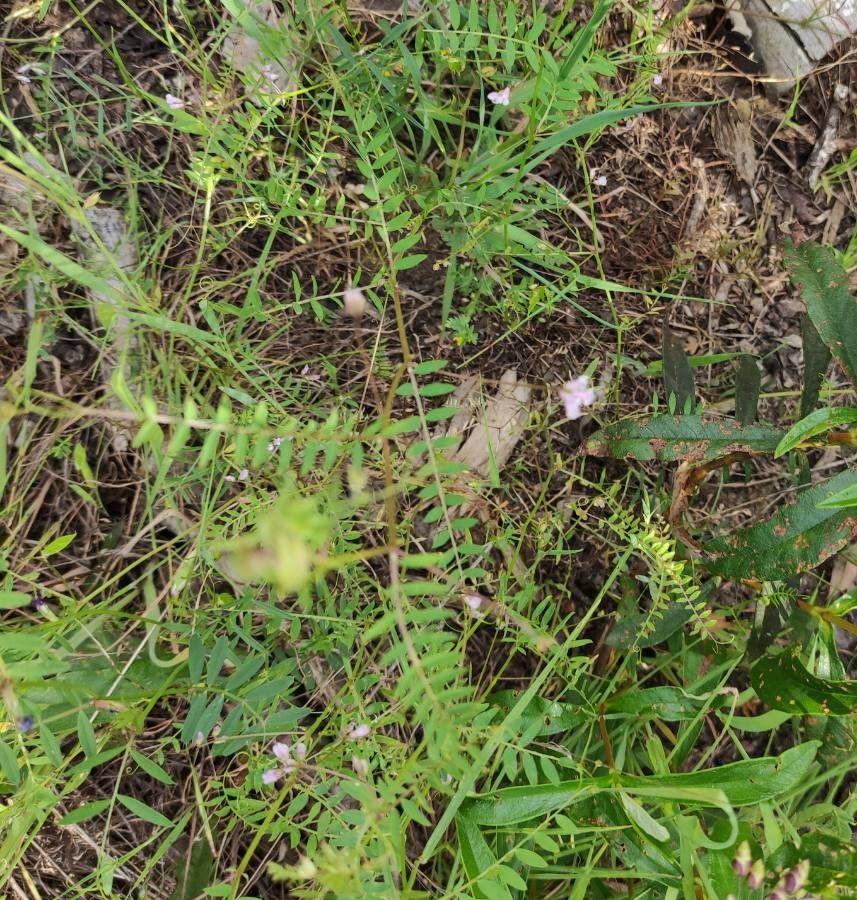
Vicia unijuga, commonly called two-leaf vetch, is a species of flowering plant in the legume family.
Two-leaf vetch is fairly resistant to disease and is generally not susceptible to illnesses. However, it can be affected by pests and diseases present in its surroundings. These issues are typically not serious. Regarding care, the plant requires a moderate amount of maintenance. It should be pruned regularly to keep a neat appearance and support healthy growth. Fertilizing can also aid in encouraging flowering. Two-leaf vetch is appropriate for anyone with outdoor space, such as a garden or patio, and does not demand extensive gardening experience. It may need more attention when grown indoors.
How to keep Vicia Unijuga.
Light
Two-leaf vetch is native to habitats like forest understories and rocky areas, where it grows under natural shade. It prefers partial sun but can tolerate both full sun and full shade, demonstrating its versatile, hardy nature.
Water
Two-leaf vetch thrives in moderate climates that provide consistent moisture. To prevent waterlogging, it needs to be watered weekly. It grows best in conditions that offer a balance between dry and wet periods. Rainwater during the growing season supports its growth and dormancy cycles.
Temperature
Two-leaf vetch is native to temperate regions and favors temperatures from 50 to 95°F (10 to 35°C). Temperature acclimation is important: it needs cool springs to germinate and warm, sunny summers to grow.
Fertilizer
Generally, one fertilizer application in spring is enough for Two-leaf vetch, though repeated feedings can boost growth. Apply fertilizer every one to one and a half months. Fertilization improves the leaves' appearance and function, helping maintain even color and a healthy texture. It also promotes root development and nutrient uptake, supporting the plant's long-term health.
Pruning
The two-leaf vetch is a climbing plant characterized by its paired leaflets. For optimal growth and air circulation, prune it from early to late spring by removing any dead stems. To prevent disease, thin out crowded areas and always use clean tools to minimize damage. Regular pruning promotes the plant’s health, maintains its shape, and encourages flowering.
Botanical profile.
- Plant Type
- Herb
- Life Cycle
- Perennial
- Genus
- Vicia
- Family
- Fabaceae
- Hardiness Zone
- 6-9
- Mature Height
- 0.4 m to 1.83 m
- Mature Spread
- 40 cm
- Leaf Color
- Green, Dark Green
- Leaf Type
- Deciduous
- Flower Color
- Purple
- Flower Size
- 4.57 cm to 6.35 cm
- Bloom Time
- Mid summer, Late summer, Early fall
- Planting Time
- Spring, Autumn
- Harvest Time
- Early fall, Mid fall
- Native Area
- Russia, Japan, Mongolia, Koppen, South Korea, China
Other names.
Reader questions.
What are the sunlight requirements for Two-leaf vetch (Vicia unijuga)?
Two-leaf vetch (Vicia unijuga) thrives in various sunlight conditions. For full sun exposure, it requires above 6 hours of sunlight a day, which is ideal for its growth and development. Alternatively, it can also grow in partial sun, needing about 3-6 hours of sunlight daily. It's important to observe how sunlight moves through your garden throughout the day. Selecting spots that offer a perfect balance of light and shade will ensure your plants stay happy and healthy. Keep this in mind to provide the optimal environment for your Two-leaf vetch.
What is Two-leaf vetch and where is it indigenous?
Two-leaf vetch, botanically known as Vicia unijuga, is indigenous to regions that experience moderate climates. Its thermal preferences are quite specific, favoring temperatures that range from 50 to 95°F (10 to 35°C). This particular plant necessitates a certain degree of thermal adaptation, thriving in cool springs that are conducive to germination, followed by warm, sunny summers that promote its growth.