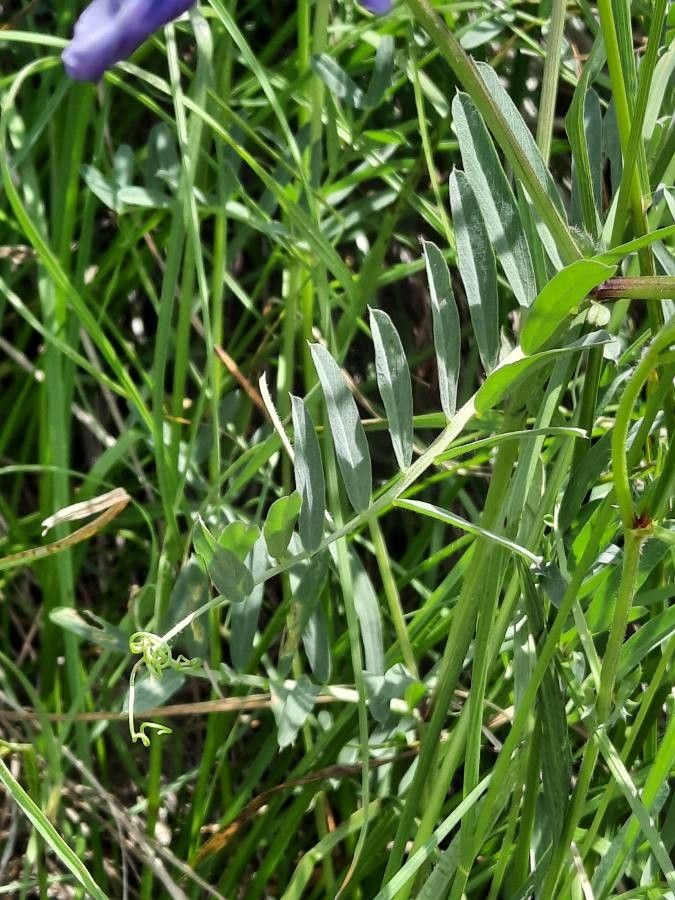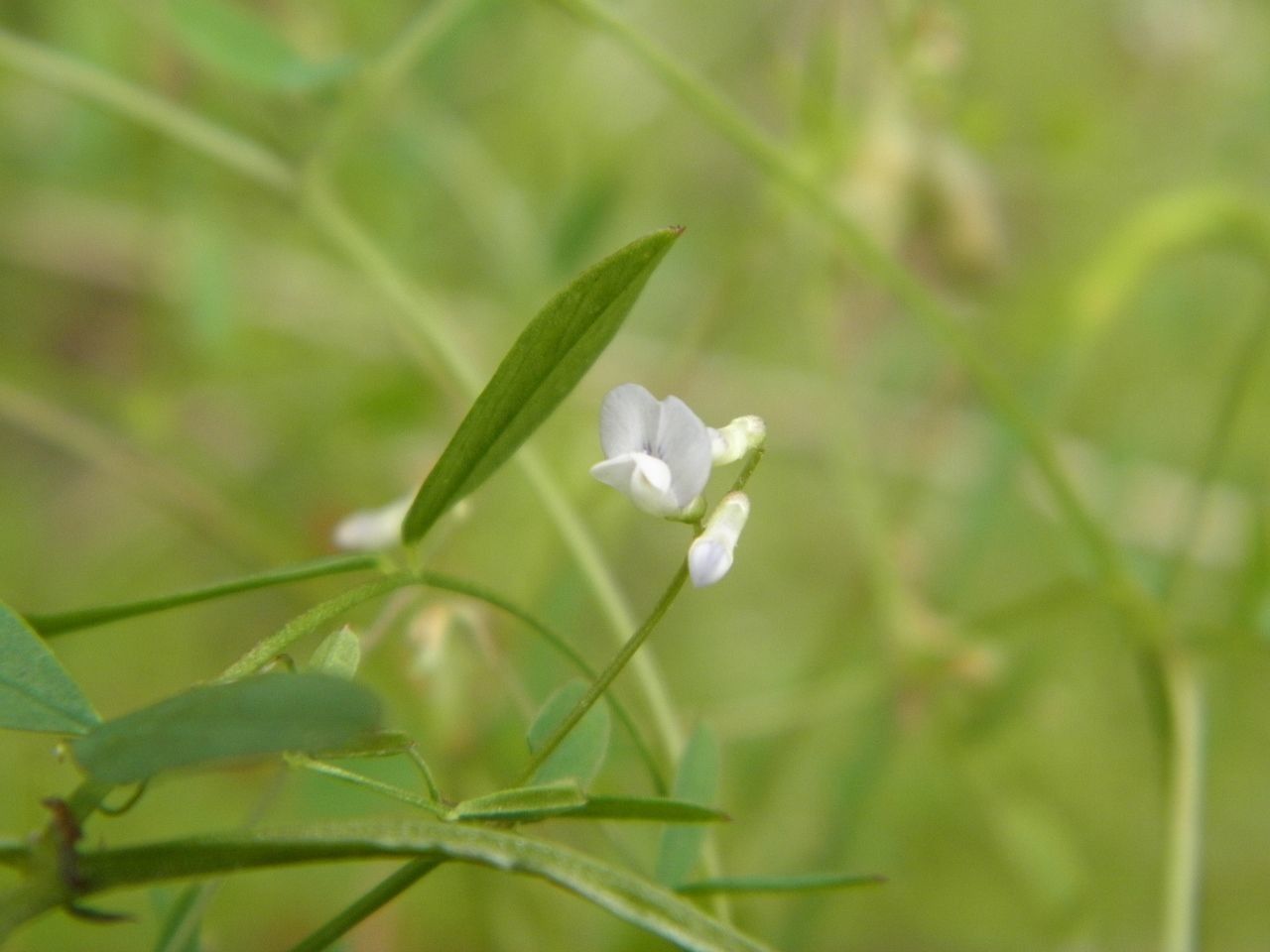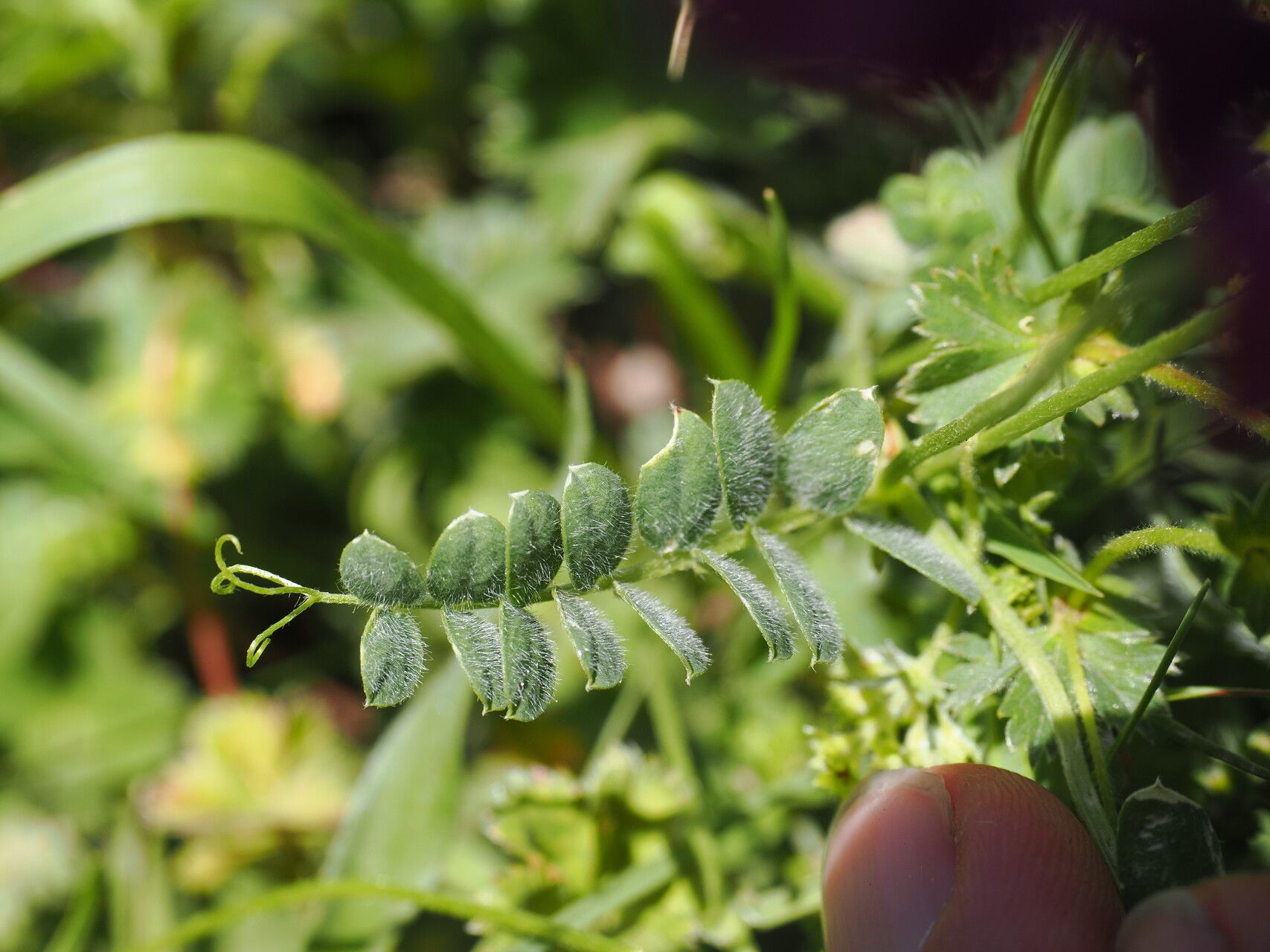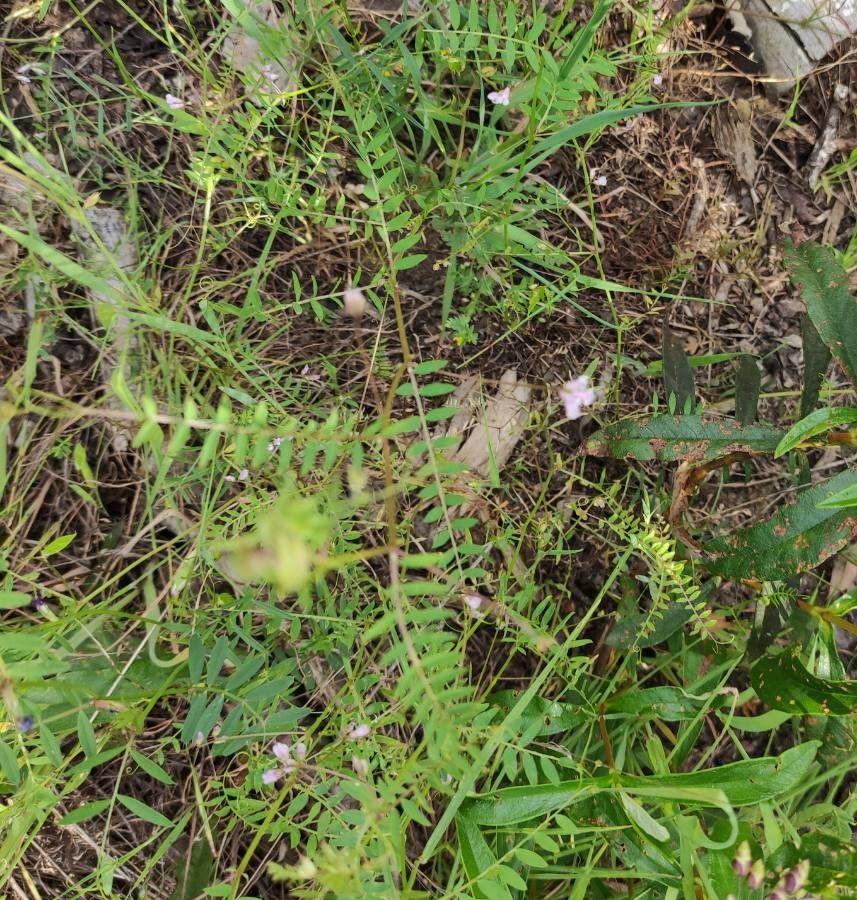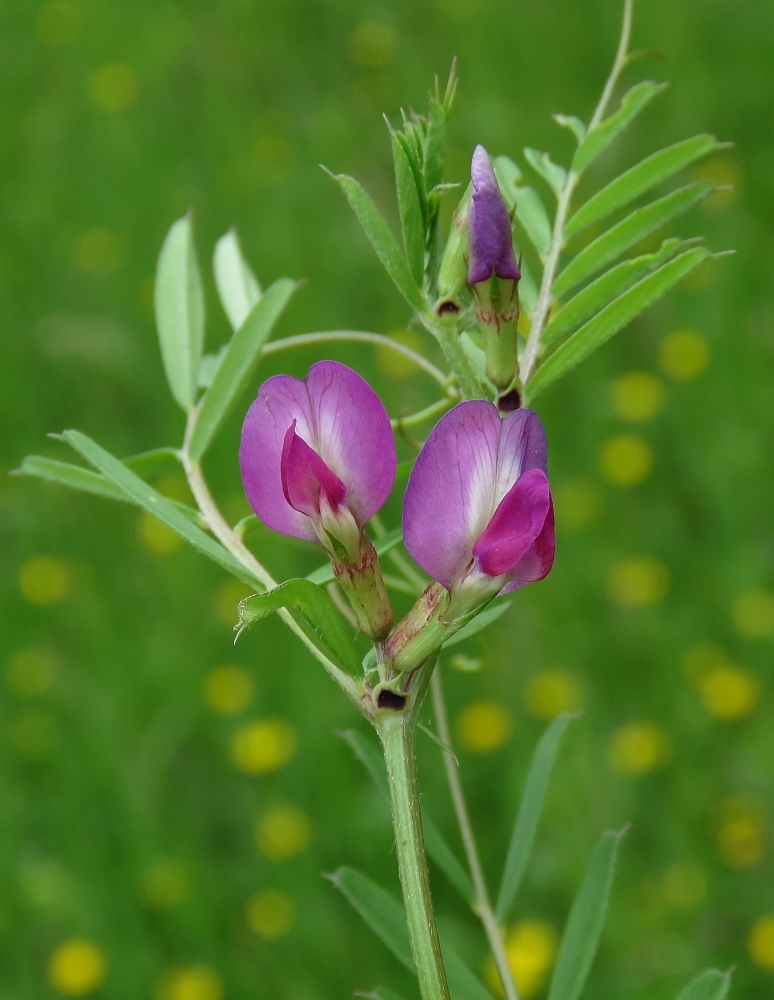
Vicia sativa, commonly known as the common vetch or garden vetch, is a flowering plant species in the Fabaceae family. This annual or biennial herbaceous plant can grow up to 1 meter tall. Its leaves are pinnate, featuring 4 to 12 pairs of leaflets and a terminal tendril. The plant produces small purple flowers arranged in clusters on long stalks.
Common vetch is widely cultivated as a forage crop for livestock feed due to its high protein content and palatability. It can also be employed as green manure or a cover crop because of its ability to fix nitrogen from the atmosphere into the soil.
Traditionally, the plant has been used for medicinal purposes, such as treating respiratory ailments, digestive disorders, and skin conditions. However, it's crucial to note that some parts of the plant contain toxic compounds that can cause poisoning if consumed in large quantities.
Overall, Vicia sativa is an important agricultural crop with various uses both commercially and traditionally.
Common vetch, scientifically known as Vicia, is a genus that encompasses approximately 140 species of flowering plants belonging to the legume family, commonly referred to as vetches. While it is often regarded as a weed when it appears in cultivated grain fields, this resilient plant is frequently cultivated as green manure or livestock fodder. Among the various species in the genus, it is one of the most prevalent, which is why it is called common vetch.
Common vetch is fairly disease-resistant and usually not prone to illnesses. However, it can be affected by pests and diseases present in its environment. These problems are typically mild. In terms of care, the plant needs moderate maintenance. It should be pruned regularly to keep a neat appearance and encourage healthy growth. Fertilizing can also help stimulate flowering. Common vetch is suitable for anyone with outdoor space, such as a garden or patio, and does not demand much gardening experience. It may require more attention when grown indoors.
How to keep Vicia Sativa.
Light
Common vetch prefers abundant sunlight for healthy development. It can tolerate environments with reduced light, although such conditions may slightly stunt growth. From germination to fruiting, ample light is required for optimal growth. Both excessive and insufficient light can affect development, yet common vetch demonstrates relatively strong resilience.
Water
Common vetch thrives in moderate climates with consistent moisture levels. It prefers regular watering without being waterlogged. Watering it once a week matches its natural growth needs, making it ideal for temperate gardens where variations in rainfall work well with its resilience and growth patterns.
Temperature
Common vetch comes from areas with temperatures ranging from 68 to 95 °F (20 to 35 ℃). It favors warmer climates, and its growth can be maximized by maintaining those temperatures throughout the year.
Fertilizer
Common vetch responds well to regular, weak applications of fertilizer to encourage healthy leaf growth. You should fertilize Common vetch about once a month during the summer months. Nitrogen is essential for foliage, and adding nitrogen-rich sources helps Common vetch thrive.
Pruning
Common vetch is a climbing plant that can easily spread and overtake other vegetation if not properly controlled. To maintain its compact form and prevent it from spreading excessively, regular pruning is essential.
Pot & Repot
When repotting Common vetch, choose a pot that is 1-2 inches (2.5–5.1 cm) larger in diameter and make sure it has good drainage. Use a well-draining potting mix and consider adding perlite for extra drainage. Repot in spring or early summer, water thoroughly afterwards, and place it in a shady spot for the very beginning.
Botanical profile.
- Plant Type
- Vine, Herb
- Life Cycle
- Annual, Biennial
- Genus
- Vicia
- Family
- Fabaceae
- Hardiness Zone
- 5-9
- Mature Height
- 0.15 m to 1.22 m
- Mature Spread
- 15 cm
- Leaf Color
- Green, Blue
- Leaf Type
- Deciduous
- Flower Color
- Purple, Violet
- Flower Size
- 1.02 cm to 3.05 cm
- Bloom Time
- Mid spring, Late spring, Early summer
- Planting Time
- Spring
- Harvest Time
- Early summer, Mid summer
Other names.
Reader questions.
How should I water my Common vetch?
When watering the Common vetch, it is recommended to use filtered water at room temperature. Tap water may contain harmful particles, so filtered water is better for the plant's health. The Common vetch is accustomed to warm environments, so it is important to avoid using cold water, as it can shock the plant. Instead of overhead watering, it is recommended to apply filtered room temperature water directly to the soil until the soil is completely soaked. This helps the plant by moistening the roots and allowing them to spread through the soil to collect nutrients.
What are the sunlight requirements for Common Vetch (Vicia sativa)?
Common Vetch requires plentiful sun exposure for healthy development and is tolerant to environments with less light availability, although such conditions may slightly stunt its growth. It needs ample light from germination to fruition for optimal growth. The requirements specify that full sun is considered as above 6 hours of sunlight, while partial sun refers to about 3-6 hours of sunlight daily. It’s important to observe how sunlight moves through your garden to choose spots that provide the perfect balance of light and shade, ensuring the wellbeing of your plants.
What is the ideal temperature range for growing Common Vetch?
Common Vetch originates from regions with temperatures ranging from 68 to 95 °F (20 to 35 °C), preferring warmer climates. Its growth is optimized within these temperatures year-round. Despite its strong cold resistance, ensuring it is kept within this range can enhance its growth potential.
What should I do if I give my Common vetch too much or too little water?
Overwatering is a more common issue than underwatering for Common vetch. When Common vetch receives too much water, its stems and leaves may wilt and turn yellow. Overwatering for a long time can lead to diseases like root rot, mold, and mildew, which can kill the plant. Common vetch has decent drought tolerance, so underwatering is less common. However, when it occurs, the leaves become brittle and brown. It is important to notice the signs of overwatering early. Some diseases caused by overwatering, like root rot, may not be fixable if you wait too long. If you notice early signs of overwatering, reduce watering immediately. Check the soil drainage, and if it's poor, replace it with a loose, well-draining potting mix. If signs indicate too little water, increase watering until the signs go away.
How does artificial lighting benefit indoor cultivation of Common Vetch?
When natural sunlight is insufficient, particularly in winter or in less sunny spaces, artificial lighting offers a vital solution for the indoor cultivation of Common Vetch. It promotes faster, healthier growth. The right type of artificial light, such as LED lights, can be customized to provide the specific wavelengths of light needed by the plant. Recommendations for artificial lighting include 30-50W/sq ft for full sun plants, 20-30W/sq ft for partial sun plants, and 10-20W/sq ft for full shade plants. The light source should be placed 12-36 inches above the plant, mimicking natural sunlight, with most plants requiring 8-12 hours of light per day.
Does Common Vetch require special frost protection?
Common Vetch has considerable cold resistance, negating the need for special frost protection measures in winter for most regions. However, in cases where winter temperatures are expected to drop below the plant's cold tolerance threshold, it's recommended to wrap the trunk and branches with insulating materials such as non-woven fabric or cloth. An additional protective measure is to water the plant abundantly before the first freeze in autumn to maintain soil moisture, helping prevent drought and water scarcity during the colder seasons.
How often do I need to water my Common vetch plant?
If your Common vetch plant is in a pot, you can use a precise method to determine if it needs water. Simply stick your finger into the soil and check if the top two to three inches are dry. If they are, it's time to water it. If you are growing Common vetch outdoors in the ground, you can use the same method to test the soil. Once again, if the top few inches of soil are dry, it's time to water. Typically, during spring and early fall, you will need to water this plant about once a week using this method. However, in extremely hot weather, you may need to increase watering to twice or more per week. Nevertheless, it's worth noting that mature, well-established Common vetch plants can handle drought quite well.
What are the common symptoms of light deficiency or excess in Common Vetch?
Common Vetch shows various symptoms when exposed to inadequate light, including smaller new leaves, leggy or sparse growth, faster leaf drop, slower or no new growth, and lighter-colored new leaves indicating a lack of chlorophyll and essential nutrients. Excessive sunlight can cause chlorosis, where leaves lose their green color and turn yellow, sunscald with damaged plant tissues, leaf curling as a defense mechanism against sun exposure, wilting due to loss of turgor pressure, and leaf scorching characterized by brown, dry edges on leaves.
How does low temperature affect Common Vetch?
Common Vetch is quite cold-tolerant, thriving best in temperatures above its minimally tolerable range. Despite its resilience, when temperatures fall below its growth limit, there might not be noticeable changes during winter; however, come spring, branches may become brittle, dry, and fail to produce new shoots. Addressing this, it's advised to prune any dead branches to encourage new growth in spring.
How much water does my Common vetch plant need?
To water your Common vetch effectively, don't hold back on the amount of water you use. Make sure the top two to three inches of soil are dry before watering. Give the plant a thorough watering, making sure to completely saturate the soil. You should add enough water so that it flows out of the drainage holes at the bottom of the pot. If you don't see excess water draining, you may not have watered the plant enough. However, be careful not to let water accumulate in the soil, as this can harm the plant. In addition, if water is not draining properly from the pot, it could be a sign of poorly draining soil, which is detrimental to the plant's health. If the plant is outside, 1 inch of rain per week should be sufficient.
How can I manage light exposure for Common Vetch to ensure healthy growth?
To manage light exposure for healthy growth of Common Vetch, gradually move plants to a sunnier location to receive at least 6 hours of direct sunlight daily. Use south-facing windows for indoor plants and keep curtains open during the day for maximum sunlight exposure. Artificial light can supplement light for large or immovable plants, with a recommendation to use a desk or ceiling lamp for at least 8 hours daily or invest in professional plant grow lights. For outdoor plants, gradual adaptation to sunnier locations helps to avoid sunburn. It's also crucial to reduce obstructions like overhanging branches and to consider transplanting smaller plants during their dormant period to locations with ample sunlight and good drainage. Note that parts of the plant affected by insufficient sunlight may not recover, but new growth after increasing light exposure will be healthy.
What are the symptoms and solutions for Common Vetch when exposed to high temperatures?
During summer, it's crucial to keep Common Vetch below its maximum temperature tolerance. Exceeding this can lead to the plant's leaves becoming lighter in color, with tips that may dry and wither, increasing the risk of sunburn. To mitigate these effects, trim away sunburned and dried parts, provide shade during the hottest parts of the day through relocation or the use of a shade cloth, and ensure the soil remains moist by watering in the morning and evening.