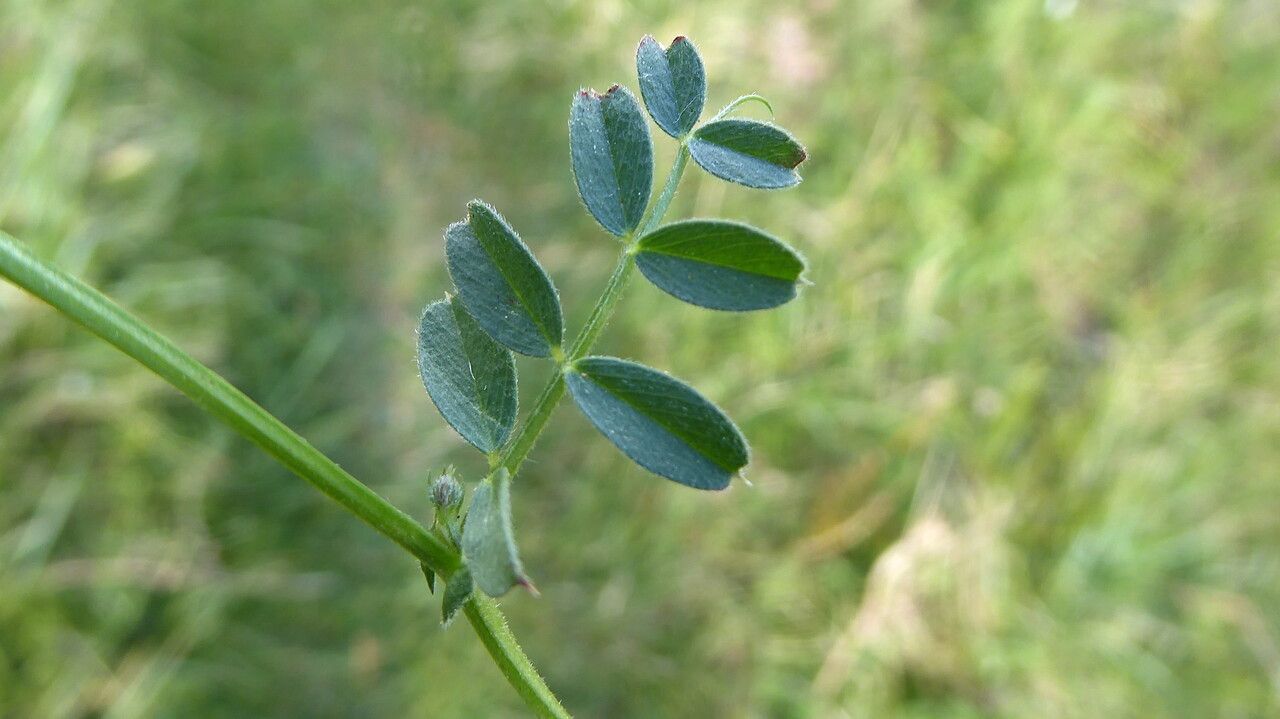
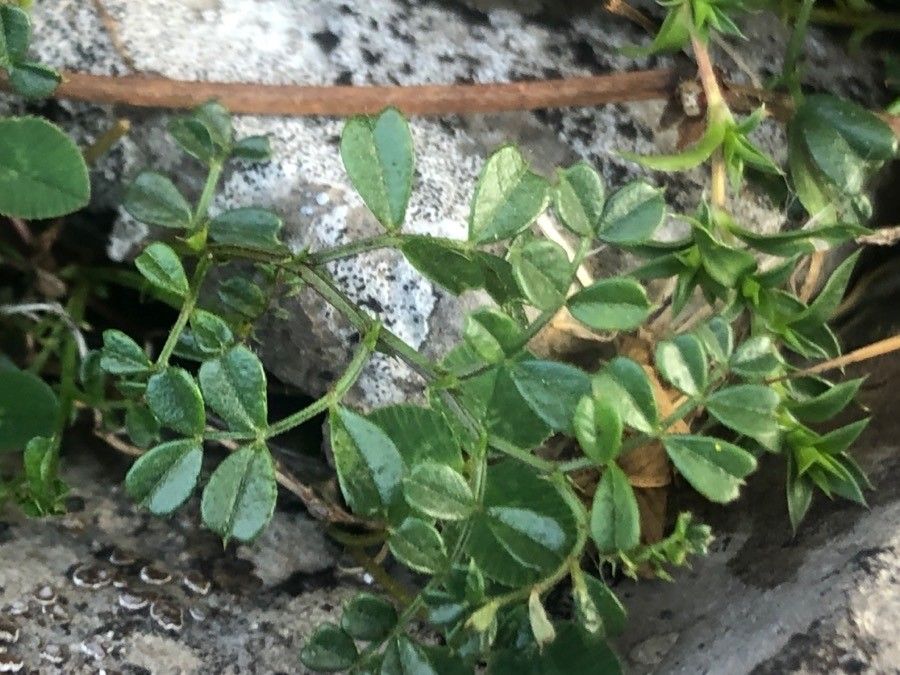
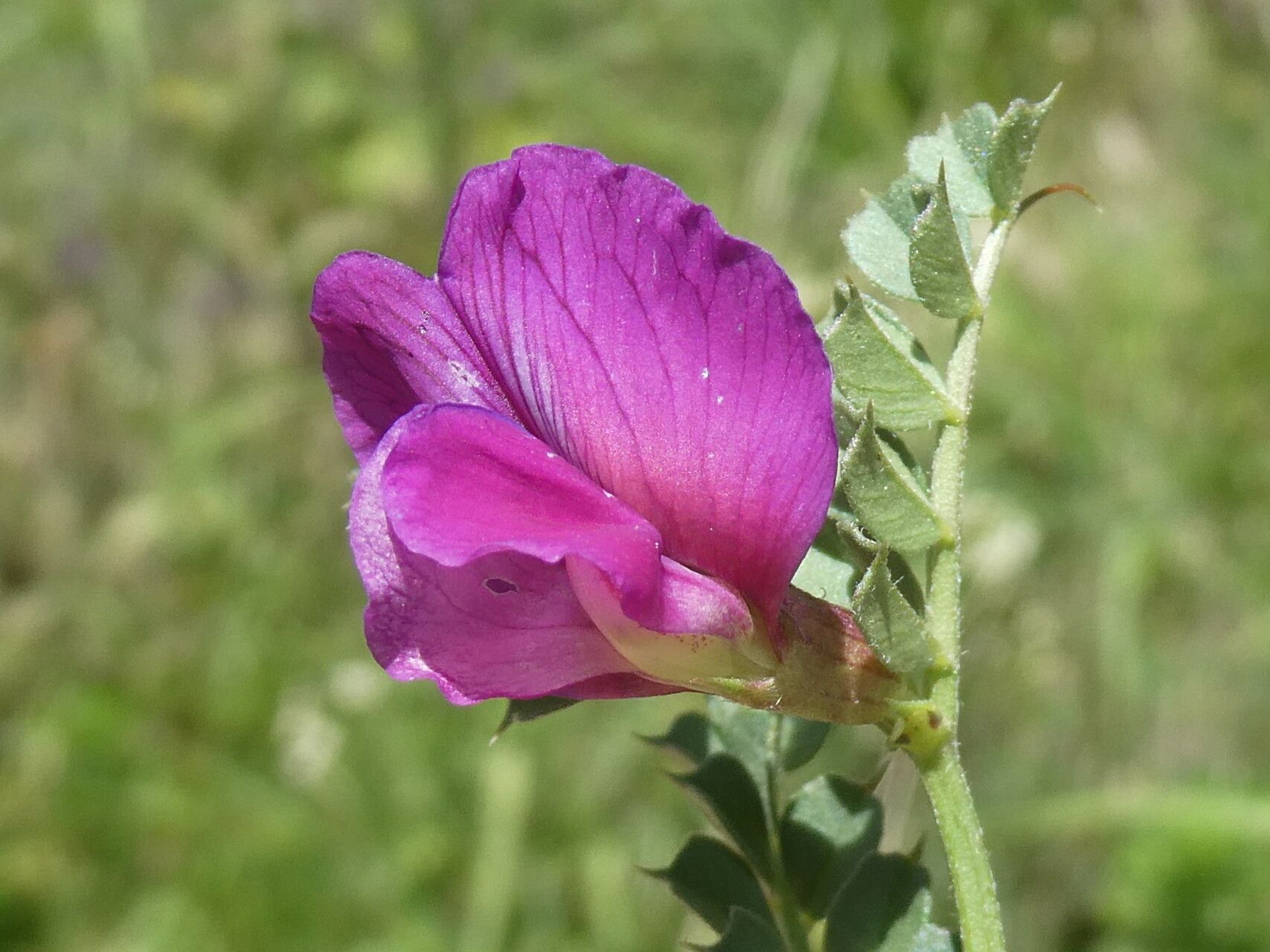
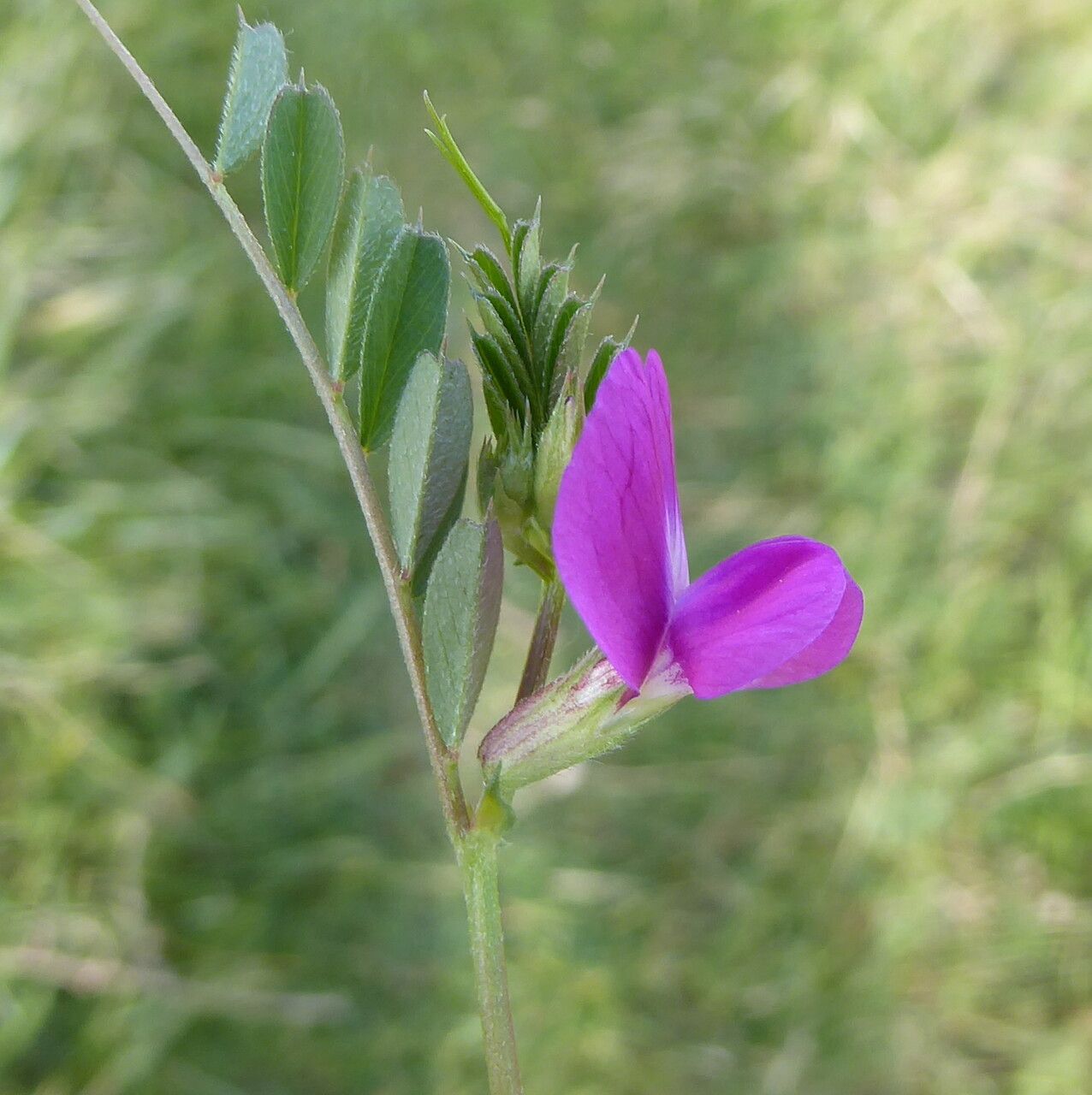
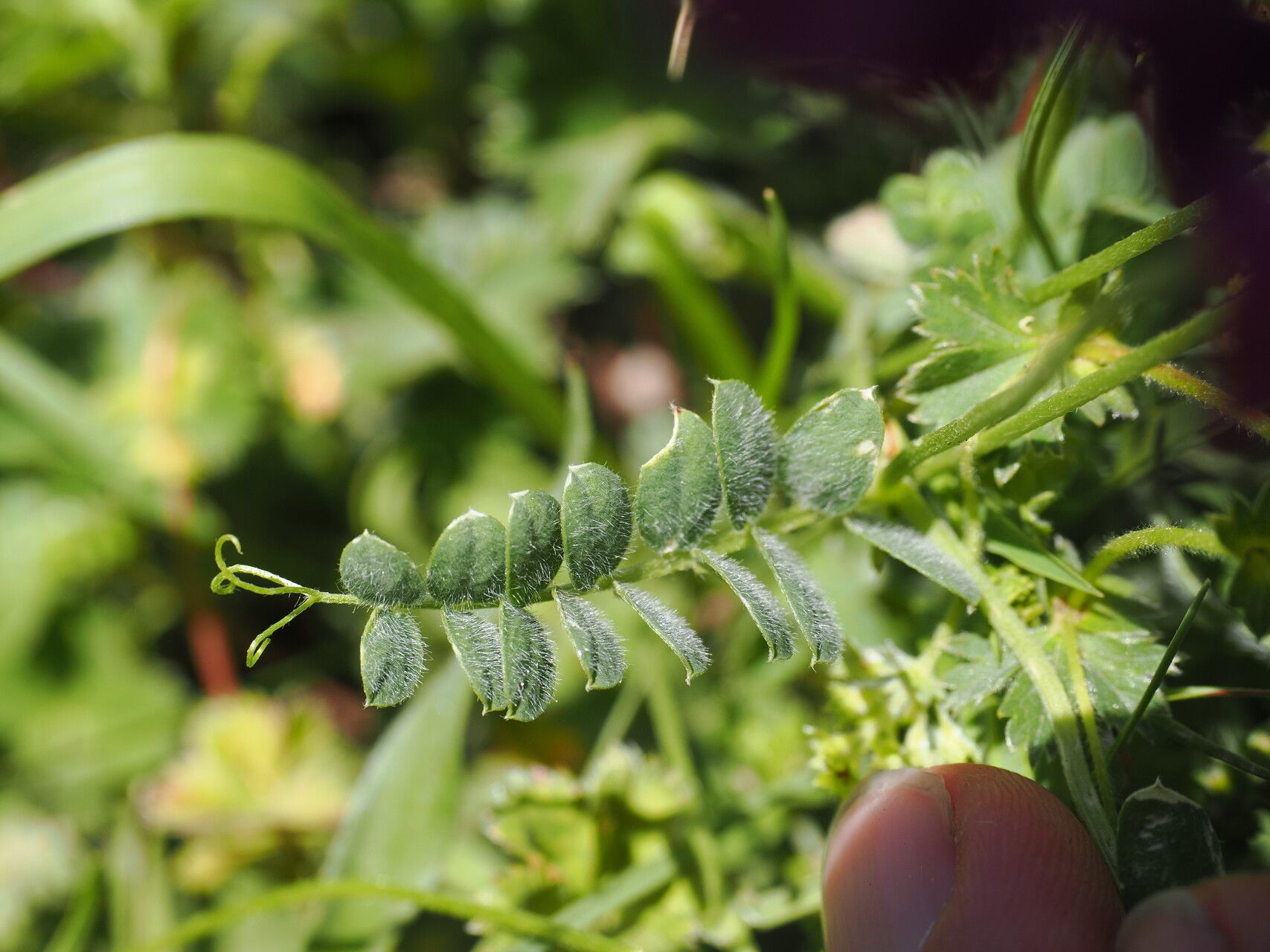
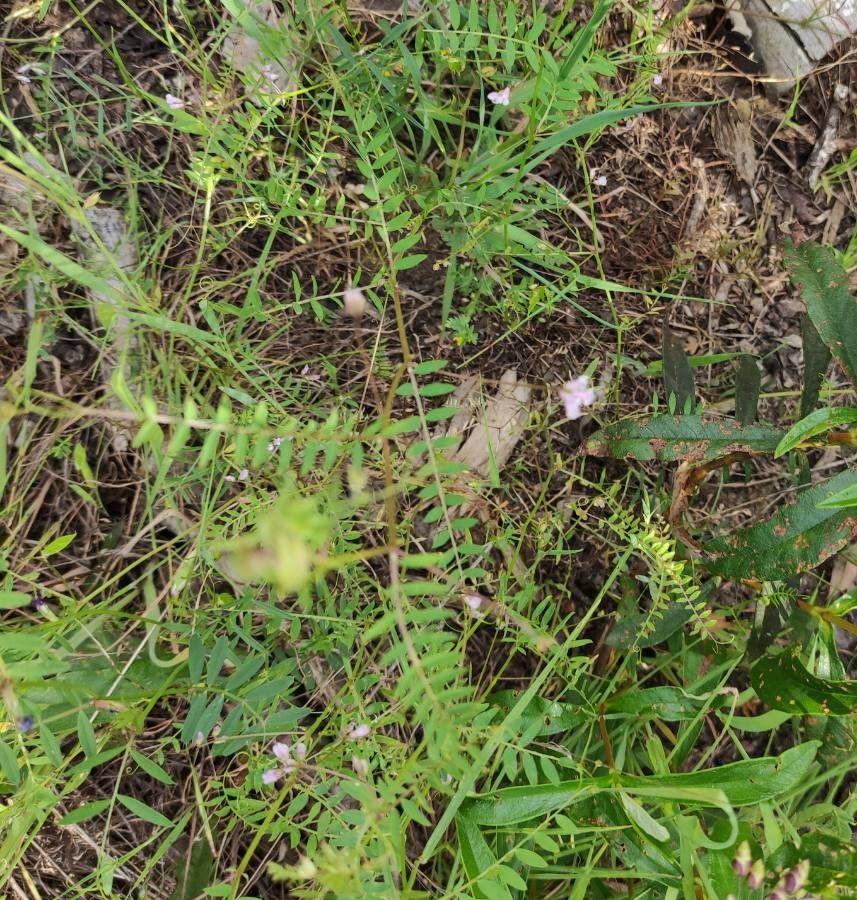
Vicia pyrenaica, commonly known as Pyrenean vetch, is a perennial herbaceous plant in the Fabaceae family. Native to the Pyrenees mountain range in Europe, it thrives in rocky areas, meadows, and forests.
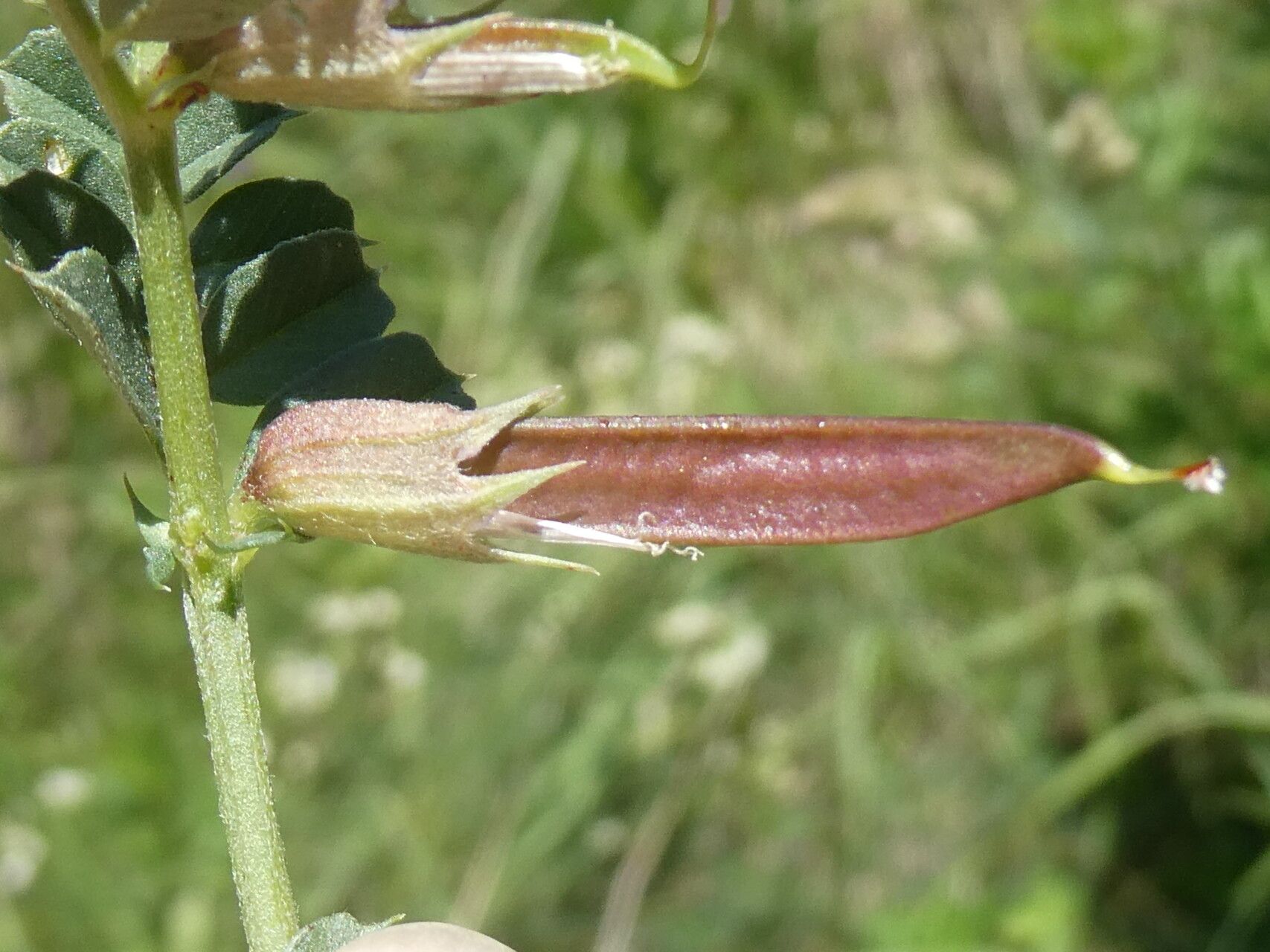
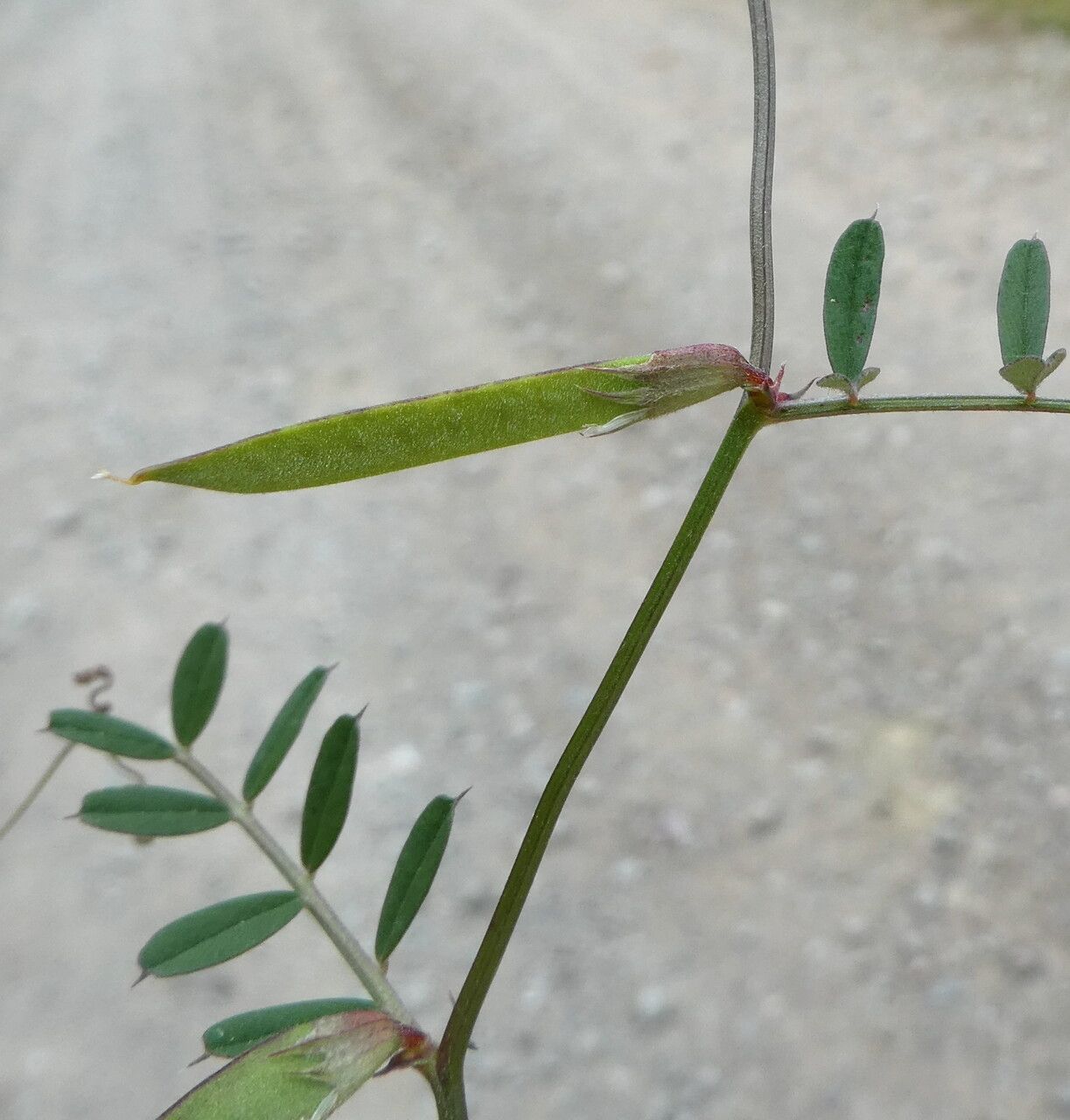
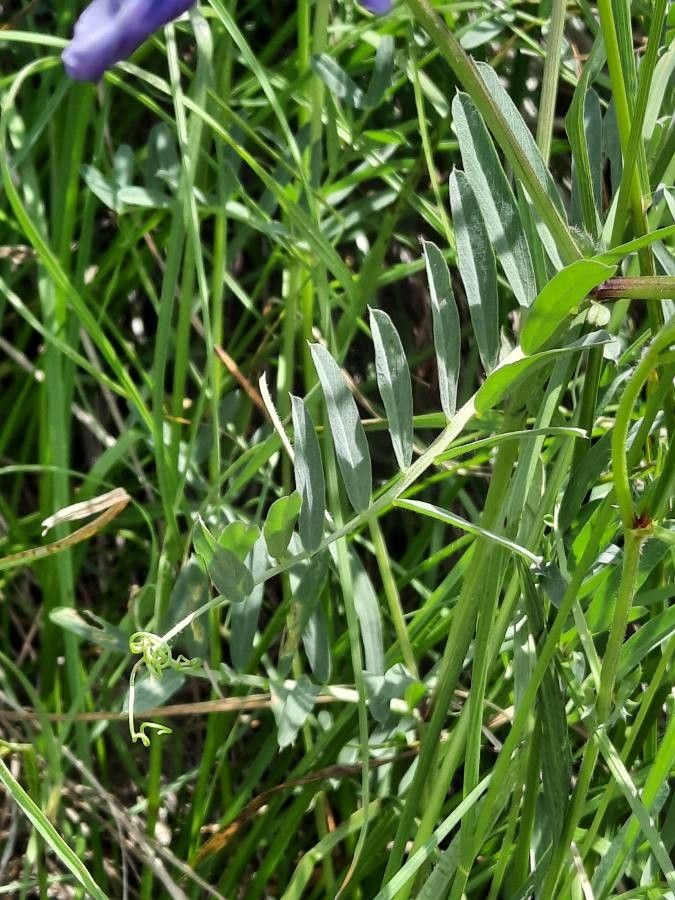
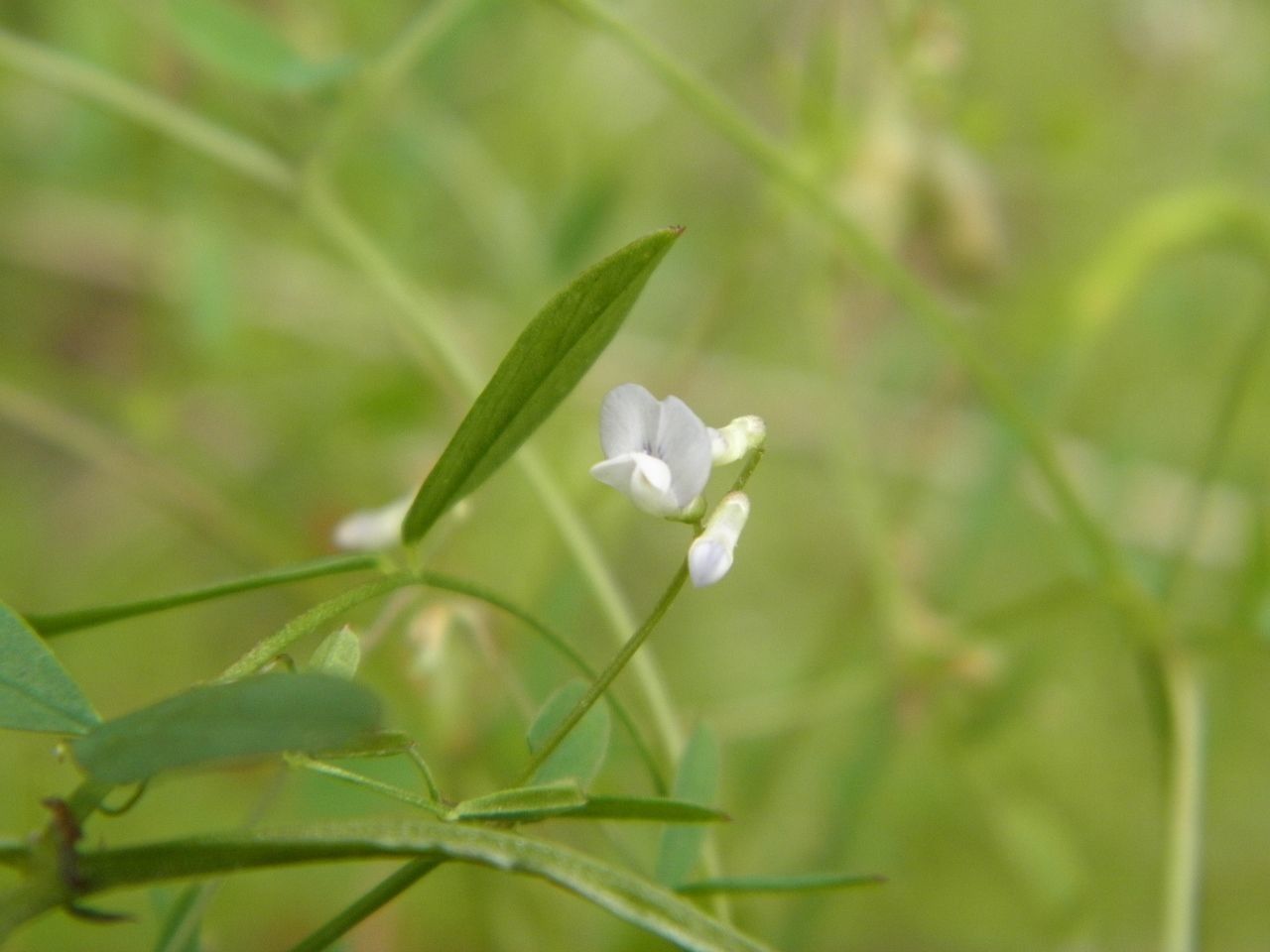
The plant features a slender stem that can grow up to 60 cm tall and has pinnate leaves with 4-8 pairs of leaflets. Its flowers, which are pink or purple, are arranged in clusters at the ends of long stalks. The fruit is a pod containing several seeds.
Pyrenean vetch is an important forage crop for livestock grazing on mountain pastures. It also enhances soil fertility by fixing atmospheric nitrogen into the soil through a symbiotic relationship with nitrogen-fixing bacteria.
In traditional medicine, Vicia pyrenaica has been used for its diuretic properties and as an anti-inflammatory agent.
Overall, Vicia pyrenaica is ecologically and economically significant, serving as a food source for livestock and contributing to soil fertility through nitrogen fixation.
Pyrenean vetch displays good disease resistance and is generally unlikely to suffer from illnesses. However, it can be affected by pests and diseases present in its surroundings. These outbreaks are generally not severe. For care, this plant requires moderate maintenance. It should be pruned regularly to keep a neat appearance and support healthy growth. Fertilizing can also help stimulate flowering. Pyrenean vetch is suitable for anyone with an outdoor area, such as a garden or patio, and does not demand extensive gardening experience. It may need more attention when grown indoors.
How to keep Vicia Pyrenaica.
Light
Pyrenean vetch is a sun-loving perennial herbaceous plant that comes from open habitats and is frequently found in meadows and grasslands. It prefers full sun but can also tolerate partial sun.
Water
The Pyrenean vetch flourishes in conditions similar to its mountainous habitat, requiring moderate rainfall. It prefers to be watered weekly to prevent waterlogging and is best suited for outdoor cultivation, where natural rain supports its growth cycle.
Fertilizer
Typically, a single spring fertilization is enough for Pyrenean vetch, though repeated feedings can enhance growth. Apply fertilizer every month to six weeks. Fertilization improves the leaves' appearance and function, encouraging even color and a healthy texture. It also promotes root development and nutrient uptake, supporting the plant's long-term health.
Pruning
To maintain the health and shape of Pyrenean vetch, prune it in the early to late spring. Cut back overgrown stems and remove any dead foliage to promote growth and flowering. Pruning also enhances air circulation, prevents fungal problems, and helps keep Pyrenean vetch within the desired size, especially in smaller garden spaces.
Botanical profile.
- Plant Type
- Herb
- Life Cycle
- Perennial
- Genus
- Vicia
- Family
- Fabaceae
- Hardiness Zone
- 5-9
- Mature Height
- 15 cm to 30 cm
- Mature Spread
- 20 cm to 40 cm
- Leaf Color
- Green, Dark Green
- Leaf Type
- Semi-evergreen
- Flower Color
- Purple, Violet
- Flower Size
- 1.02 cm to 1.52 cm
- Bloom Time
- Mid spring, Late spring, Early summer
- Planting Time
- Spring, Summer
- Harvest Time
- Summer
- Native Area
- Spain, France
Other names.
Reader questions.
How should I water my Pyrenean vetch plant?
To properly water the Pyrenean vetch, it is best to use filtered water at room temperature. Tap water may have harmful particles that can negatively affect the plant. The water should be at room temperature or slightly warmer since the Pyrenean vetch is accustomed to a warm environment and can be shocked by cold water. Avoid overhead watering, as it can lead to foliage issues. Instead, generously water the soil with your filtered room temperature water until it is thoroughly soaked. This benefits the plant by moistening the roots and aiding their spread through the soil to gather necessary nutrients.
What are the sunlight requirements for Pyrenean vetch?
Pyrenean vetch requires full sun, defined as above 6 hours of sunlight daily, to thrive optimally. However, it can also tolerate partial sun conditions, which means about 3-6 hours of sunlight. It's crucial to observe the movement of sunlight through your garden to ensure you pick locations that offer the right balance of light and shade for the plants, guaranteeing their growth and happiness.
What should I do if I give my Pyrenean vetch too much or too little water?
Overwatering is a more common problem than underwatering for Pyrenean vetch. Too much water can cause wilting, yellowing leaves, and diseases like root rot, mold, and mildew that can kill the plant. Pyrenean vetch is fairly tolerant of drought, but underwatering can still happen, causing brittle, brown leaves. It's important to catch and address signs of overwatering quickly, as some diseases may become irreversible if not treated promptly. Reduce watering if you see early signs of overwatering and consider replacing poorly draining soil. If your Pyrenean vetch lacks water, increase watering until signs of drought have disappeared.
How does artificial lighting support indoor Pyrenean vetch plants?
For indoor Pyrenean vetch plants, adequate lighting is essential for optimal growth, especially when natural sunlight is insufficient. Artificial lights, particularly LED lights, provide a vital solution by offering customizable wavelengths of light that plants need. It's recommended to use 30-50W/sq ft of artificial light for full sun plants, 20-30W/sq ft for partial sun plants, and 10-20W/sq ft for full shade plants. Position the light source 12-36 inches above the plant and ensure it receives 8-12 hours of light per day to mimic natural daylight hours, promoting faster, healthier growth.
How often should I water my Pyrenean vetch plant?
If your Pyrenean vetch is in a pot, the most precise way to know if it needs water is to check the soil with your finger. If the top two to three inches of soil are dry, then it's time to water it. If you're growing it in the ground outside, you can use a similar method. Again, if the top few inches of soil are dry, then it's time to water. In the spring and early fall, you'll usually need to water this plant about once a week using this method. However, during extremely hot weather, you may need to water it twice or even more per week. It's worth noting that as the Pyrenean vetch gets older and well-established, it can tolerate periods of drought well.
What are the symptoms of inadequate lighting in Pyrenean vetch?
Inadequate lighting can cause several symptoms in Pyrenean vetch, such as smaller new leaves, leggy or sparse growth, faster leaf drop, slower or no new growth, and pale-colored or chlorotic new leaves. Excessive sunlight may also lead to sunscald, leaf curling, wilting, and leaf scorching. These symptoms indicate either a lack of sufficient sunlight or overexposure, affecting the plant's ability to photosynthesize and maintain a healthy state.
How much water does my Pyrenean vetch plant need?
To properly water your Pyrenean vetch, don't hold back on the amount of water you give. Make sure the top two to three inches of soil are dry, and then give the plant a good, deep watering. The goal is to thoroughly saturate the soil. Add enough water so that it starts to flow out of the drainage holes at the bottom of the pot. If you don't see any excess water coming out, it means you haven't watered enough. However, be careful not to let the water accumulate in the soil, as this can harm the plant. On the other hand, if no water is draining from the pot, it may indicate that the soil doesn't drain well, which is not good for the plant's health. Avoid this situation. If the plant is outdoors, it generally needs about 1 inch of rain per week.
What solutions can be applied to address Pyrenean vetch's lighting issues?
To address lighting issues for Pyrenean vetch, gradually acclimate your plant to the optimal light conditions. For indoor plants, move them to a sunnier location each week until they receive at least 6 hours of direct sunlight daily, utilizing a south-facing window for maximum exposure. Alternatively, use artificial light sources like desk, ceiling lamps, or professional grow lights for at least 8 hours a day. For outdoor plants, avoid sudden changes in light intensity by gradually moving the plants to a sunnier spot. If sunlight is obstructed, consider pruning or transplanting to reduce shade and ensure plants receive ample sunlight.
How should I water my Pyrenean vetch as it grows?
The water needs of the Pyrenean vetch can vary based on its growth stages. When the plant is young or recently transplanted, it requires more water to support root development. As the roots mature, the water requirement decreases. Additionally, during the bloom period, the plant may need more water to support flower development.
How often should I water my Pyrenean vetch during different times of the year?
The Pyrenean vetch has higher water needs in the hottest months of the year, especially during the peak of summer. You might have to water it more than once a week, depending on how fast the soil dries out. However, during winter, the plant goes into a dormant phase and requires much less water. In fact, you may not need to water it at all during this time. If you choose to water it, only do so about once a month. Overwatering during winter increases the risk of the Pyrenean vetch getting sick.
What's the difference between watering my Pyrenean vetch inside and outside?
If you don't live in temperate or tropical regions, it's common to grow the Pyrenean vetch indoors. However, keep in mind that soil in a container dries out faster than ground soil, so you'll need to water it more frequently if you have drying elements like air conditioning. On the other hand, if you plant it outside and receive regular rainfall, you may not need to water it much at all. But if you grow it indoors, you'll need to water it more often since rainwater won't be able to soak the soil.