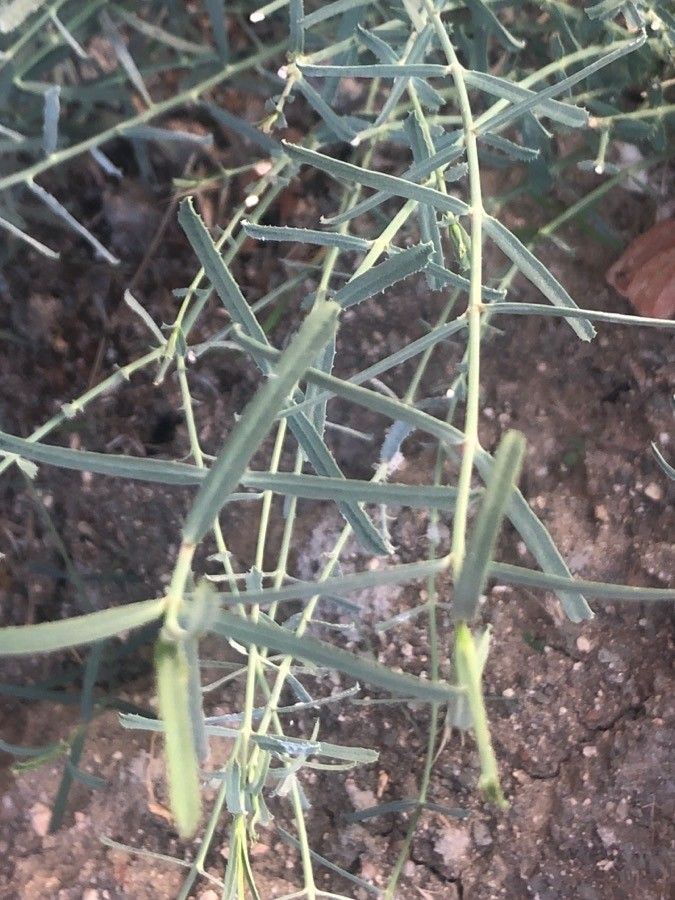
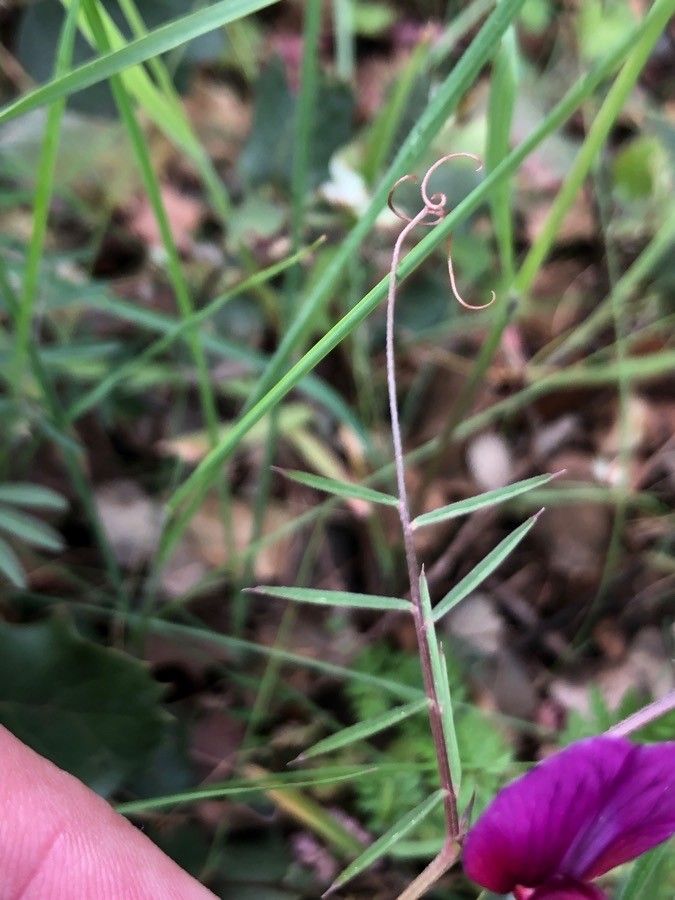
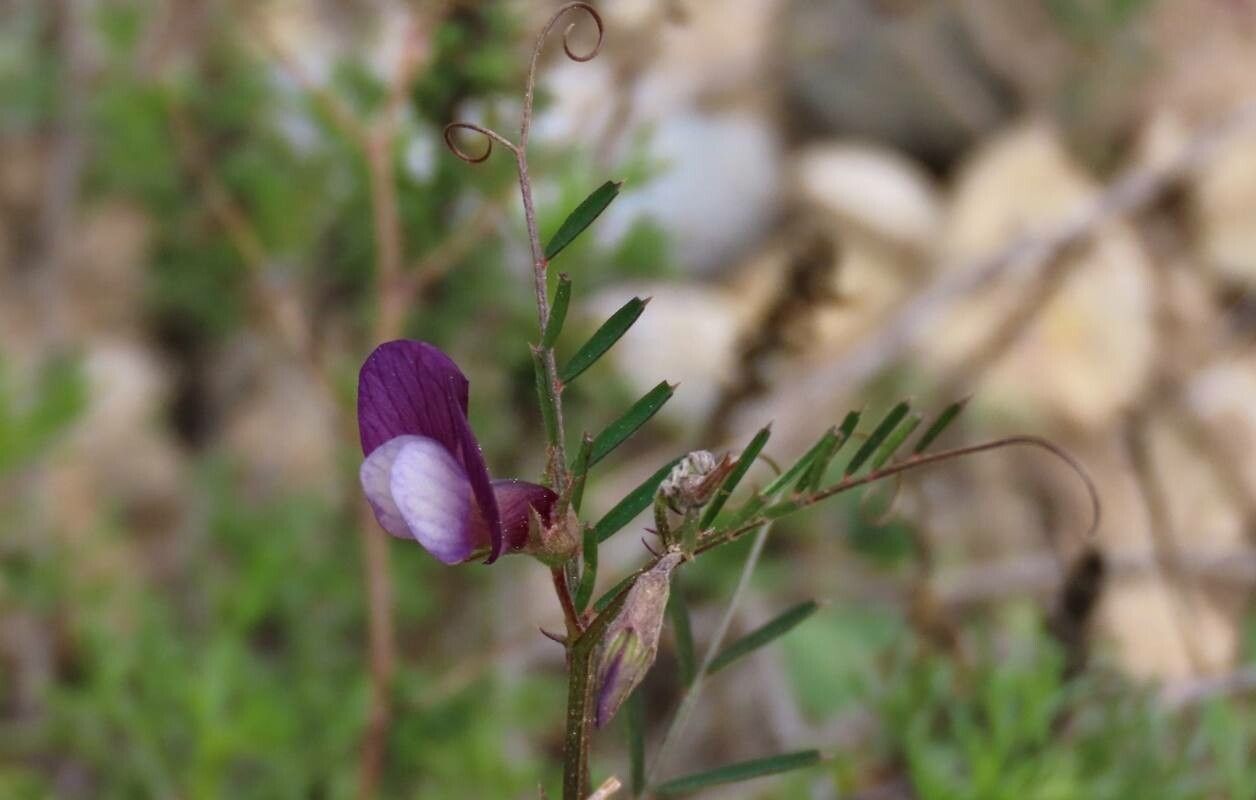
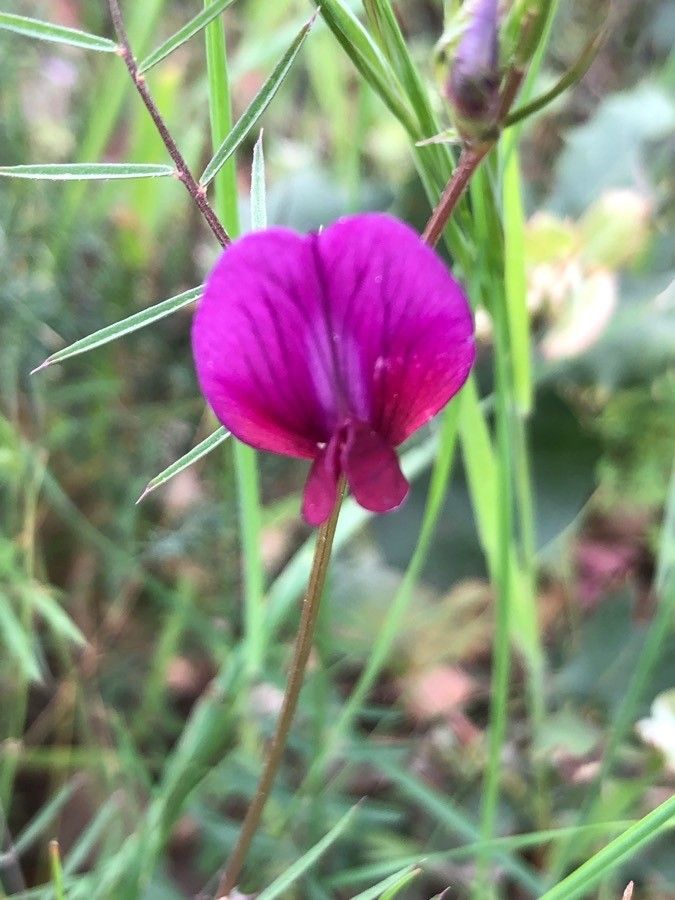
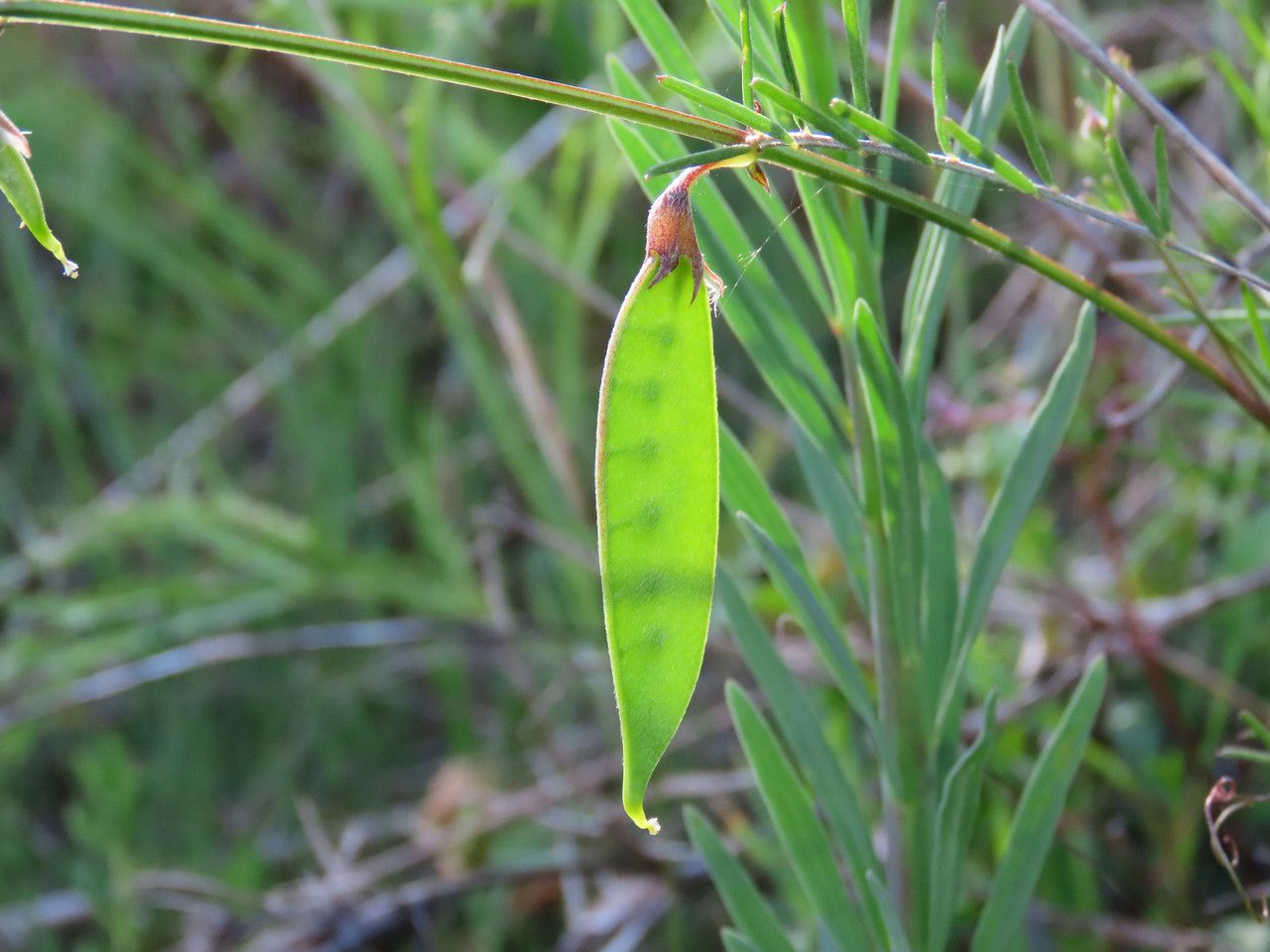
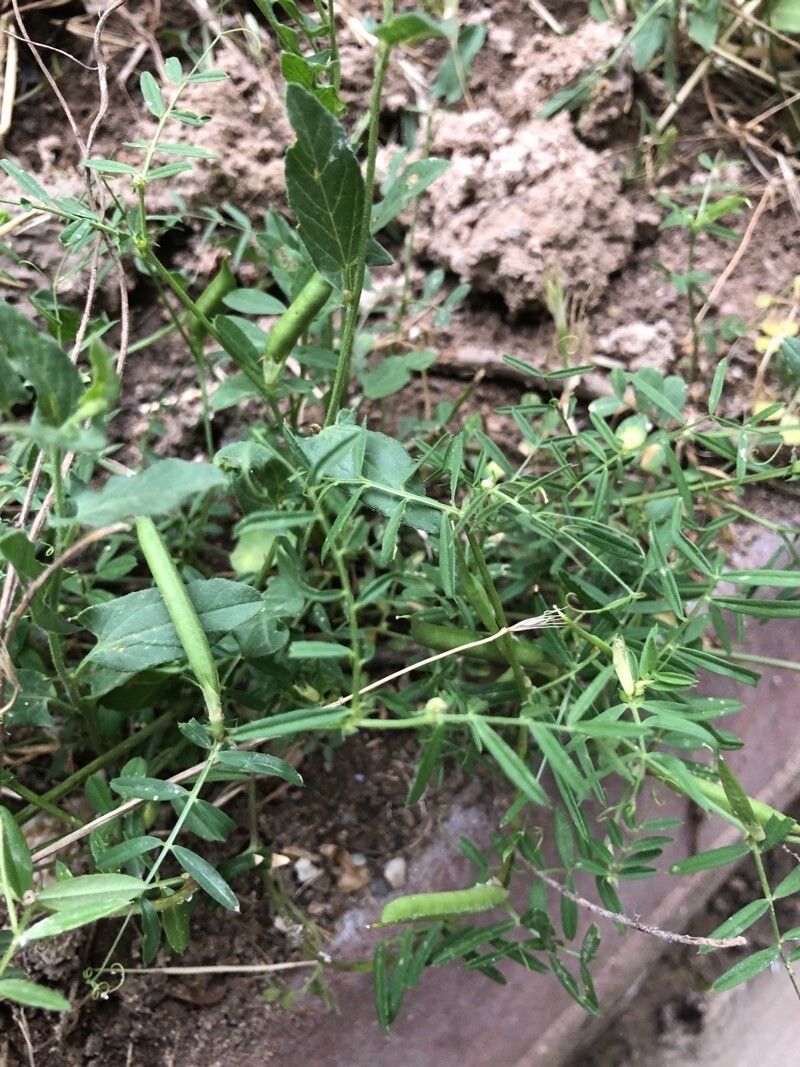
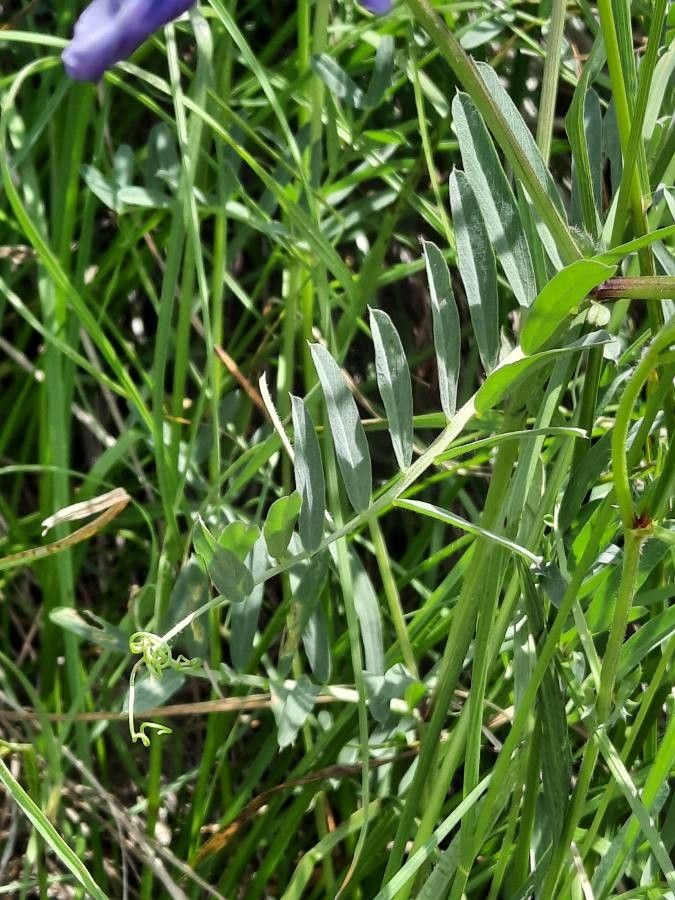
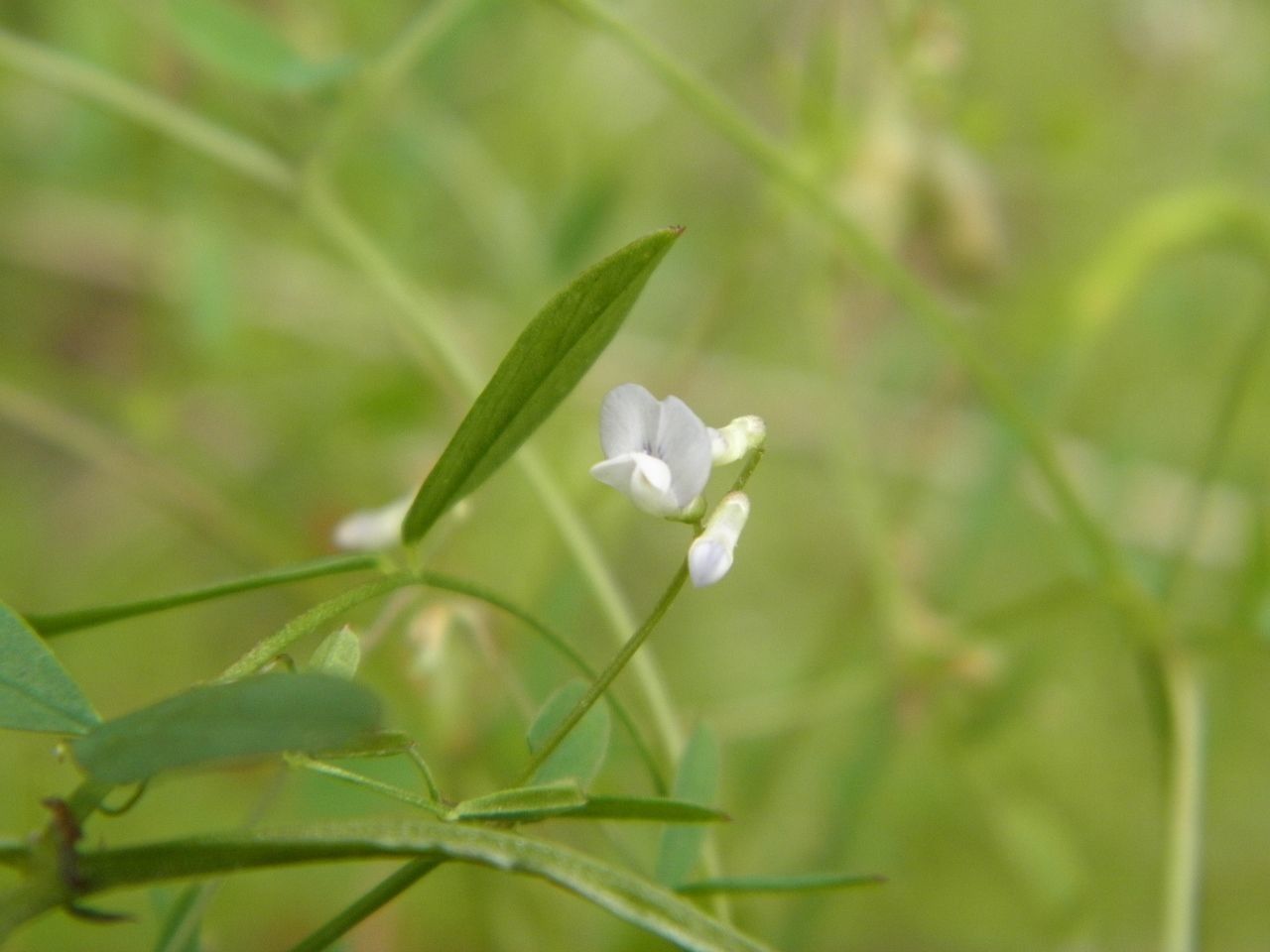
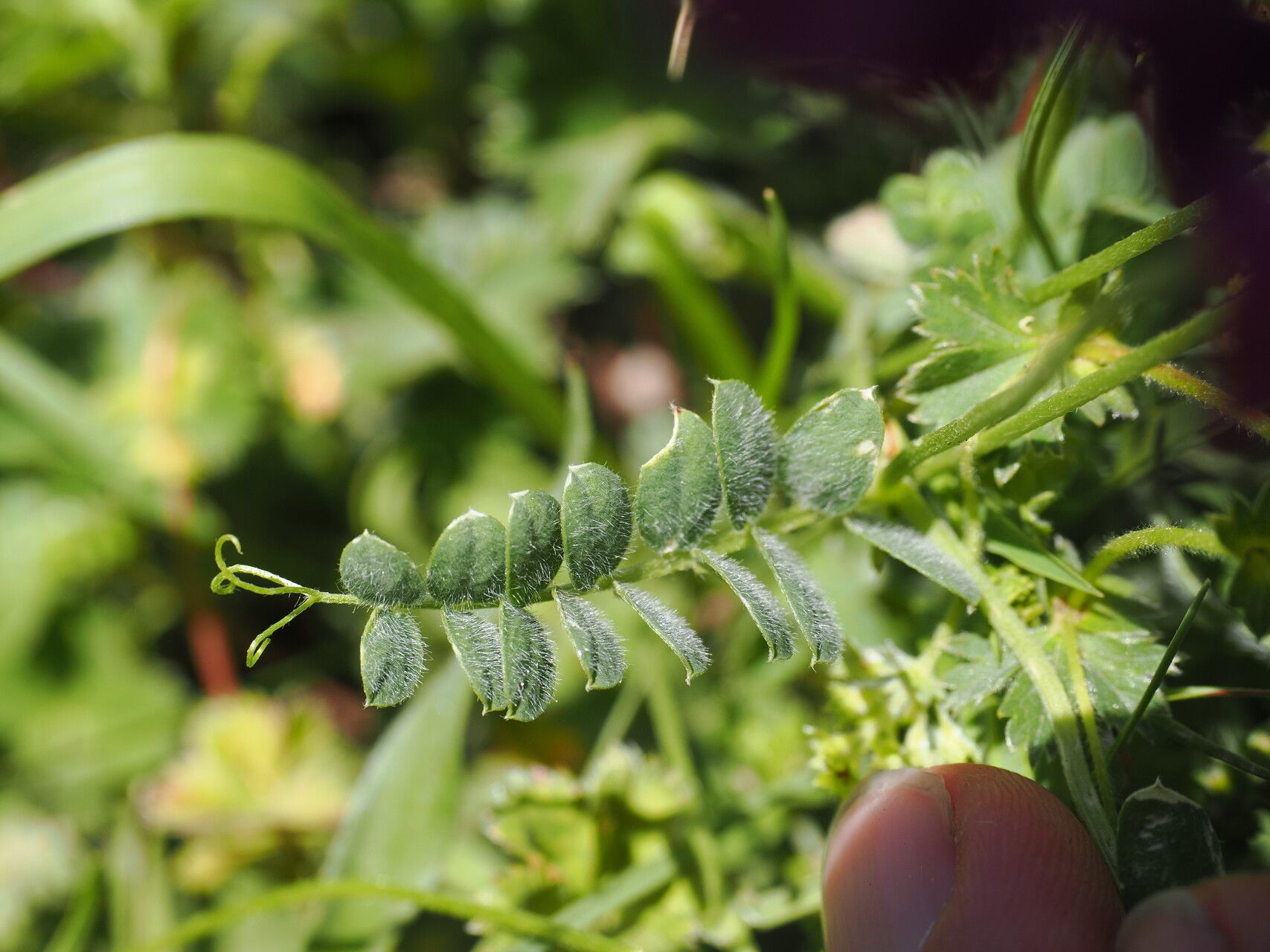
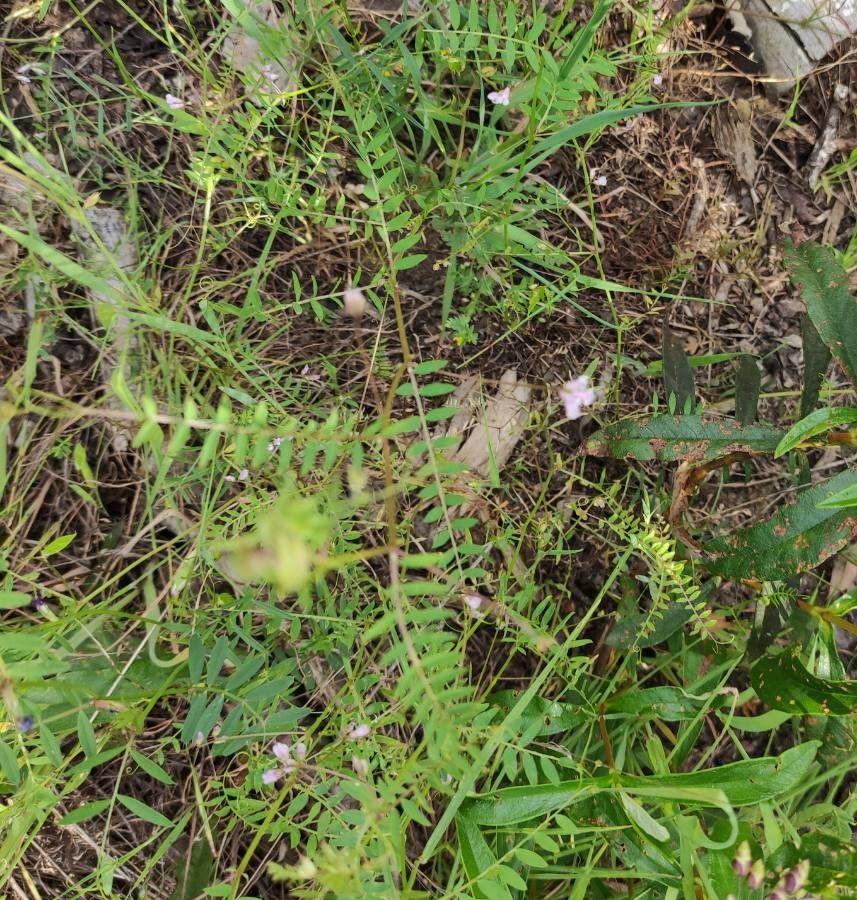
Vicia peregrina, the wandering vetch, is a species of annual herb in the family Fabaceae. They are climbers and have compound, broad leaves. Individuals can grow to 0.32 m.
Wandering vetch is fairly resistant to disease and generally not prone to them. However, it can be affected by pests and diseases present in its surroundings. These infections are typically mild. Regarding care, this plant requires moderate maintenance. Regular pruning is needed to maintain a neat appearance and healthy growth. Applying fertilizer can also encourage flowering. Wandering vetch is suitable for anyone with an outdoor area, such as a garden or patio, and does not demand extensive care experience. It may need more attention when grown indoors.
How to keep Vicia Peregrina.
Light
Wandering vetch comes from bright, open habitats and grows best in full sun. It can tolerate partial sun but favors direct sunlight for optimal growth. This species, which can be annual or biennial, is noted for its sun-loving habit.
Water
Wandering vetch thrives in moderately moist environments, needing consistent soil hydration. Ideally, it should be watered twice a week. This resilient plant, commonly found outdoors, benefits from rainwater and shows vigorous growth during the rainy season, aligning with its natural growth cycles.
Temperature
Wandering vetch is native to temperate climates and prefers a wide temperature range of 68–100°F (20–38°C). During seasonal transitions, careful adjustments may be needed to keep conditions within this preferred range.
Fertilizer
Wandering vetch responds well to regular, mild fertilizer applications to encourage healthy leaf growth. Fertilize wandering vetch about once a month during the summer. Nitrogen is essential for foliage, and providing nitrogen-rich sources helps wandering vetch prosper.
Pruning
To promote vigorous growth and manage the spread of wandering vetch, strategic pruning in early to late spring is essential. Remove damaged stems and trim overgrown areas to improve air circulation and encourage healthy foliage. This not only helps control the plant's size but also enhances its flowering potential and stimulates new growth.
Botanical profile.
- Plant Type
- Herb, Vine
- Life Cycle
- Annual
- Genus
- Vicia
- Family
- Fabaceae
- Hardiness Zone
- 9-12
- Mature Height
- 30 cm to 61 cm
- Mature Spread
- 20 cm to 40 cm
- Leaf Color
- Green, Dark Green
- Leaf Type
- Deciduous
- Flower Color
- Purple, Lavender
- Flower Size
- 1.02 cm to 1.52 cm
- Bloom Time
- Mid spring, Late spring, Early summer
- Planting Time
- Spring
- Harvest Time
- Summer
Other names.