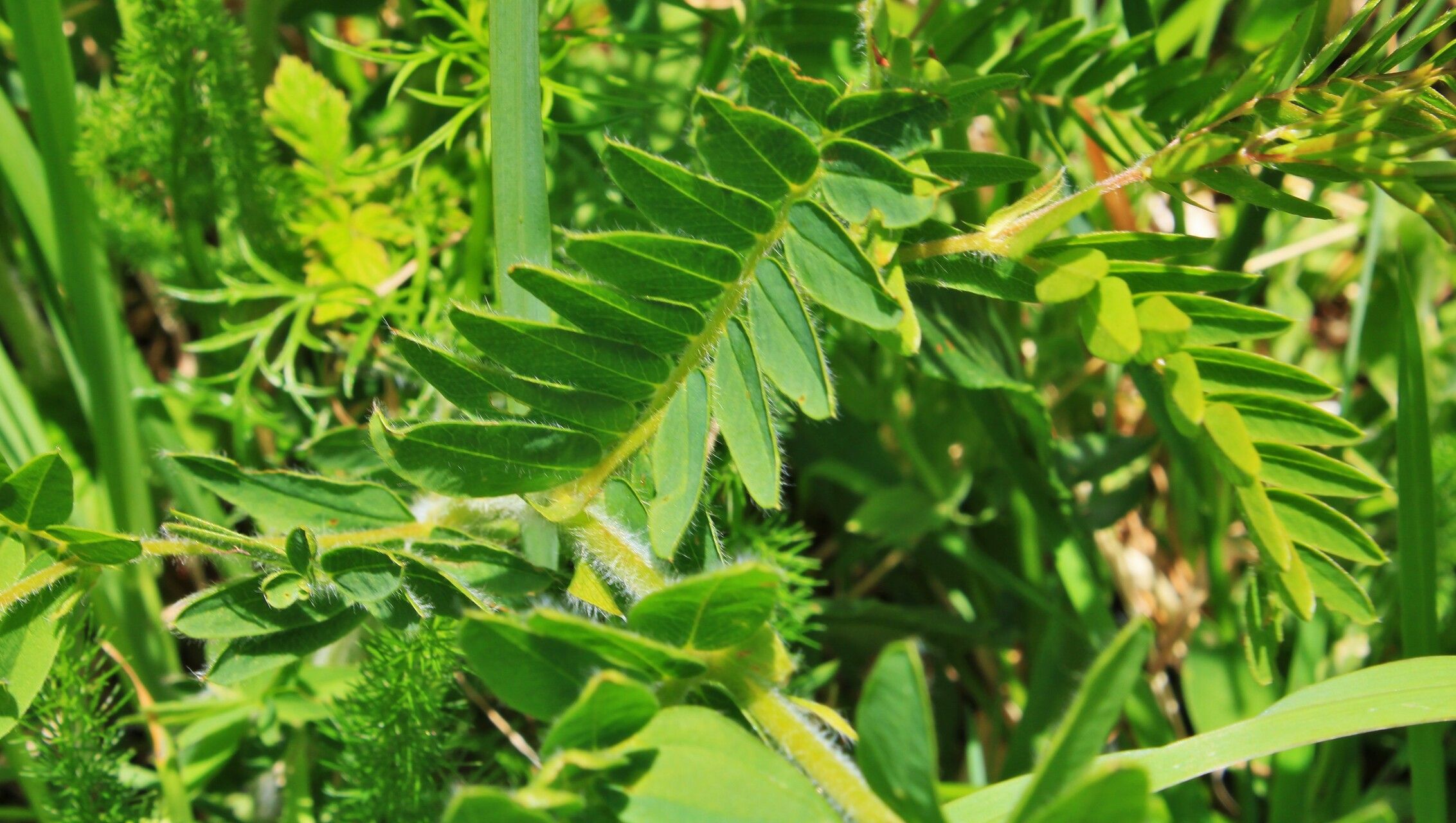
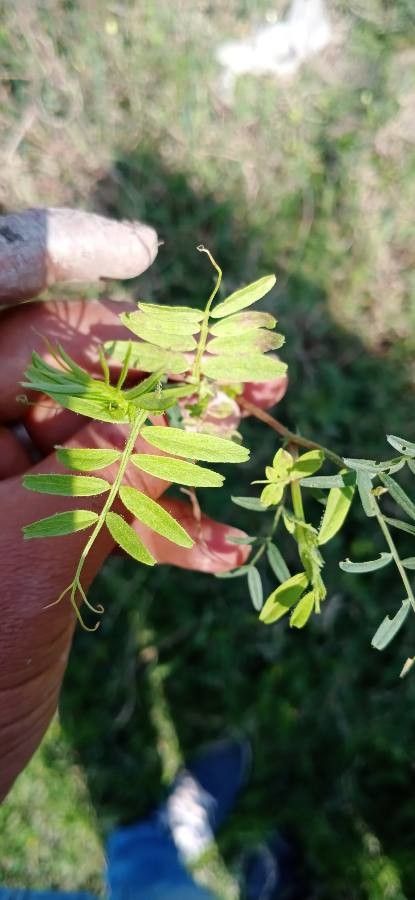
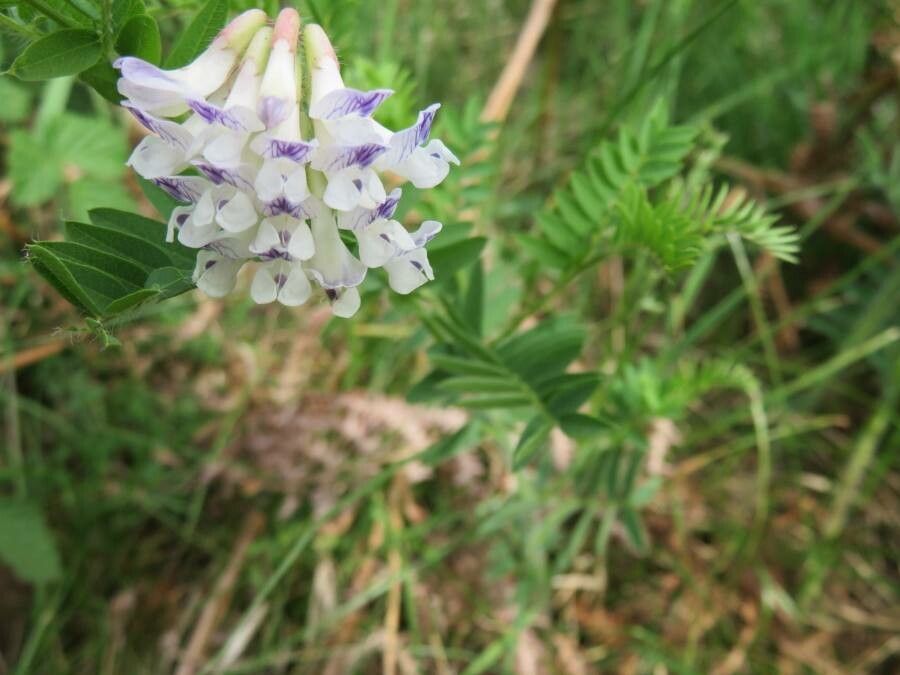
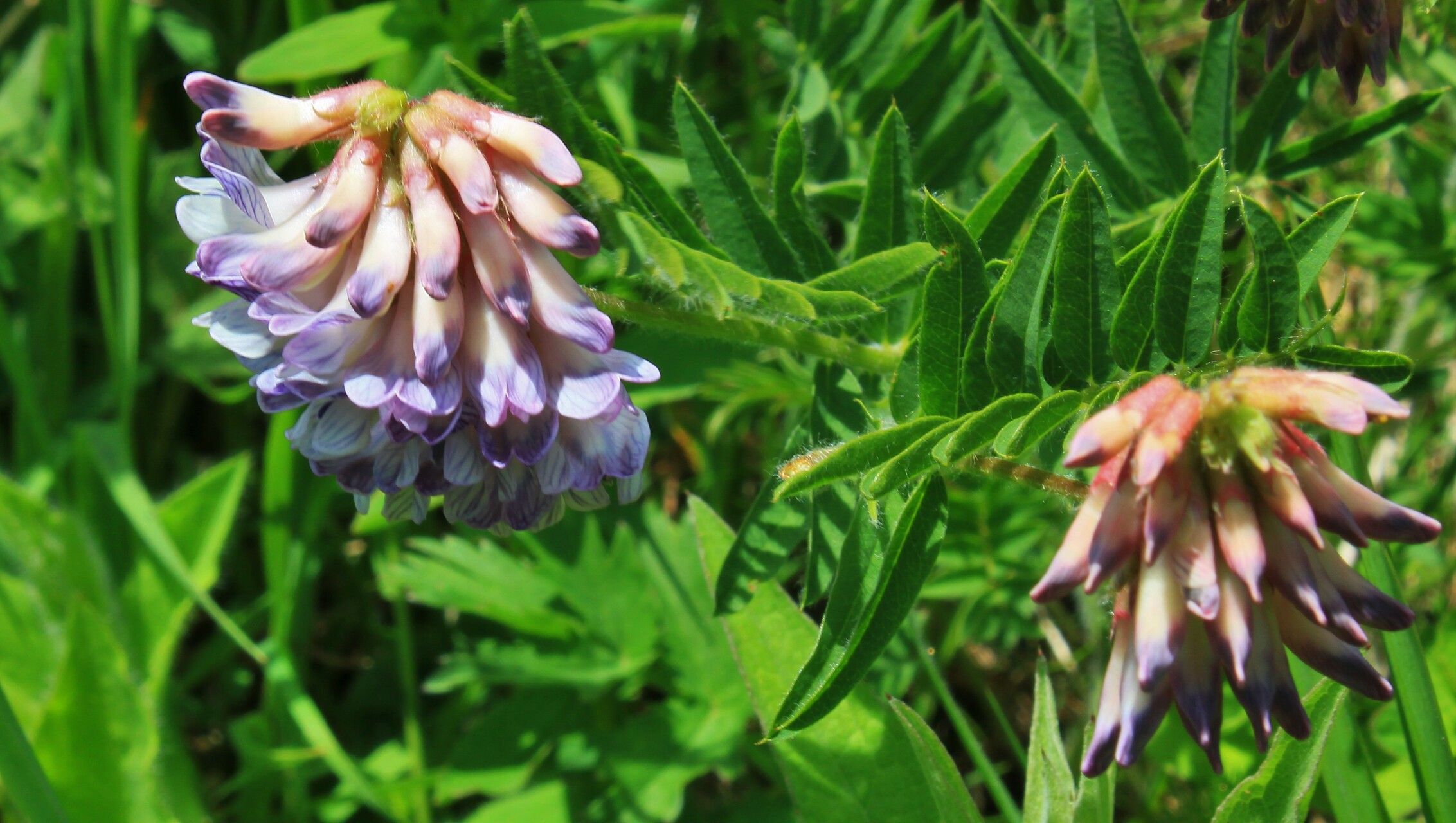
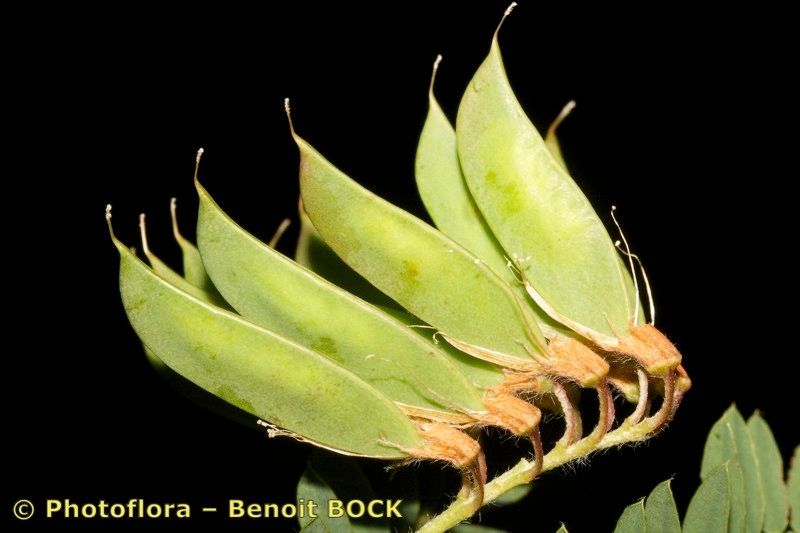
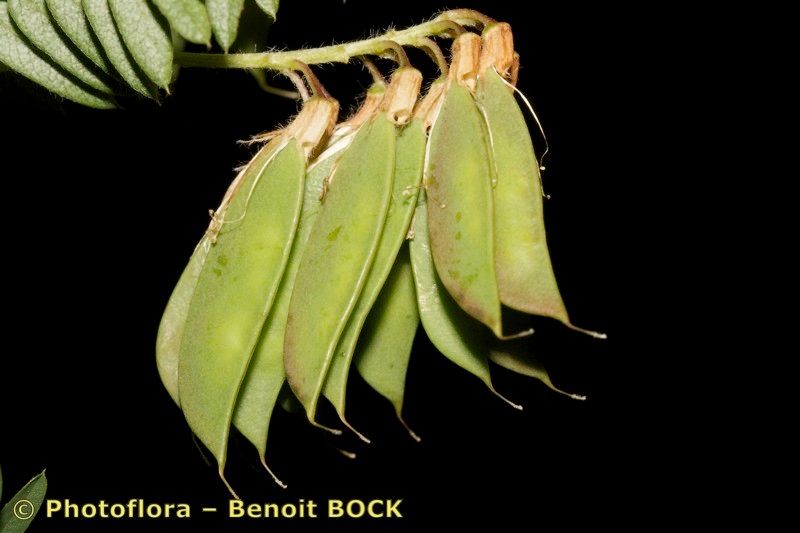
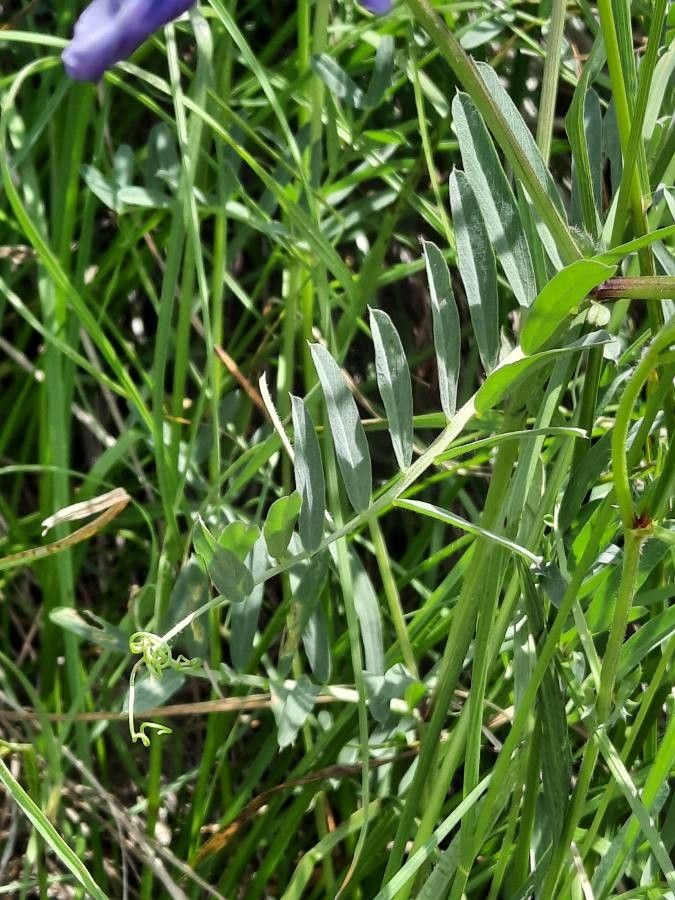
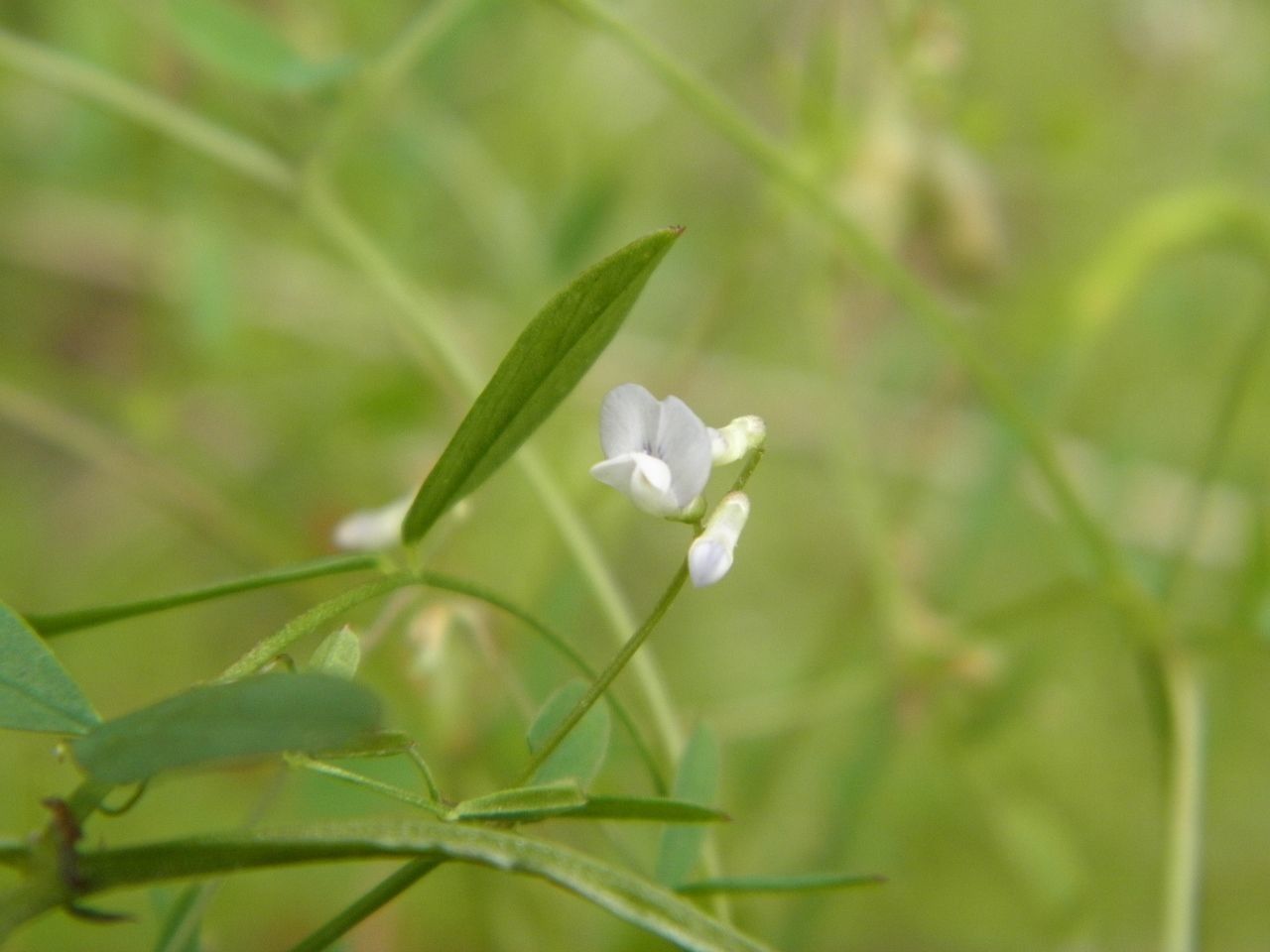
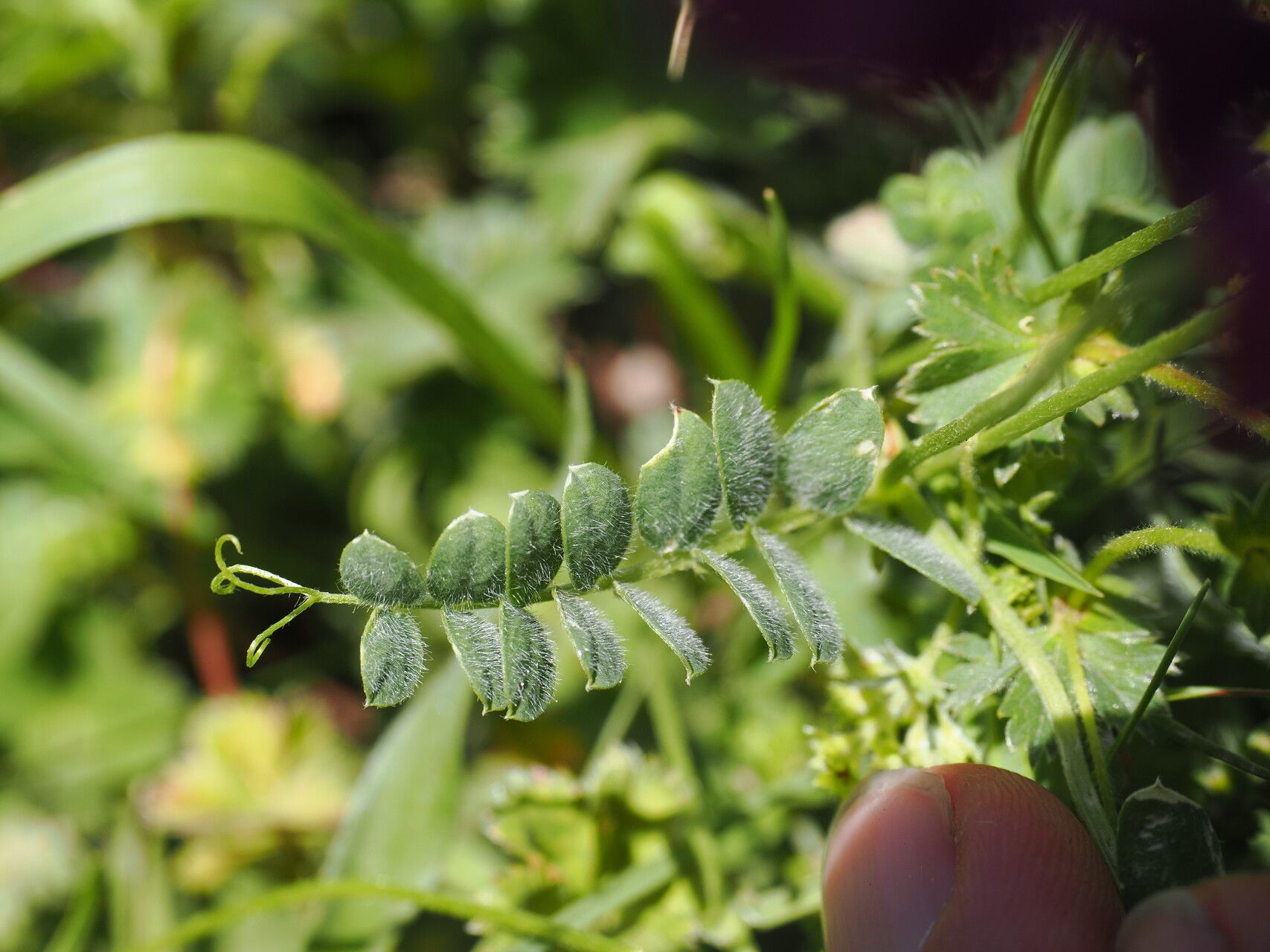
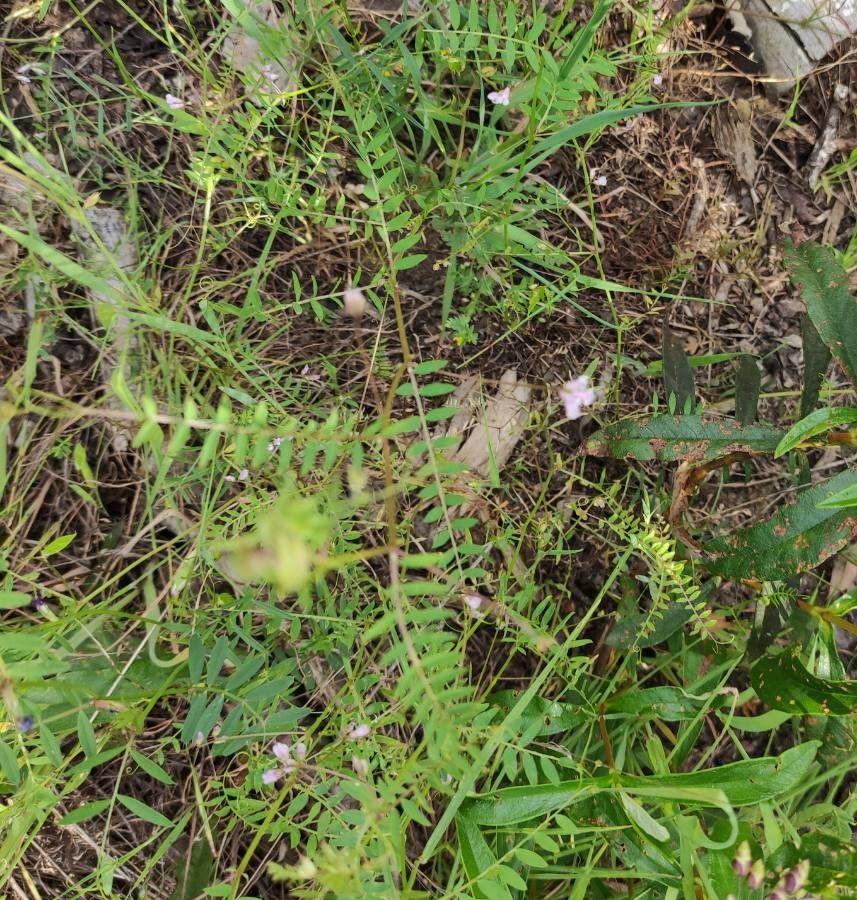
Vicia orobus is a species of leguminous plant in the genus Vicia, known as wood bitter-vetch. It is found in Atlantic areas of Europe, especially in the rocky edges of seasonally-grazed fields. It grows up to 60 cm (24 in) tall, and has no tendrils at the ends of its pinnate leaves. Its flowers are white with purple veins, and are borne in groups of 6 or more.
Upright vetch is fairly disease-resistant and usually does not suffer from many illnesses. Still, it can be vulnerable to pests and diseases present in its surroundings. These infections are typically not severe. For care, the plant requires moderate maintenance. It should be pruned regularly to maintain a neat appearance and healthy growth. Fertilizing can also help encourage flowering. Upright vetch is suitable for anyone with an outdoor area, such as a garden or patio, and does not need a lot of care experience. It may need more attention when grown indoors.
How to keep Vicia Orobus.
Light
Upright vetch does best with ample sunlight and can tolerate moderate light levels. Its growth may be impaired in dimly lit settings. This trait reflects its origins in sun-drenched habitats. Light deprivation can cause weak growth and pale foliage, while overly intense light can scorch the leaves.
Water
Upright vetch flourishes in temperate regions, where it prefers moderate moisture and consistently hydrated soil. To prevent waterlogging, water the plant once a week. Although it's primarily grown outdoors, upright vetch needs well-draining soil to thrive during the active growing season. It can tolerate brief periods of dryness.
Temperature
Upright vetch can tolerate a wide range of temperatures, but its distribution may still be constrained by various combinations of moisture and heat. It performs best in warm summer climates with sufficient rainfall or watering. Extended periods of cloudy, rainy weather, as well as prolonged high temperatures, can increase the chance of Upright vetch dying. In winter, appropriate protection from cold can raise the plant's survival prospects.
Fertilizer
A single fertilizer application in spring is generally adequate for Upright vetch, although several feedings can enhance growth. Apply fertilizer roughly once a month to once every six weeks. Fertilization improves leaf appearance and function, helping maintain uniform color and a healthy texture. It also promotes root development and nutrient uptake, supporting long-term plant health.
Pruning
Upright vetch is a plant known for its upright growth and beautiful purple flowers. It thrives when pruned from early to late spring. To promote healthy growth, it's important to remove dead stems and thin out dense clusters to improve air circulation. Regular trimming helps maintain the plant's shape, enhances its appearance, and prevents disease, ensuring it remains healthy throughout the season.
Botanical profile.
- Plant Type
- Herb
- Life Cycle
- Perennial
- Genus
- Vicia
- Family
- Fabaceae
- Hardiness Zone
- 4-8
- Mature Height
- 30 cm to 61 cm
- Mature Spread
- 20 cm to 40 cm
- Leaf Color
- Green, Dark Green
- Leaf Type
- Deciduous
- Flower Color
- White, Pink, Purple
- Flower Size
- 1.02 cm to 1.52 cm
- Bloom Time
- Late spring, Early summer, Mid summer
- Planting Time
- Spring, Summer
- Harvest Time
- Mid summer, Late summer, Early fall
- Native Area
- Norway, Germany, Spain, Switzerland, Denmark, France, Ireland, United Kingdom, Belgium, Portugal
Other names.
Reader questions.
How should I water my Upright vetch plant?
When watering the Upright vetch, it is important to use filtered water that is at room temperature. This is because tap water may contain harmful particles for the plant. The Upright vetch comes from a warm environment, so it is best to use room temperature or slightly warmer water to avoid shocking its system. It is also recommended to avoid overhead watering, as it can cause issues with the foliage. Instead, it is better to directly apply filtered room temperature water to the soil until it is completely soaked. This helps to moisturize the roots and support their spreading through the soil to collect necessary nutrients.
What are the sunlight requirements for Upright Vetch?
Upright Vetch thrives best with abundant solar exposure, ideally thriving in full sun conditions, which means it requires above 6 hours of sunlight daily. However, it can also tolerate partial sun, needing about 3-6 hours of sunlight. It's important to monitor how sunlight moves through your garden to find spots that offer a good balance of light and shade. Inadequate sunlight might lead to weak growth and pale foliage for this sun-loving plant.
What is Upright vetch?
Upright vetch, known botanically as Vicia orobus, is a plant species. Unfortunately, the provided data does not include specific details about its essentials or symptoms, nor does it include additional information. For more comprehensive details about Upright vetch, including its uses, habitat, and cultivation, further research might be necessary.
What should I do if I give my Upright vetch plant too much or too little water?
Overwatering and underwatering can harm your Upright vetch plant, but overwatering is more common. When it gets too much water, the stems and leaves may wilt and turn yellow. This can also lead to diseases like root rot, mold, and mildew, which can be fatal for your plant. Underwatering is less likely, as the Upright vetch can tolerate drought. However, if it does happen, the leaves may become brittle and brown. It's important to notice the signs of overwatering early on. Some diseases caused by overwatering may not be fixable if you wait too long. If you see these signs, reduce watering and check the soil drainage. If the soil drains poorly, replace it with a well-draining potting mix. If signs of underwatering are present, simply water the plant more regularly until the signs disappear.
How does artificial lighting support the growth of Upright Vetch indoors?
Indoor plants like Upright Vetch require adequate lighting, especially when natural sunlight is insufficient. During winter or in spaces not well-lit, artificial lighting becomes crucial. LED lights, being a popular choice, should be customized to provide specific wavelengths of light the plant needs. Full sun plants need 30-50W/sq ft, partial sun plants 20-30W/sq ft, and full shade plants 10-20W/sq ft of artificial light. The light source should be placed 12-36 inches above the plant, mimicking natural sunlight for 8-12 hours per day to encourage healthy growth.
How frequently should I water my Upright vetch?
If your plant is in a pot, you can determine if your Upright vetch needs water by checking the soil. Simply stick your finger into the soil and if the top two to three inches are dry, it's time to water it. If you have your Upright vetch planted outdoors, you can use the same method to test the soil. Once again, if the first few inches of soil have dried out, it's time to water. In the spring and early fall, you'll likely need to water your plant once a week using this method. However, during very hot weather, you may need to increase watering to twice or more per week. It's worth noting that mature and well-established Upright vetch plants have a good ability to withstand drought.
What are the key symptoms of light deficiency in Upright Vetch?
Light deficiency in Upright Vetch can manifest as smaller new leaves, leggy or sparse growth, accelerated leaf droop, slower or halted growth, paler new leaves, and a condition known as chlorosis, where leaves lose their green hue. Excessive sunlight, conversely, may cause symptoms such as sunscald, leaf curling, wilting, leaf scorching, and the plant turning a pale, bleached color. These symptoms reflect the plant's struggle to adapt to its lighting conditions.
How much water does my Upright vetch plant need?
When watering your Upright vetch, don't hold back on the amount of water you give it. Wait until the top two to three inches of soil are dry and then give it a good, thorough watering. Make sure the water saturates the soil completely and that excess water drains out of the pot's drainage holes. If you don't see any excess water draining, you may have not watered it enough. However, be careful not to let the water accumulate in the soil, as that can harm the plant. On the other hand, if the water is not draining properly, it could mean that the soil is not draining well and that can also be harmful to the plant. If the plant is outside, it typically needs about an inch of rain per week.
What solutions can improve the health of Upright Vetch experiencing light deficiency or excess?
For indoor Upright Vetch, improving health can involve gradually moving the plant to a sunnier spot or using artificial light if the plant is large or not movable, ensuring at least 6 hours of direct sunlight daily. Outdoor plants should also be moved gradually to avoid shock, and for ground plants, it's beneficial to reduce obstructions like overhanging branches. Using professional grow lights for ample light or keeping a lamp on for at least 8 hours a day can also help. For parts of the plant damaged by inadequate sunlight, recovery may not be possible, but new growth should be healthy with better light conditions.
How should I water my Upright vetch as it grows at different stages?
The water needs of the Upright vetch plant can vary depending on its growth stages. In the early years and after transplanting, you will need to water it more than usual. This is because during these stages, the plant focuses on developing new roots to support future growth, and these roots require additional moisture. However, as the plant matures, it will require less water. Another stage where more water may be needed is during the bloom period, as flower development consumes a significant amount of moisture.
How do I water my Upright vetch all year round?
The water needs of the Upright vetch vary depending on the season. During the hottest months of the year, especially in the height of summer, the plant requires more frequent watering. This may mean watering it more than once per week, depending on how fast the soil dries out. On the other hand, during winter, the plant goes into a dormancy phase and needs significantly less water. In fact, you may not even need to water it at all during the winter months. However, if you do choose to water it during this time, it's important to limit it to about once per month. Overwatering during winter can increase the risk of the Upright vetch getting a disease.
What's the difference when I water my Upright vetch plant inside compared to outside?
For gardeners who don't live in temperate or tropical regions, growing the Upright vetch indoors is the most common practice. However, it's important to consider that soil in a container tends to dry out faster than ground soil. Moreover, if there are drying elements like air conditioning units present, the Upright vetch indoors may require more frequent watering compared to if it were planted outside. In the latter case, watering the Upright vetch may not be necessary at all, especially if there is regular rainfall. On the other hand, if you are growing this plant indoors, you will need to water it more often since relying on rainwater to soak the soil is not an option.