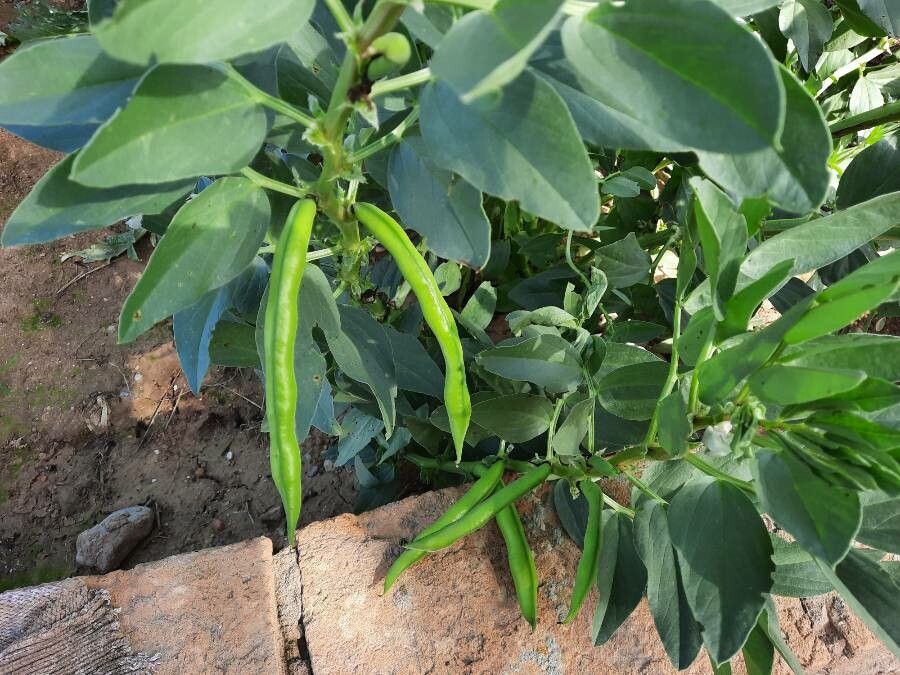
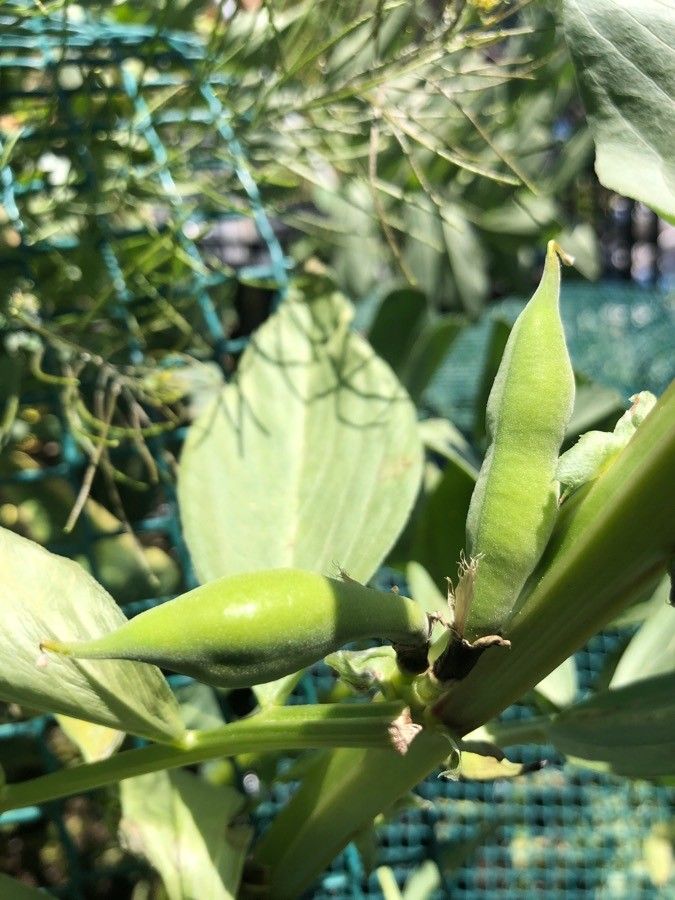
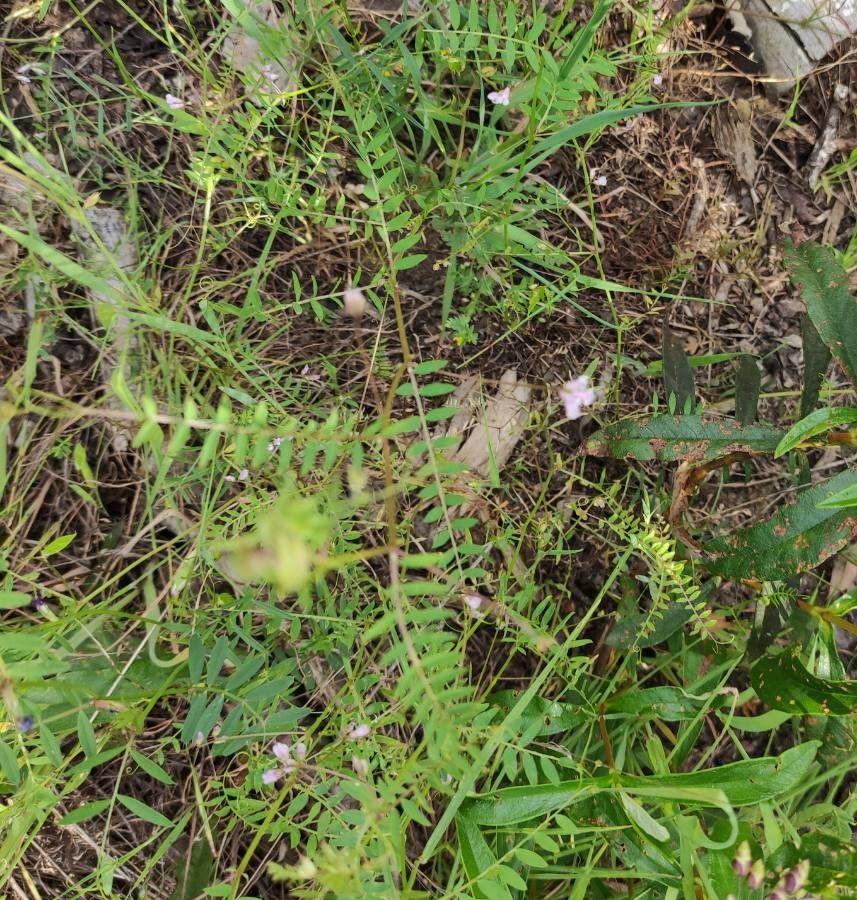
Vicia faba, commonly known as the broad bean or fava bean, is a species of flowering plant in the pea family Fabaceae. It is an annual plant that can grow up to 1.5 meters tall and produces large pods containing 2-7 seeds each. These seeds are rich in protein and serve as a staple food in many cultures across the globe.
Native to North Africa and Southwest Asia, the broad bean has been widely cultivated throughout Europe, Asia, Africa, and the Americas for thousands of years. It thrives in cool temperatures and can be grown as a winter crop in many regions.
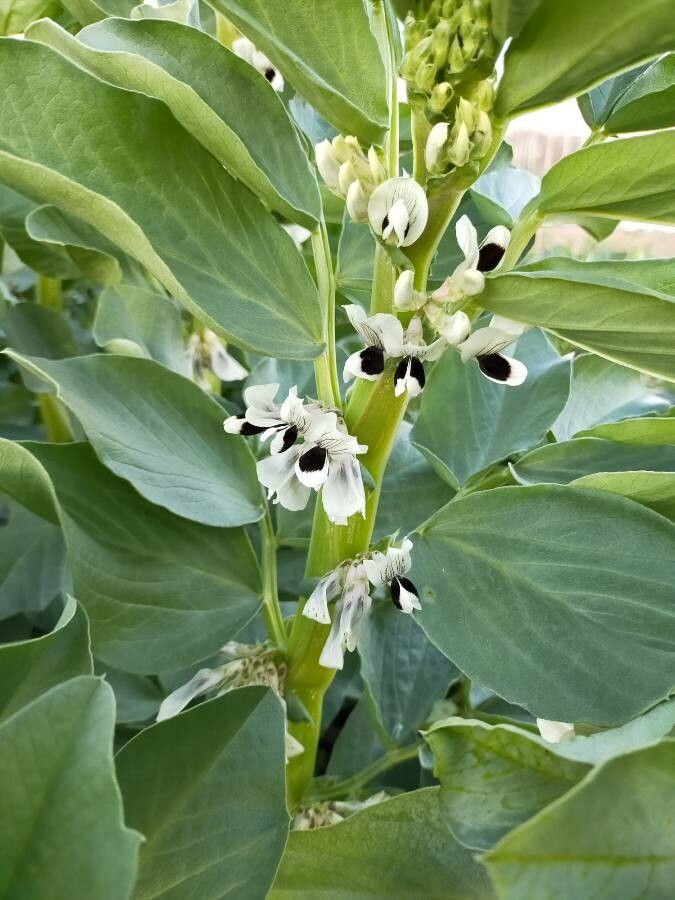
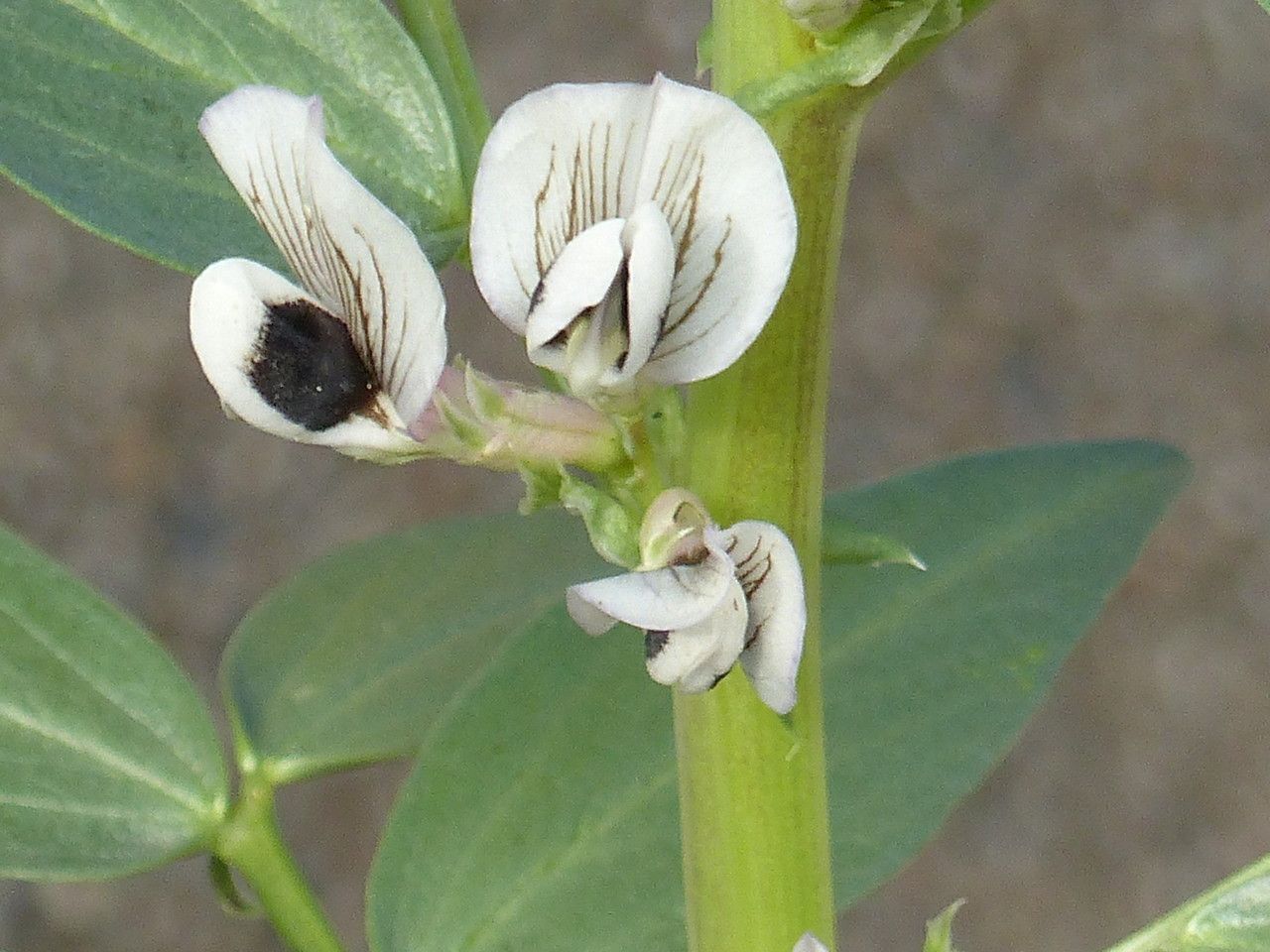
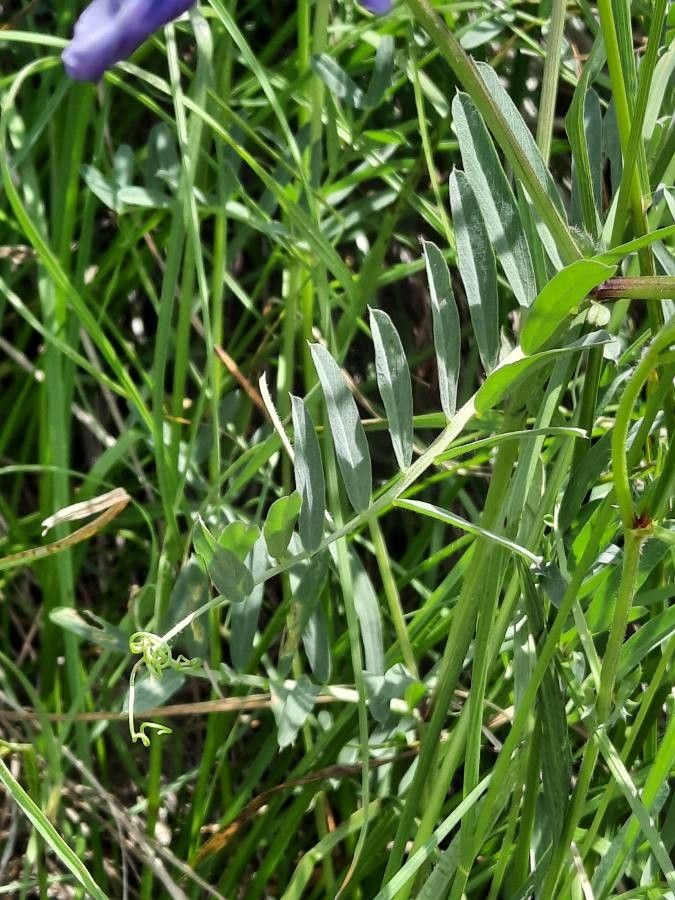
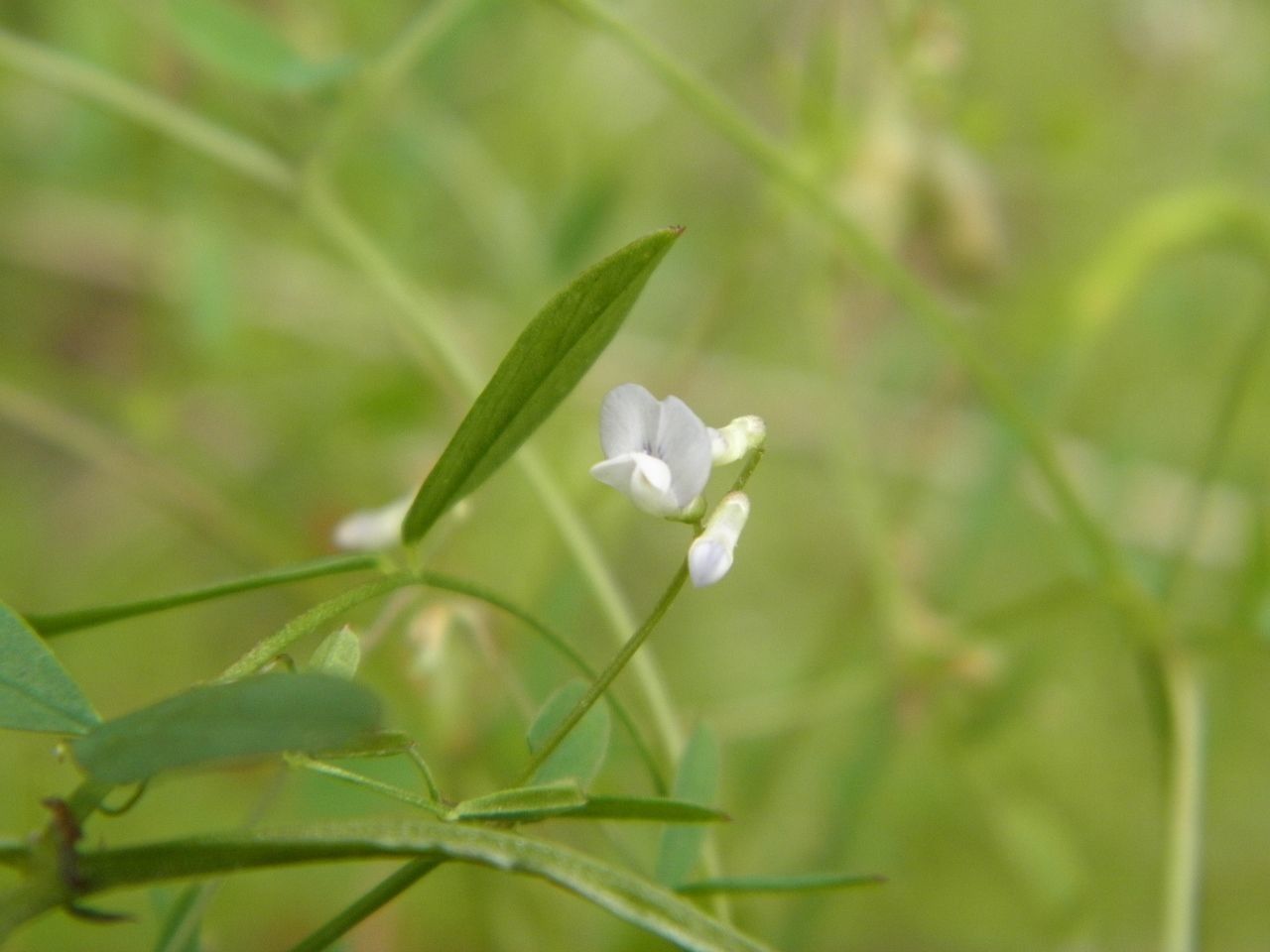
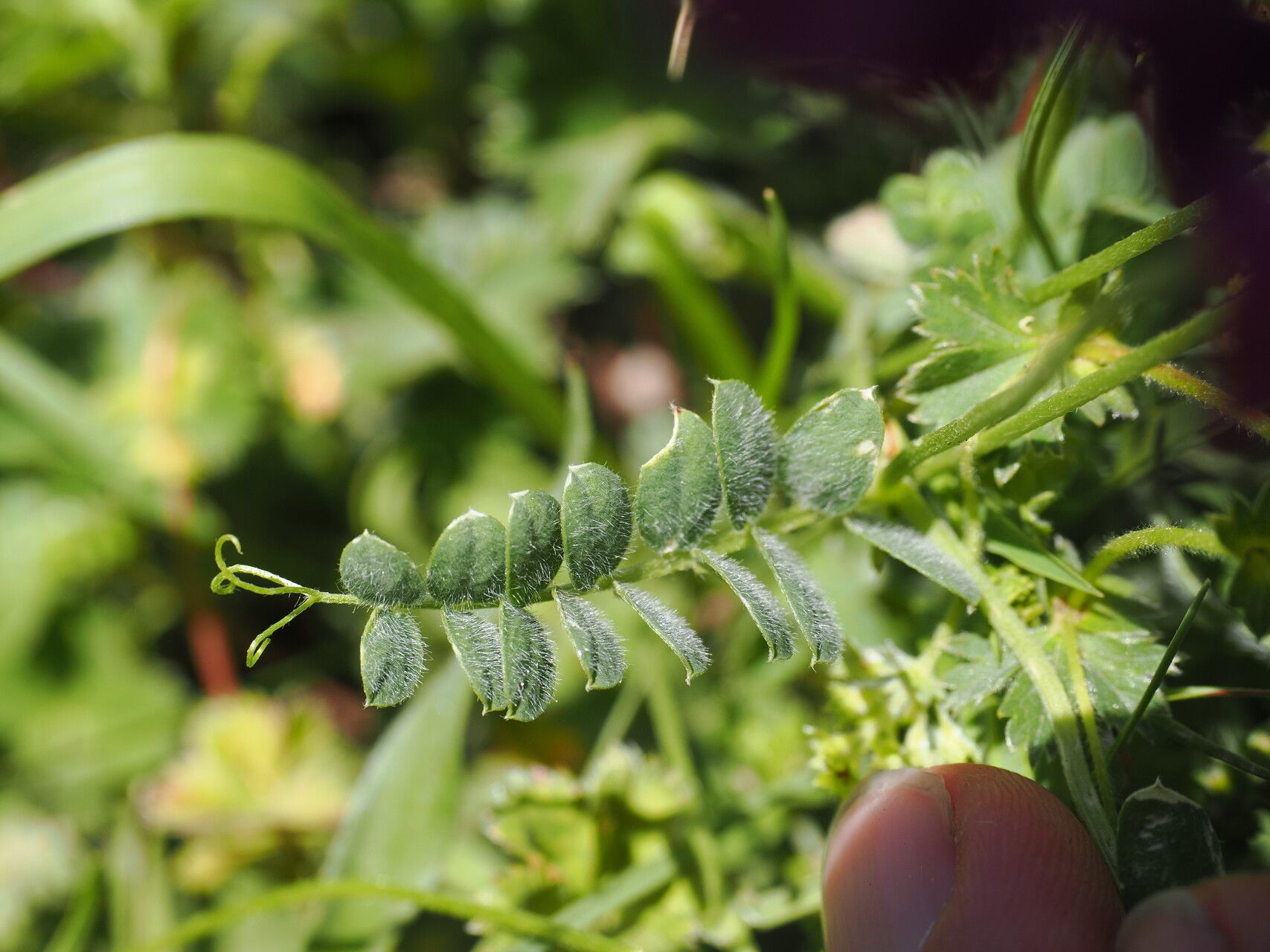
The plant has an upright growth habit with large leaves composed of several leaflets. Its flowers are either white or pinkish-purple, adorned with distinctive black markings on the petals.
Broad beans have been used for food since ancient times due to their high nutritional value. They are rich in protein, fiber, and vitamins B1 and B6, as well as minerals such as iron, potassium, and magnesium.
In addition to human consumption, both fresh and dried beans are used for animal feed because of their high nutritional value. This dual-purpose use makes the broad bean an economically and nutritionally important crop worldwide.
Broad bean has moderate resistance to disease but can be susceptible to problems like leaf spot. Its sensitivity to insect pests varies with the variety, though most cultivars are relatively lacking in pest resistance. For care, broad bean needs regular watering and fertilization, and yellow leaves should be removed often. It is important to control pests and diseases when they appear and to harvest the crop promptly. Broad bean is suitable for people who can spare some time and energy for regular upkeep.
How to keep Vicia Faba.
Light
The broad bean grows best with plenty of sunlight during the day. Its native habitat is one with abundant sun. While it can cope without sunlight, this may lead to reduced growth or lower yields. Conversely, excessive sun can cause wilting or scorched leaves. Different growth stages may require varying light intensities.
Water
The broad bean, native to the Mediterranean and southwestern Asia, needs moderate weekly watering to keep the soil consistently moist during its active growing season. As an annual legume, it grows best when rainfall patterns are steady, so additional watering is necessary during dry spells to ensure successful flowering and pod development.
Humidity
This plant prefers dry conditions, so don't mist it. However, watering it less often can also thrive in higher humidity.
Temperature
Broad bean originates from a natural growing habitat where it performs best at temperatures between 68 to 95 °F (20 to 35 ℃). Different seasons may call for certain adjustments to meet its temperature requirements. Care must be taken not to stray from its preferred climatic conditions.
Fertilizer
For best growth, Broad bean needs three fertilizer applications: before planting, one month after seedlings emerge, and a final application 1 to 1.5 months after the second. Some Broad bean varieties also benefit from extra fertilizer at planting to encourage rapid growth.
Pruning
The broad bean is an annual legume characterized by its broad, upright stems and large pods. To enhance airflow, remove damaged stems, and encourage branching—which in turn improves health and yield—it's important to prune these plants from early to late spring. Regular pruning helps maintain the plant's optimal size and shape, promoting vigorous growth.
Botanical profile.
- Plant Type
- Herb, Vine
- Life Cycle
- Annual, Biennial
- Genus
- Vicia
- Family
- Fabaceae
- Hardiness Zone
- 4-8
- Mature Height
- 91 cm
- Mature Spread
- 46 cm
- Leaf Color
- Green
- Leaf Type
- Deciduous
- Flower Color
- White, Purple
- Flower Size
- 2.03 cm to 3.05 cm
- Bloom Time
- Spring
- Planting Time
- Spring, Autumn
- Harvest Time
- Mid spring, Late spring, Early summer
- Native Area
- Iraq
Other names.
Reader questions.
How should I water my Broad bean plant in the best way?
The Broad bean has specific preferences for both the amount and method of watering. Improper watering techniques can harm your tomatoes. It is recommended to water the Broad bean by applying water directly to the soil in a slow and gentle manner, rather than pouring all the water at once or using overhead watering methods. While watering slowly, it is important to ensure that the soil is sufficiently moist by watering deeply.
Why should I put fertilizer on my Broad bean?
Every type of plant needs nutrients to grow well. When we grow Broad beans for fruit, it's best to supplement the soil with more nutrients. The main macronutrients, like phosphorus, play different roles in promoting plant growth. Phosphorus specifically helps with flower and fruit formation. However, a plant also needs a strong root system and healthy leaves to absorb sunlight in order to produce flowers and fruit. Without enough macronutrients, plants become weak, grow slowly, and may wilt. Flowering and fruiting require a lot of energy, so if plants lack these essential components, the resulting fruit will reflect that deficiency.
What are the sunlight requirements for growing Broad Beans?
Broad beans thrive best when they receive significant amounts of sunlight throughout the day. They need full sun, which is above 6 hours of sunlight daily, or partial sun, about 3-6 hours of sunlight. Watching how sunlight moves through your garden is vital to find spots that provide the perfect balance of light and shade, ensuring your plants grow healthy and happy.
What are the ideal growing temperatures for Broad beans?
Broad beans thrive best in a temperature range of 68 to 95°F (20 to 35°C), which is their native growth environment. They prefer relatively warm temperatures and it's beneficial for their growth to maintain the temperature above the minimum suitable growth temperature during winter cultivation. The plant should be protected from temperatures dropping below freezing point to prevent freezing damage. When outdoor temperatures approach -5°C (25°F) during winter, it is recommended to bring the Broad beans indoors or provide protection by setting up a temporary greenhouse or using materials such as plastic film or fabric to wrap the plant.
What should I do if I give my Broad bean too much or too little water?
If you accidentally overwater your Broad bean and are worried about disease, take immediate action. The best solution for an overwatered Broad bean is to remove it from its current spot. Let the plant's roots dry out a bit before replanting it in a new spot with well-draining soil. If you usually grow your plants in pots, consider transferring it to a pot with better drainage. On the other hand, if you have been underwatering your plant, simply increase the frequency of watering.
When should I fertilize my Broad bean?
Broad beans are a summer crop, so they should be planted in the spring for summer fruit production. To ensure high-quality produce, it's important to check the specific variety for the optimal planting time. Broad beans thrive in rich, fertile soil, so before planting, mix in a 2 inch layer of compost or well-rotted manure. These materials not only provide essential nutrients for the beans but also improve soil drainage. For transplants, fertilizer can be applied immediately after planting, whereas seedlings should reach a height of 2 to 4 inches before their first fertilization. Established plants should be fed every 3 to 4 weeks throughout the growing season, until the first frost or when the plant stops producing. It is crucial to consider the specific type of fertilizer and the variety of broad beans to tailor the fertilization schedule accordingly. If unsure, it is better to err on the side of less fertilization.
How does sunlight affect the growth of Broad Beans?
Sunlight plays a critical role in the growth and health of broad beans, which originate from habitats abundant in sunlight. Insufficient sunlight can lead to stunted growth or reduced yield, while too much sun may cause wilting or foliage scorching. Throughout various growth stages, broad beans may require different light intensities to thrive.
How do Broad beans react to low temperatures and what are the solutions?
Broad beans have a moderate tolerance to low temperatures, thriving best when the temperature is between the suitable growth temperature minimum and maximum. During winter, the temperature should be kept above the tolerable growing temperature minimum. When the temperature falls below the growth limit temperature, the leaves may darken, and in severe cases, symptoms like water-soaked necrosis, wilting, drooping, and browning of leaves can occur. The solution includes trimming away frost-damaged parts and immediately moving the plant indoors to a warmer environment or setting up a makeshift greenhouse for cold protection. A location near a south-facing window should be chosen to ensure ample sunlight indoors, and if there is insufficient light, supplemental lighting may be used.
How often do I need to water my Broad bean?
Broad bean requires a lot of water throughout the growing season. To meet this need, water your Broad bean early and often in the spring and summer. At the beginning of the season, water it once or twice a week. As the season progresses, increase watering frequency. During the summer, if necessary, water it twice a day or more depending on the weather. Once the major growth phases are over, you can reduce watering to once a week until the end of the season.
When is it best to not put fertilizer on my Broad bean plants?
To ensure optimal growth of Broad bean plants, it is important to be mindful of the type and timing of fertilizer used. Avoid using fertilizers high in nitrogen as this can result in excessive leaf growth but limited flowering and fruiting. Instead, opt for fertilizers with lower nitrogen levels in relation to other nutrients. Additionally, it is best not to fertilize Broad bean plants during periods of high temperature or dry conditions. Under such circumstances, fertilizers may wash away before being absorbed by the soil and plants may have reduced capacity to take in nutrients. This can pose a risk to the plants during droughts or heatwaves.
Can artificial lighting substitute for natural sunlight for Broad Beans?
Yes, artificial lighting can be a crucial solution for growing broad beans indoors, especially when natural sunlight is insufficient. LED lights are recommended because they can be adjusted to provide specific wavelengths needed by plants. The general guideline is that full sun plants need 30-50W/sq ft, partial sun plants need 20-30W/sq ft, and full shade plants require 10-20W/sq ft of artificial light. Proper placement and duration, mimicking natural daylight hours, are essential for promoting healthy growth.
What effects do high temperatures have on Broad beans and how can they be mitigated?
During summer, it's important to keep Broad beans below the suitable growth temperature maximum. If the temperature exceeds the tolerable growing temperature maximum, the plant's growth may slow, leaves can become lighter in color, and the plant becomes more prone to sunburn. To mitigate these effects, trim away the sunburned and dried-up parts. Move the plant to a location that provides shade during the afternoon sun. To keep the soil moist, water the plant in the morning and evening.