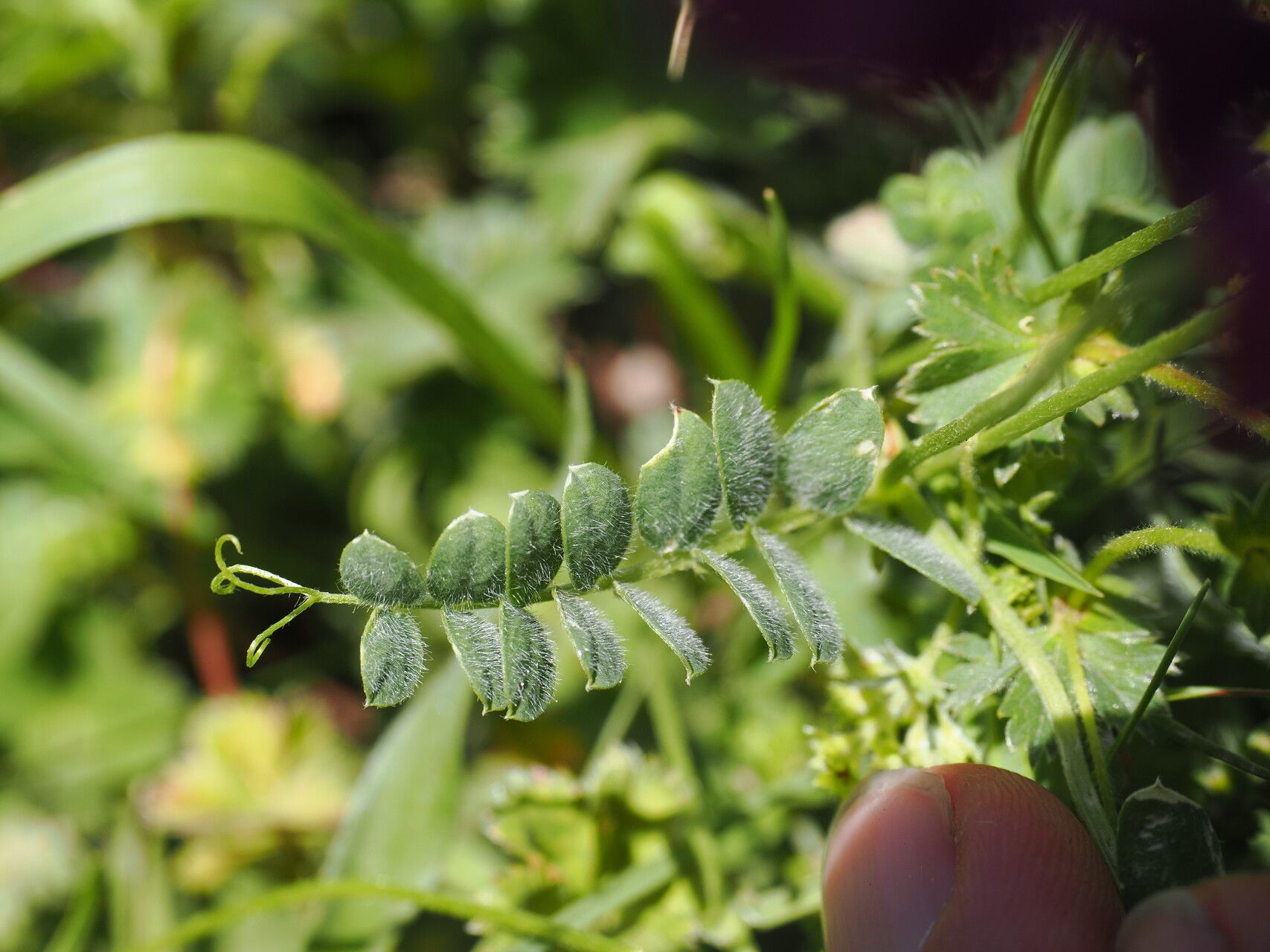
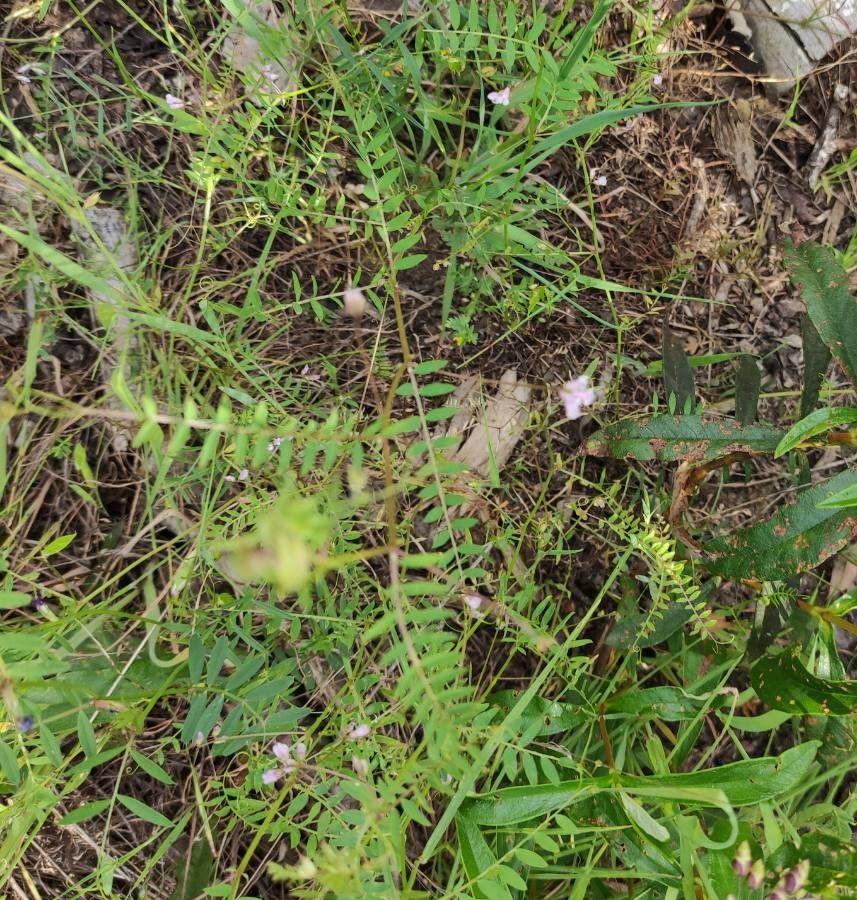
Vicia dasycarpa, commonly known as hairy-podded vetch, is a flowering plant species in the pea family, Fabaceae. Native to Europe and western Asia, it has been introduced to other parts of the world as a forage and cover crop.
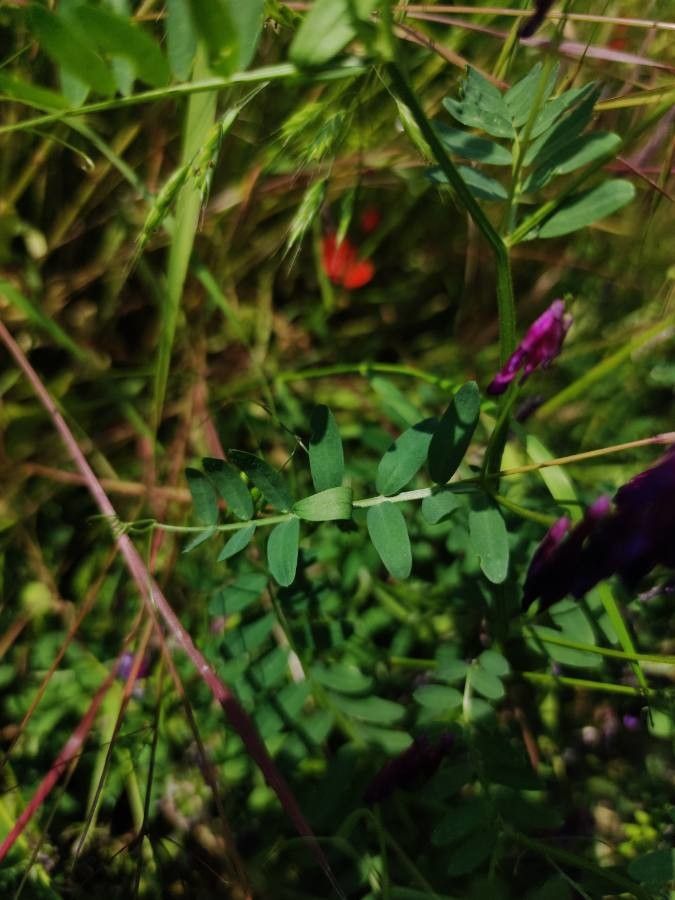
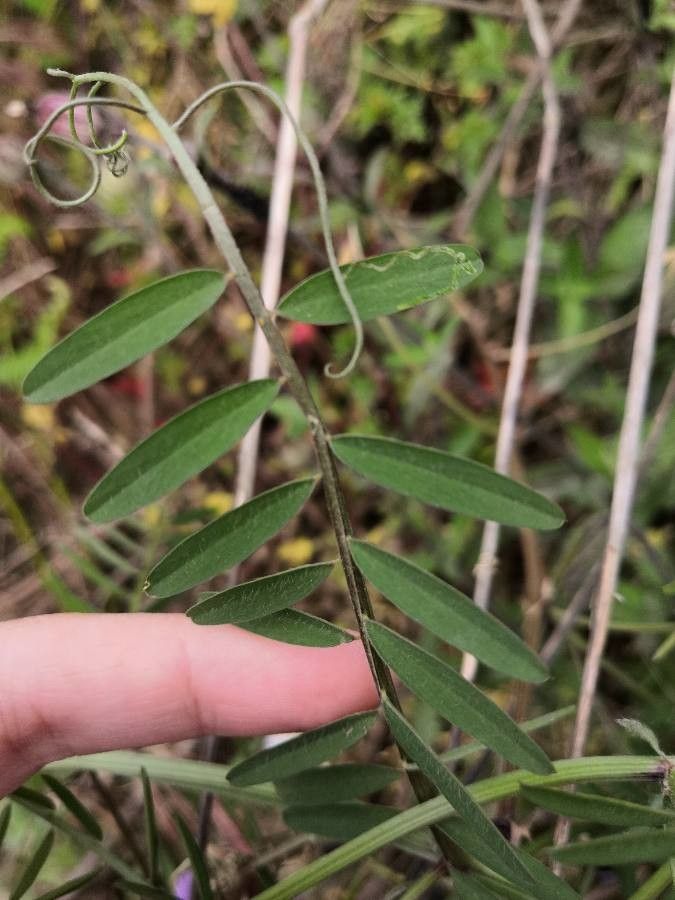
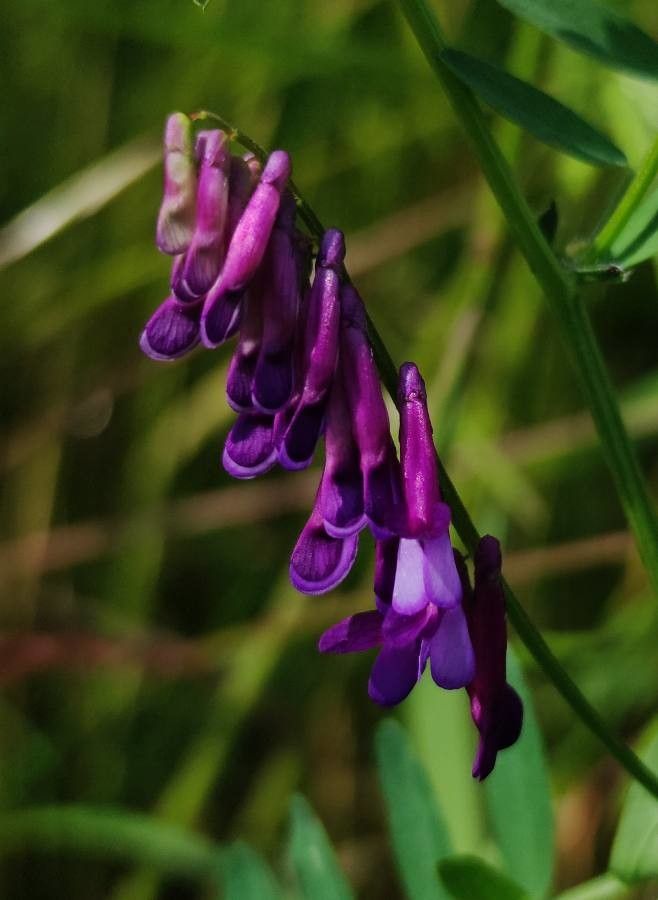
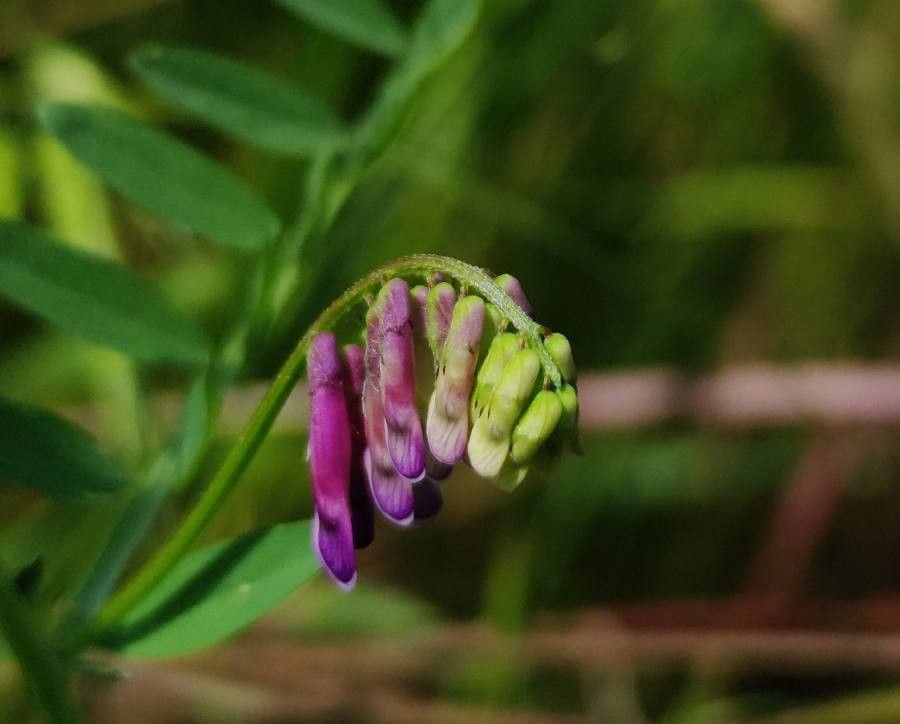
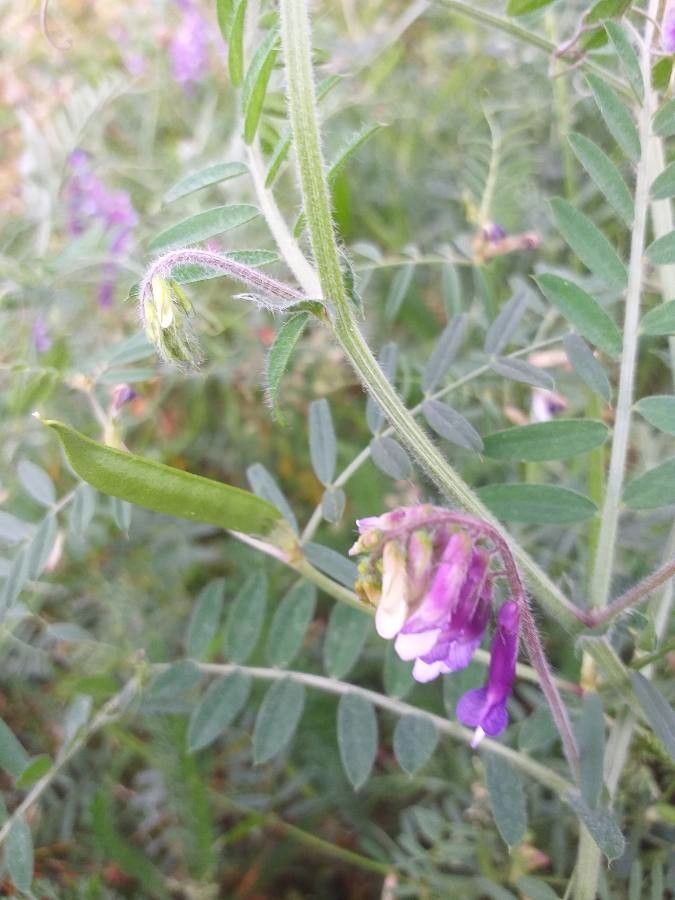
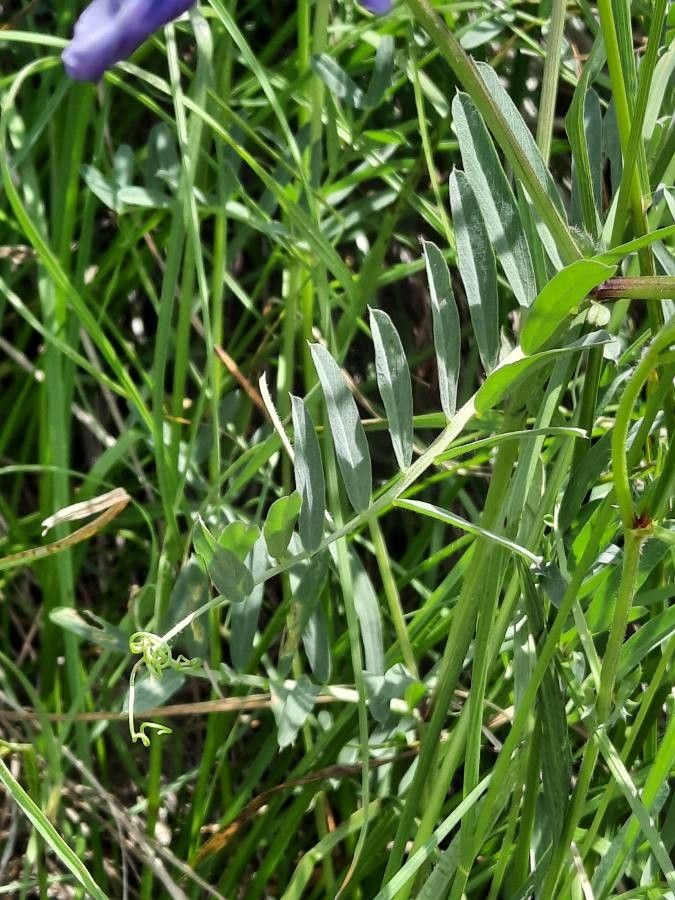
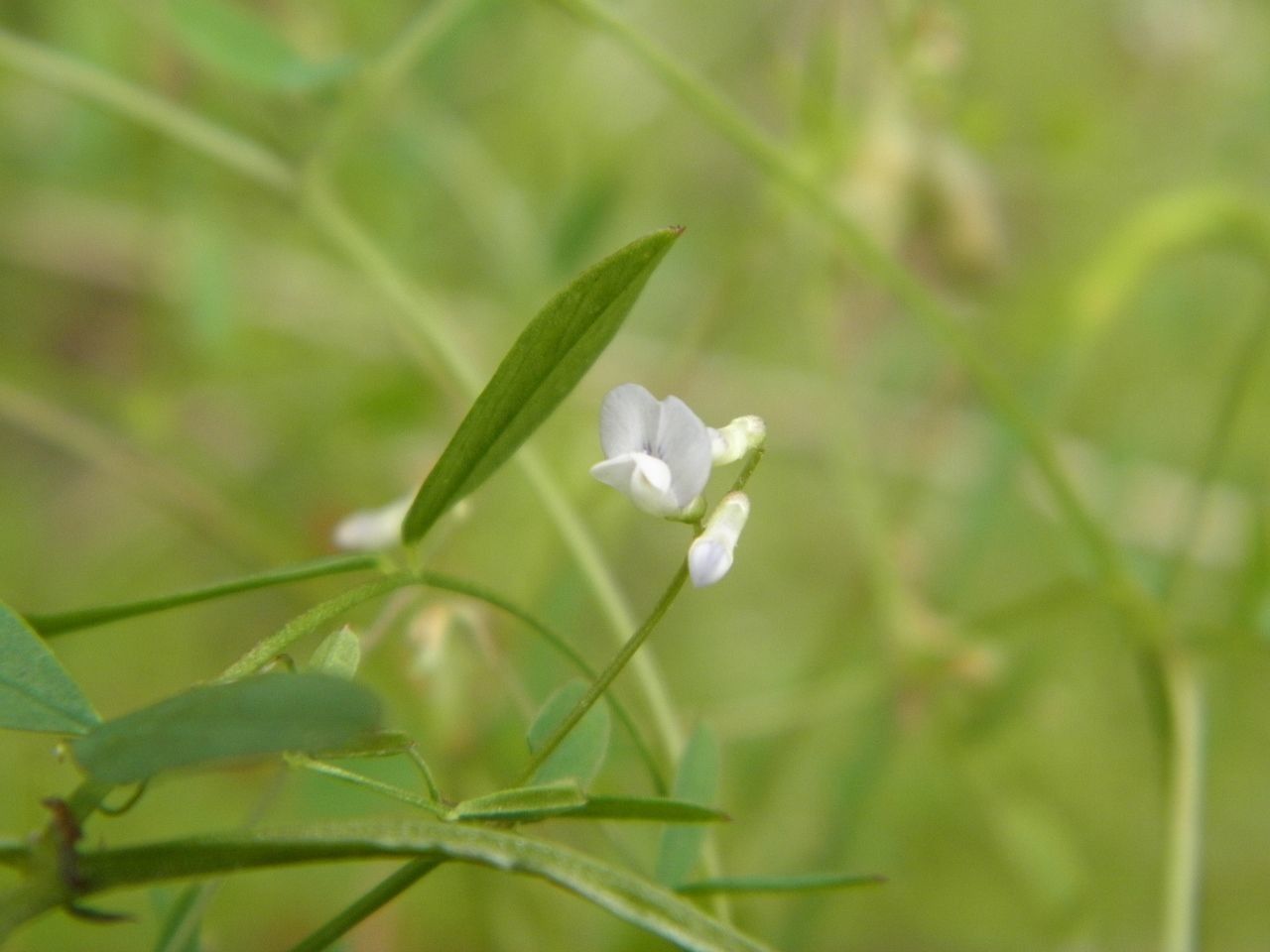
Hairy-podded vetch is an annual or biennial plant that can grow up to 1 meter tall. Its stems and leaves are hairy, and it features 5-10 pairs of oblong-shaped leaflets. The flowers, pink or purple in color, bloom in clusters on long stalks from May to July.
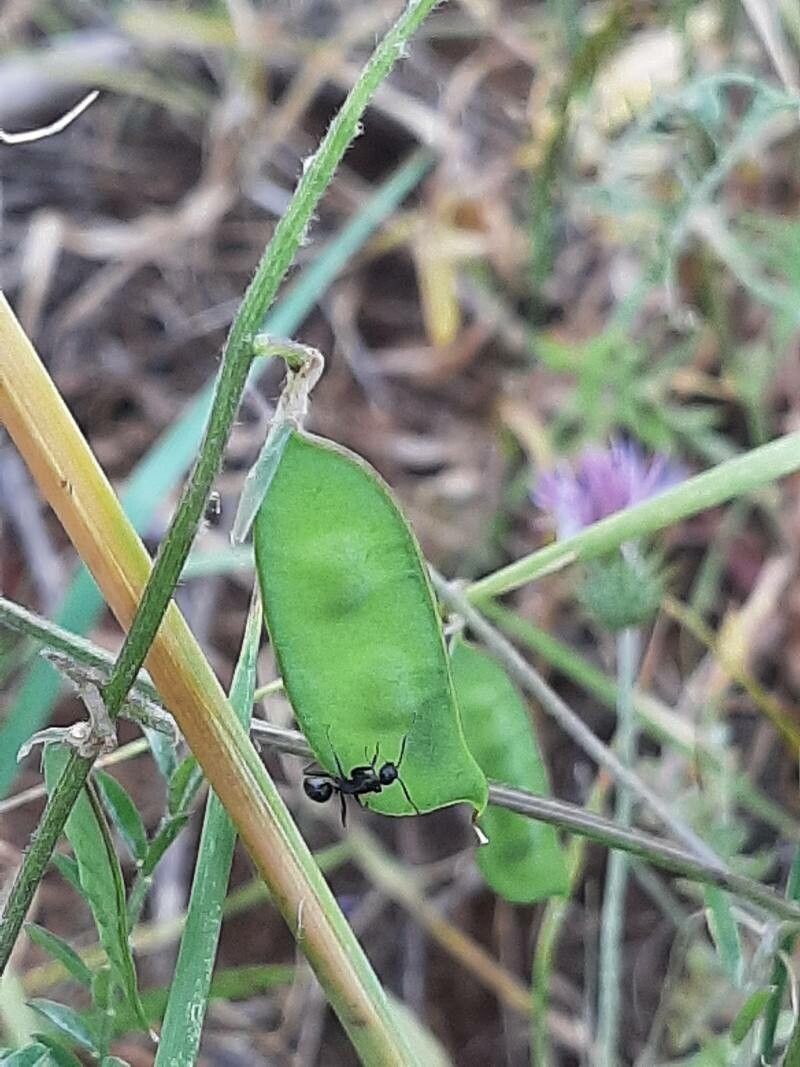
The plant's most distinctive trait is its pods, which are covered with long hairs, giving them a fuzzy appearance. These pods, measuring up to 5 cm in length, contain 2-6 seeds each.
This species is commonly used as a forage crop for livestock due to its high protein content, palatability, and ability to fix nitrogen from the air into the soil through its root nodules. Additionally, it serves as an excellent cover crop, effectively suppressing weeds and improving soil health.
Overall, Vicia dasycarpa plays a significant role in agriculture, providing nutritional benefits for livestock and promoting soil health through cover cropping practices.
Sand vetch has strong resistance to disease and is typically not vulnerable to illnesses. Still, it can be affected by pests and diseases present in its environment. These outbreaks are generally mild. As for care, the plant needs a medium level of maintenance. It should be pruned regularly to preserve a neat appearance and support healthy growth. Applying fertilizer can also encourage more flowering. Sand vetch is appropriate for anyone with outdoor areas like a garden or patio and does not require extensive care experience. It may need more attention if cultivated indoors.
How to keep Vicia Dasycarpa.
Light
Sand vetch comes from bright, open habitats where it does best in full sun. It can tolerate some partial shade but favors direct sunlight for optimal growth. This plant, which can be annual or biennial, is noted for its sun-loving habit.
Temperature
Sand vetch can tolerate a wide range of temperatures, but its distribution may still be restricted by certain combinations of moisture and heat. It performs best in warm summer climates with sufficient rainfall or watering. Extended periods of cloudy, rainy weather, and prolonged high temperatures, can raise the chance of Sand vetch dying. In winter, adequate protection from cold can increase the plant's likelihood of survival.
Fertilizer
Sand vetch benefits from regular, weak applications of fertilizer to encourage healthy leaf development. You should feed Sand vetch about once a month during the summer. Nitrogen is essential for foliage, and adding nitrogen-rich fertilizer helps Sand vetch prosper.
Botanical profile.
- Plant Type
- Herb, Vine
- Life Cycle
- Annual, Biennial, Perennial
- Genus
- Vicia
- Family
- Fabaceae
- Hardiness Zone
- 4-9
- Mature Height
- 30 cm to 76 cm
- Mature Spread
- 49 cm to 91 cm
- Leaf Color
- Green, Dark Green
- Leaf Type
- Deciduous
- Flower Color
- Purple, Lavender
- Flower Size
- 1.02 cm to 1.52 cm
- Bloom Time
- Mid spring, Late spring, Early summer
- Planting Time
- Spring, Summer
- Harvest Time
- Summer
Other names.