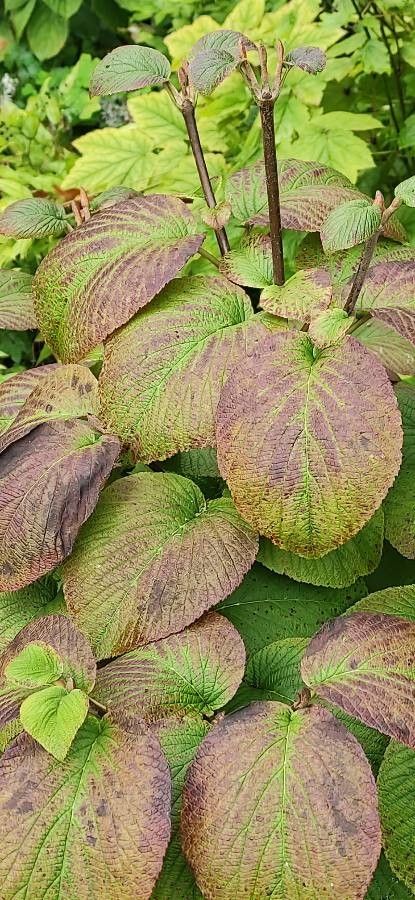
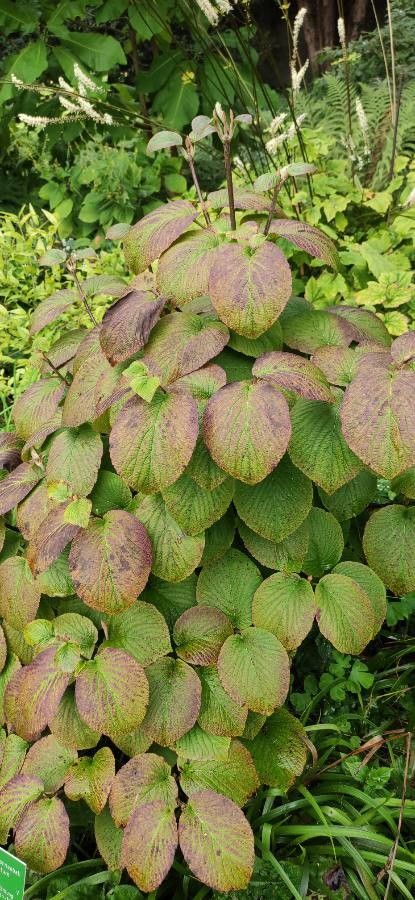
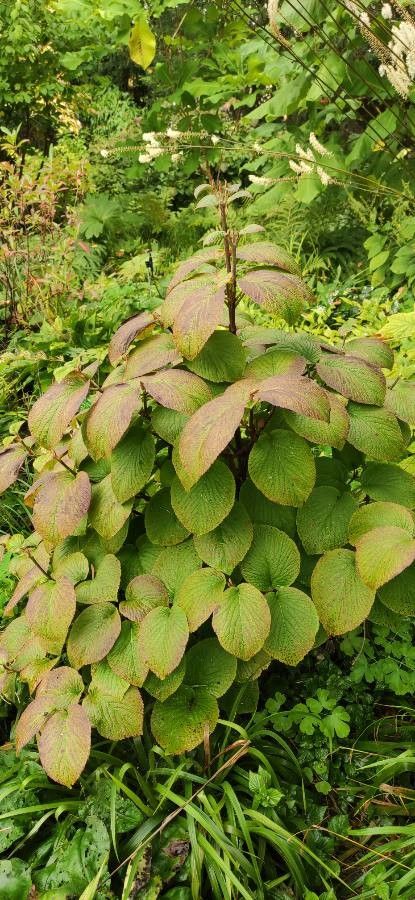
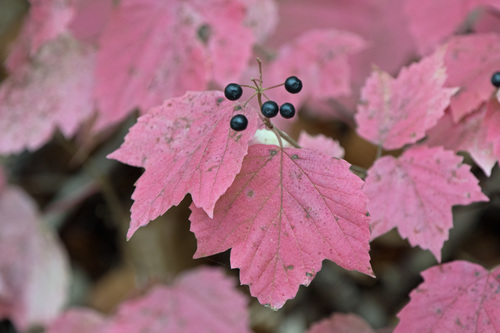
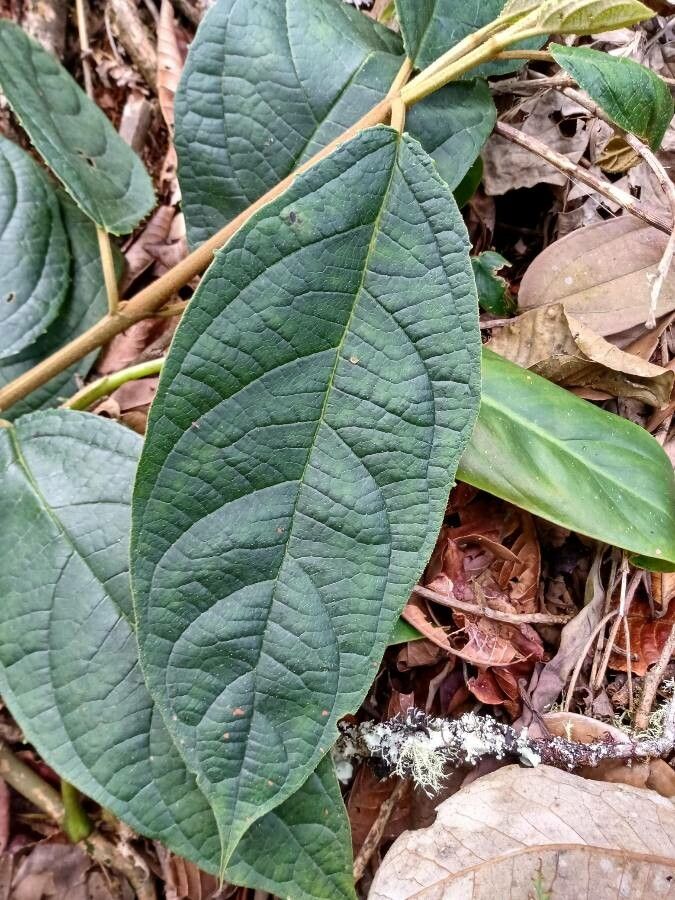
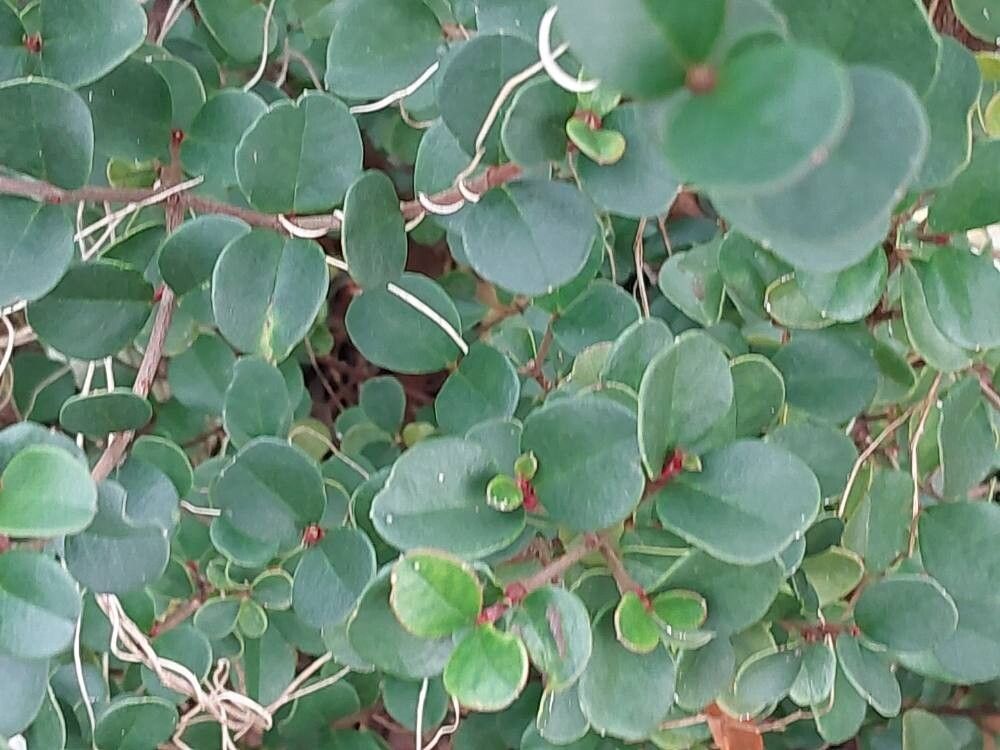
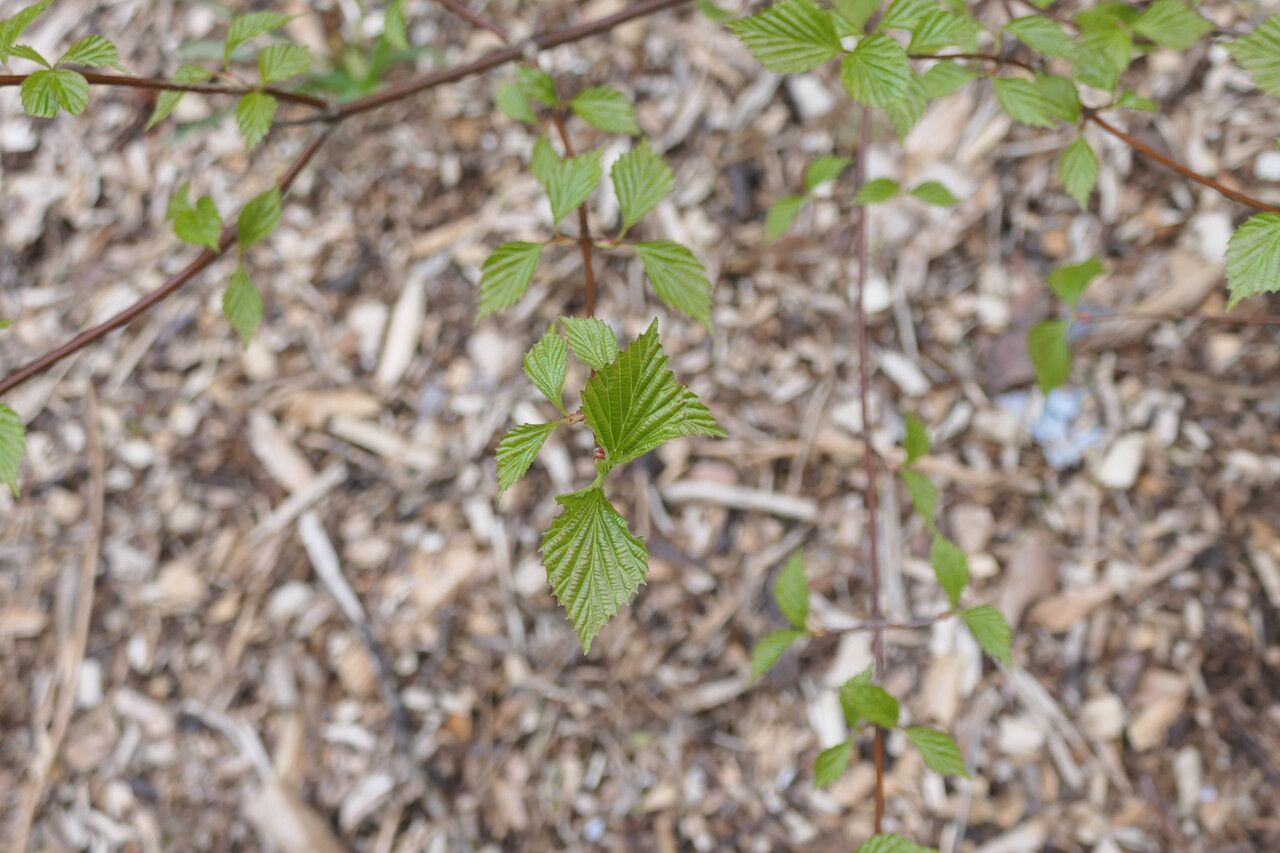
Snowball exhibits strong resistance to disease and is generally unlikely to suffer from illnesses. In terms of care, this plant is fairly easy to maintain. Planted outdoors, it needs little watering, and larger specimens typically do not need pruning. However, smaller plants should be pruned after they finish blooming. Snowballt is appropriate for anyone with an outdoor area, such as a garden or deck, and does not require extensive care experience.
How to keep Viburnum Sympodiale.
Light
Snowball naturally occurs in habitats such as forest understories and rocky areas, where it receives natural shade. It prefers partial sun but can tolerate full sun or full shade, demonstrating its versatility and hardiness.
Water
The Snowball plant thrives when it receives balanced moisture, ideally being watered every 1-2 weeks. While it originates from areas with moderate rainfall and can withstand periods of drought, it requires less water during its dormant phase in the colder months. As a deciduous outdoor plant, the Snowball adjusts its water needs according to the season.
Temperature
Snowball is highly adaptable to a range of climate conditions, from scorching summers to cold winters. Nevertheless, it has an ideal temperature range for growth. If temperatures become too high, the plant can suffer heat and humidity stress that may lead to its death. In areas where temperatures reach the lower limit of its cold tolerance, insulating the plant is necessary to protect it.
Fertilizer
Timing is important when fertilizing Snowball. Start feeding in early spring and continue once a month until early summer. Fertilizer promotes attractive blooms and supplies energy during both dormant and active growth periods.
Pruning
Snowball plants feature beautiful, lush, spherical clusters of white flowers. To keep them healthy, prune them in early spring. This helps remove dead branches, encourages new growth, and preserves their shape. By cutting away older stems, you can rejuvenate the plant. Regular pruning not only boosts flowering but also improves air circulation, which reduces the risk of disease. For detailed pruning techniques, consult reputable sources.
Botanical profile.
- Plant Type
- Tree, Shrub
- Life Cycle
- Perennial
- Genus
- Viburnum
- Family
- Viburnaceae
- Hardiness Zone
- 5-8
- Mature Height
- 10.06 m
- Mature Spread
- 1.52 m to 3.05 m
- Leaf Color
- Green, Dark Green
- Leaf Type
- Deciduous
- Flower Color
- White
- Flower Size
- 2.54 cm to 3.05 cm
- Bloom Time
- Mid spring, Late spring
- Planting Time
- Spring, Summer, Autumn
- Harvest Time
- Late summer, Early fall, Mid fall
- Native Area
- China
Reader questions.
What are the sunlight requirements for Snowball plants?
Snowball plants require about 3-6 hours of sunlight daily, fitting the criteria of partial sun exposure. It's important to observe how sunlight moves through your garden to find spots that offer a balance of light and shade, ensuring the plants' wellbeing. Despite this, Snowball can also thrive in full shade, demonstrating its versatility as a perennial herbaceous plant native to environments like forest understories or rocky areas where it naturally experiences shade.
What is the botanical name of Snowball?
The botanical name of Snowball is Viburnum sympodiale.
How can I use artificial lighting for Snowball plants indoors?
For Snowball plants grown indoors where natural sunlight might be insufficient, especially during winter or in less sunny spaces, artificial lighting serves as a crucial solution for optimal growth. LED lights are recommended because they can be tailored to provide specific wavelengths needed by the plants. Full sun plants require 30-50W/sq ft, partial sun plants need 20-30W/sq ft, and full shade plants require 10-20W/sq ft of artificial light. Place the light source 12-36 inches above the plants to mimic natural sunlight, and ensure they receive 8-12 hours of light per day.
What are the symptoms of inadequate light in Snowball plants?
Insufficient light can lead to several symptoms in Snowball plants, such as smaller new leaves, leggy or sparse growth, faster leaf drop, slower or halted new growth, lighter-colored new leaves, chlorosis, sunscald, leaf curling, wilting, and leaf scorching. These symptoms can indicate either a deficit or excess of light, impacting the plant's health and appearance.
What solutions can help Snowball plants with light issues?
To address light issues with Snowball plants, you can gradually move them to receive the appropriate amount of sunlight, about 3-6 hours daily, either by shifting them to sunnier spots each week or using artificial lighting if the plant is large or not easily movable. For outdoor plants, avoid sudden light intensity changes to prevent sunburn. If the sunlight is blocked, consider pruning obstructions or transplanting smaller plants to more sunlit areas with good drainage. Note that parts of the plant already affected by insufficient light may not recover, but new growth will be healthy with improved light exposure.