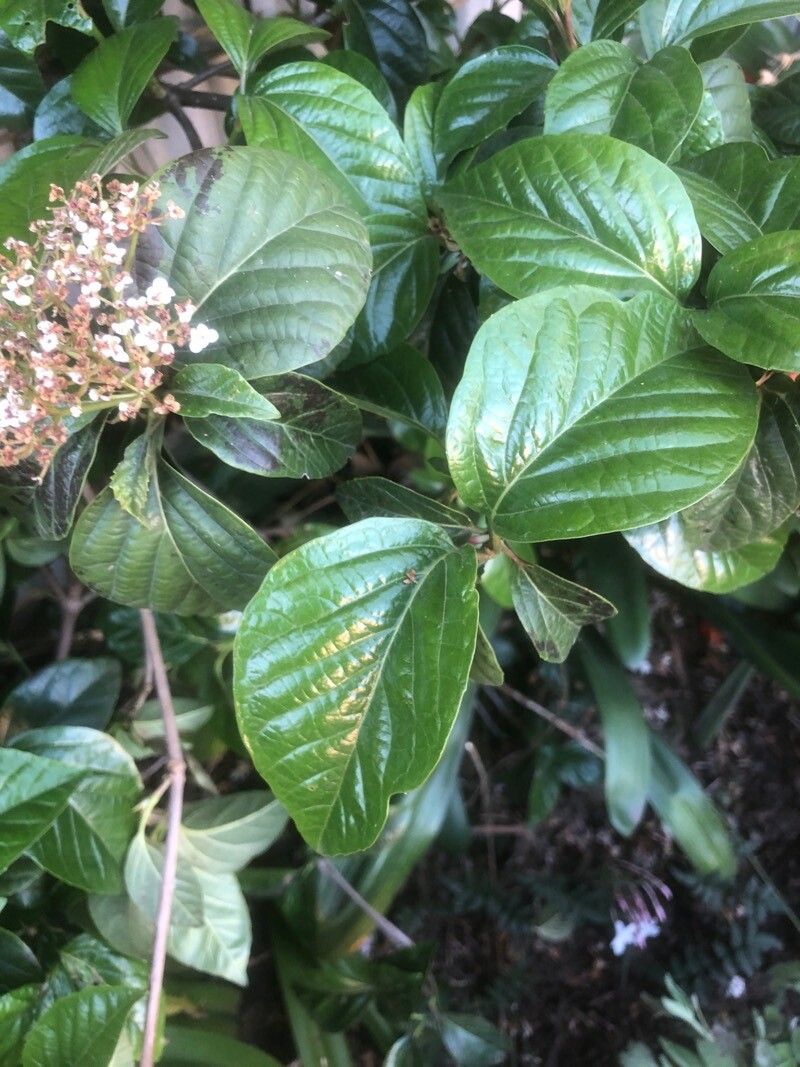
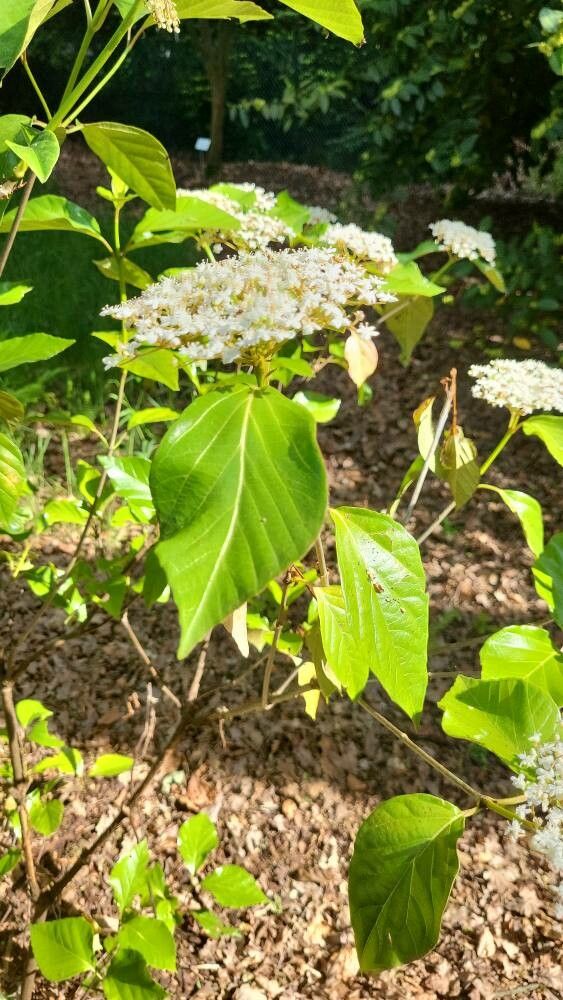
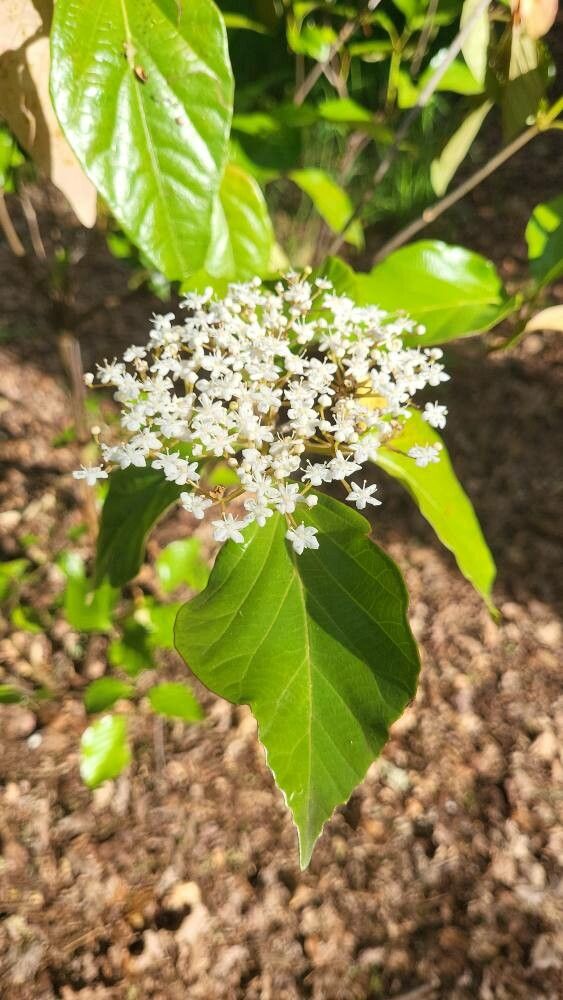
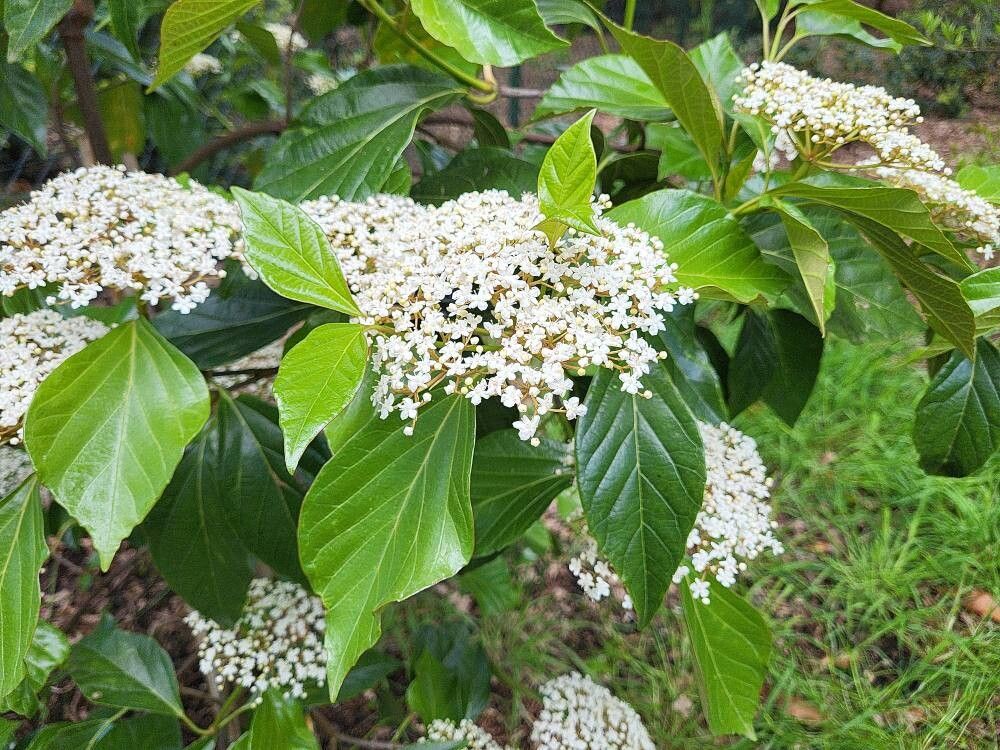
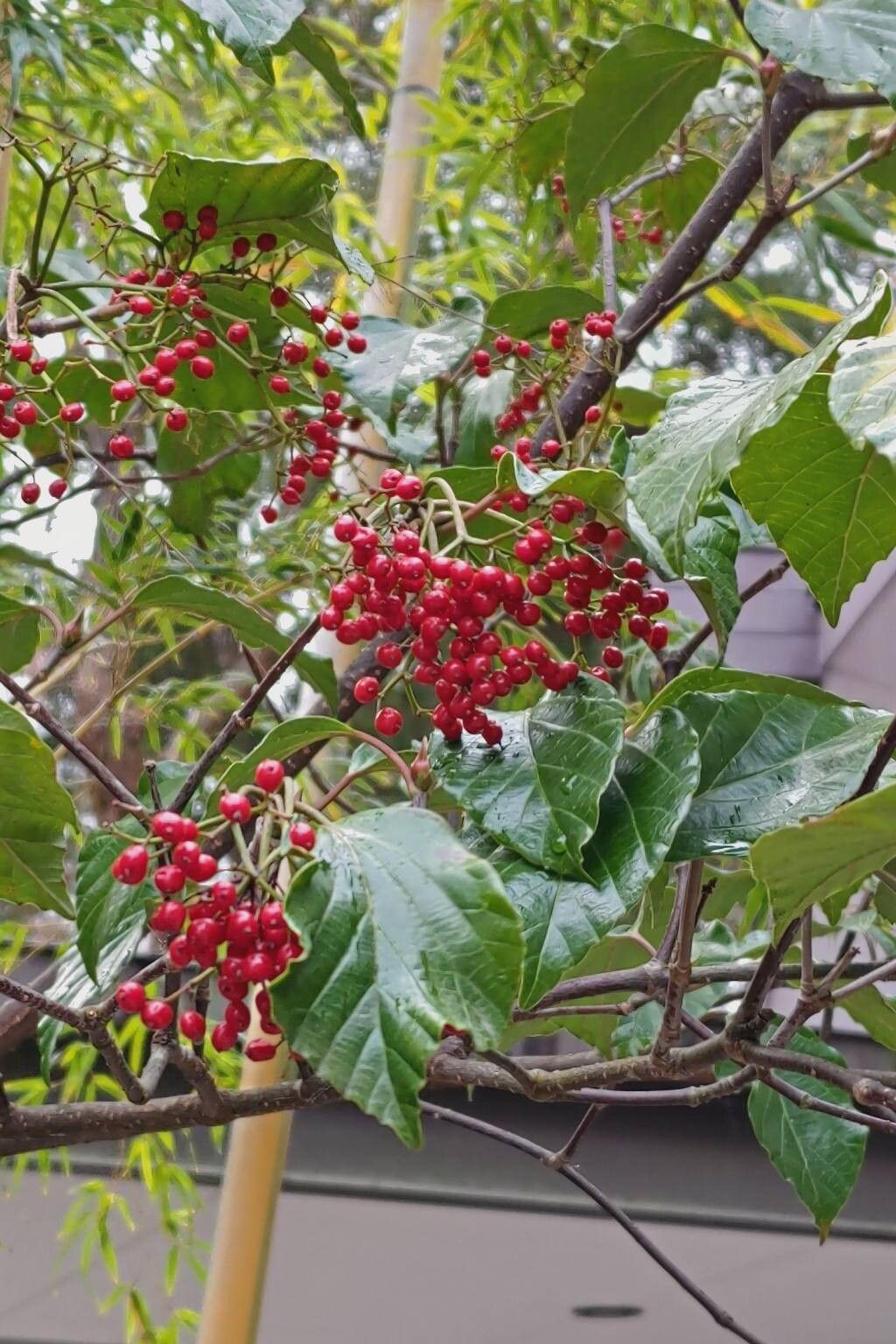
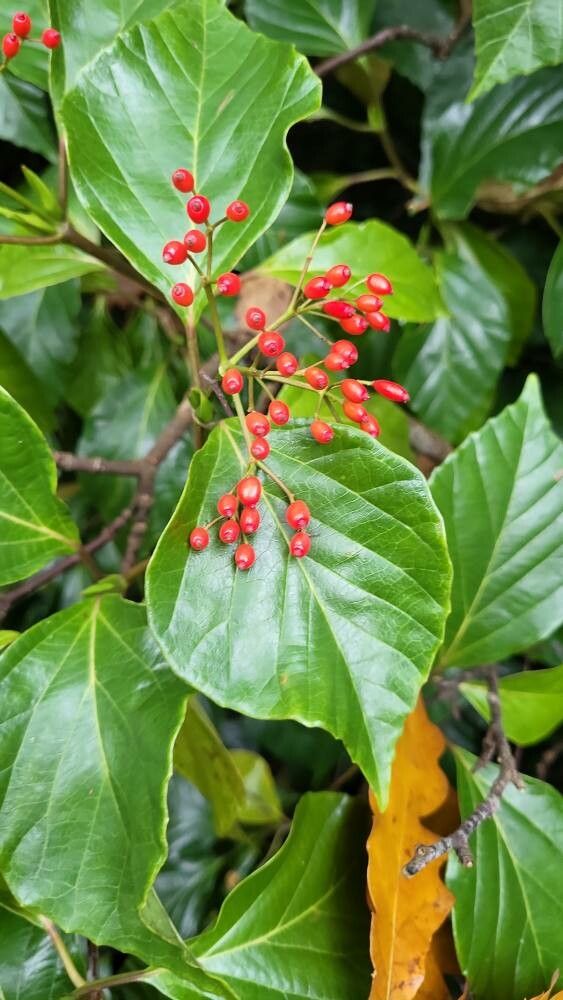
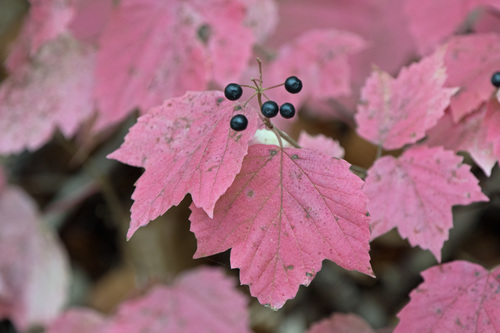
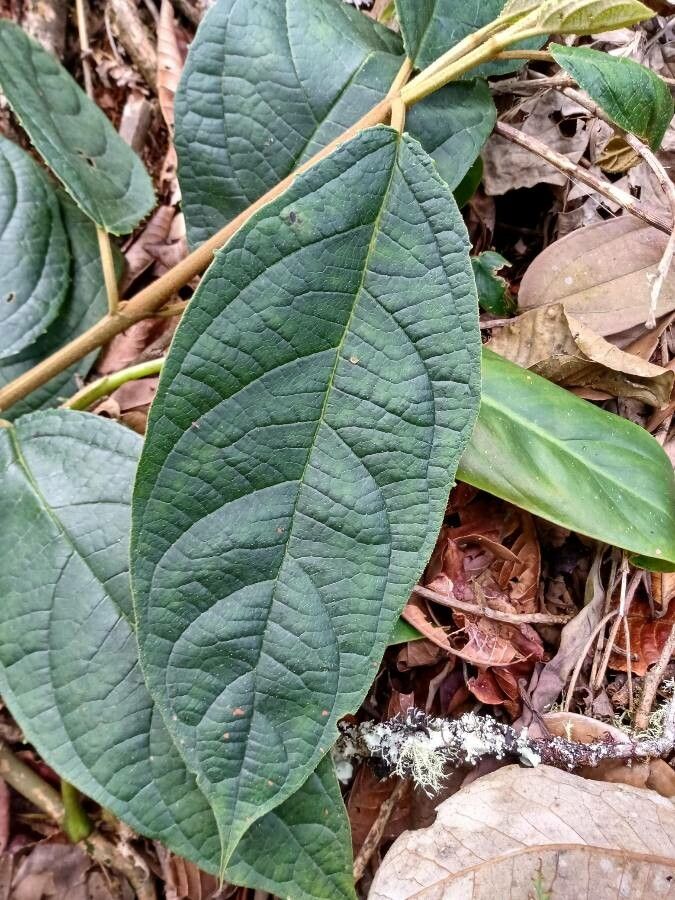
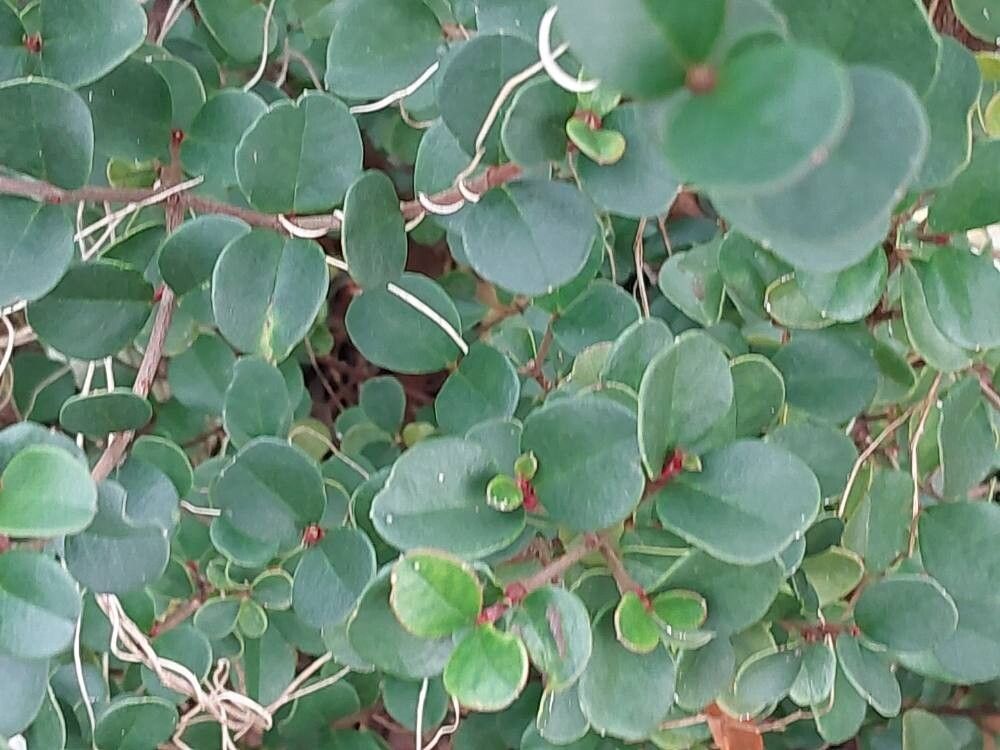
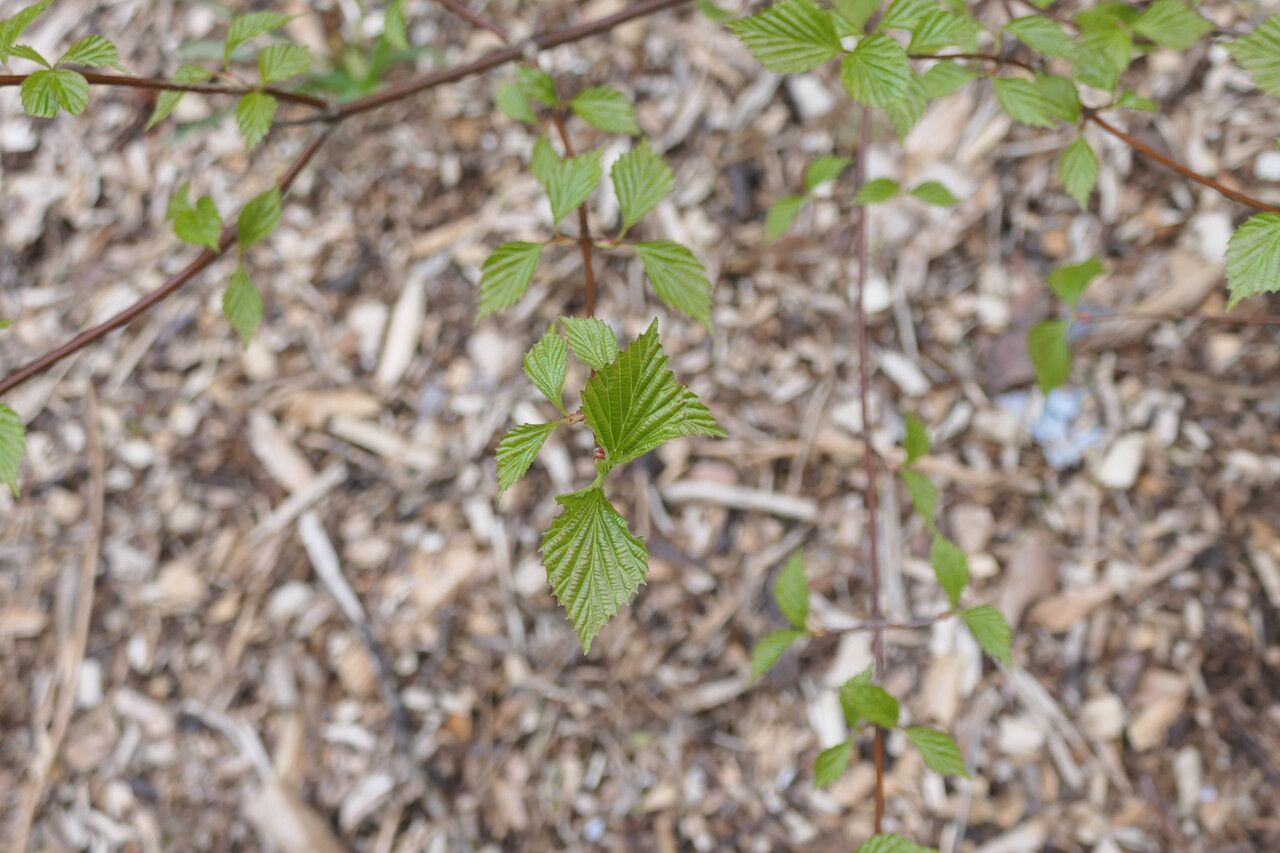
Viburnum japonicum, the Japanese viburnum, is a species of flowering plant in the family Viburnaceae. It native to Zhejiang in China, Gageodo island in South Korea, the Ryukyu Islands, and Japan. A rounded evergreen bush reaching 6–8 ft (1.8–2.4 m), with glossy leaves and strongly scented flowers, it is hardy to USDA zone 7.
Japanese viburnum has strong disease resistance and is generally not prone to disease. Regarding care, this plant is relatively low-maintenance. When planted outdoors, it needs little watering, and larger plants typically do not require pruning. However, smaller plants should be pruned after they finish blooming. Japanese viburnumt is suitable for anyone with outdoor space, such as a garden or deck, and does not require much gardening experience.
How to keep Viburnum Japonicum.
Light
Japanese viburnum occurs naturally in settings like forest understories or rocky terrain, where it grows in natural shade. It prefers partial sun but can adapt to full sun or full shade, illustrating its hardy, versatile nature.
Water
Viburnum japonicum flourishes in areas with moderate rainfall and requires a balanced amount of water. To maintain its health, it should be watered every one to two weeks. Being an evergreen, Viburnum japonicum keeps its leaves throughout the year, allowing it to efficiently manage water use across different seasons.
Temperature
Japanese viburnum adapts well to temperature, tolerating high heat and significant temperature swings. In hot weather, care should be taken with watering and providing appropriate shade to prevent sunburn. Conversely, it is relatively sensitive to low temperatures; while it can handle some cold, very low temperatures can cause frost damage.
Fertilizer
The timing of fertilizing Japanese viburnum is important. Begin fertilizing in early spring and repeat monthly through early summer. Fertilizer encourages lovely blooms and supplies energy during both dormant and active growth periods.
Pruning
Prune Viburnum japonicum between early and late winter. During this time, focus on removing dead branches and thinning crowded areas to improve airflow and light penetration. Regular pruning helps maintain the plant's shape and encourages healthy growth. Avoid heavy pruning during the growing season to minimize stress, ensuring that Viburnum japonicum remains vibrant throughout the year.
Botanical profile.
- Plant Type
- Shrub
- Life Cycle
- Perennial
- Genus
- Viburnum
- Family
- Viburnaceae
- Hardiness Zone
- 7-10
- Mature Height
- 1.83 m to 2.44 m
- Mature Spread
- 2.44 m
- Leaf Color
- Dark Green
- Leaf Type
- Evergreen
- Flower Color
- White
- Flower Size
- 0.51 cm to 1.02 cm
- Bloom Time
- Mid spring, Late spring
- Planting Time
- Spring, Summer, Autumn
- Harvest Time
- Late summer, Early fall, Mid fall
- Native Area
- Japan, South Korea
Other names.
Reader questions.
What are the sunlight requirements for Viburnum japonicum?
Viburnum japonicum requires varying amounts of sunlight depending on the specific needs. For full sun exposure, it needs above 6 hours of sunlight, while partial sun exposure requires about 3-6 hours of sunlight. It's important to observe how sunlight moves through your garden in order to find spots that offer the perfect balance between light and shade, which will ensure the well-being of your Viburnum japonicum plants.
What is Viburnum japonicum?
Viburnum japonicum, also known by its botanical name Viburnum japonicum, is a plant species with specific characteristics. Unfortunately, the provided information does not include details on its essentials, content, or any additional features, nor does it describe its symptoms. Further research would be necessary to understand its unique properties and any care or environmental needs it may have.