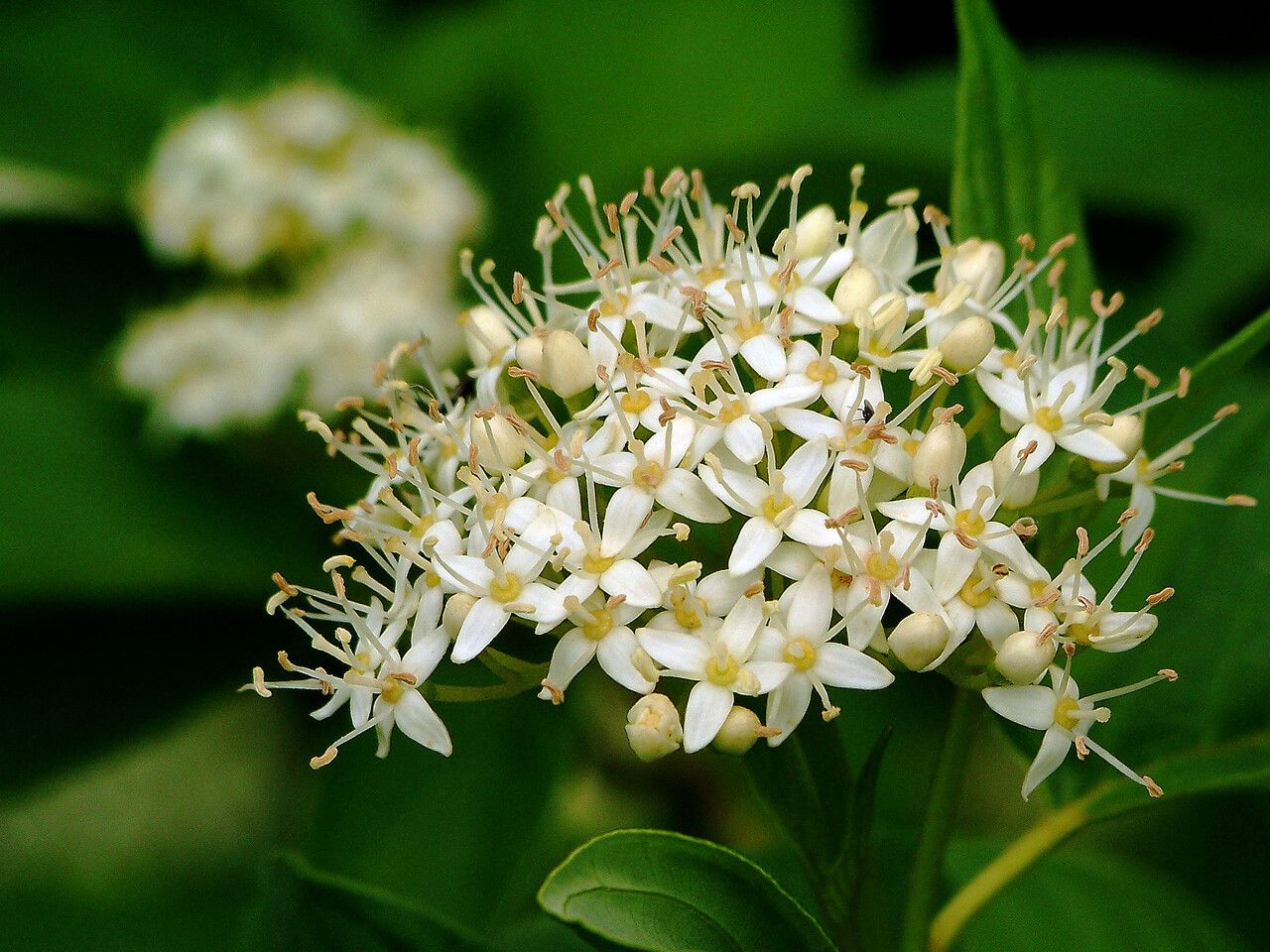
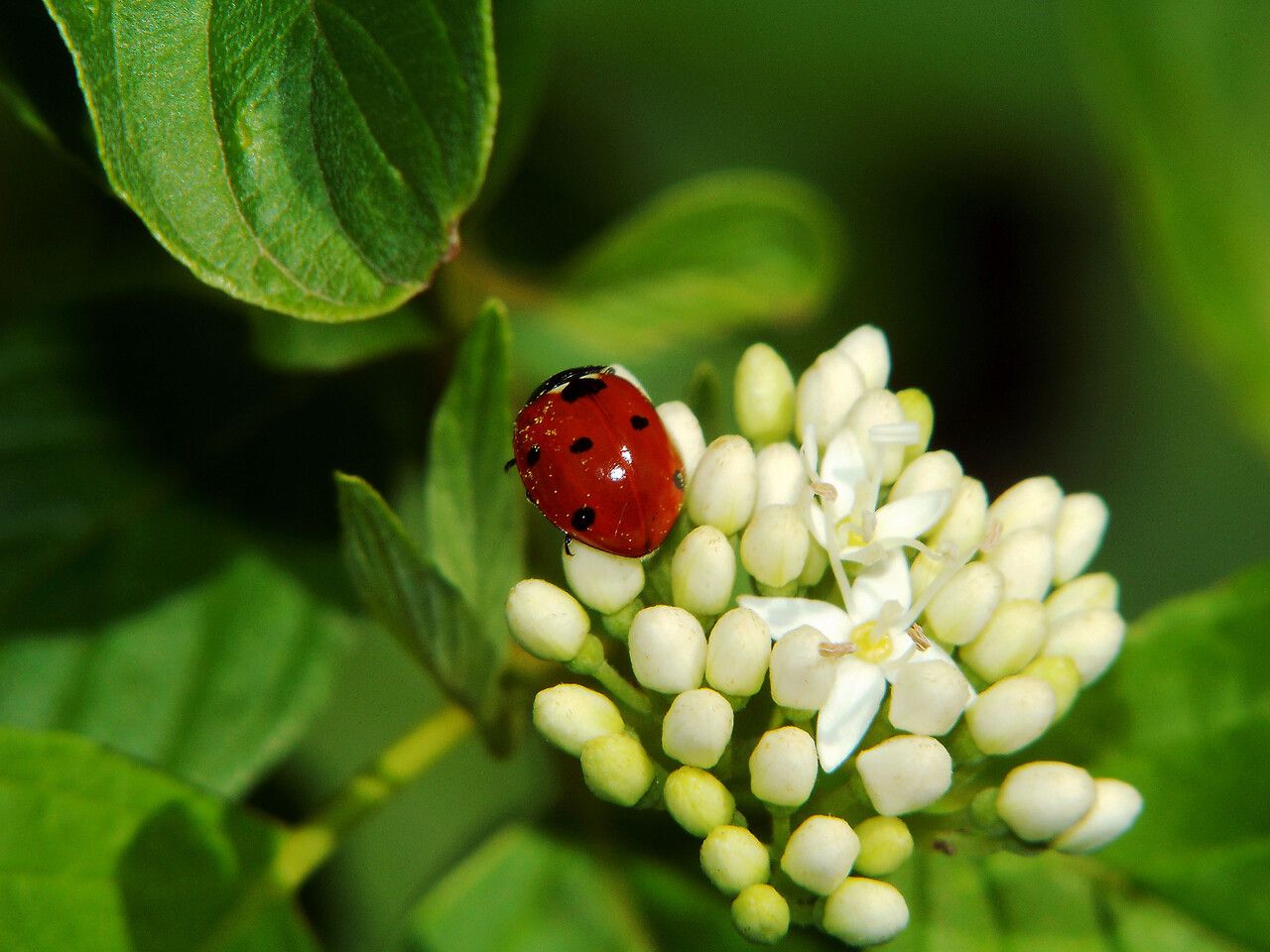
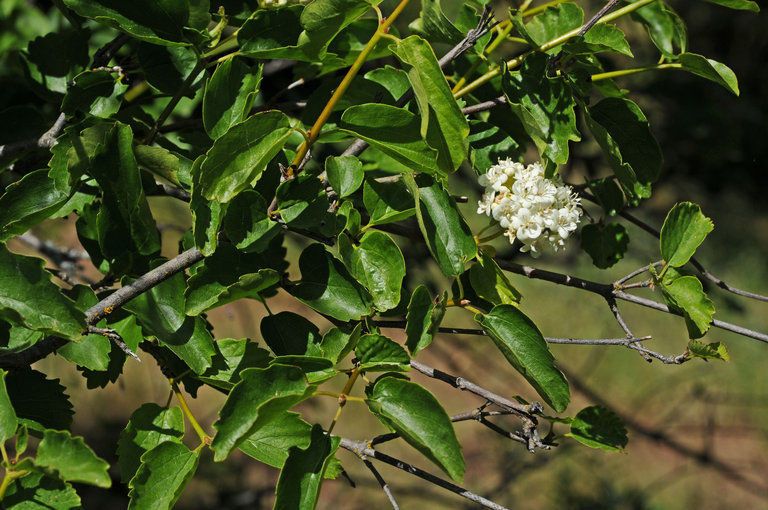
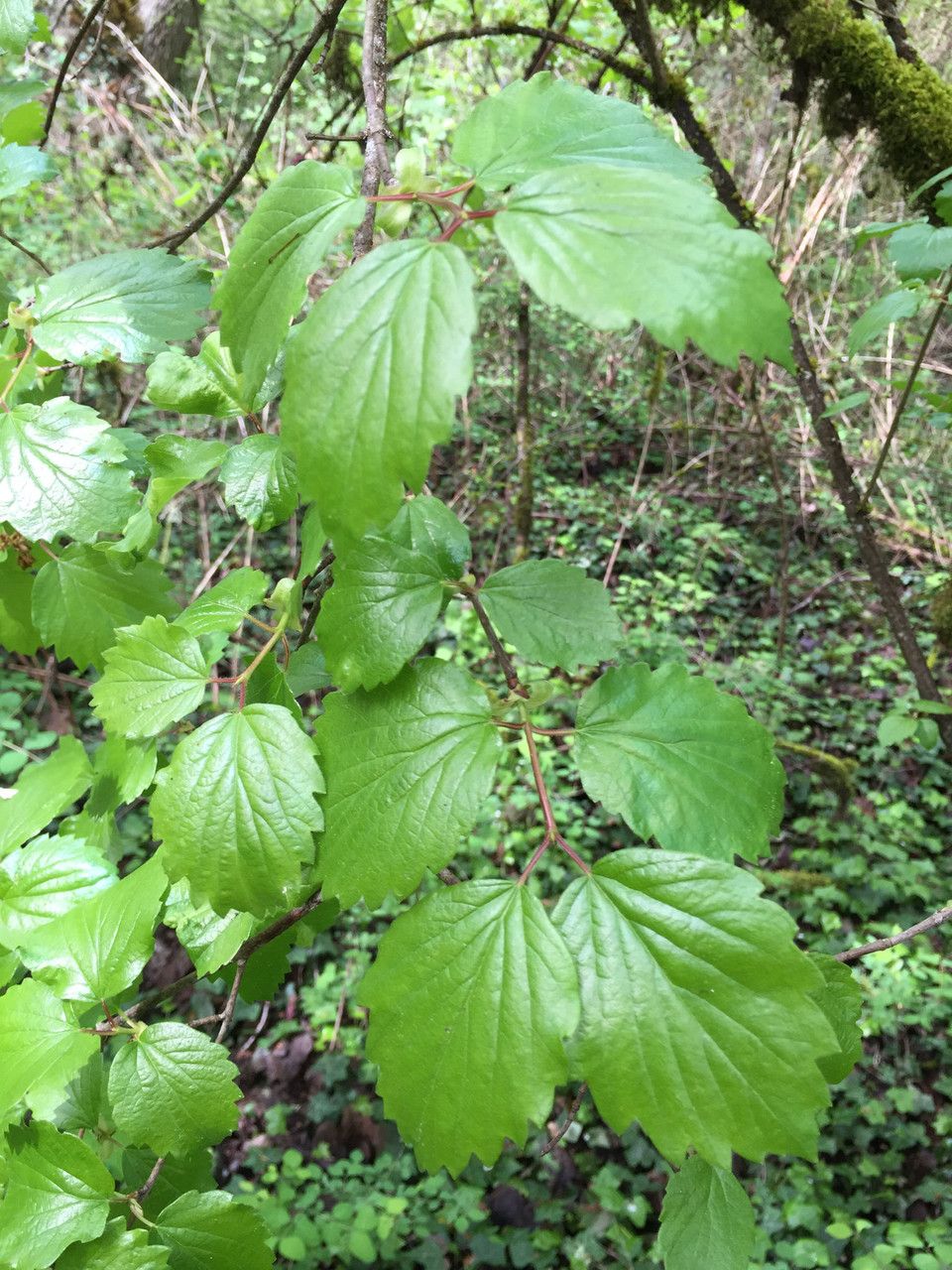
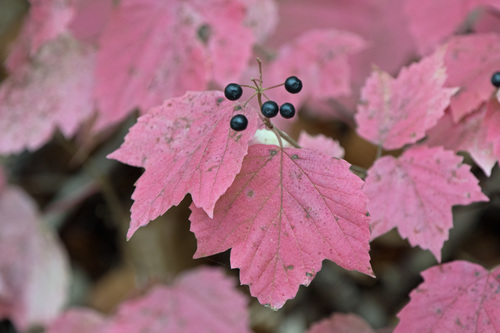
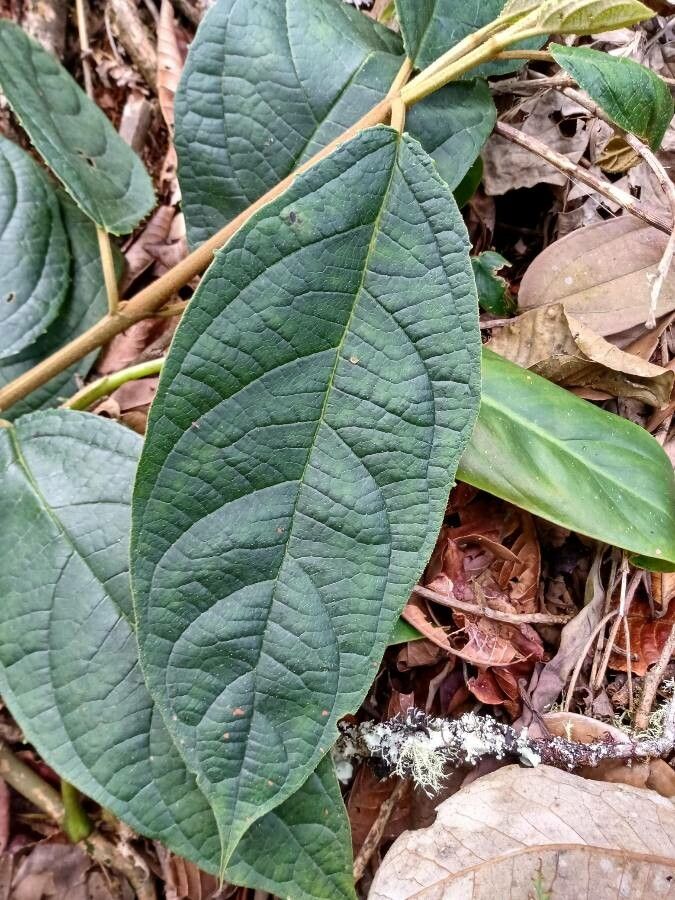
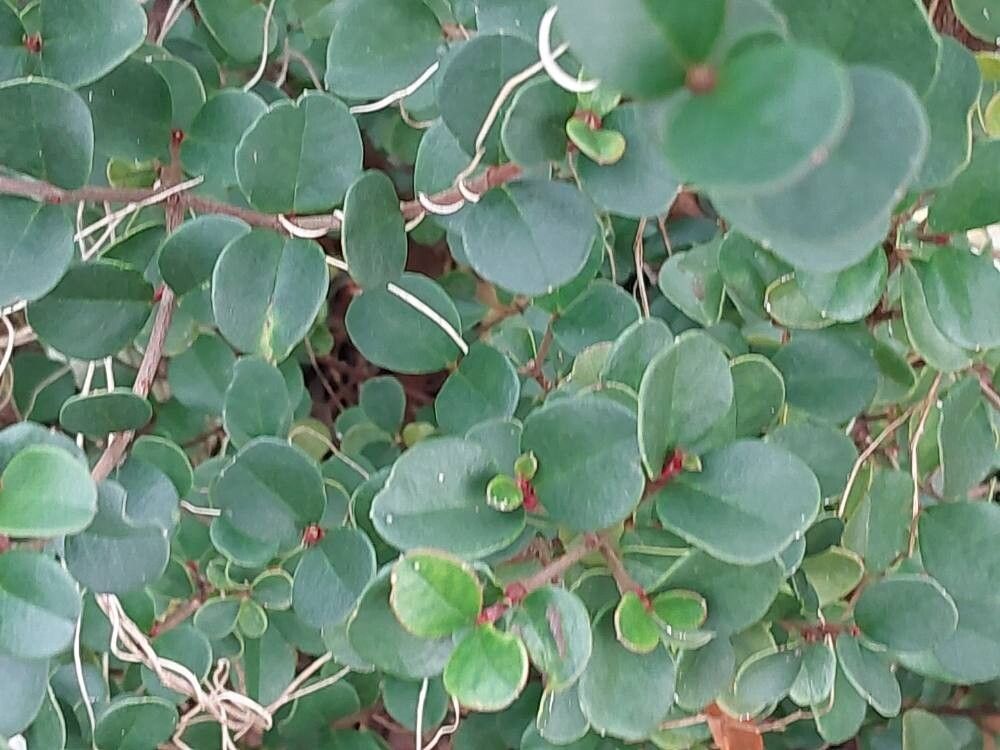
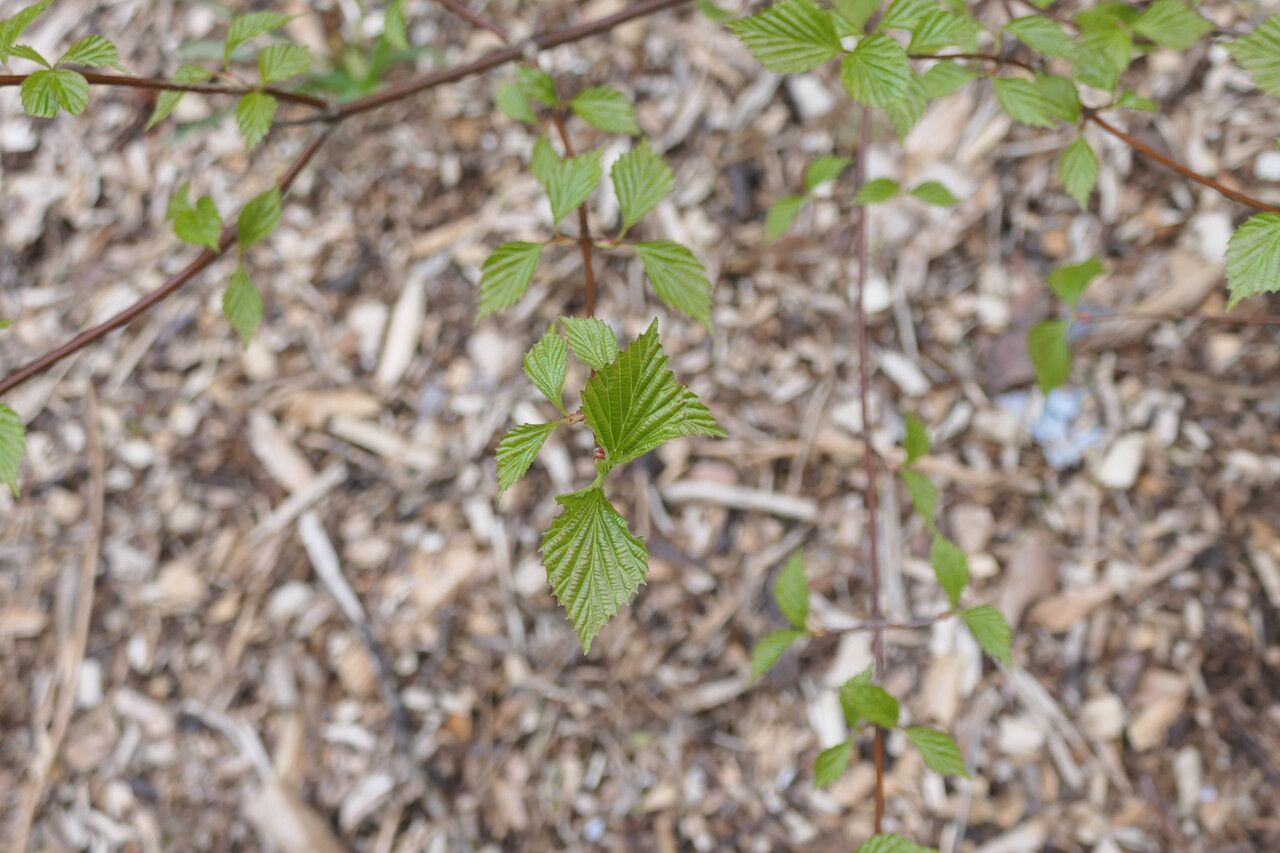
Viburnum ellipticum, the common viburnum or oval-leaved viburnum, is a species of shrub in family Adoxaceae. It is native to the western United States from Washington to central California, where it occurs in forests and mountain chaparral habitat. The shrub has deciduous leaves with oval or rounded blades 2 to 6 centimeters long. The leaf blade usually has three main longitudinal veins and a shallowly toothed edge. The inflorescence is a flat-topped cyme of many white flowers each 6 to 8 millimeters wide with five whiskery white stamens. The fruit is a drupe about a centimeter long.
Common viburnum has strong resistance to disease and is typically not vulnerable to illnesses. In terms of care, this plant is relatively low-maintenance. When grown outdoors, it needs little watering, and larger plants usually do not require pruning. However, smaller plants should be trimmed after they finish blooming. Common viburnum is appropriate for anyone with outdoor space, such as a garden or a deck, and does not demand extensive plant-care experience.
How to keep Viburnum Ellipticum.
Light
Common viburnum naturally occurs in habitats like forest understories or rocky areas, where it grows in natural shade. It prefers partial sun but can tolerate full sun or full shade, demonstrating its versatility and hardiness.
Water
Moist soil promotes the healthy growth of common viburnum, whereas a lack of water can diminish its ornamental value and lead to abnormal flowering. When transplanting, it is essential to provide consistent watering for 3 to 4 weeks. In hot and dry conditions, supplying 7 to 8 mm of water per week is usually sufficient, but be careful not to overwater, as this can cause root rot and may eventually kill the plant.
Temperature
Common viburnum is highly adaptable to a range of climatic conditions, from very hot summers to cold winters. Still, it has a preferred temperature range for healthy growth. When temperatures become too high, the plant can suffer from heat and humidity stress, which may lead to its death. In areas where temperatures near the lower end of its cold tolerance, taking insulating measures is necessary to protect the plant.
Fertilizer
Timing is important when fertilizing Common viburnum. Apply fertilizer in early spring and continue once a month until early summer. Fertilizer encourages attractive blooms and supplies energy during both dormant periods and active growth.
Pruning
Common viburnum is characterized by its oval leaves and clusters of small white flowers. To maintain the plant's health and appearance, it is important to prune it correctly. In early spring, cut back one-third of the oldest stems and remove any dead wood. This practice enhances flowering and encourages robust growth, resulting in a healthier and more vibrant plant.
Botanical profile.
- Plant Type
- Shrub
- Life Cycle
- Perennial
- Genus
- Viburnum
- Family
- Viburnaceae
- Hardiness Zone
- 5-8
- Mature Height
- 2.13 m to 3.96 m
- Mature Spread
- 1.52 m to 3.05 m
- Leaf Color
- Dark Green, Olive Drab
- Leaf Type
- Deciduous
- Flower Color
- White
- Flower Size
- 0.51 cm to 0.76 cm
- Bloom Time
- Mid spring, Late spring
- Planting Time
- Summer, Autumn
- Harvest Time
- Mid summer, Late summer, Early fall
Other names.
Reader questions.
What are the sunlight requirements for Common viburnum (Viburnum ellipticum)?
Common viburnum, or Viburnum ellipticum, thrives under specific sunlight conditions. It requires 'Full sun', which means it should receive above 6 hours of sunlight daily. Alternatively, it can grow under 'Partial sun', where it gets about 3-6 hours of sunlight each day. It's important to observe the patterns of sunlight in your garden, identifying spots that offer an ideal mix of light and shade. This careful placement ensures the plant's health and happiness.