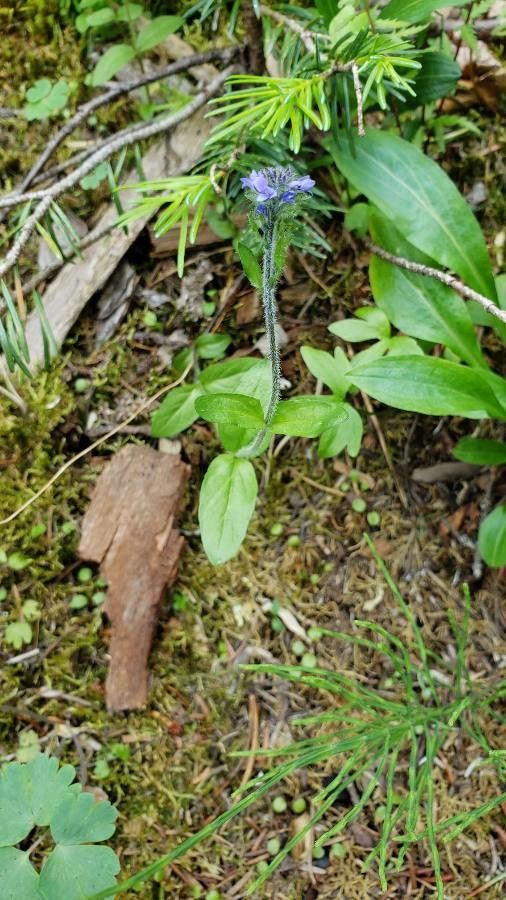
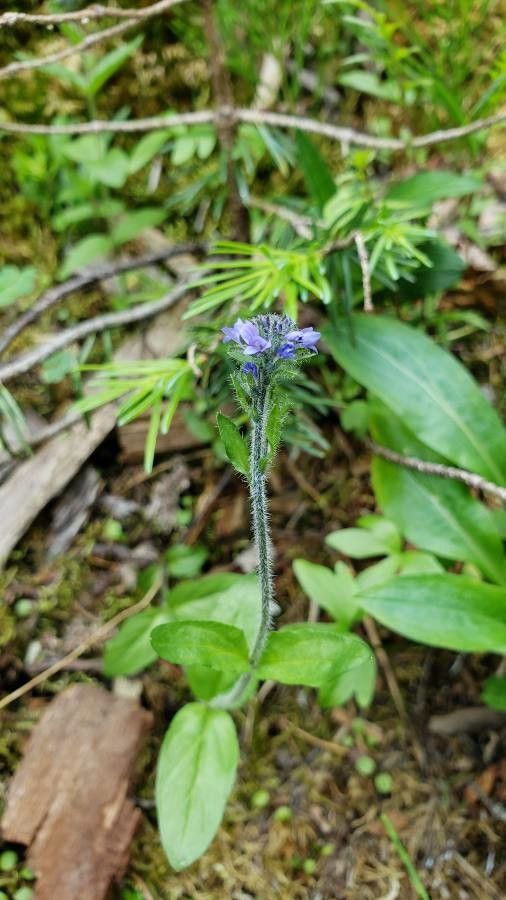
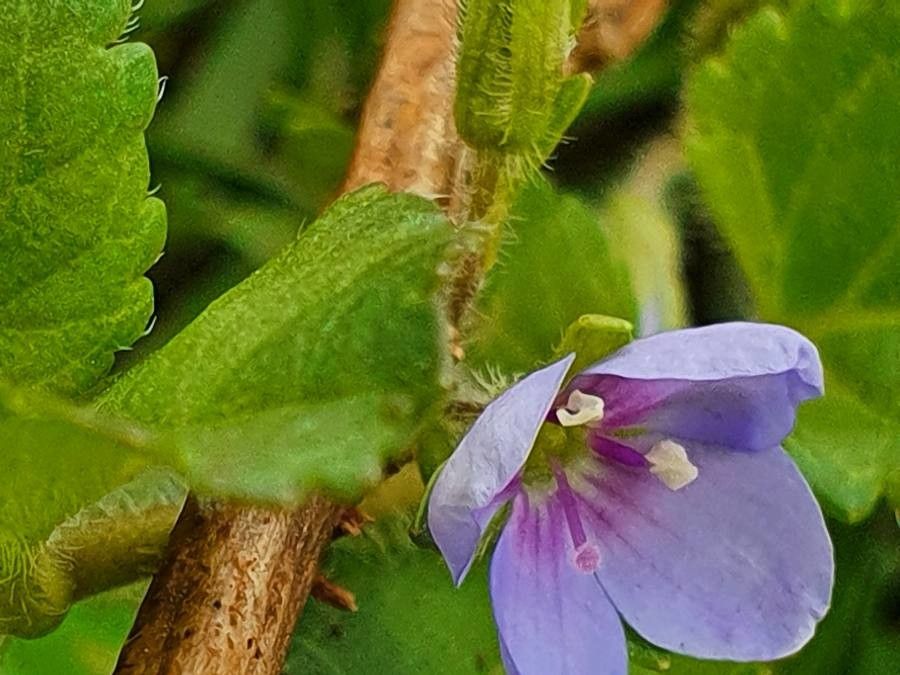
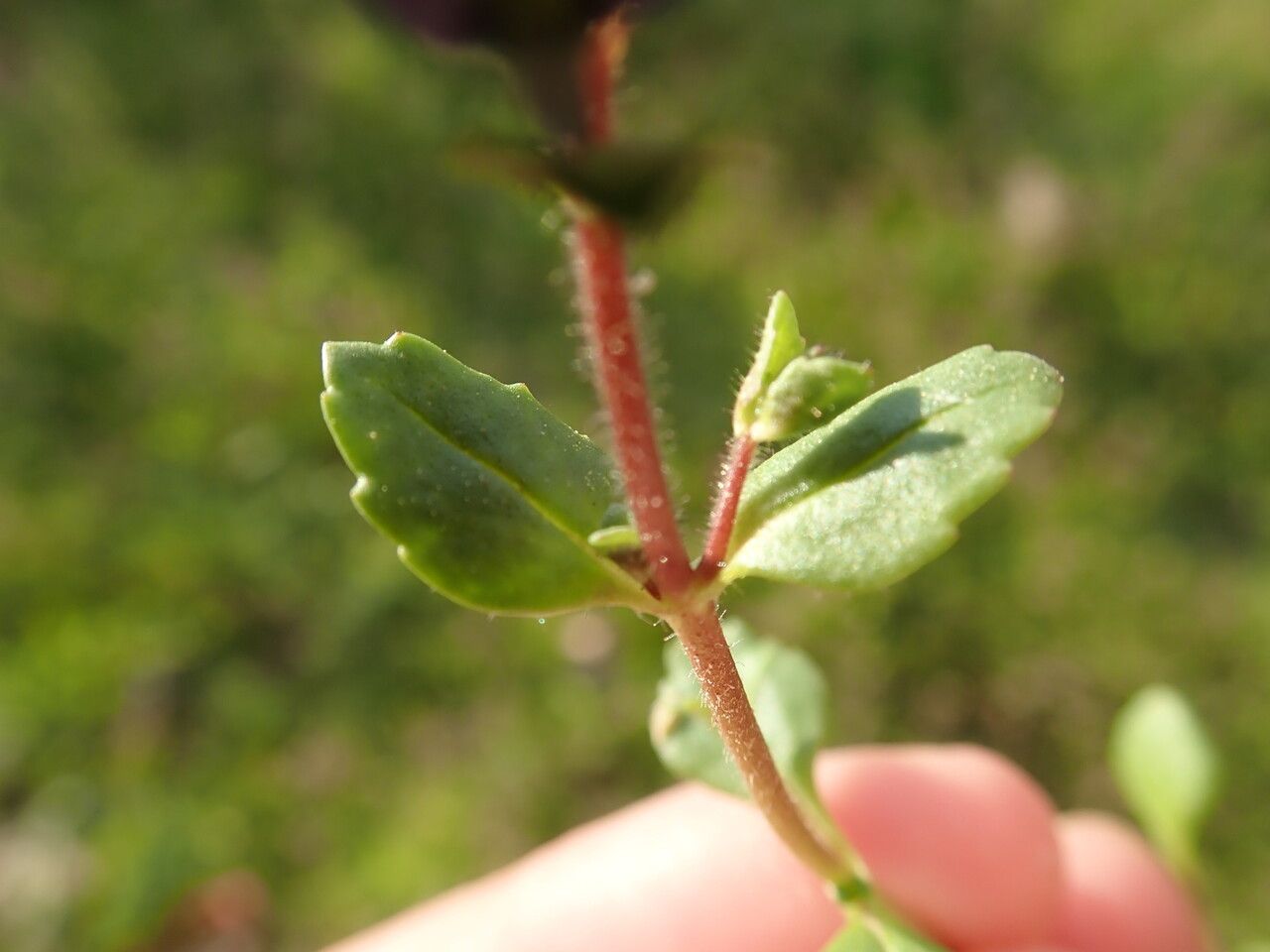
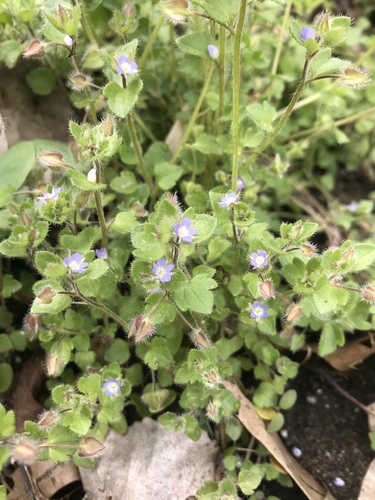
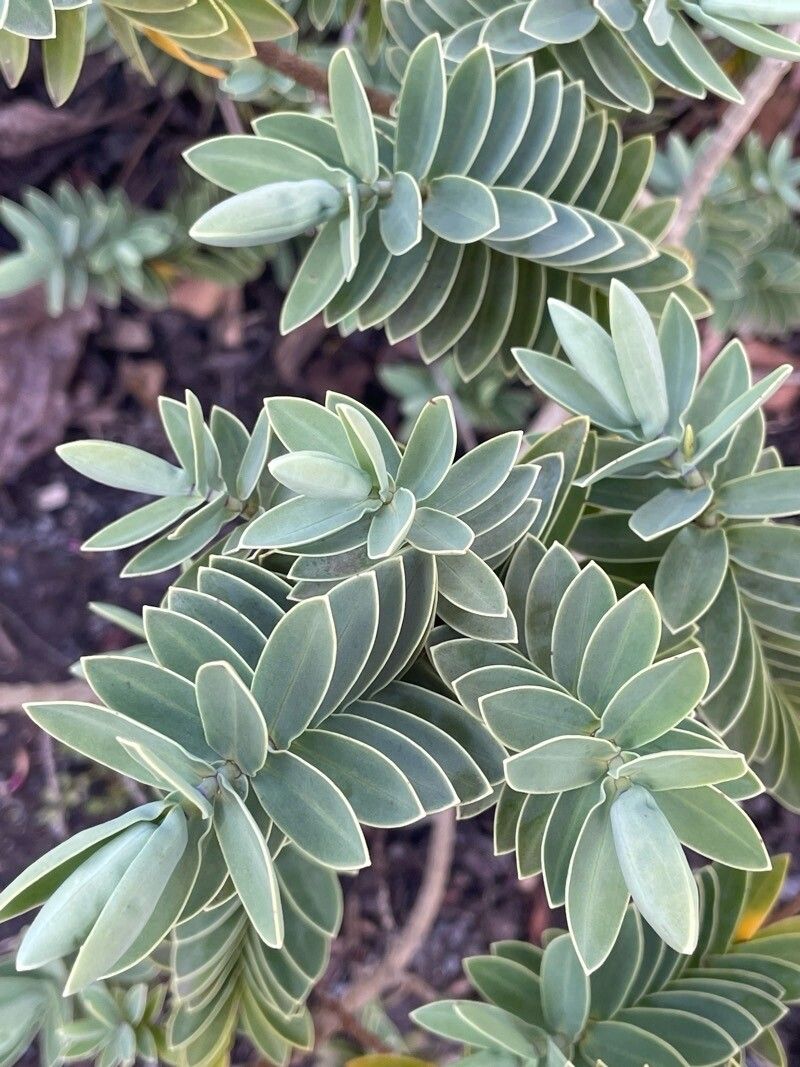
Veronica wormskjoldii is a species of flowering plant in the plantain family known by the common name American alpine speedwell. It is native to much of northern and western North America, including the western United States and northern Canada, from where it grows in moist alpine habitat, such as mountain forest understory. It has a wide subarctic distribution from Alaska to Greenland.
Wormskjold's alpine speedwell is largely disease-resistant and usually not prone to illness. However, it can be affected by pests and diseases present in its environment. These outbreaks tend to be mild. In terms of care, the plant needs moderate maintenance. It should be pruned regularly to maintain a good appearance and promote healthy growth. Fertilizing can also help encourage flowering. Wormskjold's alpine speedwell is suitable for anyone with outdoor space, such as a garden or patio, and does not require extensive gardening experience. It may need more attention if grown indoors.
How to keep Veronica Wormskjoldii.
Light
Wormskjold's alpine speedwell thrives in plentiful light, much like in its natural habitat. This level of light supports its best health and growth. Although it can endure a variety of lighting conditions, lower light can slow its growth and weaken it, while too much light may cause minor stress.
Water
Wormskjold's alpine speedwell is native to alpine habitats and thrives in conditions with moderate moisture and cool temperatures. It benefits from weekly watering and can withstand short periods of dryness. Adapted to seasonal rainfall, this plant effectively balances its hydration needs and stays healthy even when water availability changes.
Temperature
Wormskjold's alpine speedwell is native to regions where average temperatures range from 41 to 77°F (5 to 25℃). It prefers these cooler climatic conditions. To achieve optimal growth, maintain temperatures within these limits while accounting for seasonal changes.
Fertilizer
The best time to fertilize a Wormskjold's alpine speedwell is in early spring, as it is coming out of dormancy and starting active growth. Fertilization supplies essential nutrients for healthy development. Although Wormskjold's alpine speedwell has fairly low fertilizer requirements, applying fertilizer annually can improve its survival and encourage better, longer-lasting blooms.
Pruning
Wormskjold's alpine speedwell thrives in cool environments and benefits greatly from pruning between early to late spring. This helps remove dead stems and encourages compact growth. Regular pruning not only enhances flowering but also boosts the plant's vigor. To prevent disease and follow best horticultural practices, always use clean, sharp tools for pruning.
Botanical profile.
- Plant Type
- Herb
- Life Cycle
- Perennial
- Genus
- Veronica
- Family
- Plantaginaceae
- Hardiness Zone
- 4
- Mature Height
- 5 cm to 30 cm
- Mature Spread
- 30 cm
- Leaf Color
- Green, Dark Green
- Leaf Type
- Evergreen
- Flower Color
- Blue, Purple
- Flower Size
- 2.54 cm
- Bloom Time
- Early summer, Mid summer
- Planting Time
- Spring
- Harvest Time
- Late summer, Early fall
Other names.
Reader questions.
What kind of sunlight requirements does Wormskjold's alpine speedwell have?
Wormskjold's alpine speedwell requires full sun, which means it needs more than 6 hours of sunlight per day. However, it can also tolerate partial sun, receiving about 3-6 hours of sunlight daily. It's essential to observe how sunlight moves through your garden to ensure you provide the perfect balance for your plants. This equilibrium of light and shade ensures the plants' happiness and optimal growth.
What is the native climate for Wormskjold's alpine speedwell?
Wormskjold's alpine speedwell, or Veronica wormskjoldii, thrives in cooler climates, native to areas where average temperatures range from 41 to 77°F (5 to 25°C). It prefers these cooler conditions for optimal growth. The plant is highly tolerant to cold and doesn't need extra frost protection during winter. To help it through winter and early spring, it's recommended to water the plant generously before the first freeze of autumn to keep the soil moist, which helps prevent drought and water scarcity.
How important is light exposure for the health of Wormskjold's alpine speedwell?
Light exposure is critical for the health and growth of Wormskjold's alpine speedwell. The plant flourishes well when given abundant light, reflecting its native habitat conditions. Although it can handle various light situations, lack of sufficient light slows its growth and weakens the plant, while too much light might cause mild stress. In spaces with less sunlight, especially during winter, artificial lighting, such as LED lights, can be a vital supplement. These lights should provide the appropriate wattage based on the plant’s sunlight needs, placed at the correct distance, and turned on for 8-12 hours per day to mimic natural daylight hours.
How does Wormskjold's alpine speedwell react to low temperatures?
Wormskjold's alpine speedwell is extremely cold-tolerant, capable of withstanding winter temperatures above -30°C. However, if temperatures fall below this threshold, you may not notice changes during winter, but there could be a decrease in sprouting or no sprouting at all come spring. The solution for affected plants in spring is to remove any parts that have failed to sprout, encouraging new growth and vitality.
What are the symptoms of inadequate light exposure in Wormskjold's alpine speedwell?
Inadequate light can lead to several issues for Wormskjold's alpine speedwell, such as smaller new leaves, leggy or sparse growth, premature leaf drop, slower or halted growth, lighter-colored new leaves, and symptoms such as chlorosis, sunscald, leaf curling, wilting, and leaf scorching. Each of these symptoms indicates either insufficient sunlight or overexposure. Chlorosis, for example, is the yellowing of leaves due to a lack of chlorophyll, while sunscald occurs when the plant is exposed to excessively intense sunlight, causing damage.
What should I do if Wormskjold's alpine speedwell experiences high temperatures?
Wormskjold's alpine speedwell is not well-suited to high temperatures and stops growing when temperatures exceed 25°C, becoming more susceptible to rot. To mitigate damage from high temperatures, trim away any sunburned and dried-up parts of the plant. Move the plant to a location where it's shaded during the midday and afternoon sun, or use a shade cloth for protection. Ensure the soil remains moist by watering the plant in the morning and evening, avoiding the hottest parts of the day.
How can you address light deficiency or excess in Wormskjold's alpine speedwell?
Addressing light issues involves gradual adjustments. For indoor plants, moving them to a sunnier spot incrementally until they get at least 6 hours of direct sunlight or using artificial light sources for additional illumination can help. Outdoor plants should also be moved gradually to sunnier locations to prevent sunburn. Pruning obstructive branches or transplanting to more suitable locations can mitigate issues for plants grown in the ground. It's vital to ensure new growth has proper light exposure for health and vitality, even if parts of the plant that suffered from previous light deficiencies may not recover.