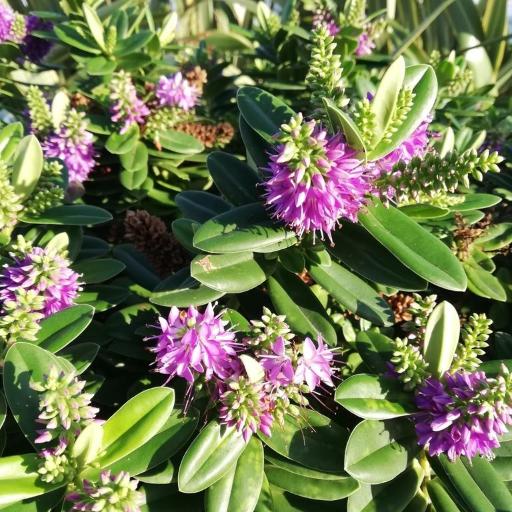
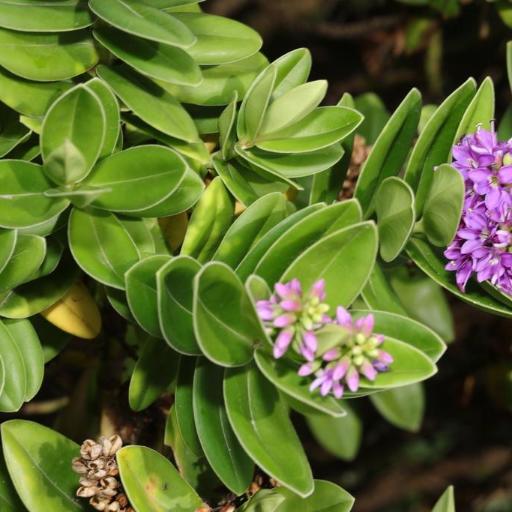
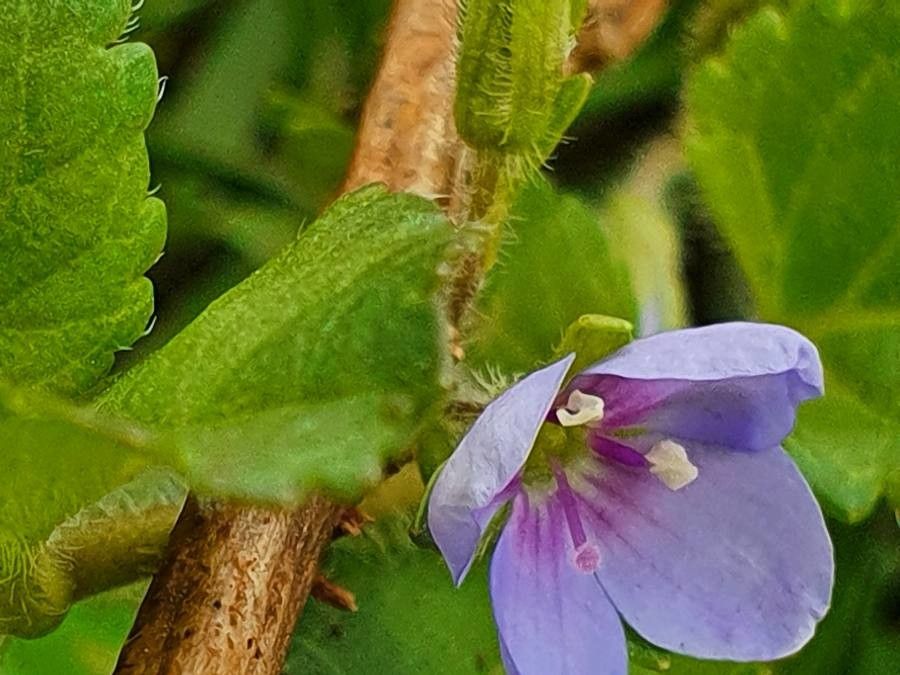
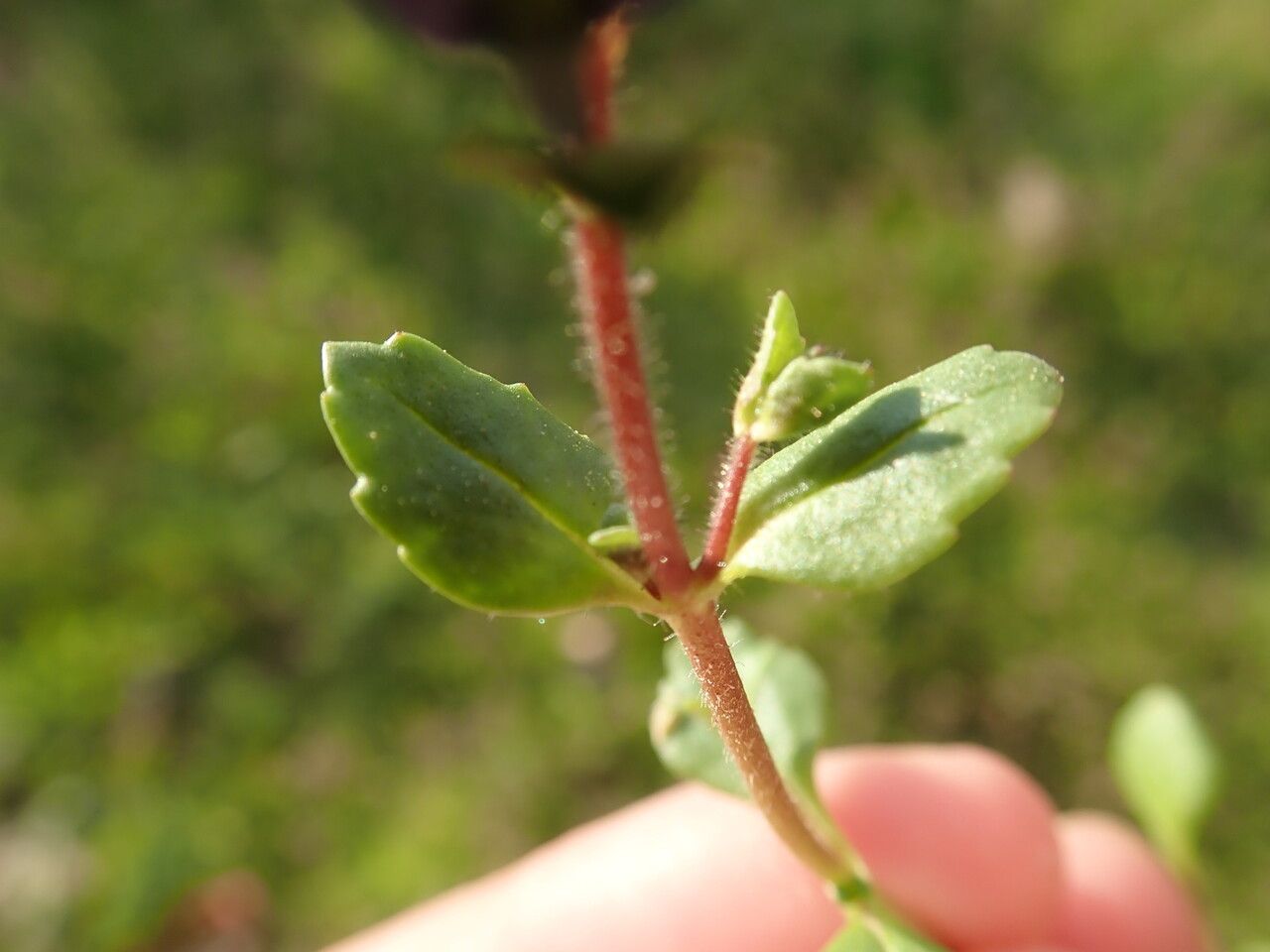
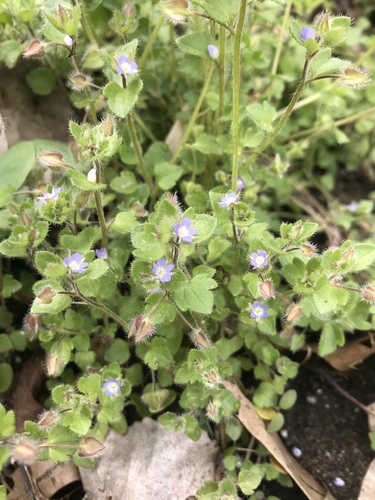
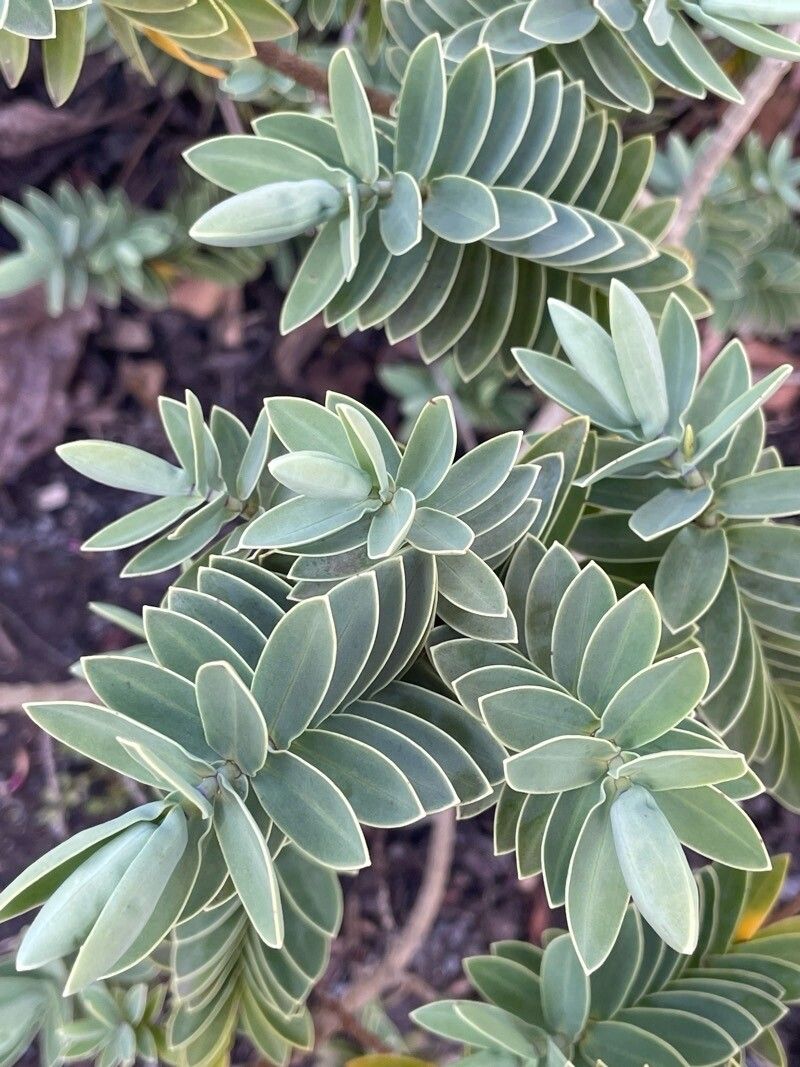
Hedge veronica is fairly disease-resistant and usually not prone to illnesses. Nevertheless, it can be affected by pests and diseases present in its surroundings. These problems are generally mild. For care, this plant needs moderate maintenance. It should be pruned regularly to retain a good appearance and support healthy growth. Fertilizing can also aid in encouraging flowering. Hedge veronica is suitable for anyone with outdoor space, such as a garden or patio, and does not demand extensive care experience. It may need more attention if grown indoors.
How to keep Veronica Ux Franciscana.
Light
Hedge veronica is a perennial herbaceous plant that prefers the sun and natural habitats, typically flourishing in meadows and grasslands. While it has a strong preference for full sunlight, it is also capable of surviving in conditions with partial sun.
Water
Hedge veronica flourishes in consistently moist conditions, making regular watering important. To promote optimal growth, water the plant every one to two weeks. This evergreen plant also benefits from natural rainfall, which complements its watering needs, making it ideal for outdoor cultivation.
Temperature
Hedge veronica possesses the capacity to accommodate an extensive array of thermal conditions, yet its propagation might still be constrained by various combinations of hydration and thermal conditions. It flourishes optimally in heated environments during summer, given sufficient rainfall or irrigation. Extended intervals of overcast and rainy weather, together with prolonged elevated temperatures, can heighten the probabilities of Hedge veronica perishing. During winter, ensuring adequate safeguards against the cold can augment the plant's chances of survival.
Fertilizer
The optimal period to feed a Hedge veronica is during early spring as it transitions from dormancy to active growth. Nutrients from the fertilization process are vital for its robust growth. While Hedge veronica doesn't require much fertilizing, performing this task annually can improve its longevity and produce more durable, superior flowers.
Pruning
Hedge veronica flourishes when pruned annually, ideally from early to late spring, to encourage growth and maintain its shape. Regularly removing dead or damaged branches improves airflow and sunlight exposure, promoting a healthier structure and more abundant blooms. Consistent pruning also prevents legginess, helping the plant retain a compact and attractive form.
Botanical profile.
- Plant Type
- Herb
- Life Cycle
- Perennial
- Genus
- Veronica
- Family
- Plantaginaceae
- Hardiness Zone
- 6-8
- Mature Height
- 91 cm
- Mature Spread
- 91 cm
- Leaf Color
- Green
- Leaf Type
- Semi-evergreen
- Flower Color
- Blue, Purple
- Flower Size
- 1.27 cm
- Bloom Time
- Mid spring, Late spring, Early summer
- Planting Time
- Spring
- Harvest Time
- Mid summer
Other names.