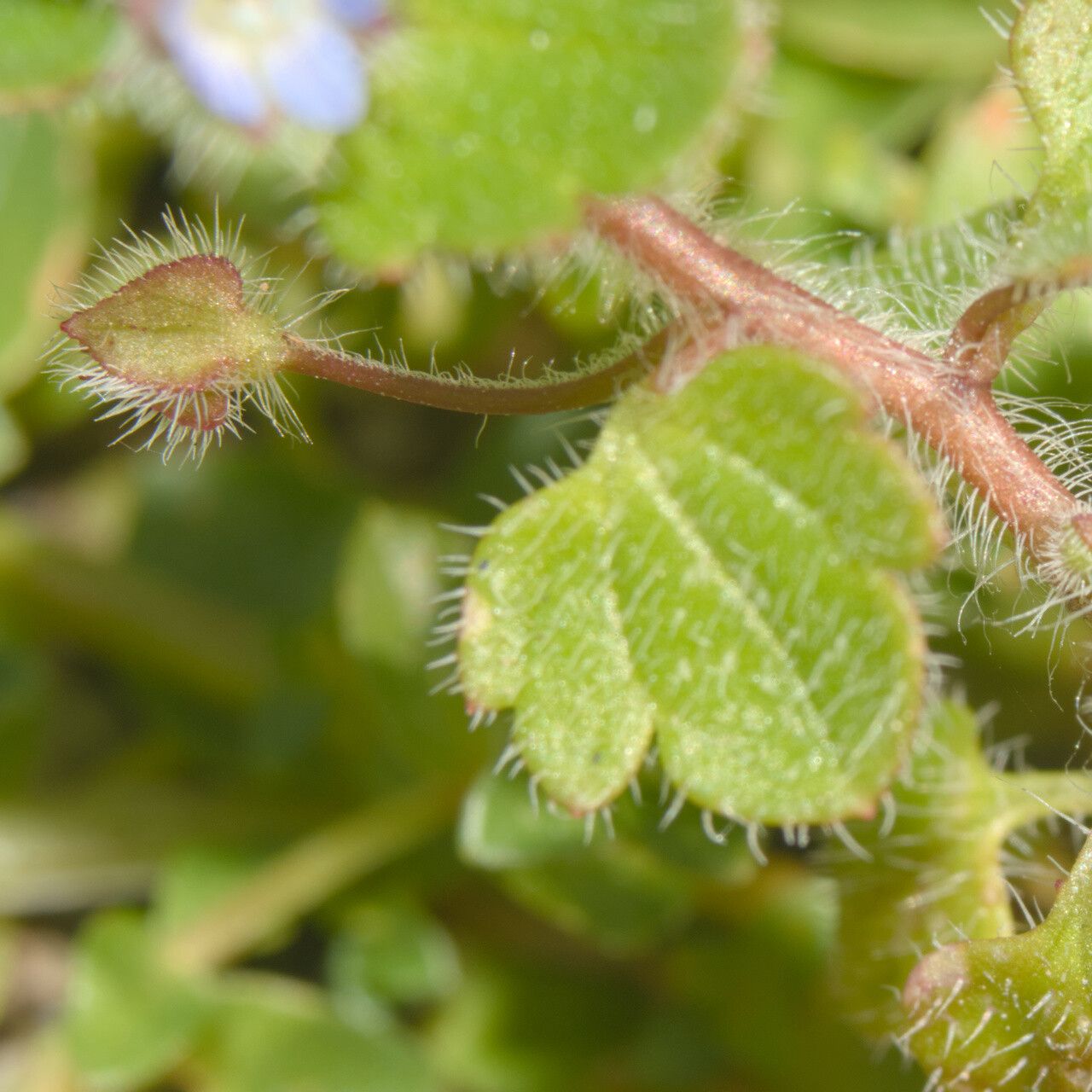
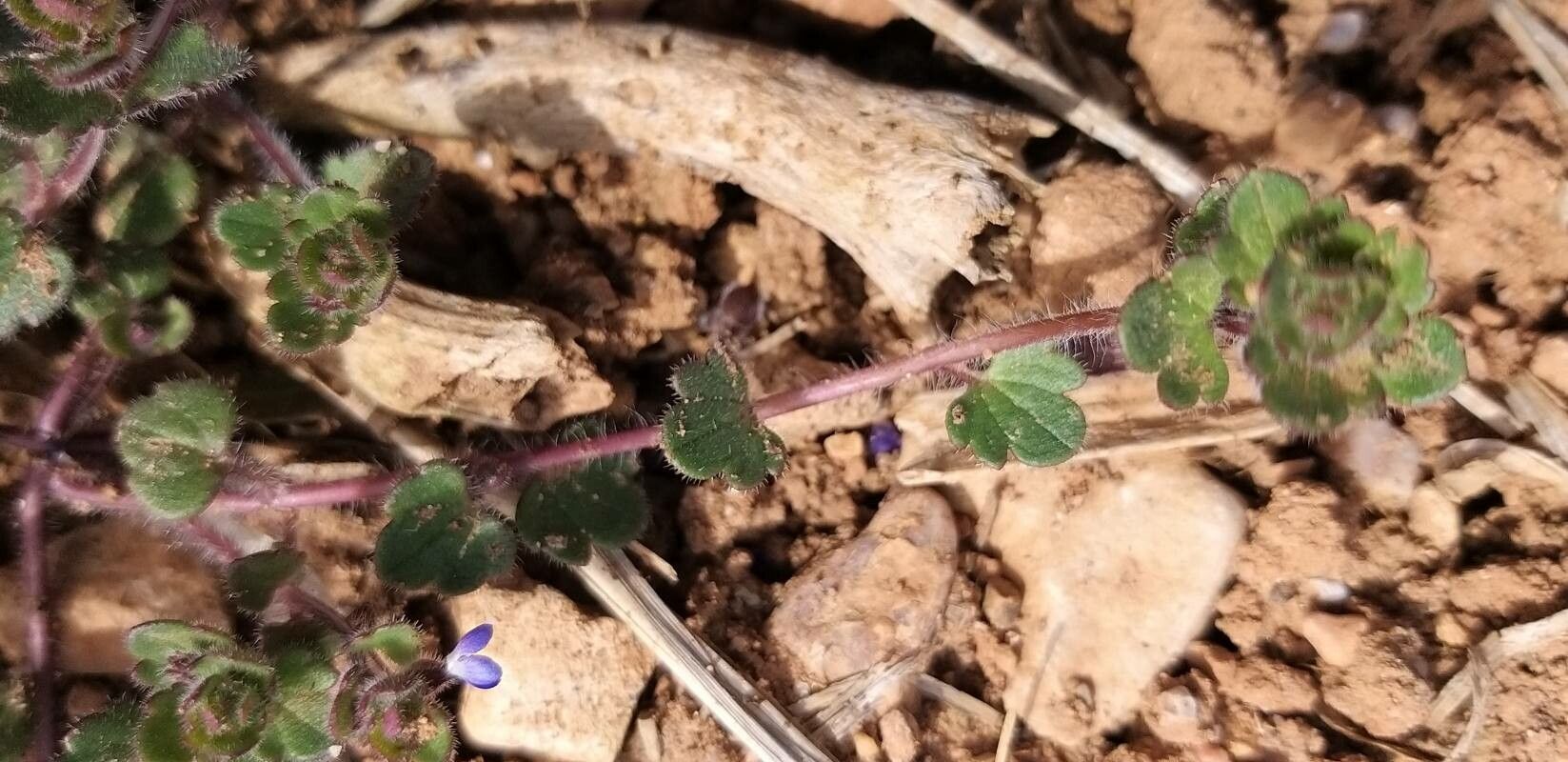
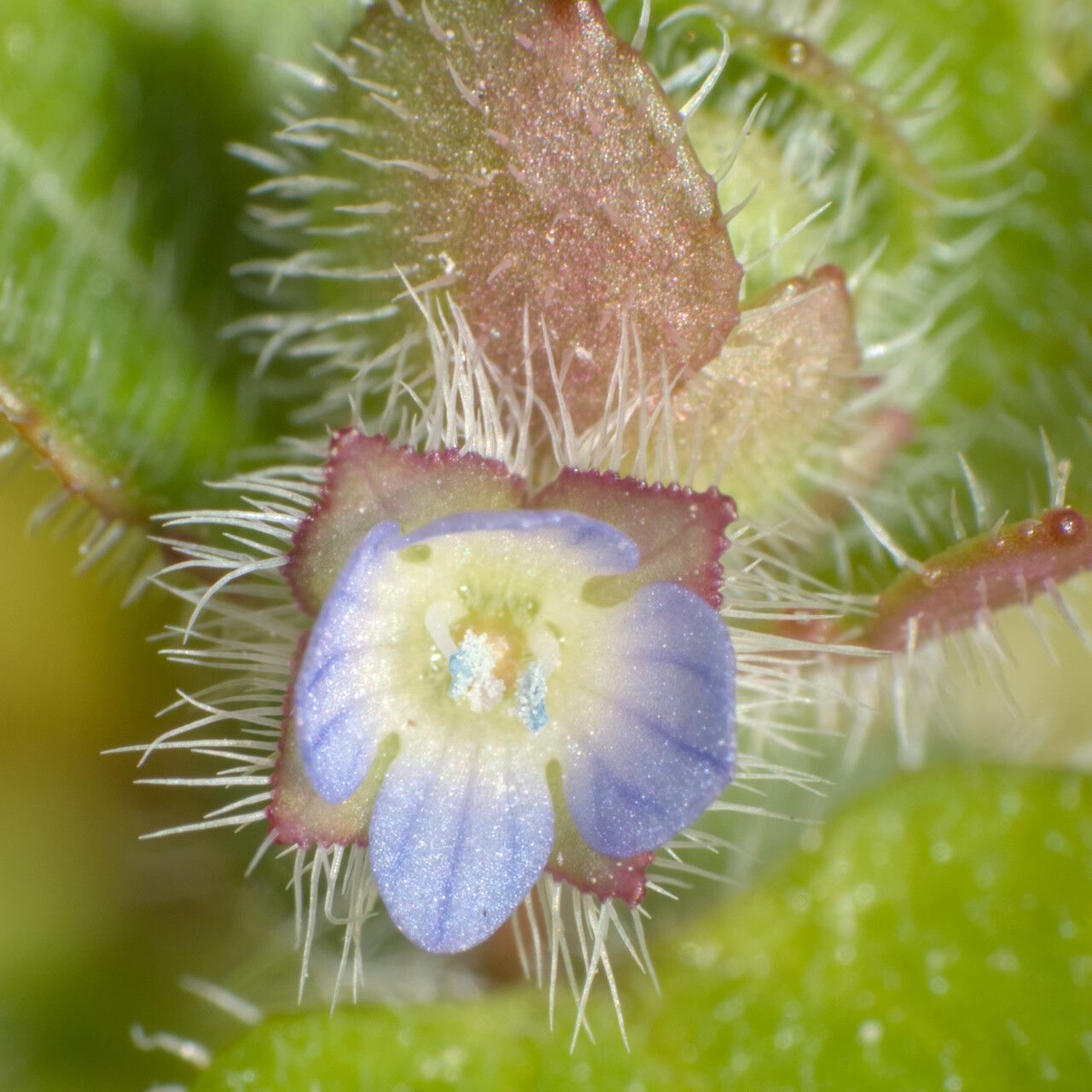
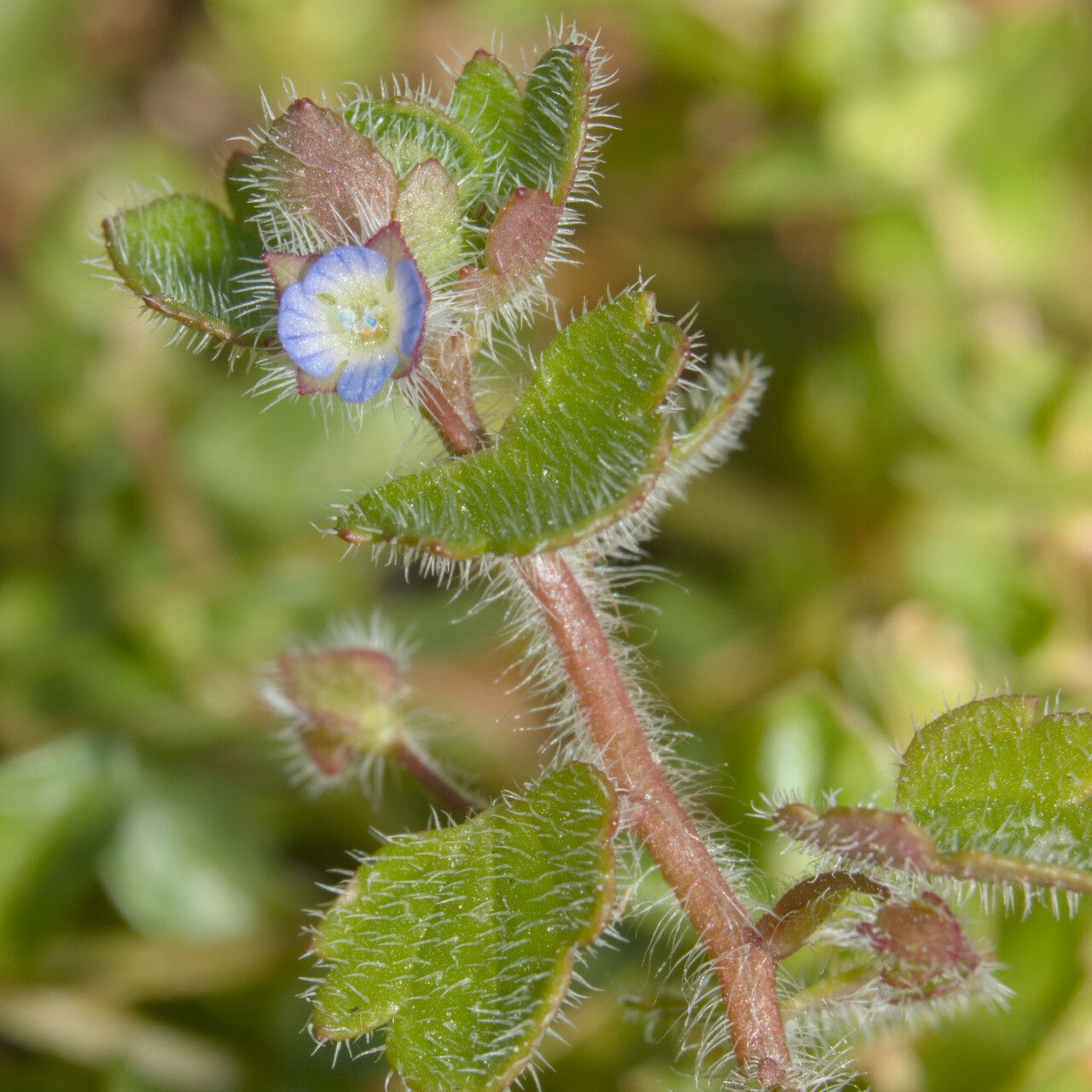
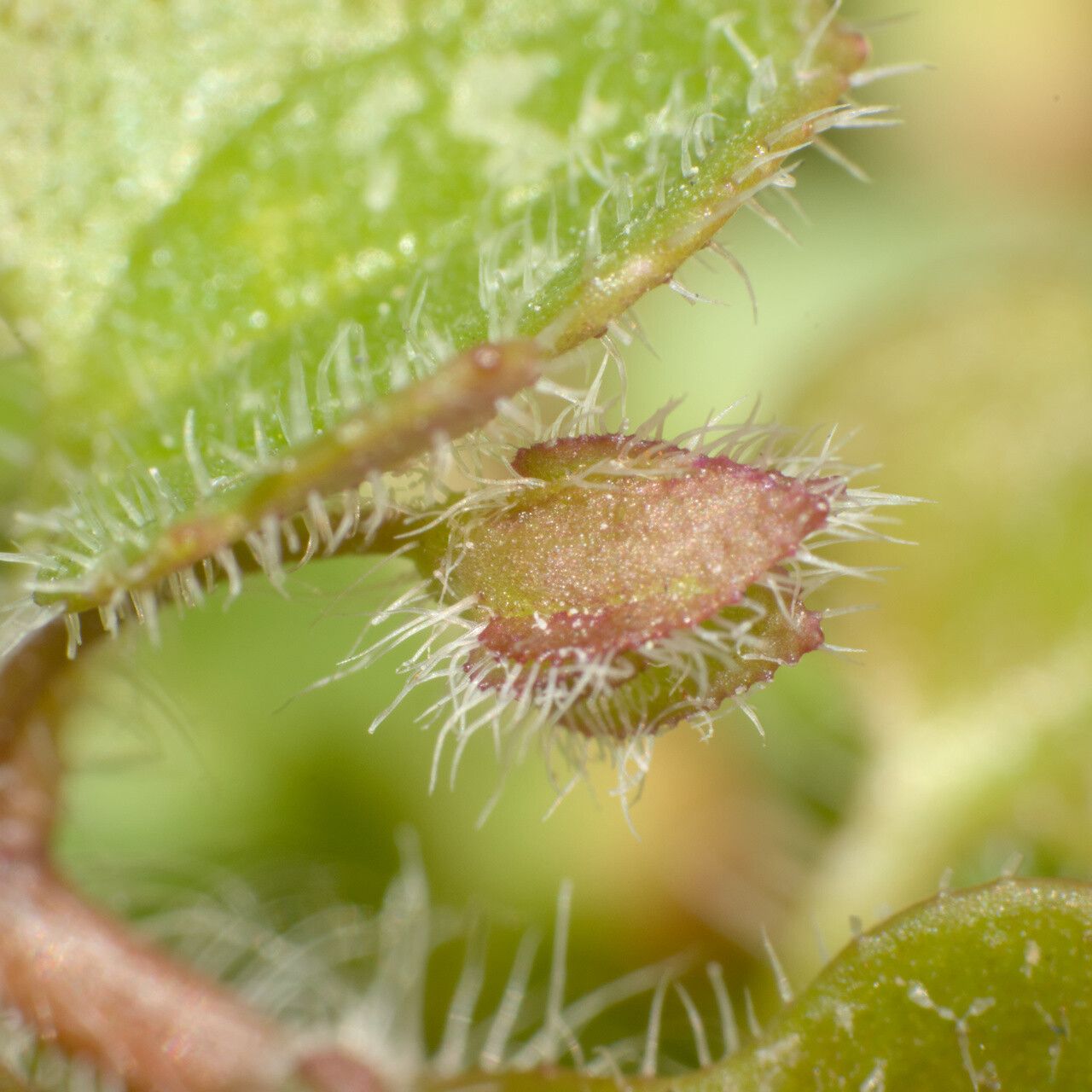
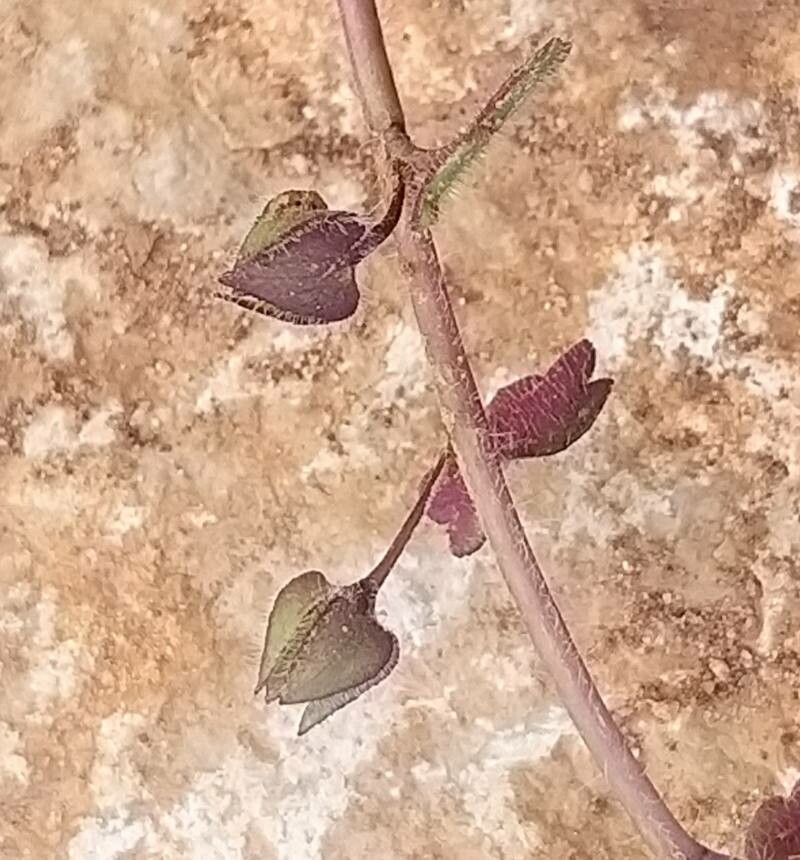
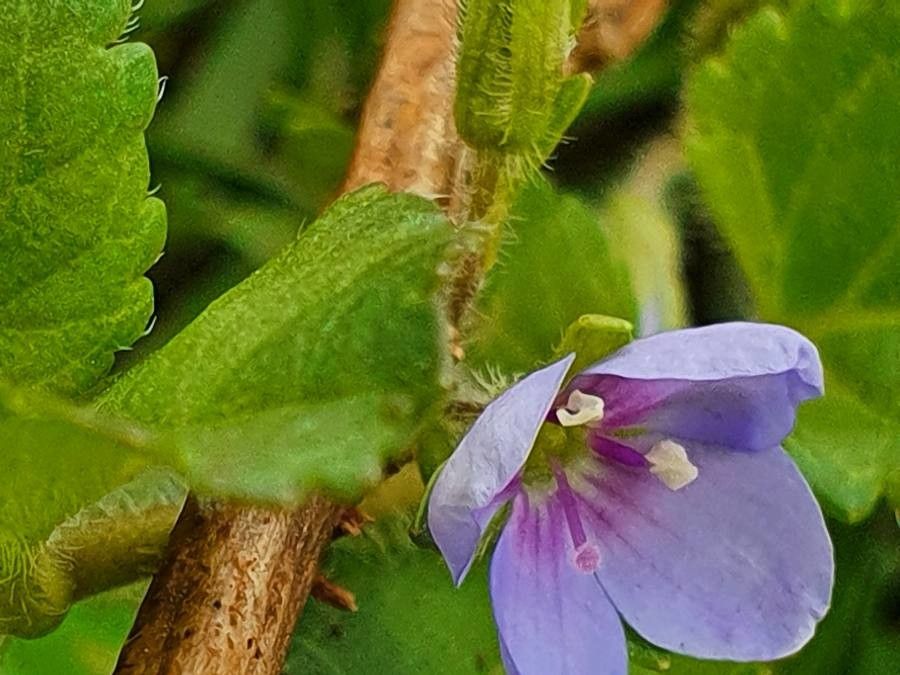
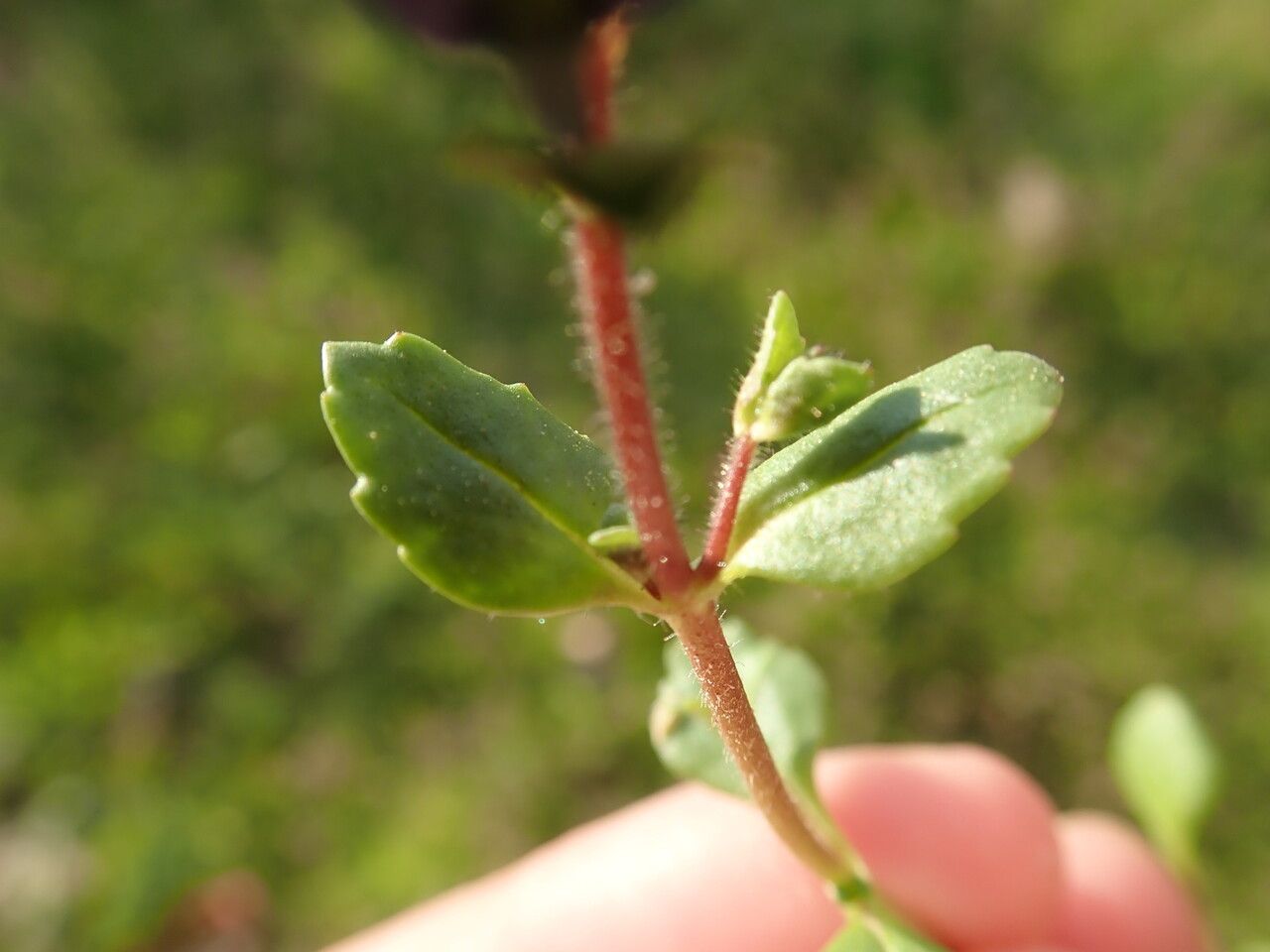
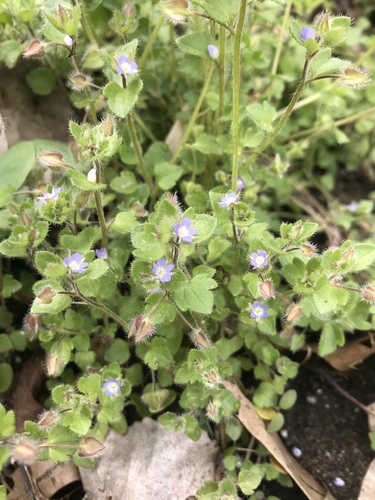
trilobed speedwell is resistant to many diseases and is generally not easily affected by them. Still, it can be vulnerable to pests and illnesses present in its surroundings. Such infections are usually mild. Regarding care, the plant needs moderate maintenance. Regular pruning is required to keep it looking good and to support healthy growth. Applying fertilizer can also encourage flowering. trilobed speedwell is suitable for anyone with an outdoor area, such as a garden or patio, and does not demand extensive care experience. It may require more attention when grown indoors.
How to keep Veronica Triloba.
Light
trilobed speedwell is a sun-loving, perennial herbaceous plant that comes from open habitats and commonly thrives in meadows and grasslands. It prefers full sun but can also tolerate partial sun.
Water
Veronica triloba needs to be watered every 3-4 days. During its growth and flowering periods, increase the moisture levels. In the winter, when the plant goes dormant, water it minimally. After winter, be sure to prune the plant and water it thoroughly to encourage new growth.
Temperature
Trilobed speedwell can tolerate a wide range of temperatures, but its distribution may still be restricted by specific combinations of water and heat. It does best in warm summer climates with sufficient rainfall or watering. Extended stretches of cloudy, rainy weather or prolonged high temperatures can increase the chance of trilobed speedwell dying. In winter, adequate protection from the cold can boost the plant’s survival.
Fertilizer
Usually a single fertilizer application in spring will suffice for trilobed speedwell, though multiple feedings can boost growth. Apply every month to every month and a half. Fertilization improves the appearance and function of the leaves, helping maintain uniform color and a healthy texture. It also encourages root development and increases nutrient uptake for sustained plant health.
Pruning
To improve the appearance of Veronica triloba and conserve nutrients, remove any withered flowers. On sunny mornings, prune the flowering branches by cutting them near the last bloom. This encourages regrowth, with flowering likely to resume in about 20 days. After winter, when temperatures rise above 0℃ (32°F), cut back any yellowed parts of the plant.
Botanical profile.
- Plant Type
- Herb
- Life Cycle
- Perennial
- Genus
- Veronica
- Family
- Plantaginaceae
- Hardiness Zone
- 4-8
- Mature Height
- 10 cm to 30 cm
- Mature Spread
- 15 cm to 25 cm
- Leaf Color
- Green, Dark Green
- Leaf Type
- Deciduous
- Flower Color
- Blue, Purple, Lavender
- Flower Size
- 0.51 cm to 0.76 cm
- Bloom Time
- Early spring, Mid spring
- Planting Time
- Spring, Summer
- Harvest Time
- Late spring, Early summer
- Native Area
- Hungary, Germany, Turkey, Syria, Italy, Spain, Serbia, Czech Republic, Slovakia, Albania, Lebanon, Greece, Croatia, Slovenia, France