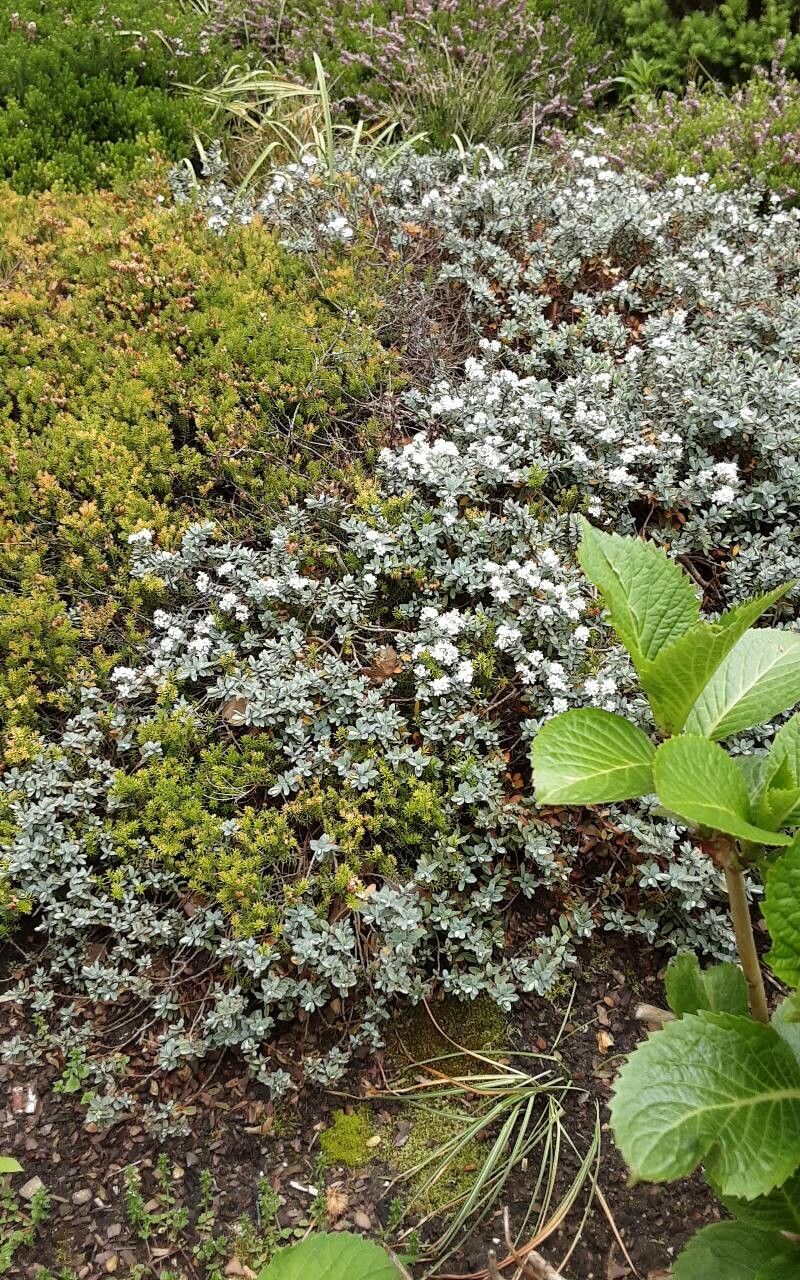
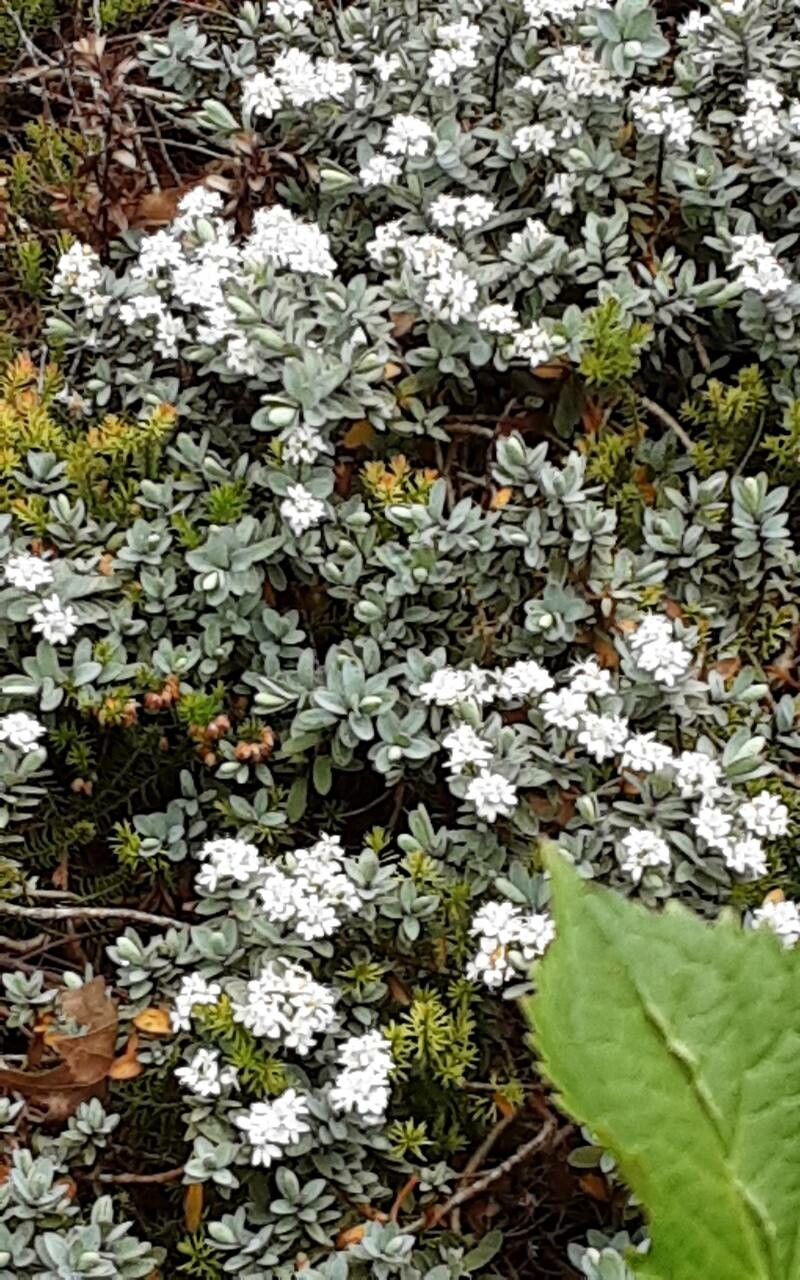
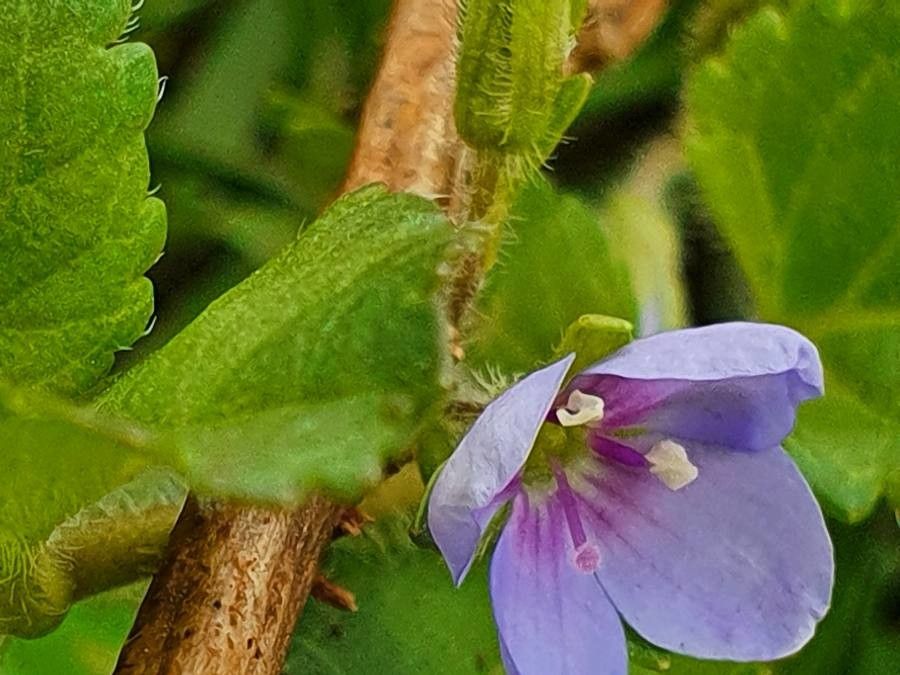
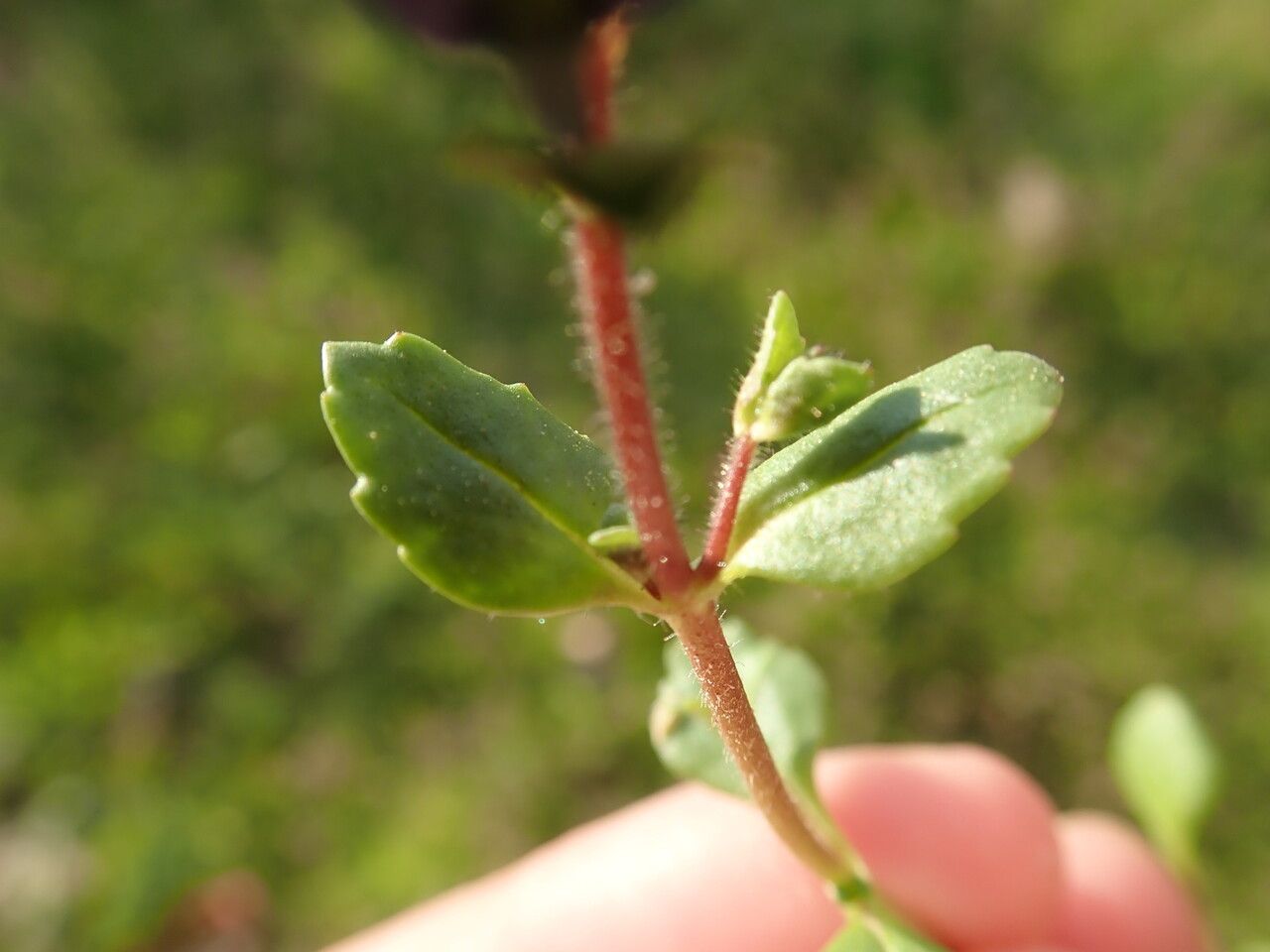
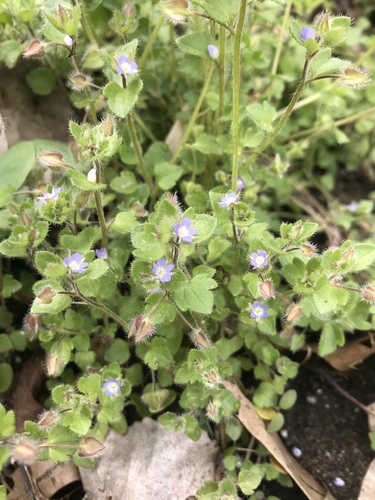
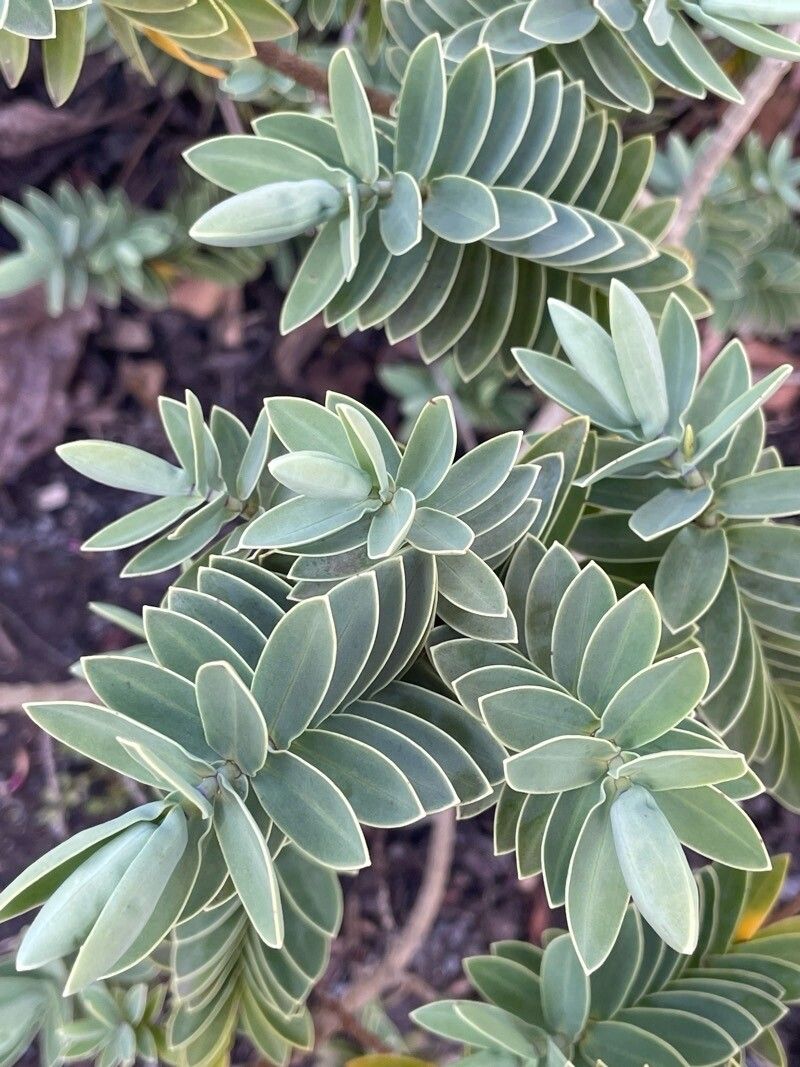
Veronica topiaria, the topiarist's hebe, is a species of flowering plant in the family Plantaginaceae, native to the South Island of New Zealand. As its synonym Hebe topiaria it has gained the Royal Horticultural Society's Award of Garden Merit.
Topiarist's hebe is well resistant to disease and is usually not vulnerable to illnesses. In terms of care, this plant is fairly low-maintenance. When grown outdoors it needs little watering, and larger plants typically do not require pruning. Smaller plants, however, should be trimmed after they have finished blooming. Topiarist's hebe is appropriate for anyone with an outdoor area, such as a garden or a deck, and does not demand extensive gardening experience.
How to keep Veronica Topiaria.
Light
Topiarist's hebe is native to habitats like forest understories and rocky areas that provide natural shade. It prefers partial sun but can also tolerate full sun or full shade, reflecting its adaptable, hardy nature.
Water
The topiarist's hebe flourishes in moderately moist conditions and needs to be watered weekly. It does not tolerate drought well, nor does it thrive in excessively humid environments. As an evergreen that is usually grown outdoors, the topiarist's hebe benefits from natural rainfall, which helps meet its hydration needs.
Fertilizer
Timing is essential when fertilizing a Topiarist's hebe. Apply fertilizer in early spring and continue monthly until early summer. Fertilizer encourages attractive blooms and supplies energy during both dormant and active growth periods.
Pruning
The topiarist's hebe is an evergreen ornamental plant known for its compact foliage. To maintain its shape and health, prune the plant from early to late winter using sharp, sterilized shears. This practice removes dead wood and helps shape the plant. Regular pruning encourages vigorous growth in the spring and enhances the plant's appearance, promoting a healthy and distinctive form.
Pot & Repot
Topiarist's hebe is a small, rounded shrub that requires repotting every 2 to 3 years, preferably in the spring. When repotting, choose a slightly larger pot with well-draining soil. After repotting, water the plant moderately and provide it with adequate light to support its recovery and growth.
Botanical profile.
- Plant Type
- Shrub
- Life Cycle
- Perennial
- Genus
- Veronica
- Family
- Plantaginaceae
- Hardiness Zone
- 6-8
- Mature Height
- 91 cm
- Mature Spread
- 91 cm
- Leaf Color
- Dark Green, Forest Green
- Leaf Type
- Evergreen
- Flower Size
- 0.51 cm to 0.76 cm
- Bloom Time
- Late spring, Early summer, Mid summer
- Planting Time
- Spring, Autumn
- Harvest Time
- Mid summer
- Native Area
- New Zealand