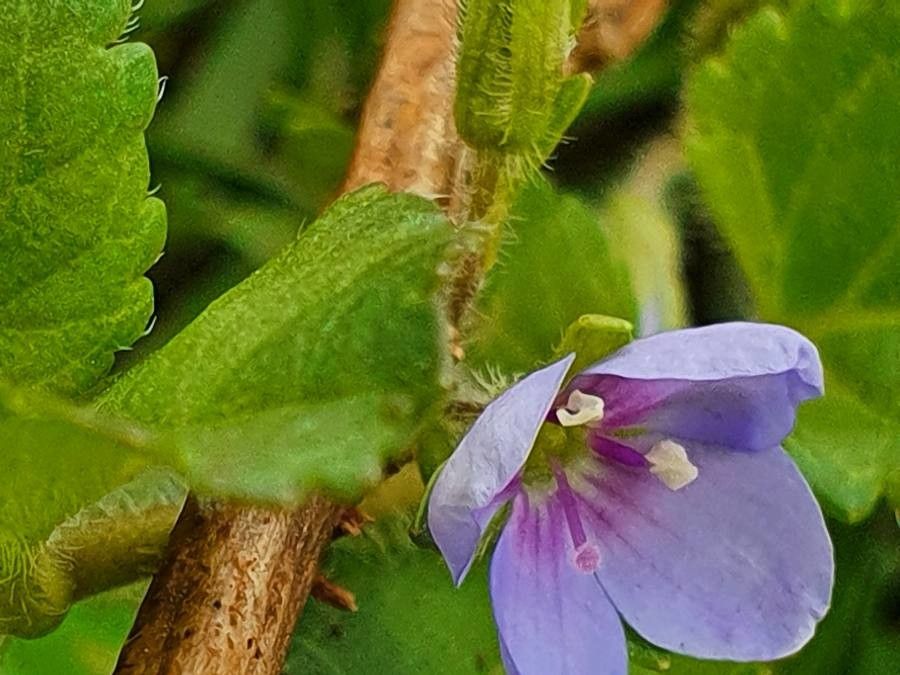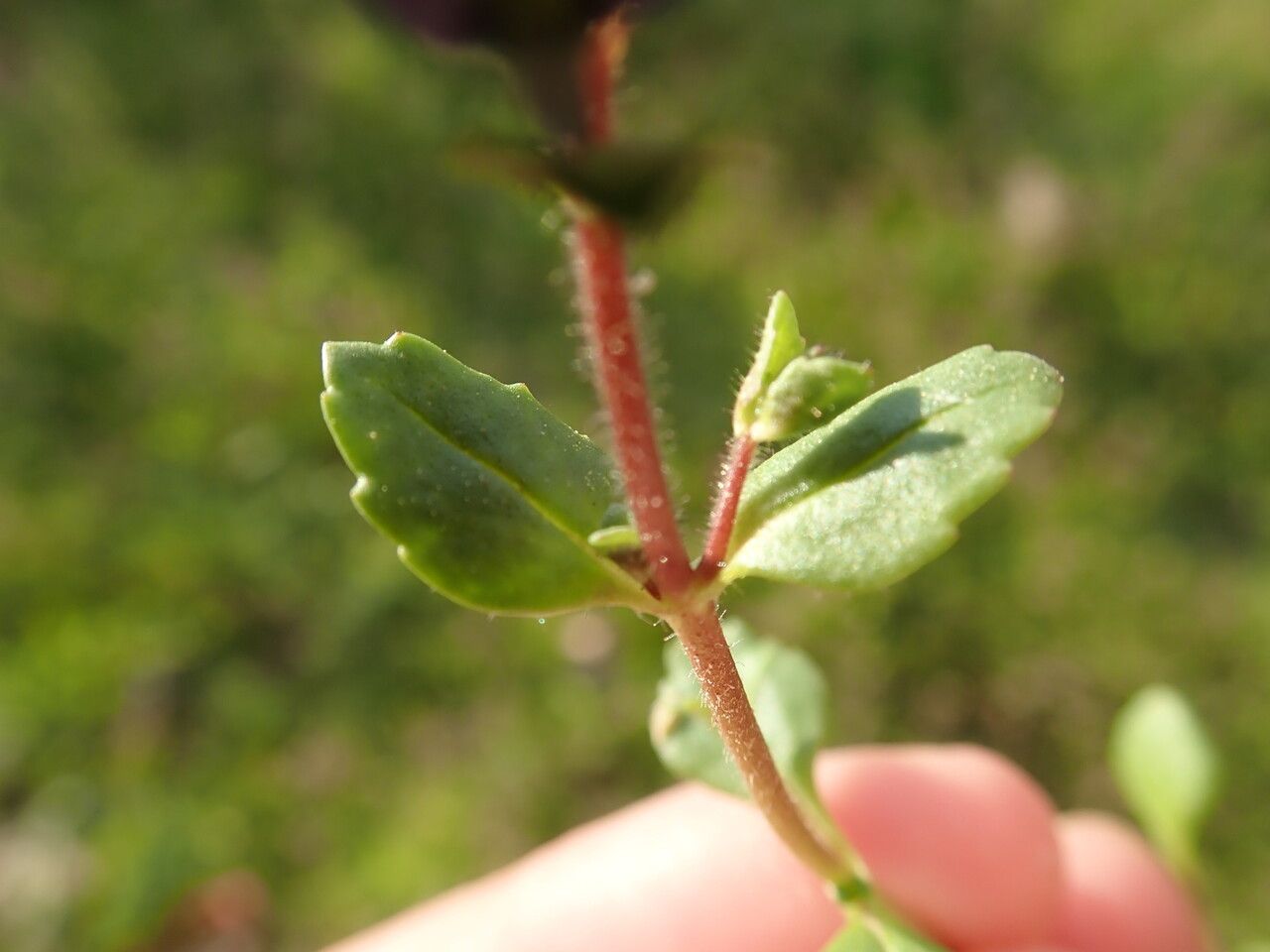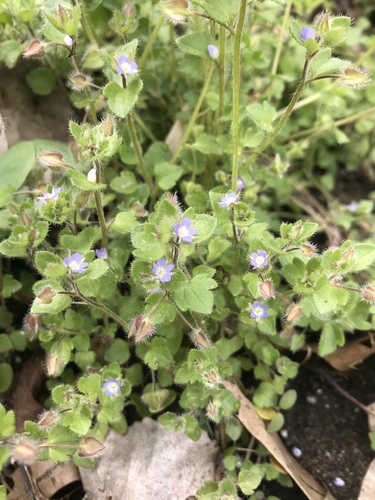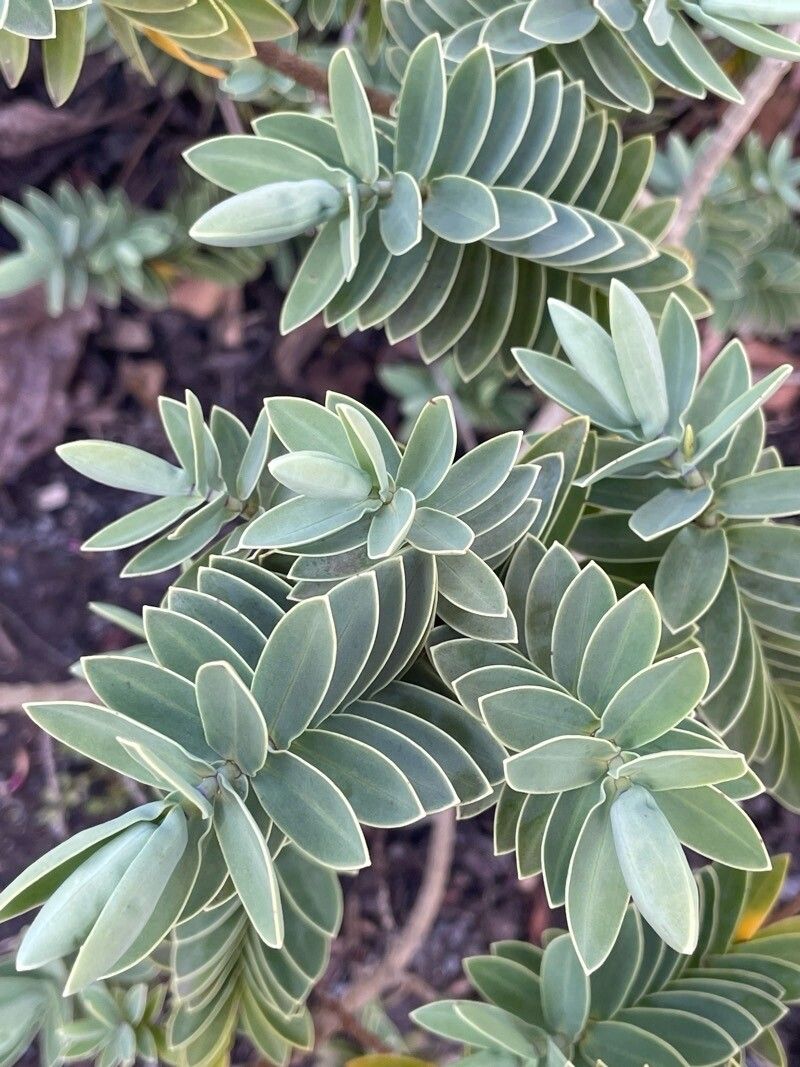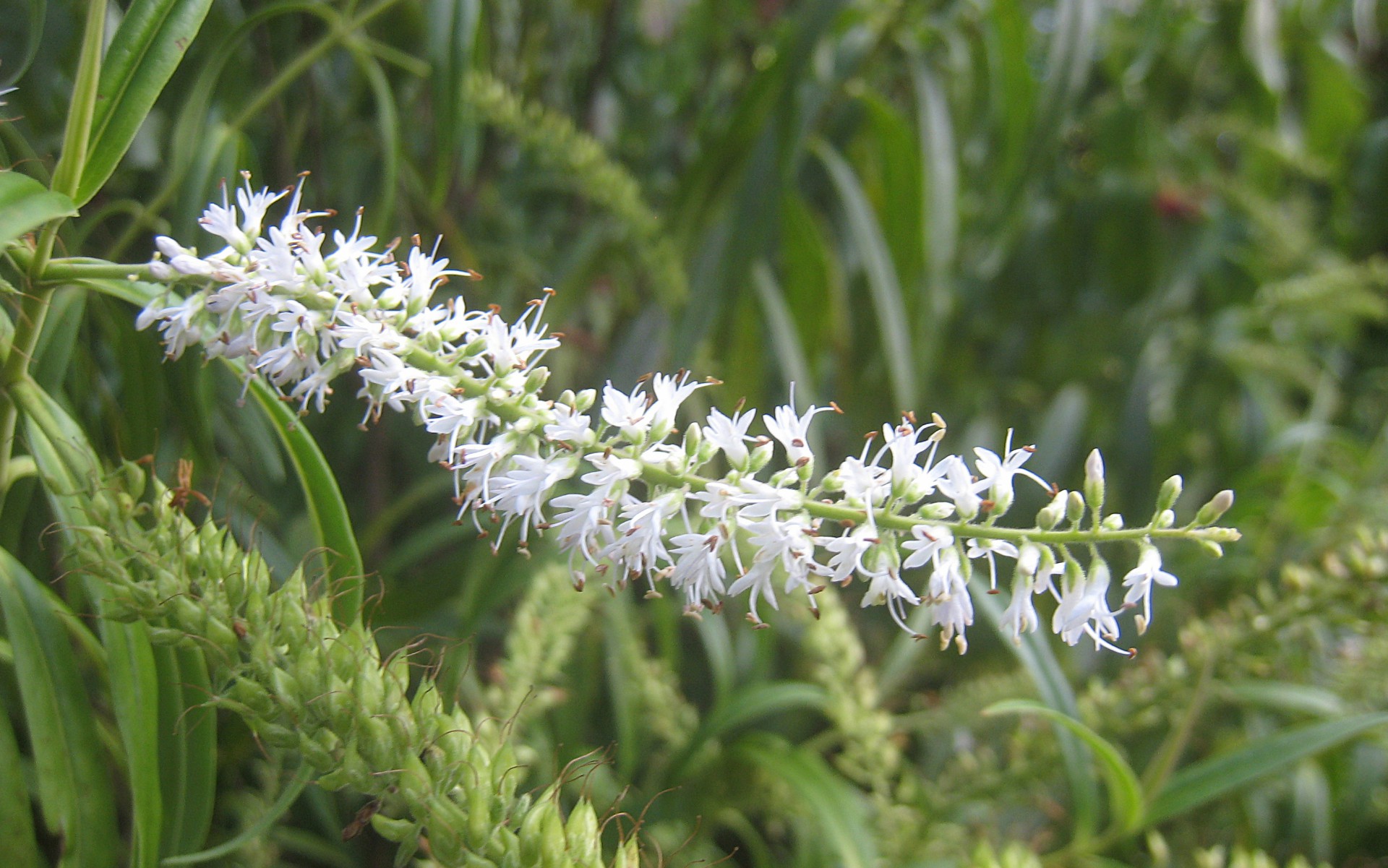
Hebe stricta, commonly called koromiko, is a flowering plant in the family Plantaginaceae, which is endemic to New Zealand. Recently Hebe stricta has been reclassified and the botanical name has changed to Veronica stricta. A hebe found throughout the Mainland New Zealand, with long pale green leaves and tiny white flowers in summer formed into a dense inflorescence longer than the leaves. The koromiko is a hardy plant and does not tolerate shade. It prefers full sun and open habitats on edge of bush and wetlands as it tolerates wet areas.
Koromiko demonstrates good disease resistance and is, overall, not very susceptible to diseases. In terms of care, this plant is relatively low-maintenance. When planted outdoors it requires only minimal watering, and larger plants generally do not need pruning. Smaller plants, however, should be pruned after they have finished blooming. Koromikot is suitable for anyone with an outdoor area, such as a garden or deck, and does not require much prior care experience.
How to keep Veronica Stricta.
Light
Koromiko prefers abundant sunlight for robust growth and is fairly tolerant, able to survive in spots with somewhat less sun. Its native habitat reflects these preferences, without indicating particular regions. Too much or too little sunlight can be harmful, undermining the plant’s health and growth.
Water
Koromiko, a plant native to areas with irregular rainfall, is highly drought-tolerant and retains water effectively. It does well when watered every 2 to 3 weeks and prefers soil that is slightly dry. Using mulch around koromiko is beneficial as it helps conserve moisture and protects the plant's roots during the growing season.
Temperature
Koromiko originates from temperate areas and does well in temperatures between 32 to 95 °F (0 to 35 ℃). Cooler conditions can limit its growth, while higher temperatures may scorch its leaves. Modify care according to seasonal changes to maintain optimal conditions.
Fertilizer
The timing of fertilizing Koromiko is important. Apply fertilizer in early spring and continue monthly until early summer. Fertilizer promotes attractive blooms and supplies energy during both dormant periods and active growth.
Pruning
Koromiko benefits greatly from annual pruning in early spring. This practice encourages new growth and helps maintain the plant's shape. When pruning, focus on removing dead branches and thinning out overcrowded areas to improve air circulation. Regular pruning not only enhances flowering and overall health but also prevents legginess, resulting in a strong and attractive appearance.
Botanical profile.
- Plant Type
- Shrub
- Life Cycle
- Perennial
- Genus
- Veronica
- Family
- Plantaginaceae
- Hardiness Zone
- 3-9
- Mature Height
- 0.91 m to 3.96 m
- Mature Spread
- 1.52 m
- Leaf Color
- Green, Blue
- Leaf Type
- Semi-evergreen
- Flower Color
- White, Blue
- Flower Size
- 0.25 cm to 0.51 cm
- Bloom Time
- Summer
- Planting Time
- Spring, Summer
- Harvest Time
- Late summer, Early fall, Mid fall
- Native Area
- New Zealand