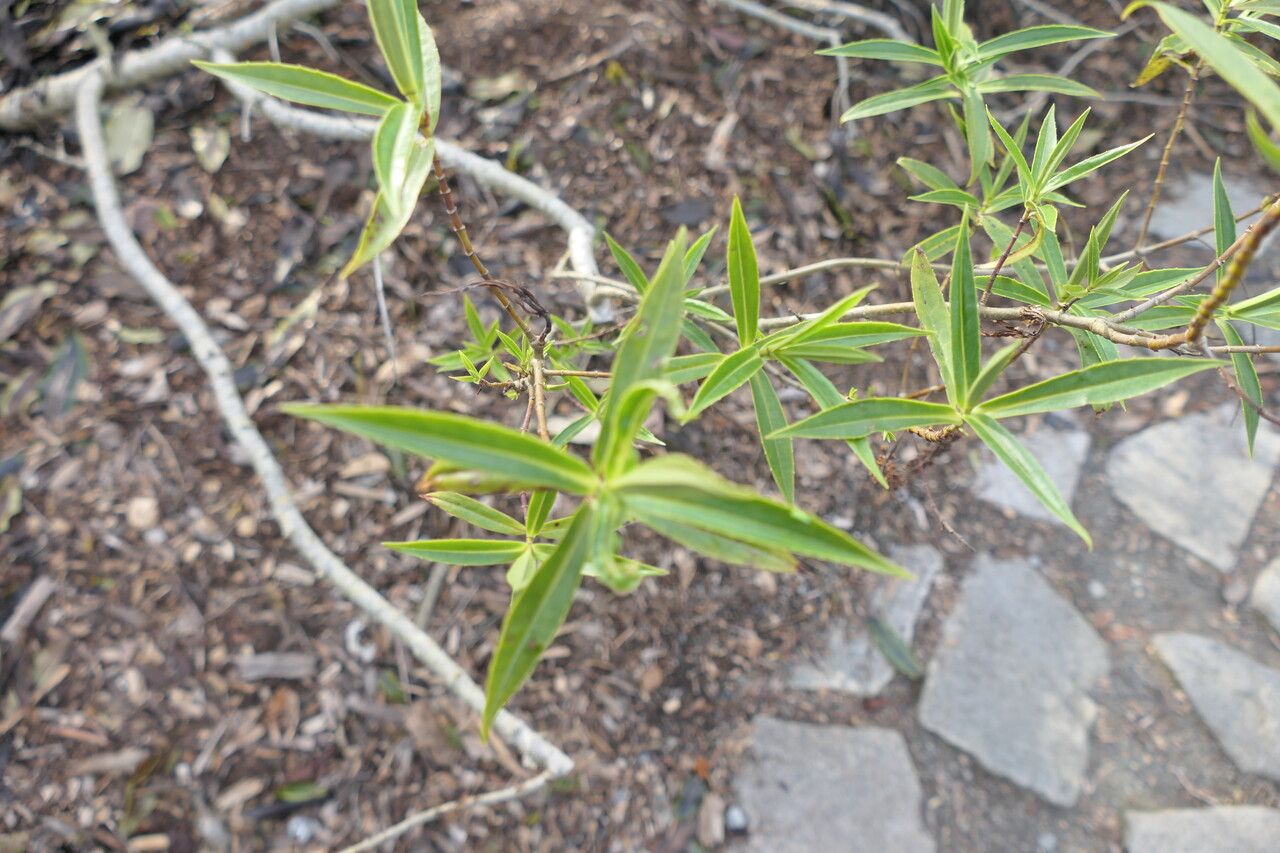
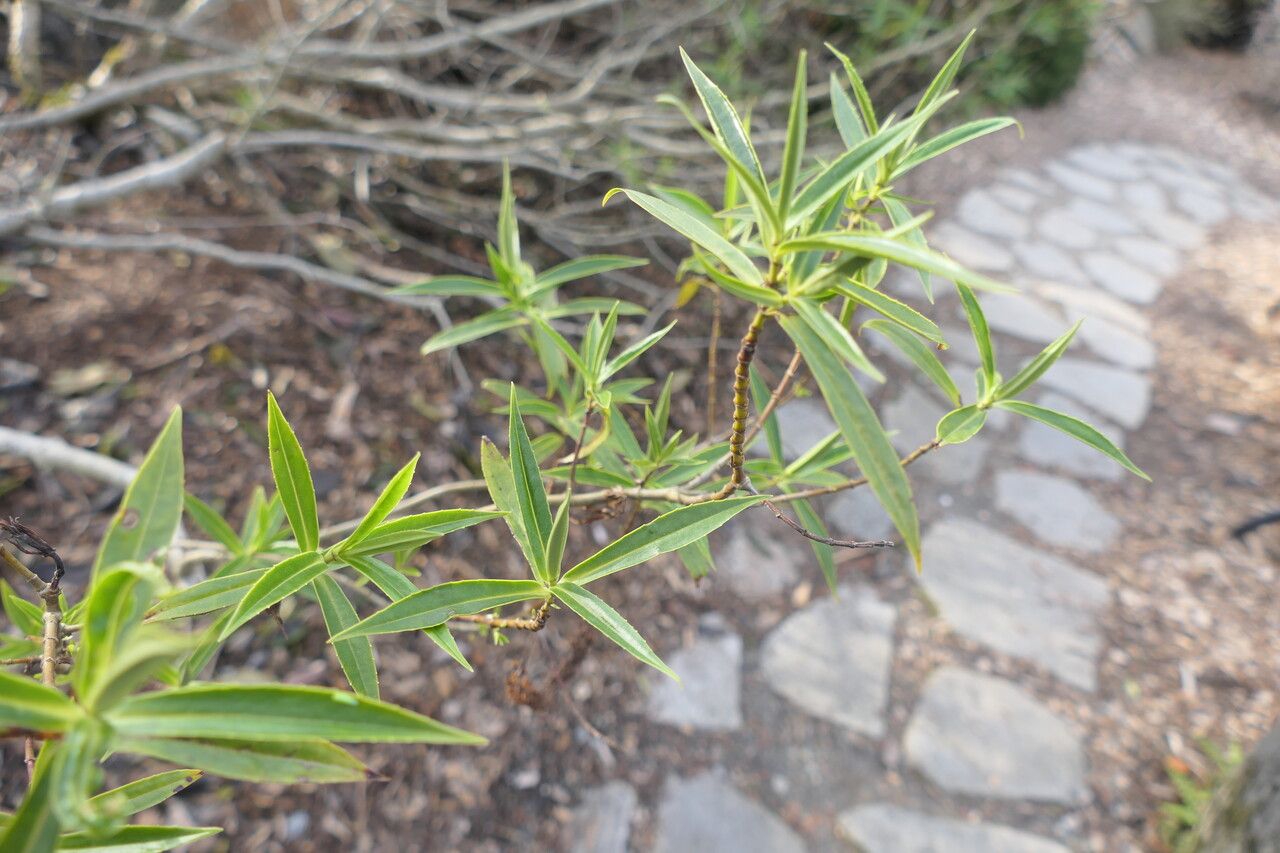
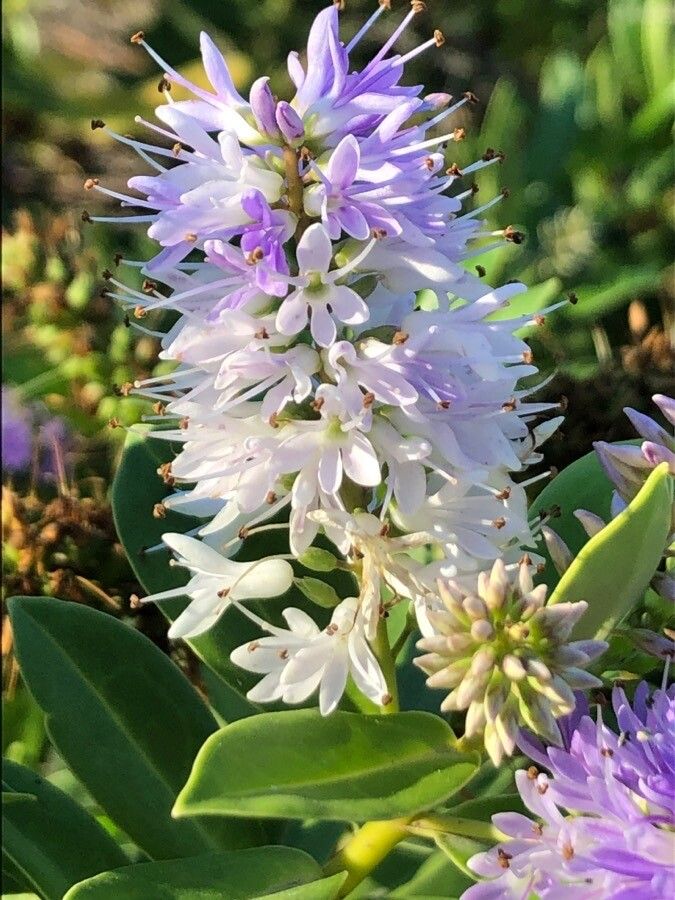
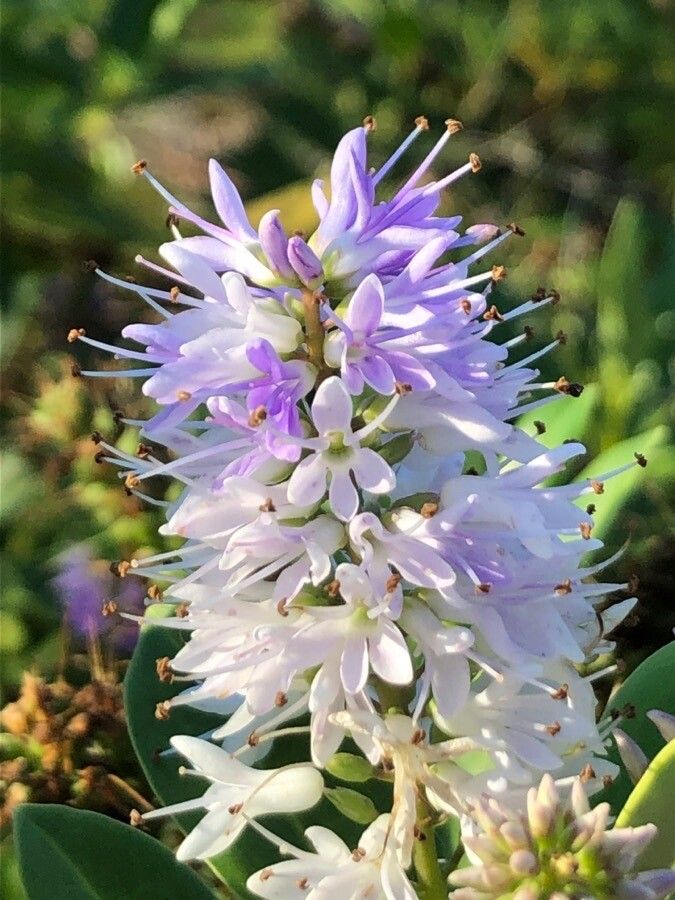
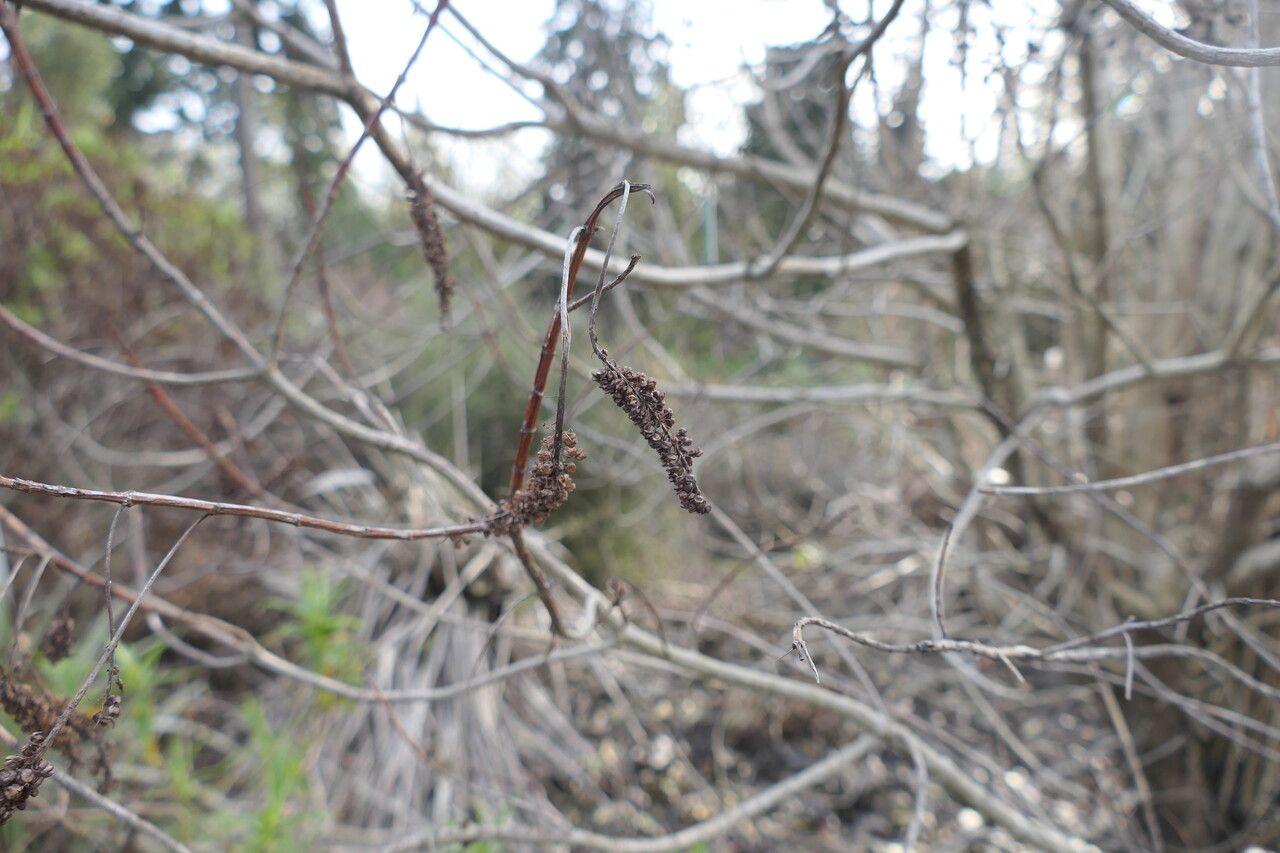
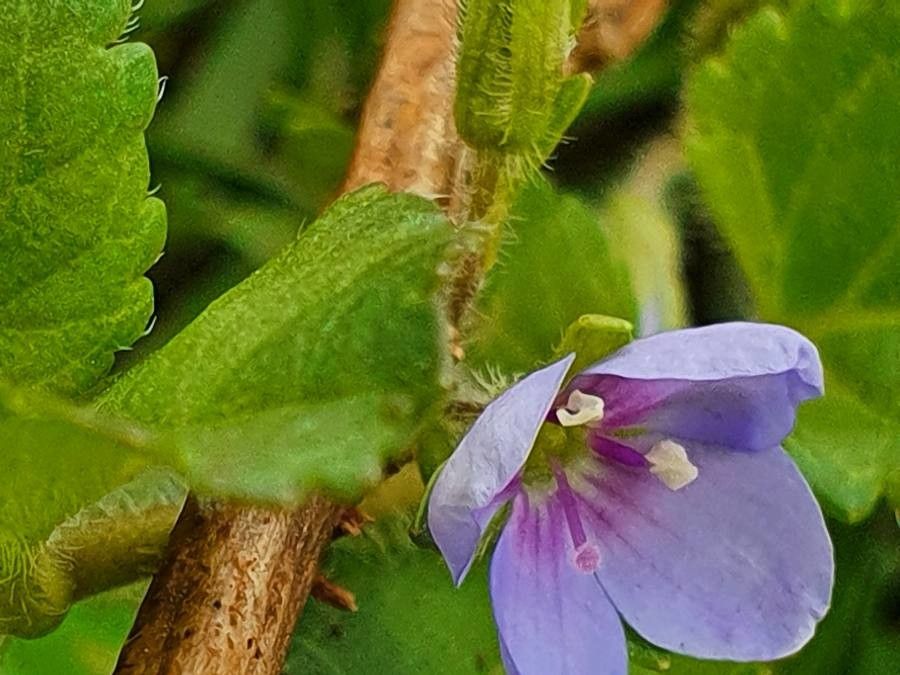
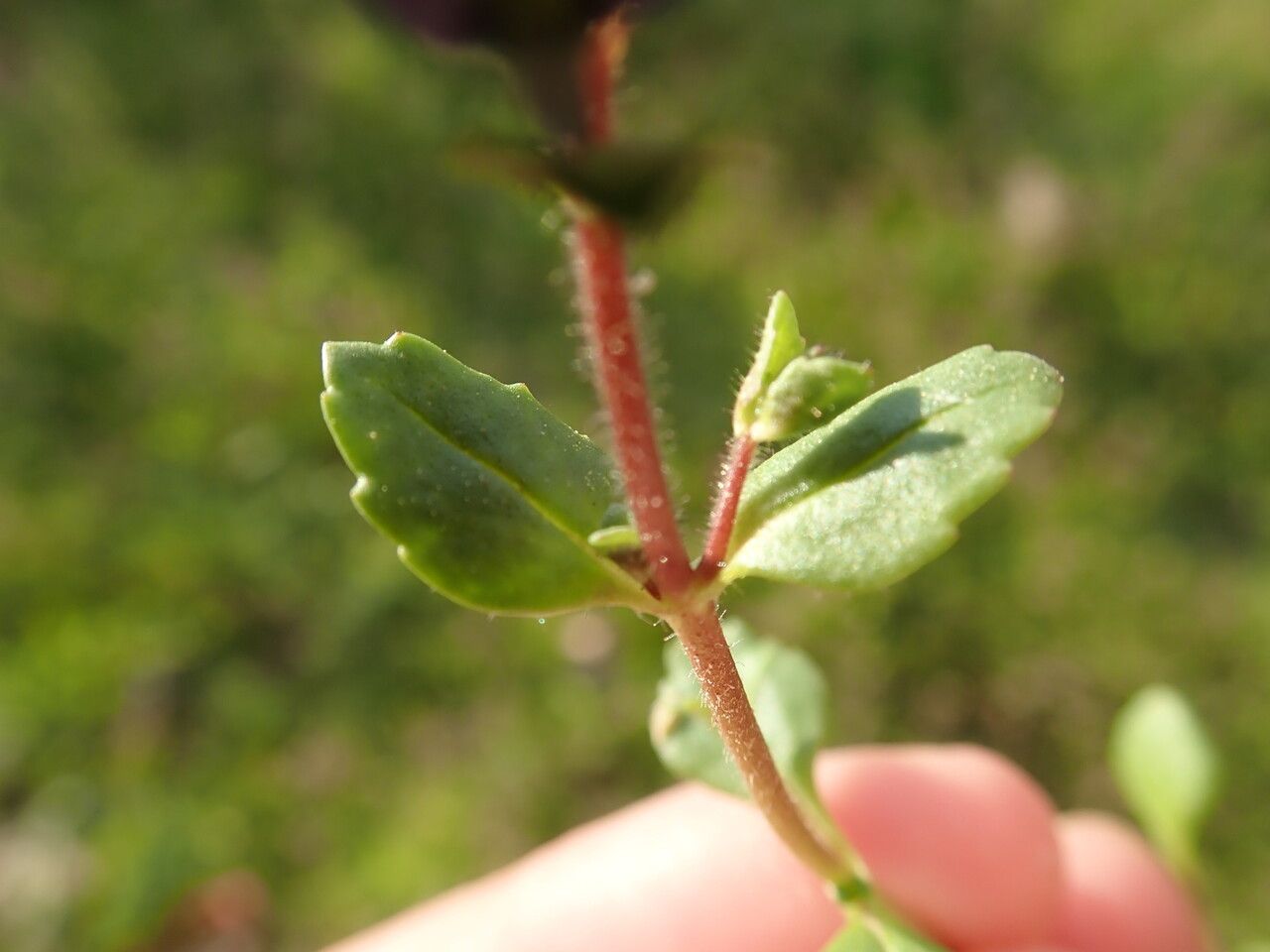
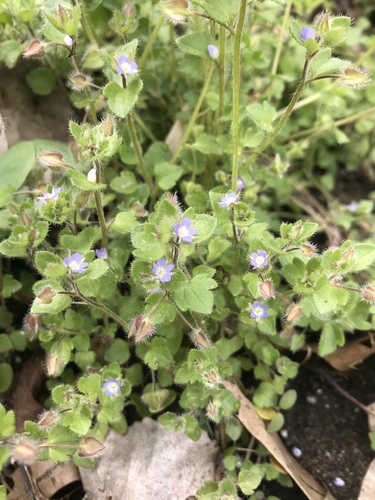
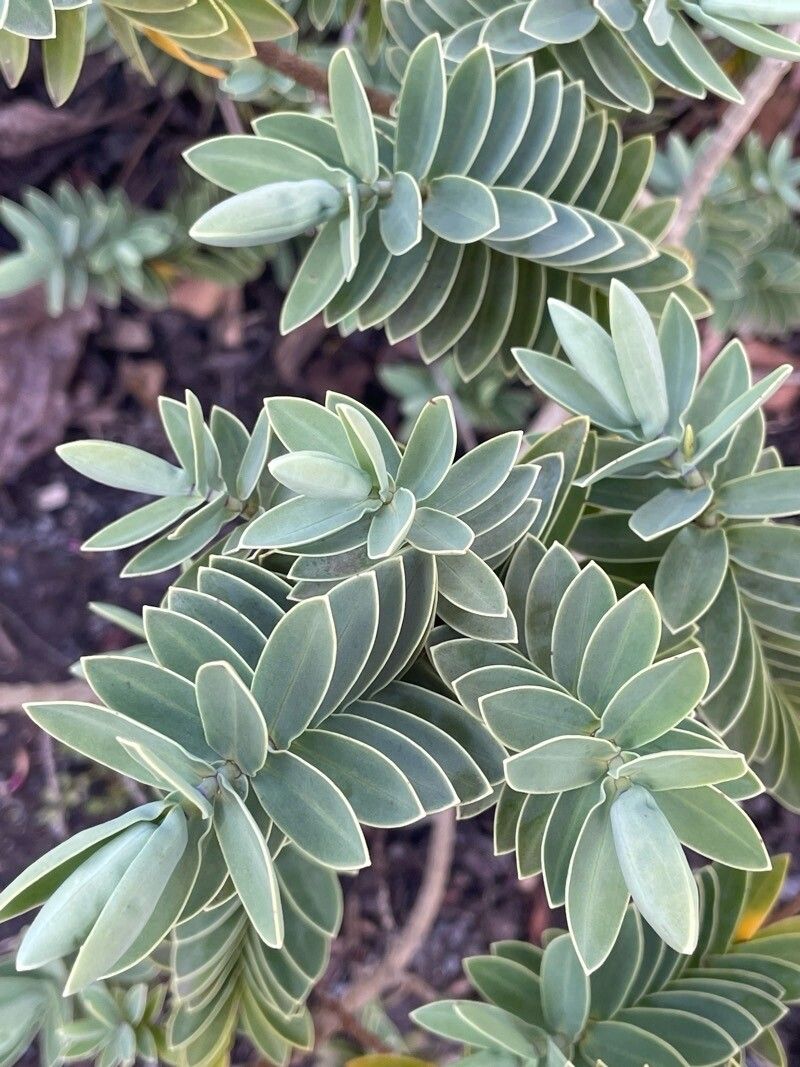
Hebe salicifolia, the koromiko, or willow-leaf hebe, is a flowering plant in the family Plantaginaceae, which is found throughout the South Island of New Zealand and in Chile. It is a large, evergreen shrub, reaching 2 m in height, with light green, spear-shaped leaves that are up to 12 cm long, and flowers that are white or pale lilac.
Koromiko demonstrates good disease resistance and is, overall, not very susceptible to diseases. In terms of care, this plant is relatively low-maintenance. When planted outdoors it requires only minimal watering, and larger plants generally do not need pruning. Smaller plants, however, should be pruned after they have finished blooming. Koromikot is suitable for anyone with an outdoor area, such as a garden or deck, and does not require much prior care experience.
How to keep Veronica Salicifolia.
Light
Koromiko does best when it receives ample sunlight throughout the day, which encourages its growth. Originating from habitats with abundant sun, it can also tolerate periods of moderate sunlight. Both excessive and insufficient light can harm the plant’s health, affecting its leaves and flowers.
Water
Koromiko, a plant native to moderate climates, thrives in consistently moist soil. It grows best when watered weekly, ensuring the soil remains moist but not waterlogged. In temperate zones, rainwater works well with its regular watering schedule, promoting healthy growth.
Temperature
Koromiko copes well with a variety of climate conditions, whether in sweltering summers or frosty winters. That said, it does have a preferred temperature range for growth. If temperatures become too high, the plant is susceptible to heat and humidity stress, which can lead to its death. In areas where temperatures approach the lower limit of its cold tolerance, it is important to provide insulation to protect the plant.
Fertilizer
The timing of fertilizing Koromiko is important. Apply fertilizer in early spring and continue monthly until early summer. Fertilizer promotes attractive blooms and supplies energy during both dormant periods and active growth.
Pruning
Koromiko is known for its willow-like leaves and white to pinkish flowers. To promote growth and flowering, it's best to prune the plant in early spring. Important techniques for pruning include removing dead wood, thinning out crowded branches, and reducing the plant's size by about one-third. Pruning not only improves air circulation and reduces the risk of disease, but it also enhances the plant's blooming vigor.
Pot & Repot
Repot koromiko every 2 to 3 years in the spring, using a slightly larger container each time. After repotting, place the plant in a brightly lit area and be careful not to overwater it to ensure optimal recovery. Following these care instructions will help promote vigorous health and flowering in your koromiko.
Botanical profile.
- Plant Type
- Shrub
- Life Cycle
- Perennial
- Genus
- Veronica
- Family
- Plantaginaceae
- Hardiness Zone
- 7-9
- Mature Height
- 4.57 m
- Mature Spread
- 3.05 m
- Leaf Color
- Dark Green
- Leaf Type
- Evergreen
- Flower Color
- White
- Flower Size
- 0.51 cm to 1.02 cm
- Bloom Time
- Summer
- Planting Time
- Spring, Summer, Autumn
- Harvest Time
- Fall
- Native Area
- New Zealand
Other names.
Reader questions.
How should I water my Koromiko plant?
Your Koromiko plant is not very particular about how you water it. You can use any common watering tool, such as watering cans, hoses, or cups. Just make sure to water the soil directly. It's important to evenly moisten all areas of the soil to ensure the entire root system gets the water it needs. To protect your plant, it's best to use filtered water as tap water may contain harmful particles. Additionally, using water at or slightly above room temperature is recommended as extreme temperatures can shock the Koromiko. However, this plant usually responds well to any type of water you give it.
Why should I add fertilizer to my Koromiko plant?
Fertilizing your Koromiko is crucial for multiple reasons. Firstly, using fertilizer will enhance the production of beautiful blooms on your Koromiko. To ensure excellent flowers during the spring season, it is recommended to fertilize your Koromiko in early spring. Additionally, fertilizer provides ample energy for your Koromiko to store in the ground during its dormant growth phases. By providing extra nutrients during fall planting or late spring, your Koromiko will store more energy to utilize once active growth resumes.
What are the sunlight requirements for Koromiko?
Koromiko thrives in full sun, needing above 6 hours of sunlight daily, but it can also survive in partial sun, which is about 3-6 hours of sunlight. It's essential to observe the sunlight patterns in your garden to ensure your plants get the appropriate balance of light and shade for optimal growth. The plant's health can be adversely affected by either overexposure or inadequate sunlight, impacting its foliage and bloom.
What is Koromiko?
Koromiko is a plant known botanically as Veronica salicifolia. It does not have additional listed essentials or symptoms associated with its description in the provided data.
What should I do if I give my Koromiko plant too much water or too little water?
When it comes to outdoor plants, especially newly planted ones or seedlings, they can easily suffer from lack of watering. It's important to remember to keep watering them consistently for a few months while they are small or newly planted. Once the roots are established, they can rely on rain most of the time. In the case of potted Koromiko plants, overwatering is often a common issue. If you accidentally overwater your Koromiko, it's important to act quickly to remedy the situation. First, stop watering the plant immediately to minimize the effects of overwatering. Then, take the plant out of its pot and check the roots. If you see no signs of root rot, you can return the plant to its pot. However, if you find root rot, trim away the affected roots and consider using a fungicide to prevent further damage. Finally, repot the Koromiko in well-draining soil. On the other hand, if you underwater your Koromiko and notice its leaves drooping, drying out, or falling off, simply water it more frequently. Underwatering is usually an easy problem to fix, and the leaves will quickly regain their fullness after sufficient watering. It's important to correct your watering frequency as soon as you notice underwatering occurring.
When should I fertilize my Koromiko plant?
To ensure effective fertilization of Koromiko, it is important to time the application correctly. Applying fertilizer too early, when the Koromiko is dormant, would be ineffective as it will be washed away by rainwater, leading to waste and pollution. Therefore, the first application of fertilizer should be done in the early spring, followed by monthly applications until early summer.
How does artificial lighting affect Koromiko growth indoors?
Indoor Koromiko plants require adequate lighting for optimal growth, especially when natural sunlight is insufficient, like in winter or less sunny spaces. Artificial lights can be a vital solution, with LED lights being a popular choice due to their ability to provide specific wavelengths needed by plants. Full sun plants need 30-50W/sq ft of artificial light, partial sun plants require 20-30W/sq ft, and full shade plants need 10-20W/sq ft. The correct placement involves positioning the light source 12-36 inches above the plant and ensuring it receives 8-12 hours of light per day to mimic natural sunlight conditions.
How frequently should I give water to my Koromiko plant?
If you have plants growing outdoors, they usually get enough water from rainfall. But if you live in an area with limited rainfall, you should water your plants adequately every 2 weeks in the spring and fall. In the summer, you'll need to water them more often. During the winter, when plants grow slower and need less water, you can water them less frequently or not at all. Young or newly planted Koromiko plants need more water to help them establish and become more adaptable to drought. For potted plants, there are two main ways to determine how often to water your Koromiko. The first way is to have a set watering schedule, such as once a week or once every other week. However, this may not always be suitable for your specific growing conditions. Another approach is to water based on the moisture level of the soil. Wait until the top few inches of soil, about ⅓ to ½ depth of the pots, have completely dried out before watering again. This method is especially important during the summer when the plant's water needs are highest.
When is it not a good idea to add fertilizer to my Koromiko?
To ensure healthy blooming, it is important to avoid giving Koromiko a fertilizer with excessive nitrogen. This can result in an abundance of leaves but not many flowers. Instead, opt for a fertilizer with a lower level of nitrogen compared to other nutrients. Additionally, it is recommended to refrain from fertilizing Koromiko after early autumn. Fertilizing during this time can lead to excessive growth just before winter, which is not ideal. Similarly, it is best to avoid fertilizing Koromiko during hot and dry times of the year. Dry soil is not as efficient in delivering fertilizer, and fertilizing during this time can stimulate growth that requires more water, which may not be readily available. It is advisable to save fertilizing for earlier in the season when temperatures are cooler. Lastly, it is important to be mindful that Koromiko can absorb fertilizer applied to nearby plants or lawns. Therefore, caution should be exercised to prevent accidentally providing the tree or shrub with a double-dose of fertilizer.
What are common symptoms of inadequate lighting for Koromiko?
Inadequate lighting can cause several symptoms in Koromiko, including small new leaves, leggy or sparse growth due to longer spaces between leaves or stems, faster leaf drop, slower or halted new growth, lighter-colored new leaves indicating a lack of chlorophyll and essential nutrients, chlorosis leading to loss of green leaf color, sunscald from intense sunlight exposure damaging leaves or stems, leaf curling as a defense against excessive sunlight, wilting due to increased water loss from overexposure, and leaf scorching characterized by brown, dry, and crispy leaf edges.
How much water does my plant named Koromiko need?
Watering your Koromiko can be surprising, as it doesn't always require a lot of water. If only a few inches of soil have dried, give it about five to ten ounces of water. You can also gauge the water volume based on soil moisture. Take note of how many inches of soil have dried out between waterings. To ensure your Koromiko gets enough moisture, water enough to moisten all the layers of dry soil. If more than half of the soil is dry, consider giving more water until you observe excess water draining from the pot's holes. If your Koromiko is in a rainy area, it may not need extra watering. For young or establishing plants, aim for 1-2 inches of rain per week. As it grows and establishes, it can rely solely on rainwater. However, in hot weather with no rain for 2-3 weeks, give a full watering to prevent stress.
What kind of fertilizer does my Koromiko plant require?
To help your Koromiko thrive, there are a few options for fertilizing. Firstly, consider a fertilizer with balanced nutrients, but slightly higher in phosphorus. Alternatively, adding organic materials like compost, worm castings, and manure can improve the soil. When the flower buds appear, experienced gardeners sometimes supplement with water-soluble fertilizers containing phosphorus to promote better flower development, larger size, and longer blooming. Various forms of fertilizers can be used for Koromiko, but liquid or powdered forms tend to be some of the best options. Whichever type you choose, make sure to dilute it and apply it while watering your Koromiko.