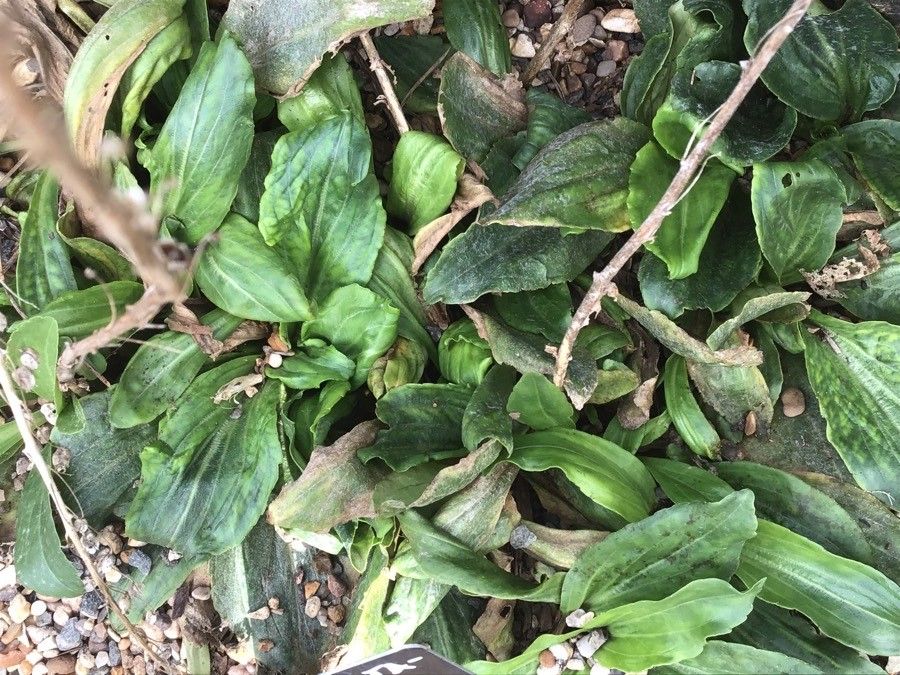
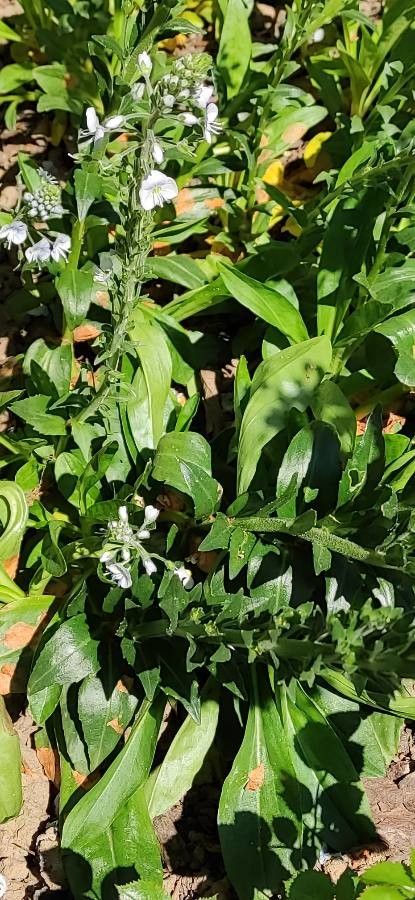
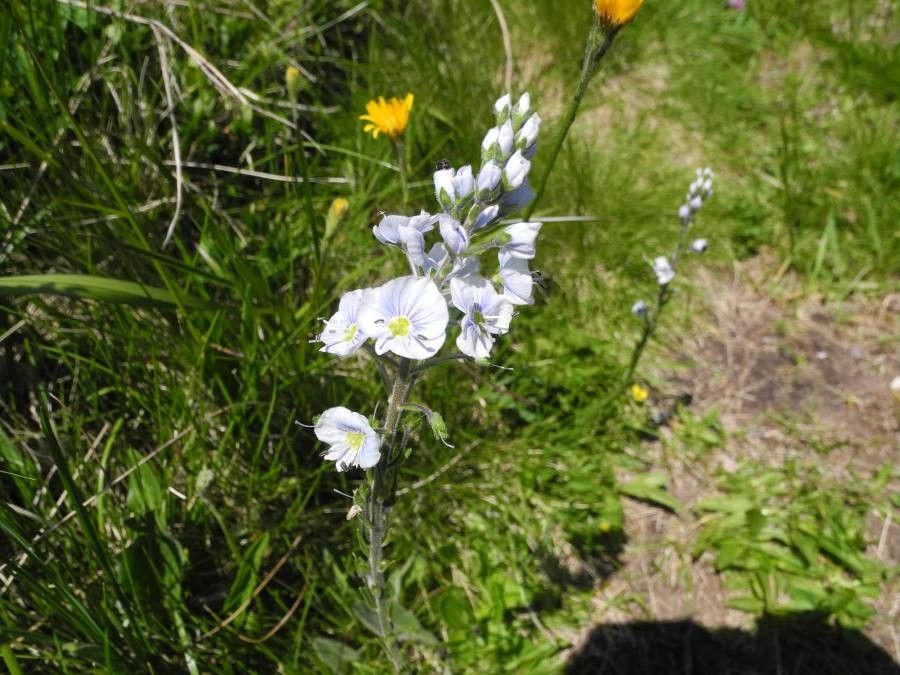
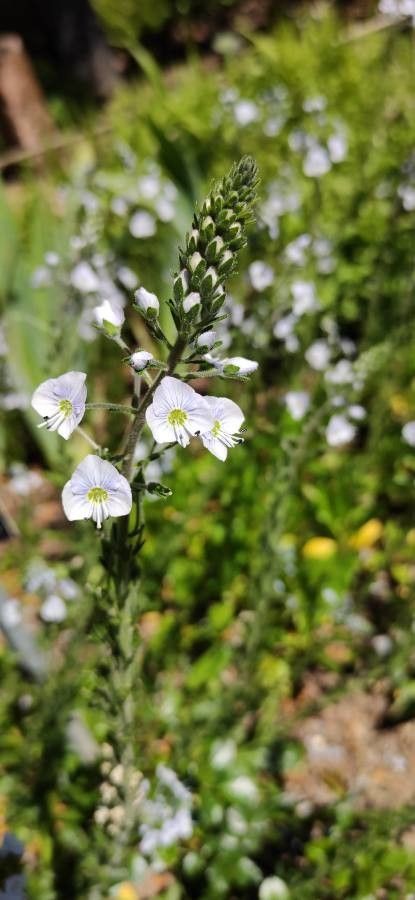
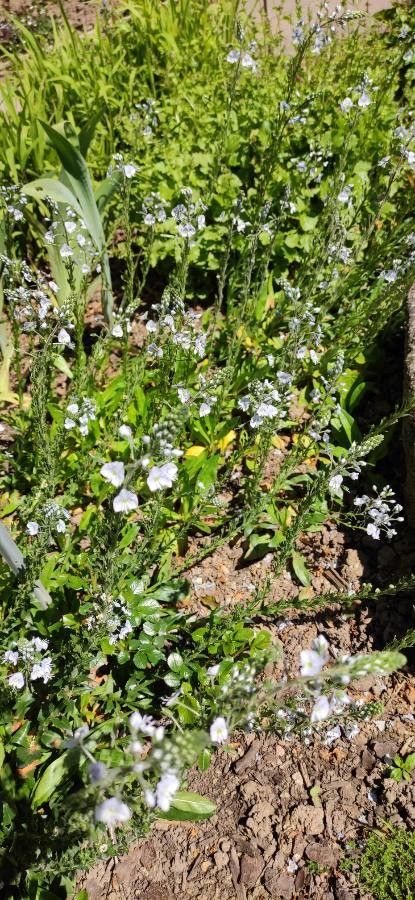
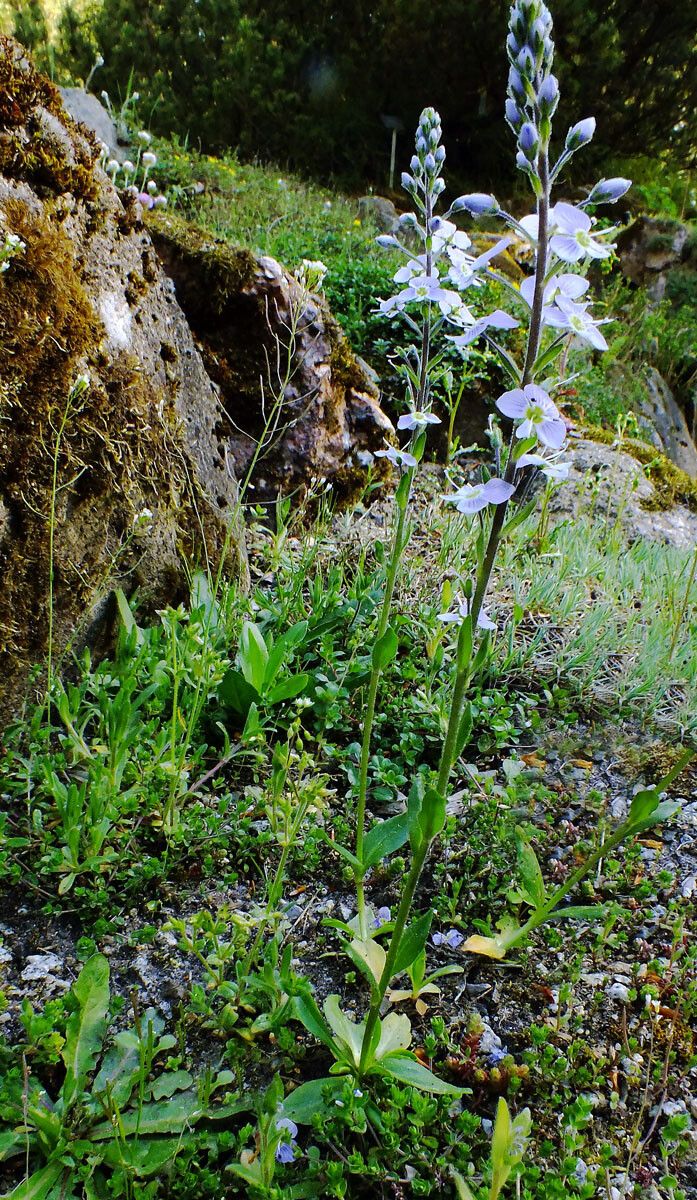
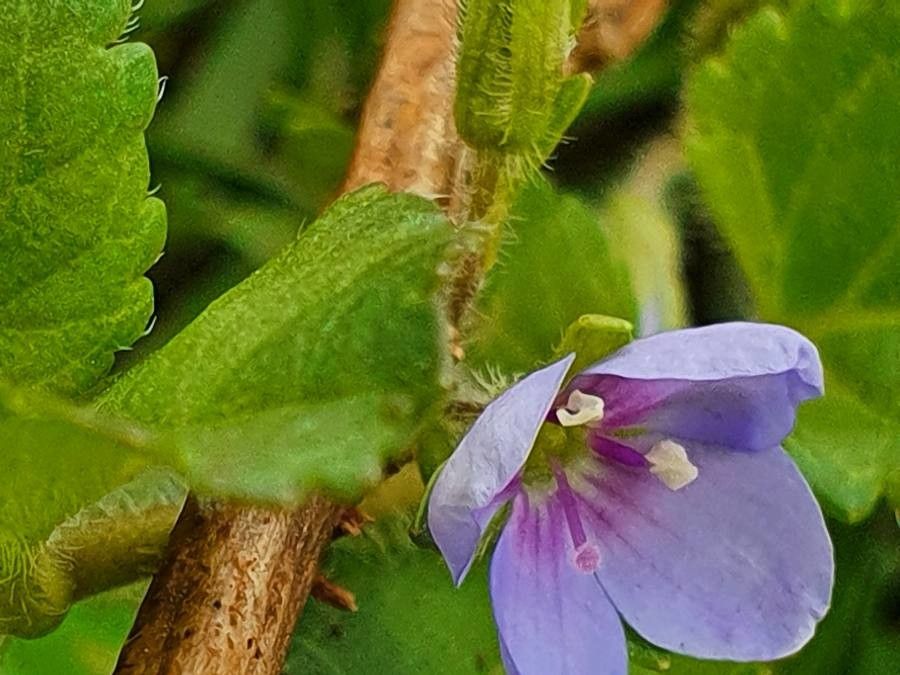
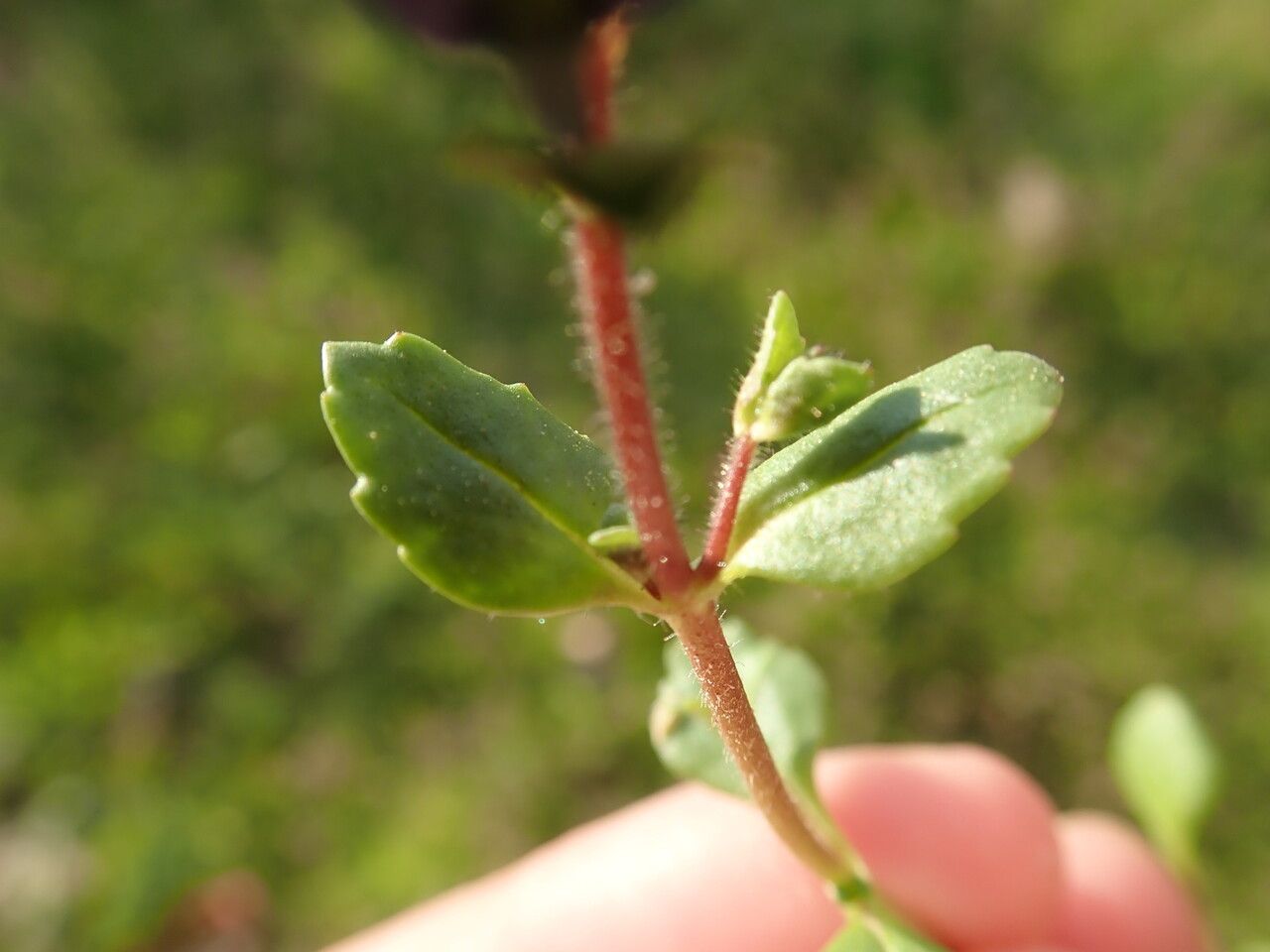
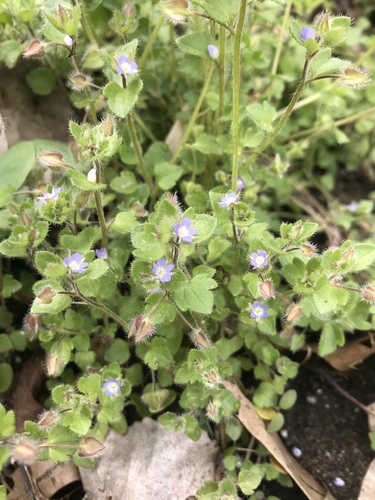
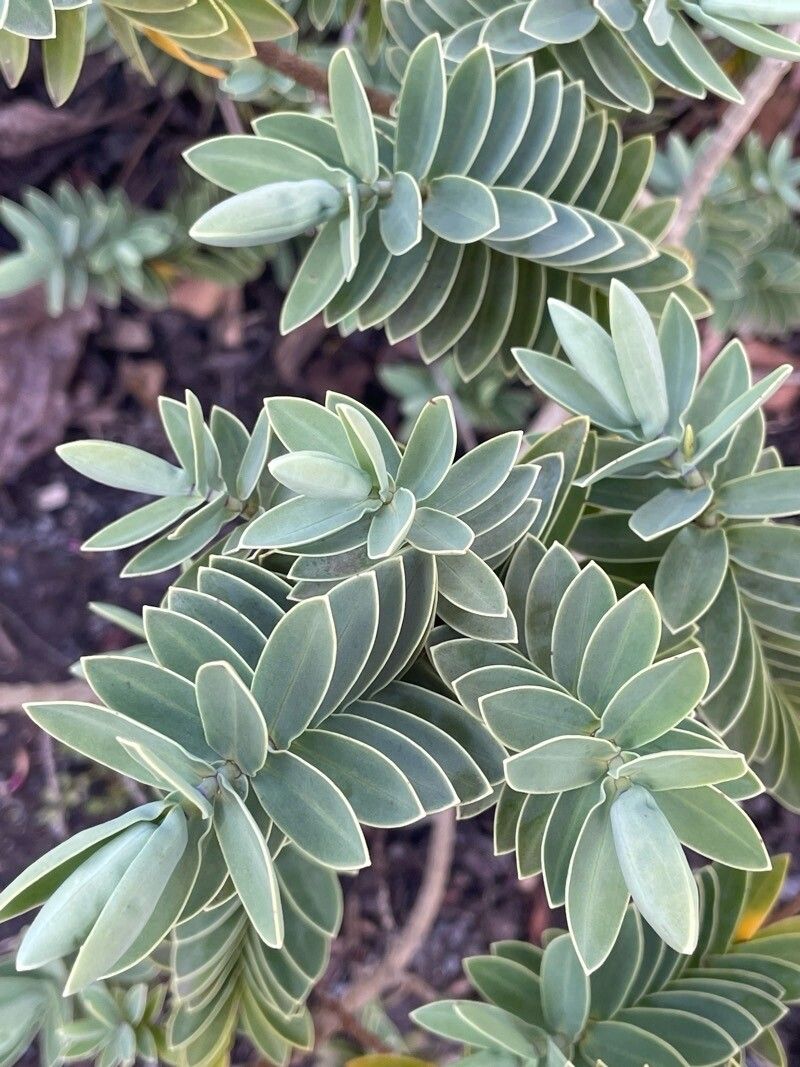
Veronica gentianoides, the gentian speedwell, is a species of flowering perennial plant in the family Plantaginaceae found in the Middle East, from Turkey to Iran.
Gentian speedwell has good resistance to disease and generally does not develop illnesses. However, it can be vulnerable to pests and diseases present in its environment, and these problems are normally not serious. For care, the plant requires a moderate level of maintenance. It should be pruned regularly to keep a neat appearance and support healthy growth. Fertilizing can also encourage flowering. Gentian speedwell is suitable for people with outdoor spaces like a garden or patio and does not demand much gardening experience. It may need additional care if grown indoors.
How to keep Veronica Gentianoides.
Light
Originating in open habitats, Gentian speedwell is a sun-loving perennial herbaceous plant that commonly thrives in meadows and grasslands. It prefers full sun but can also tolerate partial sun.
Water
Gentian speedwell, a plant native to temperate regions, thrives best in environments with moderate moisture. It prefers soil that remains consistently moist, but not waterlogged, and generally requires weekly watering. When grown outdoors, using mulch can help retain soil moisture and protect the plant from temperature fluctuations.
Temperature
Gentian speedwell can tolerate a wide range of temperatures, but its distribution can still be restricted by various combinations of moisture and heat. It does best in warm summer climates with sufficient rainfall or watering. Extended periods of cloudy, rainy weather or prolonged high temperatures can increase the chance of Gentian speedwell dying. In winter, adequate protection from the cold can raise the plant's survival rate.
Fertilizer
The best time to fertilize Gentian speedwell is in early spring, as it comes out of dormancy and starts active growth. Fertilization supplies essential nutrients for healthy development. Although Gentian speedwell has fairly low fertilizer requirements, applying fertilizer annually can improve its survival and encourage better, longer-lasting blooms.
Pruning
Gentian speedwell is a perennial plant known for its delicate light blue flowers. To maintain its health and beauty, prune the plant in early spring. This involves removing dead stems and spent flowers, which helps encourage blooming and improves air circulation. Regular pruning not only enhances the plant's aesthetic appeal but also boosts its vitality. Always use sanitized tools to minimize the risk of infection.
Botanical profile.
- Plant Type
- Herb
- Life Cycle
- Perennial
- Genus
- Veronica
- Family
- Plantaginaceae
- Hardiness Zone
- 3-8
- Mature Height
- 61 cm
- Mature Spread
- 61 cm
- Leaf Color
- White, Green, Variegated
- Leaf Type
- Deciduous
- Flower Color
- White, Blue
- Flower Size
- 1.02 cm to 1.52 cm
- Bloom Time
- Mid spring, Late spring
- Planting Time
- Spring, Summer
- Harvest Time
- Early summer, Mid summer
Other names.
Reader questions.
What are the sun requirements for Gentian speedwell (Veronica gentianoides)?
Gentian speedwell (Veronica gentianoides) thrives in a variety of sunlight conditions. It requires full sun, which means it should receive above 6 hours of sunlight daily, to flourish optimally. However, it can also grow well in partial sun, defined as about 3-6 hours of sunlight each day. It's important to observe how sunlight moves through your garden throughout the day. Selecting the appropriate spots that offer the right balance of light and shade is crucial for the plant's health and growth, ensuring that your Gentian speedwell remains happy and vibrant.
What is Gentian Speedwell?
Gentian Speedwell, scientifically known as Veronica gentianoides, is a plant recognized for its unique characteristics and appearance. Unfortunately, there are no specific details provided regarding its essentials, symptoms of diseases, or additional information. This blank slate suggests that more research or context may be necessary to fully understand or appreciate Gentian Speedwell.