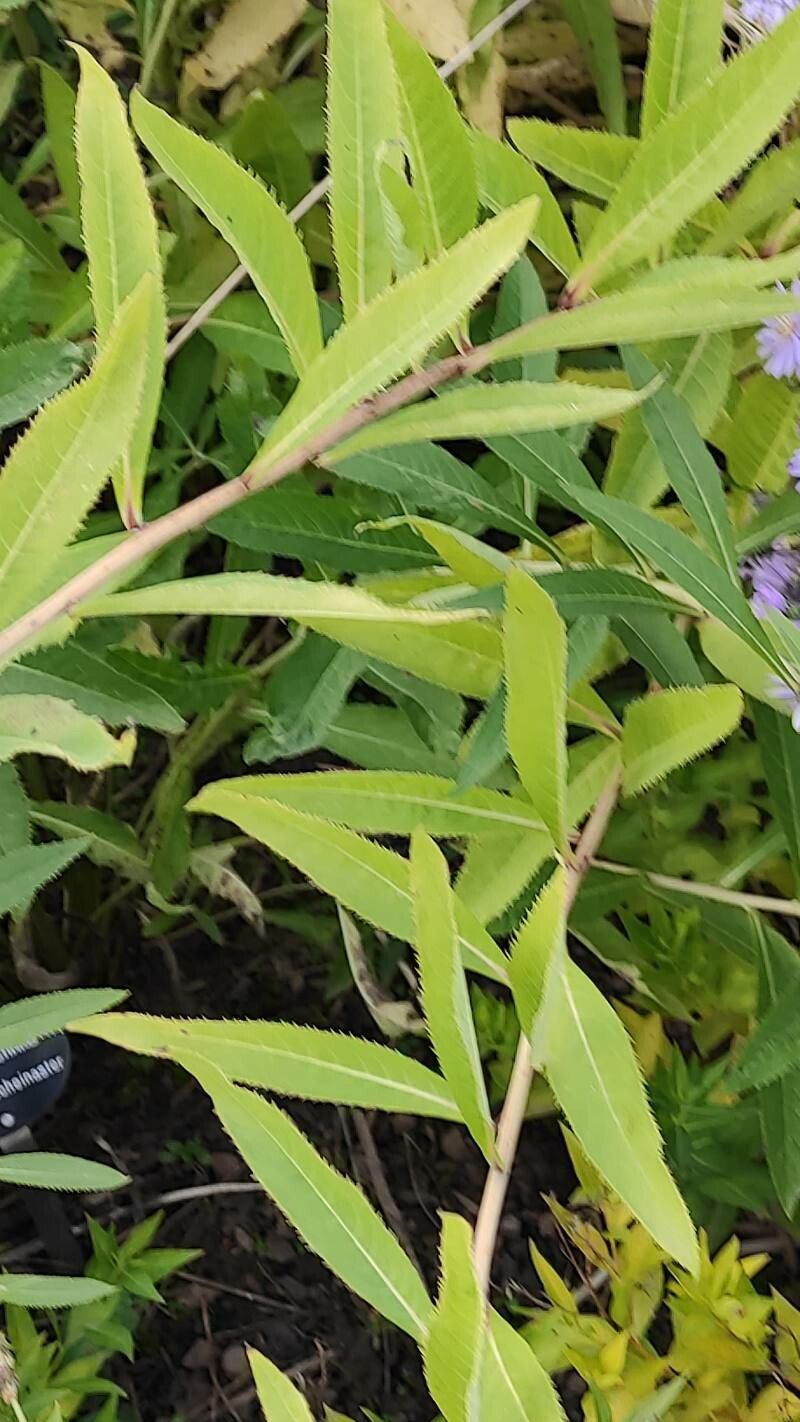
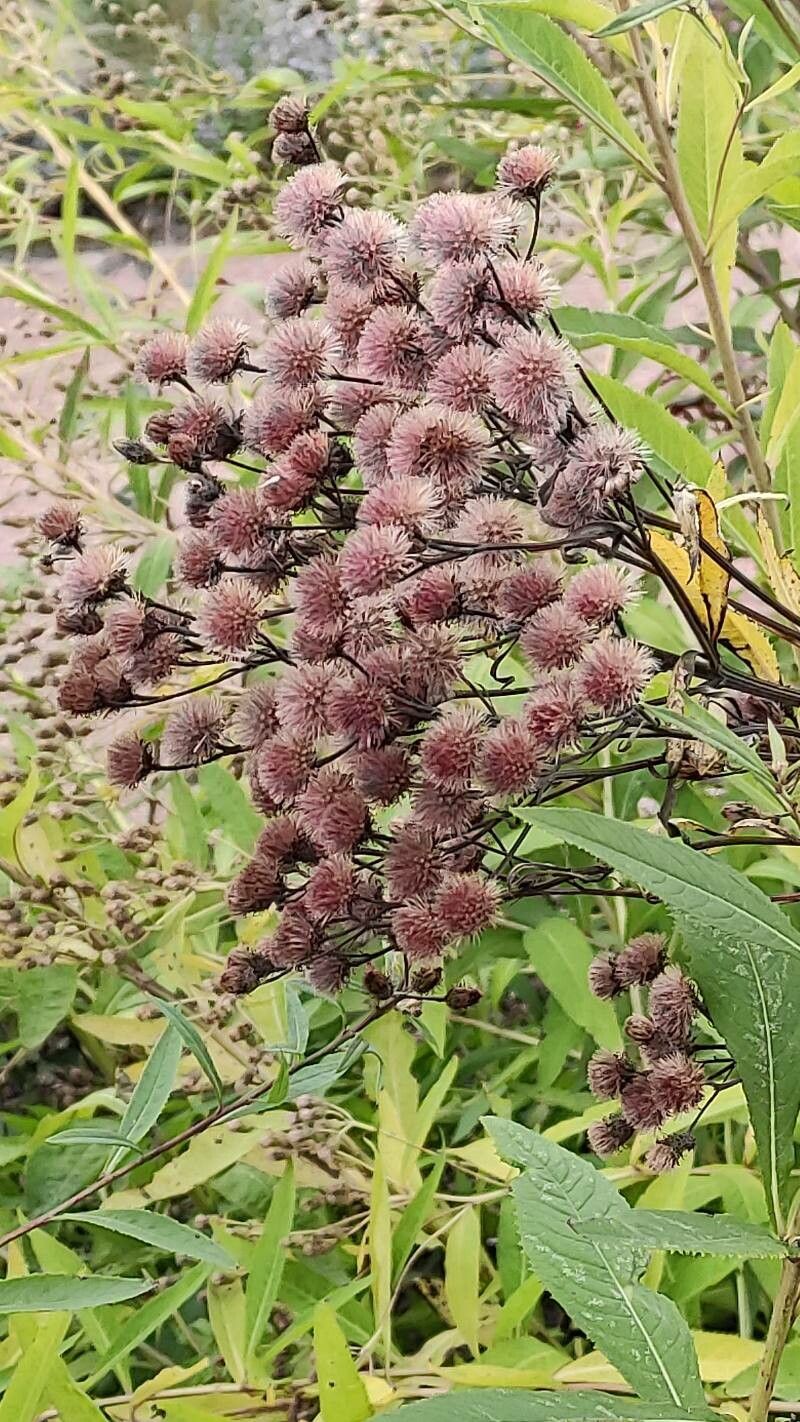
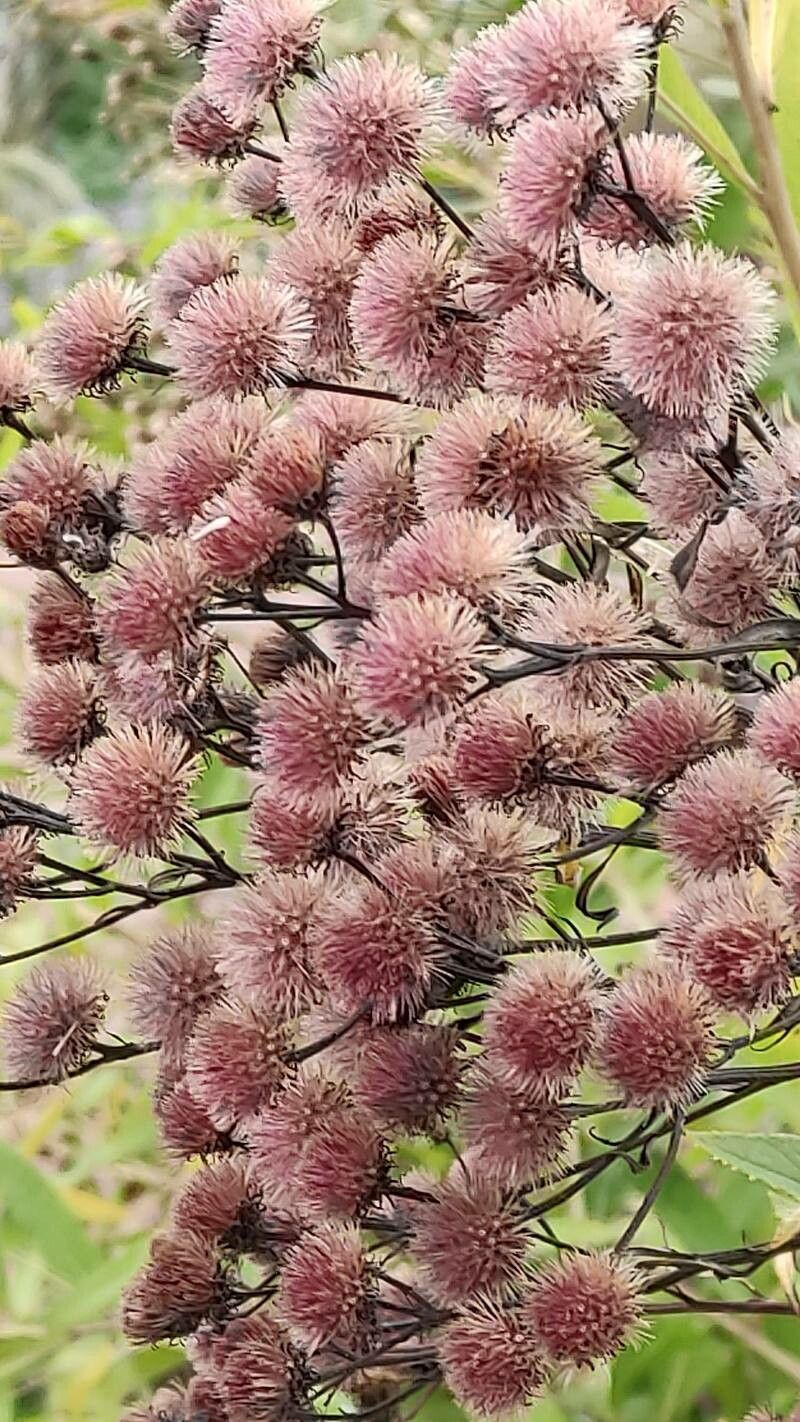
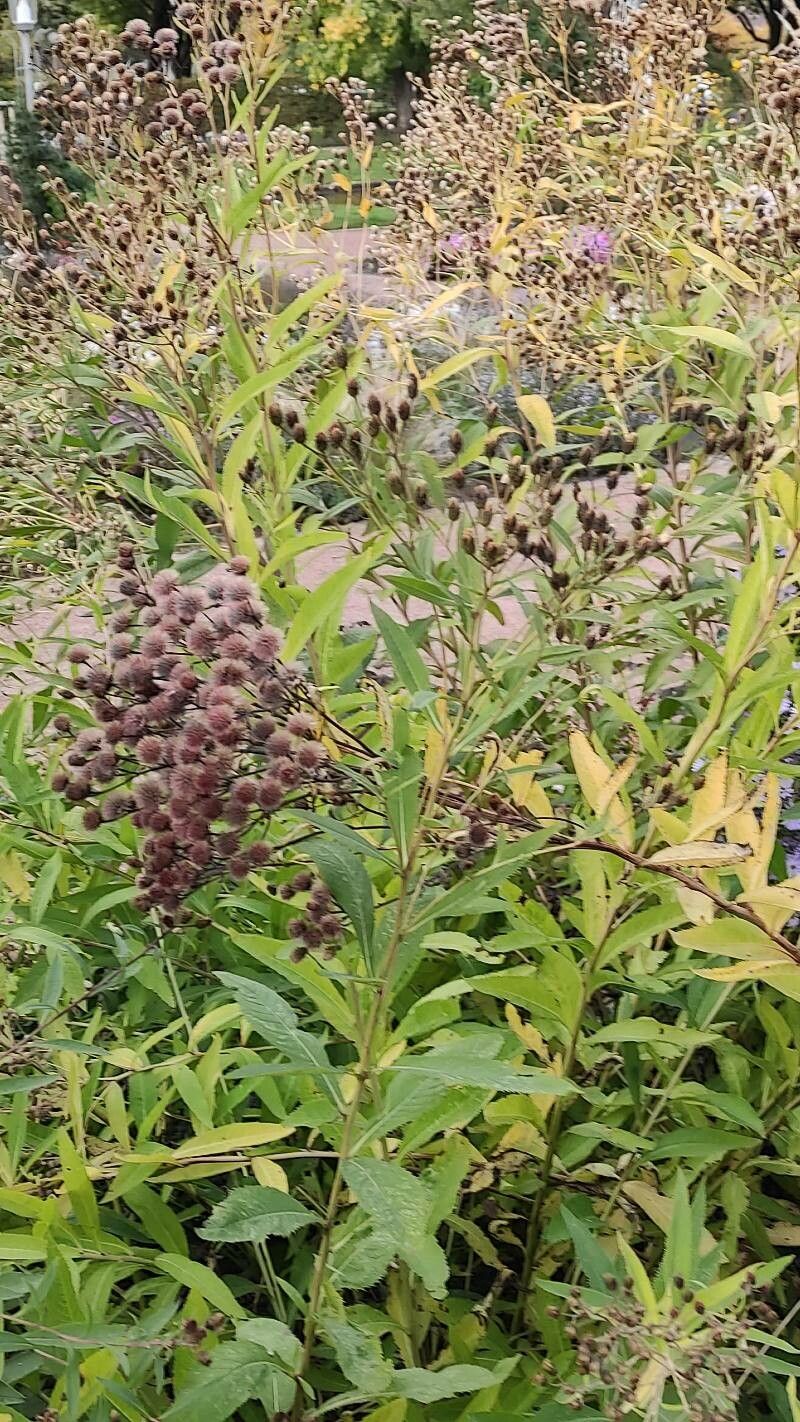
Large speedwell is fairly resistant to disease and is usually not prone to illnesses. Still, it can be affected by pests and diseases present in its environment. These problems are generally mild. For care, this plant needs moderate maintenance. It should be pruned regularly to keep a tidy appearance and support healthy growth. Fertilizing can also help encourage flowering. Large speedwell is suitable for anyone with outdoor space, such as a garden or patio, and does not demand much experience in caring for plants. It may need more attention if grown indoors.
How to keep Veronica Crinita.
Light
Large speedwell is a sun-loving, perennial herbaceous plant that originates in open habitats and is frequently found in meadows and grasslands. It favors full sun but can also withstand partial sun.
Water
Large speedwell thrives in high humidity and prefers soil that remains evenly moist. It needs to be watered weekly but can adjust to different amounts of rainfall, making it suitable for a variety of climates. Although it is primarily cultivated outdoors, it benefits from natural precipitation for optimal growth.
Temperature
Large speedwell can tolerate a wide range of temperatures, but its distribution may still be restricted by different combinations of moisture and heat. It performs best in warm summer climates with sufficient rainfall or watering. Extended periods of cloudy, rainy weather or prolonged high temperatures can increase the likelihood of Large speedwell dying. In winter, appropriate protection from cold can improve the plant's survival rate.
Fertilizer
The ideal time to fertilize a Large speedwell is in early spring, as it comes out of dormancy and begins active growth. Fertilization supplies the key nutrients needed for healthy growth. Although Large speedwell has relatively low fertilization requirements, applying fertilizer annually can enhance its survival and promote better, longer-lasting flowers.
Pruning
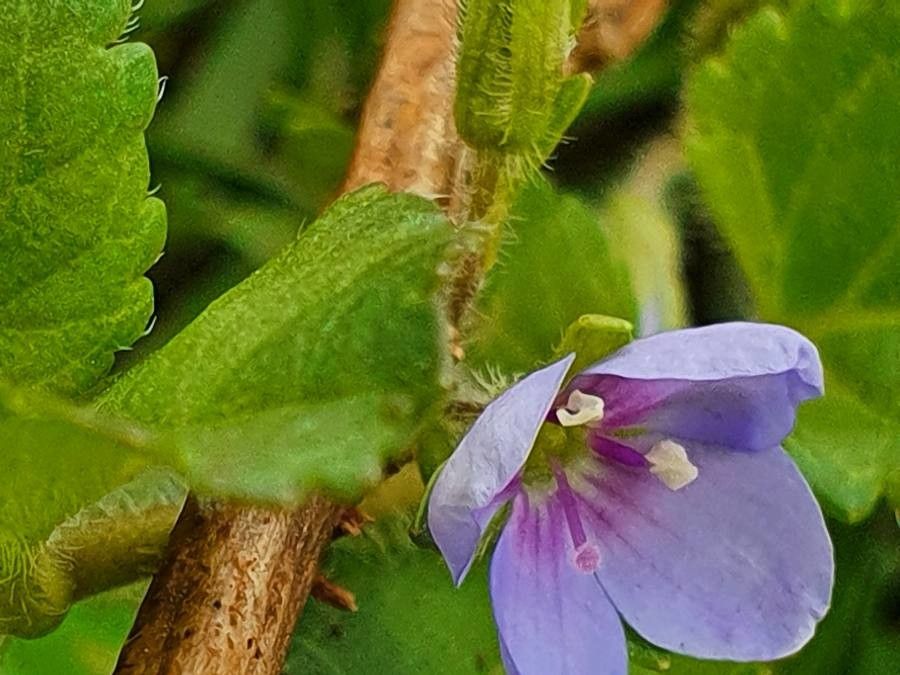
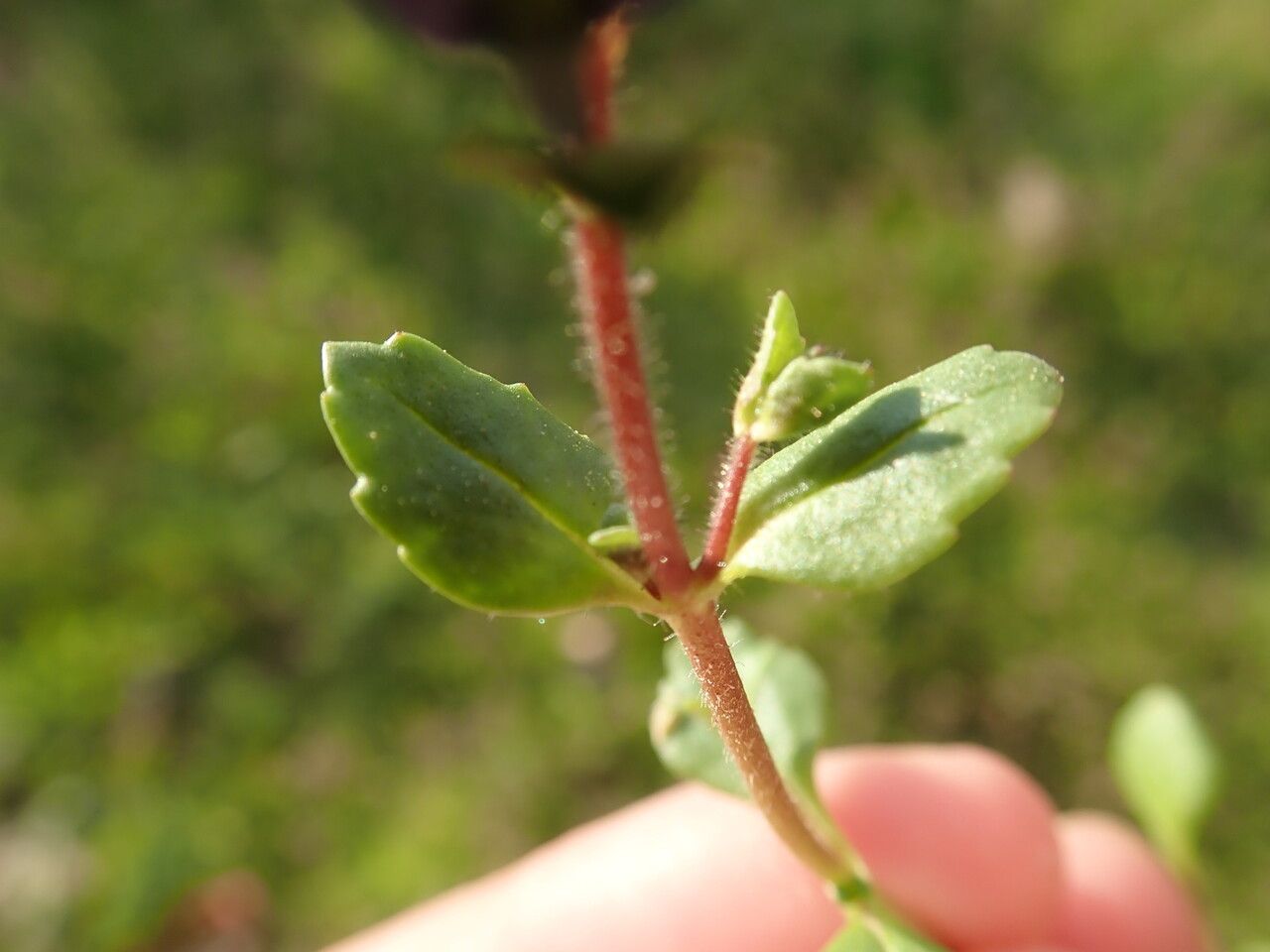
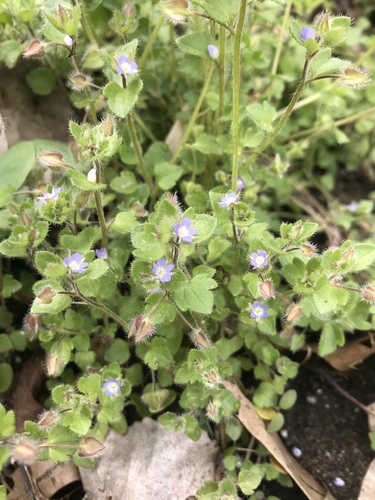
The large speedwell is known for its attractive blue flowers and lance-shaped leaves. To encourage a healthier and more vigorous plant, it's important to perform regular pruning from early to late spring. This involves removing spent flowers, trimming any leggy growth, and thinning crowded stems to improve air circulation. These steps will help maintain a robust and thriving plant.
Botanical profile.
- Plant Type
- Herb
- Life Cycle
- Perennial
- Genus
- Veronica
- Family
- Plantaginaceae
- Hardiness Zone
- 4-8
- Mature Height
- 20 cm to 30 cm
- Mature Spread
- 30 cm to 40 cm
- Leaf Color
- Green, Dark Green
- Leaf Type
- Semi-evergreen
- Flower Size
- 1.02 cm to 1.52 cm
- Bloom Time
- Summer
- Planting Time
- Spring
- Harvest Time
- Late summer, Early fall, Mid fall
- Native Area
- Turkey