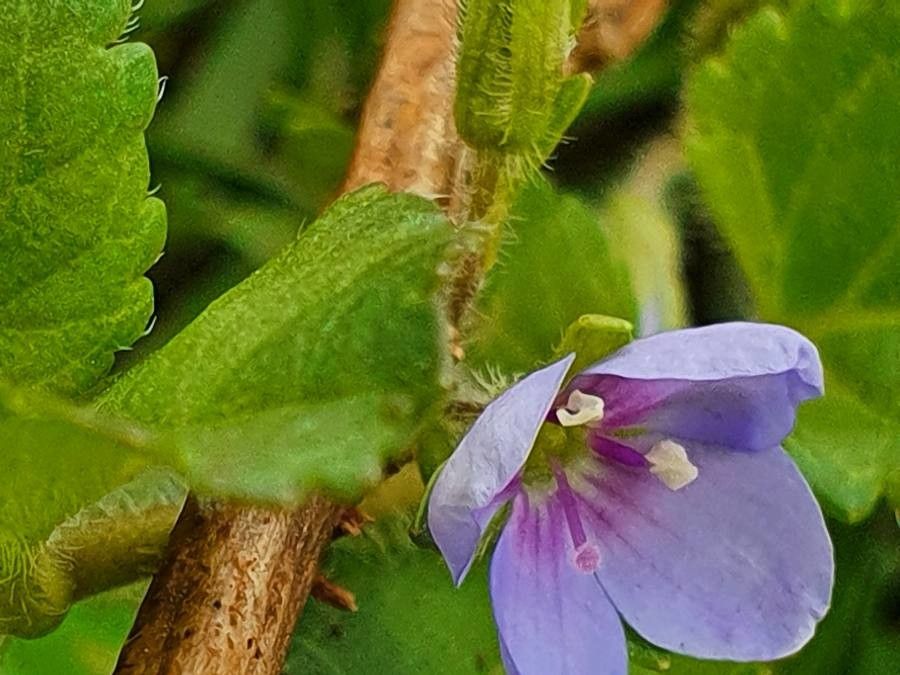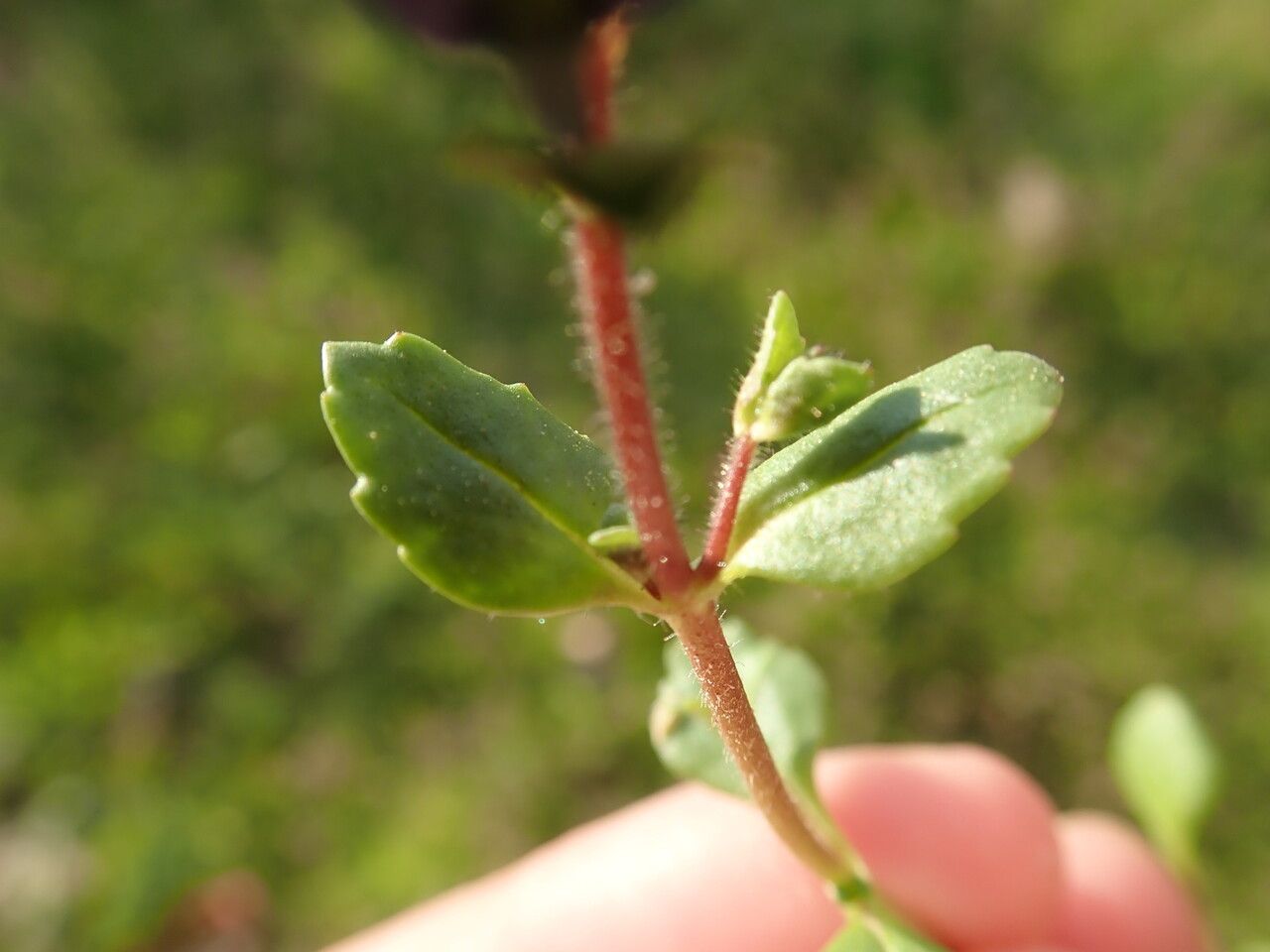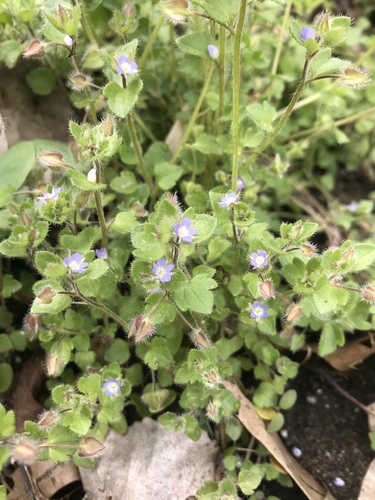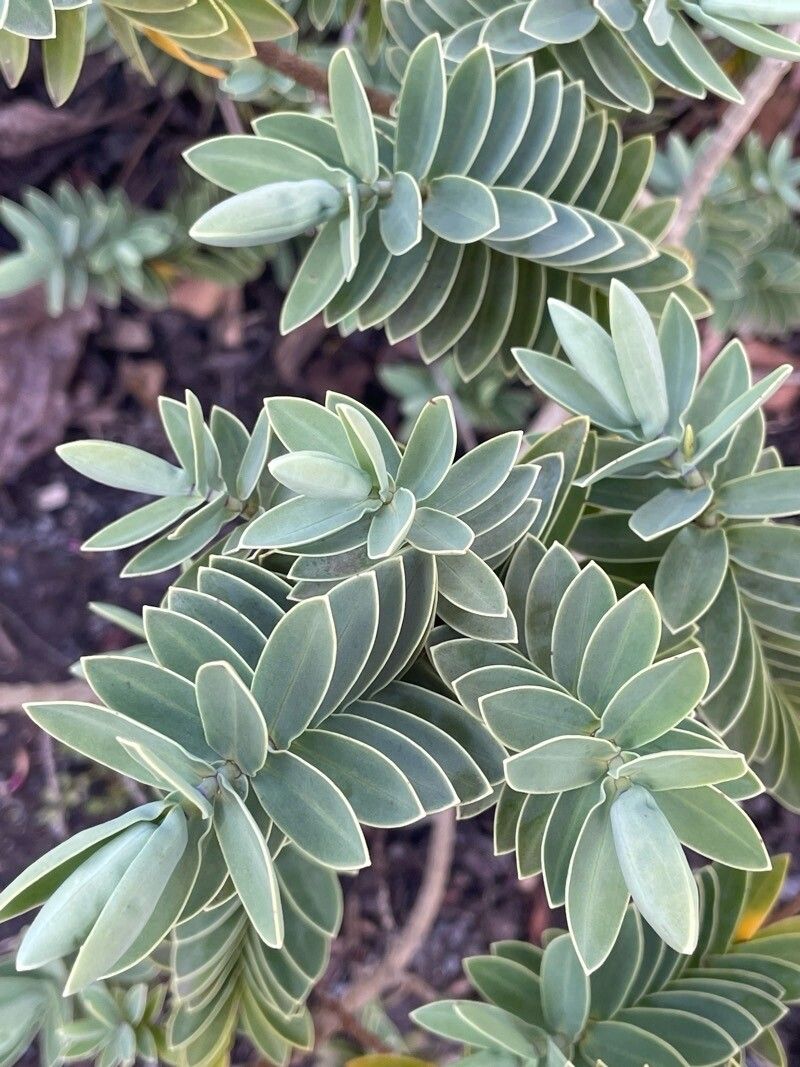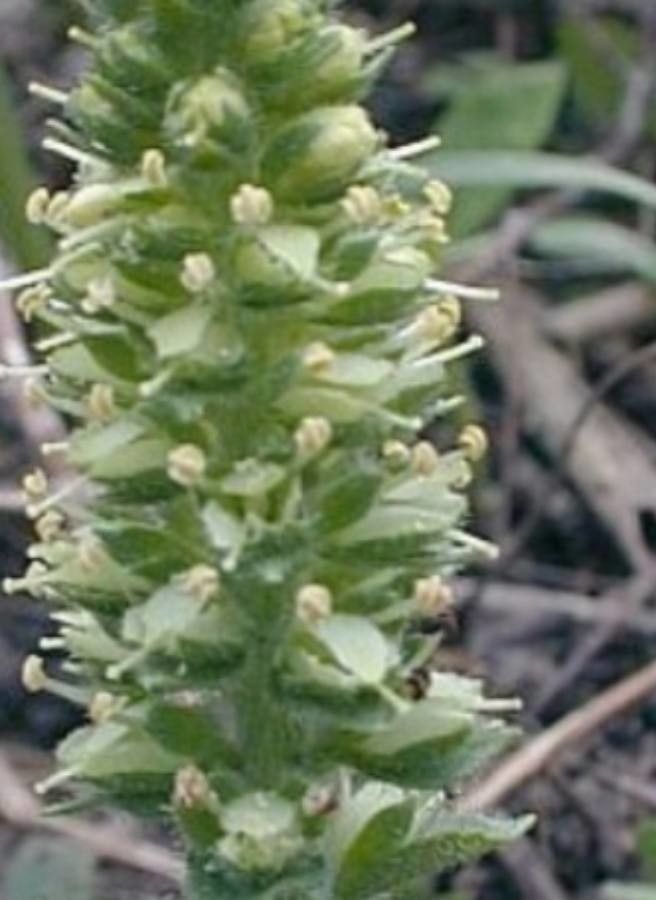
Veronica bullii is a species of flowering plant in the plantain family known by the common names kittentails and Bull's coraldrops. It is native to the Upper Midwest of the United States, including the states of Ohio, Indiana, Illinois, Wisconsin, Iowa, and Minnesota.
Bull's coraldrops is fairly resistant to disease and typically does not suffer from many illnesses. Still, it can be affected by pests and diseases found nearby, though these problems are generally mild. Care-wise, the plant needs a moderate amount of attention. Regular pruning is necessary to preserve an attractive appearance and support healthy growth, and applying fertilizer can encourage more blooms. This plant is well suited for people who have outdoor areas like a garden or patio and does not demand extensive gardening experience. It can, however, call for extra care if kept indoors.
How to keep Veronica Bullii.
Light
Bull's coraldrops is a sun-loving perennial herbaceous plant native to open habitats, often found in meadows and grasslands. It prefers full sun but can also tolerate partial sun.
Water
Bull's coraldrops should be watered every 3 to 4 days to keep the soil moist during its growth and flowering stages. During periods of vigorous growth, increase the frequency of watering and ensure that the soil remains moist when the plant is flowering. In the winter, water sparingly. At the onset of early spring, prune the plant and water it to encourage a new growth period.
Temperature
Bull's coraldrops can tolerate a wide range of temperatures, but its distribution may still be constrained by particular combinations of moisture and heat. It does best in warm summer climates with sufficient rainfall or watering. Extended periods of cloudy, rainy weather or prolonged high temperatures increase the risk of Bull's coraldrops dying. In winter, protecting it from cold can raise its chances of survival.
Fertilizer
The best time to fertilize Bull's coraldrops is in early spring, as it comes out of dormancy and starts active growth. Fertilization supplies essential nutrients needed for healthy growth. Although Bull's coraldrops has relatively low fertilizer requirements, applying fertilizer annually can improve its survival and encourage better, longer-lasting flowers.
Pruning
Bull's coraldrops showcase delicate spikes of blue to purple flowers and lance-shaped leaves. For optimal health and appearance, prune in early spring to remove any damaged stems and to improve airflow. Light trimming encourages more abundant flowering, while regular pruning supports healthy growth, prevents disease, and maintains the plant's aesthetic appeal—all without requiring extensive intervention.
Botanical profile.
- Plant Type
- Herb
- Life Cycle
- Perennial
- Genus
- Veronica
- Family
- Plantaginaceae
- Hardiness Zone
- 4-8
- Mature Height
- 20 cm to 40 cm
- Mature Spread
- 20 cm to 30 cm
- Leaf Color
- Green
- Leaf Type
- Deciduous
- Flower Size
- 0.51 cm to 1.02 cm
- Bloom Time
- Late spring, Early summer
- Planting Time
- Spring, Summer
- Harvest Time
- Mid summer, Late summer
Reader questions.
What are the sunlight requirements for Bull's coraldrops?
Bull's coraldrops, or Veronica bullii, require varying amounts of sunlight depending on the specific need. For full sun exposure, the plant needs over 6 hours of sunlight daily. If partial sun is more your setting, then about 3-6 hours of sunlight each day is necessary. It's important to observe how sunlight moves through your garden, finding the right spots that offer a harmonious balance of light and shade to make sure your plants, including the Bull's coraldrops, remain healthy and happy.
What is Bull's coraldrops?
Bull's coraldrops, scientifically known as Veronica bullii, is a plant recognized by its distinctive name but, as provided, lacks detailed descriptors regarding its essential features, symptoms of its presence or conditions, and any additional information that might contribute to a deeper understanding of its characteristics or significance.