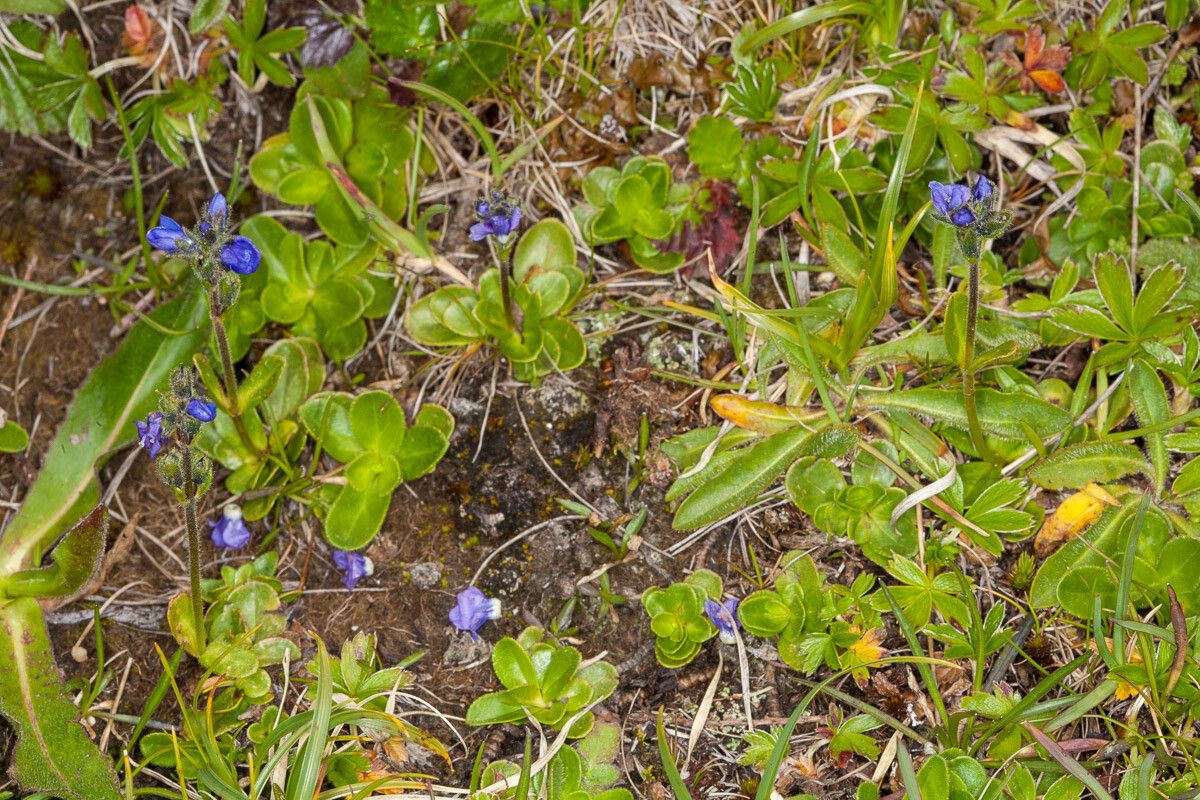
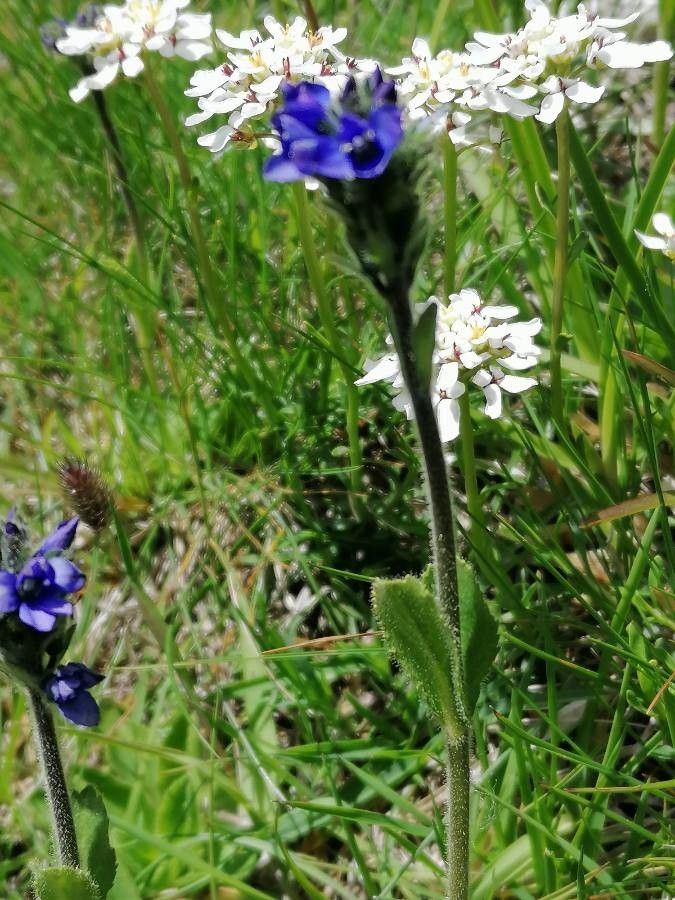
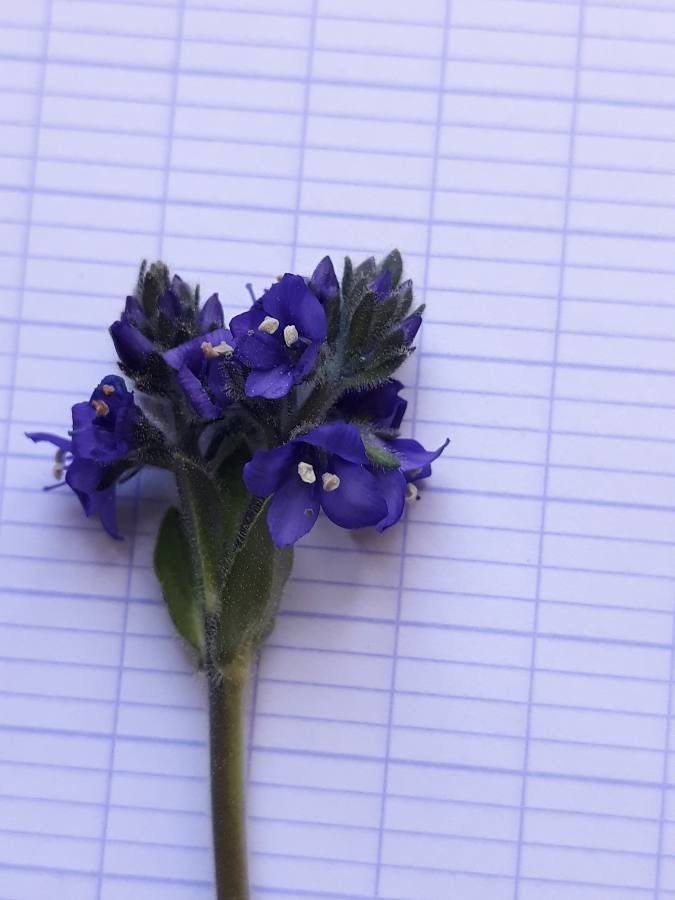
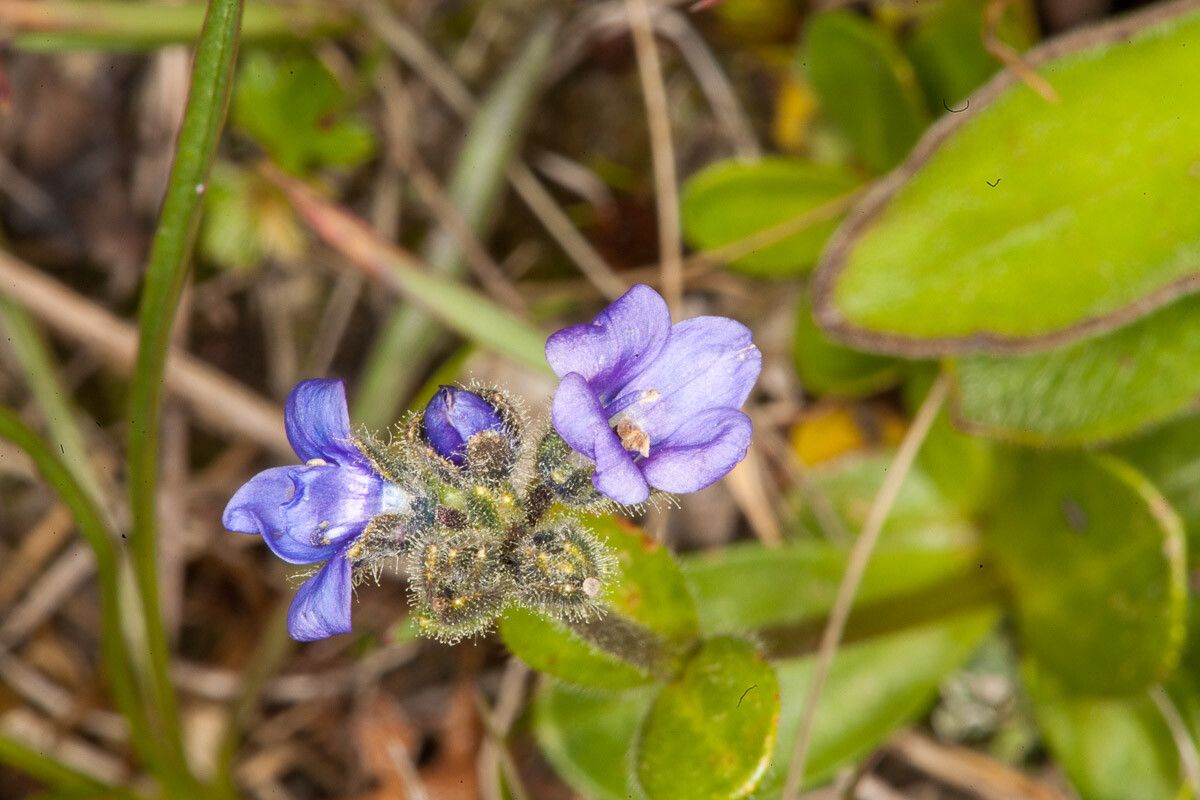
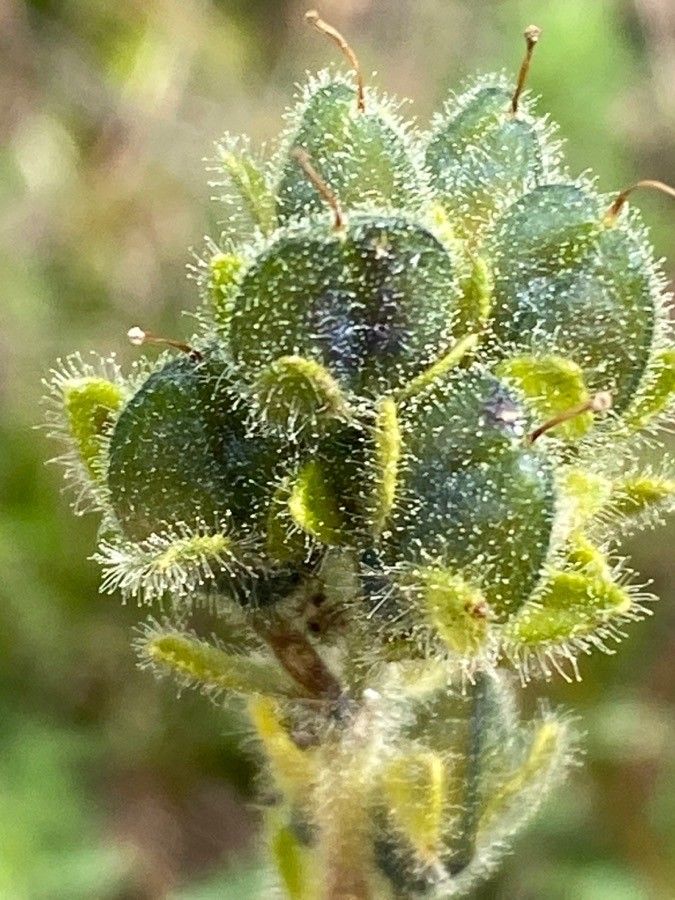
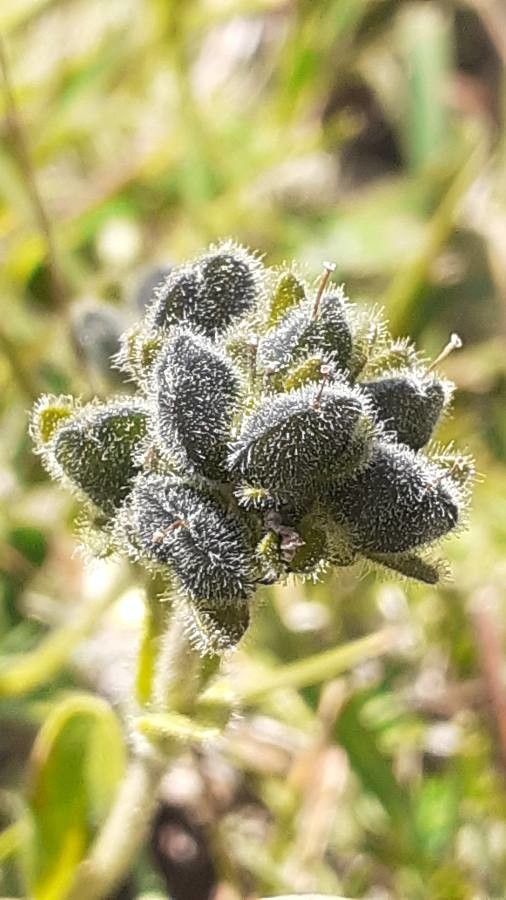
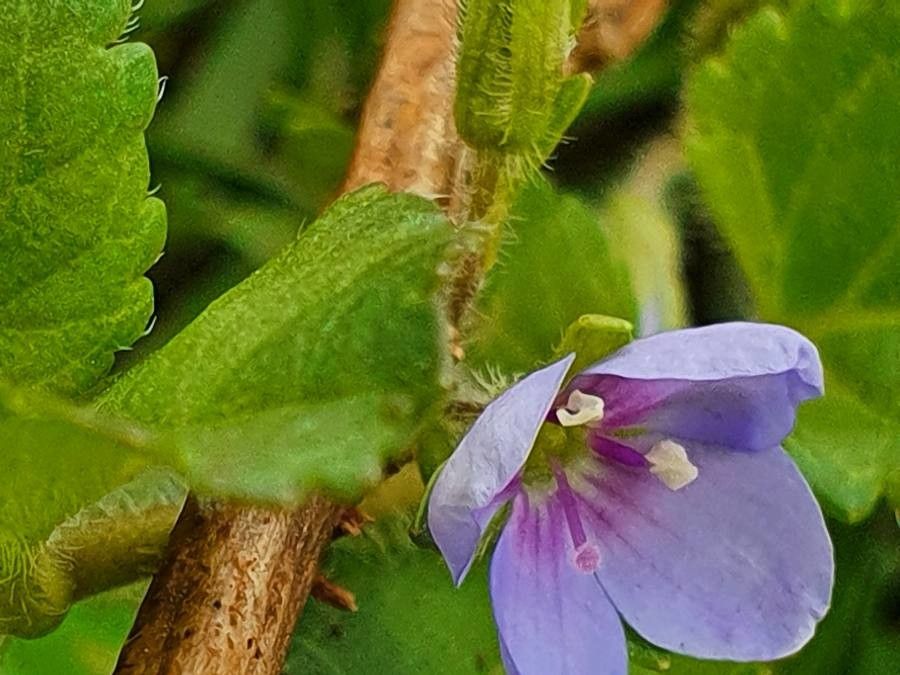
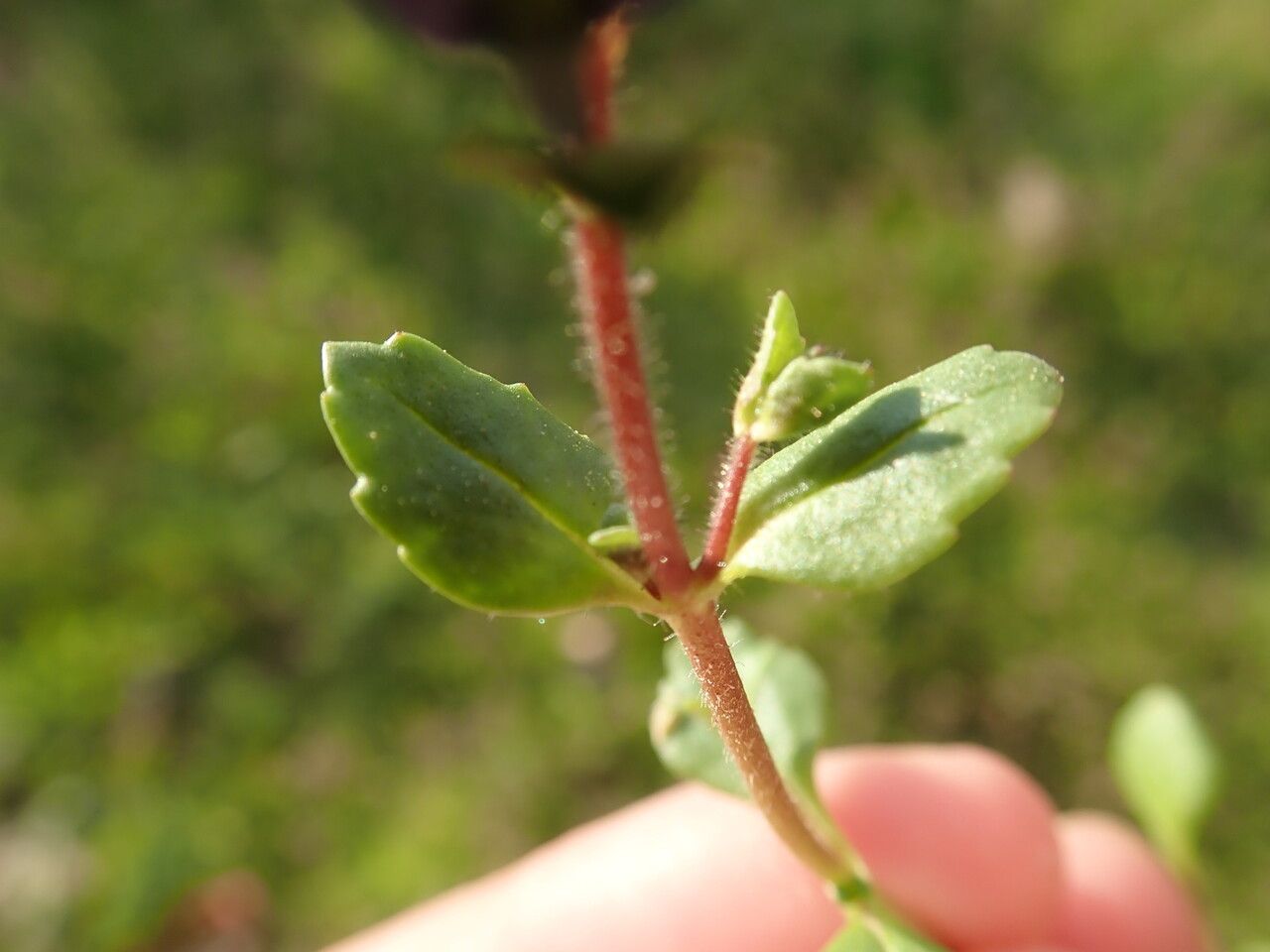
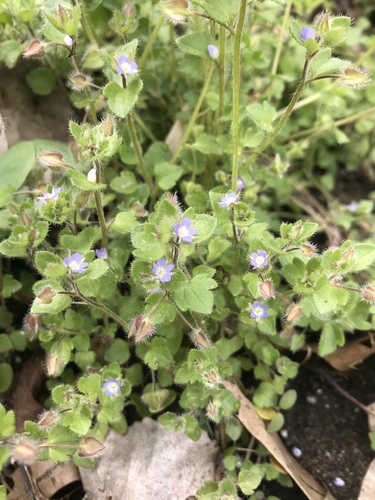
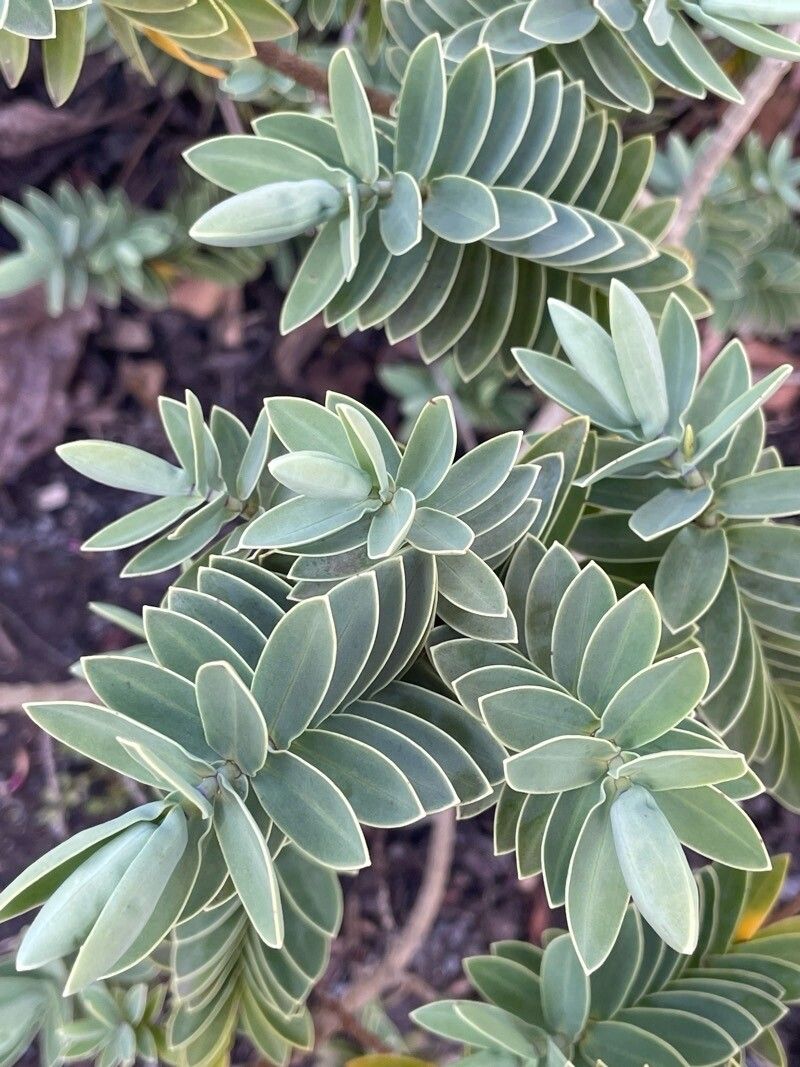
Veronica bellidioides, commonly known as Alpine Speedwell, is a perennial herb belonging to the Plantaginaceae family. Native to the mountainous regions of Europe and Asia, this plant thrives in rocky areas, meadows, and alpine slopes.
Alpine Speedwell features a compact growth habit with small green leaves arranged in opposite pairs along the stem. It produces delicate blue-violet flowers with white centers, which bloom from late spring to early summer.
This easy-to-grow plant prefers well-drained soil and full sun exposure but can also tolerate partial shade. During its growing season, it requires moderate watering; however, it should be kept dry during its winter dormancy.
Veronica bellidioides has several medicinal properties, containing iridoid glycosides that have anti-inflammatory effects. Traditionally, it has been used to treat respiratory ailments such as coughs and bronchitis.
Overall, Alpine Speedwell is an attractive ornamental plant with beautiful flowers that add vibrant color to any garden or landscape. Additionally, it offers medicinal benefits for those who use it appropriately.
Daisy-leaved speedwell has strong resistance to disease and is generally not easily affected by illnesses. Still, it can be vulnerable to pests and diseases present in its environment. These infections are generally mild. Regarding care, this plant needs moderate attention. It should be pruned regularly to maintain an attractive appearance and healthy growth. Fertilizing can also help encourage flowering. Daisy-leaved speedwell is appropriate for anyone who has an outdoor area, such as a garden or patio, and does not demand extensive care experience. It may need additional attention if grown indoors.
How to keep Veronica Bellidioides.
Light
Daisy-leaved speedwell is a sun-loving, perennial herbaceous species native to open habitats and commonly found in meadows and grasslands. It prefers full sun but can tolerate partial sun.
Water
Daisy-leaved speedwell is native to cool, temperate regions and thrives in consistently moist soil, although it can withstand brief periods of dryness. To ensure optimal health, water it weekly and use mulch to help retain moisture and regulate the temperature of the roots. This plant is typically grown in outdoor garden beds or borders and flourishes with proper care.
Fertilizer
One application of fertilizer in spring is generally enough for Daisy-leaved speedwell, though repeated feedings can enhance growth. Apply fertilizer about once a month to every six weeks. Feeding improves the leaves’ appearance and function, helping maintain uniform color and a healthy texture. It also encourages root development and better nutrient uptake, supporting long-term plant health.
Pruning
The daisy-leaved speedwell is characterized by its small, daisy-like leaves and delicate flowers. To maintain its health and appearance, it is best to prune the plant from early to late spring. This helps remove any damaged stems and encourages bushier growth and more blooms. Be sure to use clean, sharp tools when pruning, as this will minimize the risk of disease, promote healthy new growth, and prevent the plant from becoming too leggy.
Botanical profile.
- Plant Type
- Herb
- Life Cycle
- Perennial
- Genus
- Veronica
- Family
- Plantaginaceae
- Hardiness Zone
- 4-8
- Mature Height
- 5 cm to 15 cm
- Mature Spread
- 10 cm to 20 cm
- Leaf Color
- Green, Dark Green
- Leaf Type
- Semi-evergreen
- Flower Color
- Purple, Blue
- Flower Size
- 0.76 cm to 1.27 cm
- Bloom Time
- Early summer, Mid summer
- Planting Time
- Spring, Summer
- Harvest Time
- Late summer, Early fall
- Native Area
- Germany, Austria, Italy, Spain, Switzerland, Czech Republic, Serbia, Romania, Bulgaria, Albania, Poland, Greece, Croatia, Ukraine, France
Other names.
Reader questions.
What are the sunlight requirements for Daisy-leaved speedwell (Veronica bellidioides)?
Daisy-leaved speedwell (Veronica bellidioides) requires specific sunlight conditions to thrive. It needs full sun, which means it should be placed in a spot that receives more than 6 hours of sunlight daily. For those areas that don't get as much direct light, partial sun, about 3-6 hours of sunlight, can also be suitable. It's important to observe the way sunlight moves through your garden and choose locations that provide an optimal balance of light and shade. This ensures the plants receive the right amount of sunlight they need for growth while avoiding areas that could be detrimental to their health.