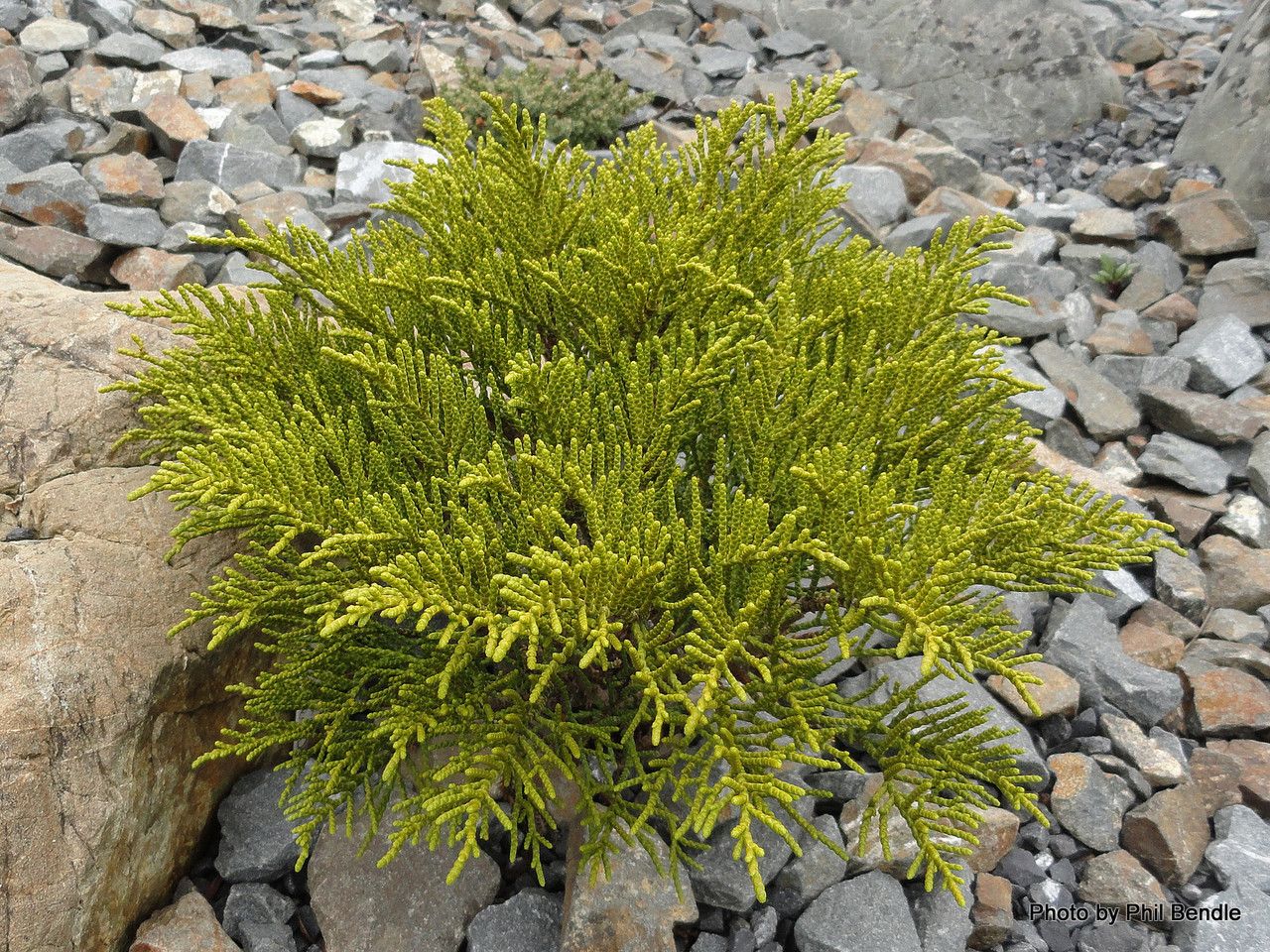
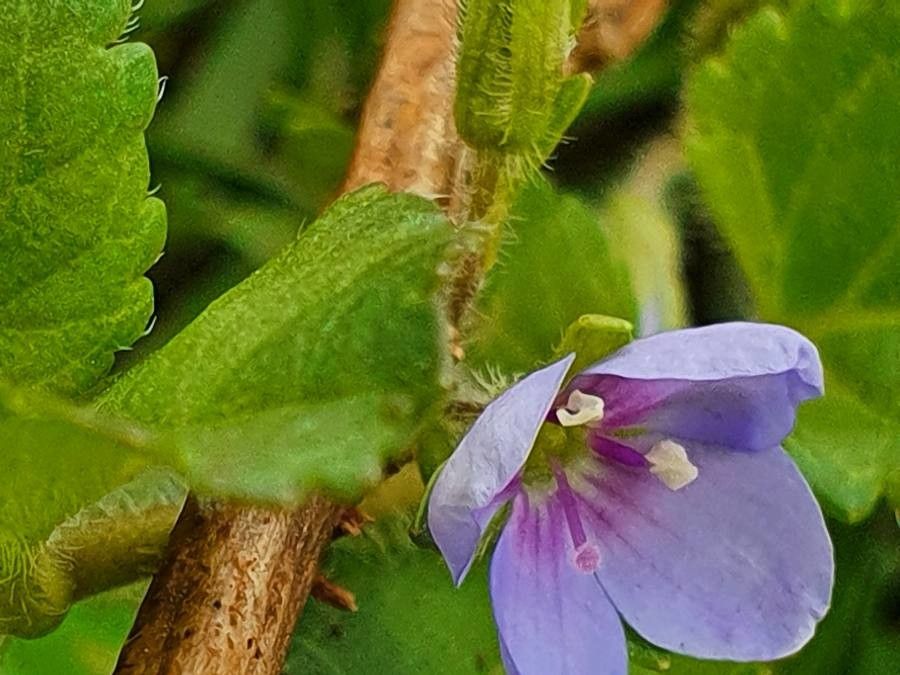
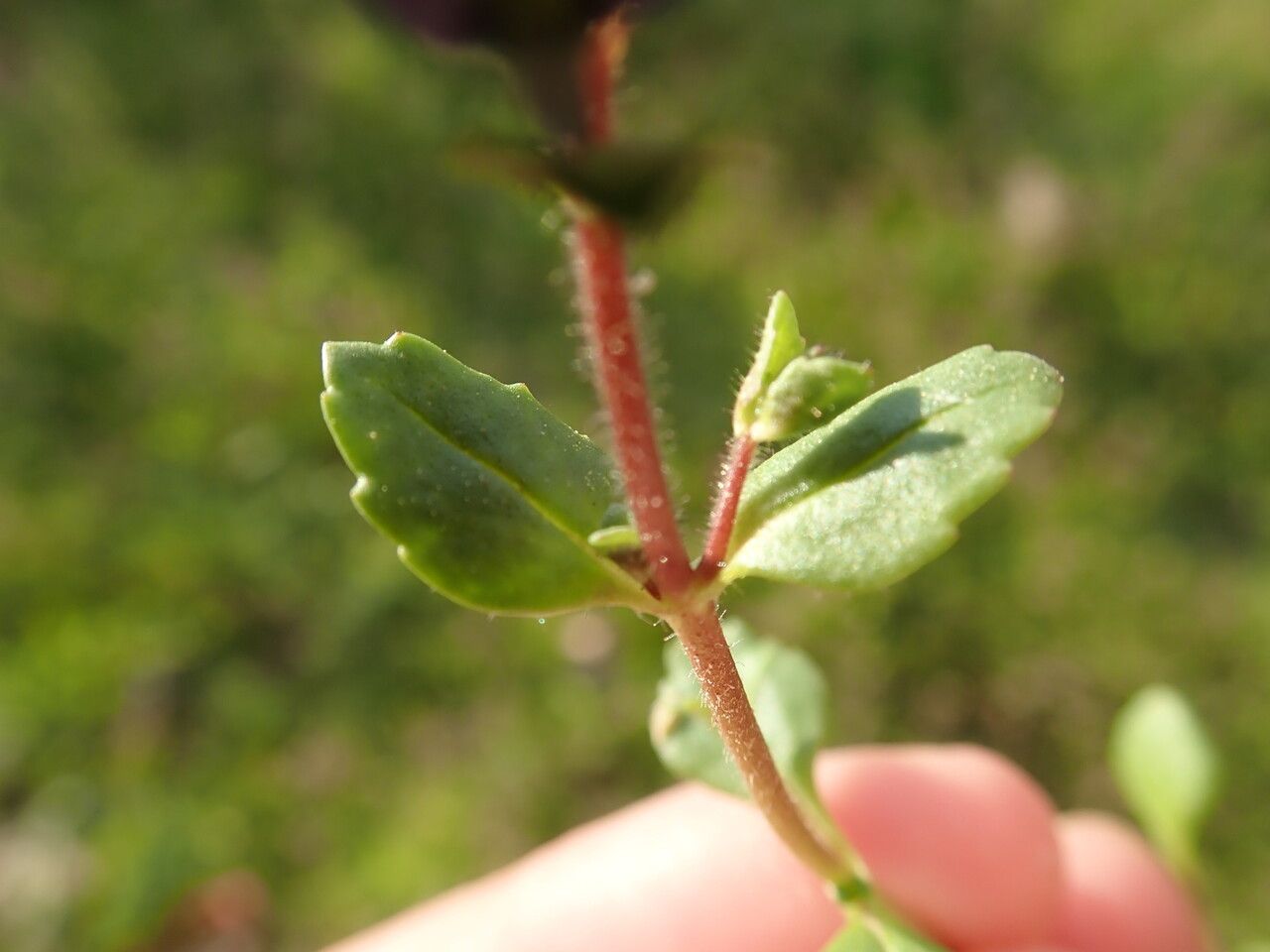
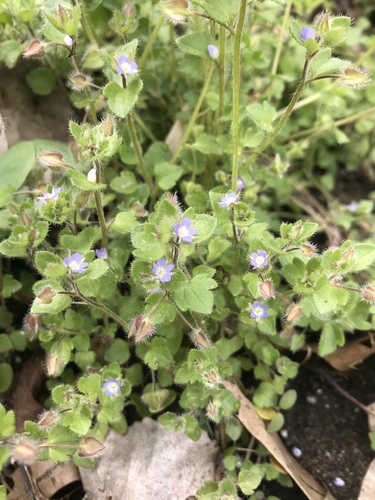
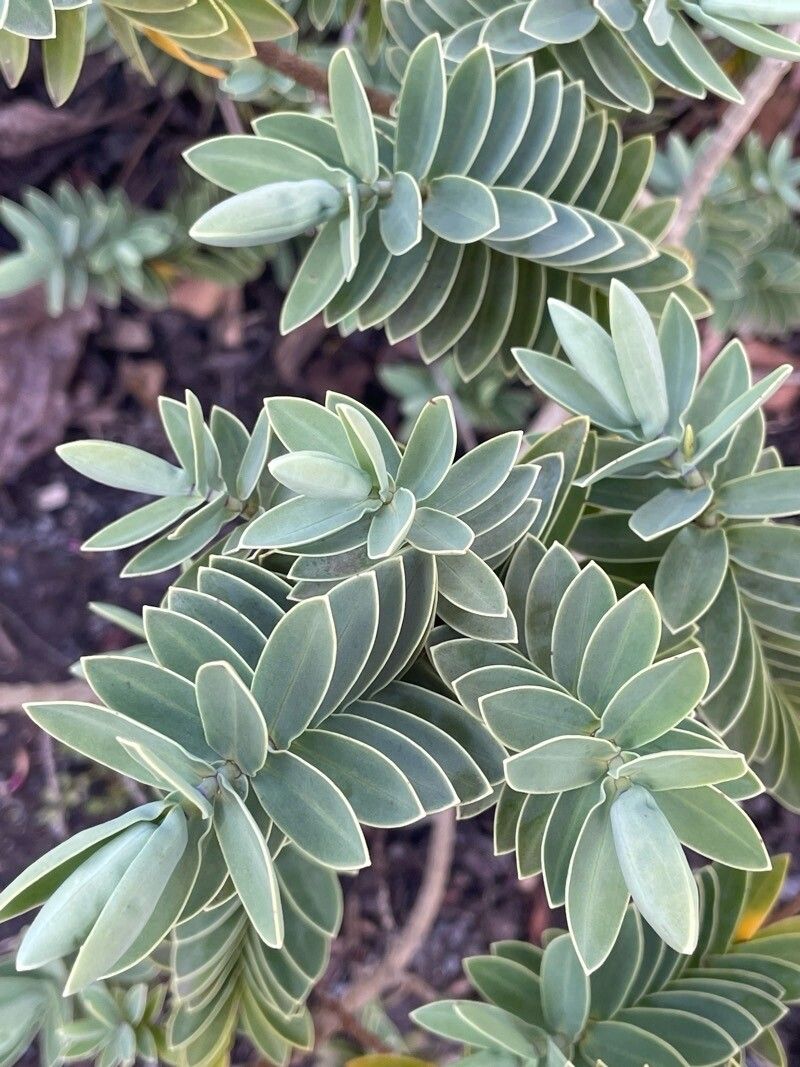
Armstrong's whipcord is relatively resistant to disease and is generally not prone to infections. However, it can be vulnerable to pests and diseases present in its surroundings. These issues are generally minor. In terms of care, this plant has moderate maintenance needs. It should be pruned regularly to maintain an attractive appearance and encourage healthy growth. Fertilizing can also help promote flowering. Armstrong's whipcord is suitable for anyone with an outdoor area, such as a garden or patio, and does not require much caregiving experience. It may need more attention when grown indoors.
How to keep Veronica Armstrongii.
Light
Armstrong's whipcord is a perennial, herbaceous plant that prefers sunny conditions and is native to open environments, commonly occurring in meadows and grasslands. It favors full sun but can also tolerate partial sun.
Water
Armstrong's whipcord thrives with moderate watering, usually requiring irrigation every 1-2 weeks. Adapted to intermittent moisture, it can withstand short periods of drought. As an evergreen, it retains water throughout the year and needs less watering during cooler months. This plant is commonly grown outdoors.
Humidity
This plant prefers dry conditions, so don't mist it. However, watering it less often can also thrive in higher humidity.
Fertilizer
Usually one fertilizer application in spring is adequate for Armstrong's whipcord, though several feedings will encourage maximum growth. Feed about once every month to a month and a half. Fertilizing improves leaf look and function, supporting steady color and a healthy texture, and it also encourages root development and nutrient uptake for sustained plant health.
Pruning
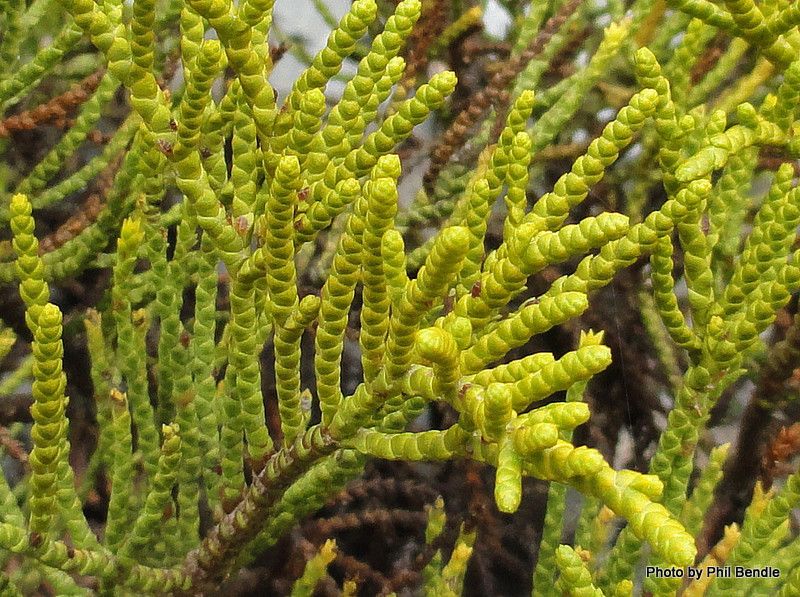
Armstrong's whipcord features foliage that resembles thin, wiry cords. To maintain its health and appearance, it needs annual pruning in early spring. This process involves removing dead stems to improve air circulation, which encourages dense growth and an attractive shape, enhancing its appeal in the garden. Be sure to make clean cuts using sterilized tools to minimize the risk of disease.
Botanical profile.
- Plant Type
- Herb
- Life Cycle
- Perennial
- Genus
- Veronica
- Family
- Plantaginaceae
- Hardiness Zone
- 6-9
- Mature Height
- 61 cm
- Mature Spread
- 61 cm
- Leaf Color
- Dark Green
- Leaf Type
- Evergreen
- Flower Color
- White
- Flower Size
- 0.51 cm to 0.76 cm
- Bloom Time
- Early summer, Mid summer
- Planting Time
- Spring, Autumn
- Harvest Time
- Late summer, Early fall
- Native Area
- New Zealand