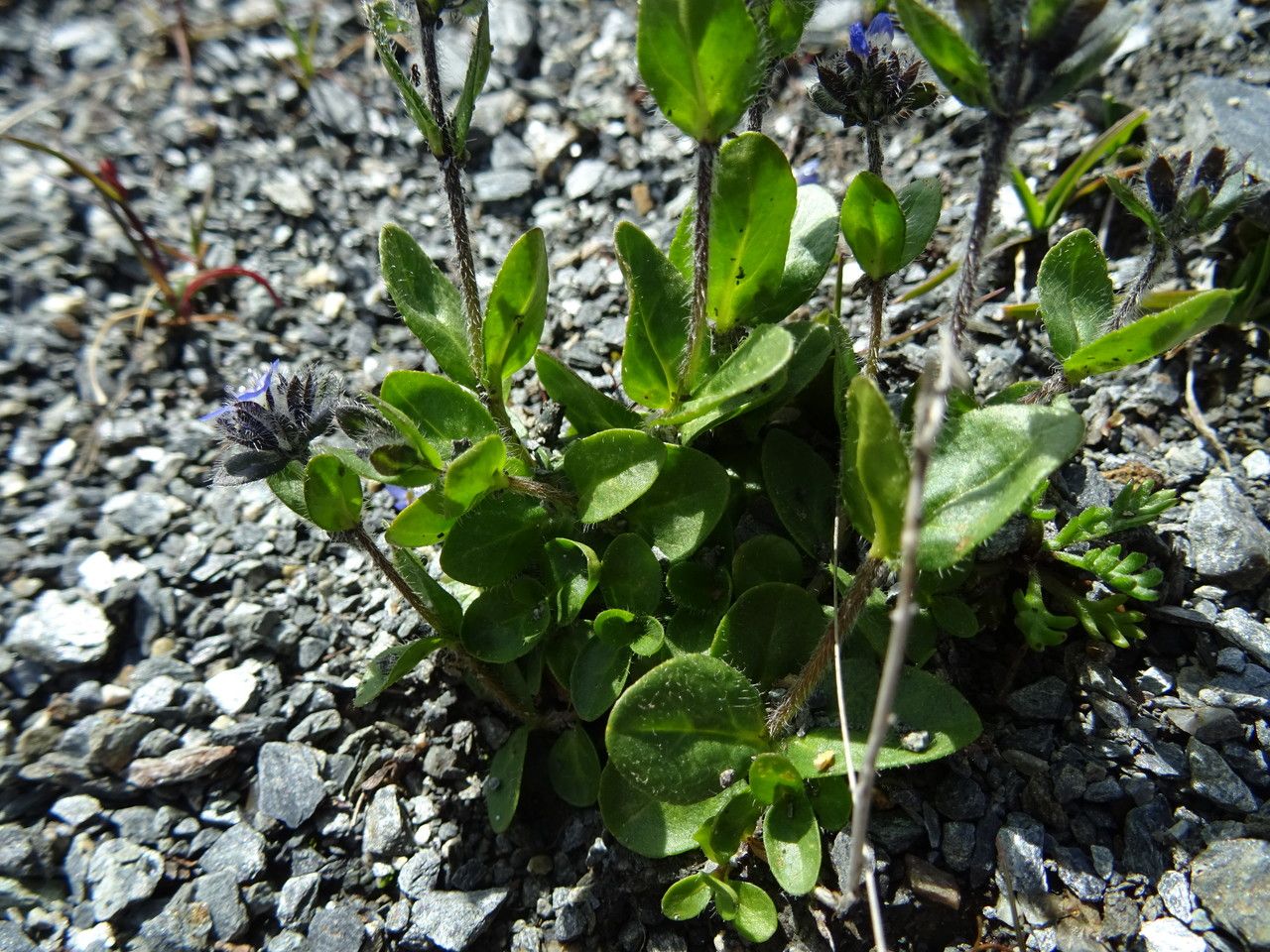
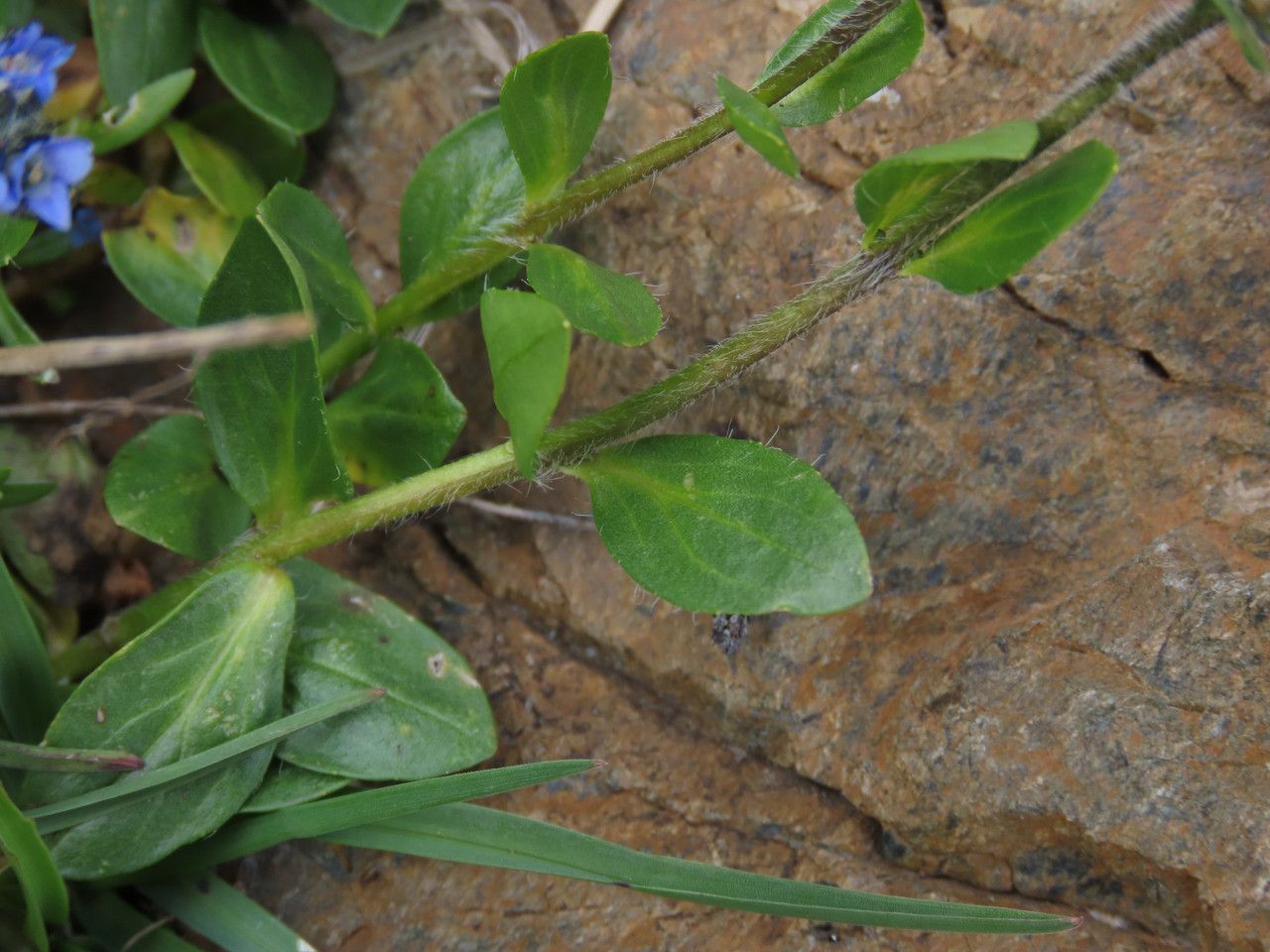
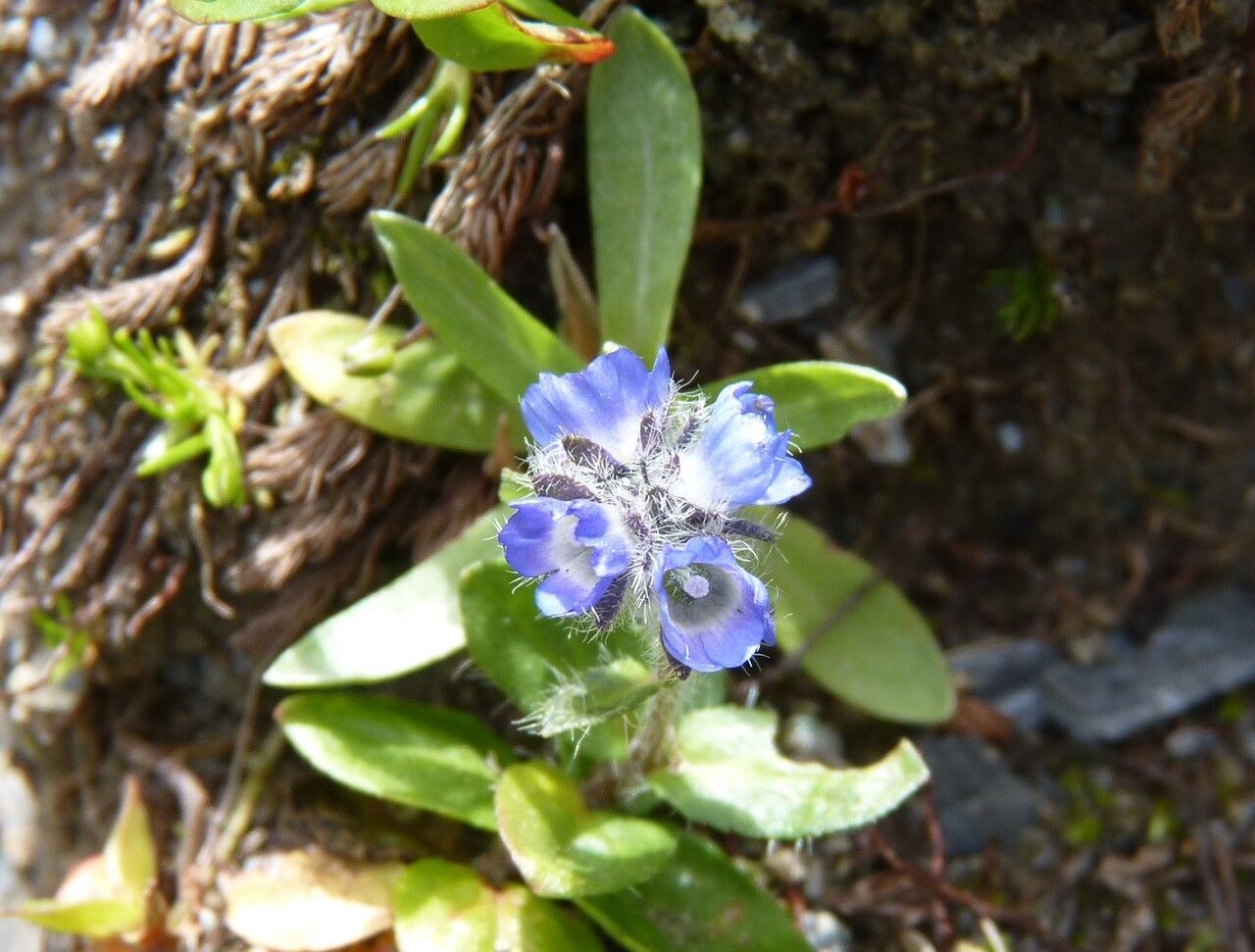
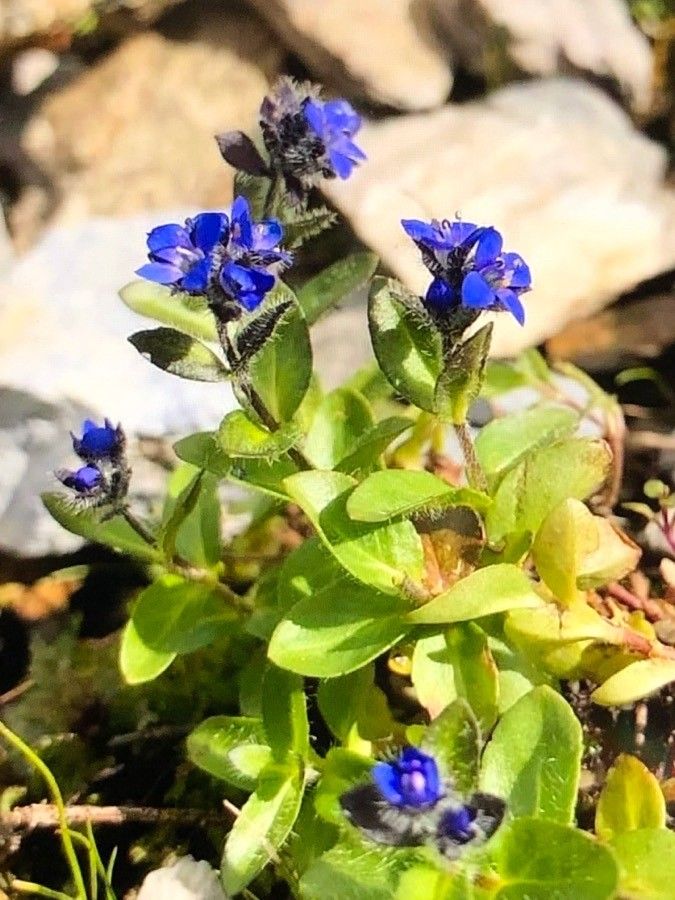
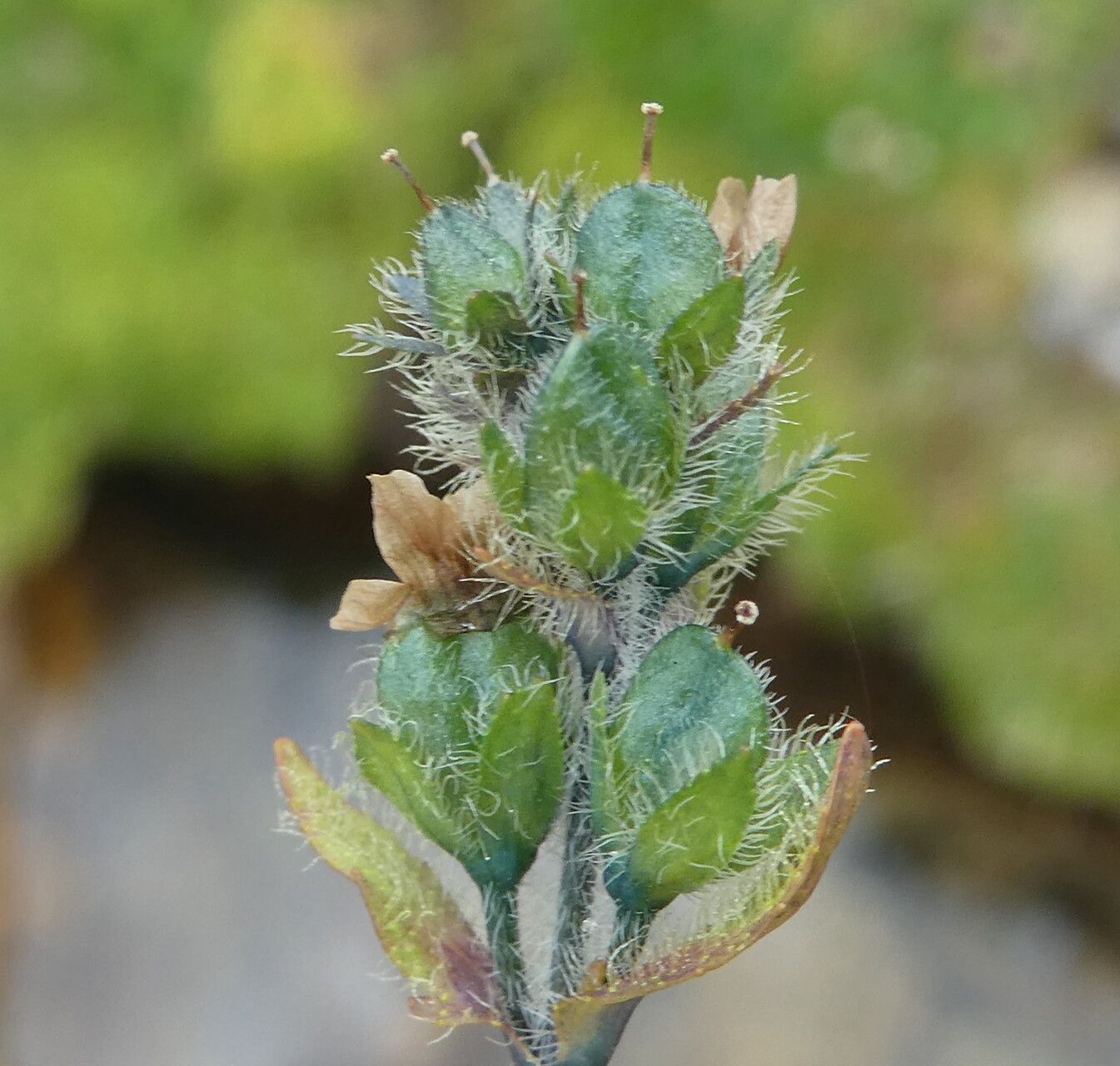
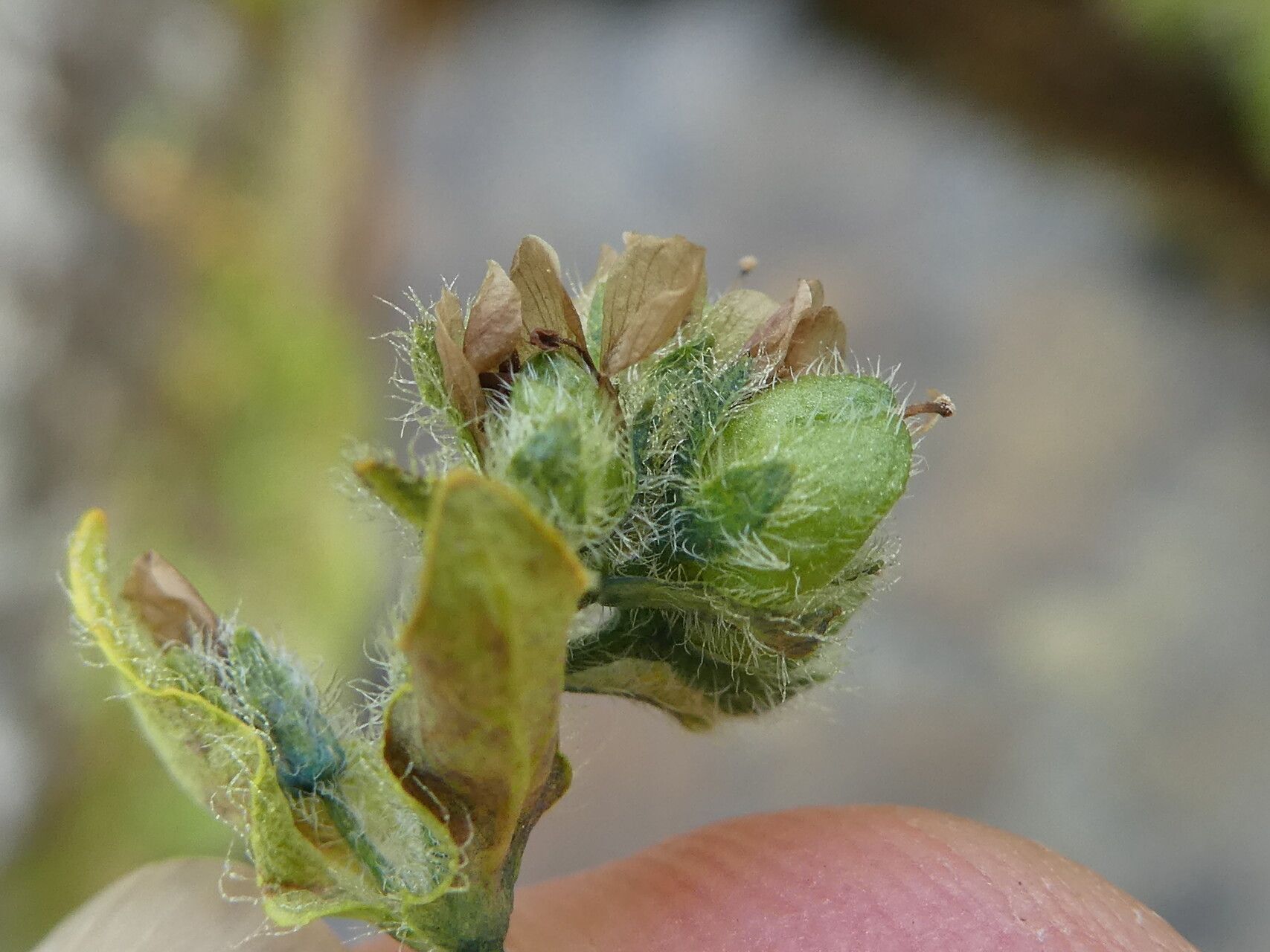
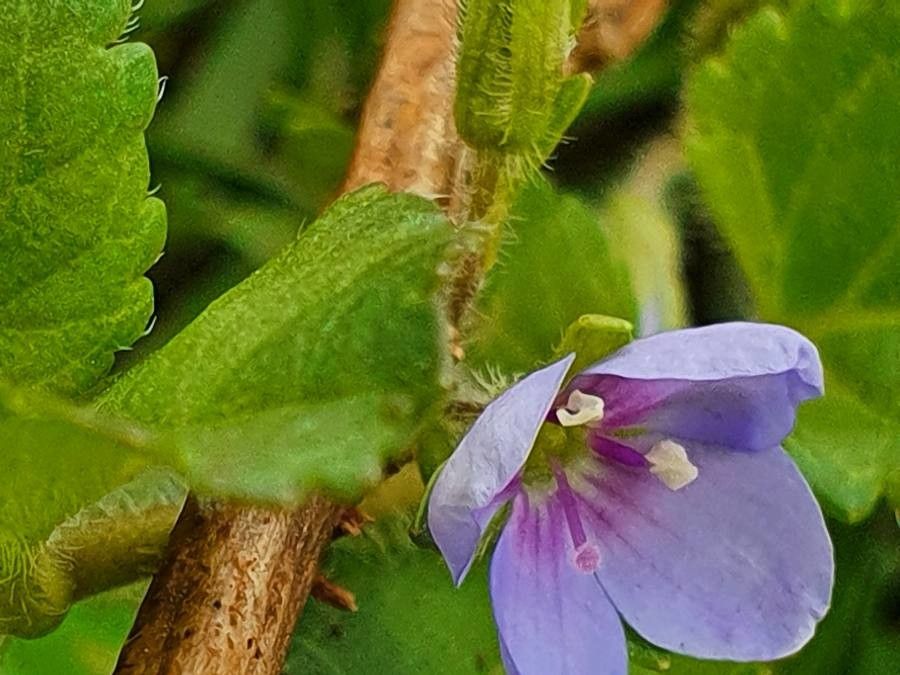
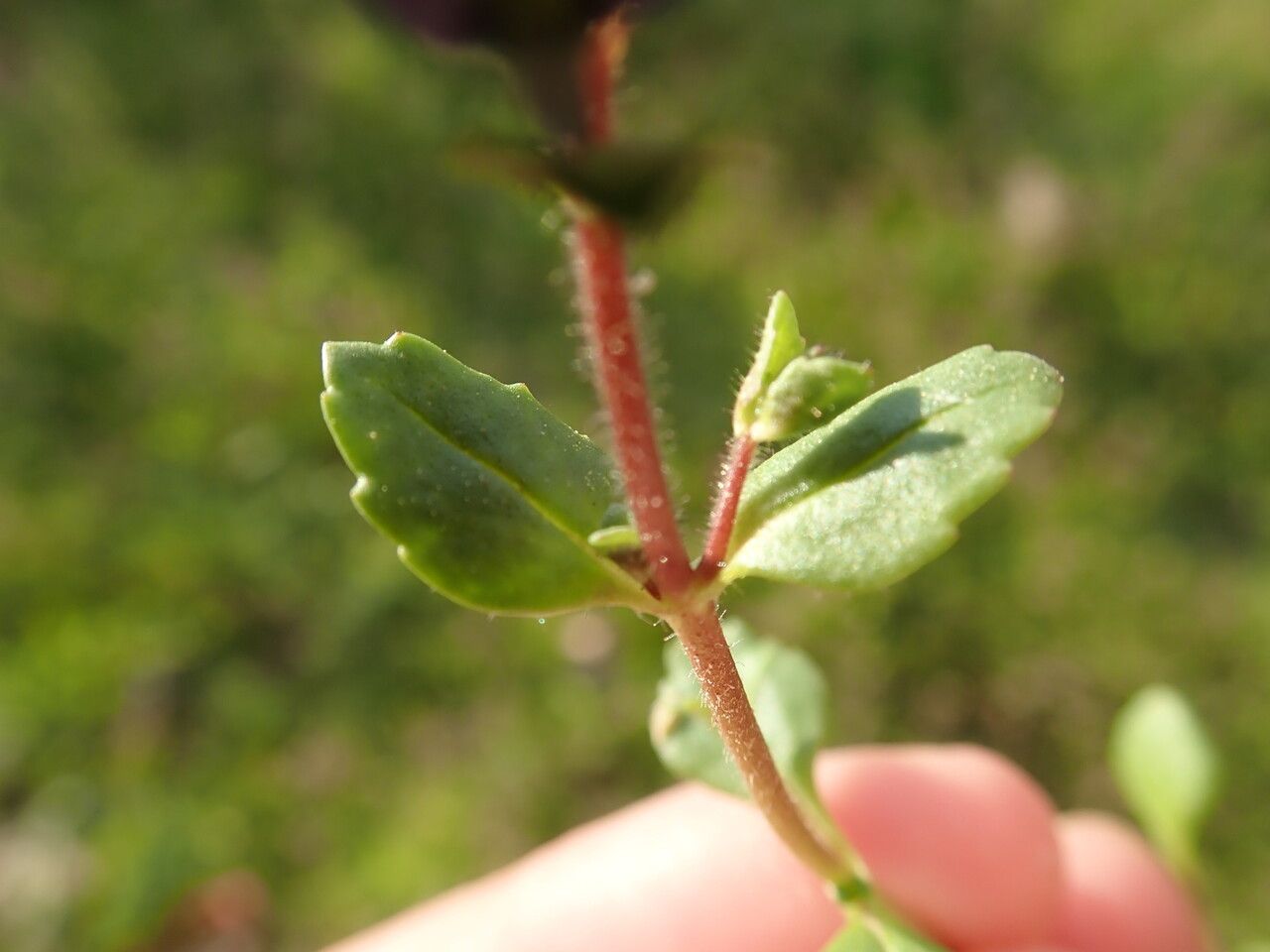
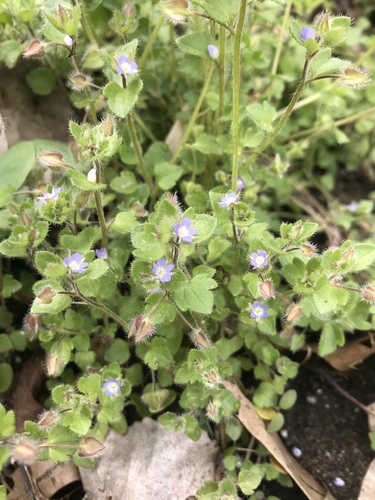
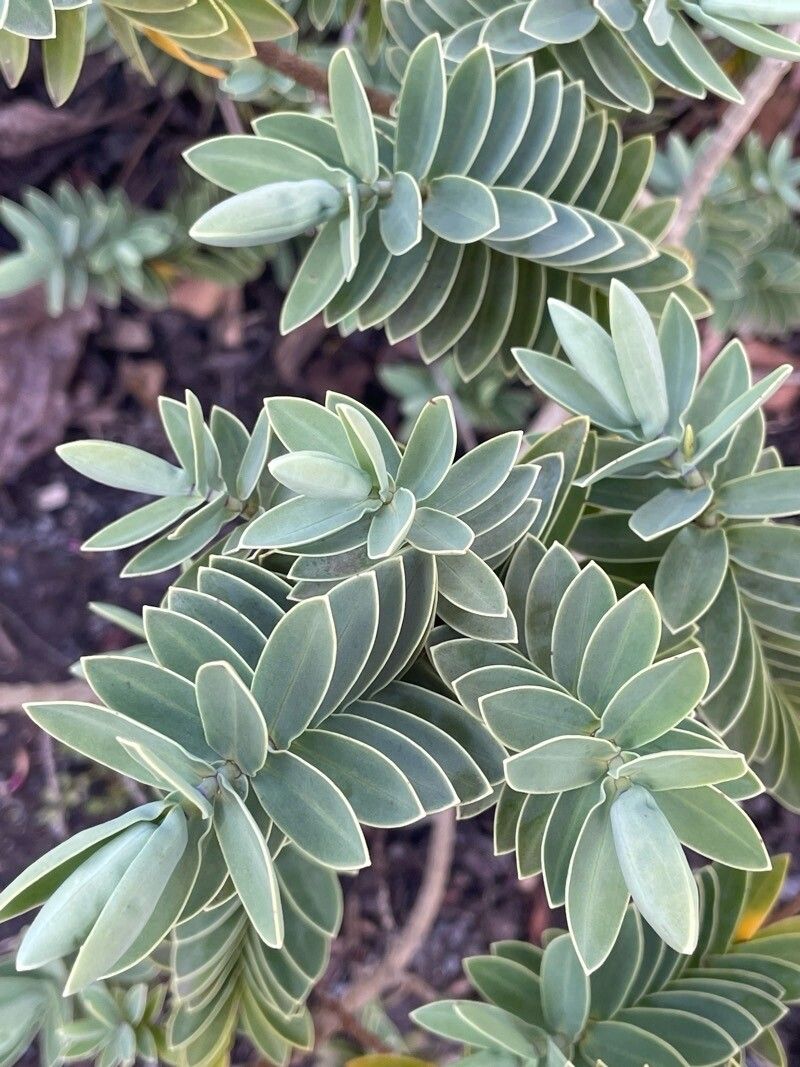
Veronica alpina, the alpine speedwell or alpine veronica, is a species of flowering plant in the genus Veronica, native to Canada, Greenland, Iceland, the Faroes, Svalbard, most of Europe, parts of Siberia, northern Pakistan, the western Himalayas, and Tibet. It is the namesake of the Veronica alpina species complex, which also includes V. bellidioides, V. copelandii, V. cusickii, V. nipponica, V. nutans, V. stelleri and V. wormskjoldii.
Alpine speedwell is fairly disease-resistant and generally not prone to illnesses. However, it can be vulnerable to pests and diseases present in its surroundings. These infections are usually not serious. In terms of care, the plant requires a moderate level of maintenance. It should be pruned regularly to retain a neat appearance and support healthy growth. Fertilizing can also help encourage flowering. Alpine speedwell is suitable for anyone with outdoor space, such as a garden or patio, and does not demand extensive plant-care experience. It may need more attention when grown indoors.
How to keep Veronica Alpina.
Light
Alpine speedwell is a sun-loving perennial herbaceous plant that comes from open habitats and is often found thriving in meadows and grasslands. It prefers full sun but can also tolerate partial sun conditions.
Water
Alpine speedwell, a resilient evergreen herb, flourishes in alpine regions where water availability varies. To simulate its natural habitat, it requires weekly watering. By retaining moisture throughout the year, alpine speedwell enhances its resilience during dry spells.
Fertilizer
Early spring, when Alpine speedwell is coming out of dormancy and starting active growth, is the best time to fertilize it. Fertilization supplies essential nutrients needed for healthy growth. Although Alpine speedwell has fairly low fertilizer requirements, applying fertilizer annually can boost its survival and encourage better, longer-lasting flowers.
Pruning
To promote healthy growth, prune alpine speedwell from early to late spring by removing any dead or damaged stems. Light trimming will encourage blooming, but be sure to avoid heavy pruning, which can stress the plant. This practice also improves airflow and sunlight exposure, reducing the risk of diseases. Always use clean, sharp tools for effective pruning.
Botanical profile.
- Plant Type
- Herb
- Life Cycle
- Perennial
- Genus
- Veronica
- Family
- Plantaginaceae
- Hardiness Zone
- 3-7
- Mature Height
- 5 cm to 15 cm
- Mature Spread
- 10 cm to 20 cm
- Leaf Color
- Green, Dark Green
- Leaf Type
- Evergreen
- Flower Color
- Blue, Purple
- Flower Size
- 0.51 cm to 0.76 cm
- Bloom Time
- Early summer, Mid summer
- Planting Time
- Spring, Summer
- Harvest Time
- Late summer, Early fall
Other names.
Reader questions.
What are the sunlight requirements for Alpine speedwell?
Alpine speedwell, or Veronica alpina, thrives in conditions where it can receive full sunlight for more than 6 hours a day but can also tolerate partial sun, which is about 3-6 hours of sunlight daily. Ensuring the plant receives the right amount of sunlight is crucial for its growth and health. Observing the movement of sunlight through your garden and placing your plants in locations that offer a suitable balance of light and shade is important to meet the plant's needs.
What is the botanical name of Alpine speedwell?
The botanical name of Alpine speedwell is Veronica alpina.
Can Alpine speedwell grow under artificial lighting?
Yes, Alpine speedwell can grow under artificial lighting, which is particularly beneficial for indoor plants or those in areas with insufficient natural sunlight, especially during winter or in less sunny spaces. Utilizing artificial lights such as LED lights, which can be customized to provide specific light wavelengths, helps. For optimal growth, full sun plants need 30-50W/sq ft of artificial light, partial sun plants need 20-30W/sq ft, and full shade plants 10-20W/sq ft. Positioning the light source 12-36 inches above the plant and mimicking natural daylight hours, usually 8-12 hours per day, are also key considerations.
What are the symptoms of light deficiency in Alpine speedwell?
Alpine speedwell shows several symptoms when subjected to inadequate lighting, including new leaves growing smaller than older ones, leggy or sparse growth due to longer spaces between leaves or stems, quicker leaf drop as a strategy to conserve resources, delayed or halted new growth indicating a survival mode due to poor light, leaves developing lighter colors or irregular patterns suggesting a lack of chlorophyll, and conditions like chlorosis, sunscald, leaf curling, wilting, and leaf scorching, which reflect various stress responses to inappropriate light levels.
How can you improve the growth of Alpine speedwell in different lighting conditions?
Improving Alpine speedwell's growth involves adapting its exposure to sunlight gradually. For indoor plants, gradually move them to sunnier spots until they receive at least 6 hours of sunlight daily, using south-facing windows for natural light or artificial grow lights for at least 8 hours a day if moving the plant isn't feasible. Outdoors, relocate your plants to sunnier locations over weeks to prevent sunburn, considering the gradual increase in light exposure. When it comes to reducing obstructions to sunlight, trim blocking branches from trees, and for smaller plants, consider transplanting them during their dormant period to a location with better sunlight and drainage.