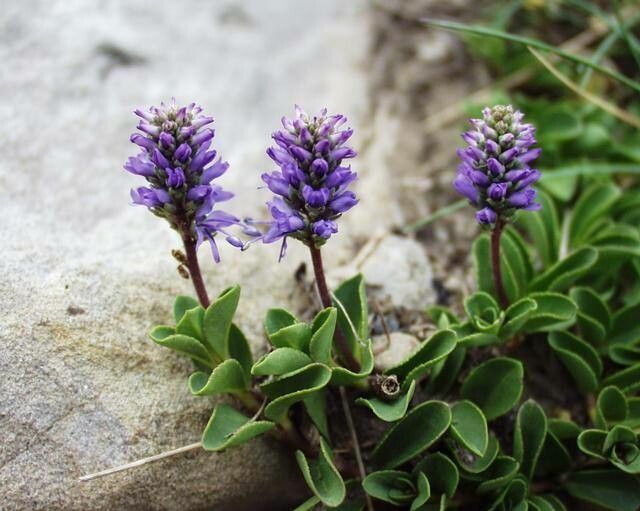
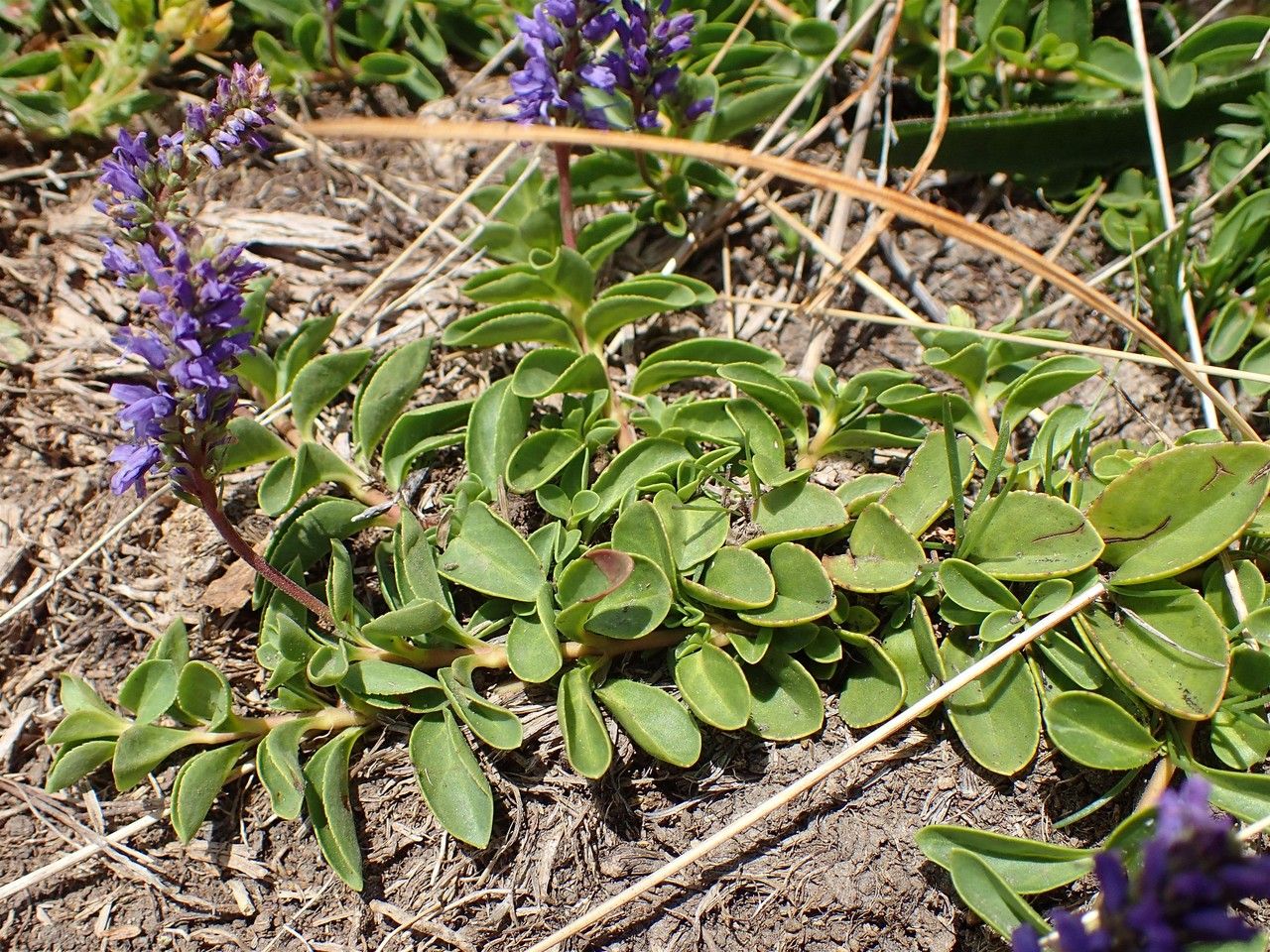
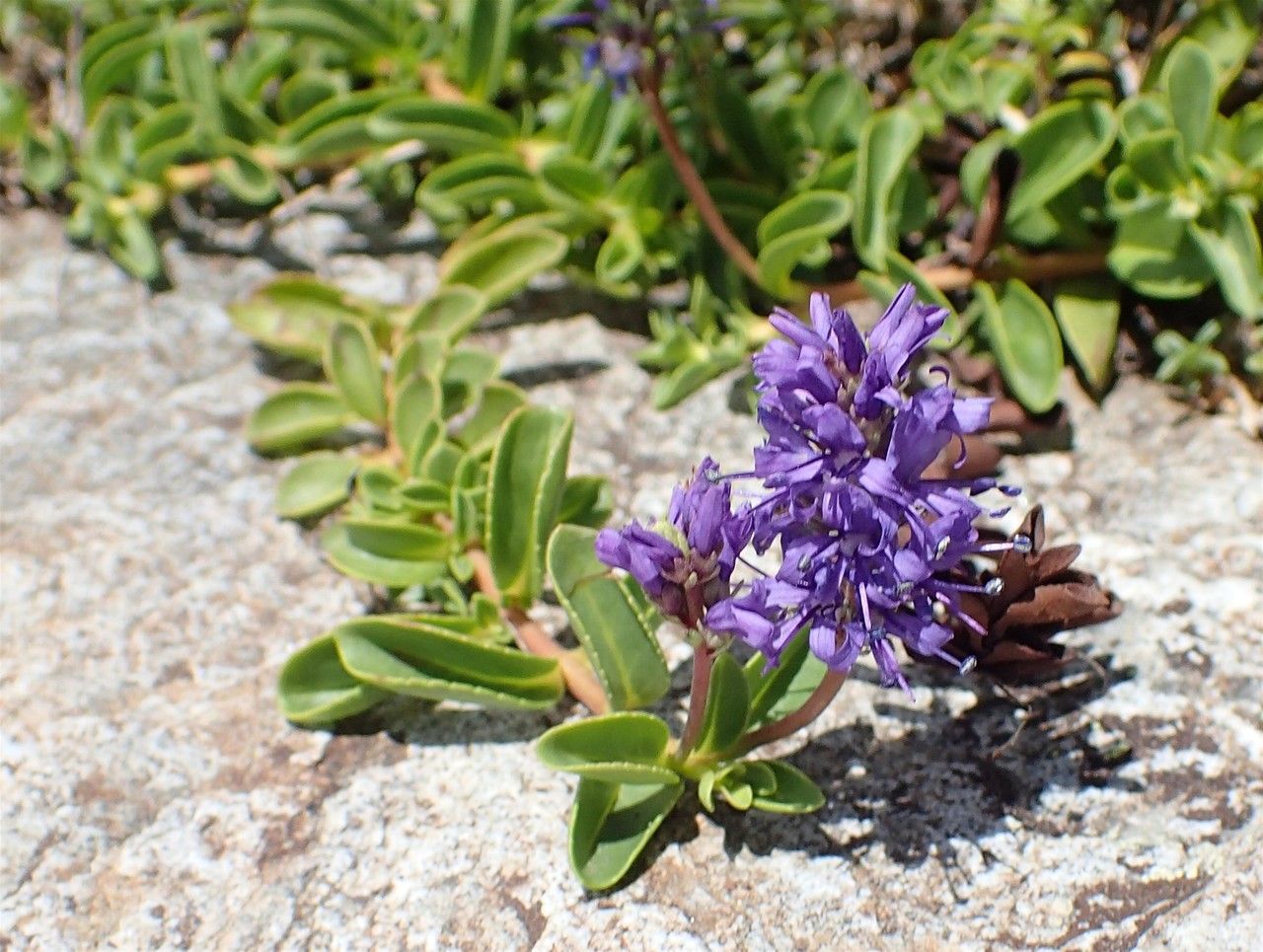
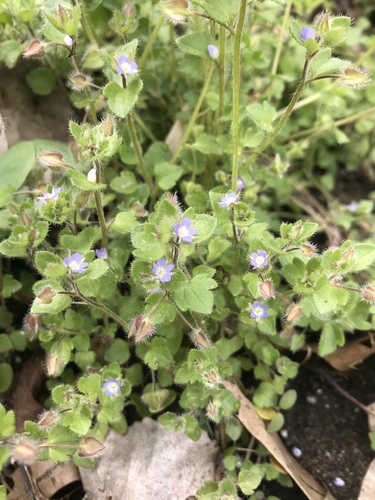
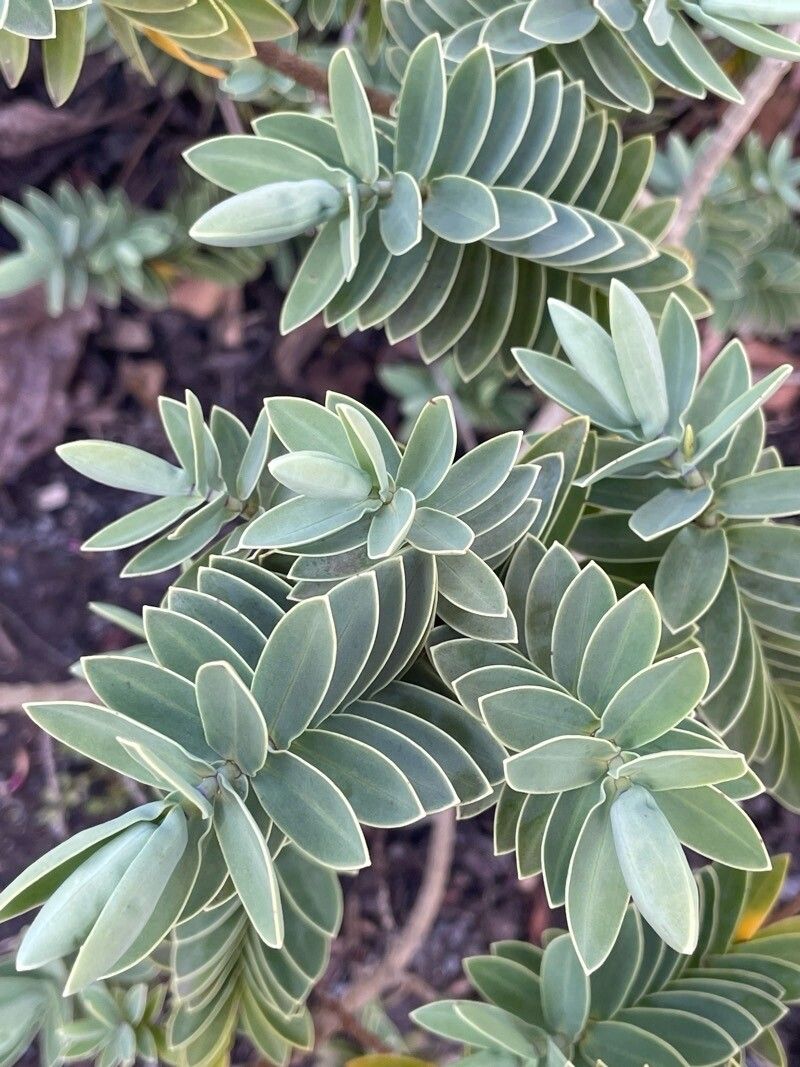
Veronica allionii, commonly known as Allioni's speedwell, is a low-growing perennial plant within the Plantaginaceae family. Native to the Alps and other mountainous regions of Europe, this plant typically reaches a height of up to 10 cm and spreads to a width of up to 30 cm.
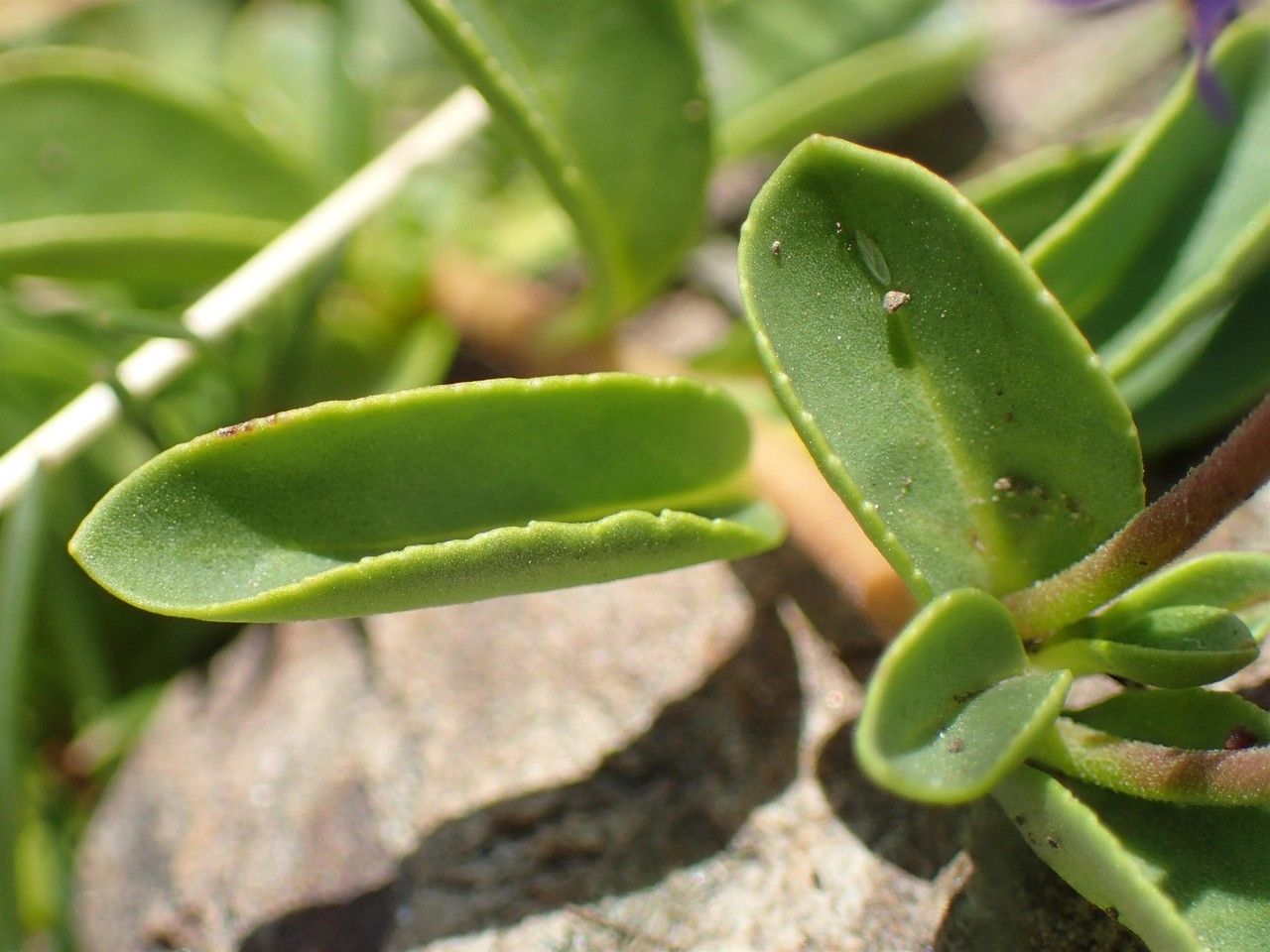
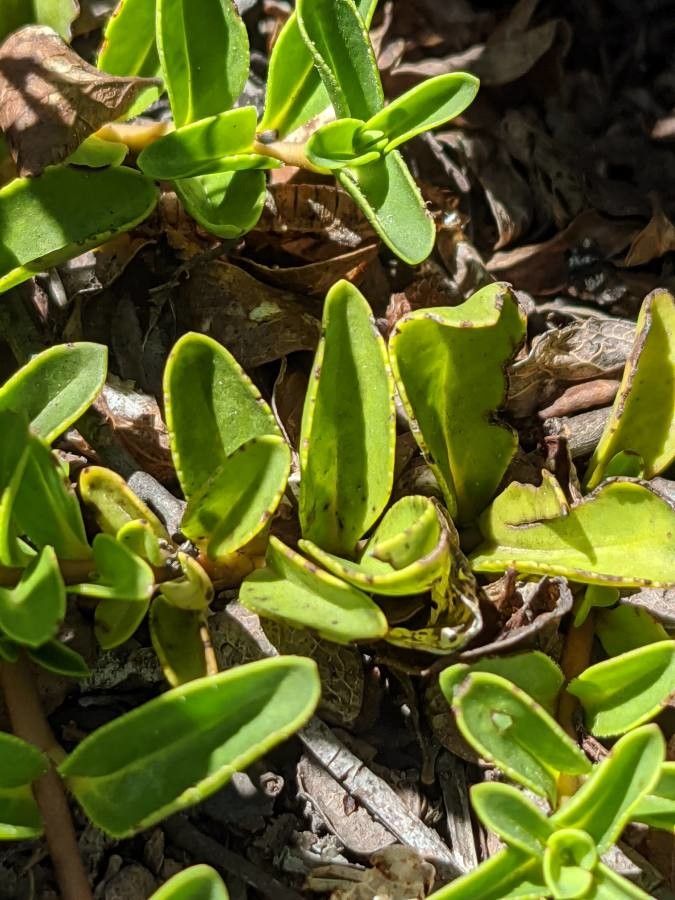
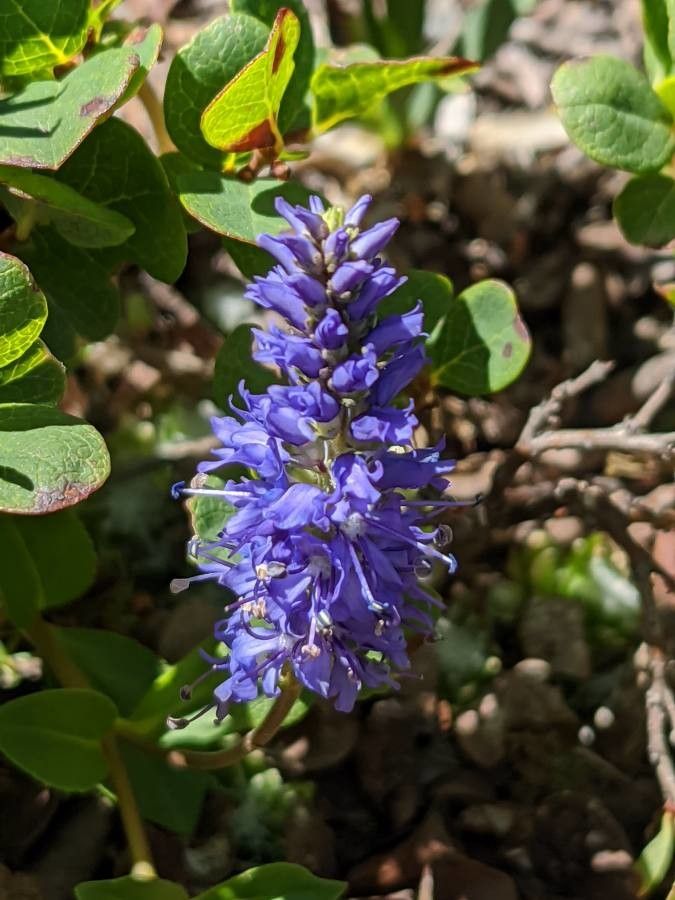
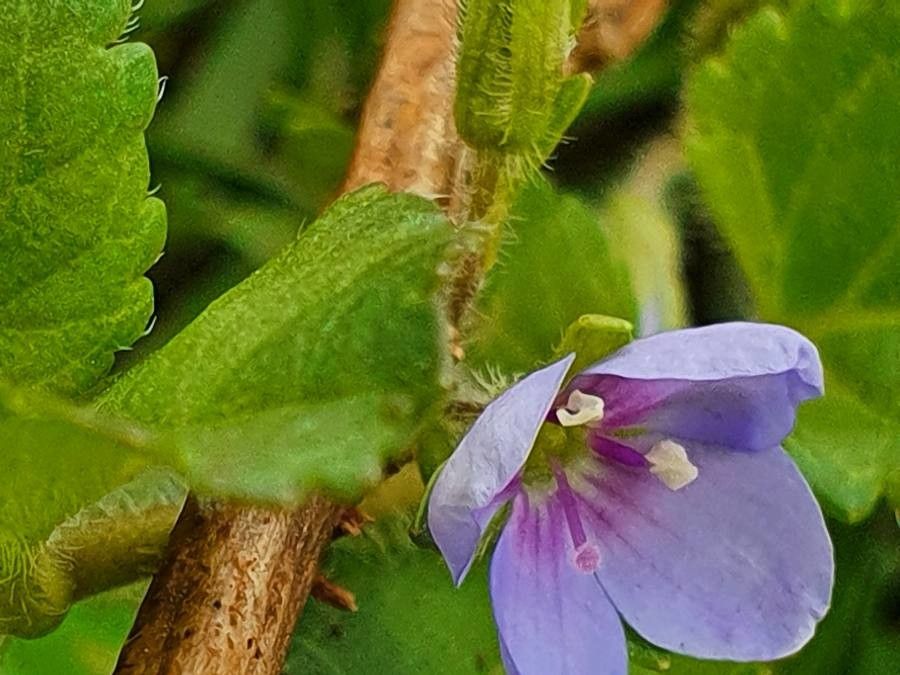
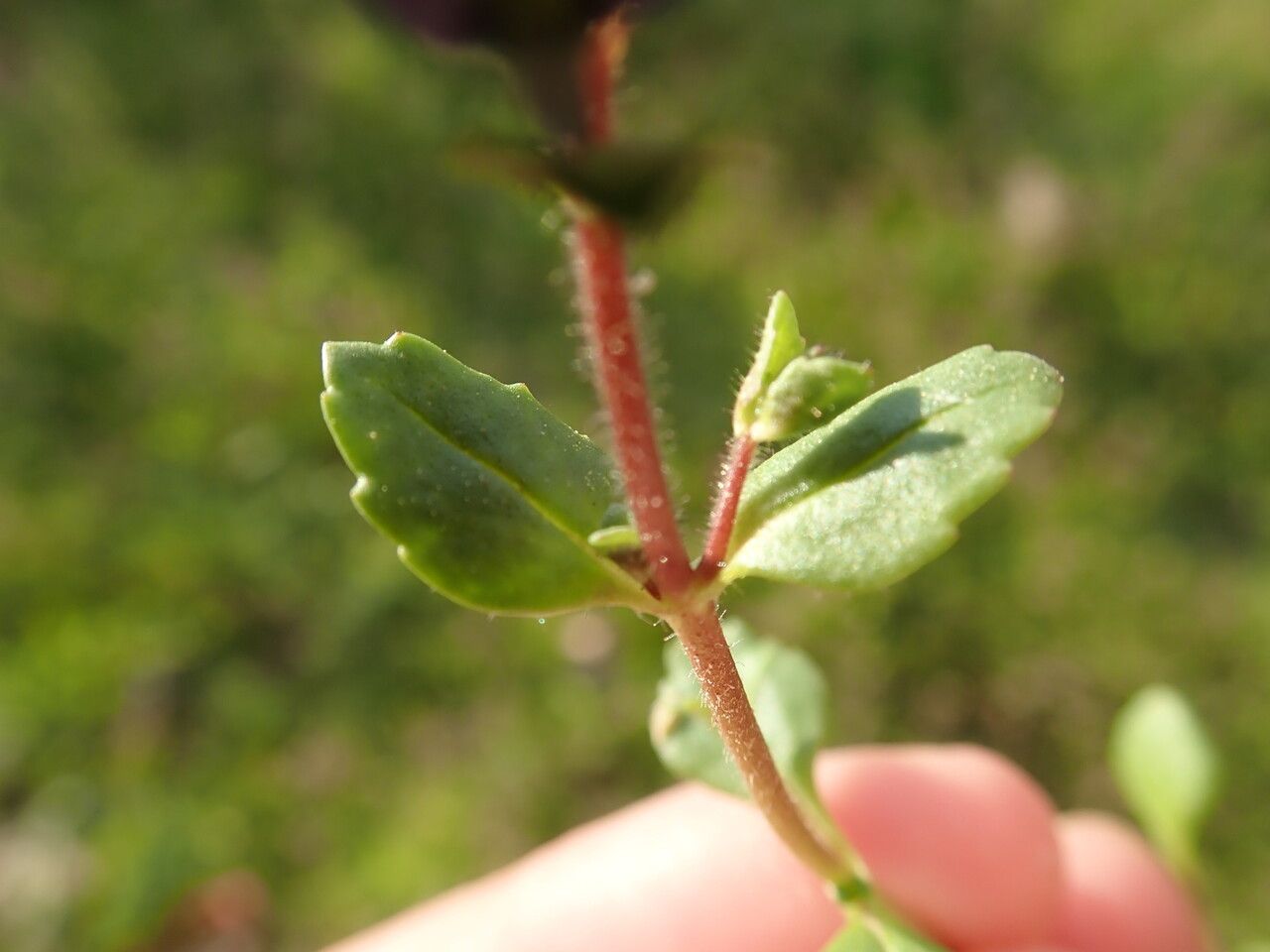
The leaves of Veronica allionii are small, oval-shaped, and dark green. Its flowers, which bloom from late spring through early summer, are numerous and strikingly blue-violet with white centers.
Allioni's speedwell prefers well-drained soil enriched with organic matter. It thrives best when planted in full sun or partial shade, with regular watering during dry periods.
With its low-growing habit and quick-spreading stolons, this plant is an excellent choice for rock gardens or as ground cover.
Overall, Veronica allionii is an attractive perennial that adds color and texture to any garden setting while requiring minimal maintenance once established.
Alpine speedwell is fairly disease-resistant and generally not prone to illnesses. However, it can be vulnerable to pests and diseases present in its surroundings. These infections are usually not serious. In terms of care, the plant requires a moderate level of maintenance. It should be pruned regularly to retain a neat appearance and support healthy growth. Fertilizing can also help encourage flowering. Alpine speedwell is suitable for anyone with outdoor space, such as a garden or patio, and does not demand extensive plant-care experience. It may need more attention when grown indoors.
How to keep Veronica Allionii.
Light
Alpine speedwell does best when it gets plenty of sunshine throughout the day, but it can also tolerate lower light or spots with limited sun. Since it comes from alpine environments where light levels fluctuate, exposure to too much or too little light usually does not cause serious harm to the plant’s health and growth.
Water
Alpine speedwell flourishes in alpine environments, where it prefers moderately moist and well-drained soil. To maintain this balance, it should be watered weekly. Usually grown outdoors, alpine speedwell thrives in cooler temperatures and benefits from natural rainfall, which together support its strong growth cycle and resilience.
Temperature
Alpine speedwell originates from cool alpine areas and favors temperatures between 41 and 89.6 °F (5 to 32 ℃). In extreme weather, modify its surroundings to recreate the temperate conditions of its native high-altitude habitat. Do not expose it for extended periods to temperatures outside that preferred range.
Fertilizer
Early spring, when Alpine speedwell is coming out of dormancy and starting active growth, is the best time to fertilize it. Fertilization supplies essential nutrients needed for healthy growth. Although Alpine speedwell has fairly low fertilizer requirements, applying fertilizer annually can boost its survival and encourage better, longer-lasting flowers.
Pruning
The Alpine speedwell is a compact, mat-forming perennial known for its vibrant blue-violet flowers. To promote growth and flowering, lightly prune in early spring and remove spent blooms. Avoid heavy pruning to maintain good airflow, prevent disease, enhance vigor, and ensure a beautiful display.
Botanical profile.
- Plant Type
- Herb
- Life Cycle
- Perennial
- Genus
- Veronica
- Family
- Plantaginaceae
- Hardiness Zone
- 4-8
- Mature Height
- 10 cm to 15 cm
- Mature Spread
- 20 cm to 30 cm
- Leaf Color
- Dark Green
- Leaf Type
- Evergreen
- Flower Color
- Blue, Purple
- Flower Size
- 1.02 cm to 1.52 cm
- Bloom Time
- Early summer, Mid summer
- Planting Time
- Spring, Summer
- Harvest Time
- Late summer, Early fall
- Native Area
- Italy, France
Other names.
Reader questions.
How should I water my Alpine speedwell?
To properly water the Alpine speedwell, it is recommended to use filtered water at room temperature. This is because tap water may contain harmful particles for the plant's health. Additionally, since the Alpine speedwell is accustomed to warm conditions, it is advisable to use lukewarm water to prevent shocking its system. It is best to avoid watering the plant from above as it can lead to issues with the foliage. Instead, you should direct the filtered room temperature water towards the soil until it is fully soaked. This method benefits the plant by moisturizing the roots and facilitating nutrient absorption as they continue to spread and collect necessary nutrients within the soil.
Why do I have to add fertilizer to my Alpine speedwell?
Fertilization is important for the Alpine speedwell and other plants because it provides essential nutrients for growth. Although the Alpine speedwell has relatively low fertilization needs and can sometimes survive without it, annual fertilization can greatly benefit the plant by keeping it alive and promoting the development of longer-lasting flowers. Therefore, those who want to maintain the optimal appearance of their Alpine speedwell should make sure to fertilize it yearly.
What are the sunlight requirements for Alpine Speedwell?
Alpine Speedwell (Veronica allionii) requires full sun, meaning it thrives in conditions of above 6 hours of direct sunlight daily. It can also adapt to partial sun or full shade environments, receiving around 3-6 hours of sunlight. It's important to carefully observe the movement of sunlight through your garden to ensure your plants receive the right balance of light and shade, promoting their health and happiness.
What is the preferred temperature range for Alpine speedwell?
Alpine speedwell, or Veronica allionii, thrives in cool alpine regions and prefers a temperature range of 41 to 89.6 °F (5 to 32 °C). It is important to adjust its environment to reflect its native high-altitude, temperate climate, especially during extreme weather conditions to avoid prolonged exposure to temperatures outside its preferred range.
What should I do if I give my Alpine speedwell too much or too little water?
Overwatering is a more common issue and can be harmful to your Alpine speedwell. It can cause wilting, yellowing of leaves, and diseases like root rot, mold, and mildew, which can be fatal. Underwatering is less common, but can still occur. Signs of underwatering include brittle and brown leaves. It is important to address signs of overwatering promptly. Some diseases from overwatering may be irreversible if not addressed early. Reduce watering if you notice early signs of overwatering, and check the soil drainage. Replace poorly draining soil with a loose, well-draining potting mix. For underwatering, increase watering until signs improve.
What is the ideal time to fertilize my Alpine speedwell?
The best time to fertilize an Alpine speedwell is in late winter or early spring. This is when the plant is transitioning from dormancy to active growth and fertilizing it during this time will promote healthy growth. It is also possible to fertilize the Alpine speedwell in the fall, but it is not recommended to do so in the summer or winter.
How does Alpine Speedwell react to different lighting conditions?
Originating from alpine environments, where light conditions can vary, Alpine Speedwell is quite resilient to different lighting conditions. It flourishes in abundant sunshine but can also survive in lower light environments or where sunlight is scarce. While it prefers full sunlight, its growth and health are not significantly affected by either excess or insufficient light.
Does Alpine speedwell need special frost protection measures during winter?
Alpine speedwell has strong cold resistance and typically does not require special frost protection measures during winter. However, if winter temperatures are expected to fall below -30°C, it is important to provide cold protection by covering the plant with soil or straw. Additionally, watering the plant abundantly before the first freeze in autumn helps ensure the soil remains moist and enters a frozen state, preventing drought and water scarcity for the plant during the colder months.
How often should I water my Alpine speedwell plant?
If your Alpine speedwell plant is in a pot, you can determine if it needs water by testing the soil with your finger. If the top two to three inches of soil feel dry, it's time to water it. If you have your Alpine speedwell planted outdoors in the ground, you can use the same method to test the soil. When the top few inches of soil have dried out, it's time to water. Typically, during spring and early fall, you should water this plant about once a week using this method. However, during extremely hot weather, you may need to water it twice or more per week. Keep in mind that mature and well-established Alpine speedwell plants have a good ability to withstand drought.
When is a bad time to fertilize my Alpine speedwell plant?
To ensure optimal growth of your Alpine speedwell, it is recommended to fertilize only during late winter and early spring. Since this plant requires minimal fertilization, a single annual feeding is sufficient. Additional fertilization during spring, summer, and fall can result in overfertilization and related issues. However, if you missed fertilizing in spring, it is acceptable to feed the plant in autumn. It is important to note that fertilizing during winter is unnecessary as the Alpine speedwell enters a dormant growth phase during this time, therefore new growth is not stimulated.
What to do if natural sunlight is insufficient for Alpine Speedwell?
When natural sunlight is insufficient, especially during winter or in less sunny spaces, artificial lighting can be a viable solution for Alpine Speedwell. Indoor plants benefit greatly from adequate lighting, which can be achieved using artificial light sources. LED lights are recommended as they can be customized for the specific light wavelength needs of your plants. The required artificial light intensity varies based on the plant's need: 30-50W/sq ft for full sun plants, 20-30W/sq ft for partial sun plants, and 10-20W/sq ft for full shade plants. Proper placement and duration of artificial lighting—12-36 inches above the plant and 8-12 hours per day—are crucial for mimicking natural sunlight conditions and promoting healthy plant growth.
How does low temperature affect Alpine speedwell and what are the solutions?
Alpine speedwell is cold-tolerant and performs best when temperatures remain above 5°C. In winter, it should be kept above -25°C to avoid damage. When temperatures fall below -30°C, there may not be noticeable changes during winter, but there could be a decrease in sprouting or no sprouting at all come springtime. The solution for affected parts that fail to sprout in spring is to remove them.