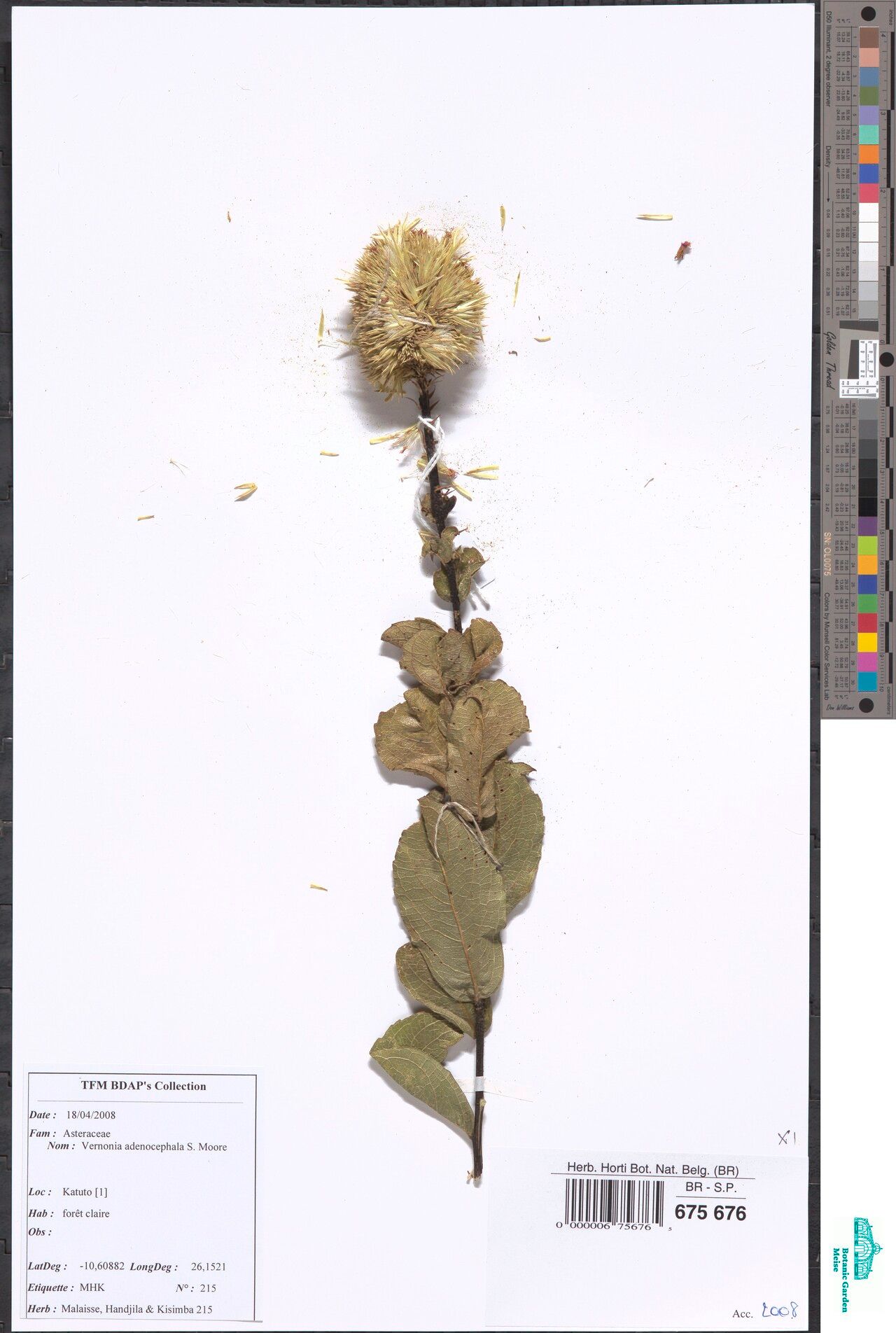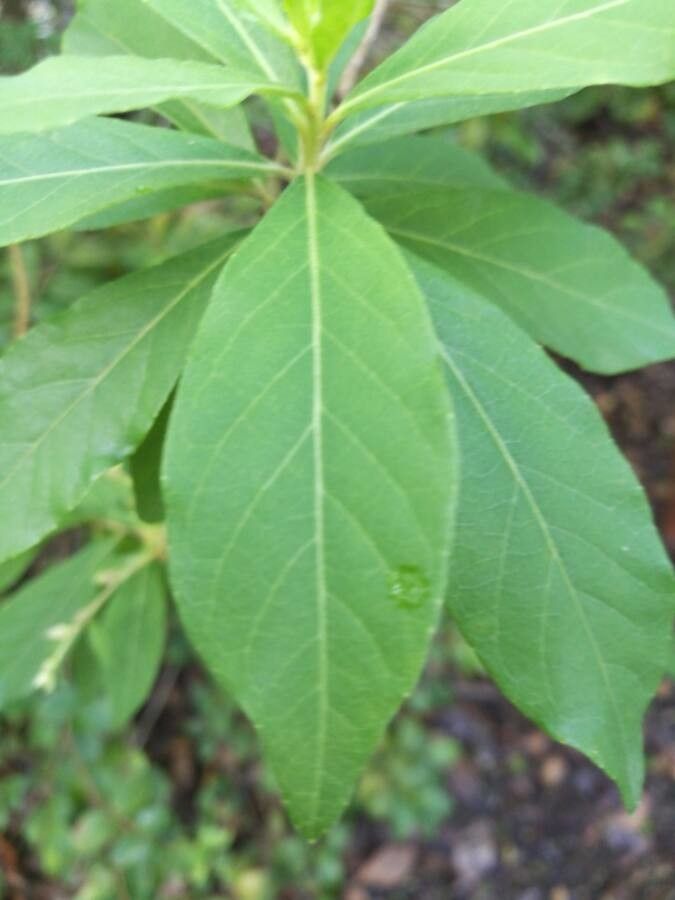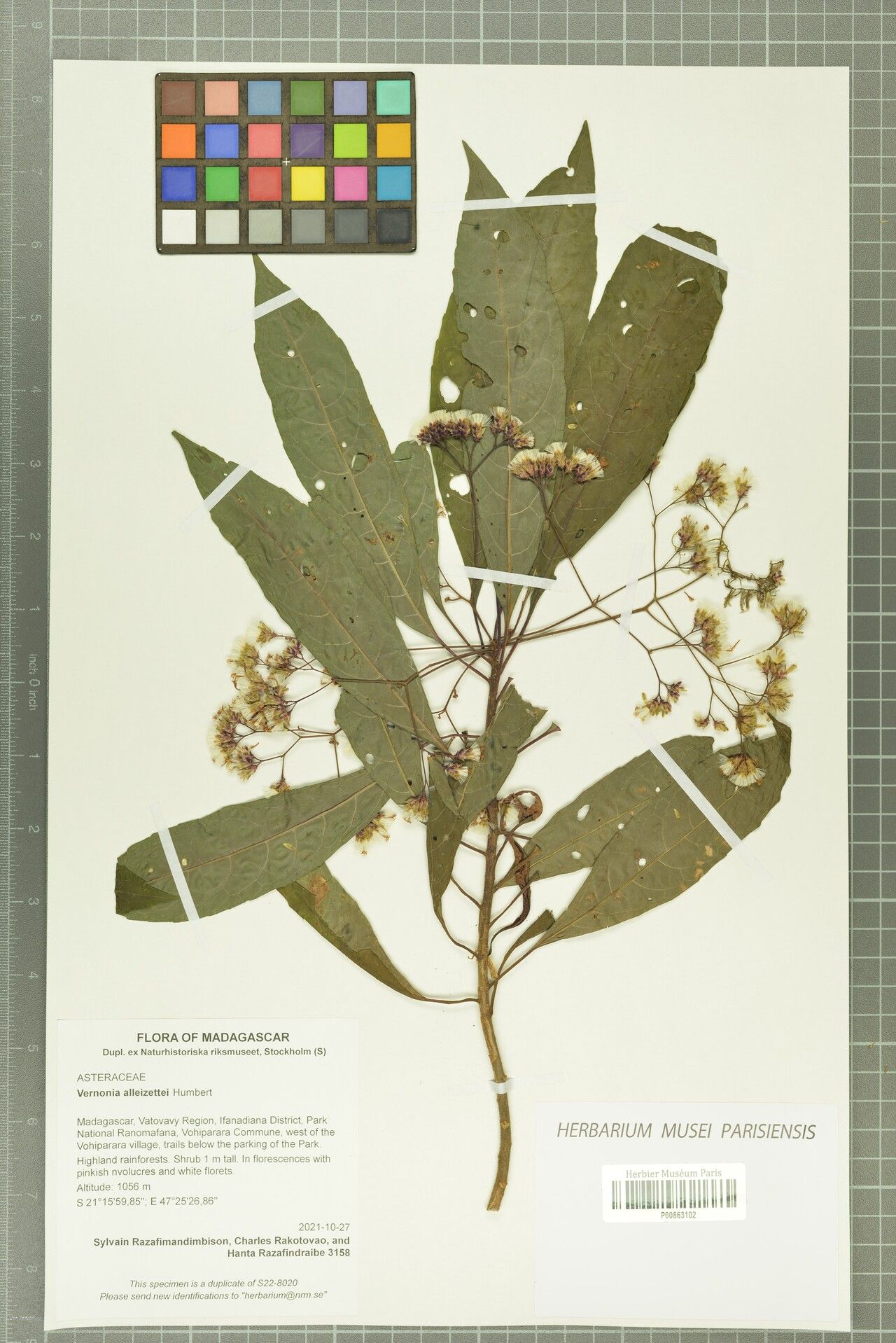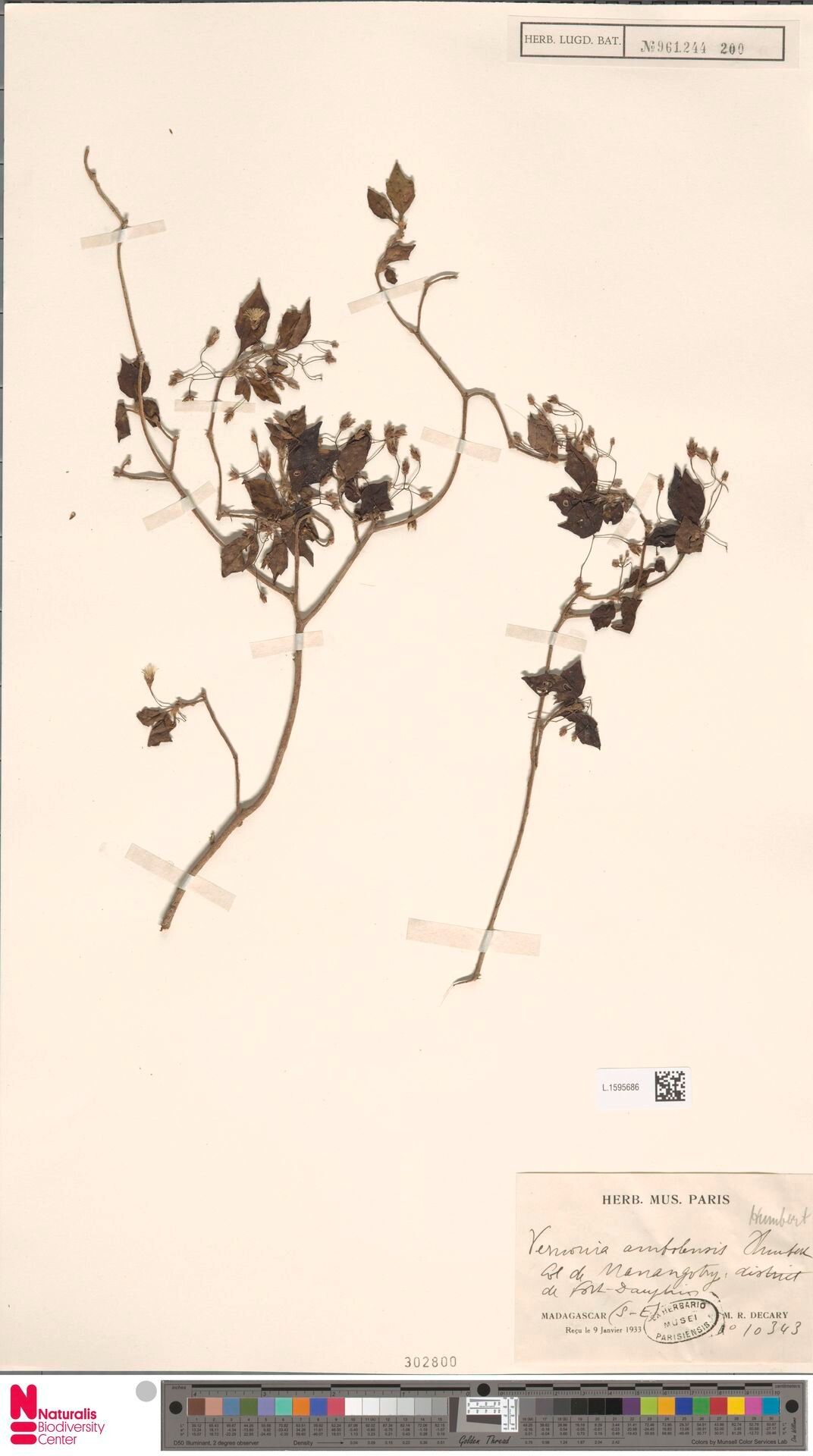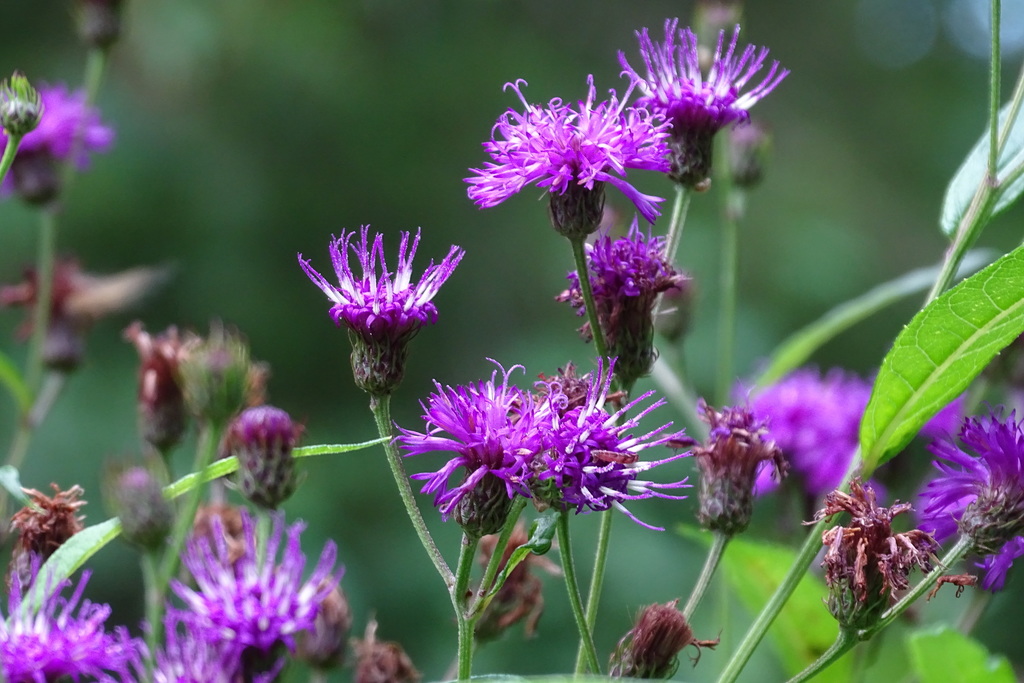
Vernonia noveboracensis (New York ironweed or vein-leaf hawkweed) is a plant in the daisy family, Asteraceae. It is native to the eastern United States, from Florida to Massachusetts and west to Tennessee, Alabama, and West Virginia and to southern Ontario.
Ironweed has strong disease resistance and is generally not highly prone to illnesses. However, it can be vulnerable to pests and diseases present in its environment. These problems are typically not serious. In terms of care, the plant requires moderate maintenance. It should be pruned regularly to keep a good appearance and promote healthy growth. Fertilizing can also help encourage flowering. Ironweed is suitable for anyone with outdoor space, such as a garden or patio, and does not require extensive care experience. It may demand more attention when grown indoors.
How to keep Vernonia Noveboracensis.
Light
Ironweed needs plentiful sunlight to grow best, though it can tolerate reduced light when necessary. In its natural habitat it prospers with continuous illumination. Various stages of its lifecycle may require different amounts of sun, but its overall health depends on having enough light. Too little or too much light can impede its growth.
Water
Ironweed thrives in consistently moist environments and benefits from regular watering once a week. Although it can withstand short dry spells, its water requirements increase during active growth periods to support lush foliage and flowering. Therefore, proper hydration is crucial for this herbaceous perennial.
Temperature
Ironweed is a temperate plant that grows best in temperatures ranging from 41 to 95 ℉ (5 to 35 ℃). It is a hardy species that tolerates temperature fluctuations and can adjust to cooler conditions in the fall and winter. For best results, it is recommended to manage soil moisture and provide shade during hot summer months.
Fertilizer
A single fertilizer application in spring is generally adequate for Ironweed, though repeated feedings can maximize growth. Feed once every month to six weeks. Fertilizing improves leaf appearance and function, encouraging even color and a healthy texture. It also promotes root growth and nutrient uptake for the plant's long-term health.
Pruning
Ironweed, known for its tall height and vibrant purple flowers, benefits from pruning in early spring. To encourage new growth, cut back last year’s stems close to the ground. Thinning out crowded stems improves airflow and light, which in turn promotes healthier blooms. Be sure to use clean, sharp tools to prevent the spread of disease.
Pot & Repot
When repotting Ironweed, select a pot 1–2 inches (2.5–5.1 cm) larger that has ample drainage. Use a well-draining potting mix. Repot in spring or fall, making sure the root ball sits slightly lower than the rim of the flower pot. Water thoroughly after repotting and place the pot in a warm spot with indirect sunlight.
Botanical profile.
- Plant Type
- Herb
- Life Cycle
- Perennial
- Genus
- Vernonia
- Family
- Asteraceae
- Hardiness Zone
- 5-9
- Mature Height
- 1.52 m to 2.44 m
- Mature Spread
- 0.91 m to 1.22 m
- Leaf Color
- Green
- Leaf Type
- Deciduous
- Flower Color
- Purple
- Flower Size
- 2.54 cm
- Bloom Time
- Mid summer
- Planting Time
- Spring, Autumn
- Harvest Time
- Mid summer, Late summer
- Native Area
- New Hampshire to the Florida panhandle, Kentucky, Alabama
Other names.
Reader questions.
How should I water my Ironweed plant?
To properly water the Ironweed plant, follow these guidelines: 1. Use filtered water at room temperature. Tap water may harm the plant due to potential harmful particles. 2. Ensure the water is at room temperature or slightly warmer. This is because Ironweed is adapted to warm environments and cold water can shock its system. 3. Avoid overhead watering to prevent foliage complications. Instead, focus on applying filtered water directly to the soil until it is thoroughly soaked. 4. Soaking the soil benefits the plant by moistening the roots and facilitating their spread throughout the soil to collect necessary nutrients.
Why is it important to put fertilizer on my Ironweed?
The main structure of the Ironweed is made up of its leaves. Fertilization is an important way to ensure that these leaves not only look good, but also function properly. By fertilizing correctly, you can help the Ironweed maintain leaves that have a consistent color and a healthy texture. Fertilization does more than just benefit the leaves, though. It also works below the surface of the soil to help the Ironweed grow new roots and maintain its existing root system. This means that fertilization not only keeps the plant healthy now, but also helps it absorb nutrients from the soil more effectively in the future.
What are the sunlight requirements for Ironweed?
Ironweed needs abundant sun exposure to thrive, ideally flourishing in full sun conditions characterized by more than 6 hours of sunlight daily. It can also adapt to partial sun, with about 3 to 6 hours of sunlight. However, for optimal growth and health, ensuring it receives sufficient sunlight in line with its natural preferences is crucial. It's important to observe how sunlight moves through your garden to select spots providing an ideal balance of light and shade.
What is the optimal temperature range for growing Ironweed?
Ironweed thrives in a temperate climate, preferring temperatures between 41 to 95 ℉ (5 to 35 ℃) for optimal growth. It is a resilient plant capable of tolerating temperature shifts and adapting to cooler temperatures during the fall and winter. To ensure the plant's best health during the hot summer months, it's advisable to manage soil moisture levels carefully and provide shading to protect the plant from excessive heat. Ironweed has notable cold resistance, eliminating the need for specific frost protection measures in winter. Nonetheless, in areas where winter temperatures might plunge below -25°C, it is crucial to employ cold protection strategies by covering the plant with insulating materials such as soil or straw. Additionally, watering the plant abundantly before the first freeze in autumn to maintain soil moisture can help prevent drought stress during the colder months.
What should I do if I give my Ironweed plant too much water or too little water?
Both overwatering and underwatering can harm your Ironweed, but overwatering is more common. When the plant gets too much water, its stems and leaves may wilt and turn yellow. Prolonged overwatering can also cause diseases like root rot, mold, and mildew, which can be fatal. Underwatering is rarer because Ironweed can tolerate drought, but it's still possible. In this case, the leaves will become dry and brown. It's crucial to detect overwatering signs early to prevent irreversible damage. If you notice such signs, reduce watering immediately. Check the soil's drainage quality and replace it with well-draining potting mix if needed. If you suspect underwatering, increase watering until the signs disappear.
When should I fertilize my Ironweed plant?
If you choose to grow your Ironweed outdoors every year, you will notice new growth in early spring, which means it's time to start fertilizing. Usually, one application of fertilizer is sufficient for the plant to thrive. However, if you want to promote maximum growth, you can fertilize multiple times throughout the spring and early summer. In this case, you can feed your Ironweed approximately once a month or every month and a half.
Can Ironweed grow in artificial lighting?
Yes, Ironweed can grow under artificial lighting, especially when natural sunlight is insufficient. This is particularly useful during winter or in less sunny locations. Adequate lighting promotes healthier and faster plant growth. LED lights are recommended for their versatility in providing the specific light wavelengths needed by plants. Full sun plants require 30-50W/sq ft, partial sun plants need 20-30W/sq ft, and full shade plants require 10-20W/sq ft of artificial light. The light source should be placed 12-36 inches above the plant to simulate natural sunlight, and most plants will benefit from 8-12 hours of light per day.
How does Ironweed react to low temperatures, and what are the solutions if issues arise?
Ironweed is cold-tolerant, performing best when temperatures stay above 5°C. Throughout the winter season, it is preferable to keep the temperature above -20°C. However, if temperatures fall below -25°C, while the plant may not exhibit noticeable changes during the winter, its ability to sprout in spring could be impaired, resulting in decreased sprouting or potentially no sprouting at all. To mitigate these effects as spring arrives, it's recommended to remove any parts of the plant that have failed to sprout, promoting healthier growth for the remainder of the plant.
How frequently should I water my Ironweed?
If your Ironweed plant is in a pot, the most precise way to determine if it needs water is to check the soil. Stick your finger into the soil and if the top two to three inches are dry, it's time to water it. If you have your Ironweed planted outdoors in the ground, you can use the same method to test the soil. Once again, if the top few inches of soil are dry, it's time to give it some water. Typically, during spring and early fall, watering once a week is sufficient. However, in extremely hot weather, you may need to water it twice or more per week. That being said, mature and well-established Ironweed plants are quite resilient and can withstand drought conditions.
When should I not add fertilizer to my Ironweed?
During the late fall and winter, your Ironweed goes into a dormant phase and stops producing new growth. It's important to refrain from fertilizing it during this time. In the spring and summer, if you choose to fertilize, gradually decrease the amount as summer approaches and the growth rate slows. It's not recommended to fertilize when the weather is unusually hot or the soil is extremely dry, as this can stress your Ironweed and lead to premature death.
What are the signs of inadequate lighting for Ironweed?
Signs of poor lighting in Ironweed include smaller new leaves, leggy or sparse growth, faster leaf drop, slower or halted growth, and lighter-colored new leaves. These symptoms indicate that the plant is not receiving enough light, impacting its health and development negatively. Avoid placing Ironweed in poorly lit areas to ensure it thrives.
How does Ironweed handle high temperatures, and what steps should be taken to protect it?
During the summer, keeping Ironweed's surrounding temperatures below 35°C is crucial for its well-being. Exposure to temperatures above 38°C can lead to a host of issues, including leaves becoming lighter in color, curling, susceptibility to sunburn, and in severe cases, wilting and drying of the entire plant. To counteract these adverse effects, prune away any sunburned or dried parts of the plant. Relocate the plant to a shaded area, particularly away from the harsh midday and afternoon sun, or utilize a shade cloth to provide necessary shelter. Ensuring the soil remains moist by watering the plant in the morning and evening can also help mitigate heat stress.