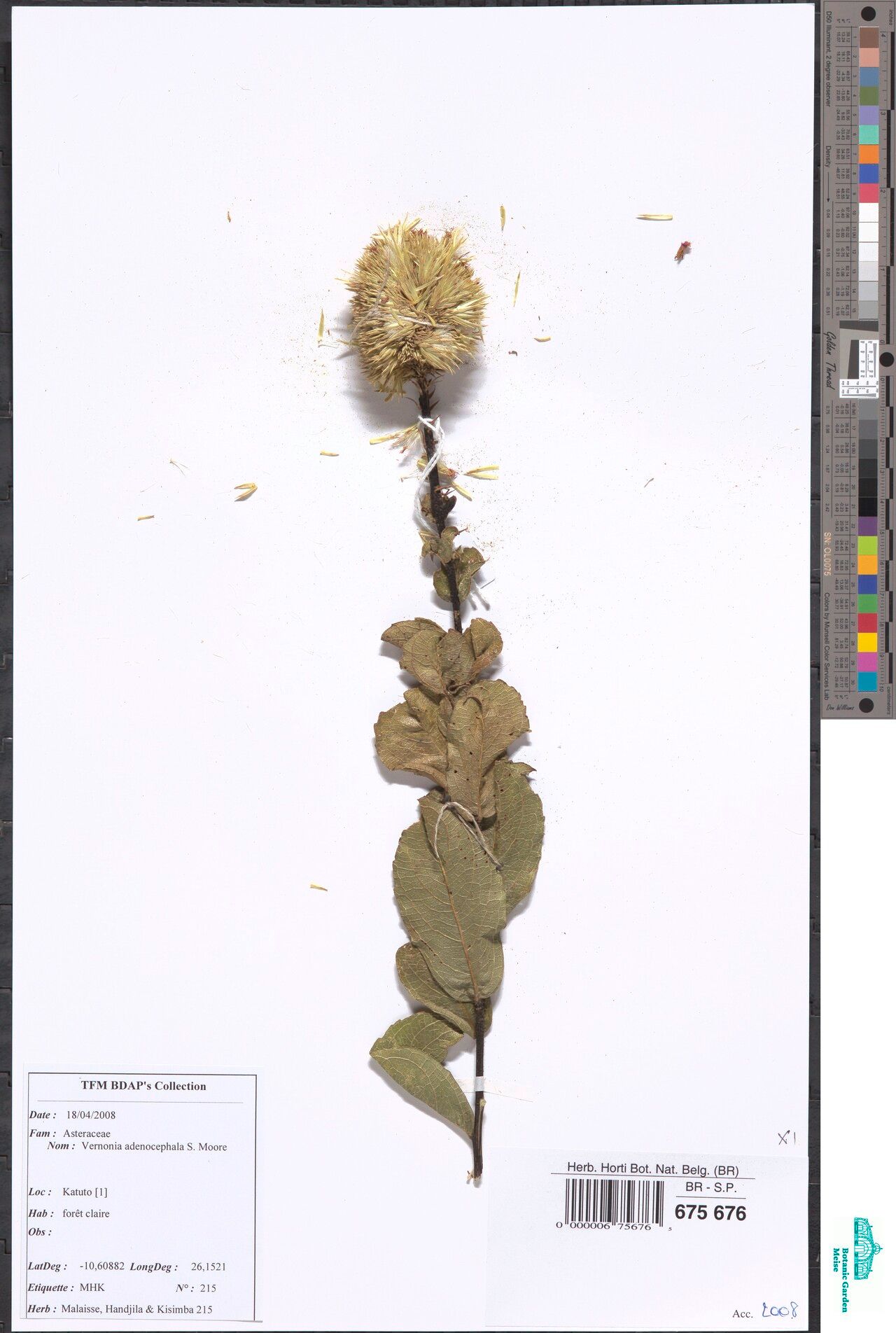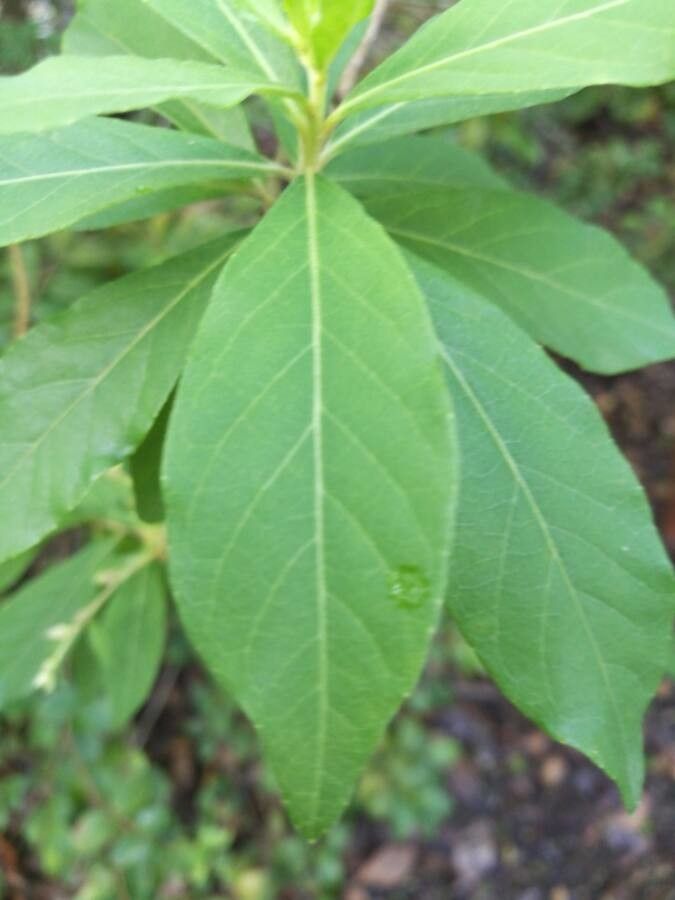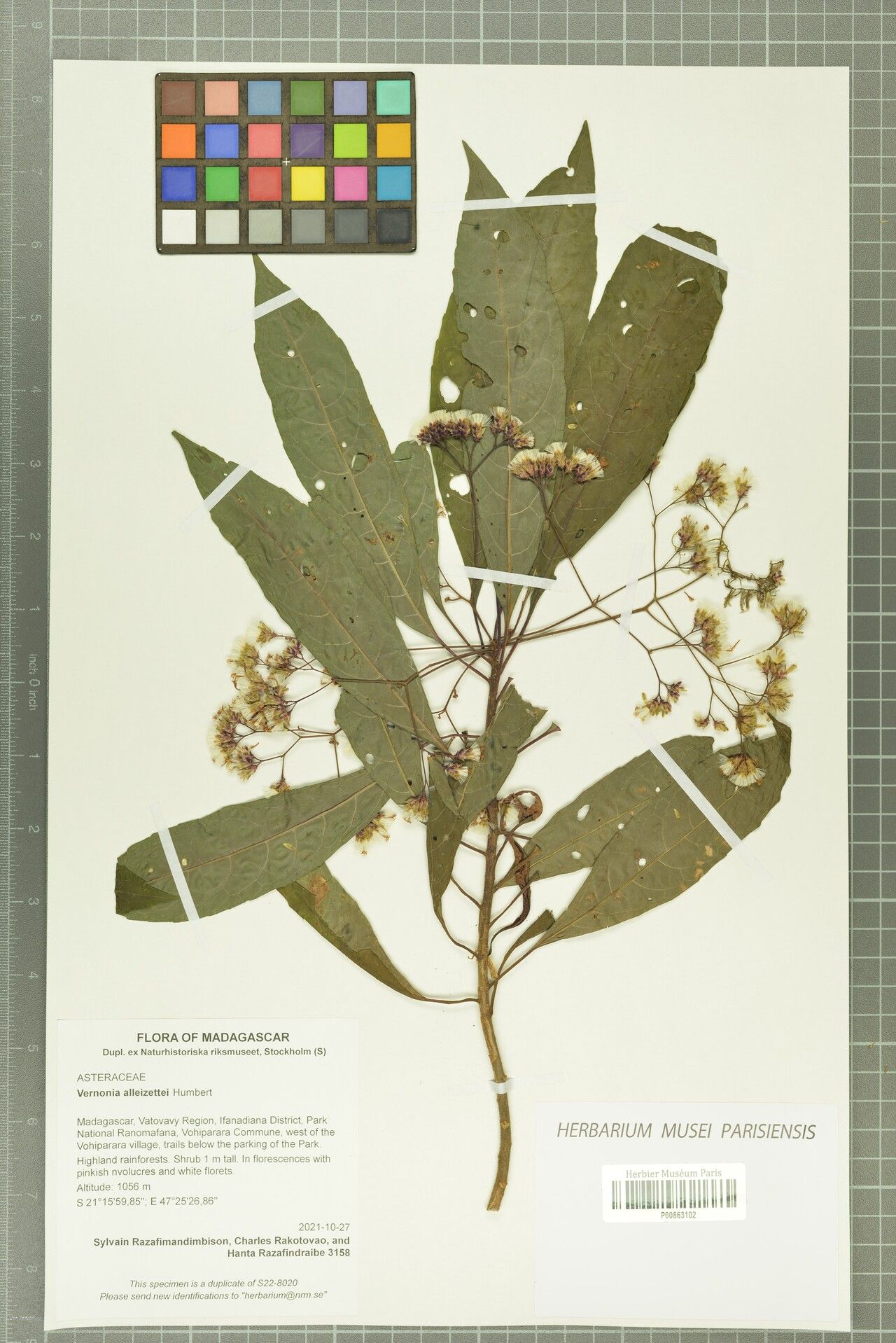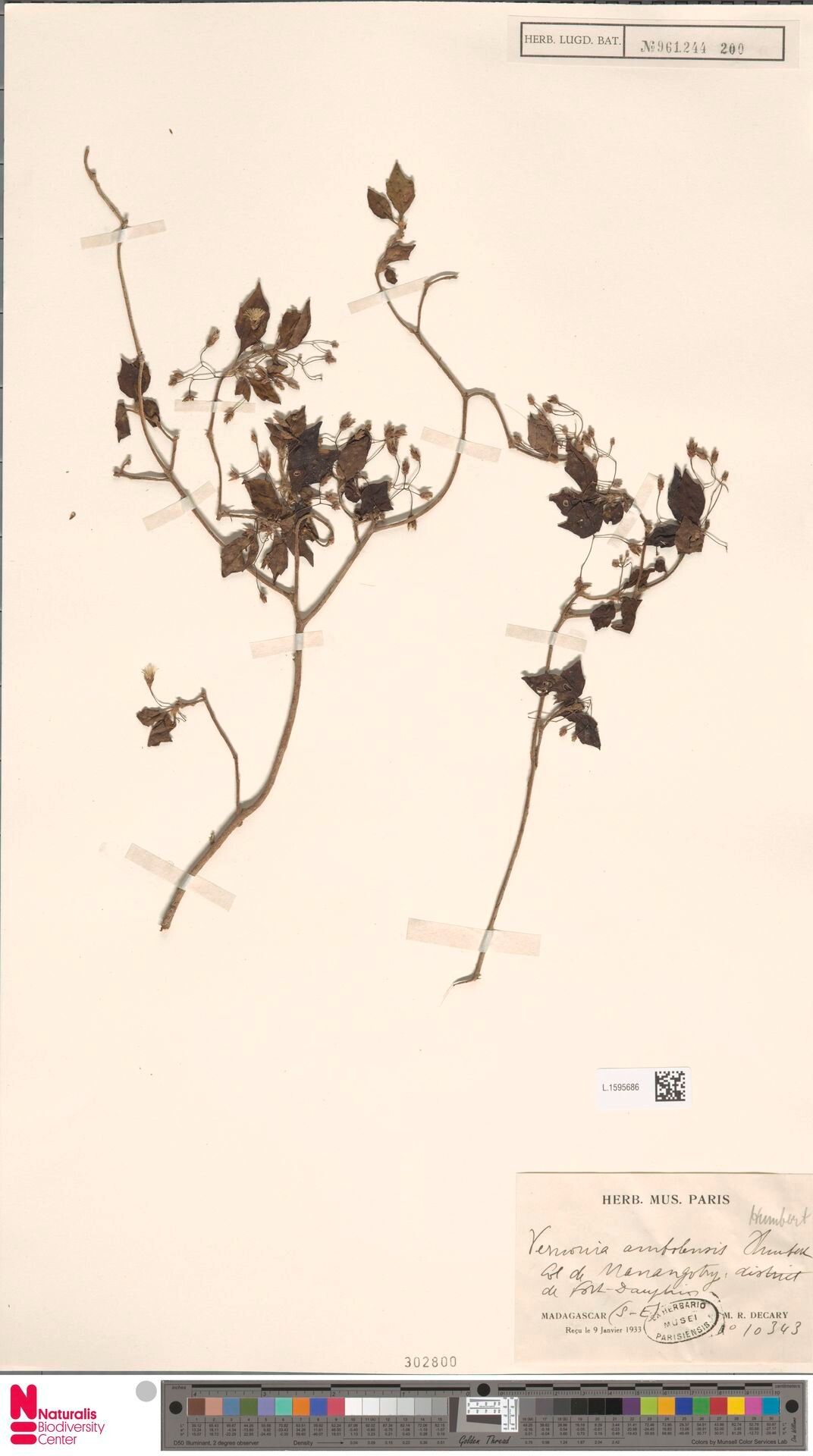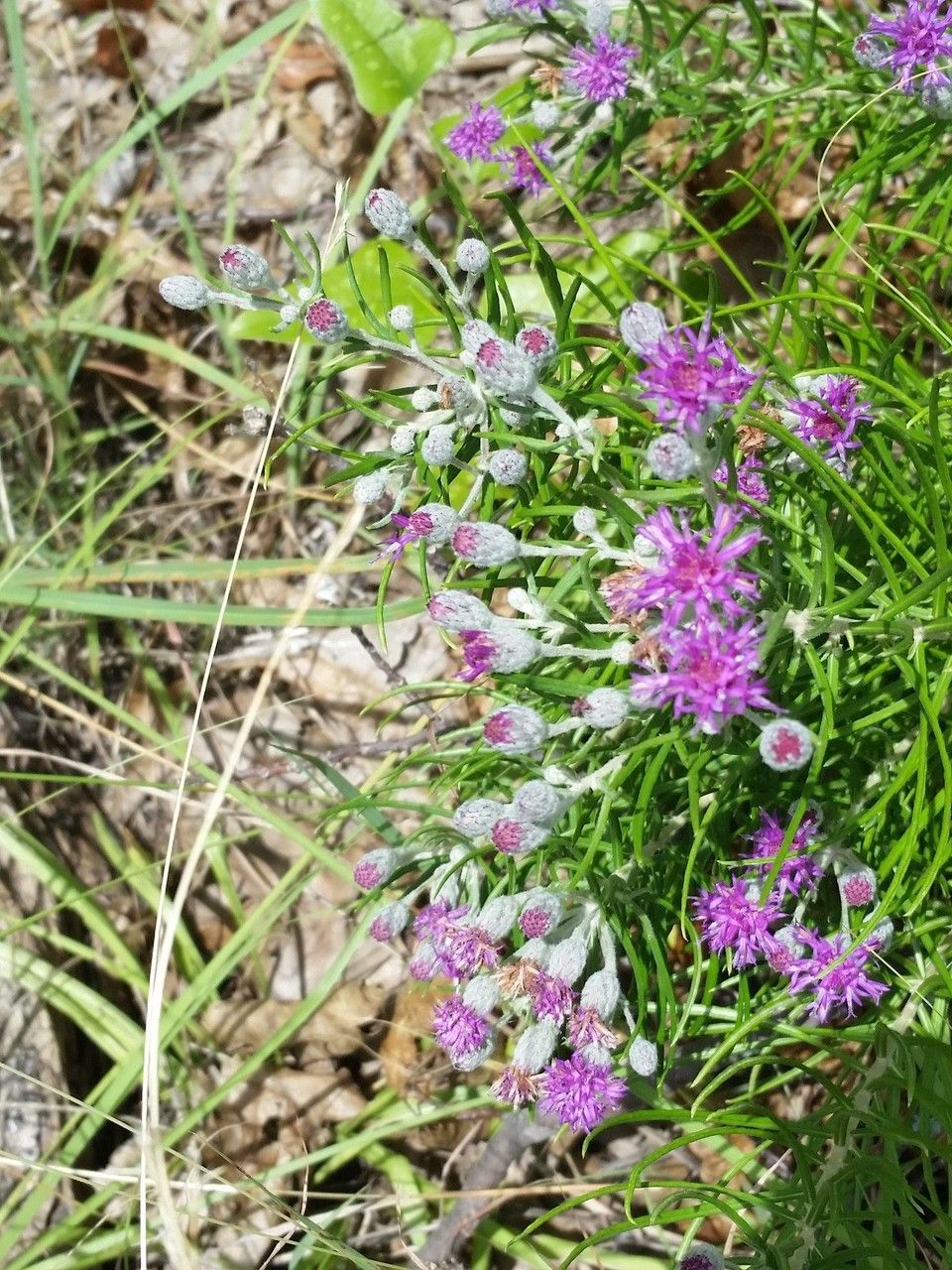
Vernonia lindheimeri, commonly known as woolly ironweed, is a species of flowering plant in the aster family (Asteraceae). It is native North America, where it is native to the state of Coahuila in Mexico and to the state of Texas in the United States. Its natural habitat is in open, calcareous areas.Vernonia lindheimeri is a robust perennial, growing to 3 feet high. It has narrow linear leaves, which are white-woolly beneath. It produces purple heads of flowers in the summer.
Woolly ironweed is fairly disease-resistant and typically not prone to illness. Still, it can be affected by pests and diseases present in its environment. These issues are usually minor. For care, the plant requires moderate maintenance. It should be pruned regularly to preserve its appearance and healthy growth. Fertilizing can also encourage flowering. Woolly ironweed is a good choice for anyone with outdoor space, such as a garden or patio, and does not demand extensive care experience. It may need more attention when grown indoors.
How to keep Vernonia Lindheimeri.
Light
Woolly ironweed is a sun-loving perennial herbaceous plant native to open habitats, commonly found in meadows and grasslands. It prefers full sun but can also tolerate partial sun.
Temperature
Woolly ironweed can tolerate a wide range of temperatures, though its distribution may nevertheless be restricted by particular combinations of moisture and heat. It does best in warm summer climates when there is sufficient rainfall or supplemental watering. Extended periods of cloudy, rainy weather and prolonged high temperatures both increase the risk of Woolly ironweed dying. In winter, shielding the plant from cold improves its chances of survival.
Fertilizer
The best time to fertilize a Woolly ironweed is in early spring, when it is coming out of dormancy and starting active growth. Fertilizing supplies essential nutrients for healthy development. While Woolly ironweed has fairly low fertilizer requirements, an annual feeding can improve its survival and encourage better, longer-lasting blooms.
Pruning
Woolly ironweed, known for its woolly stems and vibrant purple flowers, benefits from pruning in early spring. Trim the plant to about 12 inches (30 cm) above the ground to promote healthy growth. Making clean cuts prevents infections, while removing dead stems improves the plant's health and appearance. This practice helps manage the plant's height and prevents it from becoming leggy, ensuring a strong and attractive presence in your garden.
Botanical profile.
- Plant Type
- Herb
- Life Cycle
- Perennial
- Genus
- Vernonia
- Family
- Asteraceae
- Hardiness Zone
- 5-9
- Mature Height
- 30 cm to 91 cm
- Mature Spread
- 40 cm to 61 cm
- Leaf Color
- Dark Green
- Leaf Type
- Deciduous
- Flower Color
- Purple
- Flower Size
- 2.03 cm to 3.05 cm
- Bloom Time
- Mid summer, Late summer, Early fall
- Planting Time
- Spring, Summer, Autumn
- Harvest Time
- Early fall, Mid fall
- Native Area
- Mexico
Other names.
Reader questions.
What are the sunlight requirements for Woolly ironweed (Vernonia lindheimeri)?
Woolly ironweed (Vernonia lindheimeri) thrives in areas that receive full sun, which is defined as above 6 hours of sunlight per day. It's important to observe how sunlight moves through your garden, choosing locations that offer a perfect balance of light and shade. This careful placement ensures your Woolly ironweed plants will be healthy and happy.