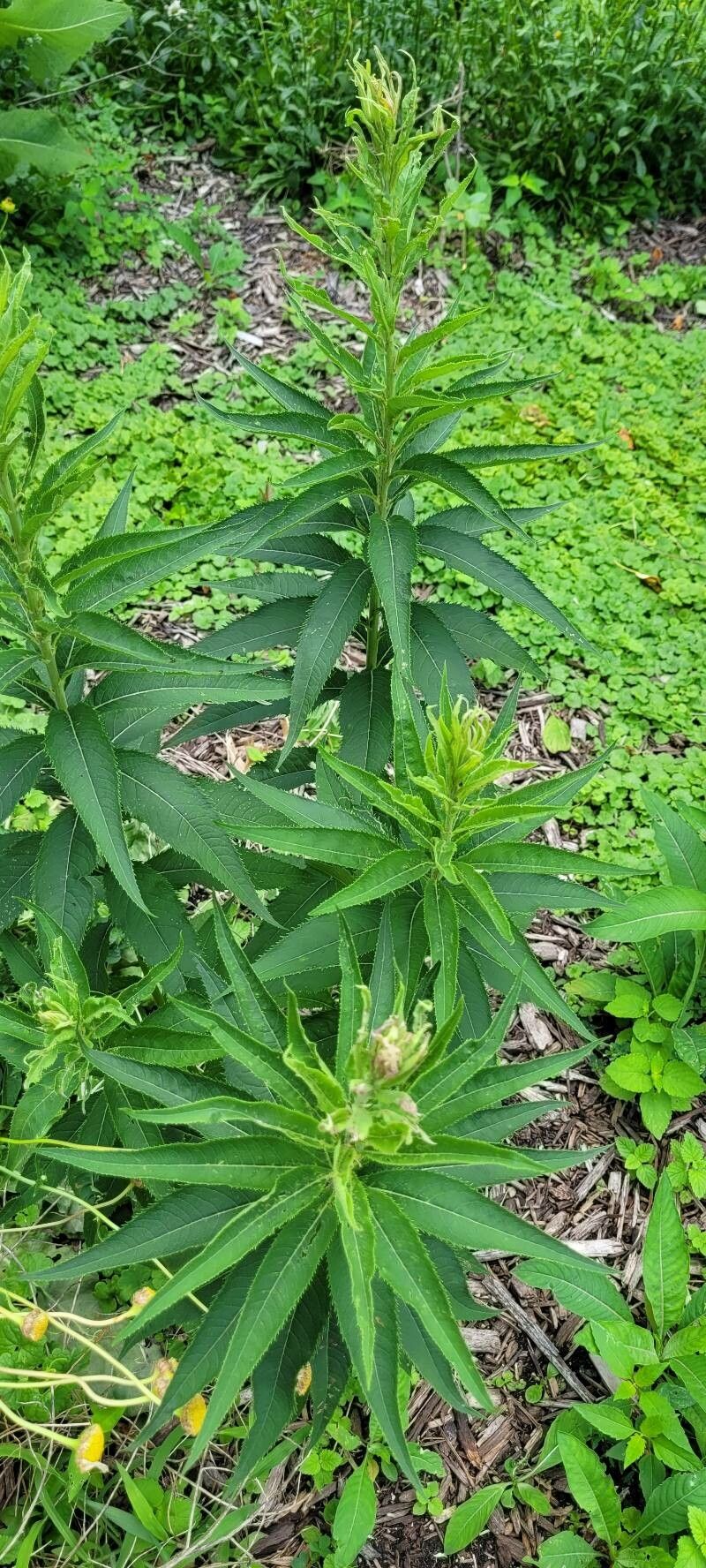
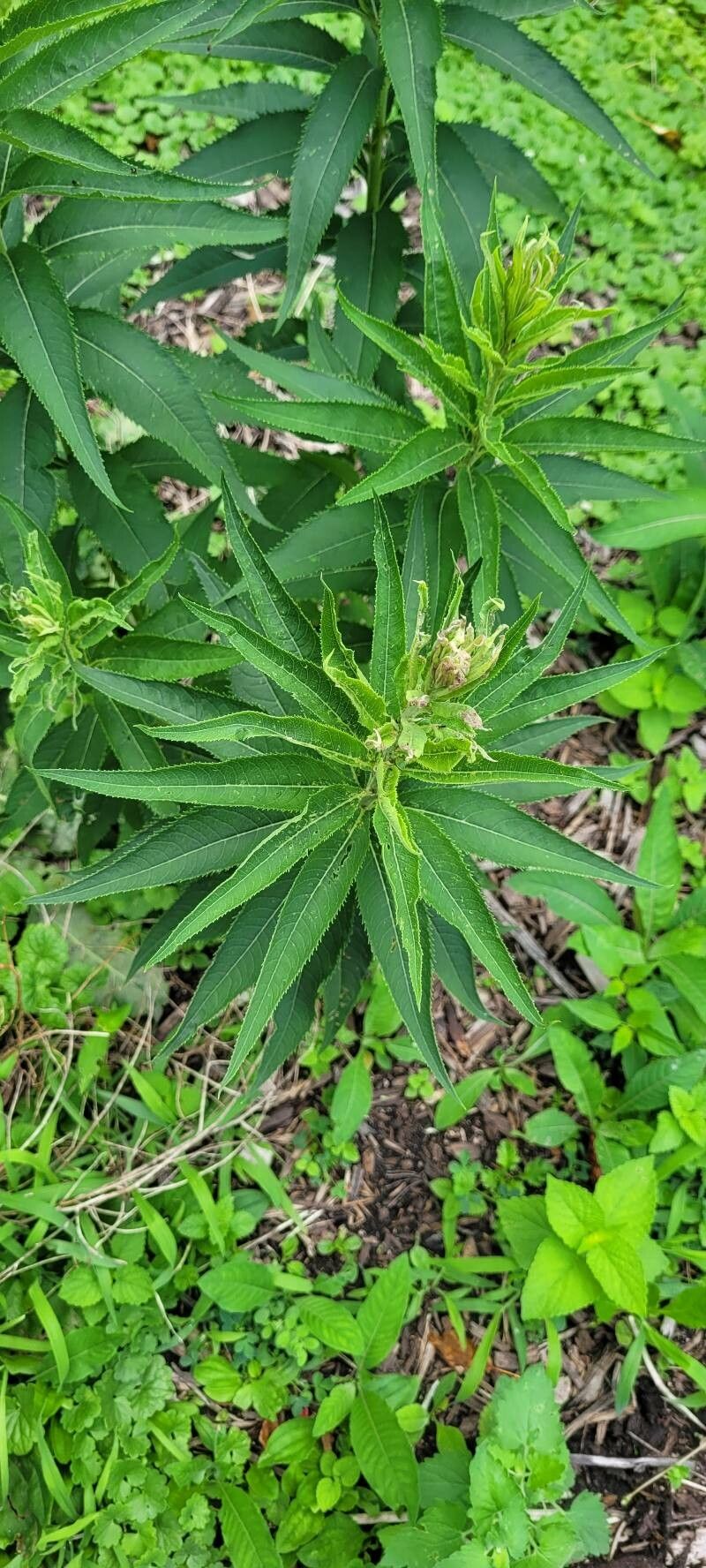
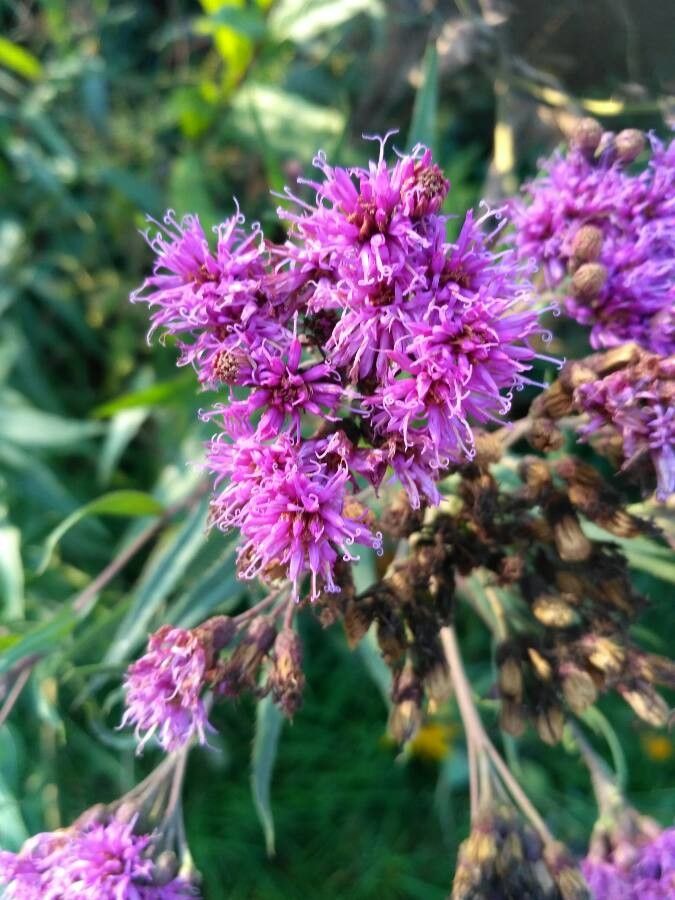
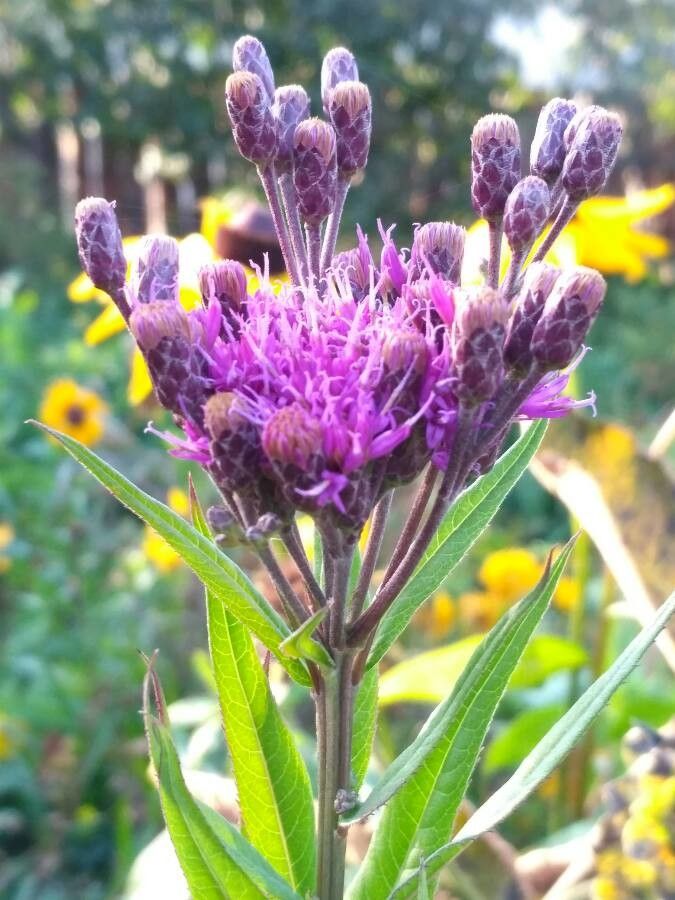
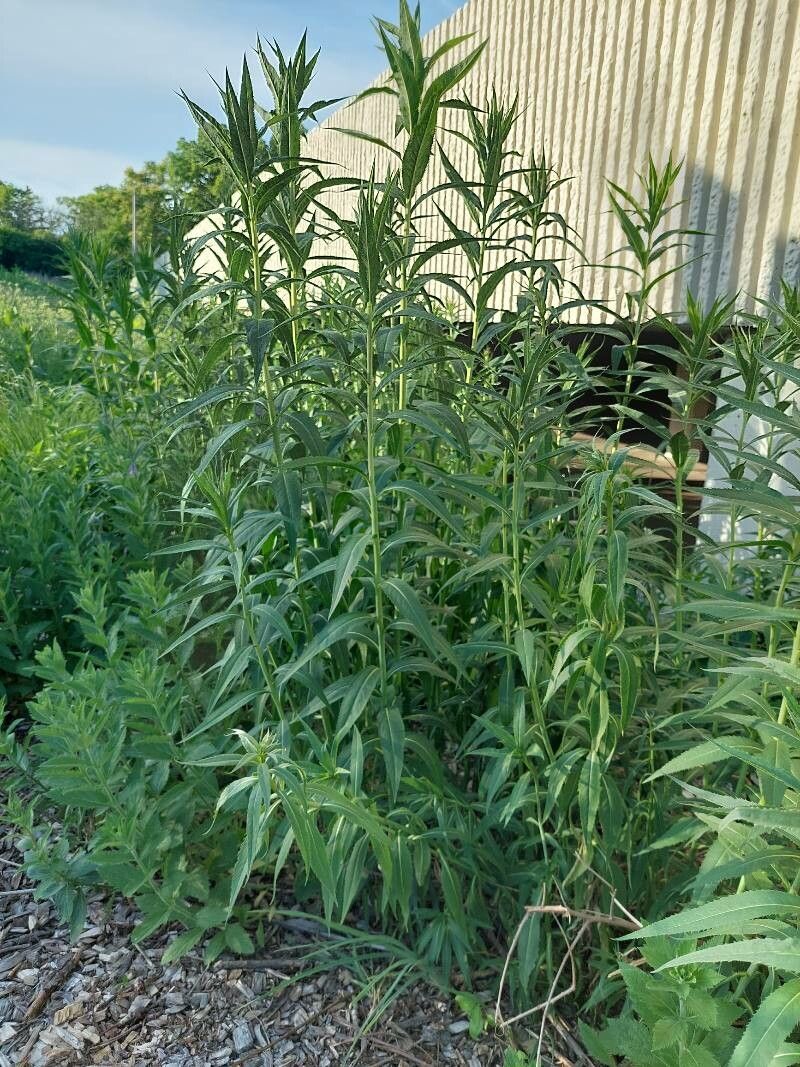
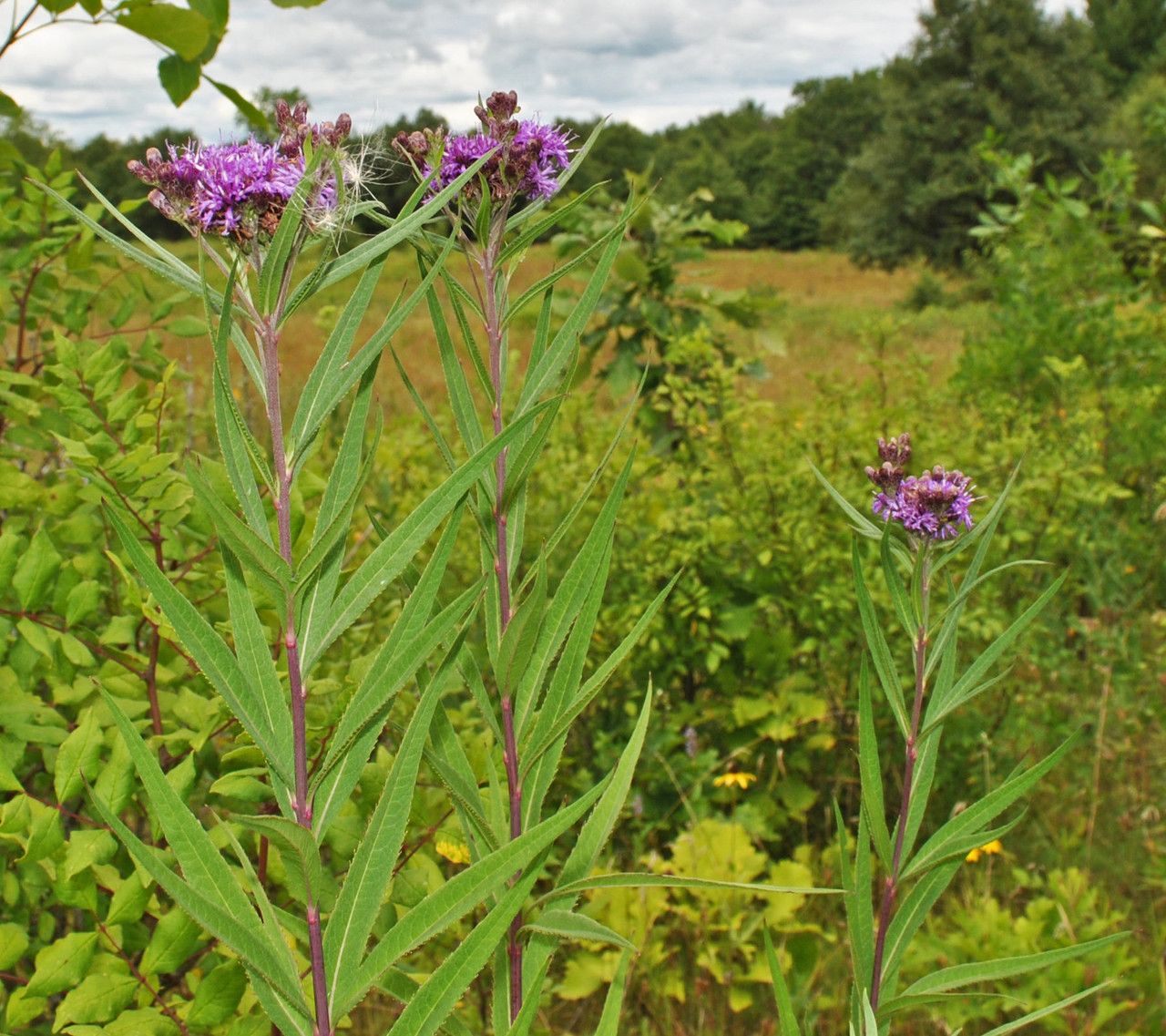
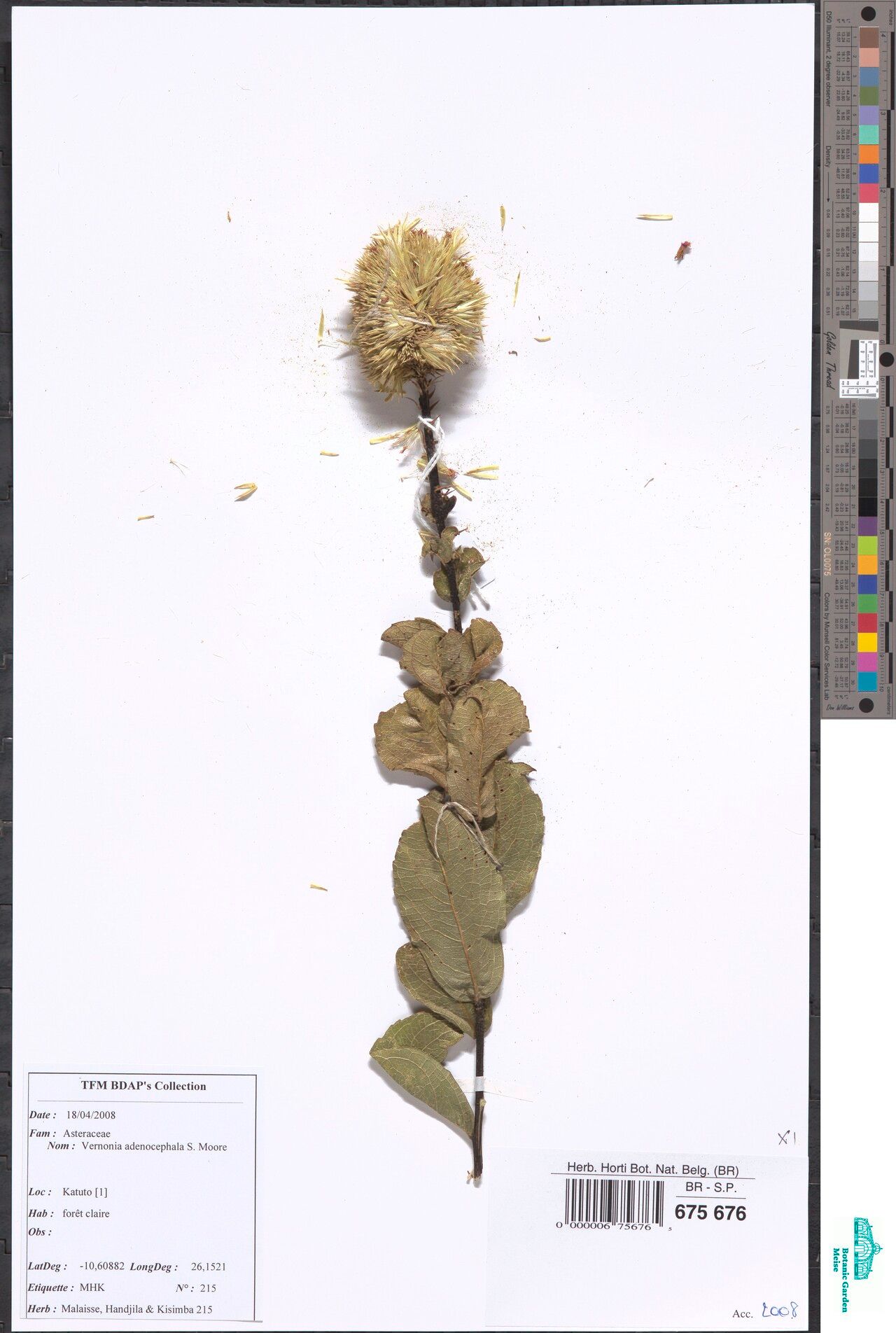
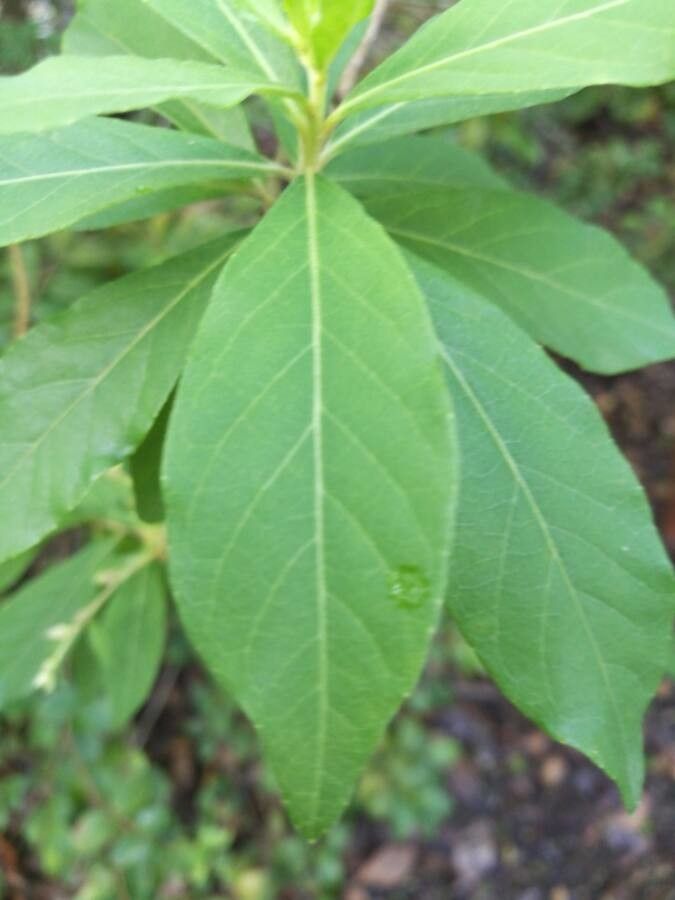
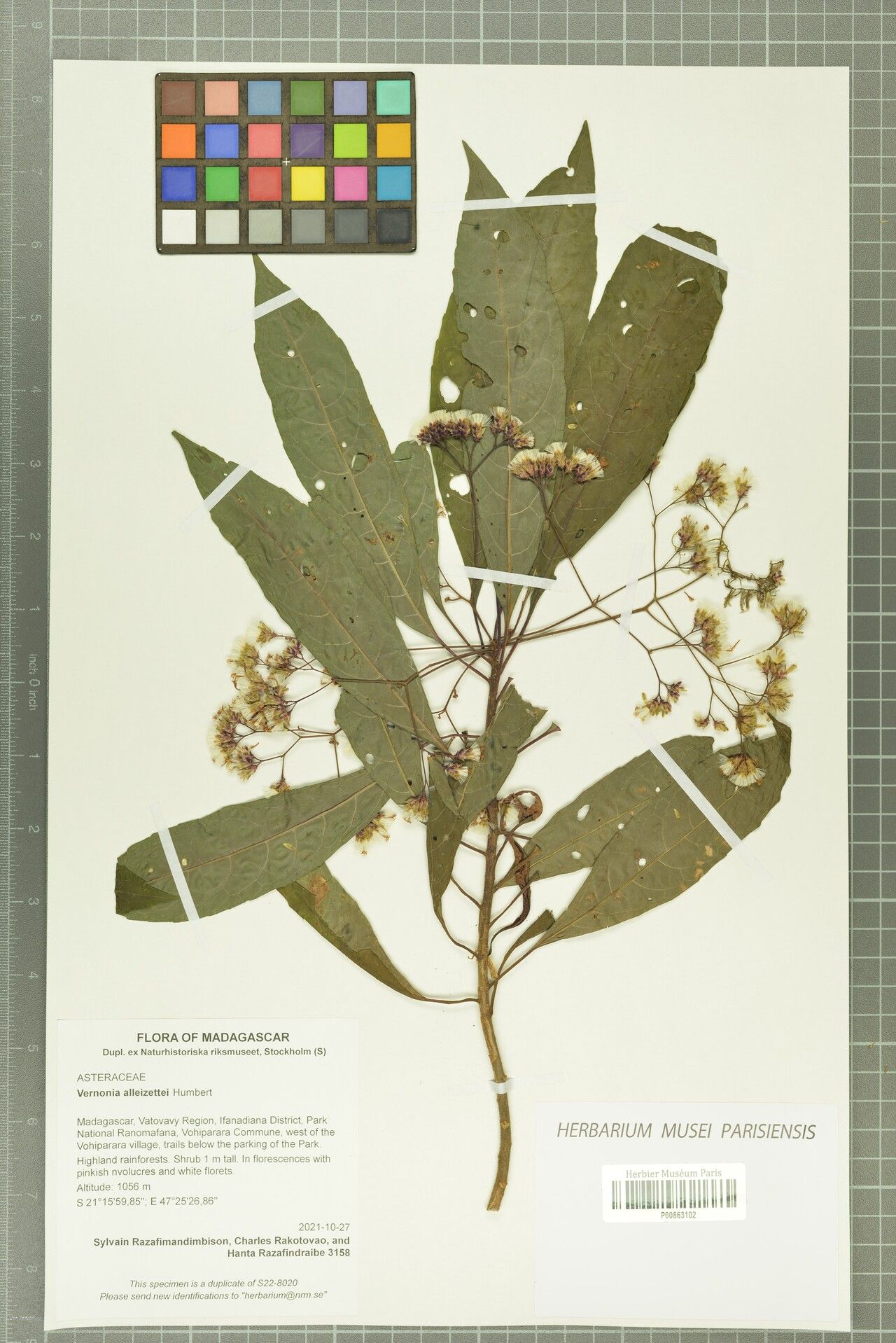
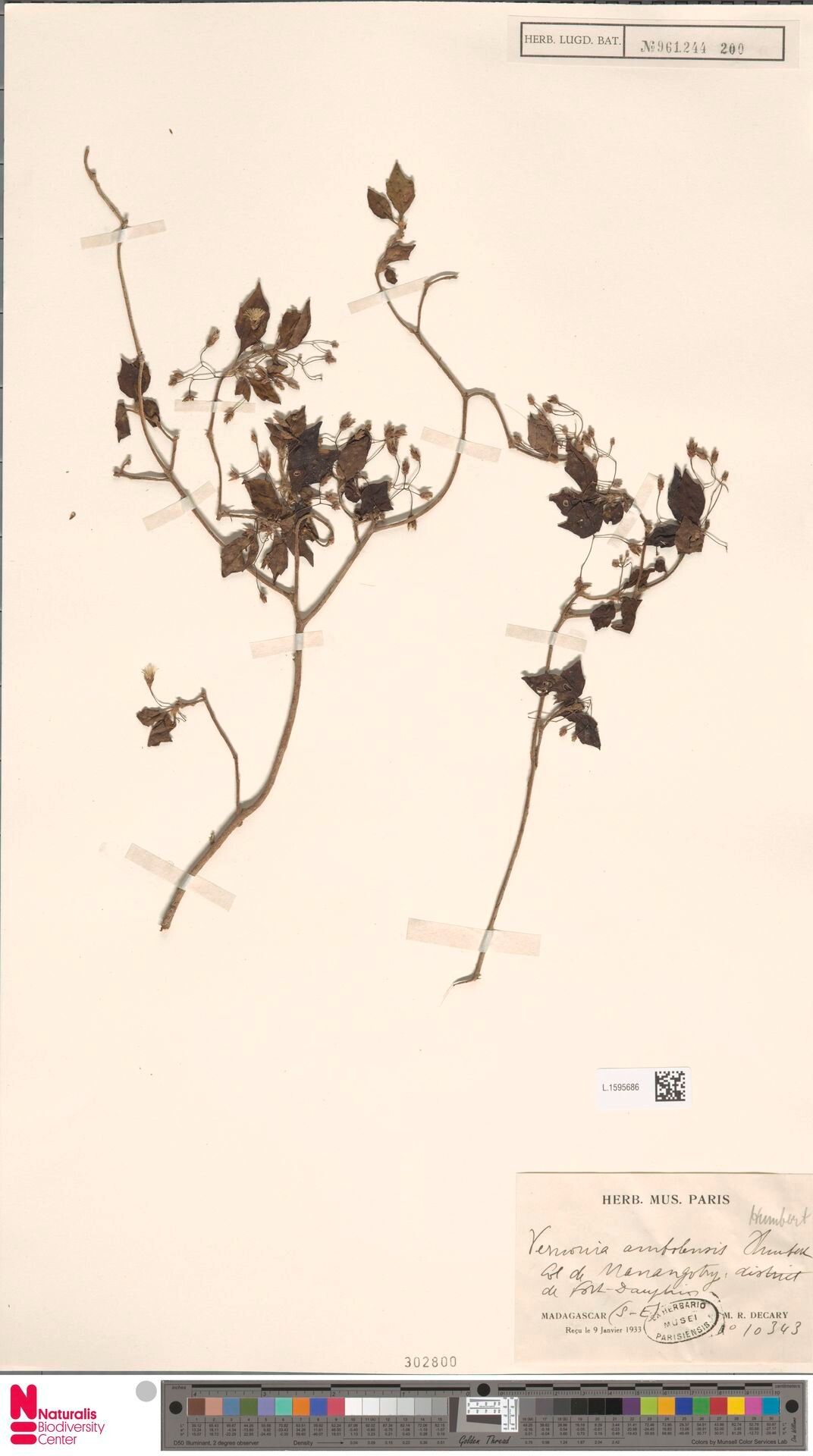
Vernonia fasciculata, the smooth ironweed or common ironweed, or prairie ironweed is a species of perennial plant from family Asteraceae. It is native to Manitoba in Canada and the north-central U.S.A. Vernonia fasciculata inhabits areas with moist soils and prairies. It flowers in July to September.
Little ironweed has strong disease resistance and, in general, is not prone to illnesses. Still, it can be affected by pests and diseases present in its environment. Such infections are generally mild. For care, this plant needs moderate maintenance. It should be pruned regularly to preserve a neat appearance and encourage healthy growth. Fertilizing can also help stimulate flowering. Little ironweed is well suited for anyone with outdoor space, like a garden or patio, and does not demand extensive gardening experience. It may require greater attention if grown indoors.
How to keep Vernonia Fasciculata.
Light
Little ironweed thrives in full sun and can also tolerate moderate light levels. Sunlight is essential for its healthy development and reflects its native habitat of open areas. Both insufficient and excessive sunlight can adversely affect its growth and overall health.
Water
Prairie ironweed, native to moist prairies, thrives in temperate climates and prefers consistent moisture. Once established, it can tolerate moderate drought. To prevent waterlogging, it should be watered weekly. During its vigorous growing season, prairie ironweed benefits from rainwater and adapts well to naturalized outdoor spaces.
Temperature
Little ironweed comes from tropical areas, where the weather is generally warm and humid. Because of this, it is adapted to high heat and moisture. It is sensitive to sudden shifts in temperature and prefers a steady thermal environment, so avoiding temperature swings indoors is important. It typically cannot tolerate cold and needs warmer temperatures to grow. If the surrounding temperature falls too low, the plant may stop growing or even die.
Fertilizer
Little ironweed responds well to regular, light applications of fertilizer to encourage healthy leaf growth. You should feed Little ironweed roughly once a month during the summer. Nitrogen is important for foliage, and providing nitrogen-rich sources helps Little ironweed flourish.
Pruning
Prairie ironweed is known for its vibrant purple flowers and can thrive when properly cared for. To promote better air circulation, reduce its height, and encourage blooming, prune the plant from early to late spring. Regular trimming helps maintain a fuller and healthier appearance. Be sure to adjust your care practices based on local conditions to ensure the plant's optimal health.
Botanical profile.
- Plant Type
- Herb
- Life Cycle
- Annual
- Genus
- Vernonia
- Family
- Asteraceae
- Hardiness Zone
- 9-12
- Mature Height
- 30 cm to 91 cm
- Mature Spread
- 20 cm to 49 cm
- Leaf Color
- Green, Dark Green
- Leaf Type
- Semi-evergreen
- Flower Color
- Lavender, Purple
- Flower Size
- 2.54 cm
- Bloom Time
- Summer
- Planting Time
- Spring, Autumn
- Harvest Time
- Mid summer, Late summer, Early fall
- Native Area
- Sri Lanka, Burkina Faso, Somalia, India, Malaysia, Angola, Madagascar, Rwanda, Pakistan, Eritrea, Yemen, Kenya, Uganda, Tanzania, Zimbabwe, Niger, Mali, Guinea-Bissau, Benin, Sierra Leone, Indonesia, Cambodia, Cameroon, Liberia, Burundi, Oman, Ghana, Ethiopia, Congo, Nepal, Saudi Arabia, Central African Republic, South Africa, Zambia, Sudan, Philippines, Laos, Bangladesh, Guinea, Chad, China, Vietnam, Myanmar, Japan, Togo, Papua New Guinea, Senegal, Eswatini, Côte d'Ivoire, Bhutan, Congo (DRC), Thailand, Gabon
Other names.
Reader questions.
How should I water my Prairie ironweed plant?
To water the Prairie ironweed effectively, it is recommended to use filtered water at room temperature or slightly warmer. Tap water may contain harmful particles that can affect the plant's health. This plant prefers warmer temperatures, so using cold water can be a shock to its system. It's also important to avoid overhead watering to prevent foliage problems. Instead, apply the filtered room temperature water directly to the soil until it is completely soaked. This helps moisten the roots and allows them to spread and absorb the necessary nutrients from the soil.
Why should I put fertilizer on my Prairie ironweed?
The main structure of the Prairie ironweed is made up of its leaves. By fertilizing properly, you can ensure that these leaves not only look great but also serve their purpose effectively. Fertilization has a significant impact by maintaining consistent color and a healthy texture of the leaves. It also benefits the plant below the soil's surface by promoting the growth of new roots and maintaining existing ones. This not only keeps the plant healthy currently but also enhances its ability to absorb nutrients from the soil in the future.
What are the sunlight requirements for plants?
Plants have different sunlight requirements to thrive. Full sun plants need more than 6 hours of sunlight daily, while partial sun plants require about 3-6 hours of sunlight. It's crucial to observe the movement of sunlight in your garden to find the best spots that offer the right balance of light and shade for your plants. This ensures their health and happiness.
What temperatures are ideal for growing Prairie Ironweed?
Prairie ironweed, known botanically as Vernonia fasciculata, thrives in temperate climates with temperatures ranging from 5 to 32°C (41 to 89.6°F). Although this plant possesses strong cold resistance, special measures for frost protection are usually unnecessary. However, during winters where temperatures are forecasted to drop below -30°C, providing cold protection by covering the plant with soil or straw is advisable. To prepare for winter, it's recommended to water the plant abundantly before the first freeze in autumn, to ensure the soil remains moist and enters a frozen state which helps in preventing drought and water scarcity during winter and early spring.
What should I do if I give my Prairie ironweed too much or too little water?
Overwatering is a common issue that can harm your Prairie ironweed. When this happens, the stems and leaves may wilt and turn yellow. Over time, overwatering can also lead to root rot, mold, and mildew, which can be deadly for your plant. Underwatering is less common but can still happen, causing brittle and brown leaves. It's important to quickly recognize signs of overwatering to prevent irreversible damage, such as root rot. If you notice these signs, reduce your watering schedule and check the soil's drainage. If it drains poorly, replace it with well-draining potting mix. If you see signs of underwatering, simply water more regularly until the plant recovers.
When should I fertilize my Prairie ironweed?
Growing your Prairie ironweed outdoors each year will result in new growth shooting out in early spring. This is a sign that it's time to start fertilizing for the year. While a single application of fertilizer in the spring is usually enough for the plant to thrive, if you want to maximize its growth, you can fertilize it multiple times throughout the spring and early summer. In this case, you can feed your Prairie ironweed approximately once every month to a month and a half.
How does sunlight affect the growth of Prairie ironweed?
Prairie ironweed (Vernonia fasciculata) thrives in areas exposed to unfiltered sunlight but can also withstand locations that are shaded for part of the day. Originating from prairies that receive consistent sun exposure, its growth is positively impacted by adequate sunlight, while a lack or surplus of light can negatively affect its development. When natural sunlight is insufficient, indoors, for example, during winter or in less sunny spaces, artificial lighting can be a vital solution to provide the optimal growth conditions, using LED lights for specific light wavelengths needed by the plant.
How should Prairie Ironweed be cared for in cold temperatures?
Prairie ironweed is notably cold-tolerant and best thrives when temperatures are maintained above 5°C. If winter temperatures are expected to fall below -25°C, precautions should be taken to avoid exposing the plant to temperatures lower than -30°C. Although the plant may not show noticeable changes during winter, exposure to temperatures below -30°C may lead to decreased sprouting or no sprouting in spring. To address these issues, any parts of the plant that have failed to sprout by spring should be removed.
How frequently should I water my Prairie ironweed plant?
If your Prairie ironweed is in a pot, you can determine if it needs water by checking the moisture of the soil. Stick your finger in the soil and if the top two to three inches are dry, it's time to water it. If your Prairie ironweed is planted outdoors in the ground, you can use the same method to test the soil. Once the top few inches of soil have dried out, it's time to water. In the spring and early fall, you should water this plant about once a week using this method. However, during extremely hot weather, you may need to water it two or more times a week. However, it's worth noting that mature, well-established Prairie ironweed is resilient and can tolerate drought.
When is not a good time to add fertilizer to my Prairie ironweed plant?
During the late fall and winter, your Prairie ironweed becomes dormant and stops producing new growth. As a result, it is not recommended to fertilize the plant during this period. In the spring and summer, if you choose to fertilize multiple times, it is advisable to gradually reduce the amount of fertilizer as summer approaches since the plant's growth rate also slows down. It is generally not recommended to fertilize the Prairie ironweed during extremely hot weather or when the soil is excessively dry as it can cause stress and premature death of the plant.
What are the symptoms of inadequate lighting in Prairie ironweed?
When Prairie ironweed is grown in conditions with inadequate lighting, it may exhibit several symptoms indicating light deficiency. These include smaller new leaves, leggy or sparse growth, premature leaf drop, halted growth, paler new leaves, chlorosis, sunscald, leaf curling, wilting, and leaf scorching. Each of these symptoms points towards either too little or too much sunlight, affecting the plant’s overall health and development.
What should be done if Prairie Ironweed is exposed to high temperatures?
During the summer months, it's crucial to ensure that the temperature for Prairie ironweed does not exceed 32°C. Exposure to temperatures above 35°C can cause the plant's leaves to become lighter in color, curl, become susceptible to sunburn, and in severe cases, the entire plant may wilt and dry out. In such situations, it's recommended to trim away the sunburned and dried-up parts of the plant, move the plant to a shaded area, or use a shade cloth to protect it from the midday and afternoon sun. Keeping the soil moist by watering the plant in the morning and evening can also help mitigate the effects of high temperatures.