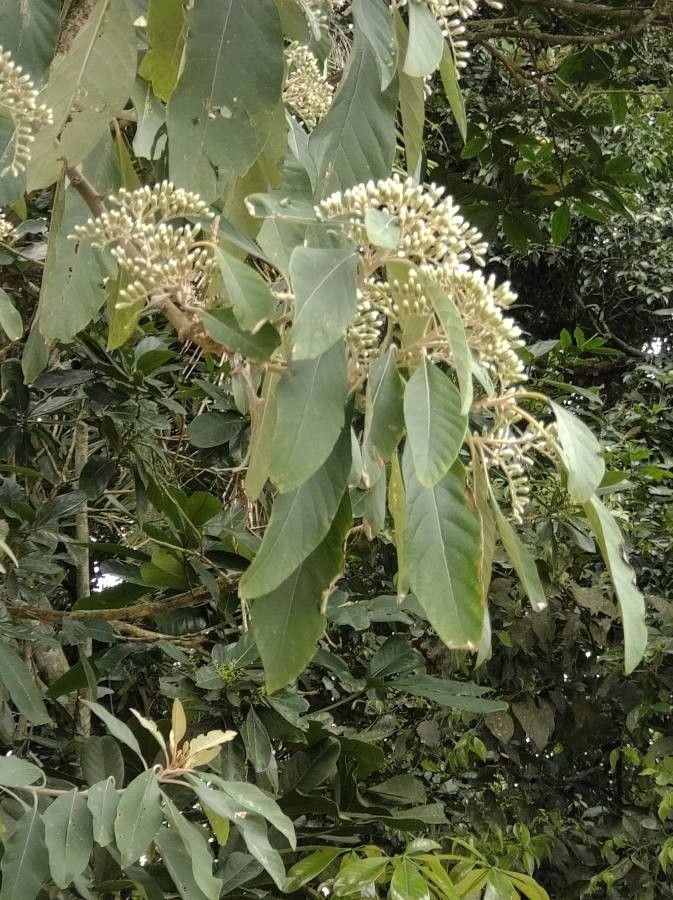
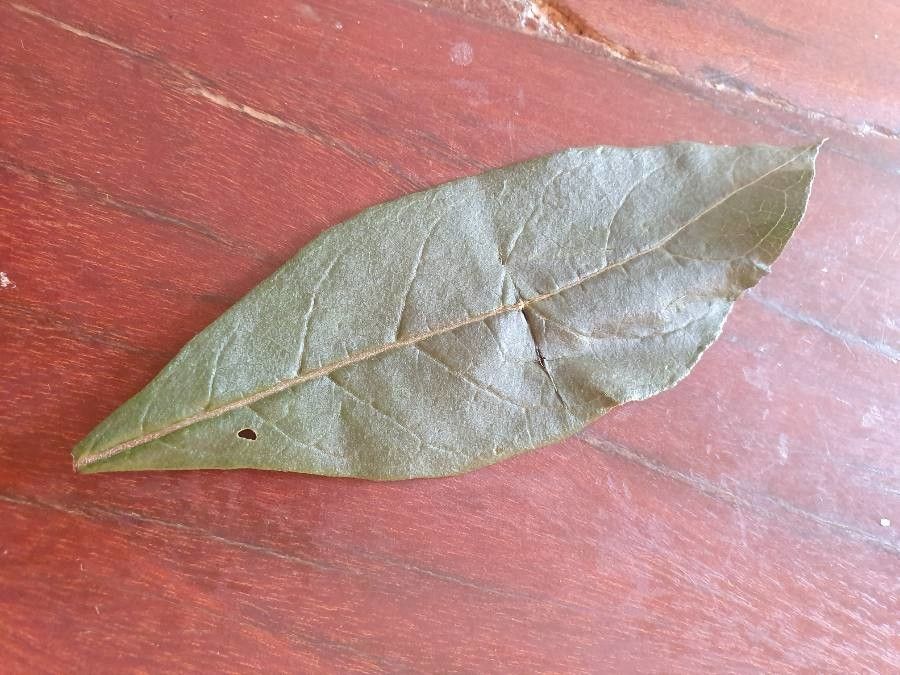
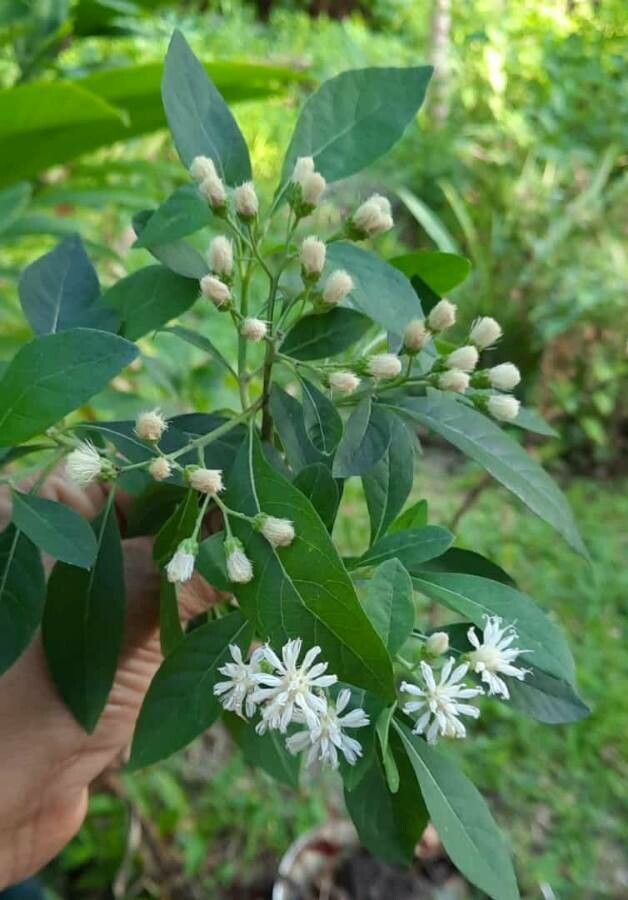
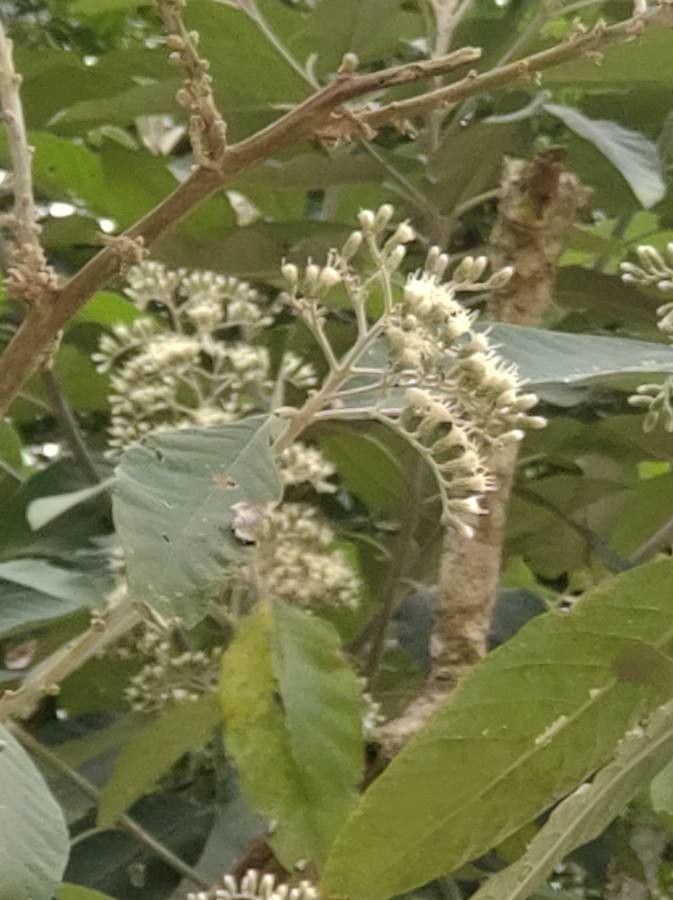
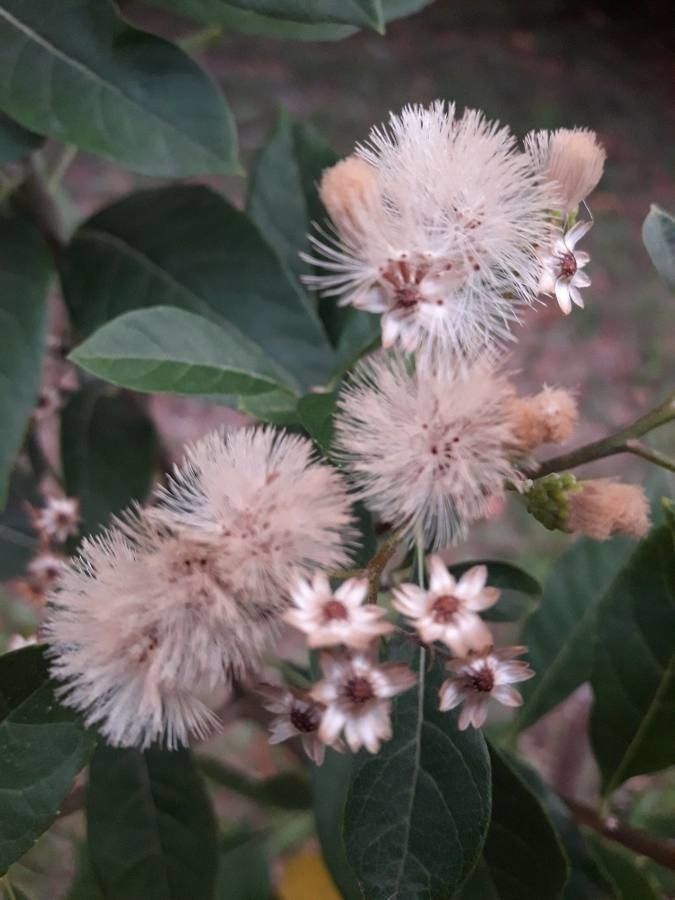
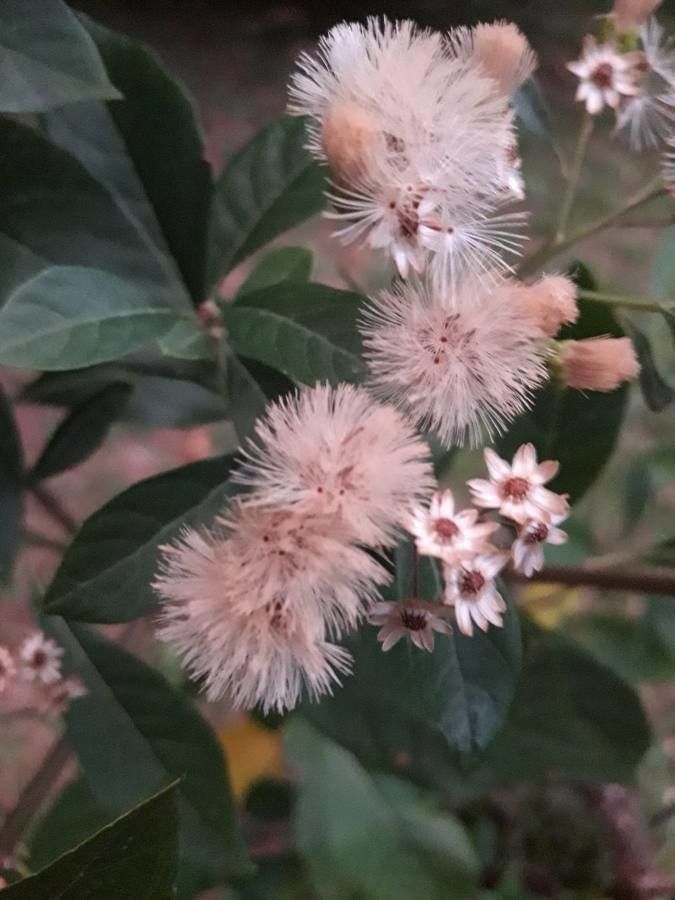
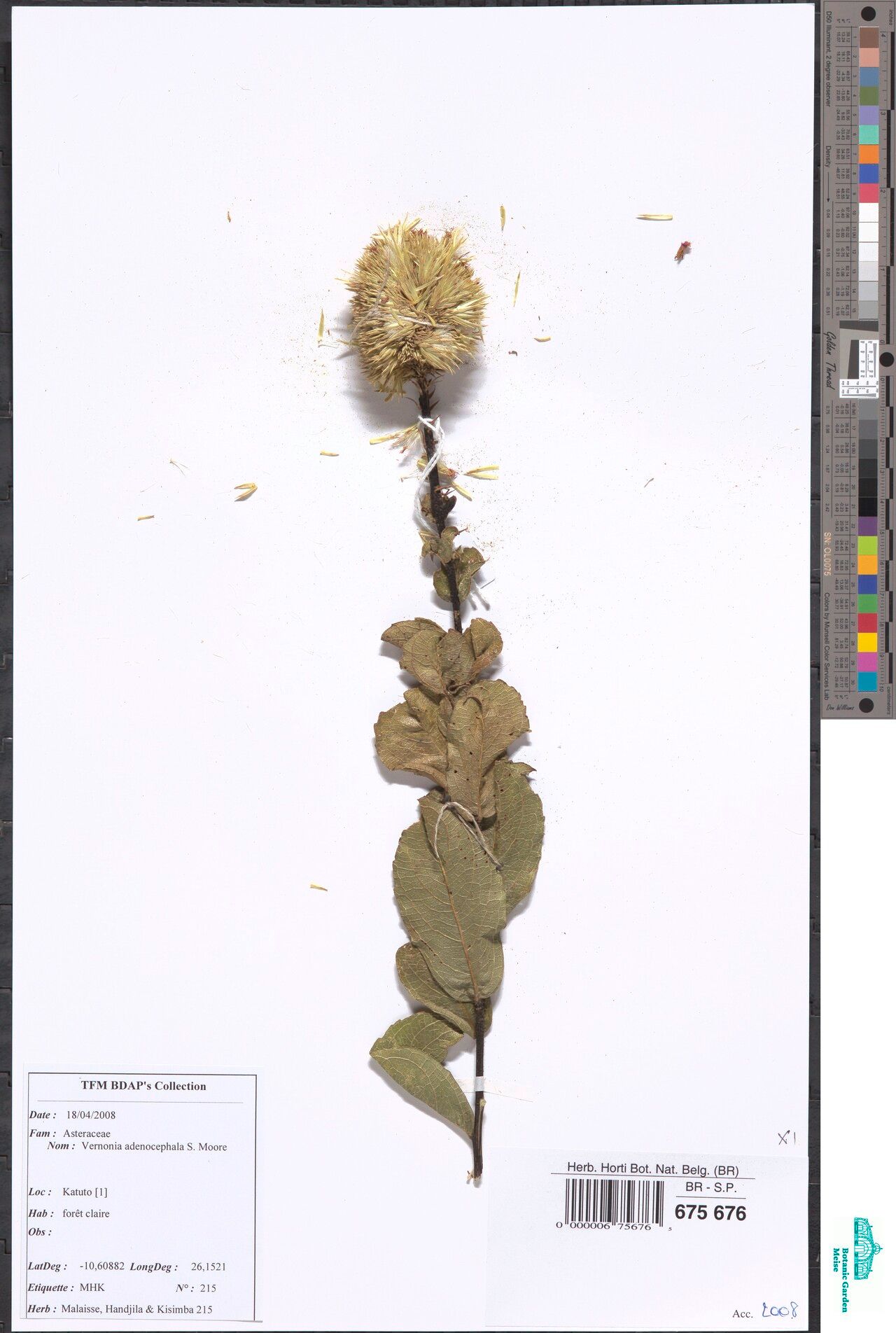
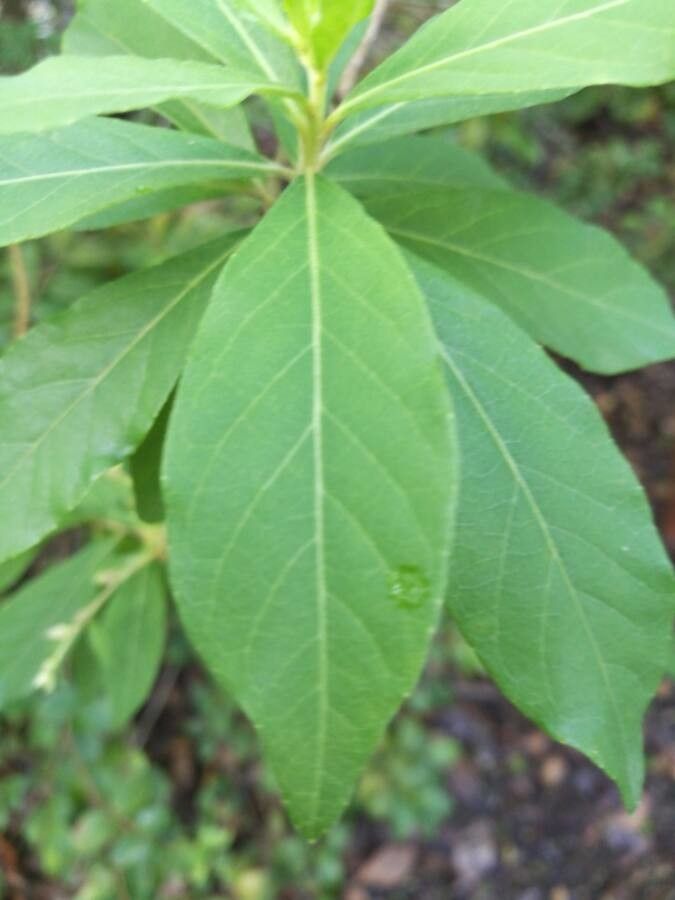
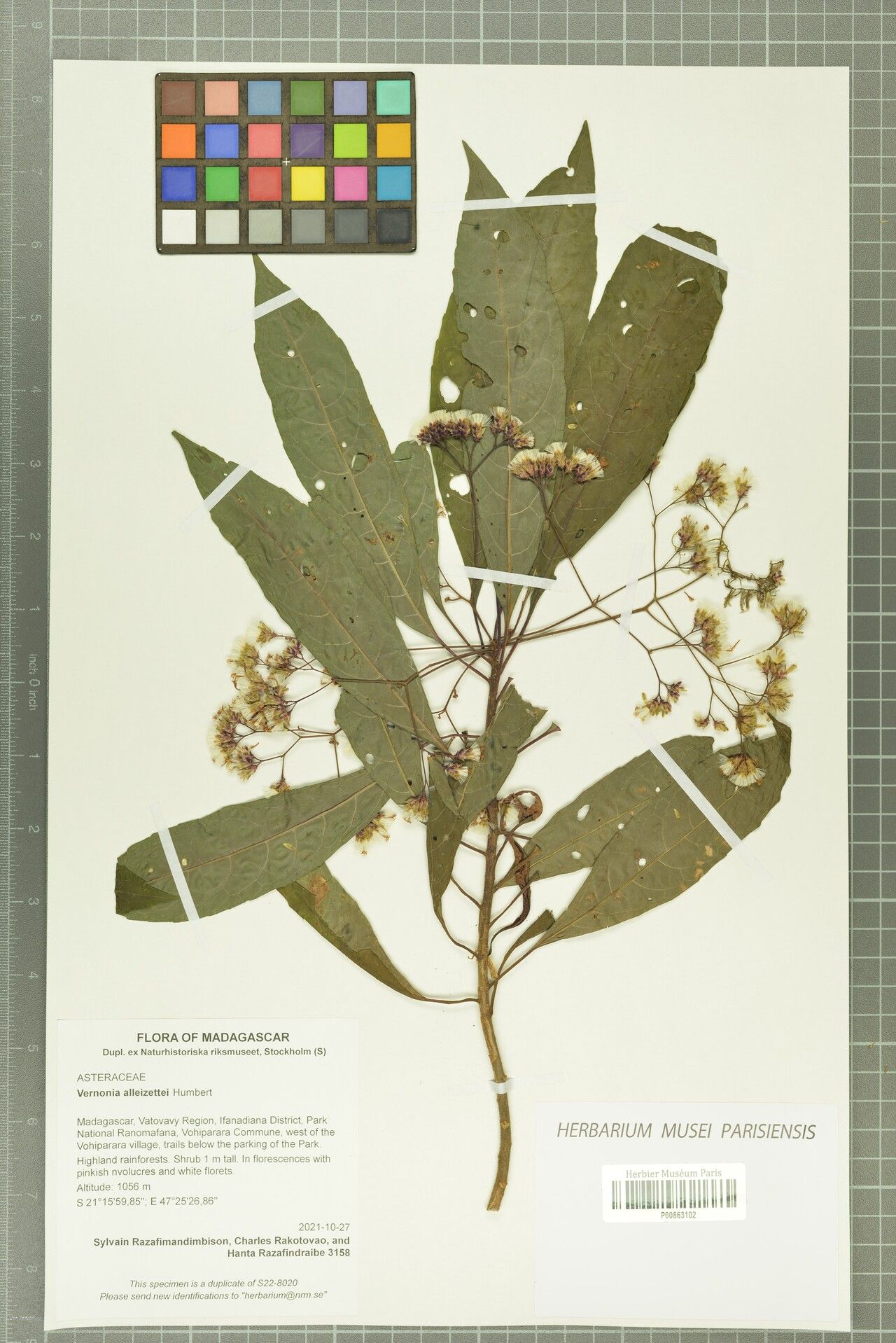
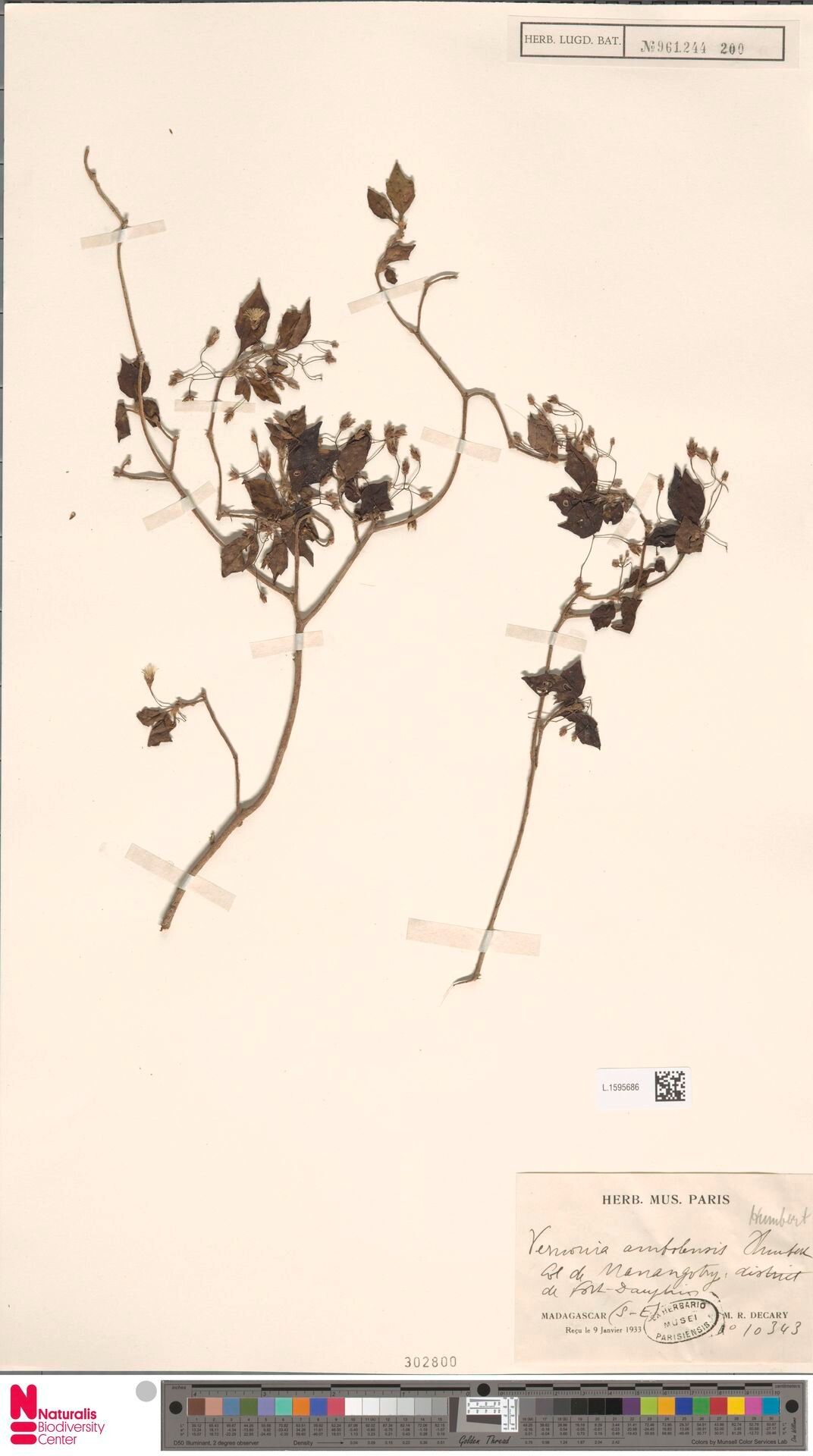
Vernonia amygdalina, a member of the daisy family, is a small shrub that grows in tropical Africa. V. amygdalina typically grows to a height of 2–5 m (6.6–16.4 ft). The leaves are elliptical and up to 20 cm (7.9 in) long. Its bark is rough. V. amygdalina is commonly called Congo Bololo in D. R. Congo, bitter leaf in English because of its bitter taste. African common names include grawa (Amharic), ewuro (Yoruba), etidot (Efik), onugbu (Igbo), ityuna (Tiv), oriwo (Edo), Awɔnwono (Akan), chusar-doki or shuwaka (Hausa), mululuza (Luganda), labwori (Acholi), olusia (Luo), ndoleh (Cameroon) and olubirizi (Lusoga).
Bitterleaf has moderate resistance to disease but can be susceptible to ailments like leaf spot. Its vulnerability to insect pests differs by variety, although most varieties are not highly resistant to pests. For care, Bitterleaf requires regular watering and fertilization, along with frequent removal of yellowing leaves. Pests and diseases should be controlled as soon as they appear, and the plant should be harvested in a timely manner. Bitterleaf is suitable for people who can spare some time and energy for routine care.
How to keep Vernonia Amygdalina.
Light
Bitterleaf does best when given uninterrupted sunlight. Placing this plant in full-day sun promotes ideal growth and supports healthy foliage. It evolved in environments that received abundant sunlight. Too little light can impede its growth, while too much can alter the leaves' color and quality.
Temperature
Bitterleaf is indigenous to regions where temperatures usually fall between 68 and 100 °F (20 to 38 ℃). It favors warmer conditions. Care should be taken to adjust the temperature appropriately across different seasons.
Fertilizer
To achieve maximum yield, Bitterleaf responds well to regular applications of a balanced fertilizer, especially one high in nitrogen. Apply fertilizer before planting, at planting, and again when seedlings are about 2 inches tall. Adding compost or manure also provides a steady nutrient supply. Inadequate soil nutrients lead to underdeveloped leaves and stems, poor flavor, thin stems, and potentially a bitter taste.
Botanical profile.
- Plant Type
- Tree, Shrub
- Life Cycle
- Perennial
- Genus
- Vernonia
- Family
- Compositae
- Hardiness Zone
- 10-12
- Mature Height
- 7.92 m
- Mature Spread
- 7.01 m
- Leaf Color
- Dark Green
- Leaf Type
- Evergreen
- Flower Color
- Lavender
- Flower Size
- 15.24 cm
- Bloom Time
- Late spring, Early summer, Mid summer
- Planting Time
- Spring
- Harvest Time
- Mid summer, Late summer
- Native Area
- Burkina Faso, Malawi, Angola, Namibia, South Africa, Zambia, Eritrea, Sudan, Nigeria, Guinea, Yemen, Kenya, Central African Republic, Tanzania, Zimbabwe, Benin, Mali, Chad, Gabon, Sierra Leone, Cameroon, Liberia, Mozambique, Bolivia, Togo, Côte d'Ivoire, Eswatini, Ethiopia, Congo (DRC), Botswana, Congo
Other names.