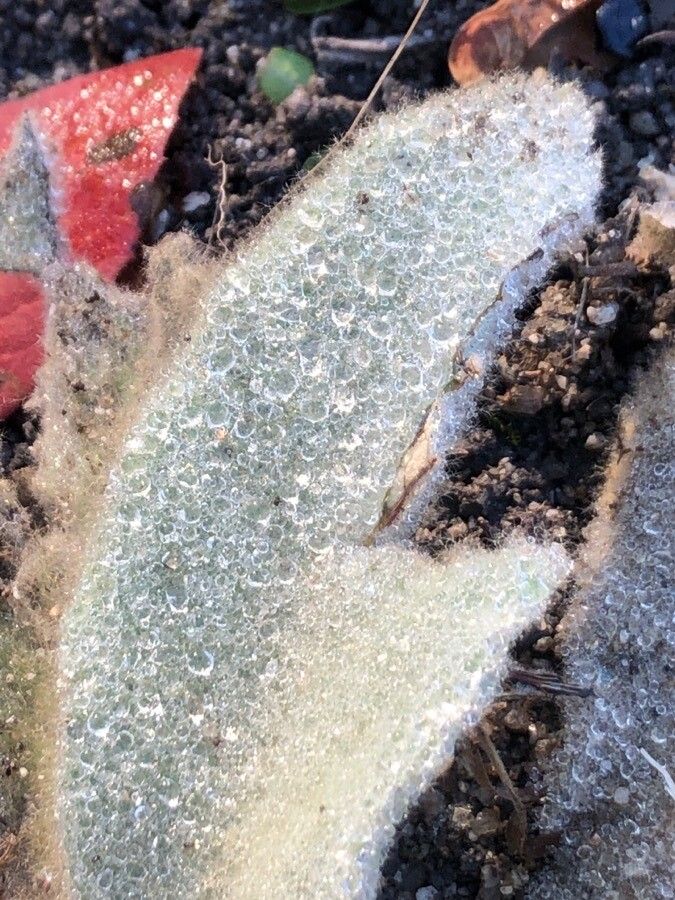
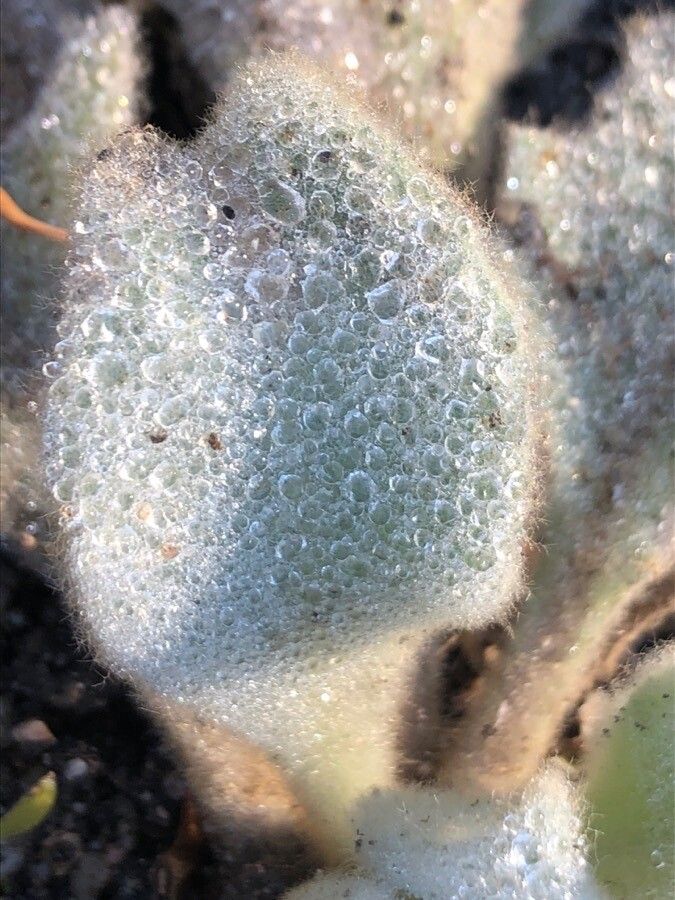
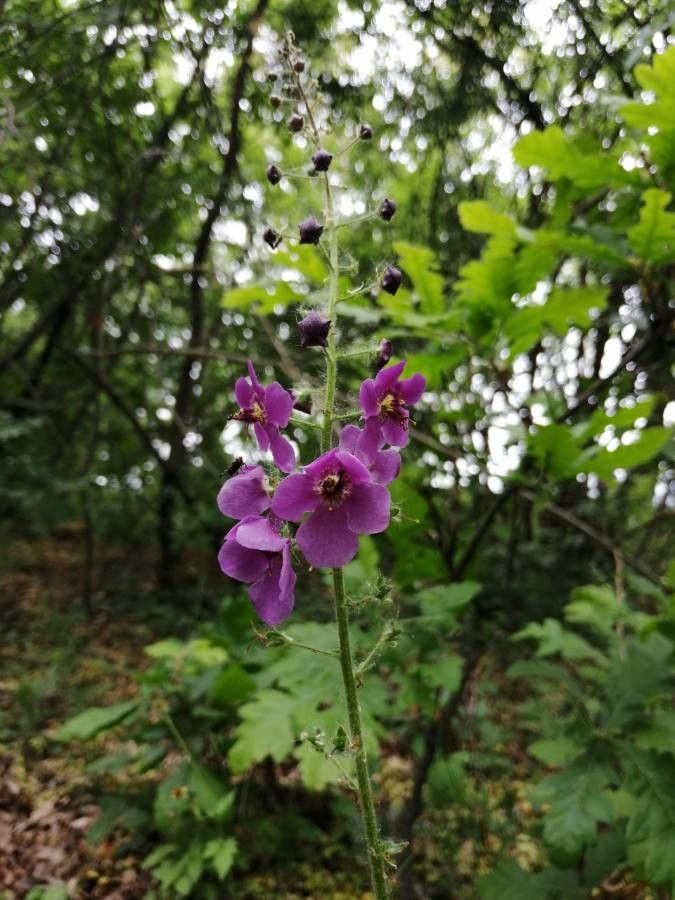
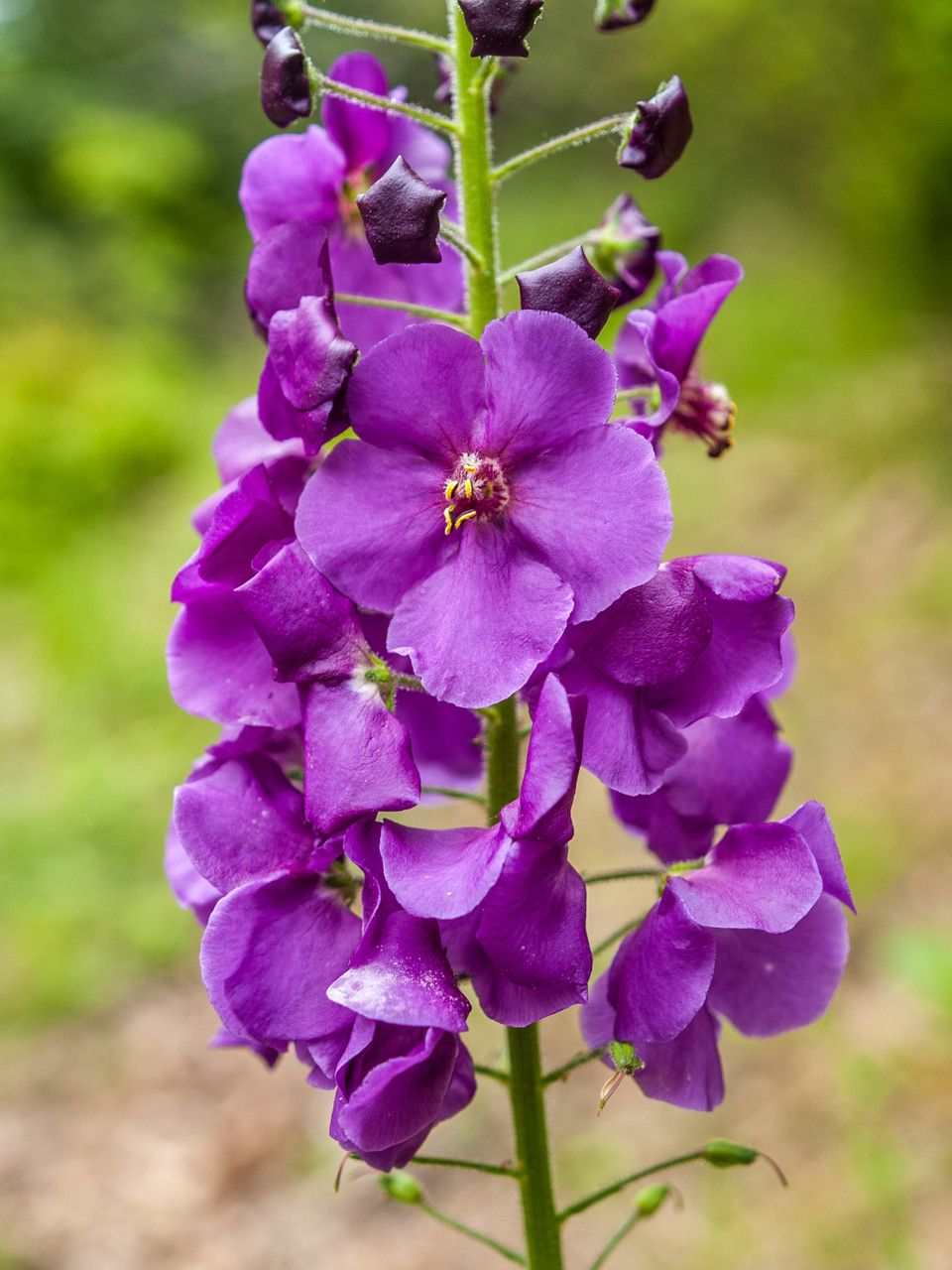
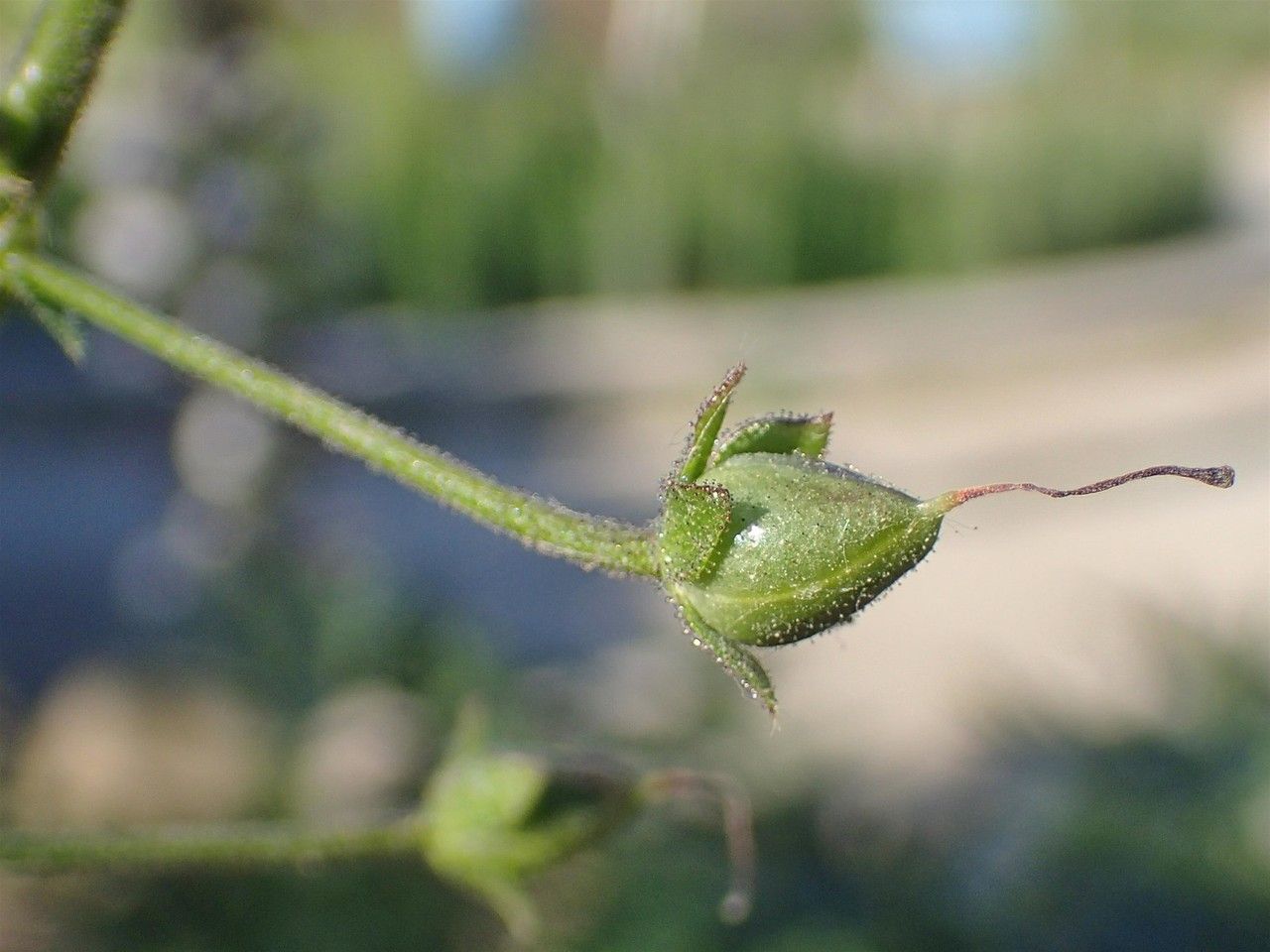
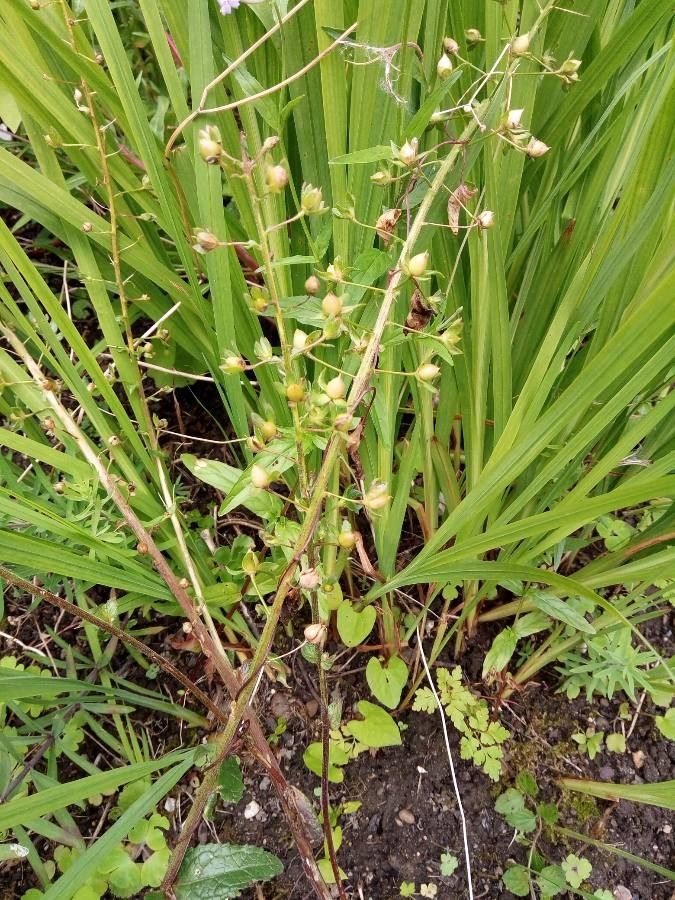
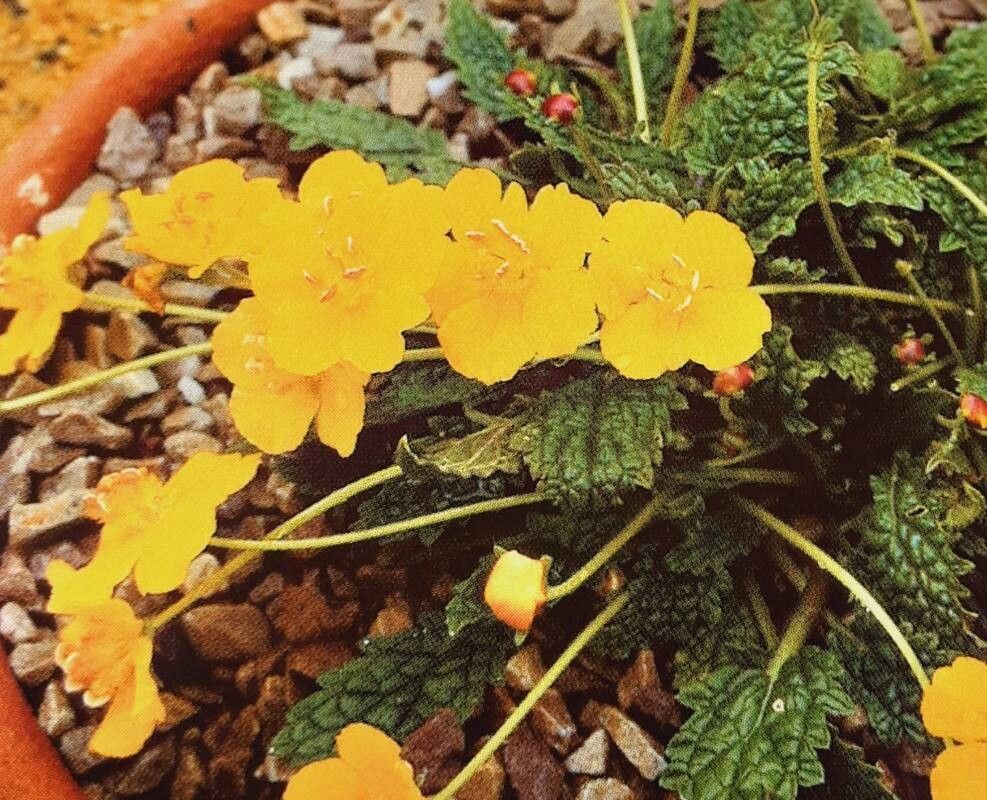
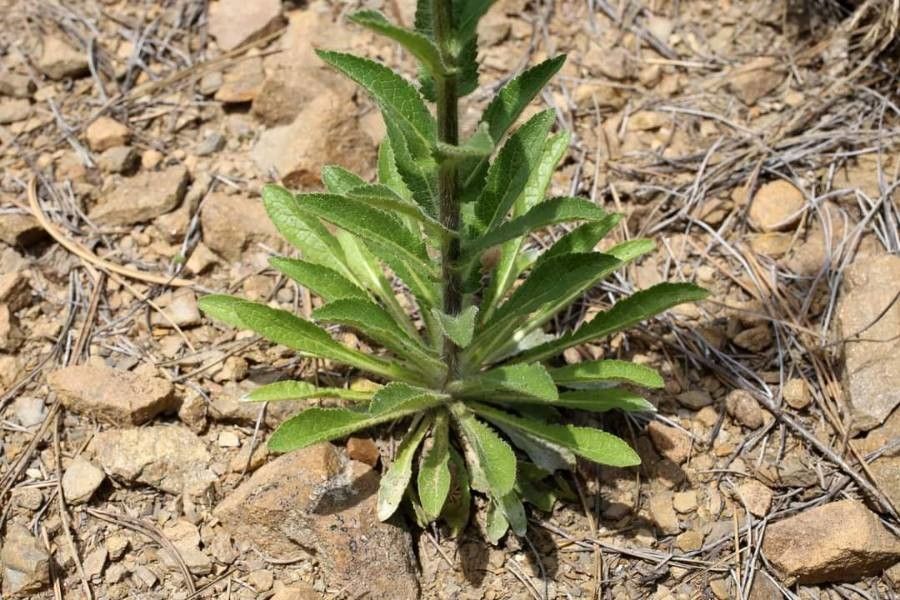
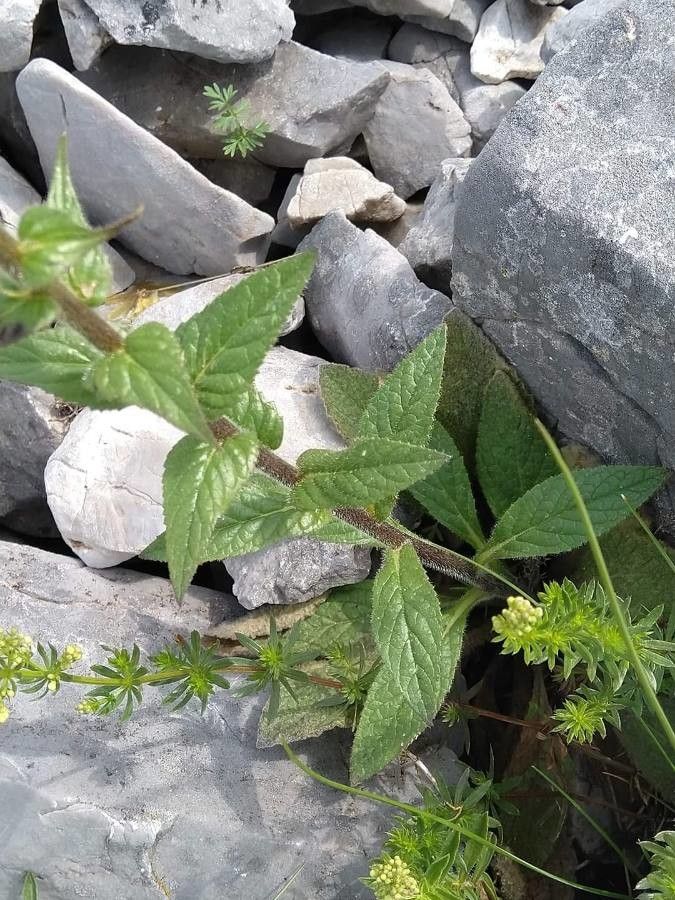
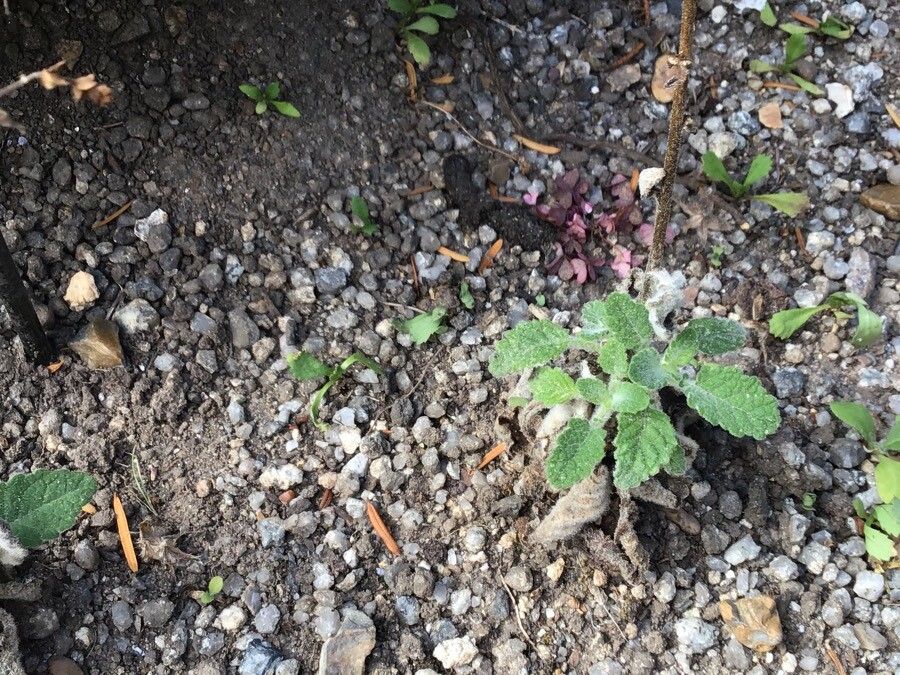
Verbascum phoeniceum, known as purple mullein, is a species of mullein that is part of the family Scrophulariaceae native to Central Europe, Central Asia and Western China. It is also naturalized in certain regions of the US and Canada. It successfully grows in USDA’s zones 4 to 8. It is a short-lived perennial species, and blooms earlier than other mullein species on average, producing vibrant purple-pink flowers; it can grow up to 1m or more.
Purple mullein is fairly disease-resistant and, in general, not prone to illnesses. However, it can be vulnerable to pests and diseases present in its environment. These problems are typically not severe. For care, this plant requires a moderate level of maintenance. It needs regular pruning to keep a neat appearance and support healthy growth. Fertilizing can also help encourage flowering. Purple mullein is suitable for anyone with outdoor space, such as a garden or patio, and does not demand extensive care experience. It may need more attention when grown indoors.
How to keep Verbascum Phoeniceum.
Light
Purple mullein thrives in environments that are mostly exposed to sunlight for optimal growth. Sunlight supports its healthy, vigorous development. Originating from sun-rich habitats, it is adapted to tolerate strong solar rays without harm. However, insufficient light can lead to stunted growth.
Water
Purple mullein adapts well to different moisture levels and can withstand moderate drought. It needs to be watered weekly to ensure growth, but be careful not to overwater it. This herbaceous perennial's growth cycle is affected by rainfall, which influences its dormant and active phases.
Temperature
Purple mullein originates from temperate regions and prefers temperatures of 68 to 95 °F (20 to 35 ℃). The plant does well in warmth and may need temperature regulation during severe seasons.
Fertilizer
The best time to fertilize a Purple mullein is in early spring, when it is coming out of dormancy and beginning active growth. Fertilizing supplies essential nutrients for healthy development. Although Purple mullein has relatively low fertilizer needs, applying fertilizer annually can enhance its survival and promote better, longer-lasting flowers.
Pruning
Purple mullein is characterized by its tall purple spikes and benefits from regular pruning. To maintain the plant’s health and appearance, remove dead flowers and cut back the stalks after they have finished blooming, ideally from late winter to early spring. Be sure to use clean tools to prevent the spread of disease. Avoid heavy pruning, as it can cause stress to the plant. Instead, opt for light pruning to encourage healthier growth and fuller blooms.
Botanical profile.
- Plant Type
- Herb
- Life Cycle
- Perennial, Biennial
- Genus
- Verbascum
- Family
- Scrophulariaceae
- Hardiness Zone
- 4-8
- Mature Height
- 61 cm
- Mature Spread
- 40 cm
- Leaf Color
- Green
- Leaf Type
- Evergreen
- Flower Color
- Purple, Violet
- Flower Size
- 2.54 cm to 5.08 cm
- Bloom Time
- Mid spring, Late spring, Early summer
- Planting Time
- Spring, Summer
- Harvest Time
- Summer
Other names.
Reader questions.
How should I water my Purple mullein plant?
To properly water the Purple mullein, it is recommended to use filtered water at room temperature. Tap water contains potentially harmful particles, making filtered water a better choice. The temperature of the water should mimic its warm native environment, so using cold water can be a shock to the plant. It is also advised to avoid overhead watering to prevent foliage problems. Instead, directly apply filtered room temperature water to the soil until it is completely soaked. This practice benefits the plant by hydrating the roots and aiding in nutrient absorption.
Why should I put fertilizer on my Purple mullein?
Fertilization plays a crucial role in the growth of Purple mullein and other plants. It provides essential nutrients for both above and below ground growth. While Purple mullein generally has low fertilization requirements and can survive without it, annual fertilization has numerous benefits. It keeps the plant healthy, improves flower quality, and extends their lifespan. Therefore, if you want your Purple mullein to look its best, annual fertilization is recommended.
What are the sunlight requirements for growing Purple Mullein?
Purple Mullein requires full sun, which means it needs above 6 hours of sunlight daily to thrive optimally. This plant loves being bathed in sunlight, as it's native to environments that receive a generous amount of sun. Insufficient sunlight can lead to stunted growth. It's essential to watch how sunlight moves through your garden and choose spots that offer a good balance of light and shade, ensuring your plants are happy and healthy.
What is the native environment of purple mullein?
Purple mullein, known botanically as Verbascum phoeniceum, is native to temperate environments. It prefers temperature ranges from 68 to 95 °F (20 to 35 °C), indicating its affinity for warmth. Even though this plant exhibits strong cold resistance, making it capable of withstanding harsh winters without special frost protection measures, maintaining appropriate temperature conditions is critical for its survival and growth.
What should I do if I give my Purple mullein too much or too little water?
Overwatering and underwatering can harm your Purple mullein, but overwatering is more common. Too much water can cause wilting and yellowing of the stems and leaves of the plant. It can also lead to diseases like root rot, mold, and mildew, which can be fatal. Underwatering is less common for the Purple mullein because it can tolerate drought fairly well. However, it can still happen, resulting in brittle and brown leaves. It's important to recognize the signs of overwatering early on. Some diseases caused by overwatering, such as root rot, may be irreversible if not addressed promptly. If you notice early signs, reduce your watering immediately. Check the soil quality as well. If it doesn't drain well, replace it with a loose, well-draining potting mix. If you notice signs of underwatering, simply adjust your watering schedule until the signs disappear.
When should I fertilize my Purple mullein plant?
The best time to fertilize a Purple mullein is in late winter to early spring when it is transitioning from dormancy to active growth. Fertilizing during this period promotes healthy growth and sets the plant up for a successful season. It is also acceptable to fertilize a Purple mullein in the fall, but it is not recommended to feed the plant during summer or winter.
What should I do if my Purple Mullein isn't getting enough natural sunlight?
If your Purple Mullein isn't receiving adequate natural sunlight, consider using artificial lighting as a supplement, especially during winter or in less sunny spaces. Indoor plants can benefit from about 8-12 hours of artificial light per day, mimicking natural sunlight conditions. LED lights are recommended as they can be customized to provide specific wavelengths needed for the plant’s growth. Full sun plants should have 30-50W/sq ft of light, partial sun plants need 20-30W/sq ft, and full shade plants require 10-20W/sq ft. Position the light source 12-36 inches above the plant for the best results.
How should purple mullein be cared for during winter?
During winter, purple mullein requires little special frost protection thanks to its strong cold resistance. However, if temperatures are expected to plummet below -30°C, it's important to safeguard the plant using protective materials such as soil or straw. Additionally, before the onset of the first freeze in autumn, it's advised to water the plant abundantly. This ensures the soil remains moist and enters a frozen state, which helps prevent drought and water scarcity for the plant during the colder months and into early spring.
How frequently should I water my Purple mullein plant?
If your Purple mullein plant is in a pot, the most precise way to determine if it needs water is by checking the soil. Stick your finger into the soil and if the top two to three inches are dry, it's time to water it. If you have your Purple mullein planted outdoors, you can use the same method to check the soil. Once the top few inches of soil dry out, it's time to water. Typically, during the spring and early fall, watering once a week is sufficient. However, during extremely hot weather, you may need to water twice or more per week. It's worth noting that mature, well-established Purple mullein plants are quite resilient and can withstand drought conditions.
When is it best to not add fertilizer to my Purple mullein?
To properly care for your Purple mullein, timing is important when it comes to fertilization. Late winter and early spring are the only suitable times to fertilize this plant. Its low fertilization needs mean that a single yearly feeding is sufficient. Fertilizing during other seasons, such as spring, summer, and fall, can easily result in overfertilization and all the related problems. However, if you happened to skip fertilizing in spring, it is acceptable to feed the plant in the fall. Additionally, it is unnecessary to fertilize the Purple mullein during the winter. During this time, the plant is in a dormant phase without any new growth, so fertilizing is not recommended.
What are the symptoms of light deficiency in Purple Mullein?
Symptoms of light deficiency in Purple Mullein include smaller new leaves, leggy or sparse growth, early leaf drop, slowed or halted growth, lighter-colored new leaves, and the appearance of symptoms such as chlorosis, sunscald, leaf curling, wilting, and leaf scorching when exposed to excessive sunlight. These signs indicate that the plant is not getting the optimal light conditions it needs for healthy growth.
What are the temperature-related symptoms affecting purple mullein?
Purple mullein shows resilience to low temperatures, thriving best above 20°C and requiring conditions to stay above 0°C during winter to prevent damage. If temperatures drop below -30°C, the plant might not show immediate symptoms, but a decrease in springtime sprouting or a complete absence of new growth can occur. Conversely, high temperatures above 35°C during summer can lead to lighter-colored leaves that are prone to curling, sunburn, and in severe cases, wilting and dryness of the entire plant.