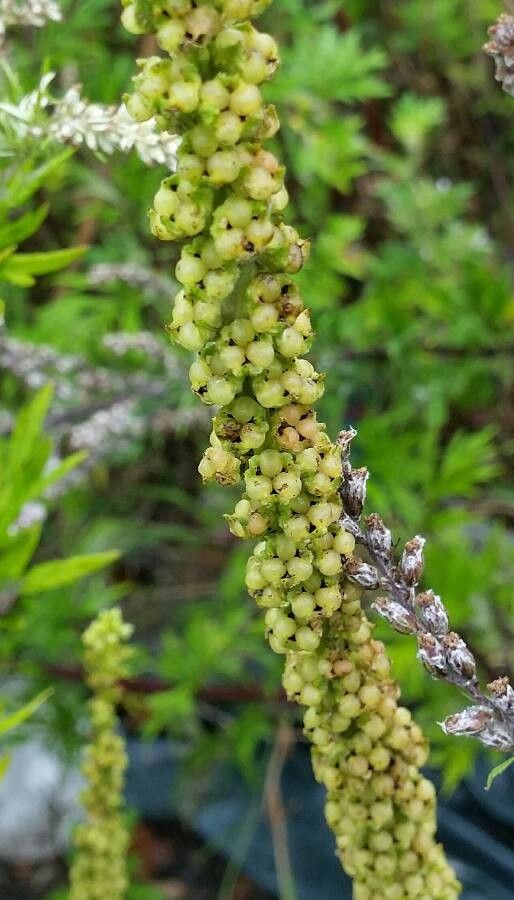
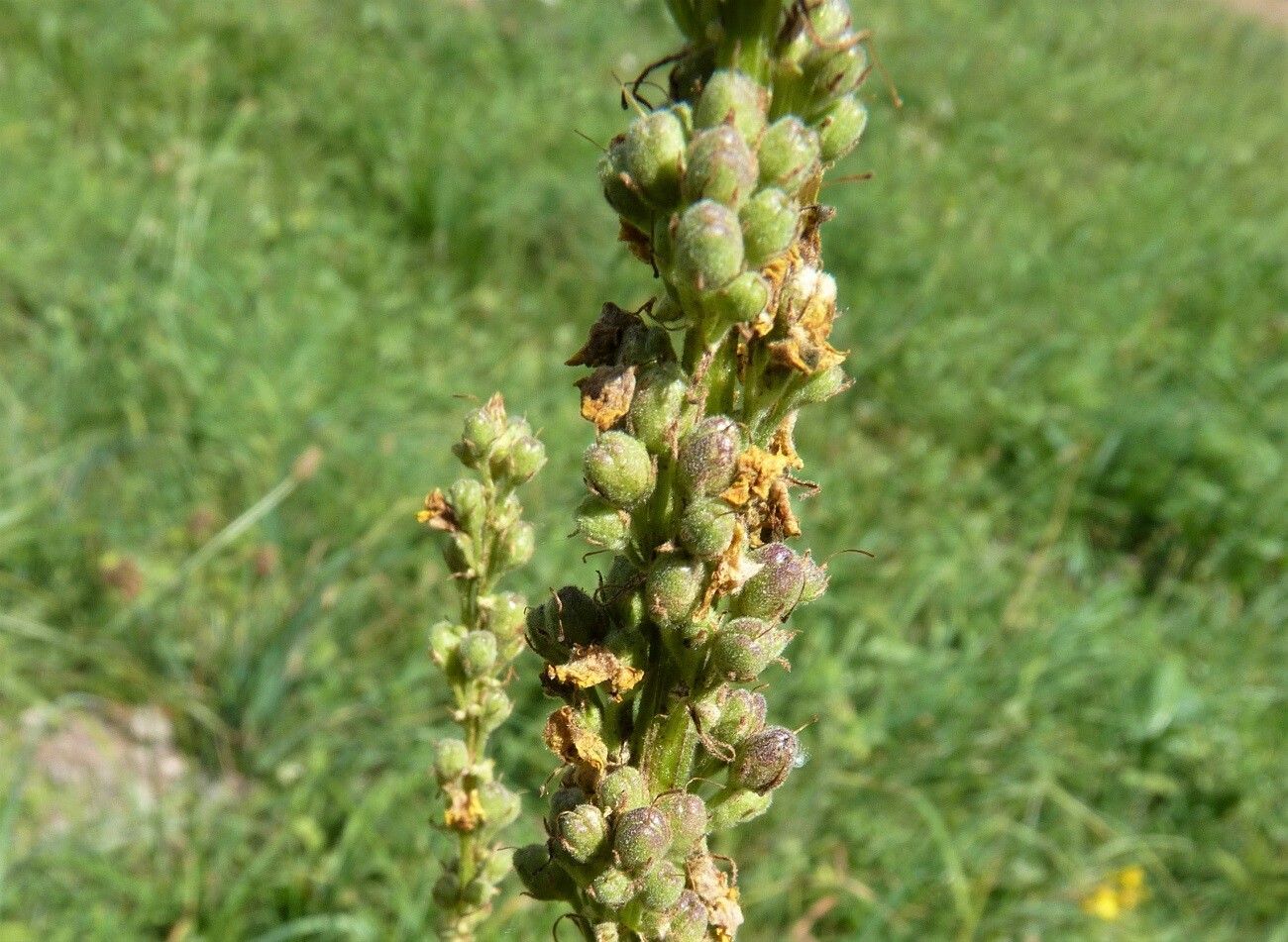
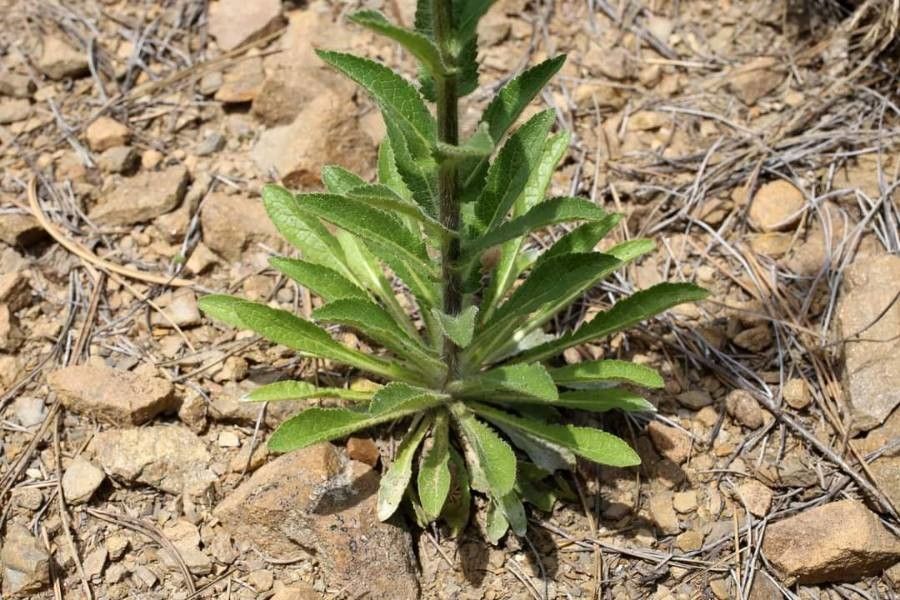
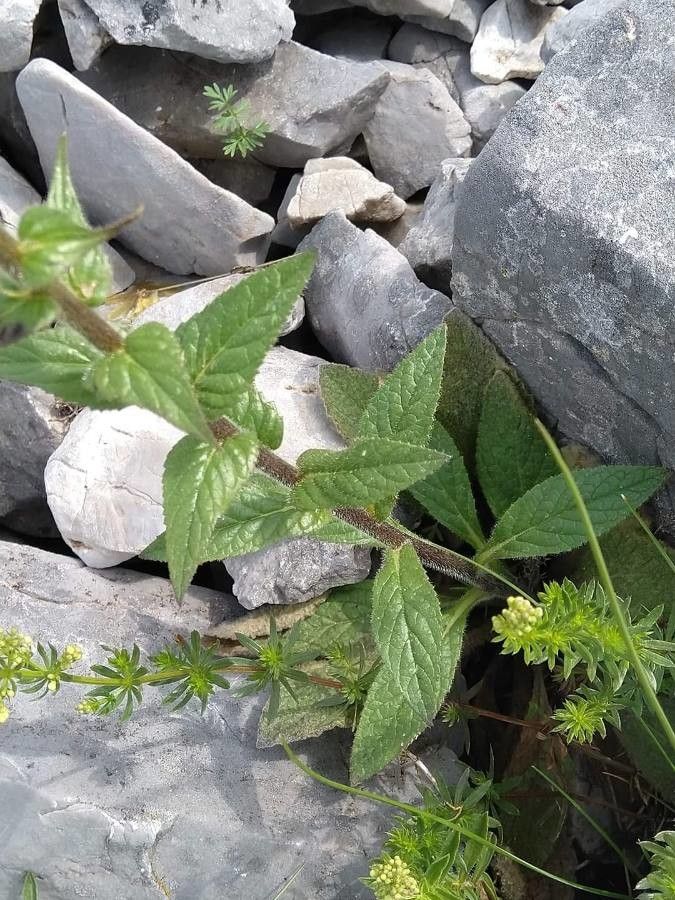
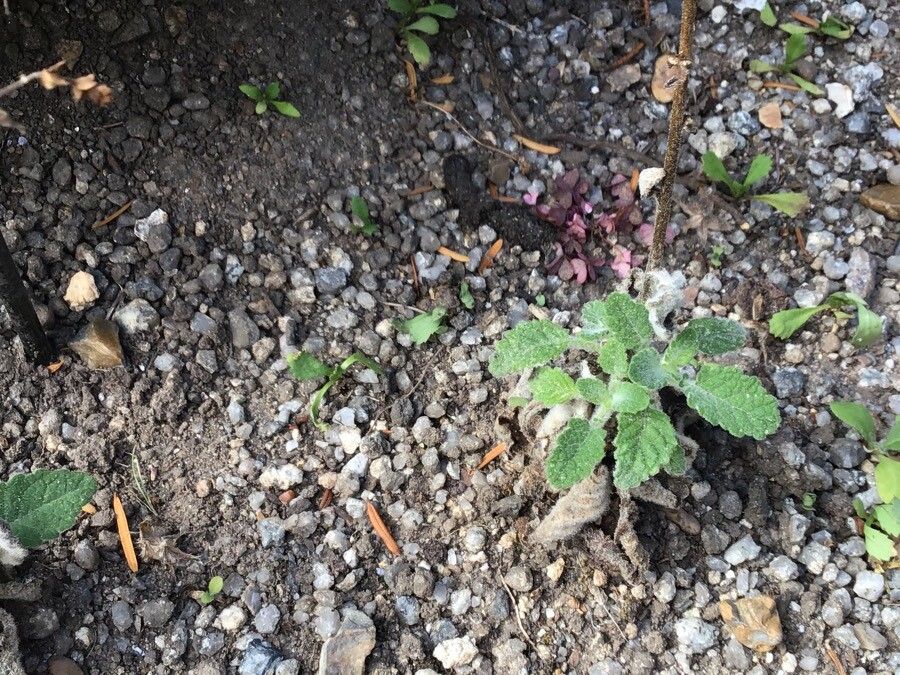
Verbascum nigrum, commonly known as black mullein, is a biennial or perennial plant that belongs to the Scrophulariaceae family. Native to Europe and Asia, it has also been introduced to North America and other regions worldwide. The plant can grow to a height of 1-2 meters and features a rosette of large leaves at its base.
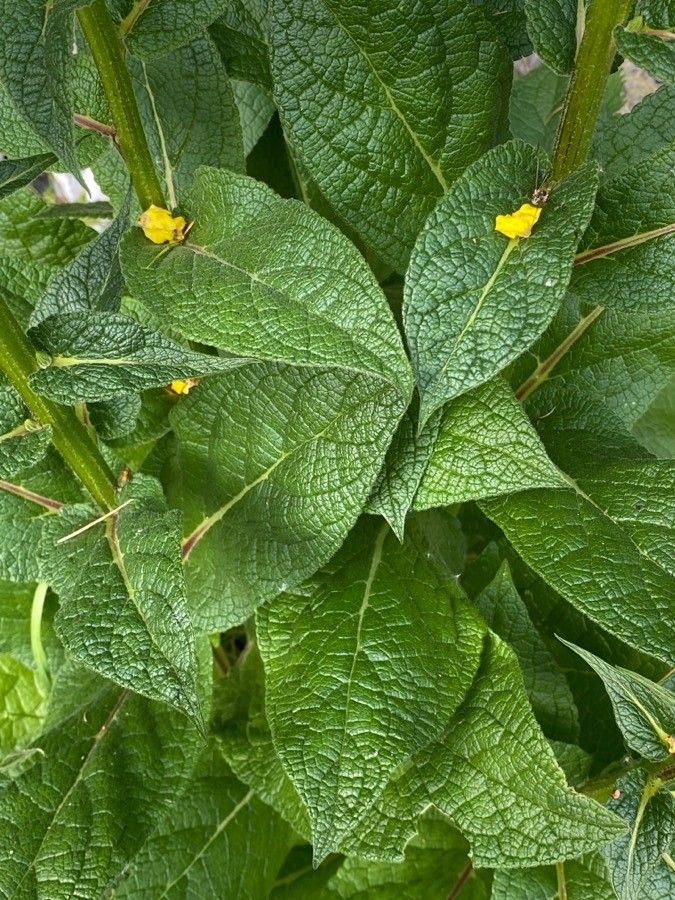
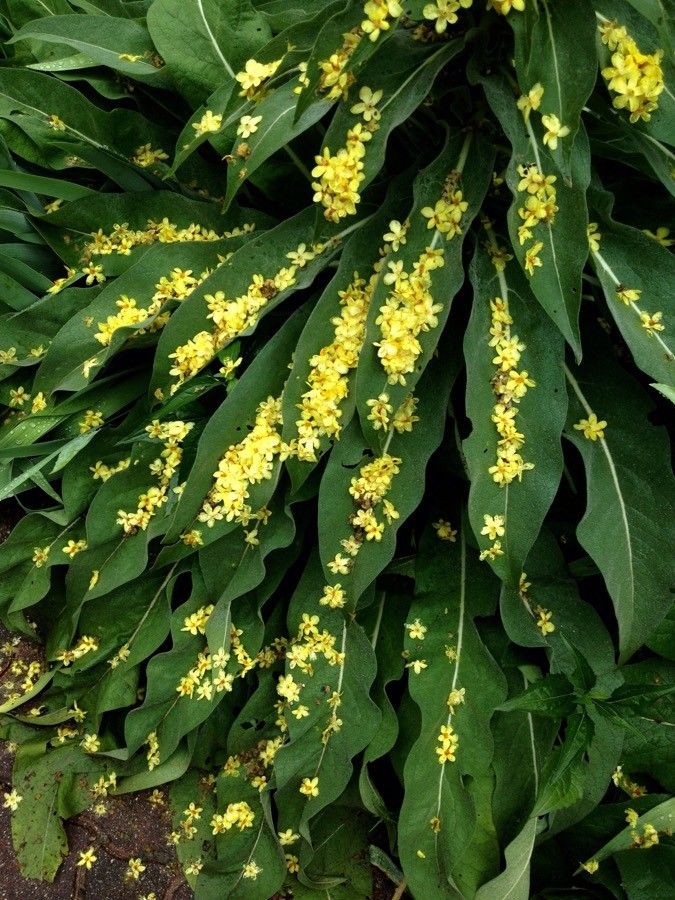
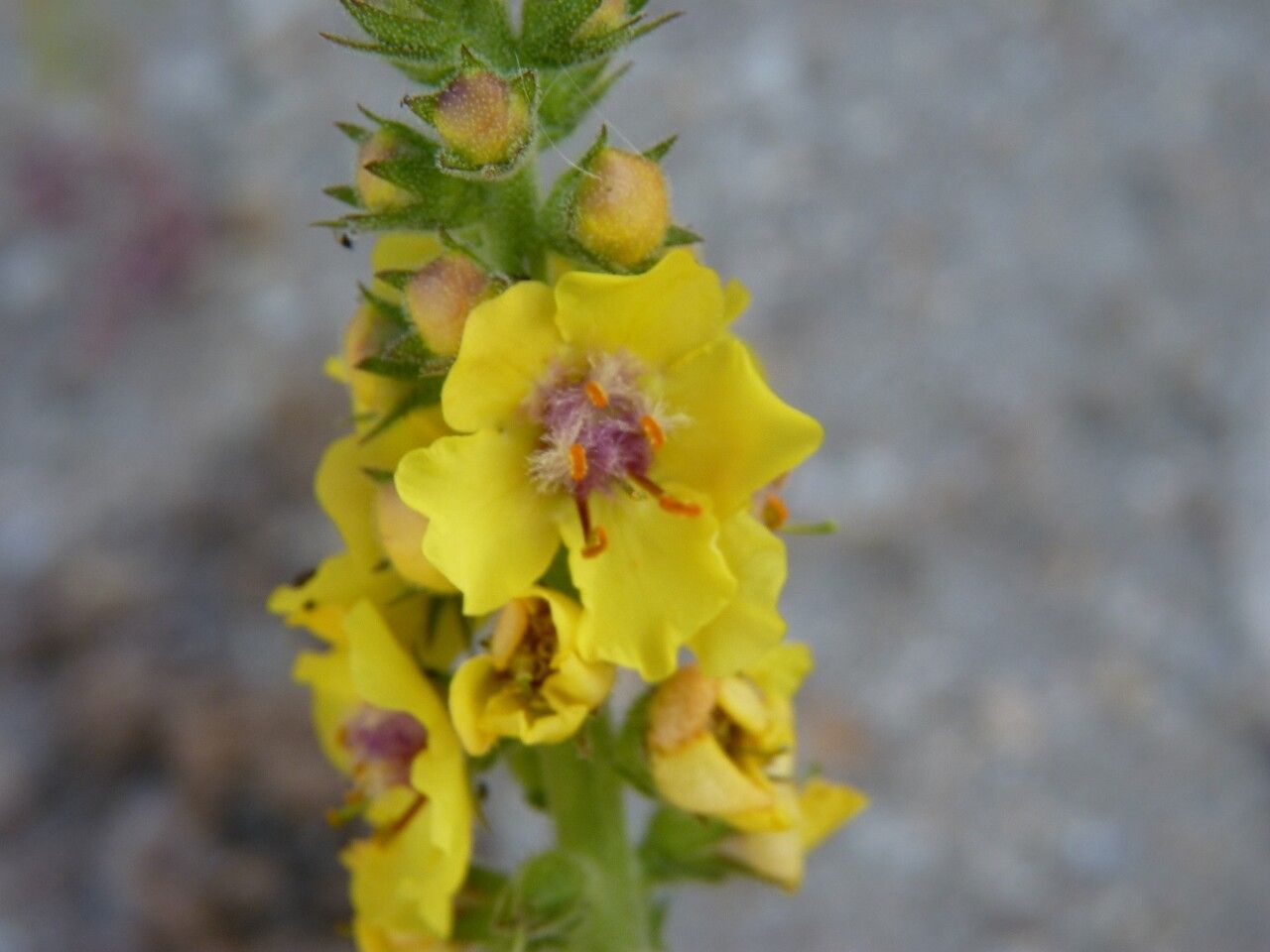
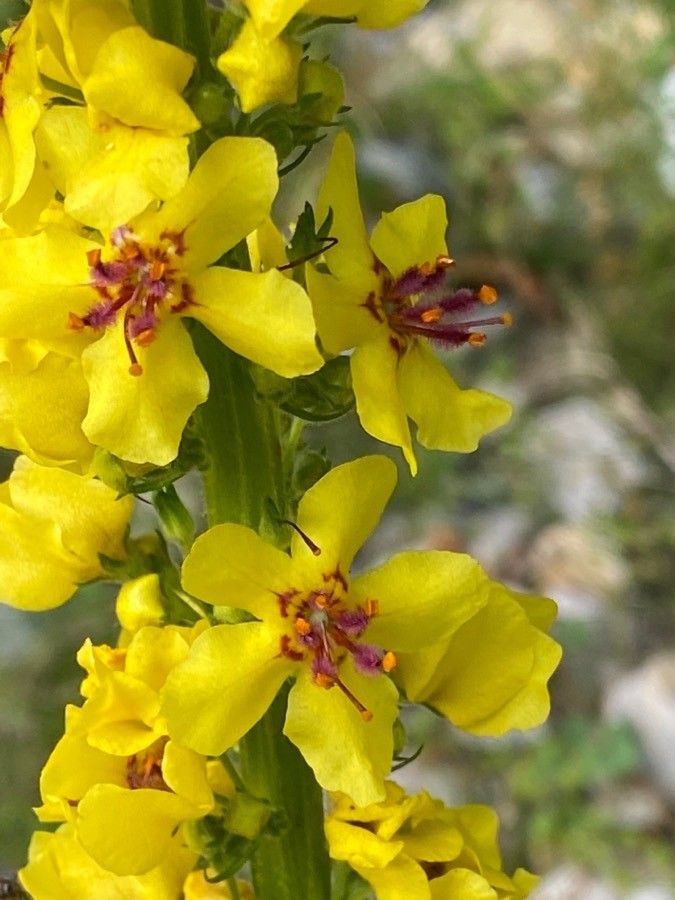
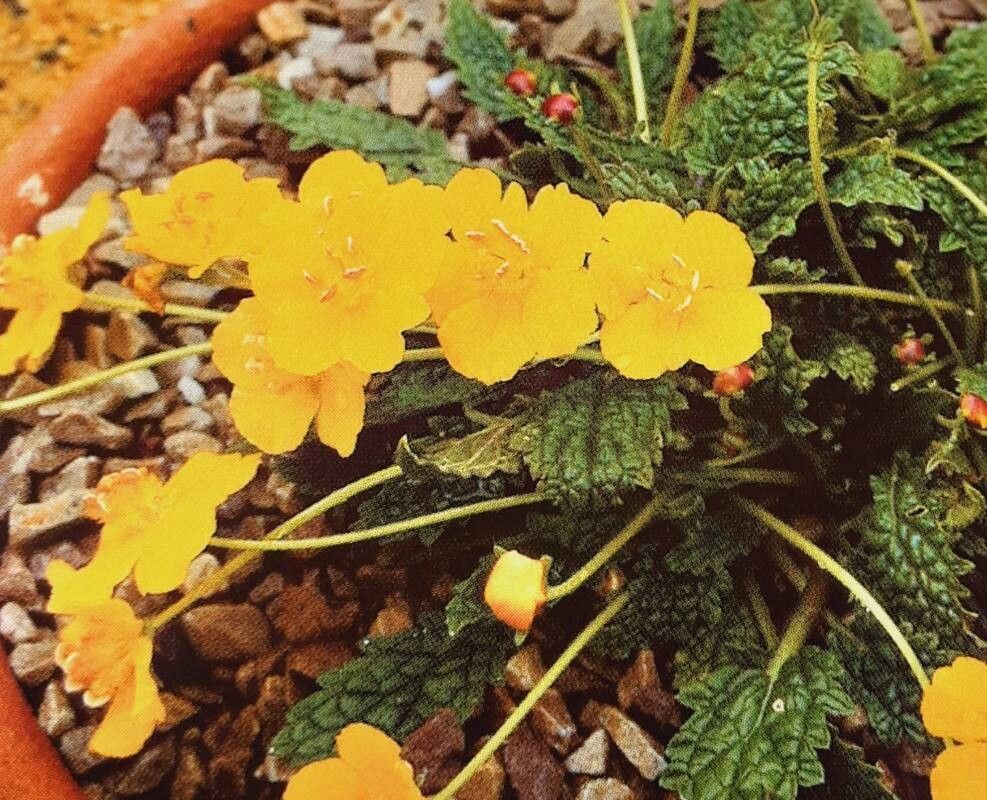
The leaves are hairy, oval-shaped with toothed margins, and can reach up to 30 cm in length. The stem is erect and adorned with numerous yellow flowers that bloom from June to September. Each flower has five petals, accented by purple-brown markings at the base.
Black mullein thrives in well-drained soils, preferably in full sun or partial shade, but it is also tolerant of poor soils. It is commonly found in meadows, pastures, waste areas, roadsides, and disturbed sites.
The plant has been used medicinally for centuries due to its anti-inflammatory properties, making it effective for treating respiratory ailments such as coughs and bronchitis. Additionally, its flowers have been traditionally used as a natural dye for fabrics.
Overall, Verbascum nigrum is an attractive addition to any garden. Its tall stature and striking yellow flowers not only enhance visual appeal but also attract pollinators like bees. Coupled with its medicinal properties, this plant offers both aesthetic and practical benefits.
Black mullein is fairly disease-resistant and typically not prone to many ailments. Still, it can be vulnerable to pests and diseases present in its environment. These issues are generally minor. Regarding care, the plant needs moderate maintenance. It should be pruned regularly to preserve an attractive appearance and promote healthy growth. Fertilizing can also help encourage flowering. Black mullein is appropriate for anyone with outdoor space, such as a garden or patio, and does not require extensive care experience. It may demand more attention when grown indoors.
How to keep Verbascum Nigrum.
Light
Black mullein grows best in a spot that gets unobstructed sunlight all day, which promotes healthy growth. However, it still needs a moderate amount of light during its development to thrive. Too much or too little light can harm the plant's health.
Water
Black mullein thrives in open woodlands, tolerating moderate moisture and brief dry periods. It prefers consistent moisture but cannot tolerate waterlogged conditions. Therefore, it should be watered weekly, allowing the soil to dry slightly between waterings. During its growing season, it's important to water this herbaceous perennial carefully to ensure strong and healthy flowering.
Temperature
Black mullein does best in temperate climates, especially when temperatures fall between 68 and 95 °F (20 to 35 ℃). For best growth, maintain conditions near this range and make adjustments as needed throughout the year.
Fertilizer
The best time to fertilize Black mullein is in early spring, as it comes out of dormancy and starts active growth. Fertilization supplies essential nutrients for healthy growth. Although Black mullein has fairly low fertilizer requirements, applying fertilizer once a year can improve its survival and encourage better, longer-lasting flowers.
Pruning
Black mullein is known for its tall spikes and clusters of yellow flowers. To maintain the plant's health, it is important to prune it every year between early and late spring. By removing dead stems and spent flowers, you can encourage bushier growth, extend the blooming period, and enhance the plant's vigor, all while reducing the risk of disease. For the best care advice, refer to reliable horticultural sources.
Toxicity
Mullein plants contain toxic principles that are potentially harmful to people and pets. These can be found in the root, seeds, and leaves. Although some people may use mullein for medicinal purposes with minimal risk of side effects, a higher concentration can cause reactions, like irritation, itching, and rashes.
Further reading →
The toxicity and danger assessments provided are for reference only. We do not assure their accuracy, so it's crucial not to depend on them. Seek professional advice when necessary for accurate guidance.
Botanical profile.
- Plant Type
- Herb
- Life Cycle
- Perennial, Annual, Biennial
- Genus
- Verbascum
- Family
- Scrophulariaceae
- Hardiness Zone
- 4-8
- Mature Height
- 0.49 m to 1.52 m
- Mature Spread
- 61 cm
- Leaf Color
- Green
- Leaf Type
- Semi-evergreen, Deciduous
- Flower Color
- Yellow
- Flower Size
- 2.54 cm to 5.08 cm
- Bloom Time
- Early summer, Mid summer
- Planting Time
- Spring
- Harvest Time
- Mid summer
Other names.
Reader questions.
How should I water my Black mullein plant in the best way?
To properly water the Black mullein, use filtered water at room temperature. Tap water may contain harmful particles, so it's best to avoid using it. Since the Black mullein is accustomed to warm environments, it's important to use water that is not too cold, as it could shock the plant. It's also recommended to avoid overhead watering, as it can lead to issues with the foliage. Instead, apply the filtered room temperature water directly to the soil until it is fully soaked. This method benefits the plant by keeping the roots moist and aiding in the spread and absorption of necessary nutrients.
Why should I add fertilizer to my Black mullein plant?
Fertilization is important for the growth of the Black mullein plant. It provides essential nutrients for both its above and below-ground growth. Although the Black mullein has relatively low fertilization needs and can sometimes survive without it, annual fertilization can greatly benefit the plant. It not only helps keep the plant alive but also promotes the development of better and longer-lasting flowers. Therefore, those who want their Black mullein to thrive should consider annual fertilization.
What are the sunlight requirements for Black Mullein?
Black Mullein requires full sun exposure, defined as above 6 hours of sunlight daily, to thrive. It's important to observe how sunlight moves through your garden to find spots that offer a perfect balance of light and shade, ensuring the plant's happiness and healthy growth. While Black Mullein prospers under unabated sunlight throughout the day, a moderate amount of sunlight is essential during its developmental stages. Both an overabundance and a deficiency in light can have negative effects on the plant's health.
What are the ideal temperature conditions for growing Black mullein?
Black mullein thrives in temperate climates, preferring temperatures between 68 to 95 °F (20 to 35 °C). To ensure optimal growth, it's important to maintain an environment close to this temperature range, making adjustments as necessary throughout the year. The plant possesses strong cold resistance, so it typically doesn't require special frost protection measures in winter. However, if temperatures are expected to fall below -30°C, protection should be provided by covering the plant with soil or straw. Additionally, watering the plant abundantly before the first freeze in autumn is recommended to keep the soil moist, preventing drought and water scarcity during winter and early spring.
What should I do if I give too much or too little water to my Black mullein?
Overwatering and underwatering are both harmful to the health of your Black mullein, but overwatering is a more common issue. Excessive water can cause wilting and yellowing of stems and leaves, and if left unchecked, it may also lead to diseases like root rot, mold, and mildew, which can be fatal to the plant. Underwatering is less likely, as the Black mullein has good drought tolerance. However, if underwatering occurs, the leaves may become brittle and brown. It is important to quickly identify signs of overwatering to prevent irreversible damage. If you notice early signs, reduce watering immediately and check the soil's draining capacity. If it drains poorly, replace it with a loose, well-draining potting mix. Alternatively, if the signs indicate insufficient water, increase watering until the symptoms improve.
When should I fertilize my Black mullein plant?
The best time to fertilize a Black mullein is in late winter or early spring when it's coming out of dormancy and starting to grow actively. Fertilizing during this time promotes healthy growth and helps the plant thrive in the upcoming season. While early spring is generally the most beneficial time to fertilize, it is also acceptable to fertilize in the fall. However, it is not recommended to feed the Black mullein during summer or winter.
How can artificial lighting support Black Mullein indoor growth?
Indoor Black Mullein plants require adequate lighting to achieve optimal growth, especially when natural sunlight is not sufficient, like during winter or in less sunny spaces. Artificial lights, such as LED lights which can be customized to provide specific wavelengths needed by plants, serve as a vital solution. For full sun plants, 30-50W per square foot of artificial light is needed, partial sun plants require 20-30W per square foot, and full shade plants need 10-20W per square foot. The light source should be placed 12-36 inches above the plant to mimic natural sunlight, and the duration should mimic natural daylight hours, ranging from 8-12 hours per day for most plants.
How does Black mullein react to low temperatures?
Black mullein is cold-tolerant, thriving best in temperatures above 20°C and ideally should be kept above 0°C during winter. If temperatures fall below -30°C, you might not notice any immediate changes during winter; however, there can be a decrease in sprouting or absence of sprouting in spring. To address this, in spring, any parts of the plant that have failed to sprout should be removed.
How often should I water my Black mullein plant?
If your Black mullein plant is in a pot, you can determine if it needs water by checking the soil. Stick your finger into the soil and if the top two to three inches are dry, it's time to water it. If you have your Black mullein planted outdoors, you can use the same method to test the soil. If the top few inches of soil are dry, it's time to water it. During the spring and early fall, you will typically need to water the plant once a week using this method. However, during hot weather, you may need to water it two or more times per week. It's worth noting that mature, well-established Black mullein plants can withstand drought well.
When is it not a good idea to fertilize Black mullein?
To ensure optimum growth and avoid complications, it is recommended to fertilize your Black mullein only during late winter and early spring. This plant has low fertilization needs, so a single annual feeding is sufficient. However, it is important to refrain from fertilizing during spring, summer, and fall as this can easily result in overfertilization. The only exception is if you skipped fertilization in the spring, in which case it is acceptable to feed the plant in the fall. Additionally, there is no need to fertilize the Black mullein during winter when it is in a dormant growth phase and not producing new growth.
What are the symptoms of inadequate lighting for Black Mullein?
Black Mullein displays several symptoms when exposed to inadequate lighting, such as new leaves growing smaller, the plant becoming leggy or showing sparse growth, early leaf drop to conserve resources, a halt in the production of new leaves indicating survival mode, the appearance of lighter-colored or pale new leaves due to lack of chlorophyll, and the development of chlorosis where leaves lose their green color. Excessive sunlight can also cause symptoms like sunscald, leaf curling as a defense mechanism, wilting from increased water loss, and leaf scorching characterized by brown, dry edges on leaves.
What should I do if Black mullein is exposed to high temperatures?
During summer, it's important to keep Black mullein below 35°C. Exposure to temperatures above 38°C can lead to lighter colored leaves, curling, susceptibility to sunburn, and in severe cases, the entire plant may wilt and become dry. To mitigate these effects, trim away the sunburned and dried-up parts of the plant. Move the plant to a location that offers shade during the midday and afternoon sun, or use a shade cloth. Additionally, watering the plant in the morning and evening can help keep the soil moist and protect the plant from heat stress.