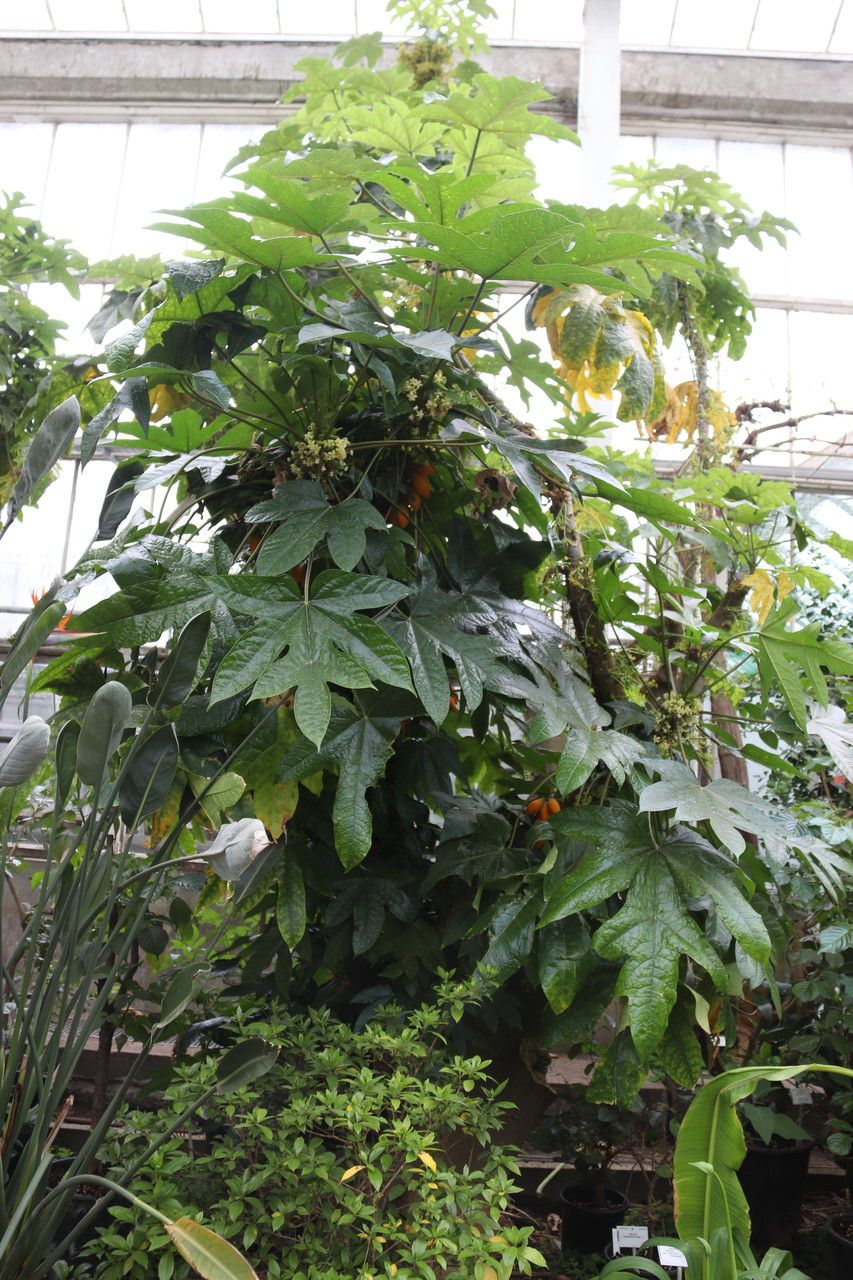
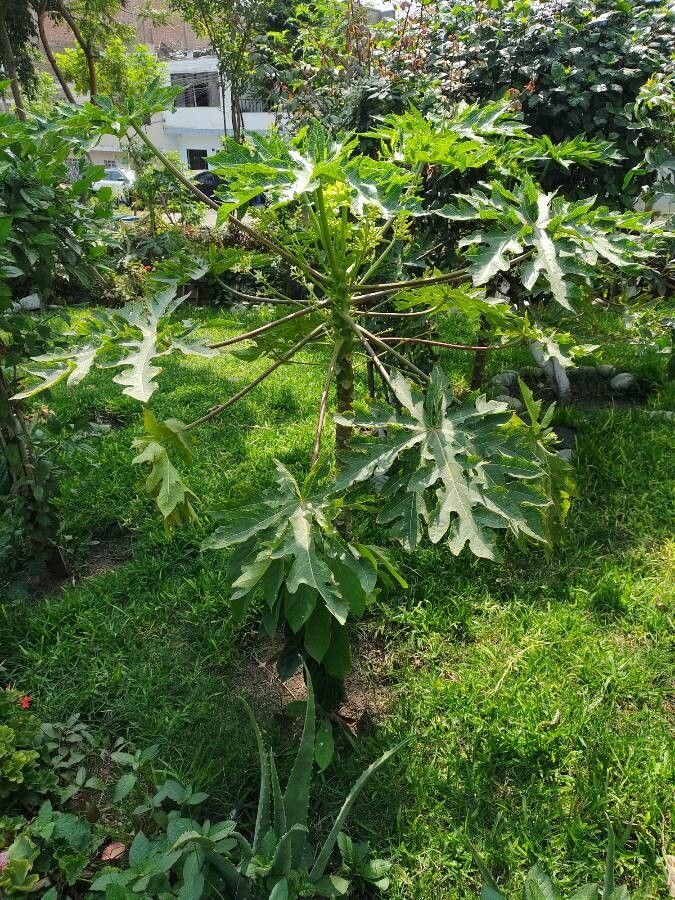
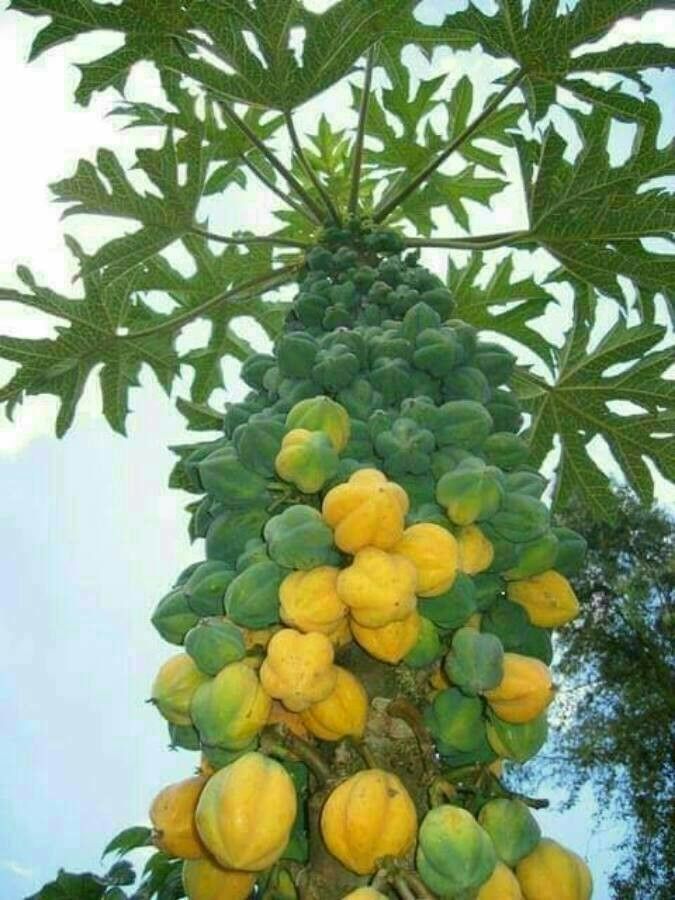
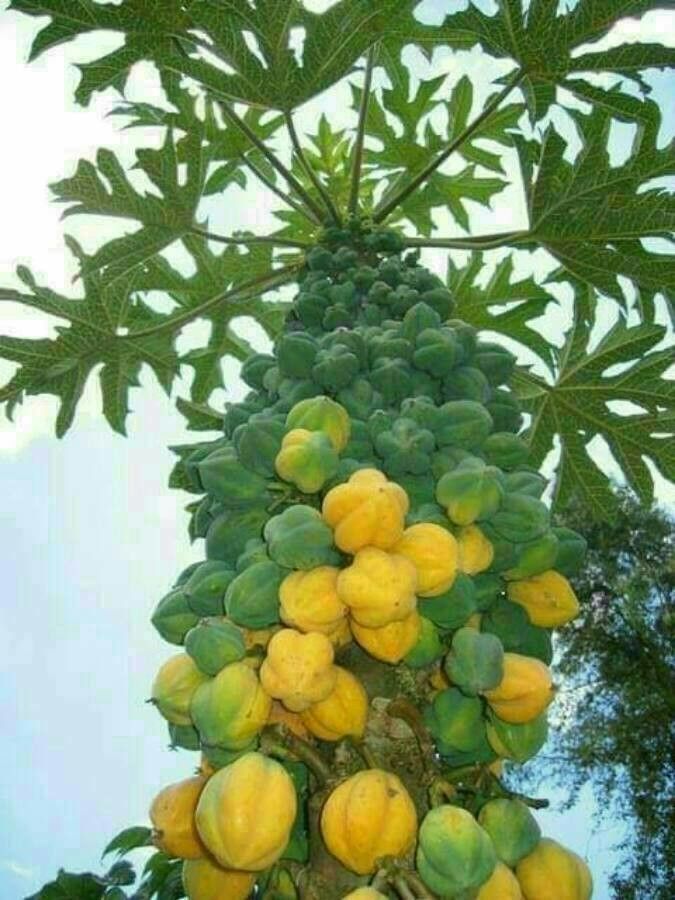
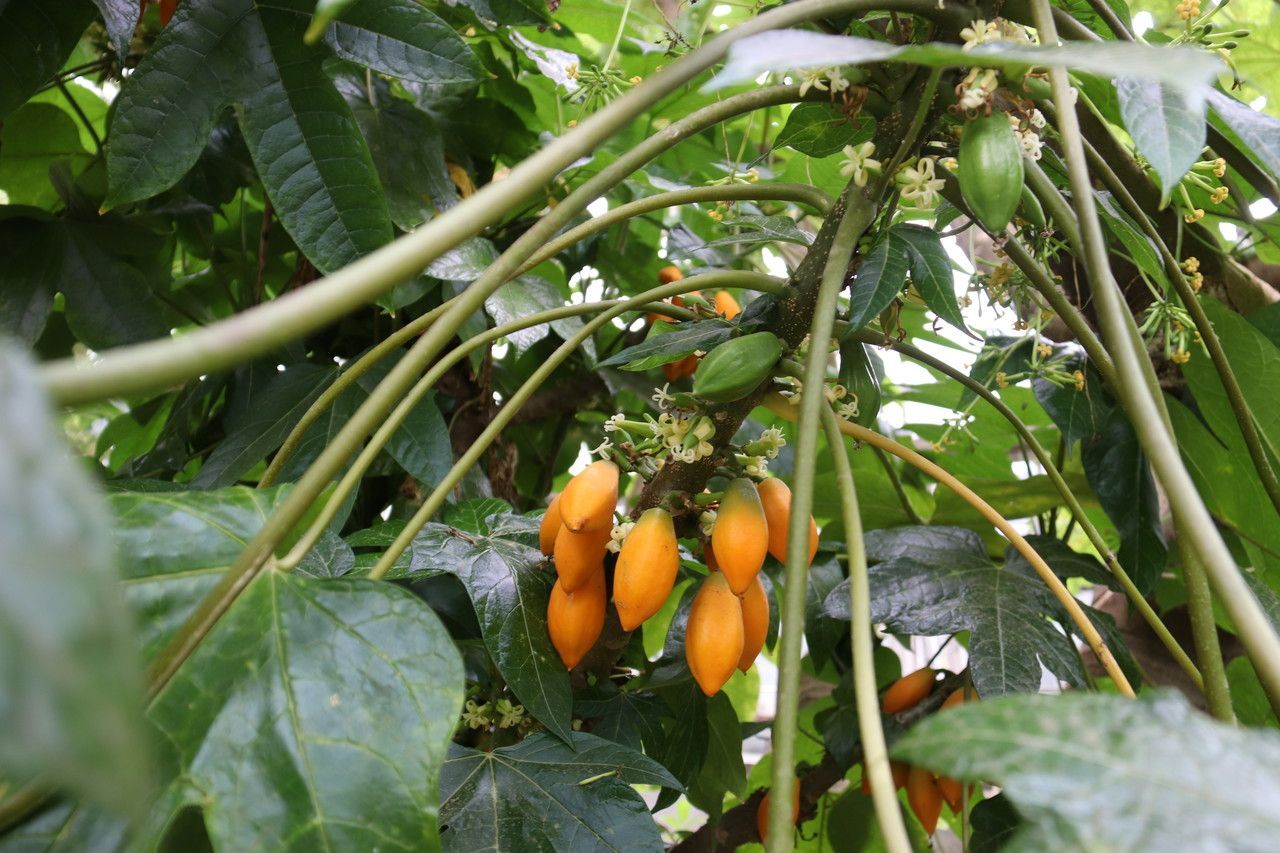
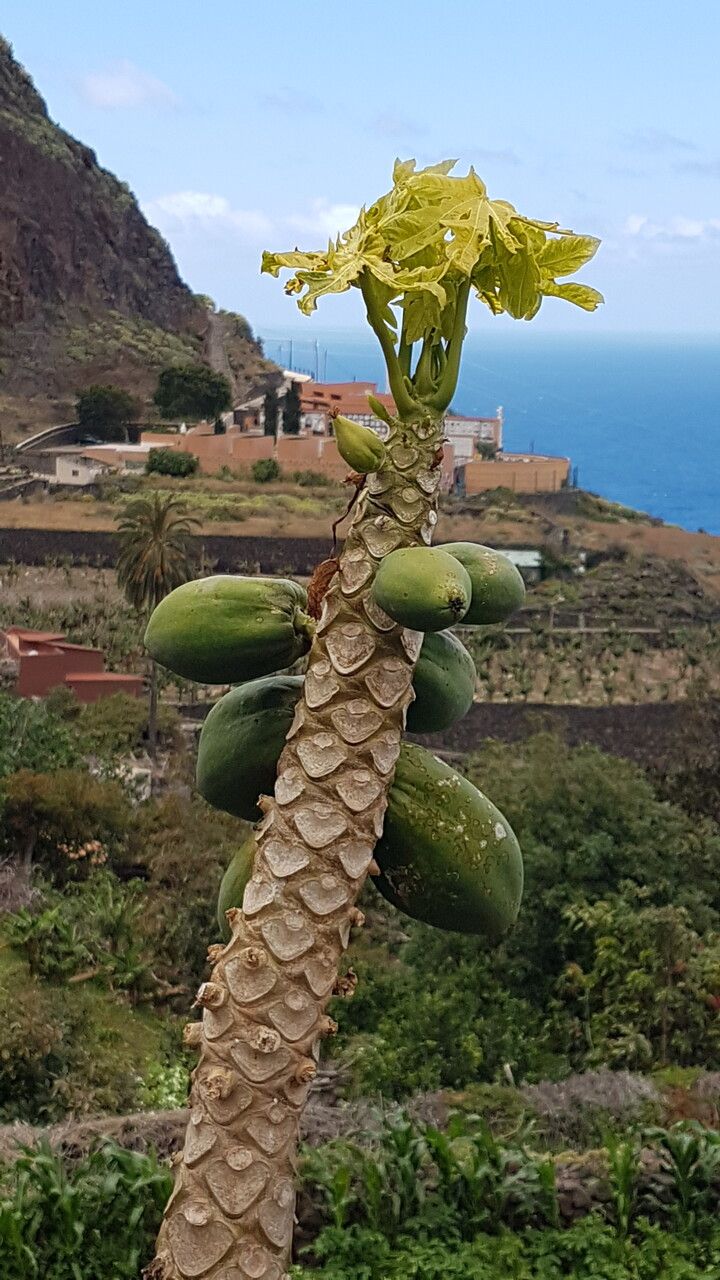
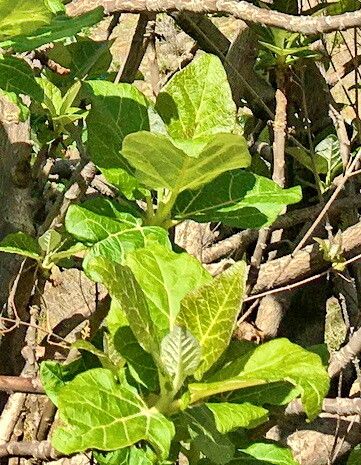
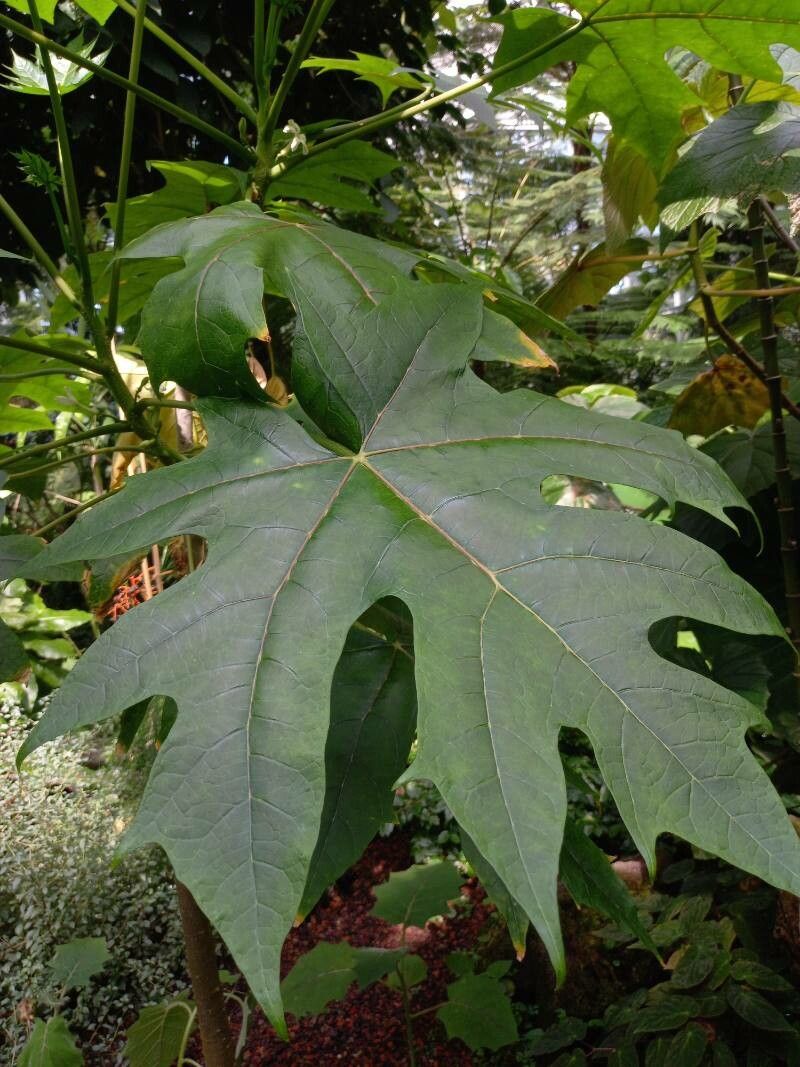
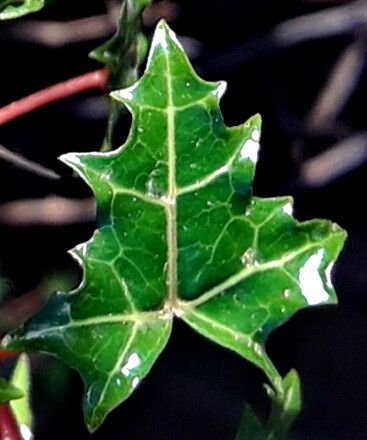
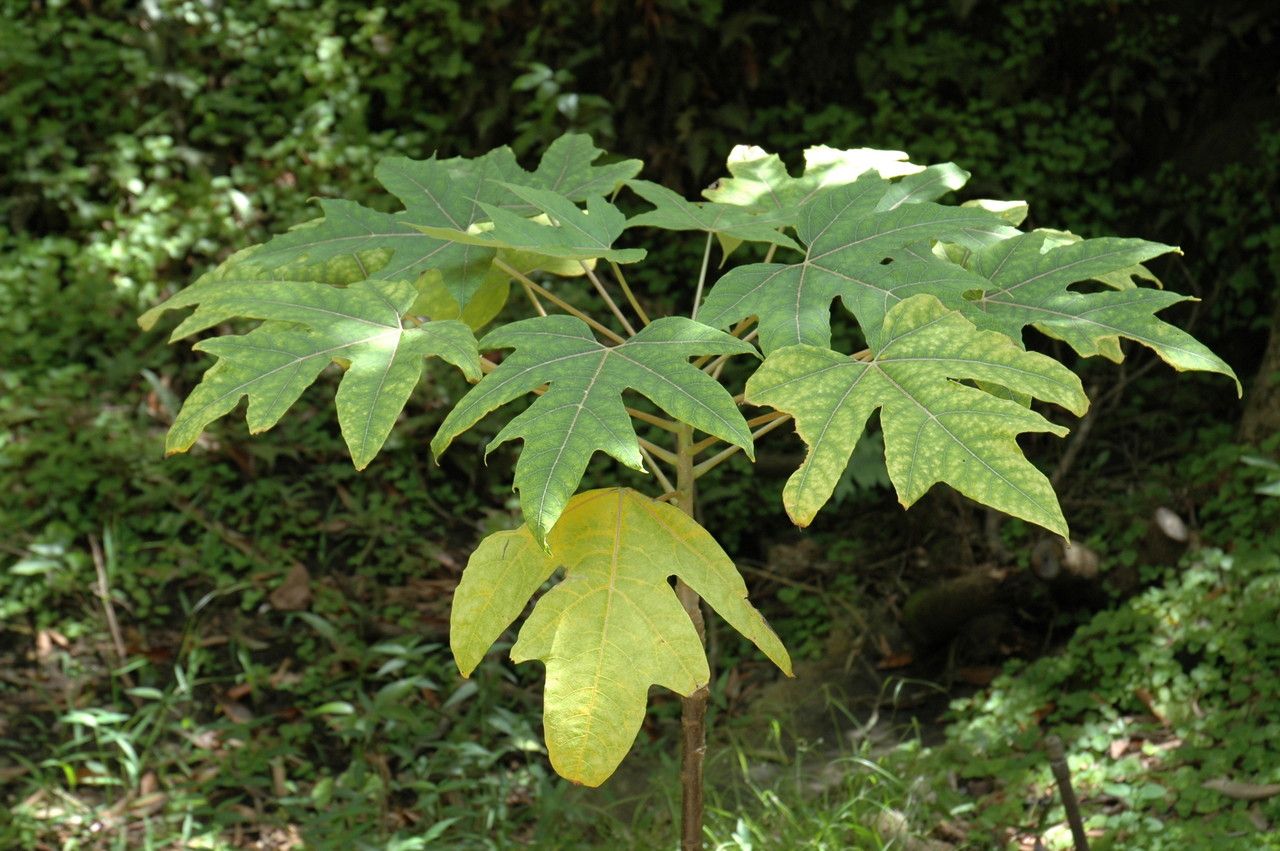
The mountain papaya (Vasconcellea pubescens) also known as mountain pawpaw, papayuelo, chamburo, or simply "papaya" is a species of the genus Vasconcellea, native to the Andes of northwestern South America from Colombia south to central Chile, typically growing at altitudes of 1,500–3,000 metres (4,900–9,800 ft). It has also been known as Carica pubescens.
Mountain papaya exhibits strong disease resistance and is generally not susceptible to illnesses. In terms of care, the plant is fairly low-maintenance. When grown outdoors it needs only light watering, and larger specimens typically do not require pruning. Smaller plants, however, should be pruned after they have finished blooming. Mountain papaya is suitable for anyone with outdoor space, such as a garden or a deck, and does not demand extensive care experience.
How to keep Vasconcellea Pubescens.
Light
Mountain papaya comes from open habitats, such as sunny meadows and forest edges, that provide abundant light. It does best in Full Sun but can also tolerate Partial Sun, adjusting well to different light conditions.
Temperature
Mountain papaya is quite adaptable to temperature, tolerating high heat and wide temperature swings. In hot weather, attention should be paid to irrigation and suitable shading should be provided to avoid sunburn. On the other hand, mountain papaya is not very tolerant of low temperatures. Although it can endure some cold, very low temperatures can cause frost damage.
Fertilizer
The Mountain papaya needs adequate nutrients to achieve the best fruit production. Fertilize in early spring to support new growth and flower development. Regular feeding keeps the plant healthy, promotes more delicious fruit, and prevents nutrient deficiency problems like yellowing leaves and poor fruit yield.
Pruning
Mountain papaya is known for its rapid growth and distinctive fruit. To promote health and increase yield, prune the plant in early spring to remove any dead or overcrowded branches. Pay attention to shaping the plant to ensure it receives adequate sunlight and air circulation. Be sure to use clean tools, and after pruning, apply a balanced fertilizer to support the plant's recovery.
Botanical profile.
- Plant Type
- Tree
- Life Cycle
- Perennial
- Genus
- Vasconcellea
- Family
- Caricaceae
- Hardiness Zone
- 9-11
- Mature Height
- 3.05 m to 7.92 m
- Mature Spread
- 2.13 m to 3.96 m
- Leaf Color
- Green, Dark Green
- Leaf Type
- Evergreen
- Flower Color
- Yellow, White
- Flower Size
- 2.03 cm to 3.05 cm
- Bloom Time
- All year round
- Planting Time
- Spring
- Harvest Time
- All year round
- Native Area
- Colombia, Guatemala, Venezuela, Peru, Ecuador, Costa Rica, Panama
Other names.