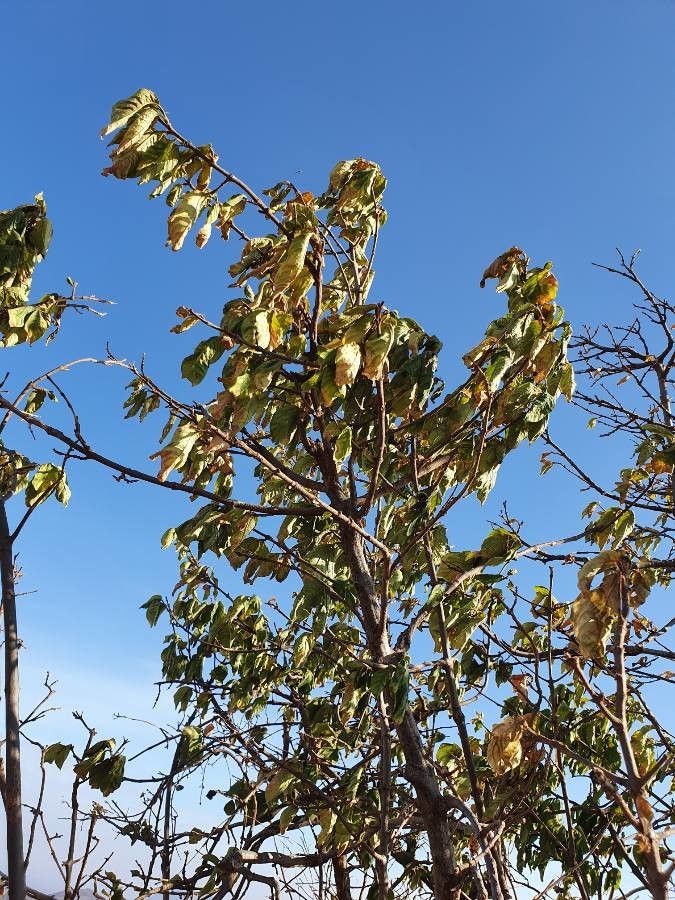
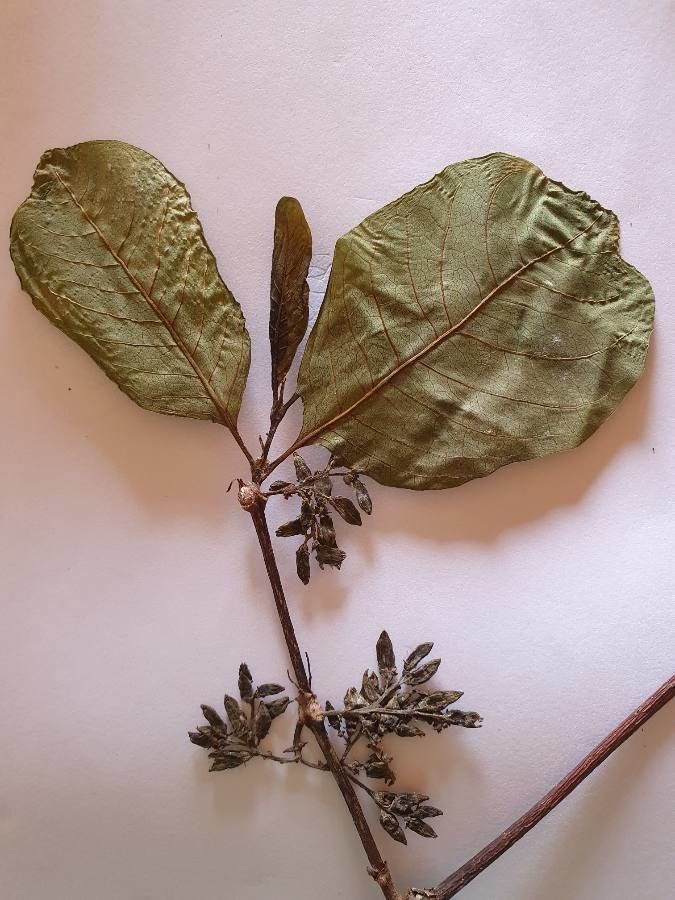
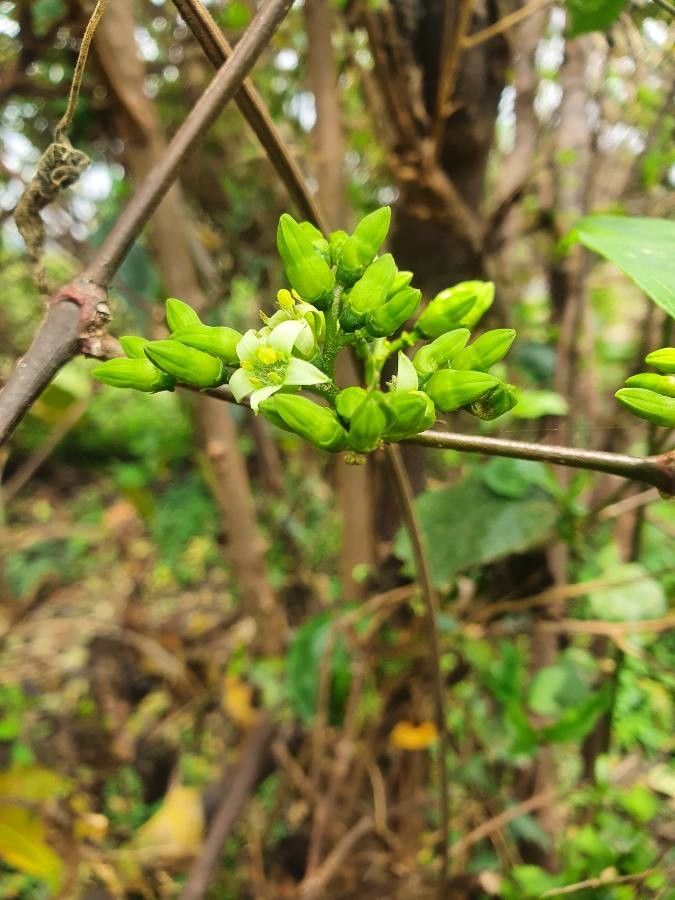
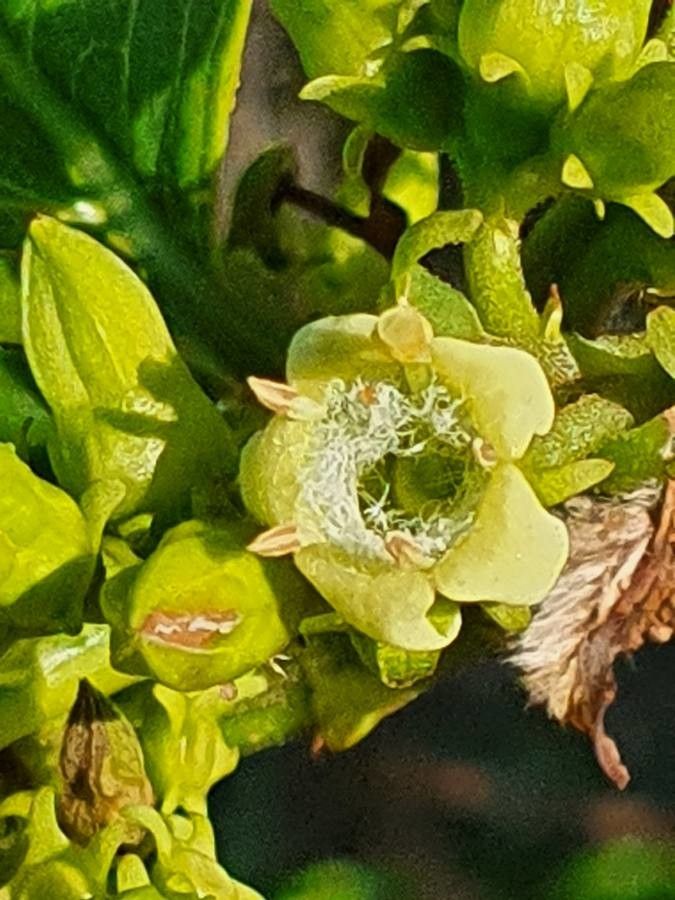
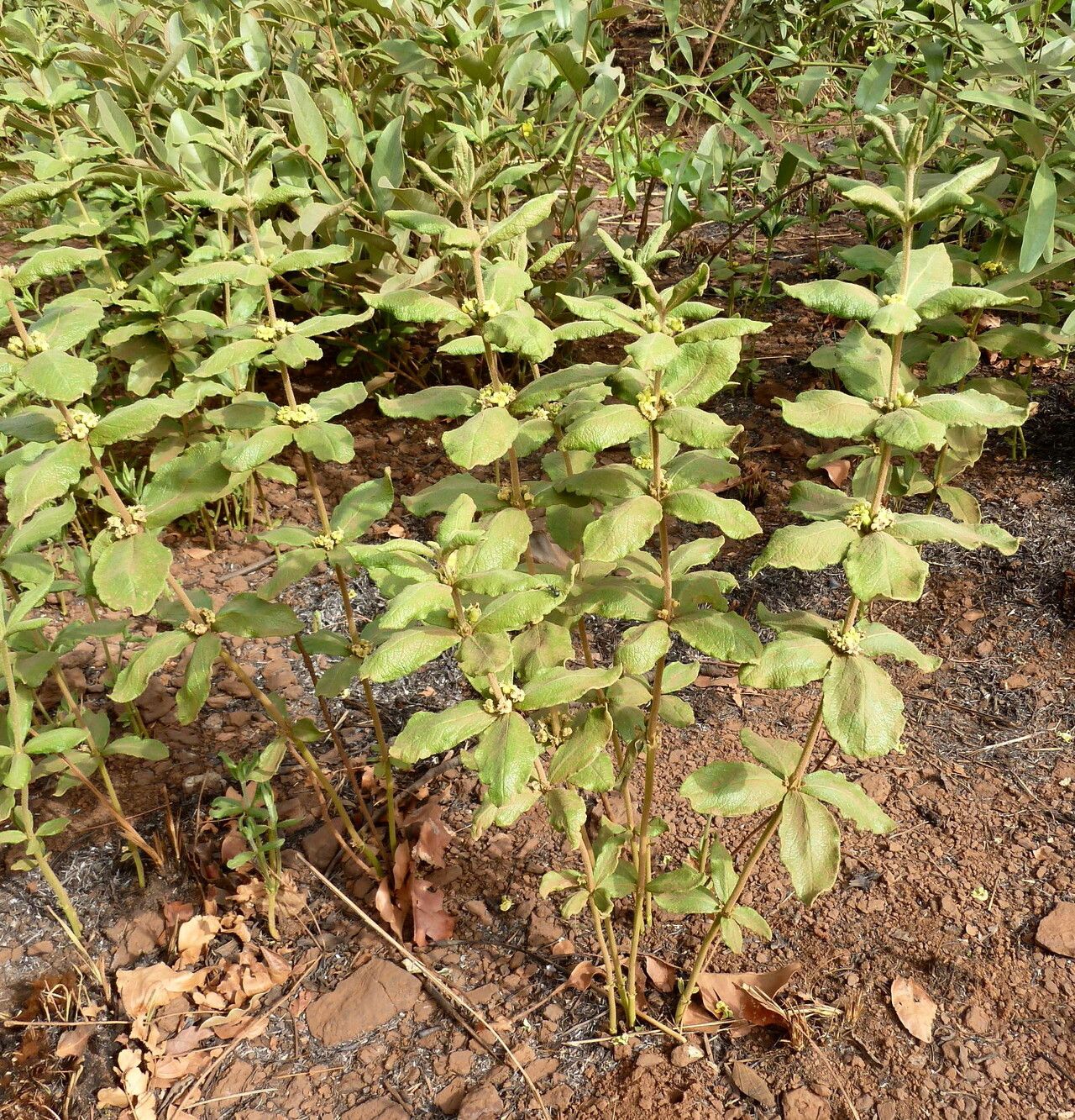
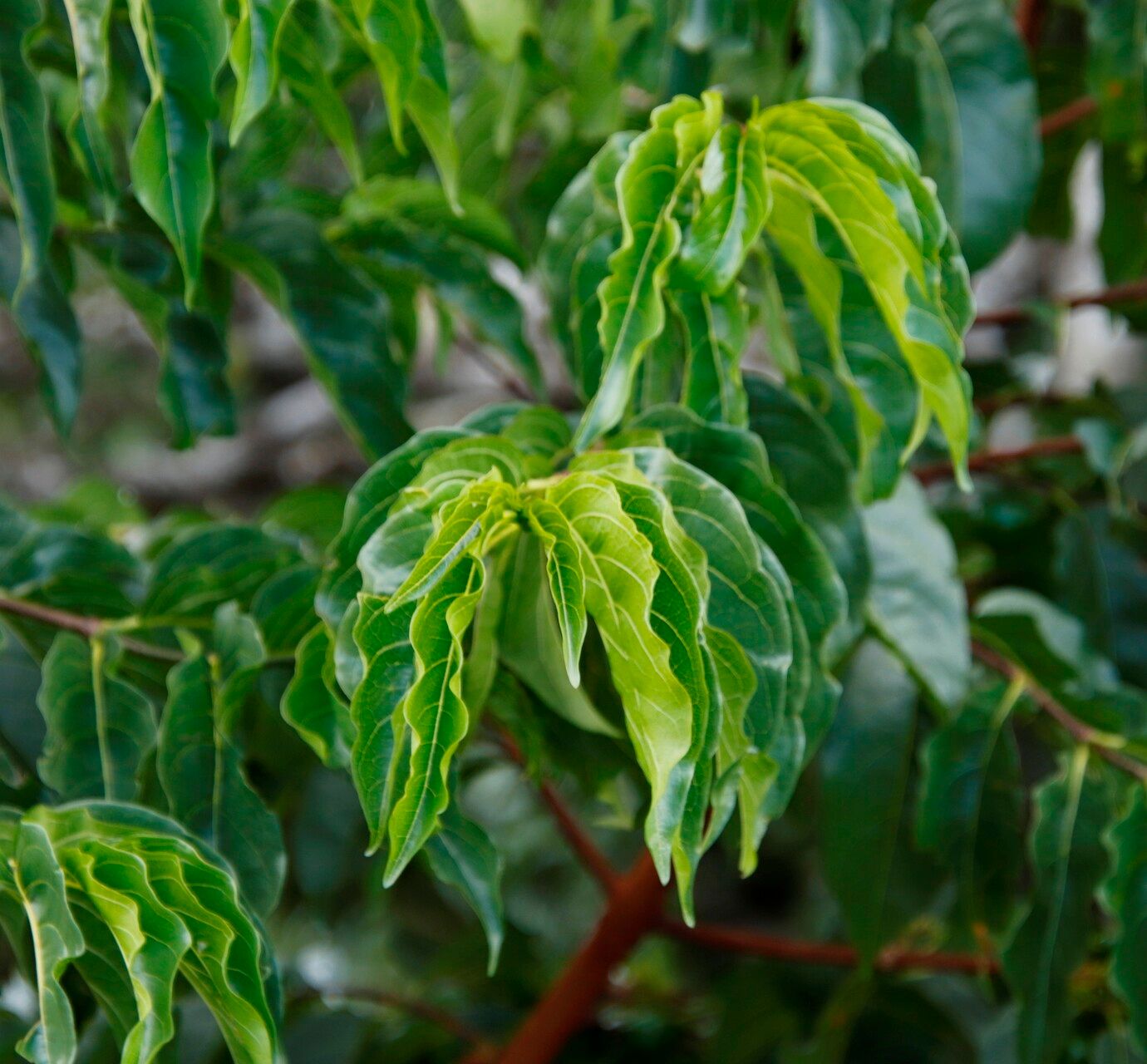
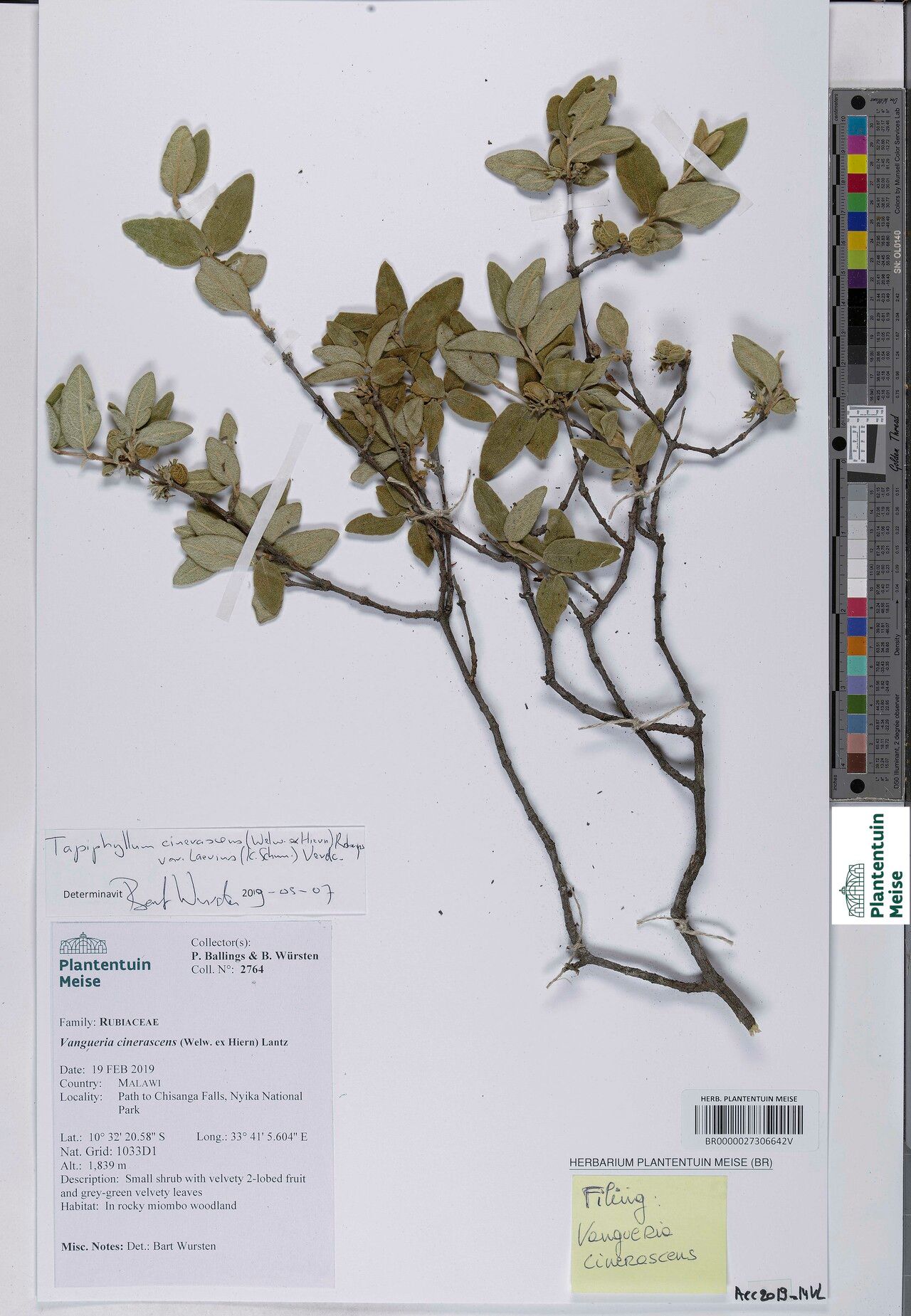
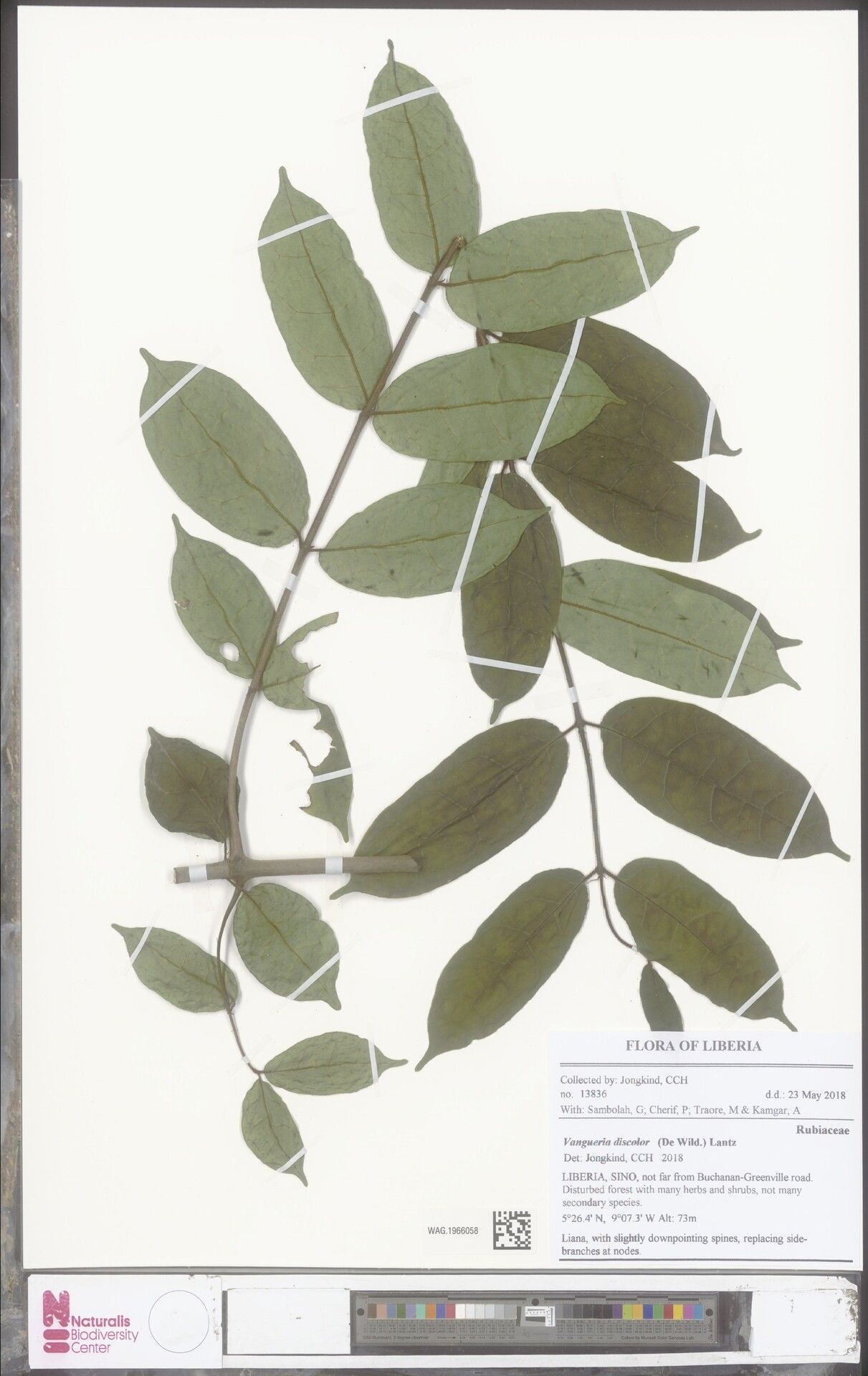
Vangueria madagascariensis, commonly known as the Madagascar cherry or Spanish tamarind, is a small to medium-sized tree native to Madagascar and other parts of Africa. Belonging to the Rubiaceae family, it can grow up to 10 meters tall and features a dense crown of glossy, oval-shaped green leaves that can reach up to 10 cm in length.
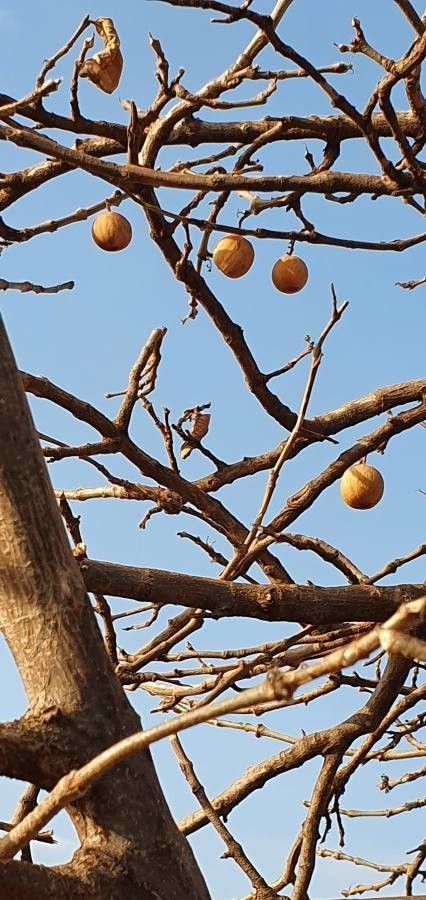
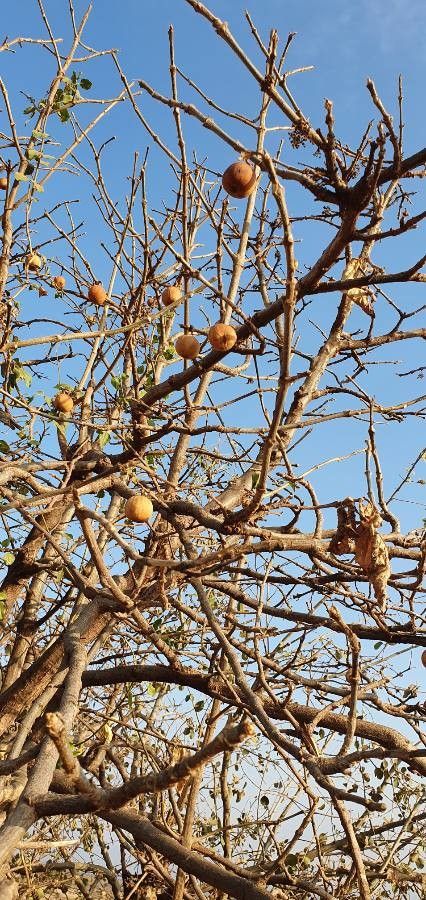
The fruit of Vangueria madagascariensis is edible and has a sweet-sour taste. It resembles a small cherry or plum and turns orange-yellow when ripe. The fruit contains one large seed in its center.
The bark of Vangueria madagascariensis has been used in traditional medicine for its anti-inflammatory properties and for treating fever, diarrhea, and other ailments.
Additionally, Vangueria madagascariensis is valuable in agroforestry systems because its roots can fix nitrogen in the soil, making it an important species for soil conservation efforts.
In summary, Vangueria madagascariensis is a versatile plant species with multiple uses, ranging from food production to traditional medicine and agroforestry systems.
Voa vanga is highly resistant to disease and is generally unlikely to develop health problems. With regard to care, this plant is fairly low-maintenance. When grown outdoors it needs only minimal watering, and larger specimens usually do not require pruning. Smaller plants, however, should be pruned after they have finished blooming. Voa vangat is suitable for anyone with an outdoor area, such as a garden or a deck, and does not demand extensive gardening experience.
How to keep Vangueria Madagascariensis.
Light
Voa vanga comes from open habitats, like sunlit meadows and the margins of forests, where light is abundant. It prefers Full Sun but can tolerate Partial Sun, demonstrating good adaptability to different light levels.
Temperature
Voa vanga comes from tropical areas, where the climate is generally warm and humid. Consequently, it is well suited to high temperatures and humidity. It is not fond of sudden temperature changes and prefers a stable thermal environment, so avoiding temperature fluctuations indoors is important. It typically does not tolerate cold and requires warmer conditions to grow. If the surrounding temperature falls too low, the plant may stop growing or even die.
Fertilizer
Prefer organic fertilizers (e.g., fish emulsion, compost) instead of chemical ones for Voa vanga. Supply higher nitrogen and phosphorus to young plants in spring. Incorporate compost or fertilizer into the soil before or after planting. For mature plants, add a balanced fertilizer in spring or one targeted to any specific deficiency. Nutrient deficiency causes small leaves, short branches, yellow or bronze leaves, acidic fruits, premature fruit drop, and fruit splitting.
Botanical profile.
- Plant Type
- Shrub
- Life Cycle
- Perennial
- Genus
- Vangueria
- Family
- Rubiaceae
- Hardiness Zone
- 10-12
- Mature Height
- 3.96 m to 10.06 m
- Mature Spread
- 3.05 m to 6.1 m
- Leaf Color
- Green, Dark Green
- Leaf Type
- Evergreen
- Flower Color
- White, Cream
- Flower Size
- 0.51 cm to 0.76 cm
- Bloom Time
- Mid spring, Late spring, Early summer
- Planting Time
- Spring, Summer
- Harvest Time
- Late summer, Early fall, Mid fall
- Native Area
- Malawi, Angola, South Africa, Sudan, Madagascar, Nigeria, Kenya, Uganda, Tanzania, Benin, Mali, Cameroon, Mozambique, Ghana, Eswatini, Ethiopia, Congo (DRC), Central African Republic
Other names.