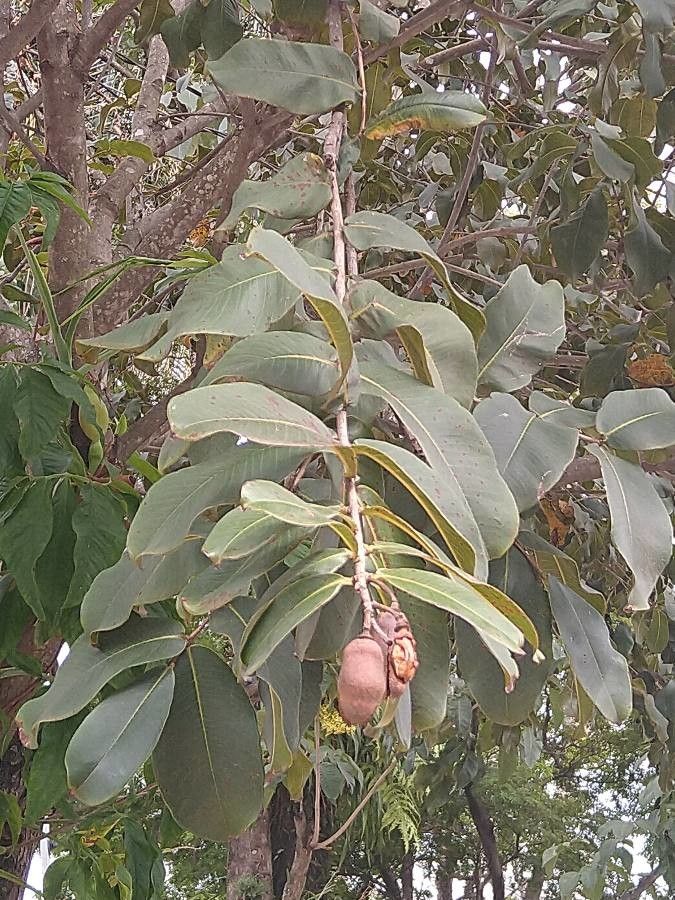
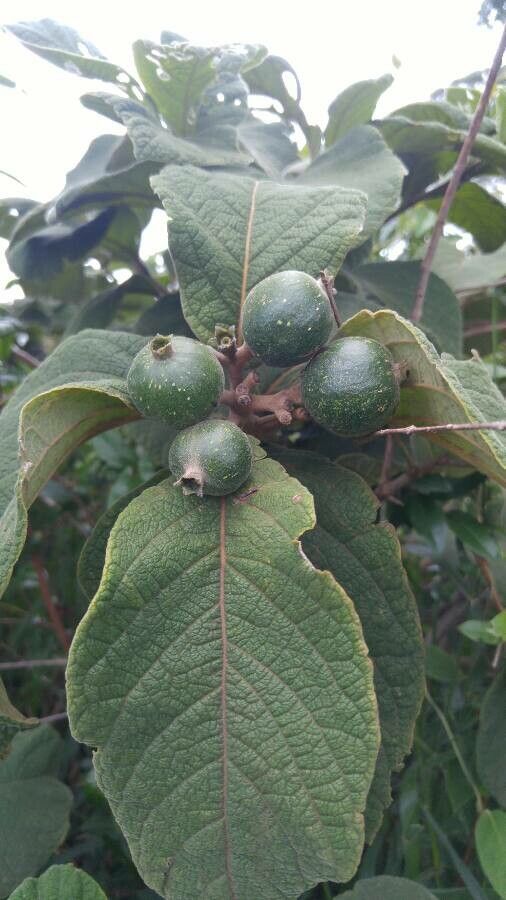
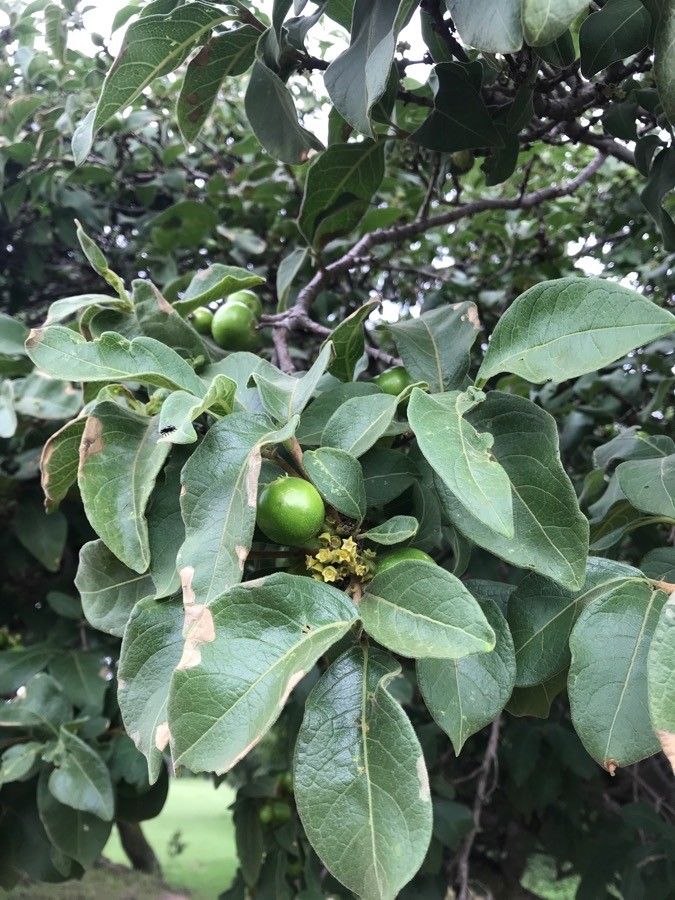
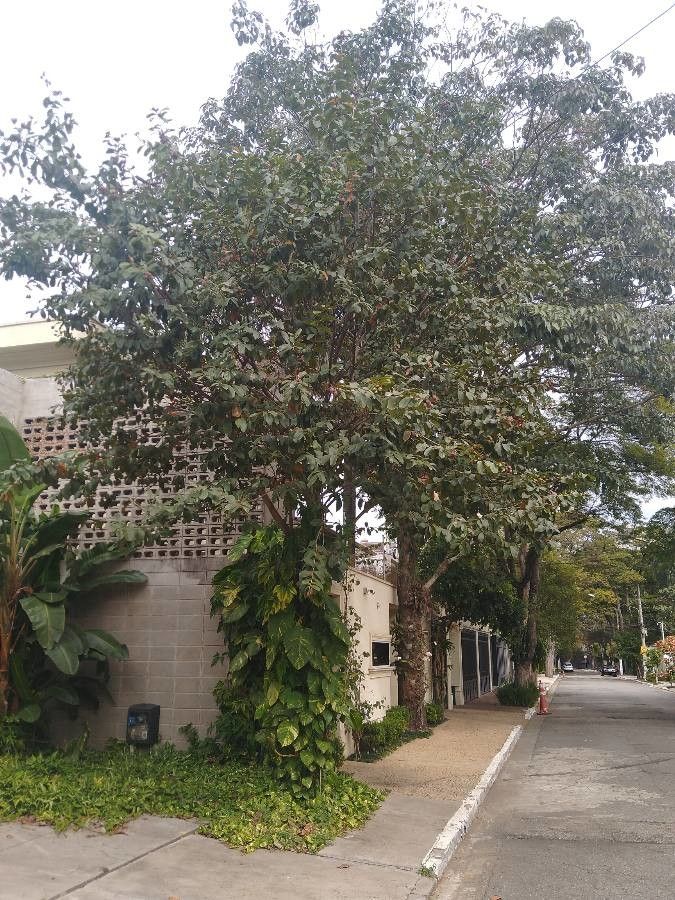
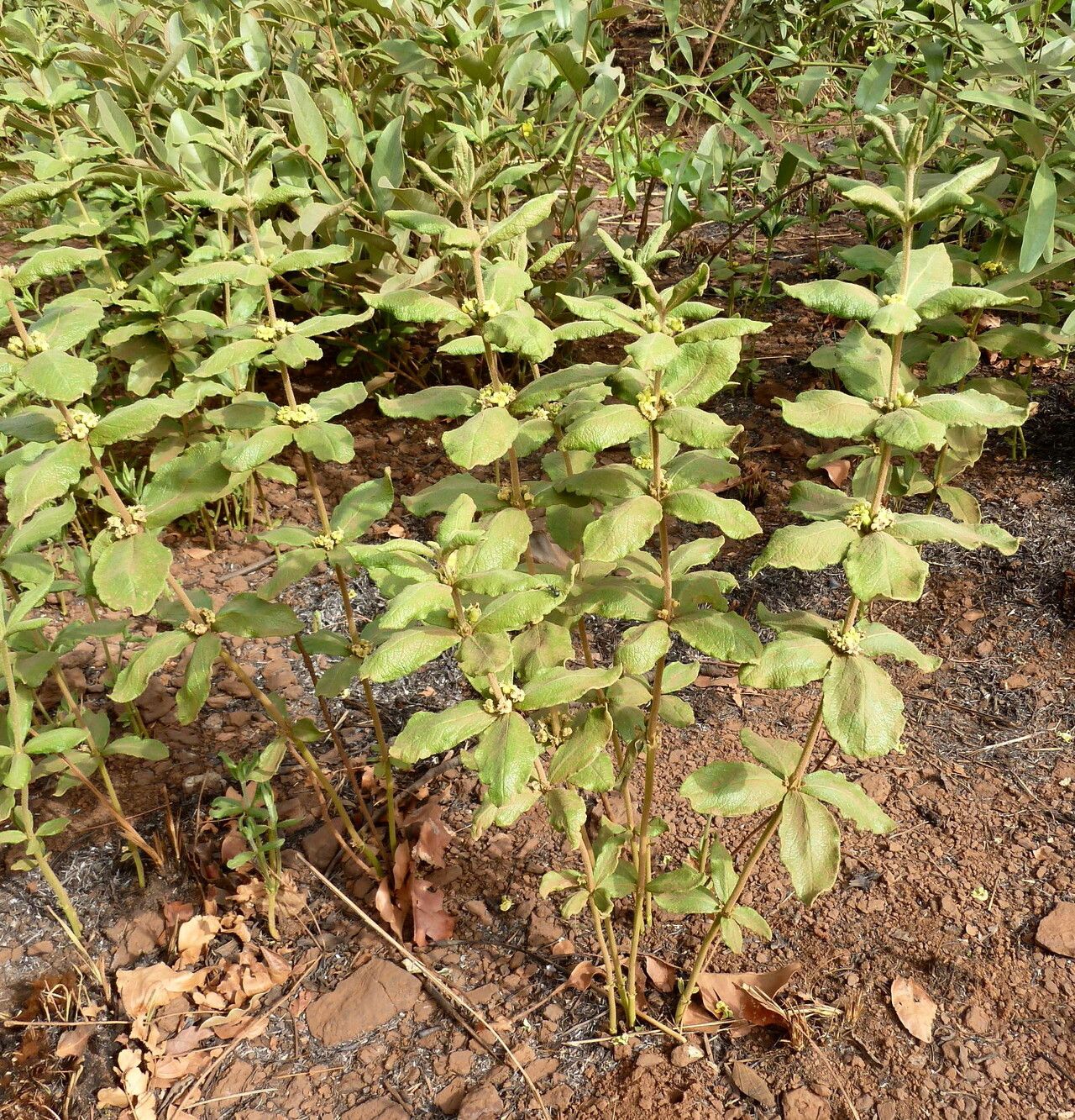
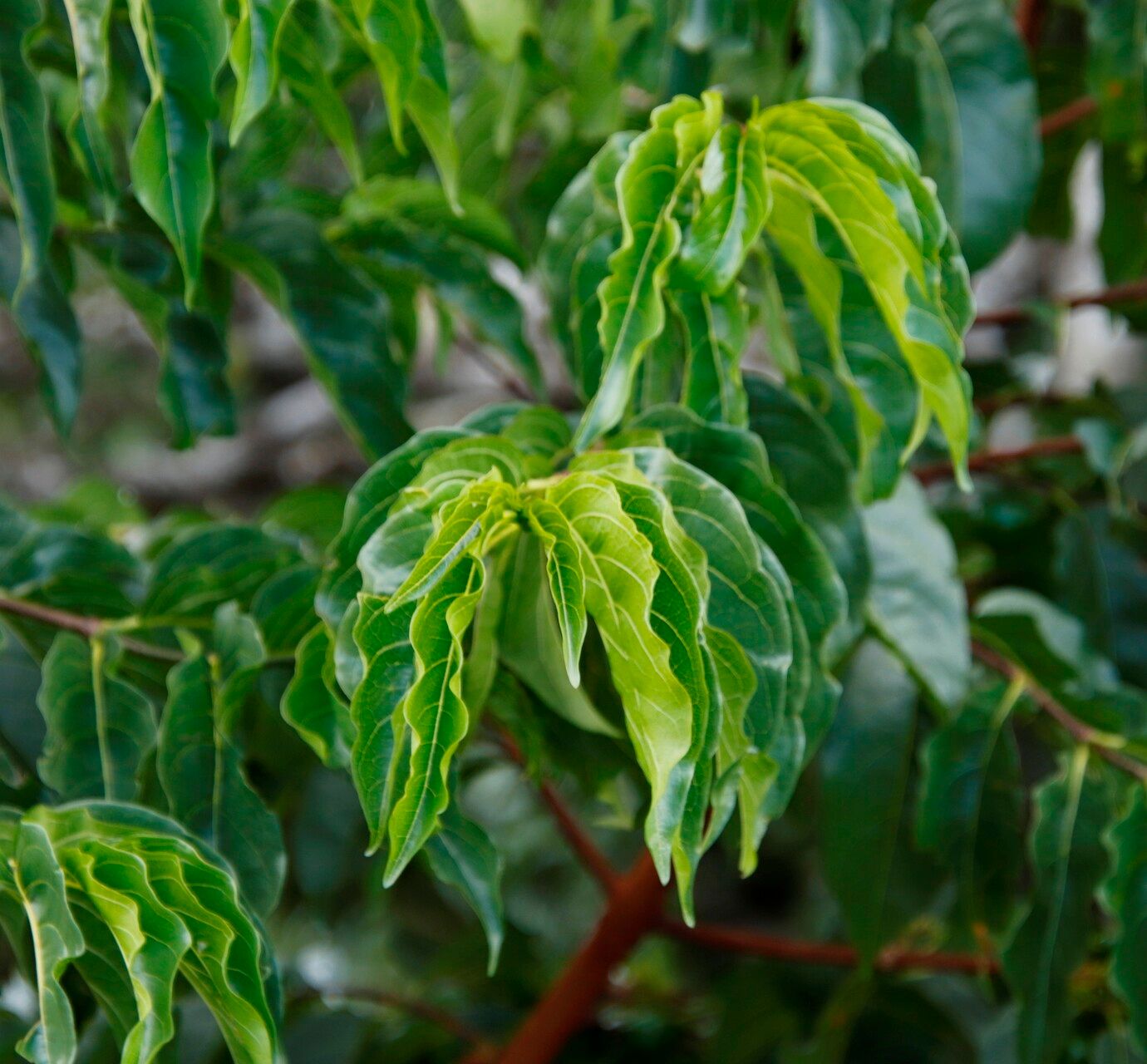
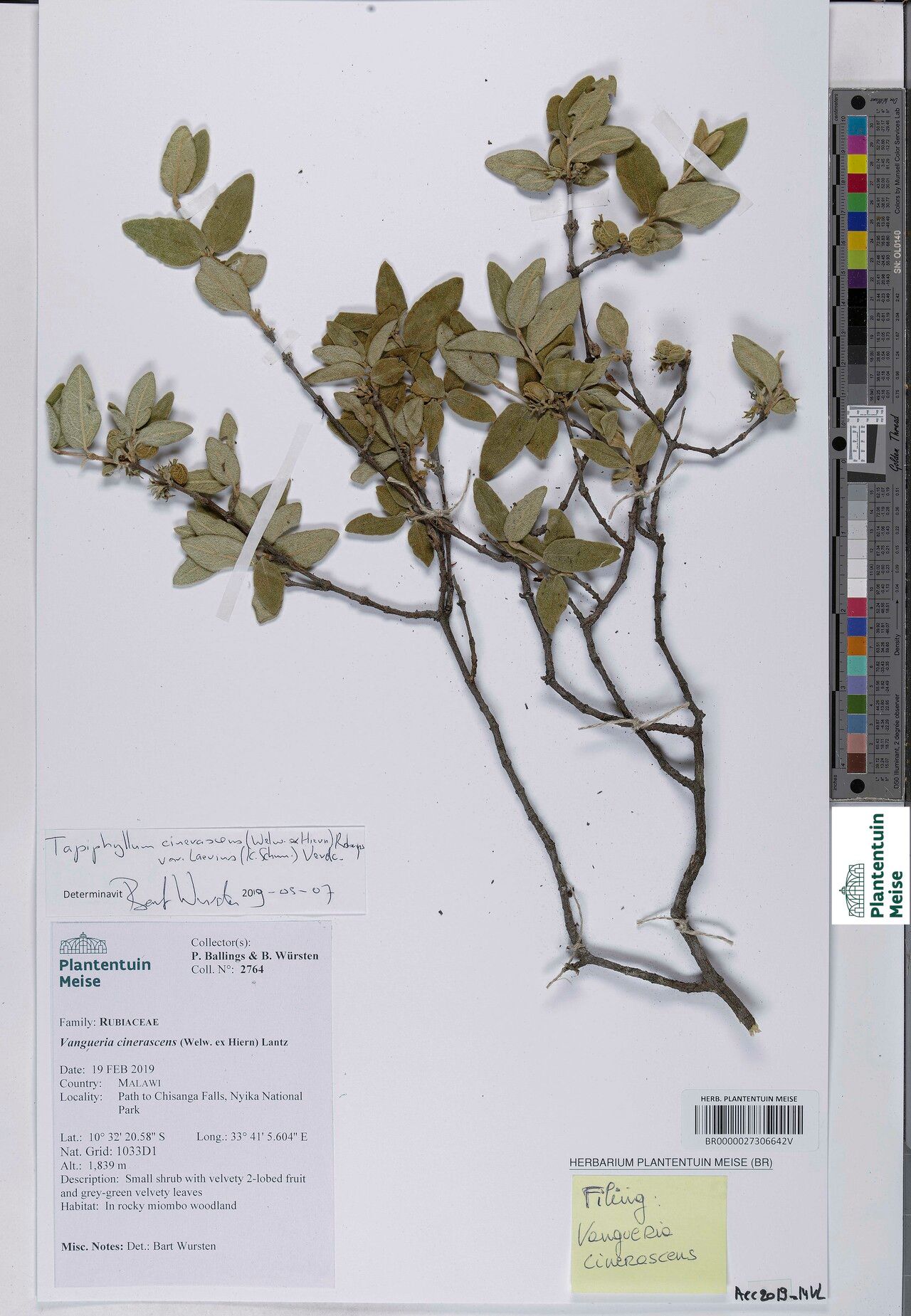
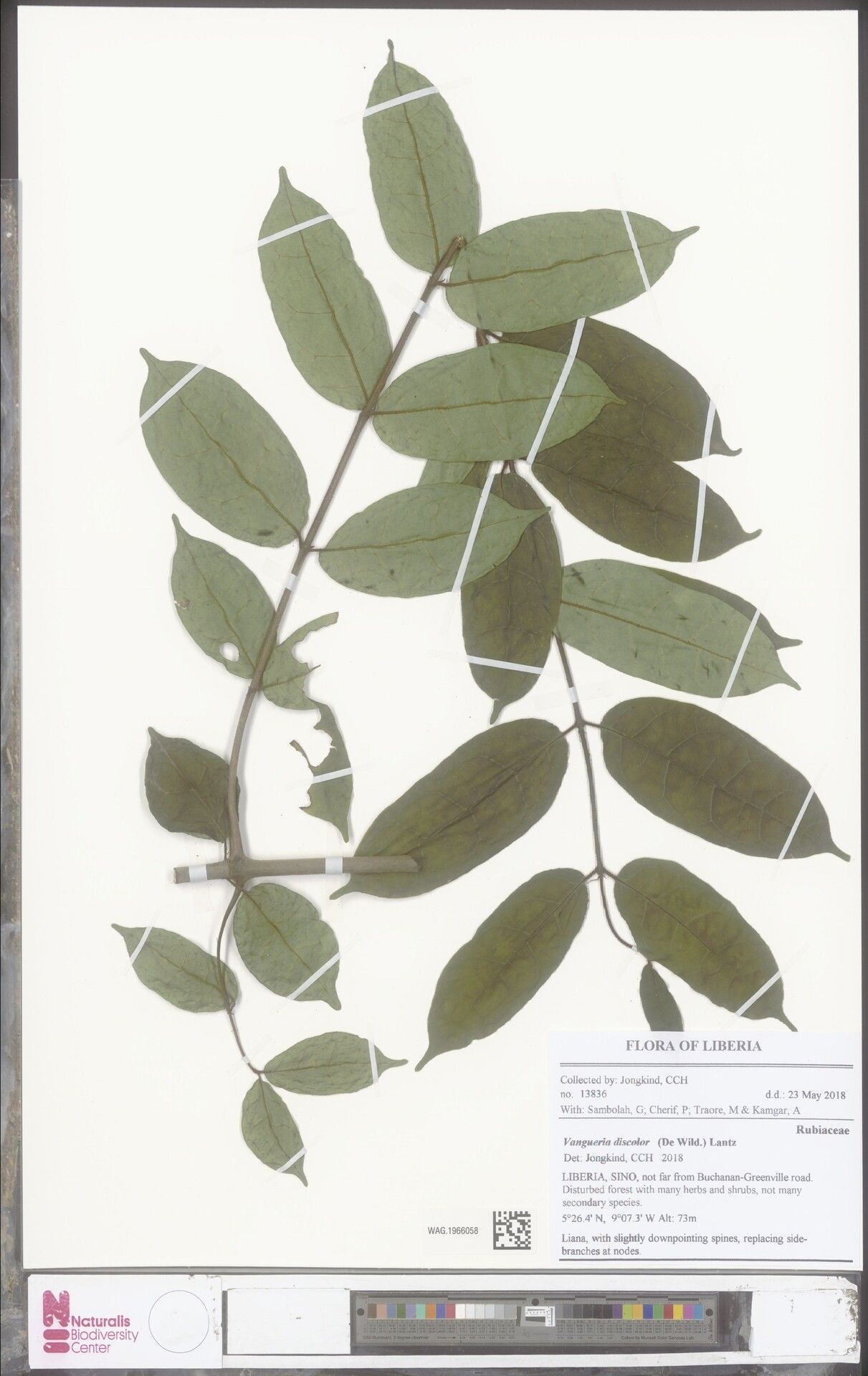
Vangueria infausta, the medlar or African medlar, is a species of plant in the family Rubiaceae, which is native to the southern and eastern Afrotropics. Some other names for V. infausta in Southern African languages include mmilo in Northern Sotho, muzwilu in Venḓa, umviyo in Southern Ndebele, mothwani in Tswana and umtulwa in Zulu.The fruits are consumed by humans and have a pleasant apple-like flavor. The specific name infausta alludes to a superstition that an evil spirit lives within the tree and the misfortune from its use as firewood which is said to 'unlock' the evil spirit from the wood. Many indigenous african names for V. infausta come from the Prot-Bantu mìdìdò (plural "fires").
The African medlar is disease-resistant and is usually not vulnerable to illnesses. For care, this plant is fairly low-maintenance. When grown outside it needs only light watering, and larger specimens typically do not require pruning. Smaller plants, however, should be trimmed after they flower. African medlart is appropriate for anyone who has an outdoor area, like a garden or a deck, and it does not demand much prior gardening experience.
How to keep Vangueria Infausta.
Light
Originating from bright, sunlit habitats, the African medlar is a tropical woody plant that flourishes in full sun but can also endure partial sunlight. It commonly occurs in open, well-lit locations with little shade.
Water
The African medlar is well-suited to arid conditions and only needs watering every 2-3 weeks because of its drought tolerance. This outdoor plant thrives in well-draining soil to prevent waterlogging, mirroring the moisture conditions of its natural habitat. Such soil supports its growth cycle during the occasional rains it experiences.
Temperature
African medlar originates from regions where temperatures range from 68 to 100 °F (20 to 38 ℃). It thrives in temperate climates and favors sunny, warm conditions. Keep track of seasonal temperatures to optimize growth, particularly in cooler areas.
Fertilizer
Use organic fertilizers (e.g., fish emulsion, compost) instead of chemical fertilizers for African medlar. Provide young plants with higher nitrogen and phosphorus during spring. Incorporate compost or fertilizer into the soil before or after planting. For mature plants, supplement in spring with a balanced fertilizer or one targeted to specific deficiencies. Nutrient deficiency causes small leaves, short branches, yellow or bronze foliage, acidic fruits, premature fruit drop, and splitting.
Pruning
To promote healthy growth and maintain the shape of your African medlar, it is important to prune it in early spring. Begin by removing any dead branches to improve air circulation. Next, prune any branches that cross each other to prevent structural weakness. Aim to maintain a balanced canopy, as this will make fruit harvesting easier. Always use sterilized tools during pruning to prevent the spread of disease.
Botanical profile.
- Plant Type
- Tree, Shrub
- Life Cycle
- Perennial
- Genus
- Vangueria
- Family
- Rubiaceae
- Hardiness Zone
- 10-12
- Mature Height
- 7.92 m
- Mature Spread
- 4.88 m
- Leaf Color
- Green, Blue
- Leaf Type
- Semi-evergreen
- Flower Color
- White
- Flower Size
- 0.51 cm
- Bloom Time
- Mid spring, Late spring
- Planting Time
- Spring, Summer
- Harvest Time
- Late summer, Early fall, Mid fall
Other names.
Reader questions.
What are the sunlight requirements for African medlar?
African medlar, a tropical woody plant native to sunny environments, requires full sun, defined as above 6 hours of sunlight daily, to thrive. However, it can also tolerate partial sun, meaning about 3-6 hours of sunlight. For optimal growth, monitor the sunlight throughout your garden to find spots that provide a balanced environment for the plants, keeping in mind their need for both light and shade.
What is the ideal temperature range for growing African medlar?
African medlar, also known by its botanical name Vangueria infausta, thrives in areas with a temperature range of 68 to 100 °F (20 to 38 °C). It is well-suited to temperate climates, preferring sunny, warm environments. To optimize growth, especially in regions experiencing colder weather, monitoring seasonal temperatures is important. Given its preference for heat, the African medlar can be sensitive to cold temperatures. During autumn, it's advisable to move the plant indoors if it has been grown outside, placing it near a bright window but away from direct heat sources to ensure a temperature above 20°C is maintained. Winter temperatures approaching 5°C can be harmful to the plant.
How can artificial lighting supplement natural sunlight for indoor African medlar plants?
When natural sunlight is insufficient, especially during winter or in less sunny spaces, artificial lighting is crucial for indoor African medlar plants. LED lights are recommended due to their ability to provide specific light wavelengths necessary for plant growth. Full sun plants should have 30-50W/sq ft, partial sun plants 20-30W/sq ft, and full shade plants 10-20W/sq ft of artificial light. The light source should be placed 12-36 inches above the plant, mimicking natural daylight for about 8-12 hours per day.
How should I care for African medlar in low temperatures?
African medlar is sensitive to low temperatures, flourishing best when the temperature remains above 20°C. During the winter months, it's crucial to keep the environment above 5°C to prevent cold damage. Exposure to temperatures below 1°C can cause the leaves to lighten in color, leading to browning or blackening after frost damage, accompanied by wilting and drooping. To mitigate frost damage, affected parts should be trimmed off, and the plant should be relocated indoors to a warm setting. Placing the plant near a south-facing window can ensure it receives ample sunlight without the risk of over-drying from proximity to heaters or air conditioning vents.
What are the symptoms of insufficient sunlight in African medlar?
Insufficient sunlight in African medlar can lead to noticeable symptoms including small leaves compared to previous ones, leggy or sparse growth, faster leaf drop, slower or no new growth, and lighter-colored new leaves. Conditions like chlorosis, where leaves turn yellow due to a breakdown of chlorophyll, sunscald from intense sunlight exposure, leaf curling as a defense mechanism against extreme sunlight, wilting due to increased water loss, and leaf scorching characterized by brown, dry edges on leaves can also occur.
What measures should be taken for African medlar during high temperatures?
In the summer, it's important to ensure the African medlar is not exposed to temperatures above 38°C, as exceeding 43°C can cause the leaves to lighten and increase susceptibility to sunburn. To address this, trim away any sunburned or dried-up parts and relocate the plant to a cooler spot, preferably one that offers shade during the intense midday and afternoon sun. Additionally, watering the plant in the morning and evening can help maintain soil moisture, providing relief from high temperatures.
What are the solutions to counter insufficient sunlight for African medlar?
To counter insufficient sunlight for African medlar, gradually move plants to a sunnier location to receive at least 6 hours of direct sunlight daily, keeping them by a south-facing window with open curtains for maximum exposure. If moving the plant isn't feasible, consider using artificial lighting like desk or ceiling lamps for at least 8 hours daily, or invest in professional plant grow lights. Outdoor plants should be moved gradually to prevent sunburn, and for ground plants, reducing obstructions like pruning tree branches or transplanting to a sunnier location may be necessary. Note that parts of the plant that suffered from light deficiency may not recover, but new growth will be healthy.