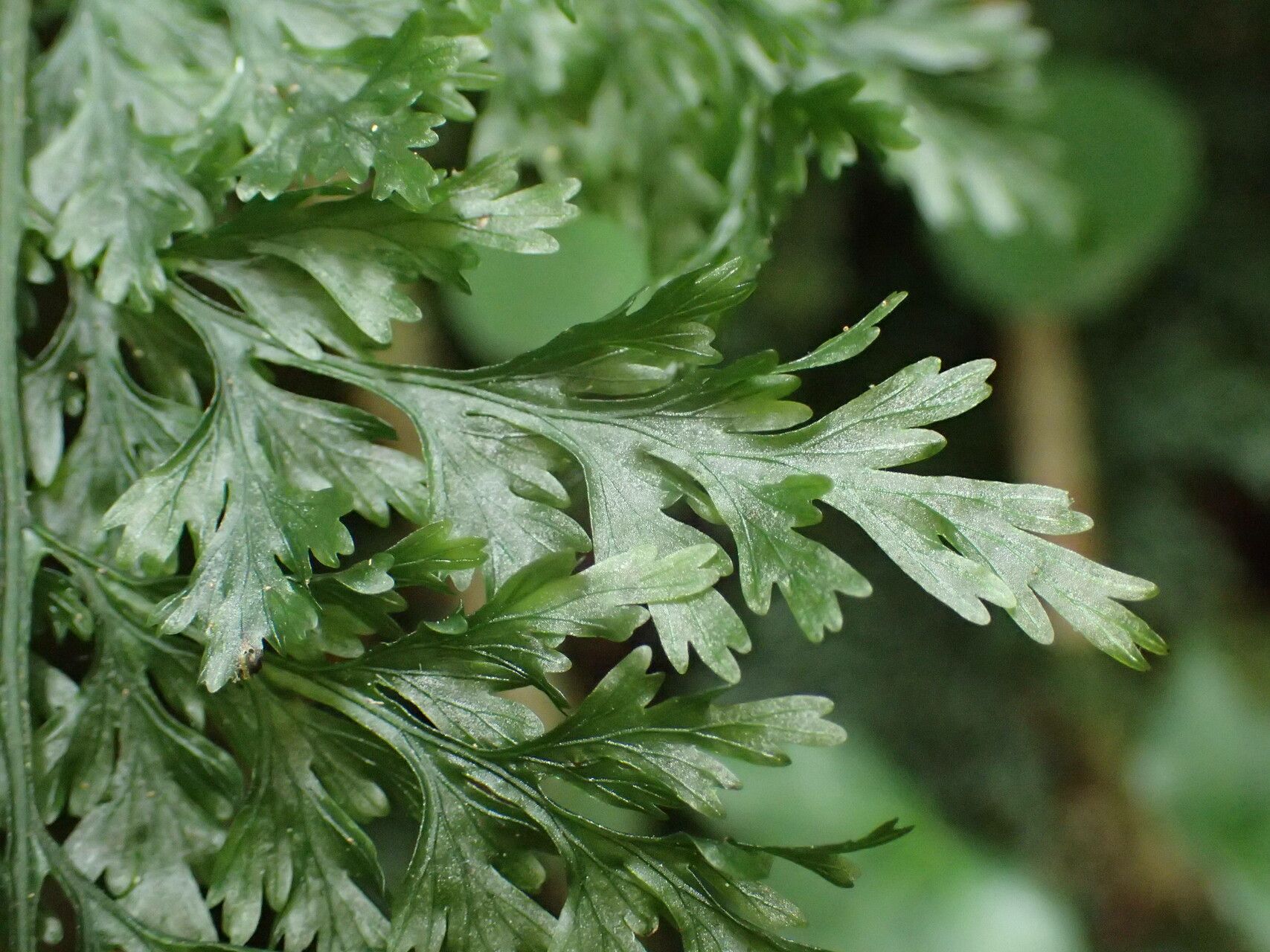
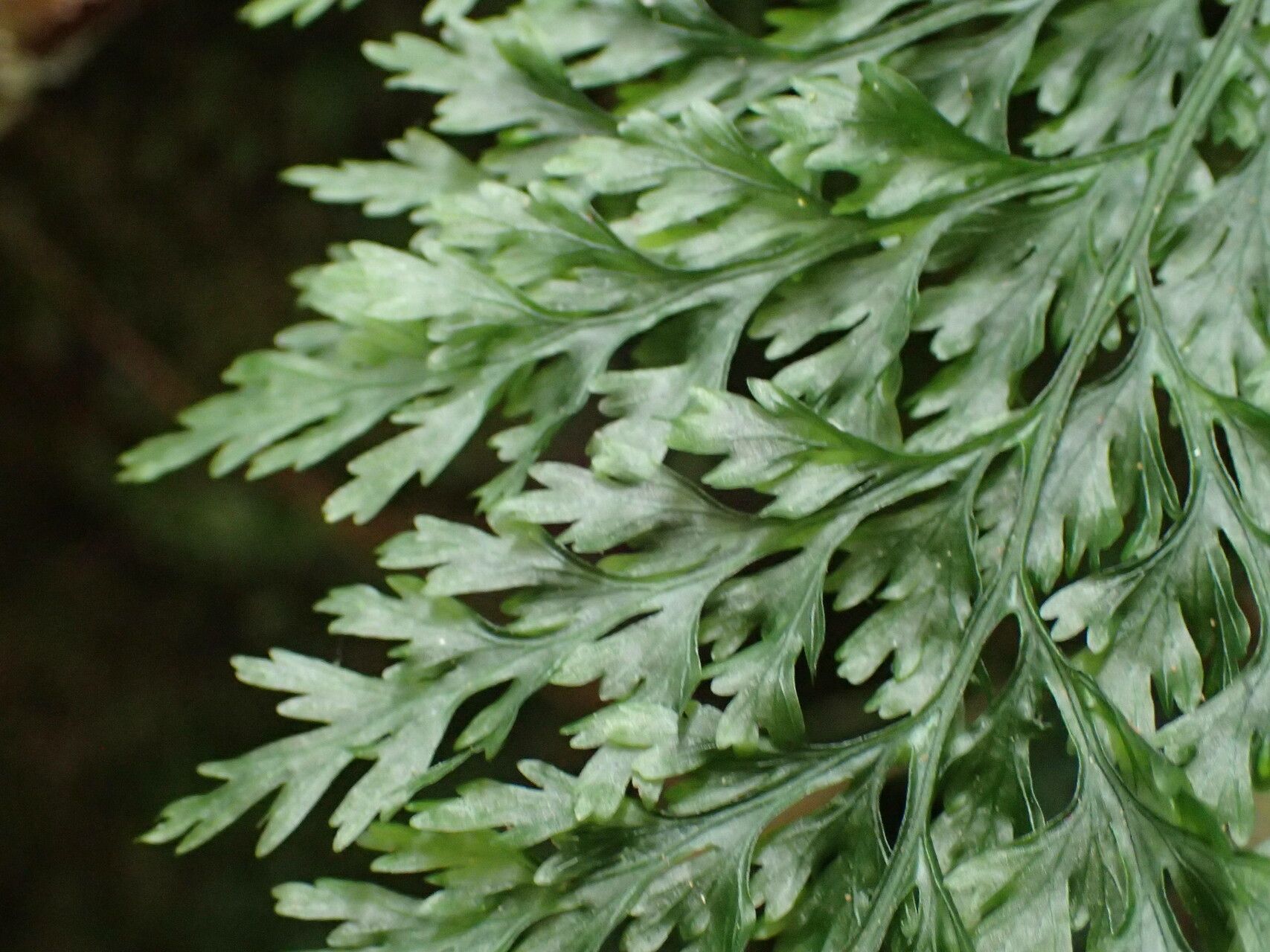
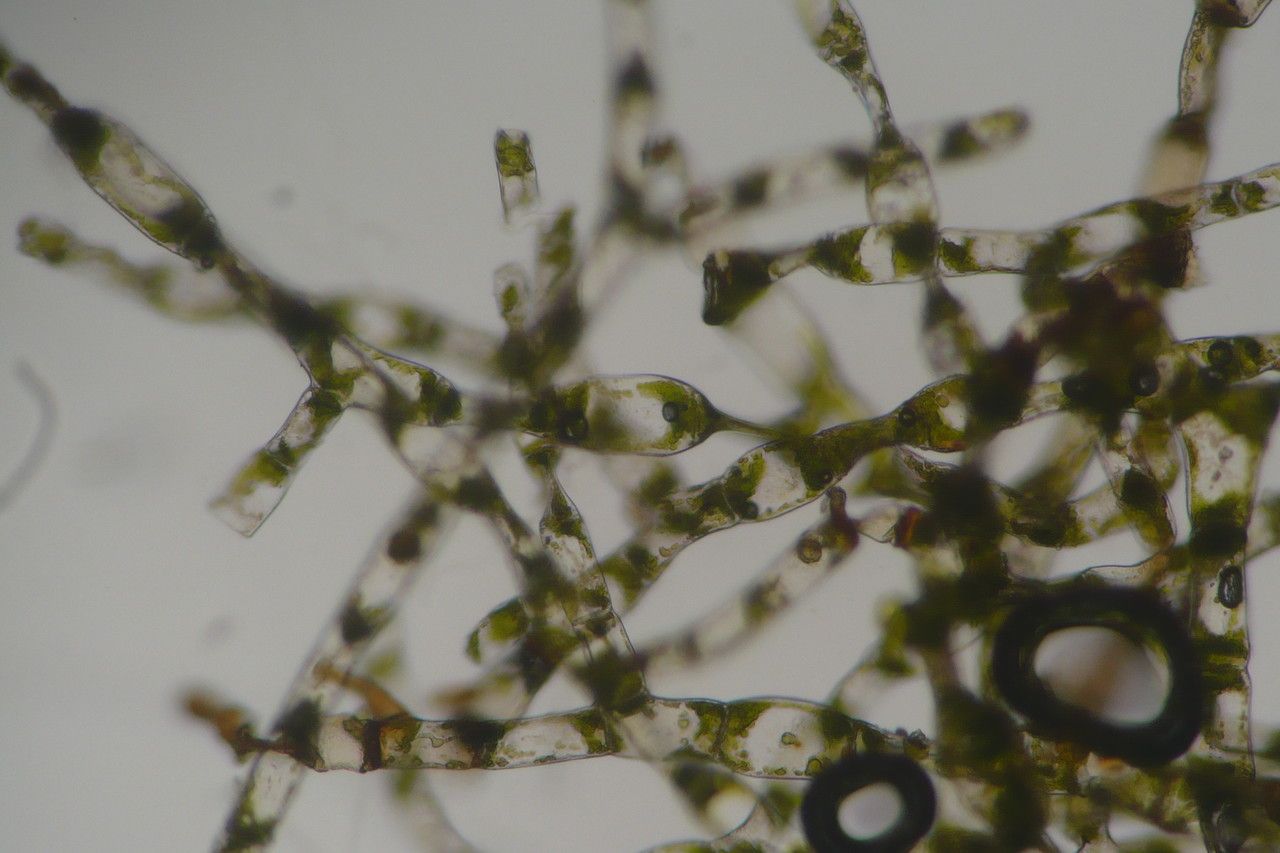
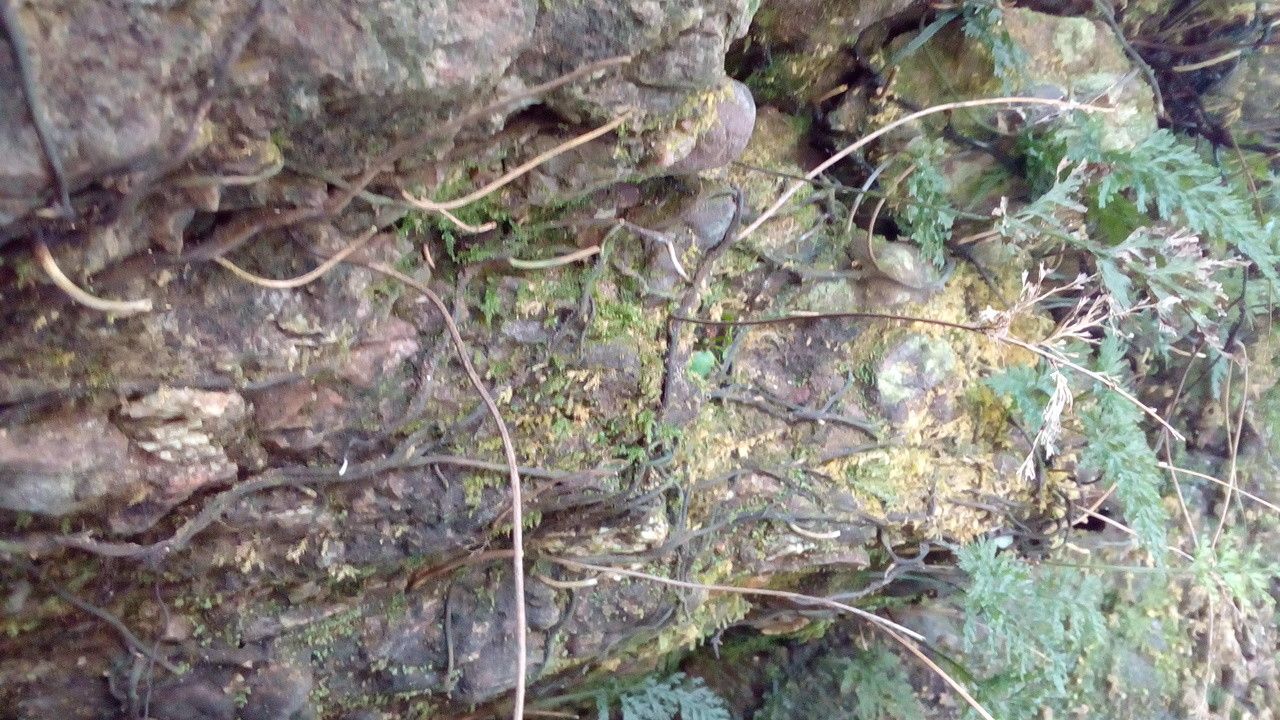
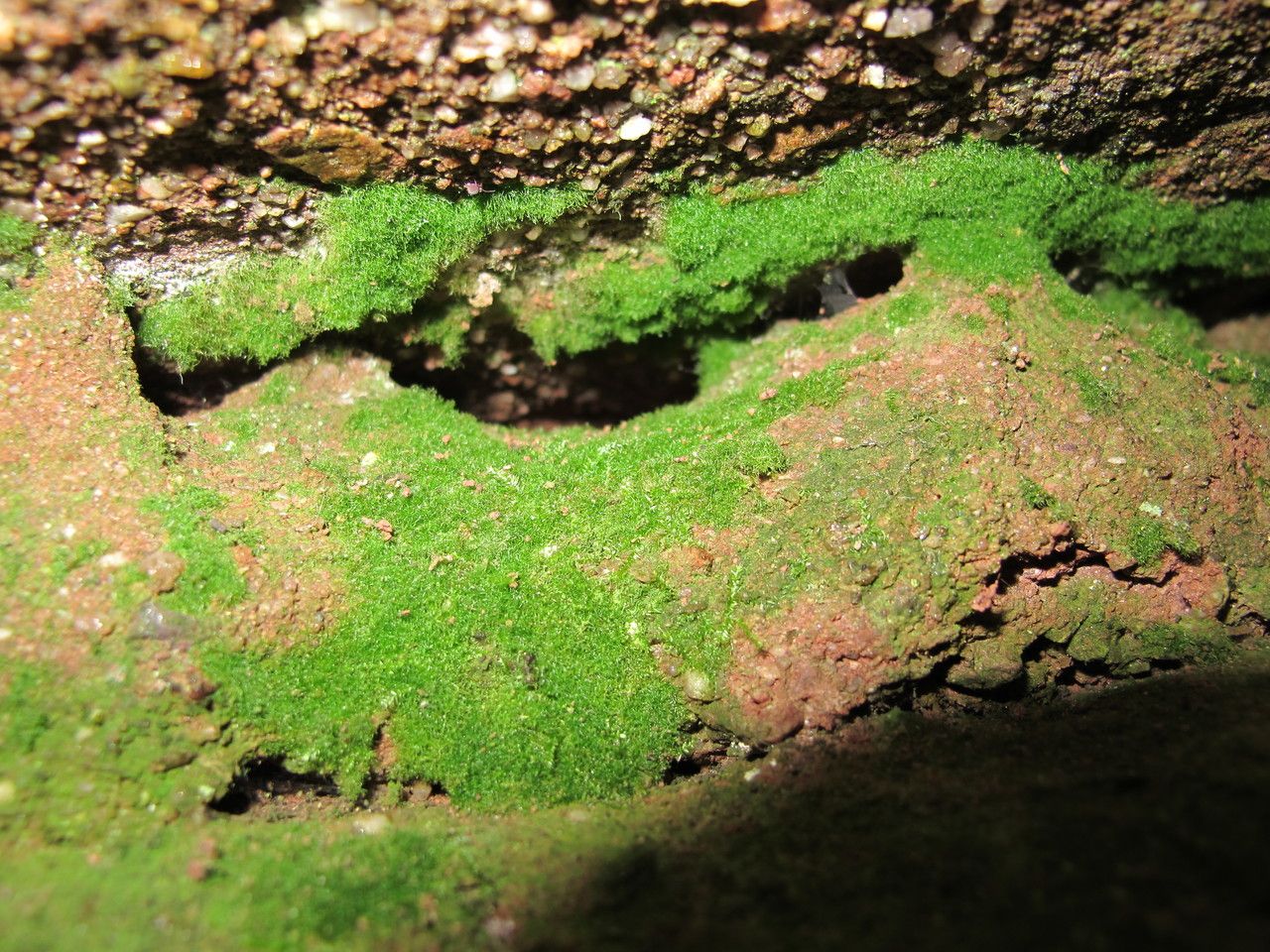
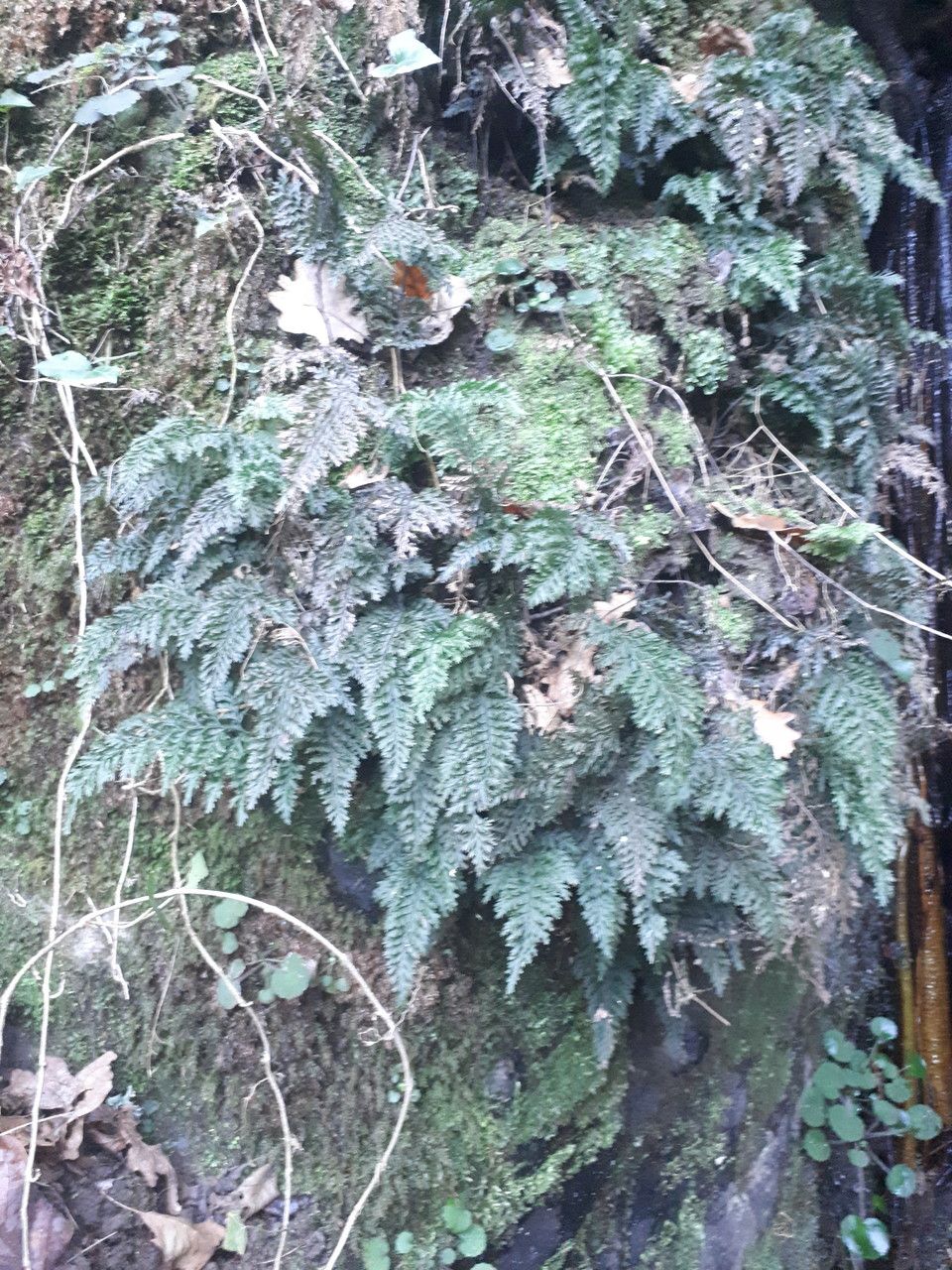
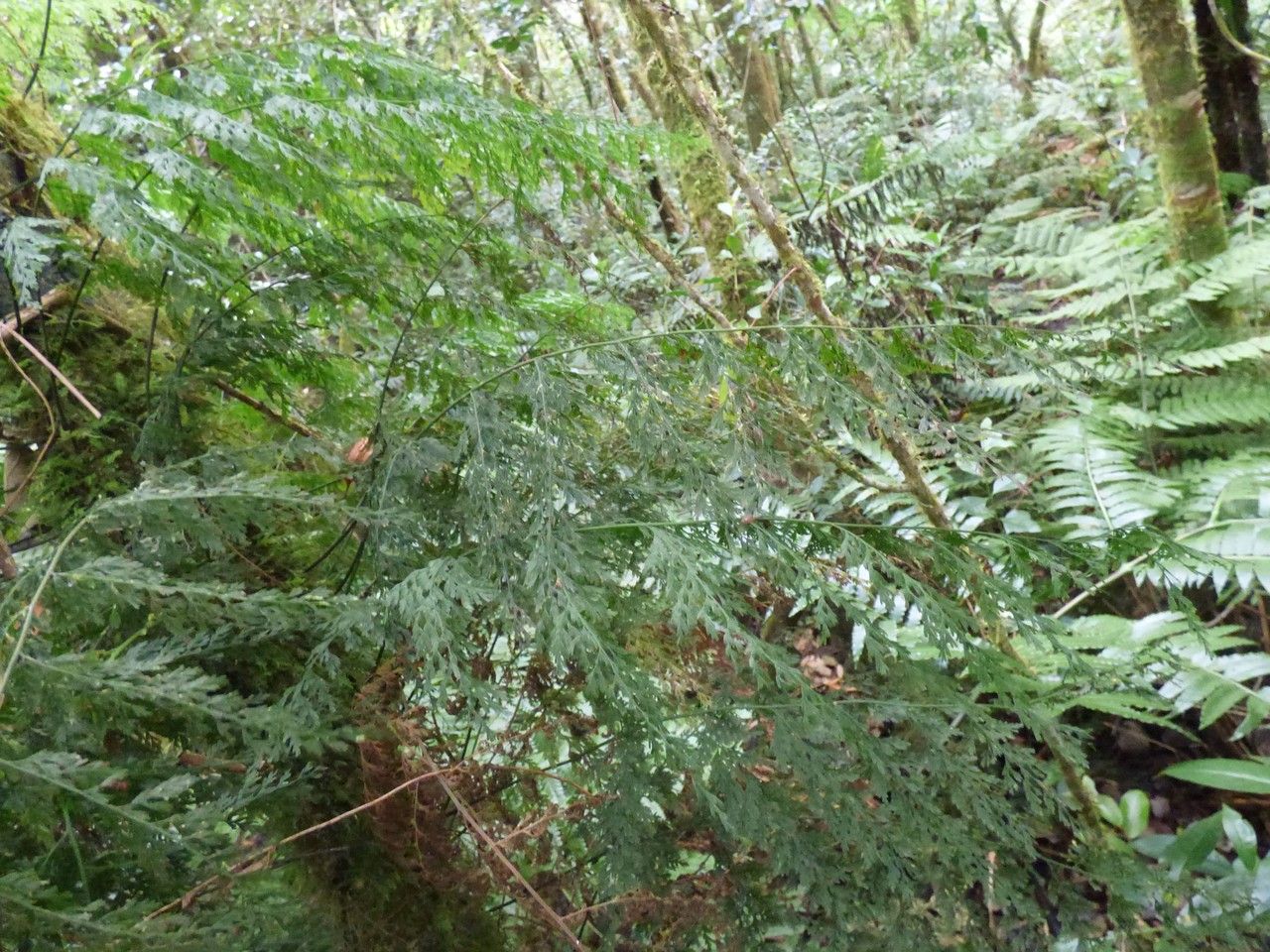
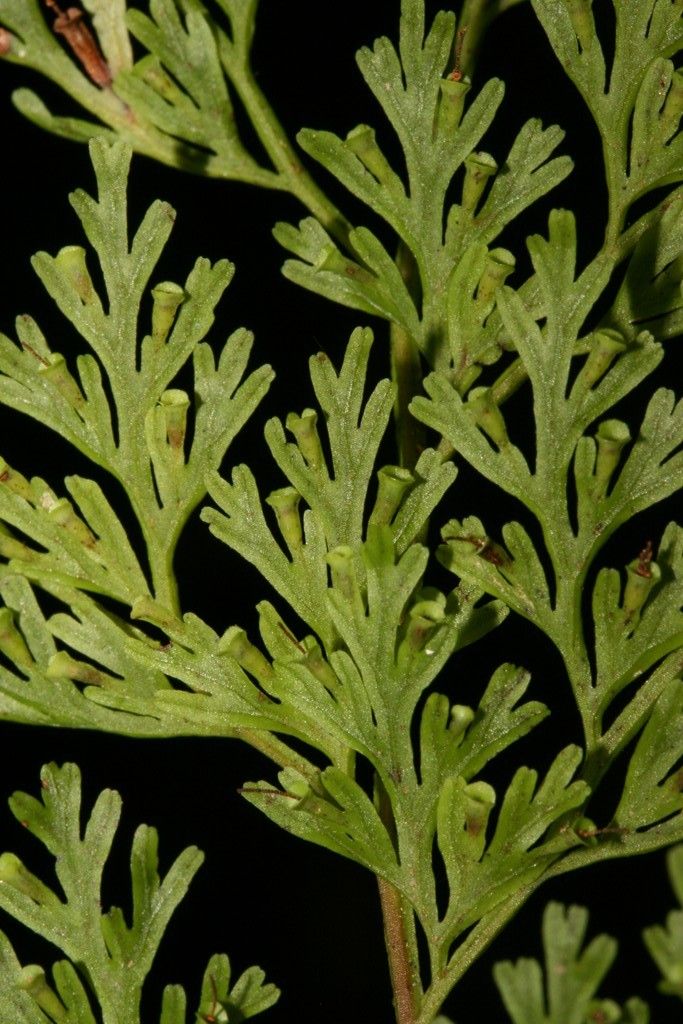
Vandenboschia speciosa, synonym Trichomanes speciosum, commonly known as the Killarney fern, is a species of fern found widely in Western Europe. It is most abundant in Ireland, the United Kingdom, Brittany, Galicia, Canary Islands, Madeira and the Azores, but is also found in other locations including France, Spain, Portugal and Italy. It is a relict endemic European species with a disjunct distribution, having had a much wider distribution before the climate changes of the Tertiary and Quaternary periods.This fern has an unusual life cycle, with a perennial gametophyte phase with an active vegetative reproduction. The gametophyte has the ability to tolerate darker and drier habitats than does the sporophyte. The sporophyte form is found in only 16 locations in the UK although the gametophyte form is more widespread. Once found on Arran, it was thought to be extinct in Scotland due to the activities of Victorian collectors, but the species has been discovered on Skye in its gametophyte form. In the UK it is classed as vulnerable and it is considered one of Europe's most threatened plants. It is found mostly near the western coasts of the United Kingdom and Ireland and at scattered locations inland.Killarney fern is a medium-sized, long-lived fern with delicate, highly divided, bipinnate fronds arising from a creeping rhizome. It is one of only three European species with translucent leaves and requires a humid, frost-free environment. In Britain, it is largely restricted to damp, shady, sheltered locations such as ravines, although in Ireland it occupies a wider range of habitats. In Brittany, it grows on the stonework of a number of ancient wells.It became a protected species in the UK in 1975 under the Conservation of Wild Creatures and Wild Plants Act.
Killarney fern is typically fairly resistant to disease and is affected by relatively few insect pests. Its care is considered difficult because it needs a moist environment and frequent watering. However, its roots are susceptible to rot if overwatered or if the surrounding air is not well ventilated. It is best for growers with some experience, as most people can keep it alive only for a limited time. Even so, the fern may struggle to thrive and its leaves can dry out and become less healthy over time.
How to keep Vandenboschia Speciosa.
Light
Killarney fern is native to habitats like forest understories or rocky areas that provide natural shade. It prefers Full Shade but can tolerate Partial Sun.
Water
The Killarney fern thrives in high humidity and consistently moist conditions, similar to its natural rainforest habitat. To keep its foliage lush, it is recommended to water the fern twice a week. Ideal indoor locations for this plant include well-lit areas such as bathrooms or kitchens, where the moisture levels are better maintained.
Temperature
Killarney fern does well in forest thickets. It is very sensitive to temperature and humidity; high temperatures, dry conditions, and strong sunlight can all stress the fern. In summer it needs appropriate shading and a highly humid environment. Generally it does not need special treatment in winter, but an extended winter drought can still kill the plant.
Pruning
The Killarney fern, known for its delicate fronds, requires minimal pruning. In early spring, trim away any dead fronds to encourage new growth and improve air circulation. Be sure to use sterilized tools to prevent the spread of disease, and avoid heavy pruning to preserve the plant's natural shape. With proper care, you can effectively manage its size and support the development of new fronds.
Botanical profile.
- Plant Type
- Fern
- Life Cycle
- Perennial
- Genus
- Vandenboschia
- Family
- Hymenophyllaceae
- Hardiness Zone
- 7-10
- Mature Height
- 10 cm to 30 cm
- Mature Spread
- 20 cm to 40 cm
- Leaf Color
- Dark Green
- Leaf Type
- Evergreen
- Planting Time
- Summer, Autumn
- Native Area
- Germany, Italy, Spain, Czech Republic, France, Ireland, United Kingdom, Portugal
Other names.