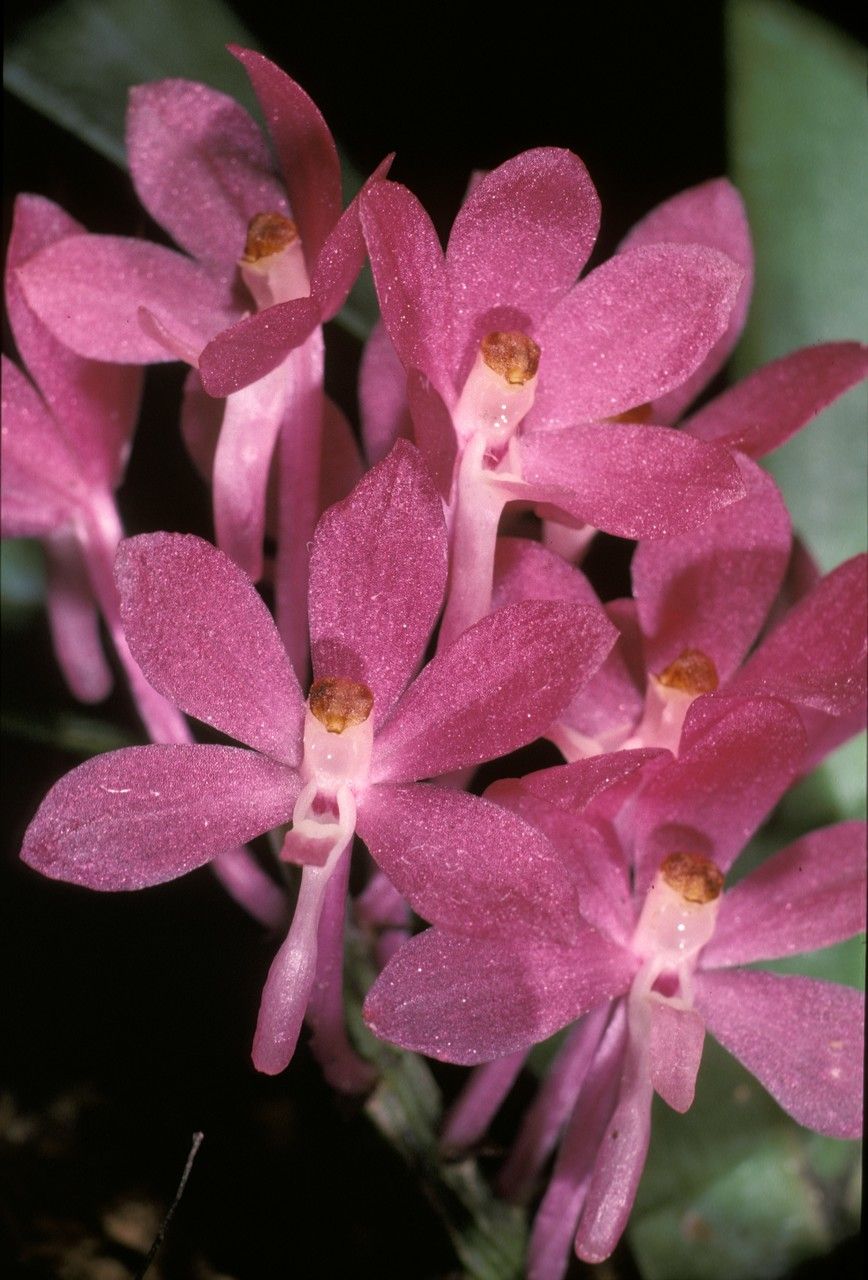
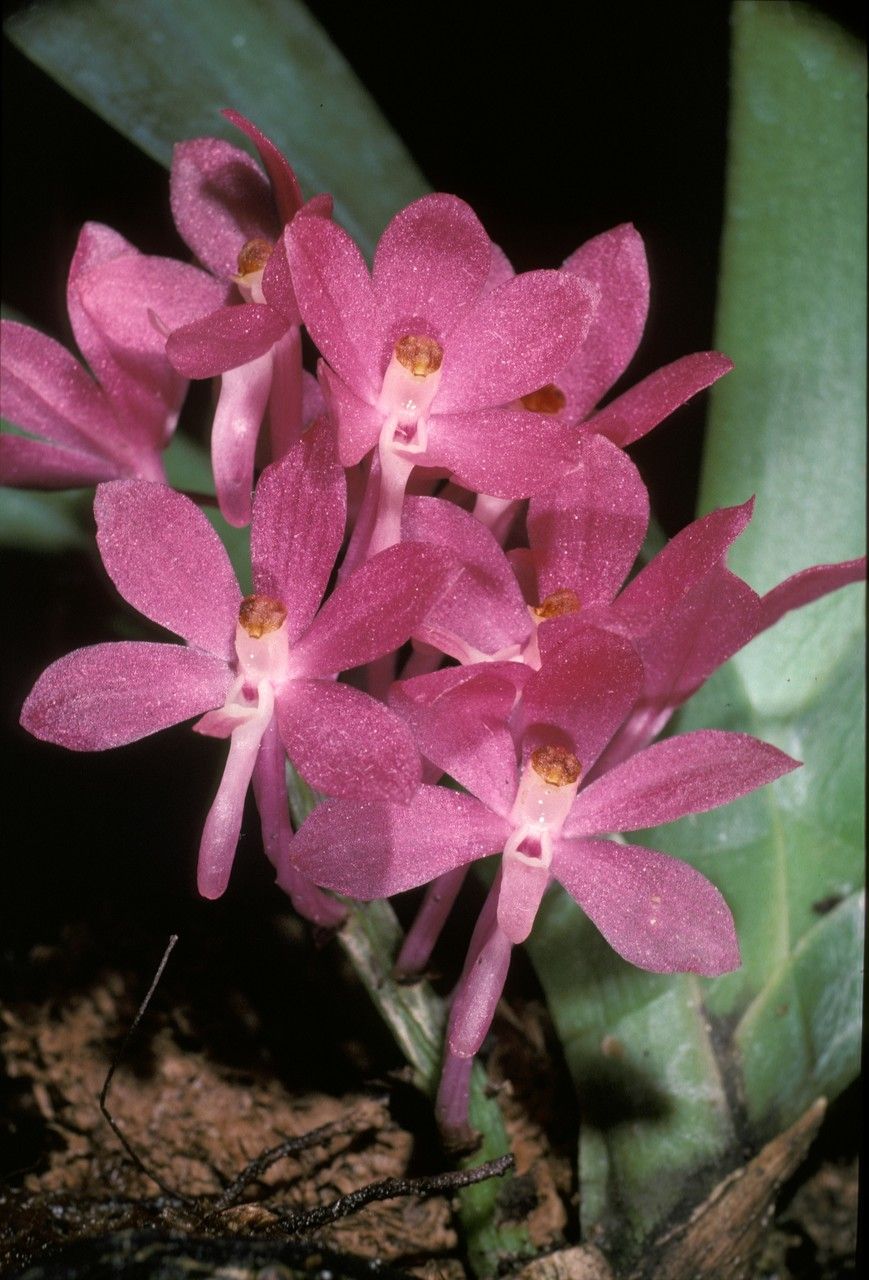
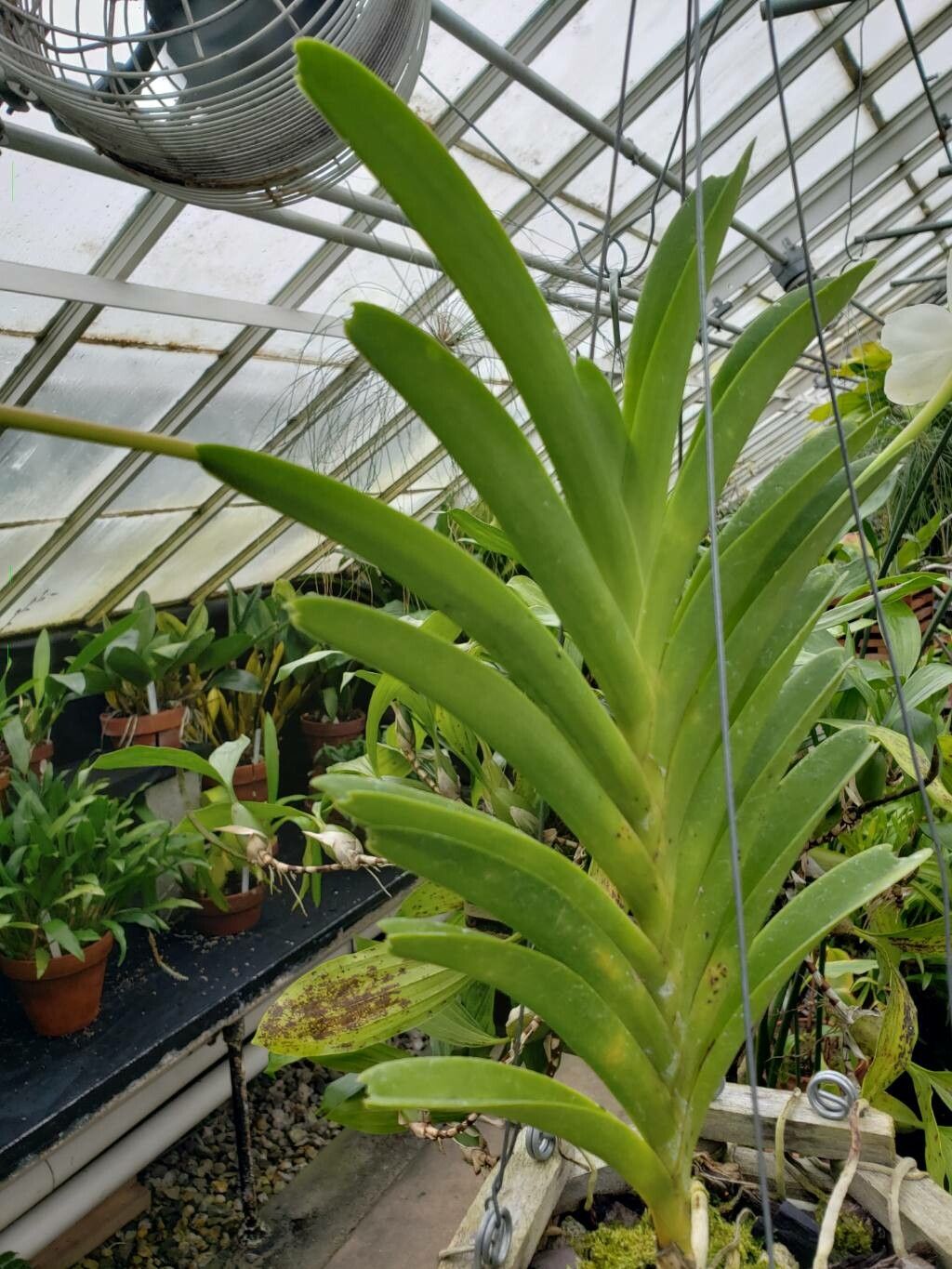
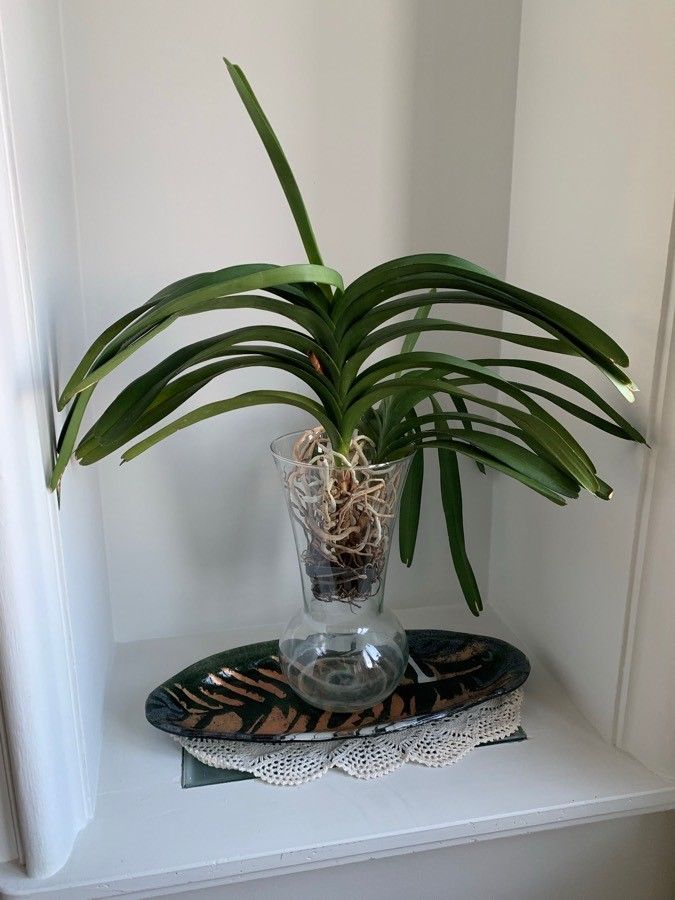
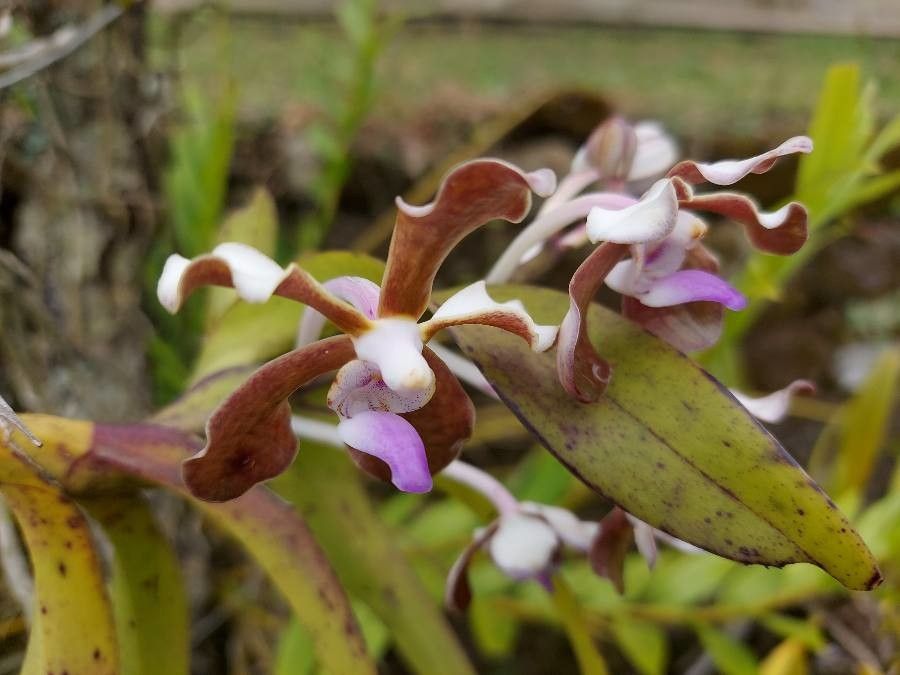
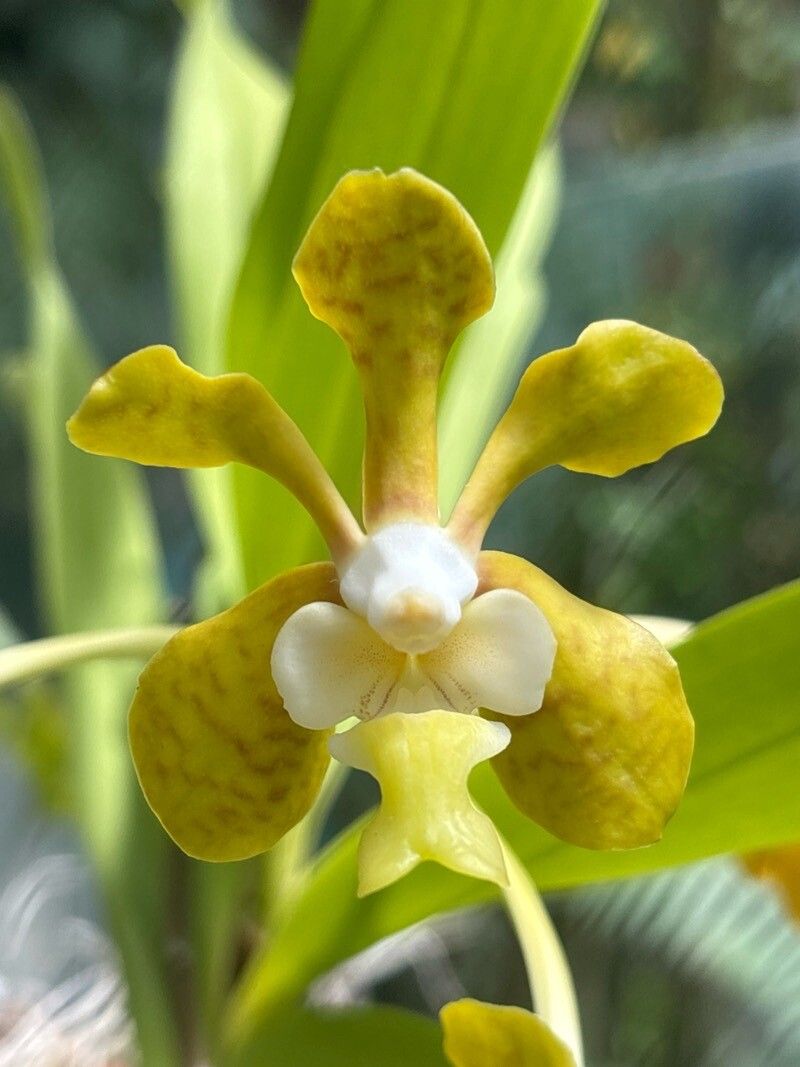
Vanda ampullacea is a perennial epiphytic orchid found in southeast Asia from Nepal to China and India, including the eastern Himalayas. It has had various classifications, initially called Aerides ampullacea by William Roxburgh when it was first described in 1814. It was most recently reclassified in 2012 during a taxonomic revision of Vanda. In 1868, one if its cultivars received a First Class Certificate from the Royal Horticultural Society.
The flask-shaped Vanda is generally resistant to disease and suffers from relatively few insect pests. Its care is regarded as difficult because it needs high humidity combined with good ventilation and an environment with few harmful pathogens. Overwatering can cause root rot. Although anyone can grow the flask-shaped Vanda, keeping it healthy and getting it to flower again requires more growing experience.
How to keep Vanda Ampullacea.
Light
The vanda that resembles a flask typically thrives in locations with moderate sunlight, a condition typical of its native growing habitats. Its growth displays a substantial tolerance for dim light conditions. Nonetheless, either too much sunlight or insufficient sunlight could possibly impede its proper growth.
Water
The flask-shaped Vanda thrives in high humidity and prefers consistent hydration, needing to be watered twice a week. Typically grown indoors, it requires controlled conditions to prevent root rot from over-watering. This reflects its adaptation to the moist environments of its tropical rainforest origins.
Temperature
Vanda with a flask-like shape comes from habitats where the usual temperature range is from 67.6 to 100.4 °F (20 to 38 ℃). These average heat conditions are where it flourishes. During the cold seasons, arrange a warm indoor environment that resembles its original habitat.
Fertilizer
Proper fertilization is essential for the health and appearance of the Flask-shaped vanda. Fertilize the Flask-shaped vanda every month during the summer. Nutrients support growth and maintain the plant's structures. Fertilization improves the Flask-shaped vanda's floral display, helping to ensure the best blooms.
Pruning
The flask-shaped Vanda orchid, characterized by its unique growth pattern, requires minimal pruning, mostly to remove dead leaves. It's best to prune during the late winter to early spring using sterilized tools to prevent the spread of diseases. Regularly inspect the plant for pests, as pruning enhances air circulation and promotes healthier growth and more vibrant blooms.
Pot & Repot
When it comes to repotting Flask-shaped vanda, opt for a marginally bigger pot that has excellent drainage, ideally a transparent orchid pot. Utilize a highly draining orchid-specific mixture comprising of bark or moss. Carefully clean the roots and clip off any that are deceased or decomposing. Repotting should be done post bloom, typically in the spring or autumn season, water generously, and position in bright, diffused sunlight. Refrain from unsettling the roots once the repotting is done.
Botanical profile.
- Plant Type
- Herb
- Life Cycle
- Perennial
- Genus
- Vanda
- Family
- Orchidaceae
- Hardiness Zone
- 11
- Mature Height
- 1.22 m
- Mature Spread
- 15 cm
- Leaf Color
- Forest Green
- Leaf Type
- Evergreen
- Flower Color
- Yellow, White
- Flower Size
- 2.54 cm to 5.08 cm
- Bloom Time
- All year round
- Planting Time
- Spring, Summer
- Harvest Time
- All year round
- Native Area
- Nepal, India, Myanmar, Bhutan, Bangladesh, Laos, Thailand, China