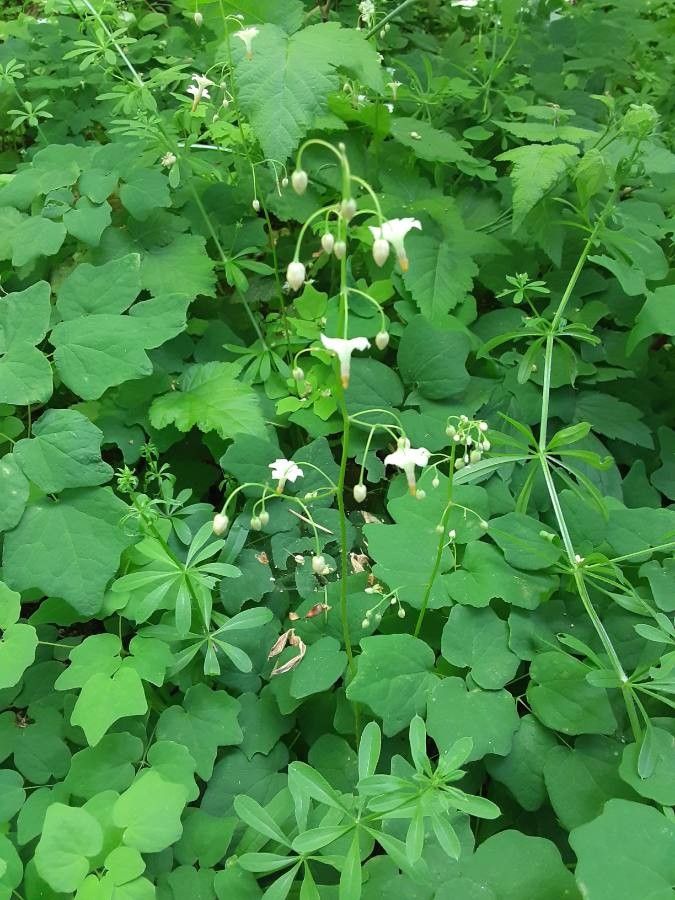
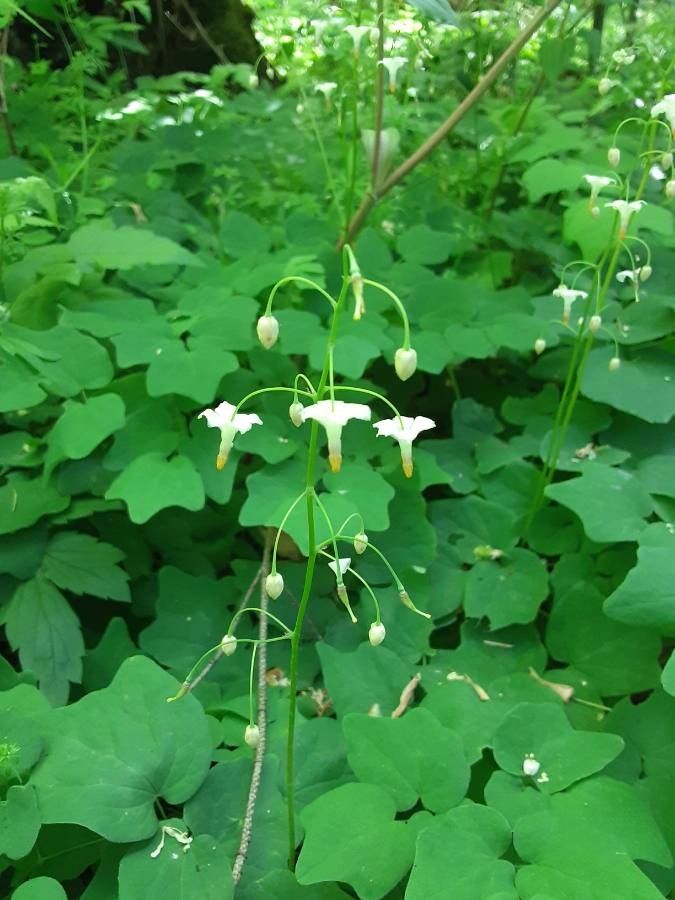
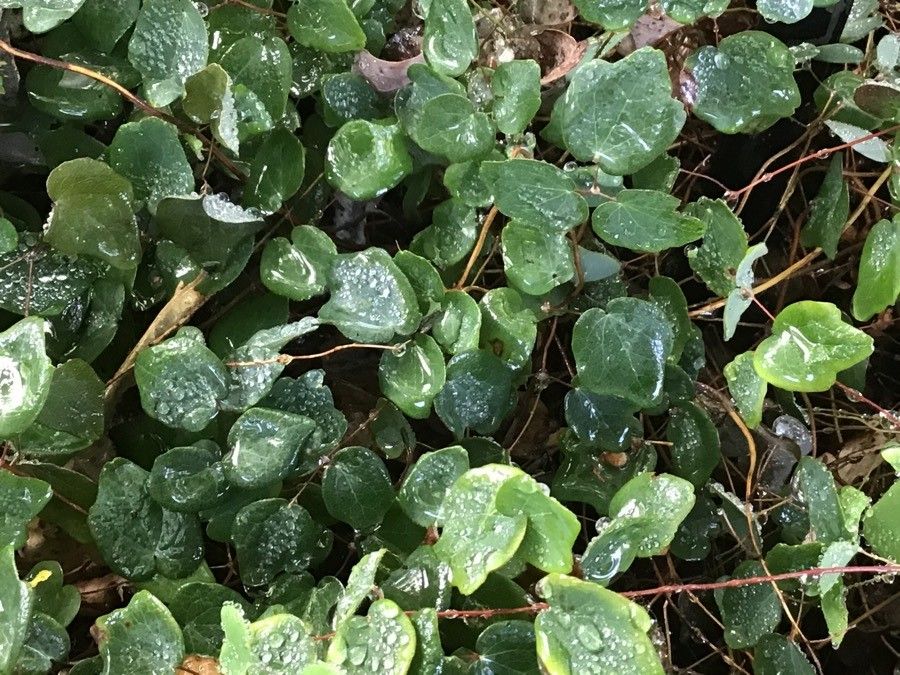
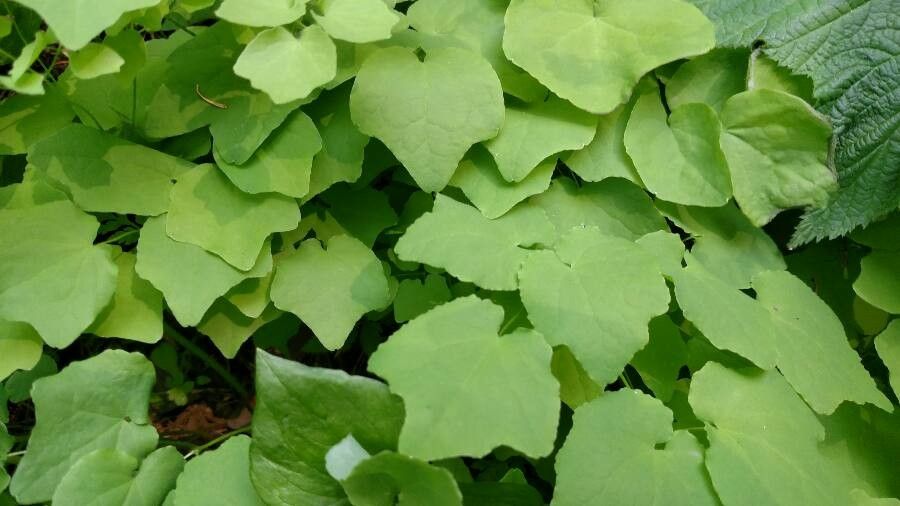
Vancouveria planipetala is a species of flowering plant in the barberry family known by the common names redwood inside-out flower and redwood ivy.
The Redwood insideout flower is fairly disease-resistant and generally not susceptible to illnesses. However, it can be affected by pests and diseases present in its environment. These problems are typically mild. For care, this plant needs moderate maintenance. It should be pruned regularly to maintain a pleasing appearance and support healthy growth. Fertilizing can also encourage flowering. The Redwood insideout flower is suitable for anyone with outdoor space, such as a garden or patio, and does not demand extensive care experience. It may require more attention when cultivated indoors.
How to keep Vancouveria Planipetala.
Light
The redwood insideout flower tolerates sites that receive dappled sunlight for part of the day and does well in a woodland understory environment. Its growth is not greatly affected even in poorly lit areas. However, insufficient light can cause poorly developed flowers, while excessively strong light can put the plant under stress.
Water
The Redwood Inside-Out Flower prospers in the gentle, dappled moisture of its woodland habitat. It prefers consistent moisture, with weekly watering needed to maintain its foliage. The plant's water uptake is significantly influenced by the retention of leaf litter, which is crucial during both rainy and dry periods.
Temperature
Redwood insideout flower is native to areas with moderate climates and prospers at temperatures between 50 and 95 °F (10 to 35 °C). The plant may need temperature control during extreme seasons to achieve optimum growth.
Fertilizer
The best time to fertilize a Redwood insideout flower is in early spring, when it is coming out of dormancy and beginning active growth. Fertilization supplies essential nutrients needed for healthy development. Although the Redwood insideout flower has relatively low fertilizer requirements, annual fertilization can improve its survival and encourage better, longer-lasting flowers.
Pruning
The Redwood inside-out flower is a perennial plant characterized by its fern-like foliage and nodding white blossoms. For optimal growth and improved air circulation, prune the plant in late winter or early spring. Regular maintenance ensures healthy blooming and maintains the plant's aesthetic appeal. Always use clean, sharp tools to prevent any damage to the plant.
Pot & Repot
When repotting Redwood insideout flower, select a pot 1-2 inches (2.5–5.1 cm) larger with good drainage. Use a well-draining potting mix. Repot in spring or fall, making sure the root ball sits slightly lower than the rim of the flower pot. Water thoroughly after repotting and keep it in a warm spot with indirect sunlight.
Botanical profile.
- Plant Type
- Herb
- Life Cycle
- Perennial
- Genus
- Vancouveria
- Family
- Berberidaceae
- Hardiness Zone
- 6-10
- Mature Height
- 20 cm
- Mature Spread
- 61 cm
- Leaf Color
- Green, Bronze
- Leaf Type
- Evergreen
- Flower Color
- White
- Flower Size
- 1.02 cm to 1.52 cm
- Bloom Time
- Mid spring, Late spring
- Planting Time
- Spring
- Harvest Time
- Early summer, Mid summer
Other names.
Reader questions.
What are the sunlight requirements for Redwood Insideout Flower?
The Redwood Insideout Flower requires partial sun, about 3-6 hours of sunlight, to thrive. However, it can also grow in full shade, which is defined as receiving less than 3 hours of sunlight. Observing the movement of sunlight through your garden is crucial for choosing the best spots that provide a balance of light and shade, ensuring your plants' well-being.
What is the native environment of the Redwood insideout flower?
The Redwood insideout flower, botanically known as Vancouveria planipetala, thrives in environments that feature moderate weather conditions. It is best suited to temperatures ranging from 50 to 95 °F (10 to 35 °C). This plant's preference for moderate climates makes its growth optimal within these temperature bounds. Despite its strong cold resistance, ensuring appropriate temperature regulation during extreme weather conditions is key to its optimum growth.
How does the Redwood Insideout Flower adapt to different lighting conditions?
The Redwood Insideout Flower is adaptable and can thrive in areas with dappled sunlight, characteristic of woodland understory environments. It can grow even in poorly lit areas, but inadequate light may result in poorly developed flowers. On the other hand, too much strong light could stress the plant. When natural sunlight is insufficient, especially during winter or in less sunny spaces, artificial lighting can be a vital solution for indoor plants, promoting faster, healthier growth. LED lights are recommended because they can be customized to provide specific wavelengths of light needed by the plants.
How does the Redwood insideout flower cope with cold temperatures?
The Redwood insideout flower is notably cold-resistant and doesn't typically require special frost protection measures in winter. However, in areas where temperatures are expected to plummet below -25°C, it's crucial to safeguard the plant against the cold. Protection can be provided by covering the plant with insulating materials such as soil or straw. Additionally, watering the plant abundantly before the first freeze in autumn helps ensure the soil stays moist and enters a frozen state solidly, thereby preventing drought and water scarcity during the colder months and into early spring.
What symptoms indicate insufficient light for Redwood Insideout Flower?
Symptoms of light deficiency in Redwood Insideout Flower include smaller new leaves, leggy or sparse growth, faster leaf drop, slower or stopped growth, paler new leaves, chlorosis, sunscald, leaf curling, wilting, and leaf scorching. These indicate various stresses due to insufficient light, including a lack of chlorophyll, excessive sunlight exposure, and dehydration.
What are the signs and solutions for Redwood insideout flower exposed to low temperatures?
The Redwood insideout flower maintains its cold-tolerance well, requiring temperatures to stay above 10°C for optimal health. During winter, temperatures should not drop below -15°C, but if they do fall beneath -25°C, the plant may not show immediate distress, yet come spring, a noticeable decrease in sprouting, or in some cases no sprouting, might occur. To mitigate this, any parts of the plant that fail to sprout in the spring should be removed to encourage new growth.
What are effective solutions for Redwood Insideout Flower suffering from insufficient sunlight?
To address insufficient sunlight for Redwood Insideout Flower indoors, relocate the plant to sunnier spots each week until it receives 3-6 hours of direct sunlight daily, enabling gradual adaptation. Consider using artificial light for large or immovable plants, keeping a light source on for at least 8 hours daily. Outdoors, progressively move plants to better sunlit locations, avoiding abrupt changes in light intensity to prevent sunburn. Minimize obstructions to sunlight, such as pruning trees, and consider transplanting smaller plants during their dormant period to spots with more sunlight and good drainage. Note that parts of the plant affected by insufficient light may not recover, but new growth will be healthy once light conditions improve.
What are the signs and solutions for Redwood insideout flower exposed to high temperatures?
During the summer, it's crucial for the health of the Redwood insideout flower to ensure temperatures do not exceed 35°C. Exceeding 41°C may cause the leaves to lighten in color, curl, become susceptible to sunburn, and the plant may wilt and dry up in severe cases. To address this, sunburned and dried parts should be trimmed away. Relocating the plant to a shaded area or employing a shade cloth to protect it from the midday and afternoon sun is recommended. Additionally, watering the plant in the morning and evening will help maintain soil moisture and prevent further stress.