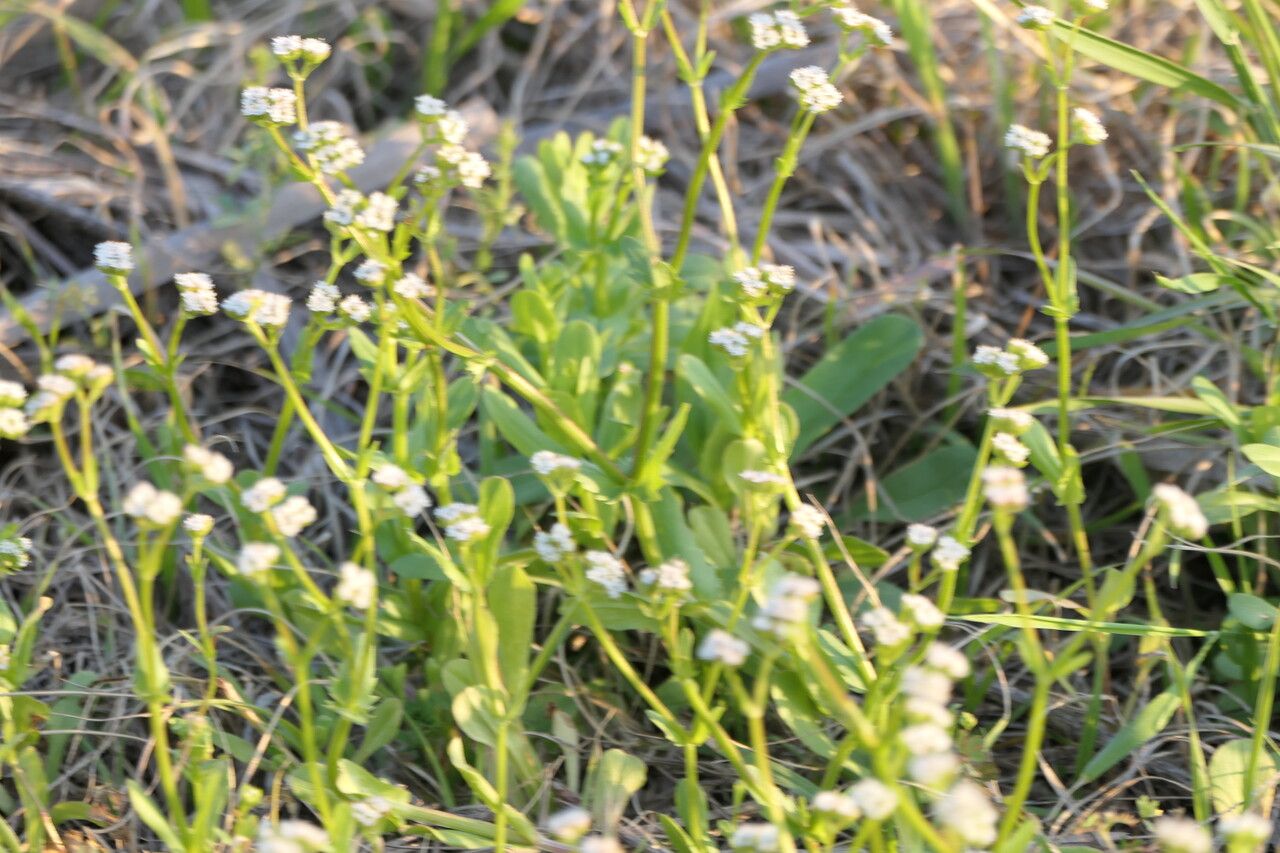
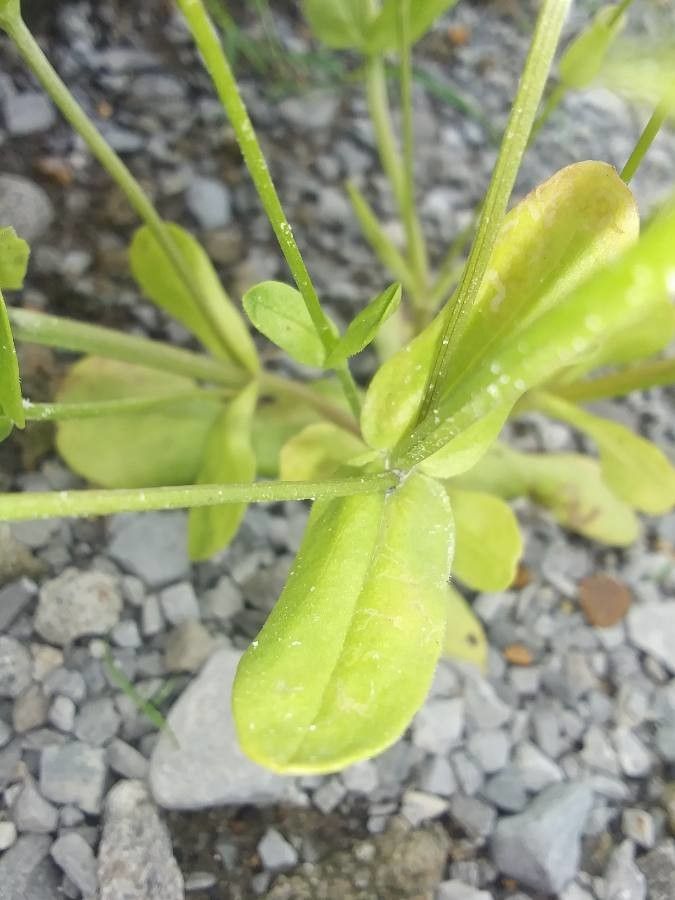
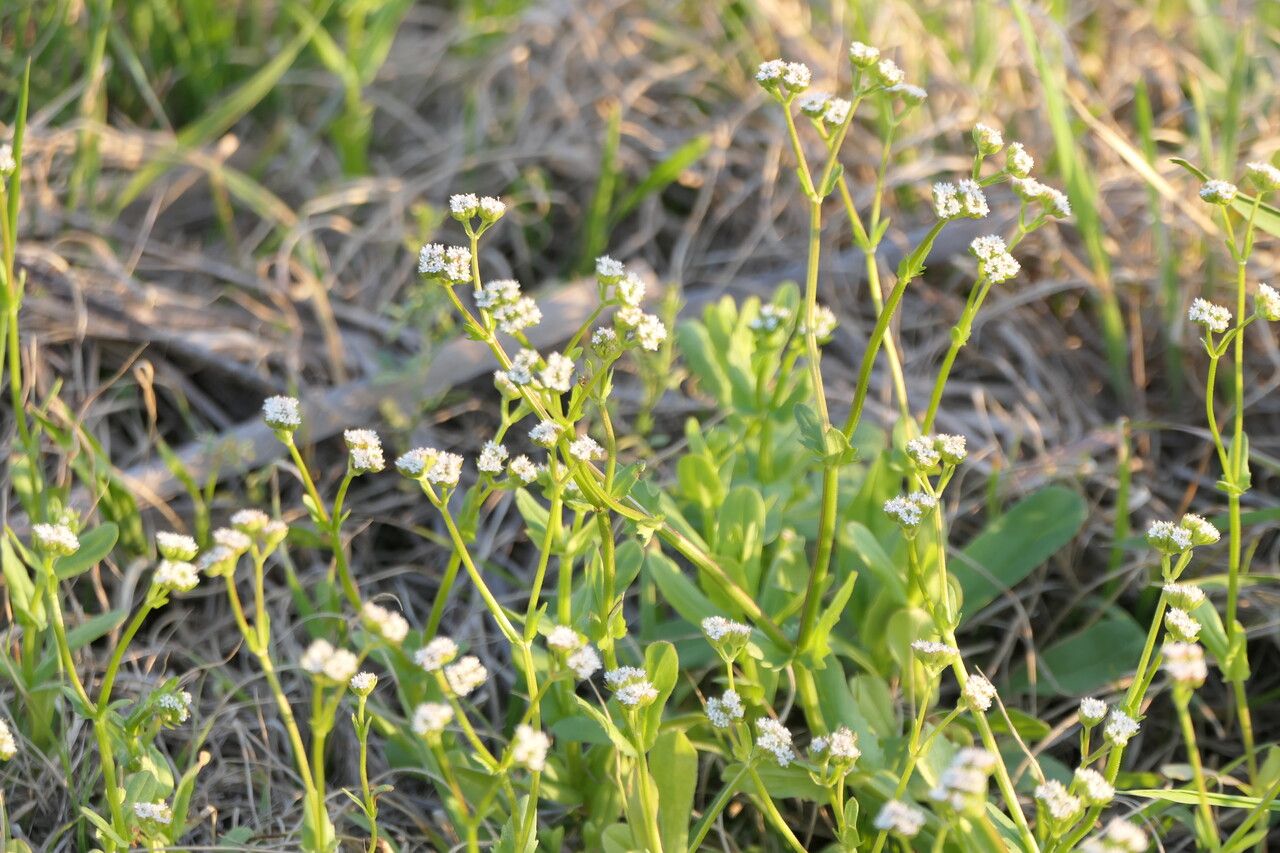
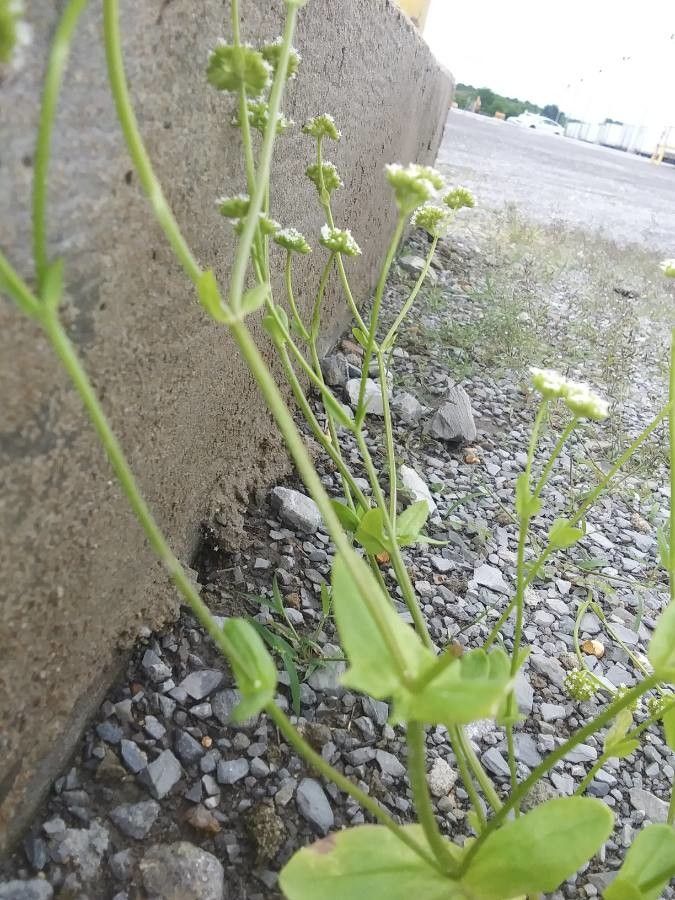
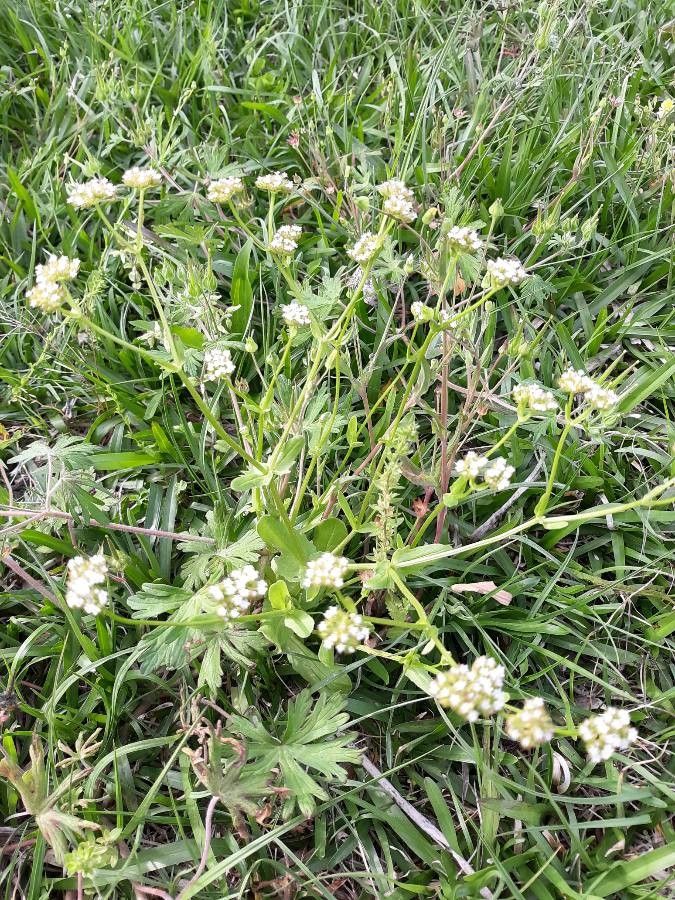
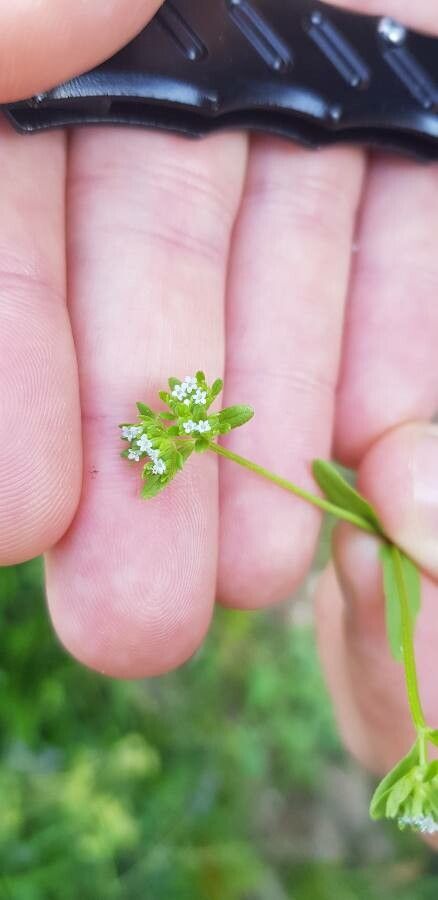
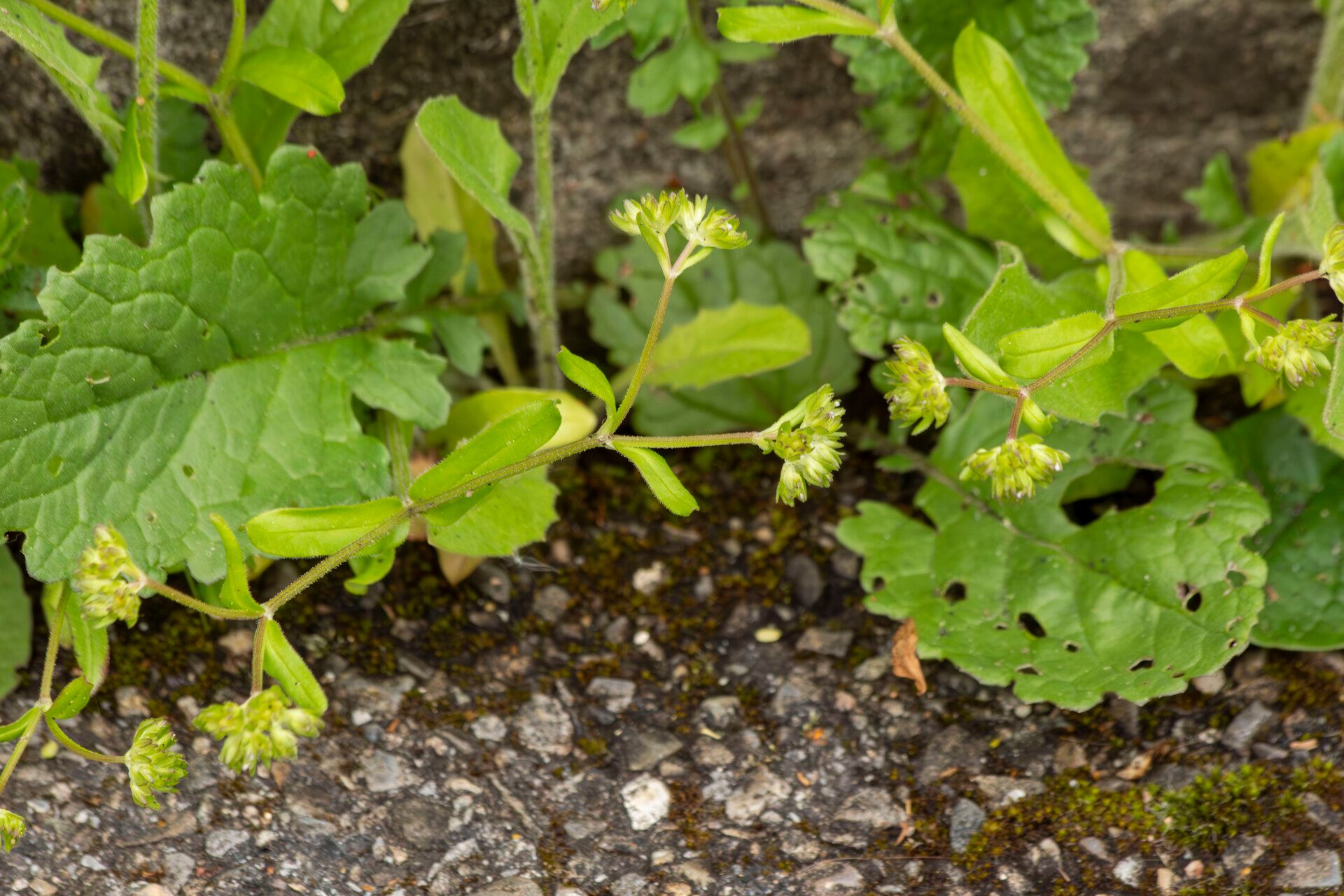
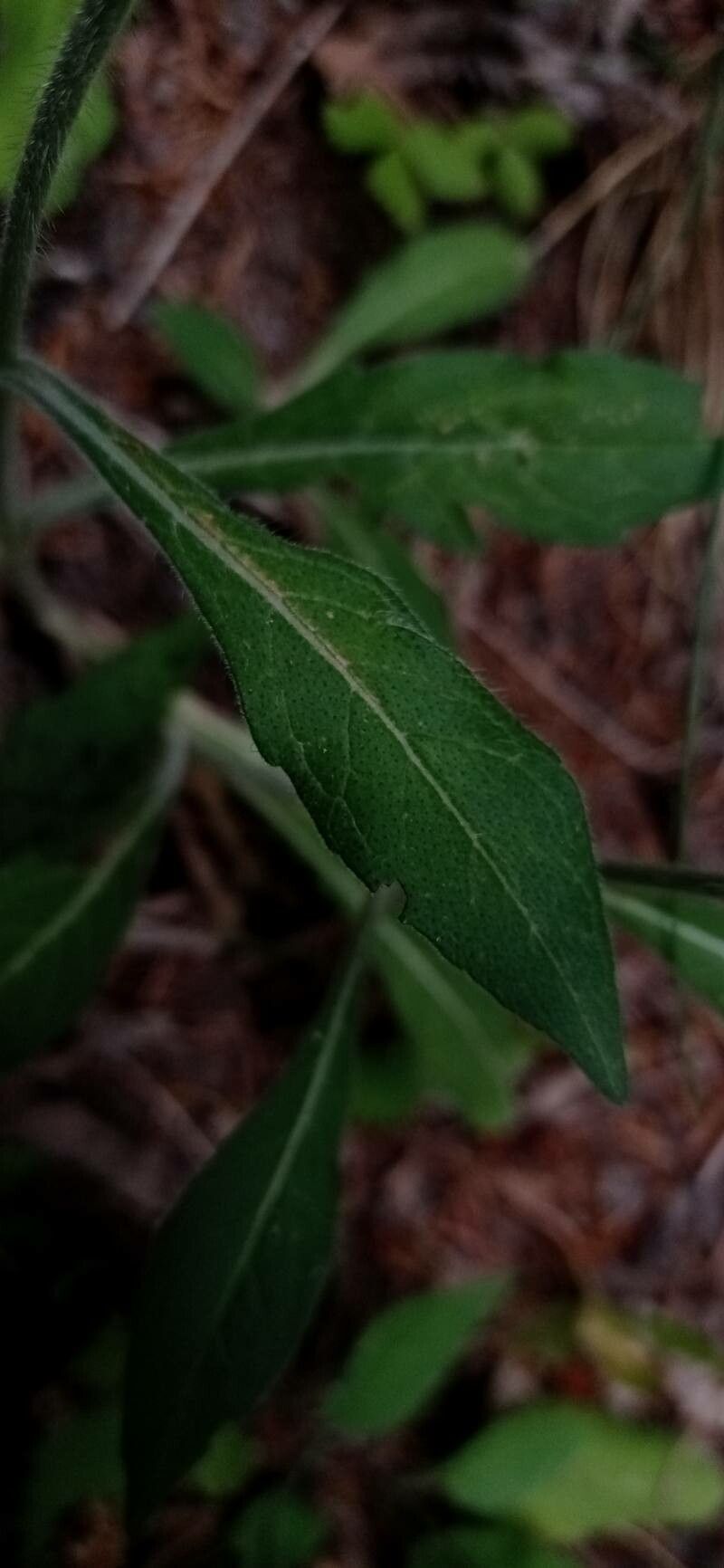
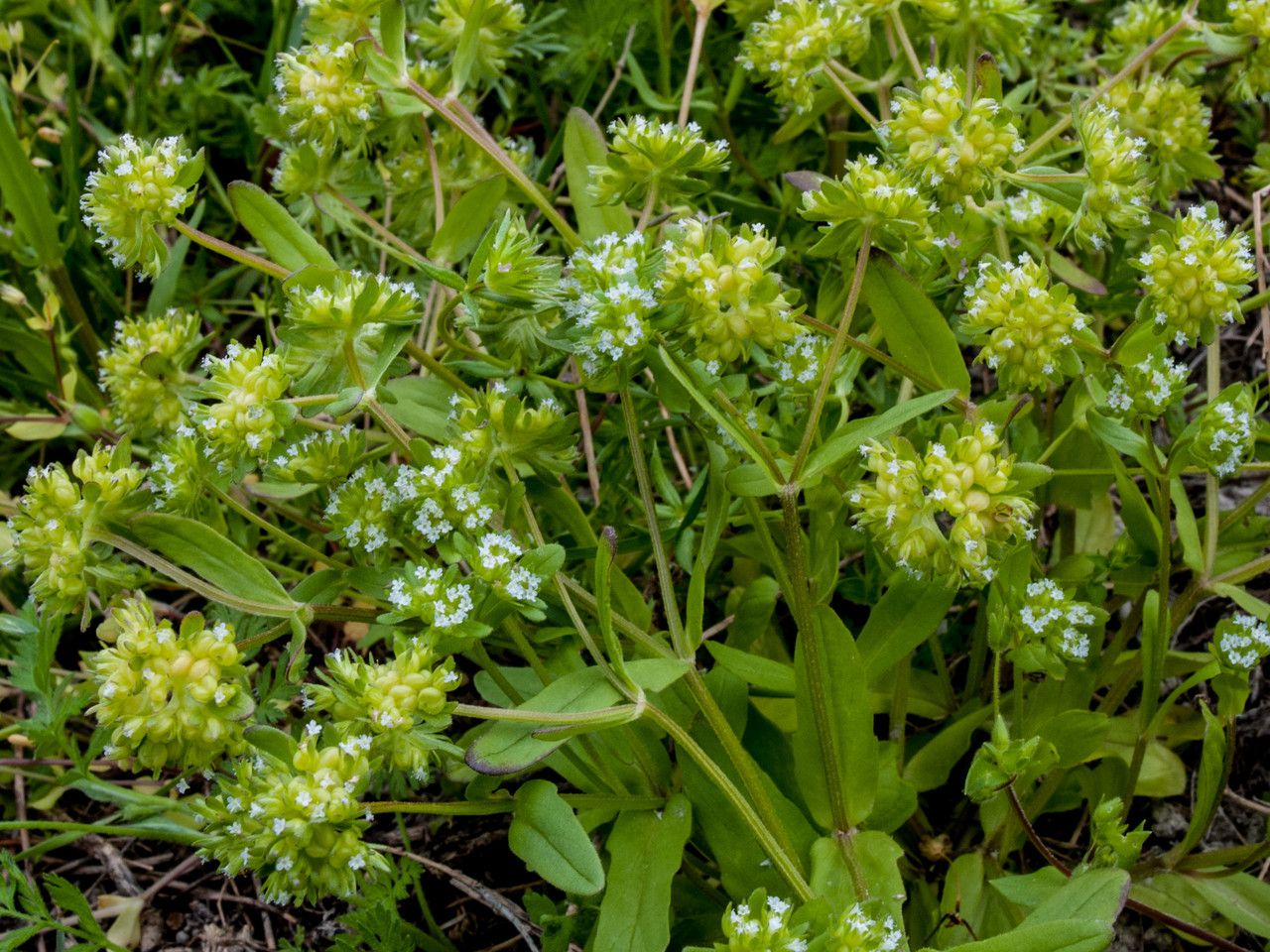
Valerianella radiata, commonly known as corn salad or lamb's lettuce, is a small annual plant belonging to the Valerianaceae family. Native to Europe and Asia, it has also been introduced and naturalized in many parts of North America. The plant typically grows up to 30 cm in height and features a rosette of basal leaves that are either oval or lanceolate in shape.
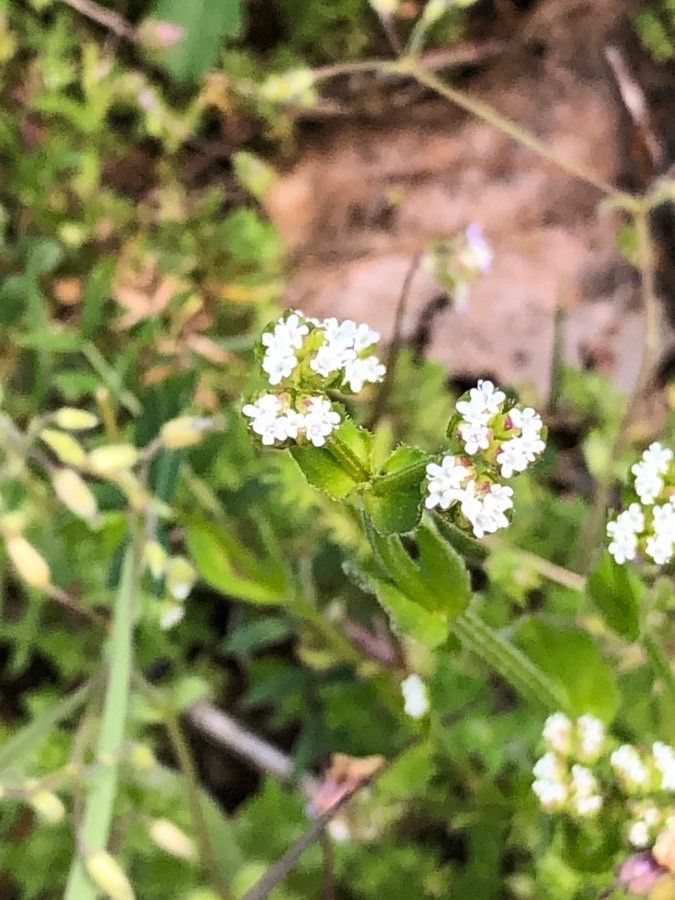
The leaves of Valerianella radiata are edible and have a mild, nutty flavor. They are commonly used as salad greens or cooked similarly to spinach. The plant also produces small white flowers that bloom from late spring to early summer.
Valerianella radiata prefers cool temperatures and thrives in moist, well-drained soil with partial shade. It is often grown as a winter crop because it can tolerate frost but does not fare well in hot weather.
For centuries, the plant has been used for its medicinal properties, particularly for its calming effects that can help alleviate anxiety and insomnia. Additionally, it boasts high levels of vitamins A, C, and K, alongside essential minerals such as iron, calcium, magnesium, and potassium.
Overall, Valerianella radiata is an easy-to-grow crop with numerous culinary applications and potential health benefits, making it an excellent addition to any garden or farm-to-table operation.
Beaked Cornsalad has moderate resistance to disease and can be vulnerable to problems such as leaf spot. Its vulnerability to insect pests varies by variety, but most have lower resistance to pests. For care, Beaked Cornsalad requires regular watering and fertilizing, plus frequent removal of yellow leaves. It is important to address pests and diseases when they occur and to harvest the plant in a timely way. Beaked Cornsalad is suitable for those who can spend some time and energy on routine care.
How to keep Valerianella Radiata.
Light
Beaked Cornsalad grows best when it gets continuous sunlight throughout the day, because those conditions reflect its natural environment. This steady exposure encourages strong growth and good overall health. By contrast, diminished light can slow its development, while excessive light may cause harm.
Water
Beaked Cornsalad, which comes from moderate climates, thrives best with consistent moisture. To keep it healthy and prevent waterlogging, it should be watered weekly. This outdoor plant benefits from seasonal rainfall, which enhances its natural water cycle and supports its overall growth and health.
Temperature
Beaked Cornsalad comes from temperate regions and can tolerate a variety of seasonal changes. Its preferred temperature range is 68 to 100.4 °F (20 to 38 ℃). If temperature falls below or rises above this preferred range, beaked Cornsalad may require extra care to maintain healthy growth.
Fertilizer
To maximize the yield and flavor of Beaked Cornsalad, provide sufficient nitrogen throughout the entire growth cycle, from pre-planting through harvest. Adequately watered and fertilized plants produce plentiful, healthy leaves and reduce bitterness. Before planting, amend the soil with organic matter such as compost or manure, ideally 2 to 8 weeks beforehand.
Pruning
Beaked Cornsalad is a delicate annual plant with small white flowers that requires minimal pruning. The best time to remove damaged foliage and trim flower heads to prevent self-seeding is from early to late spring. Light pruning can improve air circulation and support healthy growth. For detailed pruning techniques, it is advisable to consult horticultural guides.
Botanical profile.
- Plant Type
- Herb
- Life Cycle
- Annual
- Genus
- Valerianella
- Family
- Valerianaceae
- Hardiness Zone
- 11
- Mature Height
- 15 cm
- Mature Spread
- 30 cm
- Leaf Color
- Light Green
- Leaf Type
- Semi-evergreen
- Flower Color
- White
- Flower Size
- 2.54 cm
- Bloom Time
- Late spring, Early summer, Mid summer
- Planting Time
- Spring, Summer, Autumn
- Harvest Time
- Early summer, Mid summer
Other names.
Reader questions.
How should I water my Beaked Cornsalad?
Beaked Cornsalad can be watered using various tools such as a garden hose with a spray nozzle or a watering can. This plant is not too particular about the type of water it receives and can thrive with rainwater, tap water, or filtered water. It's generally recommended to avoid watering Beaked Cornsalad from overhead to prevent damage to leaves and flowers, as well as the potential for disease. Instead, setting up a drip irrigation system is often the best method for watering this plant, as it provides even and direct water to the soil. When watering a container-grown Beaked Cornsalad, you can use a cup, watering can, or tap water to water the soil directly.
What are the sunlight requirements for Beaked Cornsalad?
Beaked Cornsalad, botanically known as Valerianella radiata, thrives best in full sun conditions, requiring more than 6 hours of sunlight daily. It's important to observe the movement of sunlight through your garden to select the ideal spots that provide a balance of light and shade, ensuring the plant's healthy growth. Continuous exposure to the sun's rays throughout the day is essential as it mimics the plant's natural habitat, promoting robust growth and health. However, it's crucial to avoid excessive sunlight, which can impede its progress or even cause damage.
What is the native habitat and preferred temperature range for Beaked Cornsalad?
Beaked Cornsalad, botanically known as Valerianella radiata, is native to temperate zones and is well-adapted to various seasonal fluctuations. The plant thrives in a preferential temperature range between 68 to 100.4 °F (20 to 38 °C). However, to ensure healthy growth, additional care may be necessary if the temperature falls below or rises above this preferred range. Beaked Cornsalad is particularly fond of warmth, and exposure to cold temperatures can be detrimental to its well-being.
What should I do if I give too much or too little water to my Beaked Cornsalad?
The solution for underwatering Beaked Cornsalad is simple: water it regularly when you notice it lacking moisture. However, overwatering can be more serious if not addressed early. Overwatered plants can develop diseases that lead to decline and death. To prevent this, choose a suitable growing location with ample sunlight to dry the soil and good drainage to prevent water from pooling. If you have overwatered your potted Beaked Cornsalad, it may be necessary to transfer it to a new pot. Ensure the new pot has proper drainage and use loose soil when repotting.
How can artificial lighting be used for Beaked Cornsalad indoor growth?
For indoor growth, Beaked Cornsalad may require artificial lighting, especially when natural sunlight is insufficient. Artificial lights, like LED lights, can be customized to provide specific wavelengths needed by the plant, thus promoting faster and healthier growth. The recommended artificial light intensity varies: full sun plants need 30-50W/sq ft, partial sun plants need 20-30W/sq ft, and full shade plants require 10-20W/sq ft. The light source should be placed 12-36 inches above the plant to mimic natural sunlight. Most plants, including Beaked Cornsalad, need 8-12 hours of light per day, depending on the plant species.
How do I care for Beaked Cornsalad in cold temperatures?
Beaked Cornsalad prefers warm temperatures and struggles in cold conditions. If temperatures are expected to fall below its comfortable threshold, especially during winter, maintaining a temperature above 20°C is beneficial, and it’s crucial to avoid letting it drop close to 10°C. To protect Beaked Cornsalad from cold temperatures, trim any frost-damaged parts and move the plant indoors to a warm spot, ideally near a south-facing window for ample sunlight. However, ensure the plant is not placed directly next to heaters or air conditioning vents, as this could cause excessively dry air, further stressing the plant.
How frequently should I water my Beaked Cornsalad?
To keep your Beaked Cornsalad healthy, you should water it regularly. In the spring, watering once a week is sufficient. However, as the season progresses and temperatures rise, you may need to water two to three times a week. Be careful not to exceed this frequency as it can harm the plant. Regardless of how often you water, make sure the soil is consistently moist but not soaked. If your Beaked Cornsalad is in a pot, you'll need to water it more frequently than if it were in the ground. Potted plants tend to dry out faster, so watering them a few times a week is usually necessary, compared to the once-a-week watering for in-ground plants.
What are the symptoms of inadequate light for Beaked Cornsalad?
Beaked Cornsalad exhibits several symptoms when exposed to inadequate light, such as smaller than usual new leaves, leggy or sparse growth, faster leaf drop, slower or no new growth, and lighter-colored or chlorotic new leaves. Other symptoms include sunscald, where intense light exposure damages the plant's leaves or stems, leaf curling as a defense mechanism against excessive sunlight, wilting due to increased water loss, and leaf scorching characterized by brown, dry edges on leaves because of overexposure to sunlight.
What should I do if Beaked Cornsalad experiences high temperature?
Beaked Cornsalad should ideally be kept below 38°C during the hotter months. Exposure to temperatures exceeding 43°C can result in a lighter leaf color and increase the risk of sunburn. In case of high temperature or sunburn, you should trim away the sunburned or dried parts of the plant. It’s also advisable to move the plant to a shaded area to protect it from the harsh midday and afternoon sun. Ensuring the soil remains moist through watering in the mornings and evenings will help mitigate the stress from high temperatures.
How much water does my Beaked Cornsalad require?
Determining how much water to give your Beaked Cornsalad can be done in a few different ways. Some gardeners prefer to assess the moisture level of the soil by feeling it, and they suggest watering until the top six inches of soil feel moist. Alternatively, you can use a specific measurement as a guideline. Typically, Beaked Cornsalad requires about two gallons of water per week, depending on temperature and how quickly the soil dries out. However, adhering strictly to this guideline may result in overwatering if your plant needs less water for any reason. When growing Beaked Cornsalad in a container, a different approach is necessary. In this case, you should aim to moisten all layers of dry soil by either testing with your finger or watering until you observe a slight trickle of excess water draining from the pot's holes.
What are the solutions for Beaked Cornsalad experiencing light deficiency or overexposure?
To address light deficiency or overexposure in Beaked Cornsalad, consider gradually moving your plants to achieve at least 6 hours of direct sunlight daily. Use a south-facing window or artificial lights, such as desk lamps or professional grow lights, for indoor plants. For outdoor plants, avoid sudden changes in light intensity. If necessary, prune trees or obstacles that obstruct sunlight or transplant smaller plants to sunnier locations. Note that parts of the plant affected by insufficient sunlight may not recover, but new growth will be healthy after adjusting light exposure.
How can I know if I'm giving enough water to my Beaked Cornsalad?
It can be challenging to find the right balance when it comes to watering your Beaked Cornsalad. These plants have deep roots that require regular watering, but they are also prone to root rot if overwatered. Overwatering can also cause browning of the plant. Underwatering is less common as Beaked Cornsalad can survive without supplemental watering for a while, but if left too dry, it will wilt and develop dry leaves.